10-Day Mt. Kailash Spiritual Group Tour for Budget-Friendly & Solo Traveler

Unlock the Mystique of the Himalayas on an Unforgettable 10-Day Mt. Kailash Spiritual Group Tour – Perfect for Budget-Conscious and Solo Adventurers, Starting from Kathmandu!

Mount Kailash has stood as a beacon of spiritual significance for centuries, revered by Hindus, Buddhists, Jains, and Bonpos alike. Its majestic, snow-capped peak and the serene waters of Lake Manasarovar draw pilgrims and seekers from across the globe. Now, you have the incredible opportunity to experience this sacred landscape on our meticulously crafted 10-day Mt. Kailash Spiritual Group Tour, beginning and concluding in Kathmandu.

Designed with budget travelers and solo adventurers in mind, this group-joining tour offers an affordable and enriching way to immerse yourself in the profound spirituality and breathtaking beauty of this remote corner of Tibet. With departures guaranteed for groups of a minimum of 4 and ideally up to 20 multinational participants, you’ll share this transformative journey with like-minded individuals from diverse backgrounds, fostering camaraderie and shared experiences.
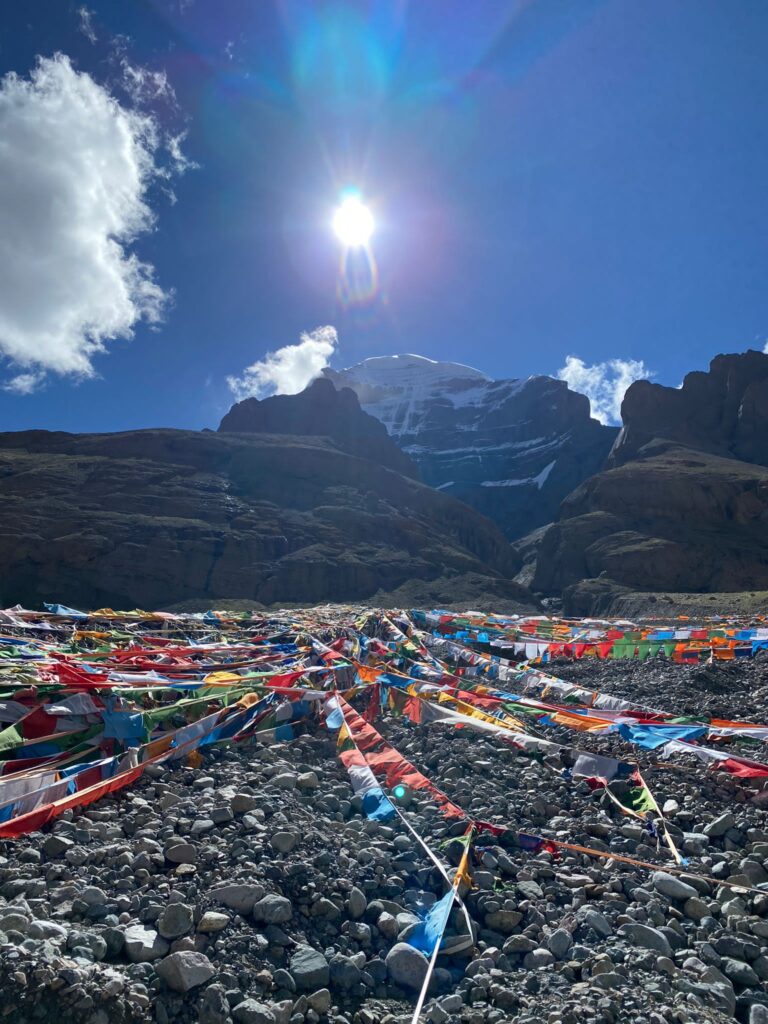
Mt. Kailash Spiritual Group Tour for Budget-Friendly & Solo Traveler

Why Choose Our 10-Day Mt. Kailash Spiritual Group Tour from Kathmandu?

  • Budget-Friendly: Traveling in a group offers a significantly more affordable option than private tours, making this sacred journey accessible to a wider range of travelers starting from Kathmandu.
  • Perfect for Solo Travelers: Don’t let traveling alone deter you! Our group tours provide a welcoming and supportive environment to connect with fellow spiritual seekers and share this profound experience from the moment you arrive in Kathmandu.
  • Multinational Group: Journey alongside participants from around the world and immerse yourself in a rich tapestry of cultures and perspectives.
  • Expertly Curated Itinerary: Our 10-day itinerary is thoughtfully designed to maximize your spiritual experience and exposure to the key sacred sites around Mt. Kailash and Lake Manasarovar, with seamless travel from and back to Kathmandu.
  • Experienced Local Guides: Benefit from the knowledge and insights of our experienced Tibetan guides, who will share the region’s cultural and spiritual significance.
  • Logistical Support: We take care of all the necessary logistics, including Tibet entry permits, visa processing in Kathmandu, accommodation (comfortable guesthouses), transportation within Tibet, and meals (as specified in the itinerary), allowing you to focus on your spiritual journey.
  • Safety and Comfort: Your safety and comfort are our priority. We ensure reliable transportation, acclimatization stops, and support throughout the tour.

Outline Itinerary: 10-Day Mt. Kailash Spiritual Tour from Kathmandu

  • Day 1: Kathmandu (1400m) – Kerung (2200 m) (145 km): Your journey begins in Kathmandu. After necessary border formalities, we drive towards the Nepal-China border, crossing at Kerung. Overnight stay in Kerung.
  • Day 2: Kerung (2200 m): A crucial day for acclimating to higher altitude. Explore the local surroundings and rest to prepare for the journey ahead. Overnight stay in Kerung.
  • Day 3: Kerung – Saga (4600m): Embark on a scenic drive across the Tibetan plateau towards Saga. Enjoy the vast landscapes and begin to experience the unique atmosphere of Tibet. Overnight stay in Saga.
  • Day 4: Saga – Manasarovar (4560m) (560km – 7 hours drive): Continue your journey towards the sacred Lake Manasarovar. Witness breathtaking views of the Himalayas and the expansive Tibetan plains. Arrive at the shores of the holy lake. Overnight stay near Manasarovar.
  • Day 5: Manasarovar – Darchen (4560m) (30km): Spend the morning absorbing the serene beauty of Lake Manasarovar. You may have the opportunity for a short parikrama (circumambulation) of a section of the lake by jeep. Later, drive to Darchen, the base camp for the Mt. Kailash Kora. Overnight stay in Darchen.
  • Day 6: Darchen – Dirapuk (4900m): Begin your parikrama (clockwise circumambulation) of Mt. Kailash. Trek through valleys and alongside glacial rivers to reach Dirapuk Monastery, offering magnificent north face views of the sacred mountain. This is a challenging but rewarding day. Overnight stay in a guesthouse near Dirapuk.
  • Day 7: Dirapuk – Zutulpuk (4790m) (22km – 10 hours): This is the most challenging day of the Kora, as you ascend to the Dolma La Pass (5,630m/18,471ft), adorned with prayer flags and offering breathtaking panoramic views. Descend to the valley on the other side and continue trekking to Zutulpuk Monastery. Overnight stay in a guesthouse near Zutulpuk.
  • Day 8: Zutulpuk – Darchen – Saga: Complete the final leg of the Kora, trekking for approximately 3-4 hours back to Darchen. From Darchen, we begin our journey back towards Saga. Overnight stay in Saga.
  • Day 9: Saga – Kerung: Continue your drive back towards the Nepal border, arriving in Kerung. Overnight stay in Kerung.
  • Day 10: Kerung – Kathmandu (1400m): After completing border formalities, we drive back to Kathmandu, where your spiritual journey concludes.

Permit & Visa Processing (Crucial Information):

To participate in this Mt. Kailash tour departing from Kathmandu, specific permits and a Chinese Group Visa are required. Please carefully note the following procedures:

  • Permits:
    • Submit clear passport copies 30-35 days in advance of your intended travel date. This lead time is essential for processing the necessary Tibet Travel Permit and other required permissions.
    • A non-refundable 10% deposit of the tour cost is required at the time of submitting your passport copies for the permit application. This deposit secures your spot and initiates the permit process.
  • Visas:
    • As this tour enters Tibet from Nepal, a Chinese Group Visa is mandatory. This visa will be applied for in Kathmandu.
    • The visa fee depends on your nationality, as not all nationalities have the same visa fee, and some may not be eligible for a visa fee. Please inquire about the specific visa fee for your passport.
    • The visa processing takes approximately 4 working days here in Kathmandu.
    • Guests are required to be physically present in Kathmandu with their original passports during the visa processing period. Our team will guide you through this process. Please factor this time into your travel plans.

Is This Tour Right for You?

This 10-day Mt. Kailash Spiritual Group Tour from Kathmandu is ideal for:

  • Budget-conscious travelers seeking an affordable way to undertake this sacred pilgrimage can start and end in Kathmandu.
  • Solo travelers looking for a supportive and communal travel experience from the moment they arrive in Nepal.
  • Individuals with a keen interest in spirituality, Buddhism, Hinduism, Jainism, or Bonpo traditions.
  • Adventurous individuals who are comfortable with basic accommodation and willing to undertake moderate trekking at high altitudes.
  • Those seeking a transformative and culturally enriching travel experience in the remote Himalayas.

Ready to Embark on Your Sacred Journey from Kathmandu?

Don’t miss this incredible opportunity to witness the majesty of Mt. Kailash and immerse yourself in its profound spiritual energy, with the convenience of starting and ending your journey in Kathmandu. Join our upcoming multinational group tour and create lasting memories with fellow travelers from around the globe.

For detailed itinerary, departure dates, permit and visa information, and booking details for our 10-Day Mt. Kailash Spiritual Tour from Kathmandu, please visit: https://www.tibettour.travel/kailash-spiritual-tour-10-days

Limited Spots Available – Book Your Spiritual Adventure from Kathmandu Today!
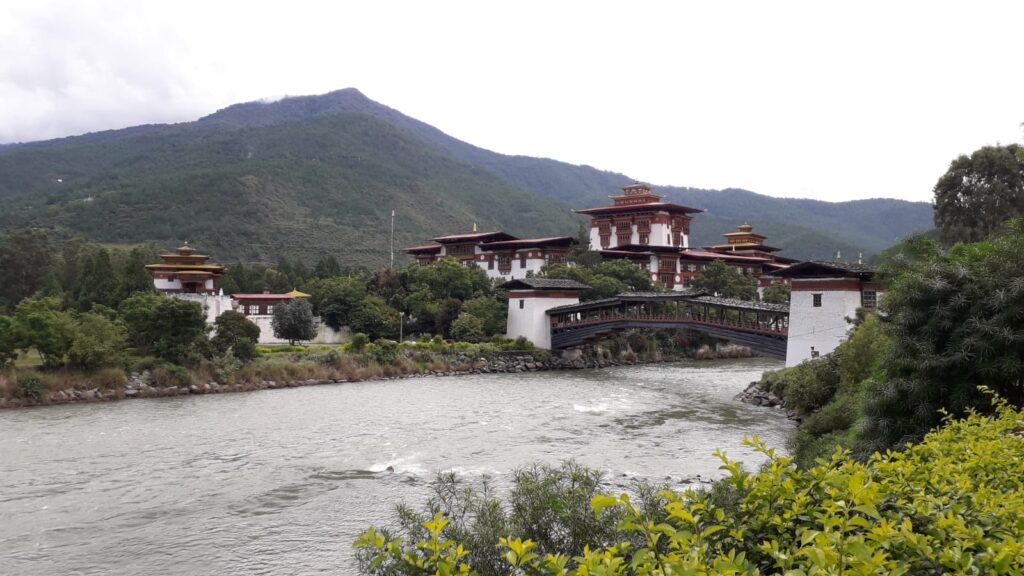
Your Guide to Tibet and Bhutan Tours 2025

Planning a Bhutan Tour or Tibet Tour? Imagine the roof of the world, where prayer flags flutter against a backdrop of snow-capped peaks and ancient monasteries whisper tales of spirituality – this is Tibet. Or perhaps your mind wanders to the Land of the Thunder Dragon, a kingdom of vibrant culture, breathtaking landscapes, and a philosophy of Gross National Happiness – this is Bhutan. Both destinations offer unparalleled travel experiences, immersing you in unique traditions and stunning natural beauty.

Planning a journey to these extraordinary Himalayan realms in 2025 requires careful consideration and access to current information. From evolving travel regulations to the best times to visit and essential permit details, staying informed is key to crafting a seamless and unforgettable adventure. This article serves as your comprehensive guide, providing the latest tour updates and answering frequently asked questions to help you plan your dream trip to Tibet or Bhutan in 2025. Let’s unlock the secrets to your Himalayan escapade!

Tibet Tour in 2025: What You Need to Know

Is Tibet Open for Tourists in 2025?

Yes, as of May 2025, the Tibet Autonomous Region (TAR) warmly welcomes all foreign travelers seeking to explore its unique culture and breathtaking landscapes.

Can I Travel Independently in Tibet?

No, the regulations for traveling in Tibet require all international visitors to be part of an organized tour booked through a local Tibetan travel agency. Independent travel within the TAR is currently not permitted.

What is a Tibet Travel Permit (Tibet Visa)? Do I Need One?

Absolutely. A Tibet Travel Permit is a mandatory document for every international visitor wishing to enter Tibet. Often referred to as a “Tibet Visa,” this permit is essential, and you will not be allowed entry into the TAR without it. Your tour operator will typically assist you in obtaining this permit.

What Other Permits Might I Need for Tibet?

Depending on the scope of your Tibetan adventure, you might require additional permits. If your itinerary extends beyond Lhasa to other fascinating prefectures like Shigatse or Tsedang, an Alien Travel Permit will be necessary. Furthermore, for visits to sensitive border regions such as the Mount Everest Base Camp area or when entering Tibet from Nepal, a Border Permit is also required. It’s crucial to discuss your planned itinerary with your tour operator to ensure all necessary permits are secured.

How Do I Get a Chinese Group Visa for Tibet from Nepal?

If your journey to Tibet begins in Nepal, you will need to obtain a Chinese Group Visa from the Chinese Embassy in Kathmandu. It’s important to note that upon application for this group visa, any existing Chinese visa in your passport will be canceled. Your tour operator in Nepal will typically facilitate this process.

Are There Direct Flights Between Lhasa and Kathmandu?

Yes, connectivity between the capitals of Nepal and Tibet has been restored. Direct flights between Lhasa Gonggar Airport (LXA) and Kathmandu Tribhuvan International Airport (KTM) operate several times a week, offering a convenient travel option.

Is Mount Everest Base Camp Open to Tourists?

For those dreaming of gazing upon the world’s highest peak, the news is good! The Mount Everest Base Camp region on the Tibetan side is open to tourists in 2025, allowing you to witness the majestic grandeur of Everest.

Can I Do the Kailash Kora in 2025?

Pilgrims and trekkers rejoice! The revered Kailash Kora, the circumambulation of the sacred Mount Kailash, has resumed for international travelers holding non-Indian passports since late April 2025. However, the status for Indian citizens regarding the annual Kailash Yatra is currently still pending, and updates should be sought from relevant authorities.

What is the Best Time to Visit Tibet?

The most favorable periods to experience Tibet’s charm are generally during spring (March to May) and autumn (September to November). These seasons offer pleasant weather conditions with comfortable temperatures and clear skies, ideal for sightseeing and trekking. Summer (June to August) is also a viable option with no monsoon rains in Tibet, although it can be warmer. It’s worth noting that Tibet typically closes for tourism from late February to the end of March each year for maintenance and upgrades.

How Far in Advance Should I Book My Tibet Tour?

Given the unique travel regulations and the time required for permit processing, it is highly advisable to book your Tibet tour and apply for the necessary permits well in advance. This is particularly crucial if you plan to travel during peak seasons or wish to visit more remote areas requiring additional permits. Aim to book at least 1-2 months before your intended travel dates to ensure a smooth process.

How Long Does it Take to Get a Tibet Travel Permit?

The processing time for a Tibet Travel Permit typically ranges from 10 to 15 business days. It’s essential to factor this timeframe into your travel planning and submit all required documents to your tour operator promptly.

Are There Any Visa-Free Policies That Apply to Tibet Travel from Nepal?

China has recently expanded its visa-free policy to include citizens of several countries for short stays in mainland China. While the direct application of this policy to Tibet travel from Nepal is still being clarified, eligible nationalities might benefit from a waiver of the standard Chinese Group Visa requirement when entering Tibet from Nepal. It’s recommended to check the latest visa regulations and consult with your tour operator for the most up-to-date information based on your nationality.

Planning Your Bhutan Tour in 2025

Dreaming of exploring the enchanting Kingdom of Bhutan in 2025? Known for its pristine landscapes, vibrant culture, and the philosophy of Gross National Happiness, Bhutan offers a truly unique travel experience. Here’s what you need to know to plan your Bhutanese sojourn:

Your Guide to Tibet and Bhutan Tours 2025

What is the Best Time to Visit Bhutan in 2025?

The most delightful times to visit Bhutan are generally during spring (March to May) and autumn (September to November). Spring brings blooming rhododendrons and pleasant temperatures, while autumn offers clear skies perfect for mountain views and vibrant cultural festivals. Summer (June to August) is the monsoon season, characterized by rain and higher humidity, although the landscapes are lush and green. Winter (December to February) presents a quieter atmosphere with fewer tourists and the chance to see snow-dusted landscapes.

What are Some Popular Bhutanese Festivals in 2025?

Experience the vibrant cultural heart of Bhutan by attending one of its colorful Tshechu festivals. While exact dates can vary slightly each year based on the lunar calendar, here are some key festivals to consider for your 2025 trip:

  • Paro Tshechu: Typically held in March/April in Paro.
  • Thimphu Tshechu: Usually takes place in September/October in Thimphu.
  • Jambay Lhakhang Drup: Celebrated in November in Bumthang.
  • Punakha Drubchen: Generally held in February in Punakha.
  • Pemagatshel Tshechu: Usually in October/November in Pemagatshel.
  • Prakhar Duchhoed: Typically in November in Bumthang.
  • Chhukha Festival: Usually celebrated in October in Chhukha.
  • Mongar Tshechu: Generally held in November in Mongar.
  • Jambay Lhakhang Singye Chham: Typically in December in Bumthang.

Do I Need to Book a Tour to Visit Bhutan?

Yes, due to Bhutan’s unique tourism policy focused on high-value, low-impact tourism, almost all tourists are required to book their trips through a licensed Bhutanese tour operator. Independent travel is generally not permitted. Your tour operator will arrange your itinerary, accommodation, guide, and transportation within the country.

Is There a Daily Tariff for Tourists in Bhutan? What Does it Cover?

Yes, Bhutan operates on a daily tariff system for most tourists. This tariff typically covers a comprehensive package that includes your accommodation (usually in comfortable hotels), all meals during your stay, the services of a licensed Bhutanese tour guide, and all internal transportation within Bhutan. The exact cost of the daily tariff can vary depending on the season and the level of accommodation you choose.

How Do I Get a Visa for Bhutan?

Obtaining a visa for Bhutan is usually a straightforward process handled by your Bhutanese tour operator. Once you have confirmed your tour booking and provided the necessary passport details and a digital photograph, your tour operator will apply for your visa on your behalf with the Department of Immigration in Thimphu. The visa is typically approved prior to your arrival, and you will receive a visa clearance letter. You will then receive the actual visa stamp in your passport upon arrival at Paro International Airport (PBH).

Are There Direct Flights to Bhutan? Where Do They Fly From?

Yes, Paro International Airport (PBH) is Bhutan’s only international airport and is well-connected by direct flights from several cities in Asia. You can find direct flights to Paro from:

  • Kathmandu (KTM), Nepal
  • Bangkok (BKK), Thailand
  • Delhi (DEL), India
  • Dhaka (DAC), Bangladesh
  • Kolkata (CCU), India

The primary airlines operating these routes are Drukair and Bhutan Airlines.

What Should I Wear When Visiting Religious Sites in Bhutan?

When visiting monasteries (lhakhangs) and fortress-monasteries (dzongs) in Bhutan, it is essential to dress modestly as a sign of respect for the local culture and religious customs. This generally means ensuring that your shoulders and knees are covered. Avoid wearing shorts, tank tops, or revealing clothing. It’s also customary to remove your hat and shoes before entering the inner sanctums of these sacred sites.

Are Credit Cards Widely Accepted in Bhutan?

While some of the larger hotels and shops in Bhutan may accept credit cards (primarily Visa and MasterCard), acceptance is still limited, especially in smaller towns and rural areas. It is highly recommended to carry sufficient cash in Bhutanese Ngultrum (BTN) or Indian Rupees (INR), which are accepted at par in Bhutan. You can exchange major foreign currencies for Ngultrum at the airport or in banks in the main towns. ATMs are also available in larger towns like Thimphu and Paro, but reliability can sometimes be an issue.

What are Some Popular Bhutan Tour Packages for 2025?

Bhutan offers a diverse range of tour packages catering to various interests:

  • Bhutan Cultural Tours (5-7 days): Exploring the iconic dzongs, monasteries, and cultural highlights of Paro, Thimphu, and Punakha.
  • Bhutan Trekking Tours (various durations): From short day hikes to challenging multi-day treks through stunning Himalayan landscapes.
  • Bhutan Nature Tours (7-9 days): Discovering Bhutan’s rich biodiversity, national parks, and unique flora and fauna.
  • Bhutan Luxury Tours (5-9 days): Offering premium accommodations and exclusive experiences.
  • Bhutan Honeymoon Packages (5-7 days): Specially curated romantic getaways in picturesque settings.
  • Bhutan Festival Tours (variable duration): Immersing yourself in the vibrant atmosphere of a Tshechu.
  • Nepal & Bhutan Combination Tours (7-10 days): Experiencing the best of both Himalayan kingdoms.

Tibet and Bhutan stand as beacons of cultural richness and natural splendor, offering journeys that transcend the ordinary. From the spiritual aura of Lhasa’s monasteries to the breathtaking vistas of the Everest region, and from Bhutan’s ancient fortresses to its philosophy of happiness amidst stunning landscapes, a Himalayan adventure in 2025 promises unforgettable moments and profound discoveries.

As you embark on planning your trip, remember that travel guidelines and regulations can evolve. Staying informed about the latest updates on permits, visas, and best practices is crucial for a smooth and enriching experience. We encourage you to connect with reputable local tour operators in both Tibet and Bhutan. Their expertise and in-depth knowledge will not only ensure that your journey adheres to all necessary requirements but also provide you with invaluable insights and access to the hidden gems of these remarkable destinations.

The Himalayas await, ready to unveil their magic and leave an indelible mark on your soul. Begin planning your 2025 adventure to Tibet or Bhutan today and prepare to be captivated by the unparalleled beauty and profound culture of these extraordinary lands.