Planning a Bhutan Tour 2027? One of the first questions almost every traveler asks is:
- Why is Bhutan so expensive?
- How much does a Bhutan tour cost?
- Is Bhutan worth the money?
- Are Bhutan tour packages all-inclusive?
- How much money should I budget for five days?
- Is Bhutan more expensive than Europe?
- Can I visit Bhutan on a budget?
If you’ve searched for any of these questions, you’re not alone. Every year, thousands of travelers planning a Bhutan Tour look for clear and honest information about costs before deciding whether Bhutan is the right destination for them.
The challenge is that many websites only advertise package prices without explaining what you’re actually paying for. Some quotes seem expensive at first glance, while others appear cheap until hidden costs are added later. This often leaves travelers confused about the real cost of visiting Bhutan.
This comprehensive guide aims to change that.
Whether you’re planning a cultural holiday, a honeymoon, a luxury escape, a family vacation, or a photography adventure, this article explains everything you need to know about Bhutan Tour Price 2027, including government fees, accommodation, transportation, guides, meals, permits, and the differences between budget, mid-range, and luxury travel.
By the end of this guide, you’ll know exactly how much to budget and how to choose the right Bhutan Tour Package 2027 for your travel style.
Why Understanding Bhutan Tour Costs Is Different From Other Countries
Planning a holiday to Thailand, Nepal, Japan, or Europe is usually straightforward—you book flights, reserve hotels, and explore on your own.
Bhutan works differently.
Bhutan has chosen a tourism model that prioritizes sustainability over mass tourism. Rather than attracting millions of visitors each year, the country focuses on welcoming travelers who value authentic cultural experiences while helping preserve Bhutan’s unique heritage and natural environment.
This means that many visitors travel on organized itineraries, and the total trip cost typically reflects far more than just hotel rooms or transportation.
Your tour price often supports:
- Environmental conservation
- Historic monastery preservation
- Community development
- Free healthcare
- Free education
- Cultural preservation
- Responsible tourism initiatives
- Local employment
Understanding this bigger picture helps explain why a Bhutan tour may initially seem more expensive than some neighboring destinations, while also offering a very different travel experience.
Why Is Bhutan Considered Expensive?
This is probably the most searched question about Bhutan.
The simple answer is:
Bhutan isn’t necessarily expensive because hotels or food cost more—it is expensive because the country intentionally manages tourism through sustainable policies.
Unlike destinations focused on high visitor numbers, Bhutan emphasizes:
- High-quality travel experiences
- Environmental protection
- Preservation of traditional culture
- Controlled tourism growth
- Benefits for local communities
Instead of encouraging large crowds, Bhutan invests tourism income back into the country through infrastructure, conservation, education, and public services.
As a result, travelers enjoy:
- Less crowded attractions
- Cleaner environments
- Well-preserved monasteries
- Authentic villages
- Rich cultural traditions
- Peaceful trekking routes
- Exceptional safety
- Personalized experiences
Many visitors say that what they remember most isn’t luxury—it’s the calm atmosphere, genuine hospitality, and sense of authenticity that is becoming increasingly rare in popular tourist destinations.
What Makes Up the Cost of a Bhutan Tour?
When you receive a quotation for a Bhutan Tour Package 2027, the total price generally includes several components.
1. Sustainable Development Fee (SDF)
This government fee is one of the largest contributors to the overall cost.
The SDF is collected by the Bhutanese government and supports:
- Environmental conservation
- Carbon-negative initiatives
- Cultural preservation
- Heritage restoration
- Rural development
- Tourism infrastructure
- Public services
We’ll explain this fee in detail later in this guide.
2. Accommodation
Your budget depends heavily on the hotel category you choose.
Common options include:
Standard Hotels
Typically clean, comfortable, and conveniently located.
Ideal for:
- First-time visitors
- Families
- Couples
- Small groups
Premium Hotels
Offer:
- Larger rooms
- Scenic locations
- Better facilities
- Higher service standards
Luxury Hotels
Luxury properties may include:
- Private villas
- Spa facilities
- Fine dining
- Mountain views
- Personalized services
- Wellness programs
Luxury accommodations can significantly increase the total tour cost.
3. Transportation
Bhutan’s mountainous roads mean transportation is an important part of your tour.
Packages generally include:
- Airport pickup
- Private vehicle
- Experienced driver
- Fuel
- Parking
- Intercity transfers
- Sightseeing transportation
Vehicle types vary depending on group size, from comfortable sedans for couples to spacious coaches for larger groups.
4. Licensed Tour Guide
A knowledgeable local guide enhances your experience by sharing insights into Bhutan’s history, traditions, and spiritual heritage.
Guides help visitors understand:
- Buddhism
- Festivals
- Local customs
- Architecture
- Monasteries
- Dzongs
- Village life
- Daily Bhutanese culture
5. Meals
Most Bhutan tour packages include:
- Breakfast
- Lunch
- Dinner
Many hotels serve both Bhutanese and international cuisine, catering to a variety of dietary preferences.
6. Entrance Fees
Your package often covers admission to major attractions such as:
- Dzongs
- Museums
- Monasteries
- Heritage sites
- Cultural landmarks
This allows you to focus on enjoying your trip without worrying about purchasing tickets at each stop.
7. Government Taxes
Depending on your package, applicable government taxes and service charges are often included in the quoted price, providing greater transparency and reducing unexpected expenses.
Is Bhutan Worth the Price?
Many travelers compare Bhutan to destinations where independent travel can be arranged for much less. However, the value of a Bhutan tour lies in the overall experience rather than simply the daily cost.
Visitors often highlight several aspects that make Bhutan stand out:
Safety
Bhutan is regarded as one of the safest countries for tourists, with low crime rates and a welcoming atmosphere.
Clean Environment
Strict environmental policies help keep towns, villages, and trekking routes exceptionally clean.
Authentic Culture
Traditional dress, architecture, festivals, and customs remain an integral part of everyday life, offering a cultural experience that feels genuine rather than staged.
Scenic Beauty
From lush valleys and alpine forests to snow-capped Himalayan peaks, Bhutan’s landscapes are breathtaking throughout the year.
Limited Crowds
Because tourism is carefully managed, you’ll often enjoy famous monasteries, temples, and viewpoints without the overwhelming crowds found in many popular destinations.
Personalized Service
Smaller visitor numbers often allow for more attentive service and a relaxed pace of travel.
What Is the Average Bhutan Tour Price in 2027?
Although prices vary based on season, hotel category, and group size, the following estimates provide a general idea of what travelers can expect.
| Tour Style | Approximate Cost (Per Person) |
|---|---|
| Budget Group Tour | Lower price range |
| Standard Cultural Tour | Mid-range |
| Private Tour | Higher than group tours |
| Luxury Tour | Premium pricing |
| Ultra-Luxury Experience | Highest price category |
Actual costs depend on several factors, including:
- Duration of the trip
- Hotel selection
- Group size
- Time of year
- Mode of transportation
- Inclusions
- Entry and exit points
- Special activities such as trekking or wellness programs
A customized quotation from a licensed Bhutan tour operator is the best way to determine your exact travel cost.
Factors That Influence Bhutan Tour Price
No two Bhutan tours cost exactly the same. Key variables include:
Number of Travelers
Larger groups can often share transportation and guide costs, reducing the price per person.
Season
Peak travel seasons generally have higher hotel rates and greater demand.
Hotel Category
Accommodation choices have a significant impact on the overall package price.
Length of Stay
Longer itineraries naturally increase total costs but may reduce the average daily rate in some cases.
Special Experiences
Activities such as:
- Luxury spa retreats
- Hiking and trekking
- Photography tours
- Festival tours
- Wellness programs
- Birdwatching
- Helicopter experiences (where available)
can add to the total package cost.
Why Comparing Bhutan Packages Can Be Misleading
One tour company may advertise a lower price than another, but that doesn’t always mean it’s a better value.
When comparing Bhutan Tour Packages 2027, it’s important to look beyond the headline price and check what’s included.
Ask questions such as:
- Which hotels are included?
- Are all meals provided?
- Is the Sustainable Development Fee included?
- Are monument entrance fees covered?
- Is airport transfer included?
- Is the vehicle private or shared?
- Are bottled water and snacks provided?
- Are festival tickets or special permits included?
- Are there any mandatory extra charges?
A slightly higher-priced package that includes more services may ultimately offer better value than a cheaper package with numerous exclusions.
Why Travelers Choose Bhutan Despite the Cost
Bhutan consistently ranks as a destination people describe as “worth every penny.” Visitors are drawn by experiences that are increasingly difficult to find elsewhere:
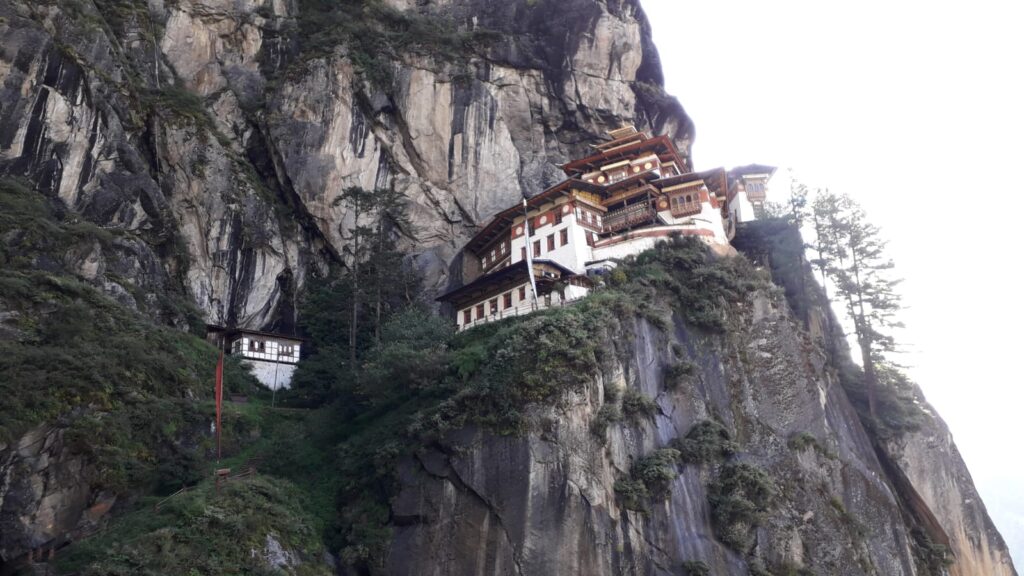
- Peaceful monasteries perched on dramatic cliffs
- Warm interactions with local communities
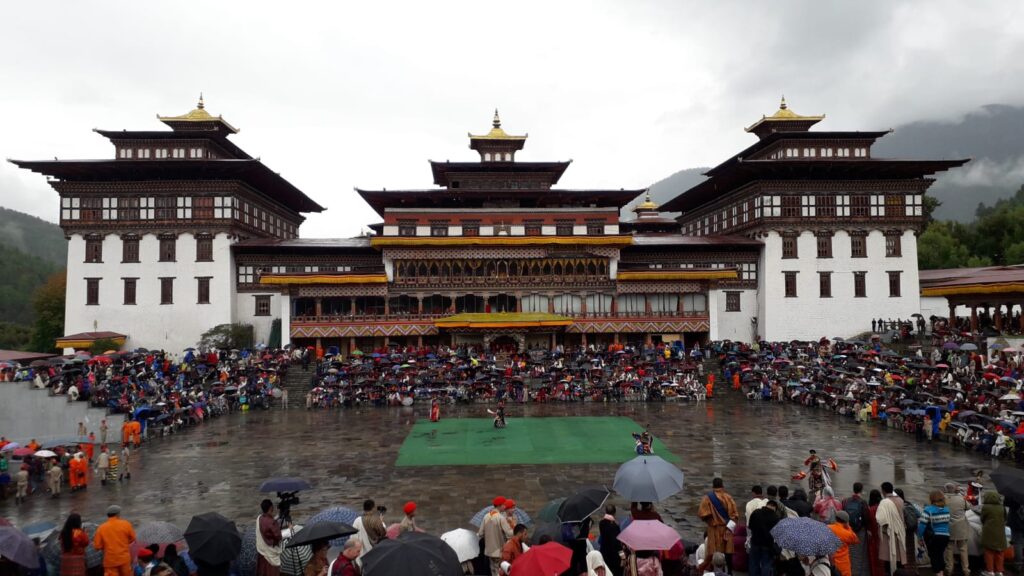
- Vibrant Buddhist festivals
- Untouched Himalayan landscapes
- A strong commitment to sustainability
- Rich cultural traditions preserved for future generations
For many, a Bhutan tour is not just another holiday—it’s an opportunity to experience a country that has chosen a unique path, balancing tourism with cultural and environmental preservation.
Full Bhutan Tour Price Guide 2027
One of the biggest concerns travelers have before booking a Bhutan Tour 2027 is understanding how much money they should budget. Unlike many destinations where travelers can simply book flights and hotels separately, Bhutan’s travel costs are influenced by government policies, accommodation standards, transportation, travel style, and itinerary.
The good news is that Bhutan offers travel options for different budgets—from comfortable standard cultural tours to exclusive luxury experiences.
Below is a general guide to help you understand what different types of Bhutan Tour Packages 2027 typically include.
| Tour Type | Recommended Duration | Suitable For |
|---|---|---|
| Budget Group Tour | 4–6 Days | Solo travelers, students, backpackers |
| Standard Cultural Tour | 5–7 Days | First-time visitors |
| Private Bhutan Tour | 6–10 Days | Couples, families |
| Luxury Bhutan Tour | 5–10 Days | Honeymooners, luxury travelers |
| Festival Tour | 7–12 Days | Cultural enthusiasts |
| Trekking Tour | 8–15 Days | Adventure travelers |
| Photography Tour | 7–12 Days | Professional photographers |
The total cost depends on several factors:
- Number of travelers
- Hotel category
- Season
- Tour duration
- Private vs group travel
- Festival dates
- Vehicle type
- Guide services
- Government fees
- Optional experiences
For this reason, a 5-day cultural tour and a 10-day luxury holiday will naturally have very different price points.
How Much Does a Bhutan Tour Cost Per Day?
A typical Bhutan tour combines accommodation, transportation, meals, sightseeing, guide services, and government charges into one package. This means travelers are paying for a complete travel experience rather than purchasing each service individually.
Your daily cost can vary depending on:
Budget Tours
Usually include:
- Standard hotels
- Shared departures (where available)
- Comfortable transportation
- Essential sightseeing
- Guided experiences
Ideal for travelers looking to experience Bhutan while keeping costs manageable.
Mid-Range Tours
Generally offer:
- Better hotel locations
- Larger rooms
- Private transportation
- More flexible itineraries
- Higher-quality dining
- Additional sightseeing opportunities
This is the most popular choice for international visitors.
Luxury Tours
Luxury packages may include:
- Five-star resorts
- Boutique lodges
- Wellness retreats
- Personalized experiences
- Premium vehicles
- Exclusive dining
- Spa treatments
- Cultural experiences arranged privately
These tours focus on comfort, exclusivity, and exceptional service.
Bhutan Sustainable Development Fee (SDF) Explained
One of the most searched topics about Bhutan is the Sustainable Development Fee (SDF).
Many travelers see this fee while researching their trip but don’t fully understand its purpose.
What Is the Sustainable Development Fee?
The Sustainable Development Fee is a government fee paid by most international visitors entering Bhutan.
Unlike a tourism tax found in many countries, Bhutan uses the SDF to support long-term national development and sustainable tourism.
The fee contributes to:
- Environmental protection
- Carbon-negative initiatives
- Cultural preservation
- Historic monastery restoration
- Public healthcare
- Education
- Community development
- Tourism infrastructure
- Conservation of national parks
Rather than encouraging mass tourism, Bhutan reinvests tourism revenue into protecting its environment and cultural heritage.
Why Does Bhutan Charge the SDF?
Bhutan follows a development philosophy centered on sustainability and quality of life. The country has chosen to welcome visitors in a way that minimizes environmental impact while maximizing benefits for local communities.
The SDF helps Bhutan:
- Limit overtourism
- Protect fragile ecosystems
- Preserve historic monuments
- Maintain traditional villages
- Improve roads and public facilities
- Support rural communities
- Invest in renewable energy and conservation projects
This approach has helped Bhutan remain one of the world’s few carbon-negative countries.
Does Every Tourist Pay the SDF?
The amount and eligibility for the Sustainable Development Fee vary depending on nationality and government regulations.
Policies can change over time, so travelers should always verify the latest requirements before booking.
Different rules may apply for:
- International travelers
- Indian nationals
- Children
- Diplomats
- Certain official visitors
Your licensed Bhutan tour operator can confirm the applicable SDF at the time of booking.
Is the SDF Included in Bhutan Tour Packages?
Some tour operators include the Sustainable Development Fee in the package price, while others list it separately.
Before confirming your booking, ask:
- Is the SDF included?
- Are government taxes included?
- Does the quoted price include visa processing (if applicable)?
- Are there any additional mandatory government fees?
Understanding these details helps avoid confusion later.
Is the SDF Worth It?
Many first-time travelers are surprised by the fee, but after visiting Bhutan, they often say they better understand its purpose.
Visitors commonly notice:
- Exceptionally clean towns
- Protected forests
- Well-maintained monasteries
- Less crowded attractions
- Strong cultural preservation
- Friendly local communities
- Sustainable tourism practices
These are some of the outcomes the SDF is intended to support.
Cheapest Way to Visit Bhutan
Many people believe Bhutan is only for luxury travelers. While it is not a low-cost destination, there are several ways to reduce your overall travel expenses without compromising the quality of your experience.
1. Travel During the Off-Season
Hotel prices may be lower during quieter travel periods, and attractions are often less crowded.
Benefits include:
- Better hotel availability
- More personalized service
- Peaceful sightseeing
- Potential seasonal promotions
2. Join a Small Group Tour
Private tours offer flexibility but can be more expensive because transportation and guide costs are not shared.
Group tours help lower the cost per traveler by sharing:
- Vehicle expenses
- Guide services
- Operational costs
This makes them an excellent option for solo travelers and friends.
3. Choose Standard Hotels
Bhutan’s standard hotels are generally clean, comfortable, and welcoming.
Many travelers spend most of the day exploring, making luxury accommodation less essential if budget is a priority.
4. Visit for Five to Six Days
A 5- or 6-day itinerary is often enough to explore Bhutan’s most famous destinations, including:
- Paro
- Thimphu
- Punakha
This provides an excellent introduction while keeping costs reasonable.
5. Travel in a Group
Families and groups often enjoy lower per-person costs because transportation expenses are shared among more travelers.
6. Book Early
Booking well in advance may provide:
- Better hotel choices
- Preferred guides
- More itinerary flexibility
- Access to promotional offers from some operators
Bhutan Tour Cost for Indians vs Foreigners
Another common question is whether Indian travelers pay the same as other international visitors.
The answer depends on current Bhutan tourism policies.
Historically, Indian citizens have had different travel arrangements compared with visitors from many other countries.
Differences may involve:
- Sustainable Development Fee rates
- Entry procedures
- Documentation requirements
- Tour arrangements
- Government regulations
Because these policies can change, travelers should always check the latest official guidelines before planning their trip.
What Costs Are Similar?
Regardless of nationality, travelers generally pay for:
- Hotels
- Transportation
- Meals
- Guides
- Sightseeing
- Monument entry fees
- Optional activities
- Personal expenses
What Costs May Differ?
Depending on current regulations, differences may apply to:
- Government fees
- SDF
- Entry requirements
- Permits
- Documentation
These should always be confirmed before booking.
Sample Budget for a 5-Day Bhutan Tour
Below is a simple example of how expenses are typically distributed. Exact amounts vary depending on the itinerary and accommodation.
| Expense Category | Typical Share of Total Budget |
|---|---|
| Accommodation | High |
| Transportation | Moderate |
| Guide | Moderate |
| Meals | Moderate |
| Government Fees | Significant |
| Monument Entrance Fees | Small |
| Personal Shopping | Optional |
| Tips | Optional |
| Travel Insurance | Separate |
| Flights | Separate |
This illustrates that a Bhutan tour package covers much more than just accommodation.
Budget vs Mid-Range vs Luxury Bhutan Tours
| Feature | Budget | Mid-Range | Luxury |
|---|---|---|---|
| Hotels | Standard | Premium | Five-Star |
| Vehicle | Comfortable | Private SUV | Luxury SUV |
| Meals | Good | Better variety | Fine dining |
| Guide | Professional | Professional | Senior guide |
| Flexibility | Moderate | High | Very High |
| Experience | Comfortable | Enhanced | Exclusive |
Every option allows travelers to experience Bhutan’s unique culture; the main differences are in comfort, personalization, and premium services.
Common Budget Mistakes Travelers Make
Many travelers underestimate their overall travel expenses by focusing only on the advertised tour price.
Common oversights include:
- International airfare
- Travel insurance
- Shopping
- Personal snacks
- Café visits
- Spa treatments
- Laundry
- Souvenirs
- Donations at monasteries
- Tipping guides and drivers
- Extra hotel nights before or after the tour
Planning for these additional expenses helps ensure a smoother and more enjoyable trip.
Why Choosing the Cheapest Package Isn’t Always the Best Value
A significantly lower package price may indicate that some important services are not included.
Before booking, ask:
- Which hotels will I stay in?
- Are all meals included?
- Are entrance fees included?
- Is bottled water provided during the tour?
- Is the vehicle private?
- How experienced is the guide?
- Are airport transfers included?
- Are government charges already included?
Sometimes paying a little more results in a much better travel experience and fewer unexpected expenses.
How Much Does a 5-Day Bhutan Tour Cost?
One of the most common questions travelers ask before booking is:
“How much does a 5-day Bhutan Tour cost?”
A five-day itinerary is the most popular choice for first-time visitors because it provides enough time to explore Bhutan’s most famous destinations while fitting comfortably into a week’s vacation.
Most 5-day itineraries include:
- Paro
- Thimphu
- Punakha (optional depending on itinerary)
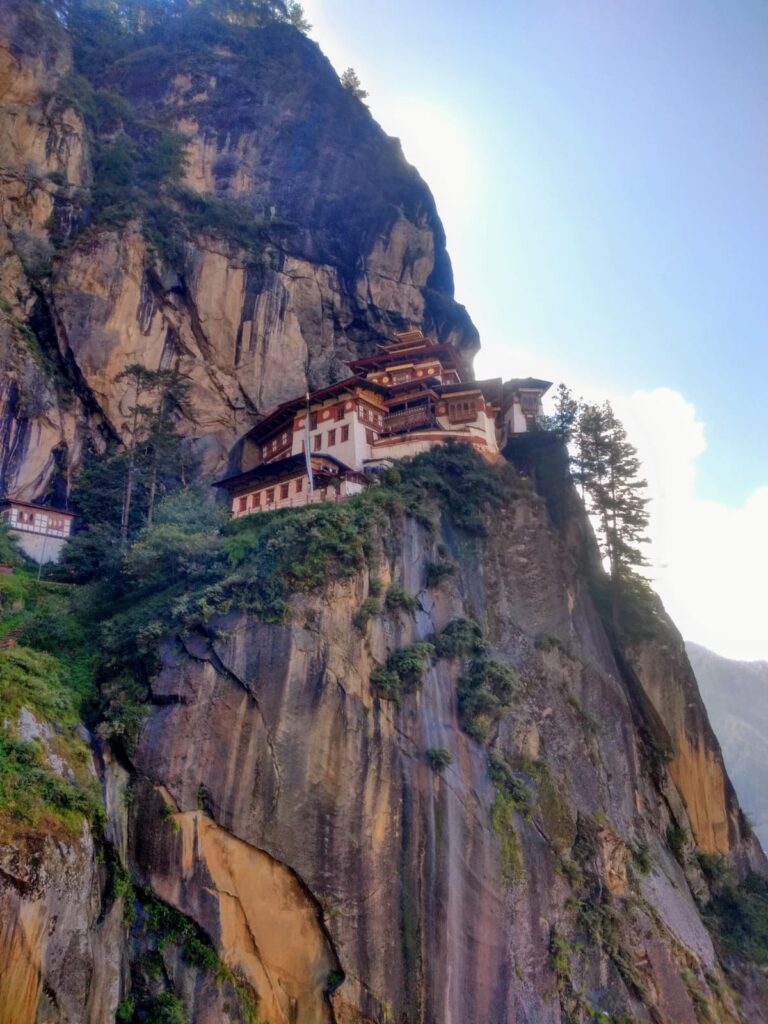
- Tiger’s Nest Monastery hike
- Memorial Chorten
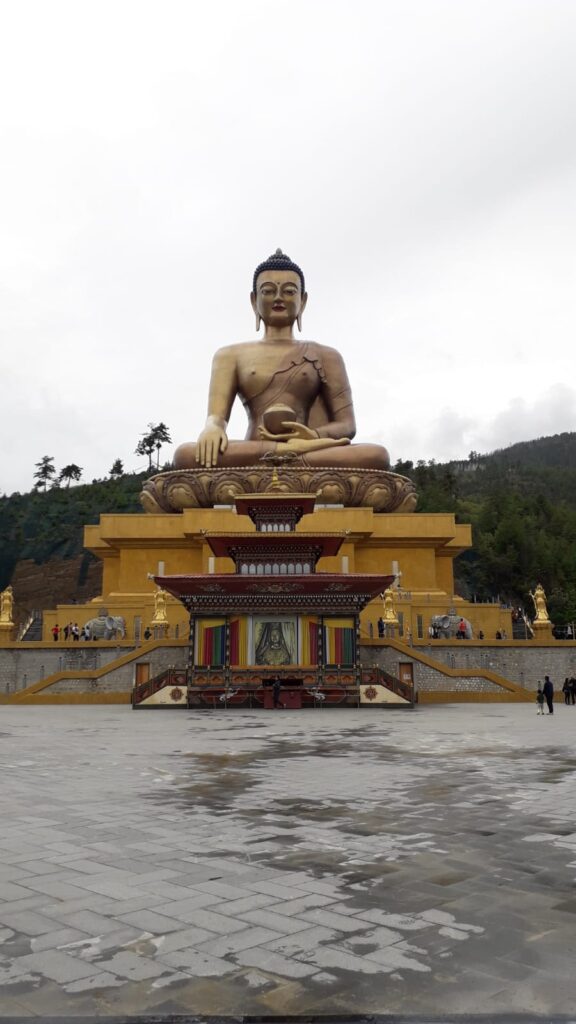
- Buddha Dordenma
- Traditional Bhutanese villages
- Local markets
- Dzongs (fortresses)
- Museums
- Scenic mountain passes
The total cost depends on several important factors rather than simply the number of days.
These include:
- Hotel category
- Number of travelers
- Private or group tour
- Season of travel
- Government fees
- Transportation type
- Optional experiences
- Luxury upgrades
Typical 5-Day Tour Includes
Most quality Bhutan Tour Packages 2027 include:
✔ Airport transfers
✔ Licensed English-speaking guide
✔ Private vehicle with experienced driver
✔ Hotel accommodation
✔ Breakfast
✔ Lunch
✔ Dinner
✔ Sightseeing
✔ Entrance fees (depending on operator)
✔ Government taxes (depending on operator)
✔ Bottled drinking water during sightseeing
Many travelers find that once these services are combined into a package, planning becomes much simpler than arranging everything independently.
Suggested 5-Day Bhutan Itinerary
Day 1
Arrival in Paro
Drive to Thimphu
Visit:
- Buddha Dordenma
- Memorial Chorten
- Local market
Day 2
Explore Thimphu
Visit:
- Folk Heritage Museum
- Takin Preserve
- Textile Museum
- Traditional handicraft shops
Day 3
Drive to Punakha
Visit:
- Dochula Pass
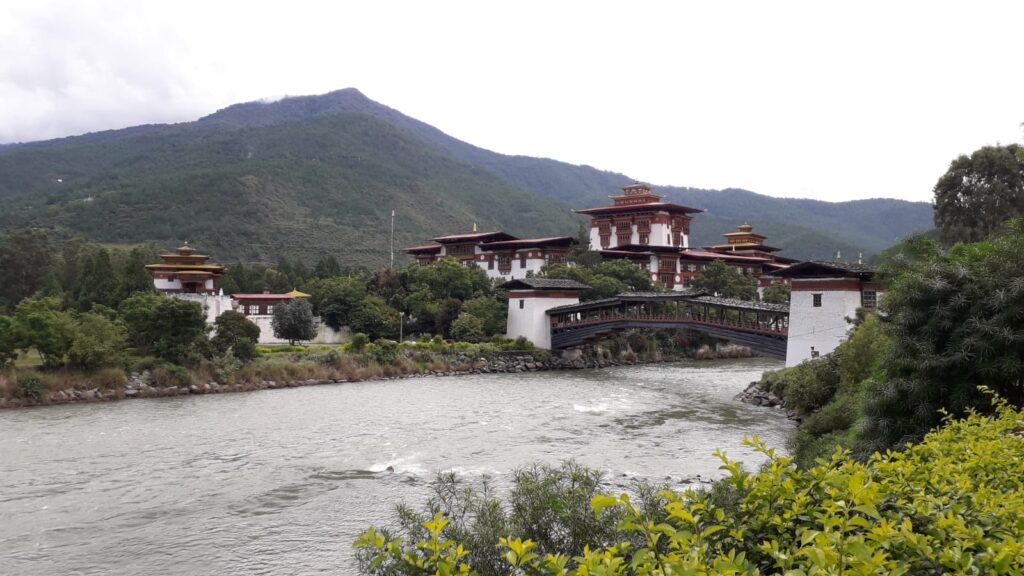
- Punakha Dzong
- Suspension Bridge
Day 4
Return to Paro
Visit:
- National Museum
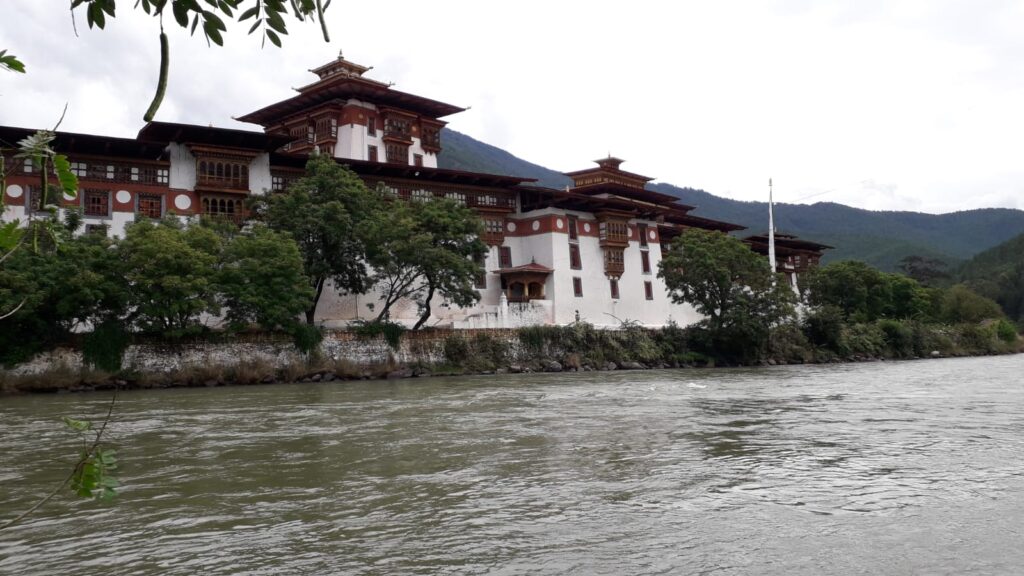
- Rinpung Dzong
Day 5
Tiger’s Nest Monastery hike
Airport departure
This itinerary offers an excellent introduction to Bhutan’s history, culture, landscapes, and Buddhist heritage.
Bhutan Luxury Tour Cost Guide
Bhutan has become one of Asia’s most sought-after luxury destinations, attracting honeymooners, celebrities, photographers, wellness travelers, and those seeking exclusive experiences.
Luxury tours are not simply about staying in five-star hotels—they focus on personalized service, exceptional comfort, and unique cultural experiences.
Luxury packages often include:
- Premium boutique resorts
- Luxury lodges
- Wellness retreats
- Spa treatments
- Fine dining
- Private cultural performances
- Personalized itineraries
- Premium SUVs
- Senior guides
- Scenic picnic lunches
- Exclusive monastery visits (where permitted)
Who Chooses Luxury Bhutan Tours?
Luxury tours are especially popular with:
- Honeymoon couples
- Families celebrating milestones
- Luxury adventure travelers
- Corporate incentive groups
- Photographers
- Wellness travelers
- Retired couples
- Travelers celebrating anniversaries
Best Luxury Experiences in Bhutan
Some unforgettable luxury experiences include:
Private farmhouse dinner
Enjoy authentic Bhutanese cuisine with a local family while learning about traditional customs.
Bhutanese hot stone bath
A centuries-old wellness tradition using heated river stones and medicinal herbs.
Luxury spa retreat
Many premium resorts offer Himalayan-inspired wellness treatments.
Helicopter sightseeing (where available)
Depending on regulations and weather, helicopter experiences may occasionally be available through authorized providers.
Private cultural performances
Some luxury packages arrange exclusive performances of Bhutanese traditional music and dance.
Are Luxury Bhutan Tours Worth It?
For travelers seeking privacy, comfort, and unique experiences, luxury tours can provide exceptional value.
However, it’s worth noting that Bhutan’s greatest attractions—its culture, monasteries, landscapes, and hospitality—can be enjoyed on both standard and luxury tours.
The main differences lie in:
- Accommodation quality
- Dining
- Vehicle comfort
- Personalization
- Additional premium experiences
Hidden Costs of Bhutan Tours That Travelers Often Forget
Even when choosing an all-inclusive package, there are a few personal expenses that travelers should budget for.
1. International Flights
Flights to Bhutan are generally booked separately unless specifically included in your package.
2. Travel Insurance
Strongly recommended for all travelers.
A comprehensive policy should ideally cover:
- Medical emergencies
- Trip cancellation
- Flight delays
- Emergency evacuation
- Lost baggage
3. Personal Shopping
Bhutan is famous for:
- Handwoven textiles
- Prayer flags
- Singing bowls
- Wooden handicrafts
- Buddhist statues
- Traditional jewelry
- Handmade paper
- Local artwork
Many visitors end up spending more than expected on souvenirs because of the high quality of local craftsmanship.
4. Donations
Although entrance fees may be included, visitors often choose to make small voluntary donations at monasteries and temples.
These contributions help support monks and the maintenance of religious sites.
5. Tipping
While tipping is not compulsory, it is appreciated when visitors receive excellent service from guides and drivers.
Many travelers choose to tip at the end of the tour.
6. Drinks
Packages typically include meals but may not include:
- Alcoholic beverages
- Premium coffee
- Specialty teas
- Soft drinks ordered separately
7. Laundry
Longer tours may involve laundry charges at hotels.
8. Spa Treatments
Spa services are usually optional and charged separately unless specifically included in a luxury package.
9. Optional Activities
Some activities may carry additional charges, such as:
- Archery experiences
- Traditional dress photography
- Wellness programs
- Private cultural performances
- Special workshops
Always ask your tour operator what is included before confirming your booking.
Bhutan Tour Packages Explained – What’s Included?
Many travelers compare prices without comparing inclusions.
This can lead to misunderstandings because two packages with similar itineraries may offer very different value.
A well-designed Bhutan Tour Package 2027 generally includes:
Accommodation
Hotel stays throughout the itinerary.
Licensed Tour Guide
A knowledgeable guide accompanies you throughout your journey, providing cultural and historical insights.
Private Transportation
Comfortable transportation with an experienced driver.
Meals
Usually:
- Breakfast
- Lunch
- Dinner
Some luxury hotels also include special dining experiences.
Sightseeing
Visits to Bhutan’s major cultural and natural attractions.
Government Taxes
Many operators include applicable taxes in the quoted price.
Entry Permits
Necessary permits are generally arranged by your tour operator.
Bottled Drinking Water
Commonly provided during road journeys and sightseeing.
What May Not Be Included?
Travelers should always verify whether the following are included:
- International airfare
- Travel insurance
- Visa-related fees (where applicable)
- Personal expenses
- Laundry
- Alcoholic beverages
- Spa treatments
- Tips
- Shopping
- Optional activities
Requesting a detailed list of inclusions and exclusions before booking helps avoid unexpected expenses.
Is Bhutan Actually Expensive Compared to Europe?
This question has become increasingly popular as travelers compare Bhutan with destinations such as Switzerland, Norway, Iceland, Italy, or France.
The answer depends on what you’re comparing.
Accommodation
Luxury hotels in Switzerland or Norway can cost as much—or even more—than many hotels in Bhutan.
Food
Dining in Western Europe is often more expensive than in Bhutan, particularly in major tourist cities.
Transportation
Travel within Europe can become costly when you add:
- Train tickets
- Domestic flights
- Car rentals
- Fuel
- Parking
- Highway tolls
In Bhutan, transportation is usually included as part of the tour package.
Guided Tours
In Europe, guided tours, attraction tickets, and day trips are typically purchased separately.
In Bhutan, many of these services are bundled into the package.
Overall Value
At first glance, Bhutan may appear expensive because the package price combines accommodation, transport, guiding, and government fees.
By contrast, many European holidays involve paying for these services individually, which can significantly increase the final cost.
For this reason, Bhutan often provides better value than travelers initially expect.
Sample Bhutan Tour Budgets
Solo Traveler
Ideal for:
- Group departures
- Cultural tours
- Photography trips
Budget considerations:
- Shared transport can reduce costs.
- Joining a scheduled group is often the most economical option.
Couples
Perfect for:
- Honeymoons
- Anniversary celebrations
- Romantic getaways
Couples often choose private tours for greater flexibility and privacy.
Family
Family tours are increasingly popular.
Children enjoy:
- Bhutanese culture
- Easy nature walks
- Wildlife
- Monasteries
- Village experiences
Private vehicles also make traveling with children more convenient.
Senior Travelers
Bhutan is well suited to seniors who enjoy:
- Scenic drives
- Cultural experiences
- Comfortable hotels
- Slow-paced itineraries
Choosing a relaxed itinerary with fewer long drives can enhance the experience.
Money-Saving Tips for Bhutan Tour 2027
Here are practical ways to maximize value without compromising your experience:
- Book early to secure preferred hotels and travel dates.
- Travel with family or friends to share transportation costs.
- Choose standard or premium hotels instead of luxury resorts if you’re focused on sightseeing.
- Visit during the shoulder season for better hotel availability and a quieter experience.
- Compare package inclusions—not just prices.
- Work with an experienced, licensed Bhutan tour operator who offers transparent pricing.
- Allow room in your budget for personal expenses and souvenirs.
Frequently Asked Questions (FAQs)
Is Bhutan expensive?
Bhutan is generally more expensive than many destinations in South Asia because of its sustainable tourism model. However, when you consider that many packages include accommodation, transport, guides, meals, and sightseeing, the overall value is often better than travelers expect.
How much money should I budget for Bhutan?
Your budget depends on your travel style, tour duration, accommodation, and the experiences you choose. In addition to your package price, plan for flights, travel insurance, shopping, tips, and other personal expenses.
Can I visit Bhutan on a budget?
Yes. Joining a group tour, staying in standard hotels, traveling during the shoulder season, and booking a shorter itinerary are all good ways to reduce costs.
Are Bhutan tour packages worth the price?
For most travelers, yes. Packages combine many essential services into one booking, making travel easier while providing access to Bhutan’s unique cultural and natural attractions.
Is Bhutan more expensive than Europe?
Not necessarily. Although Bhutan’s upfront package price can seem high, many European trips require separate payments for accommodation, transport, meals, guides, and attraction tickets. Once these are added together, the overall costs can be surprisingly comparable.
What is the biggest expense of a Bhutan tour?
Government fees, accommodation, and private transportation are typically the largest components of the overall tour cost.
Final Thoughts
A journey to Bhutan is unlike visiting most destinations. Rather than focusing solely on the lowest possible price, it’s worth considering the overall experience, the level of service included, and the country’s commitment to sustainable tourism.
Whether you choose a comfortable cultural tour or a luxury Himalayan escape, Bhutan Tour Packages 2027 offer far more than transportation and hotel bookings. They provide meaningful access to one of the world’s most carefully preserved cultures, spectacular mountain landscapes, and a travel experience centered on authenticity and sustainability.
If you’re planning your Bhutan Tour 2027, take the time to compare package inclusions, understand the Sustainable Development Fee, and select an itinerary that matches your interests and budget. A well-planned trip will not only help you avoid unexpected costs but also allow you to fully appreciate everything the Kingdom of Bhutan has to offer.