Why Mt. Kailash is the Most Sacred Pilgrimage in the World?

Nestled in the remote reaches of the Tibetan Plateau, Mt. Kailash stands as a beacon of spiritual enlightenment and cultural reverence. Known as the “Axis Mundi” or the center of the universe, this majestic peak is considered the most sacred pilgrimage site in the world. For millennia, it has drawn millions of pilgrims, adventurers, and seekers of truth from diverse religious backgrounds. But what makes Mt. Kailash so profoundly significant? Let’s explore the spiritual and cultural importance of this enigmatic mountain.

The Spiritual Significance of Mt. Kailash
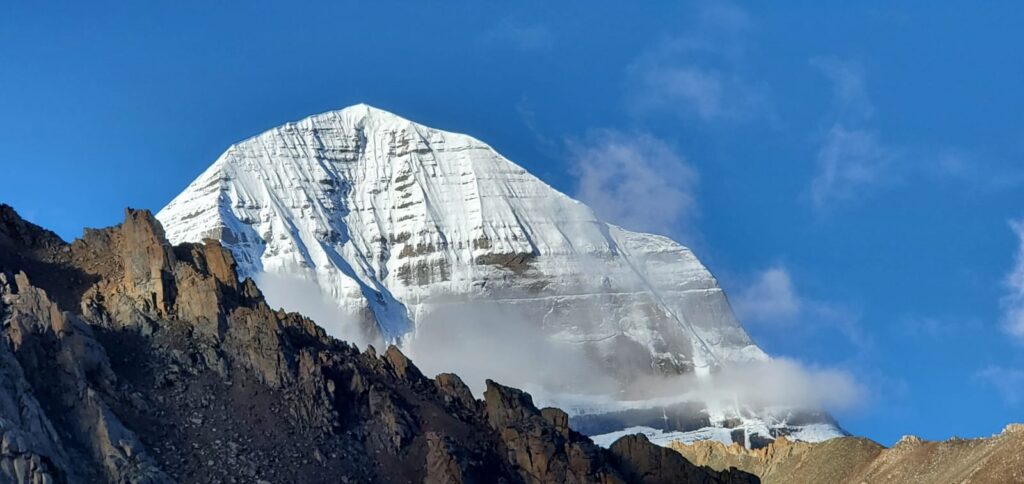
Mt. Kailash
Mt Kailash

Mt. Kailash is revered as a sacred site in four major religions: Hinduism, Buddhism, Jainism, and Bon. Each tradition attributes its unique spiritual significance to the mountain, yet all agree on its divine nature.

  1. In Hinduism:
    For Hindus, Mt. Kailash is the abode of Lord Shiva, the destroyer and transformer within the Holy Trinity. It is believed that Shiva resides atop the mountain in a state of eternal meditation, alongside his consort, Goddess Parvati. The sacred texts, including the Vedas and Puranas, describe Kailash as a place of ultimate peace and liberation (moksha). Pilgrims undertake the arduous Kailash Parikrama (circumambulation) to seek blessings and cleanse their sins.
  2. In Buddhism:
    Buddhists regard Mt. Kailash as the home of Demchok (or Chakrasamvara), a deity representing supreme bliss. The mountain is also associated with the legendary Mount Meru, the cosmic center of the universe. The Kora (circumambulation) around Kailash is believed to bring good fortune and spiritual merit, with one full circuit said to erase the sins of a lifetime.
  3. In Jainism:
    For Jains, Mt. Kailash is known as Ashtapada, the site where their first Tirthankara, Rishabhadeva, attained enlightenment. The mountain holds immense historical and spiritual importance, symbolizing the path to liberation and purity.
  4. In Bon Tradition:
    The ancient Bon religion, which predates Buddhism in Tibet, considers Mt. Kailash the seat of all spiritual power. It is believed to be the location where the founder of Bon, Tonpa Shenrab, descended from heaven. The mountain is central to Bon rituals and practices.

The Cultural Importance of Mt. Kailash

Beyond its spiritual significance, Mt. Kailash is a cultural treasure trove. Its remote location and untouched beauty have preserved its sanctity over centuries. The mountain is surrounded by pristine lakes, including the sacred Lake Mansarovar, which is believed to cleanse the soul upon bathing in its waters.

The annual Saga Dawa festival, celebrated by Buddhists, marks the enlightenment of Buddha and attracts thousands of pilgrims who gather to perform rituals and prayers. The cultural practices and traditions associated with Mt. Kailash have been passed down through generations, making it a living testament to humanity’s spiritual heritage.

The Mystique of Mt. Kailash

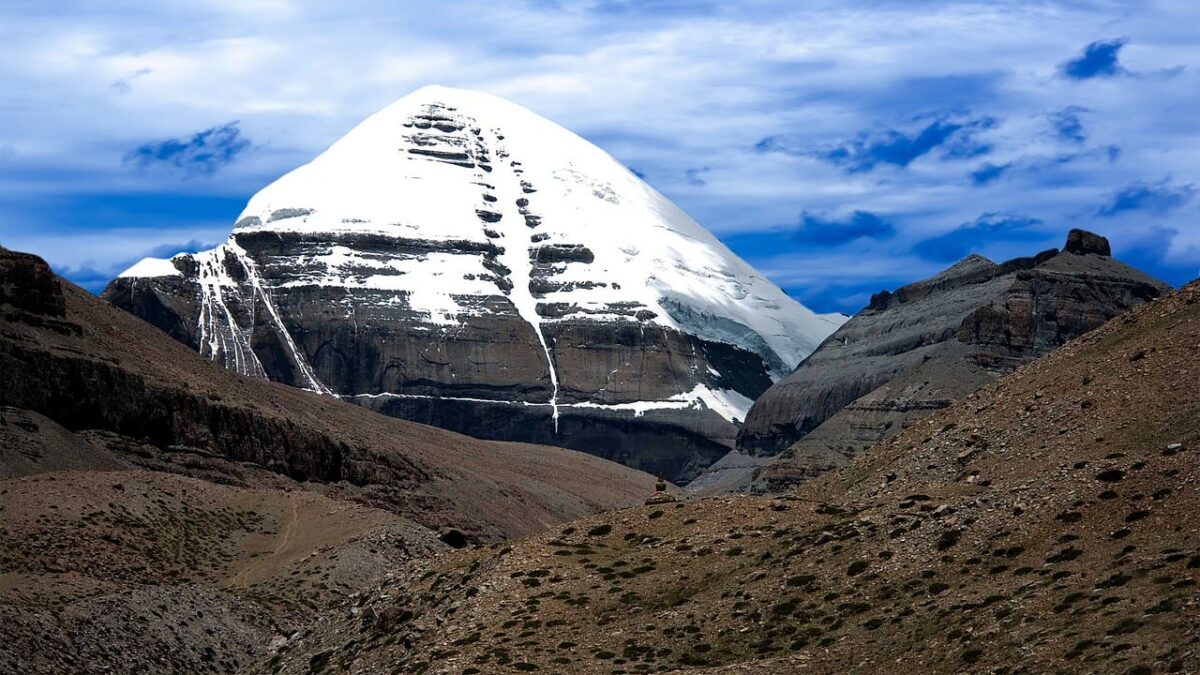
Mt. Kailash is shrouded in mystery and wonder. Unlike other peaks, it has never been climbed, as it is considered sacrilegious to attempt to summit this sacred mountain. Its unique pyramid-like shape, with a vertical gash on its south face, adds to its mystique. The mountain’s four faces are said to be made of crystal, ruby, gold, and lapis lazuli, symbolizing purity, power, and divinity.

The circumambulation of Mt. Kailash, known as the Kora, is a 52-kilometer journey that tests the physical and mental endurance of pilgrims. The trek takes place at an altitude of over 15,000 feet, with the highest point being the Dolma La Pass (18,500 feet). Despite the challenges, the Kora is a transformative experience, offering breathtaking views and a deep sense of connection to the divine.

Why Mt. Kailash is the Ultimate Pilgrimage?

Mt. Kailash is more than just a mountain; it is a symbol of unity, faith, and transcendence. Its universal appeal across religions and cultures makes it a unique pilgrimage site. Here’s why it stands out:

  • A Place of Unity: Mt. Kailash transcends religious boundaries, bringing together people of different faiths in a shared quest for spiritual enlightenment.
  • A Test of Devotion: The challenging journey to and around the mountain is a testament to the pilgrim’s dedication and faith.
  • A Source of Inner Peace: The serene environment and spiritual energy of Mt. Kailash offer a rare opportunity for introspection and self-discovery.

Mt. Kailash is not just a geographical wonder but a spiritual phenomenon. Its unparalleled significance in Hinduism, Buddhism, Jainism, and Bon, combined with its cultural richness and natural beauty, makes it the most sacred pilgrimage in the world. For those who seek to connect with the divine, Mt. Kailash offers a journey like no other—a journey that transcends the physical and touches the soul.

Whether you are a spiritual seeker, a cultural enthusiast, or an adventurer at heart, a Mt. Kailash tour offers the ultimate journey to experience its timeless allure. Embark on this sacred pilgrimage, and you may just find the answers you’ve been searching for.
Demystifying Mount Kailash Tours: Your Essential FAQ Guide

Mount Kailash, a revered peak in the Tibetan Plateau, beckons pilgrims and adventurers alike. Mount Kailash Tour: Embark on a transformative journey to the sacred Mount Kailash. Revered by Hinduism, Buddhism, Jainism, and Bon religions, this awe-inspiring peak beckons pilgrims and adventurers alike. But before embarking on this sacred journey, you likely have many questions swirling in your mind. This FAQ guide serves as your one-stop resource, providing clear and concise answers to the most common inquiries about Mount Kailash tours.

Mount Kailash Tour

Where is Mount Kailash and How Do I Get There?

Nestled in the Transhimalaya range, Mount Kailash lies in the remote western part of the Tibet Autonomous Region. Reaching this mystical mountain requires careful planning due to its remoteness.

Two primary routes are popular choices for the Mount Kailash Tour:

  • Lhasa to Mount Kailash: This overland journey, spanning roughly 13-16 days, offers an opportunity to visit captivating sights like Everest Base Camp.
  • Kathmandu to Mount Kailash: This route, typically lasting 10 days by land, takes you through the Gyirong border.

Lhasa to Mount Kailash Tour Itinerary

Day 1-2: Lhasa Arrival and Acclimatization

  • Arrive in Lhasa, the capital city of Tibet (3,656 meters).
  • Complete airport formalities and transfer to your hotel.
  • Spend two days acclimatizing to the high altitude. Explore Lhasa at a leisurely pace to avoid altitude sickness.

Day 3: Lhasa Exploration

  • Visit the Potala Palace, the former residence of the Dalai Lamas.
  • Explore Jokhang Temple, the spiritual center of Lhasa.
  • Immerse yourself in the vibrant atmosphere of Barkhor Street, a bustling pilgrimage circuit.

Day 4: Lhasa – Sera Monastery & Drepung Monastery

  • Visit Sera Monastery, famous for its afternoon debate session among monks.
  • Explore Drepung Monastery, one of the largest monasteries in the world.
  • Witness breathtaking panoramic views of Lhasa from these elevated monasteries.

Day 5: Lhasa – Gyantse – Shigatse

  • Scenic drive from Lhasa to Shigatse, the second-largest city in Tibet.
  • En route, stop at Gyantse, a historical town known for the Kumbum stupa and Pelkhori Monastery.
  • Explore the local markets and experience Tibetan culture in Gyantse.

Day 6: Shigatse – Tashilungpo Monastery

  • Visit Tashilungpo Monastery, a towering complex with stunning golden roofs.
  • Witness the impressive Panchen Lama’s residence within the monastery complex.
  • Enjoy the vibrant atmosphere of the surrounding market area.

Day 7: Shigatse – Saga

  • Scenic drive through the vast Tibetan plateau towards Saga.
  • Observe the changing landscapes and nomadic settlements along the way.
  • Enjoy breathtaking views of the Himalayas in the distance.

Day 8: Saga – Lake Manasarovar

  • Continue the journey towards Lake Manasarovar, a sacred lake revered by Hindus and Buddhists.
  • Arrive at the lakeside and witness the serene beauty of the surrounding landscape.
  • Participate in holy rituals or simply soak in the spiritual atmosphere.

Day 9: Lake Manasarovar – Darchen

  • Drive to Darchen, the starting point for the Mount Kailash Kora pilgrimage.
  • Spend the day acclimatizing to the higher altitude at Darchen.

Day 10: Darchen – Dirapuk (Kailash Kora Trek)

  • Begin the trek around Mount Kailash, a sacred circumambulation for many religions.
  • Hike towards Dirapuk, encountering stunning mountain scenery on the way.
  • Overnight stay in Dirapuk, a simple village nestled amidst the mountains.

Day 11: Dirapuk – Zutul Puk (Kailash Kora Trek)

  • Continue the trek, crossing the Dolma La Pass (5,630 meters), a challenging yet rewarding experience.
  • Enjoy panoramic views of the surrounding peaks and glaciers.
  • Descend to Zutul Puk for the night.

Day 12: Zutul Puk – Darchen (Kailash Kora Trek)

  • Complete the circumambulation of Mount Kailash and return to Darchen.
  • Celebrate the completion of this sacred pilgrimage with a sense of accomplishment.
  • Enjoy a relaxing evening in Darchen, reflecting on the journey.

Day 13: Darchen – Saga – Lhasa

  • Drive back to Lhasa via Saga, retracing your steps along the scenic route.
  • Enjoy the changing landscapes and appreciate the vastness of the Tibetan plateau.

Day 14: Lhasa Departure

  • Final departure from Lhasa.
  • Transfer to the airport for your onward flight.

10 Days Mount Kailash Tour Itinerary

Day 1: Kathmandu to Kerung (Tibet)

  • Morning departure from Kathmandu to the Nepal-Tibet border.
  • Border formalities and immigration procedures.
  • Drive to Kerung, a border town in Tibet. Overnight stay in Kerung for acclimatization.

Day 2: Kerung to Saga

  • Continue the drive to Saga, passing through stunning Tibetan landscapes.
  • Acclimatization day in Saga.
  • Explore the local Tibetan culture and markets.

Day 3: Saga to Manasarovar Lake

  • Scenic drive to Manasarovar Lake, one of the holiest lakes in the world.
  • Arrive at Manasarovar and check into your accommodation.
  • Evening prayers and circumambulation of the lake (optional).

Day 4: Manasarovar Lake and Yatra

  • Full day dedicated to exploring Manasarovar Lake and its surroundings.
  • Visit sacred sites and participate in religious rituals.
  • Enjoy the breathtaking beauty of the lake.

Day 5: Manasarovar to Darchen

  • Drive to Darchen, the base camp for the Kailash Kora.
  • Acclimatization at this higher altitude.
  • Explore the local area and prepare for the Kora.

Day 6: Darchen to Dirapuk

  • Begin the Kailash Kora trek to Dirapuk.
  • Encounter stunning mountain scenery and challenging terrain.
  • Overnight stay in Dirapuk.

Day 7: Dirapuk to Zutul Puk

  • Continue the Kailash Kora trek, crossing the Dolma La Pass (5,630m).
  • Experience the spiritual significance of the pass.
  • Descend to Zutul Puk for the night.

Day 8: Zutul Puk to Darchen

  • Complete the Kailash Kora and return to Darchen.
  • Celebrate the completion of this sacred pilgrimage.
  • Relax and enjoy the atmosphere.

Day 9: Darchen to Saga

  • Drive back to Saga, reflecting on the spiritual journey.
  • Overnight stay in Saga.

Day 10: Saga to Kathmandu

  • Drive back to the Nepal-Tibet border.
  • Immigration formalities and departure from Tibet.
  • Arrive in Kathmandu, concluding your unforgettable pilgrimage.

For a swifter option, consider flying from Lhasa to Ngari Gunsa Airport, the nearest airbase to Mount Kailash, with a flight time of approximately 3 hours.

What’s the Best Time for the Mount Kailash Tour?

The ideal window for the Mount Kailash Tour or Mt. Kailash Manasarovar Yatra, the sacred pilgrimage circumambulating Mount Kailash and Lake Manasarovar, falls between April and October. During this period, you can expect pleasant daytime temperatures averaging around 15°C, although nights can dip below freezing. Keep in mind that July and August experience occasional rain showers, sometimes accompanied by breathtaking rainbow displays.

What Permits Do I Need for My Mount Kailash Tour?

A Chinese visa is your first essential travel document. Once acquired, you’ll need to secure a Tibet Travel Permit, mandatory for entering the Tibet Autonomous Region.

Since Mount Kailash resides in a remote area, additional permits are required, including the Alien’s Travel Permit and the Military Permit. Fortunately, reputable tour operators typically handle obtaining all necessary permits (excluding the Chinese visa) as part of their Mount Kailash tour packages.

What gear should I pack for my Mount Kailash Tour?

Given the high altitude and varying temperatures, packing the right gear is paramount for a comfortable and safe journey. Here are some essential items to consider for the Mount Kailash Tour:

  • Thermal wear: Base layers are crucial for regulating body temperature on both chilly nights and surprisingly sunny days.
  • Sturdy hiking boots: Opt for well-broken-in boots with good ankle support to navigate uneven terrain.
  • Warm jacket: Pack a windproof and waterproof jacket to shield yourself from the elements.
  • Sun hat and sunglasses: Protect yourself from the sun’s harsh rays at high altitudes.
  • Water bottle and purification tablets: Staying hydrated is vital, and purification tablets ensure safe drinking water.

Additional Tips for a Fulfilling Mount Kailash Tour

  • Physical Preparation: Mount Kailash lies at a significant altitude. Prior physical conditioning, including cardiovascular exercises and altitude acclimatization practices, is highly recommended.
  • Embrace the Cultural Experience: Immerse yourself in the rich Tibetan culture by learning a few basic phrases and respecting local customs.
  • Embrace the Spiritual Significance: Approach the pilgrimage with reverence and an open mind to fully appreciate the sacred nature of the journey.

By addressing these common questions and incorporating these valuable tips, you can embark on a well-informed and enriching Mount Kailash tour. Remember, this experience transcends sightseeing; it’s a chance for spiritual exploration and profound self-discovery.