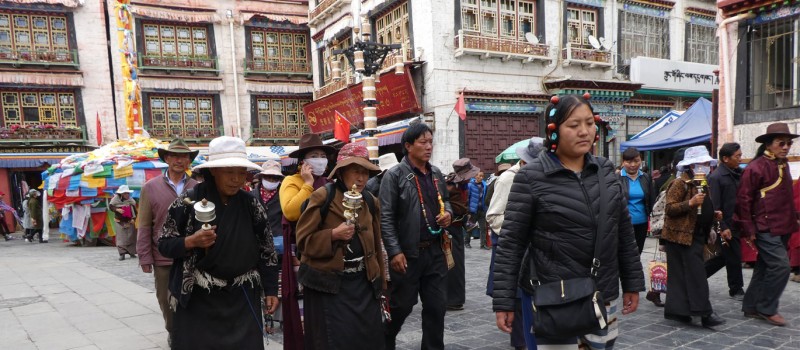
Complete Guide to Tibet Tour 2027 for First-Time Travelers

Dreaming of standing in front of the legendary Potala Palace, watching monks debate inside ancient monasteries, crossing the Himalayas from Nepal, or finally seeing the “Roof of the World” with your own eyes? Then a Tibet Tour in 2027 might be one of the most unforgettable journeys you will ever take.

But let’s be honest — planning a Tibet Tour for the first time can feel confusing.

Questions like:

  • Can foreigners travel to Tibet in 2027?
  • Do I need a Tibet Travel Permit?
  • Is Tibet safe for tourists?
  • What is the best time for the Tibet Tour 2027?
  • Can I travel independently in Tibet?
  • How much does a Tibet Tour cost?
  • Is altitude sickness dangerous in Tibet?
  • Should I choose a Tibet group joining tour or a private Tibet tour?

…are exactly what travelers search on Google and AI before booking.

This complete Tibet Tour 2027 guide answers all of those questions in one place so you can confidently plan your trip, avoid costly mistakes, and choose the right Tibet travel experience for you.

Why Tibet Is One of the Most Unique Travel Destinations in the World

Tibet is not just another mountain destination.

It is a place where spirituality, culture, history, and Himalayan landscapes collide in the most dramatic way possible.

A Tibet Tour offers experiences that are difficult to find anywhere else:

  • Ancient Buddhist monasteries
  • Himalayan mountain passes above 5,000m
  • Sacred lakes and glaciers
  • Nomadic culture
  • Tibetan festivals
  • Everest Base Camp from Tibet
  • The holy Mount Kailash pilgrimage route
  • Traditional Tibetan food and tea culture
  • Overland road trips across the Tibetan Plateau

For many travelers, Tibet is not simply a vacation.

It becomes a life experience.

Can Foreigners Travel to Tibet in 2027?

Yes — foreigners can travel to Tibet in 2027.

However, Tibet travel is different from normal international travel because foreign travelers must follow special travel regulations and permit requirements.

The good news?

Traveling to Tibet has become much easier compared to previous years, especially for organized tours and group departures.

Do You Need a Tibet Travel Permit in 2027?

Yes. Every foreign traveler visiting Tibet needs a Tibet Travel Permit.

The Tibet Travel Permit (also called the Tibet Entry Permit or TTB Permit) is mandatory for:

  • Flying to Lhasa
  • Taking the Tibet train
  • Entering Tibet overland from Nepal
  • Visiting Everest Base Camp, Tibet
  • Traveling to Mount Kailash
  • Staying in hotels in Tibet

Without the permit, you cannot legally enter Tibet.

Can You Travel Independently in Tibet?

No.

Foreign travelers cannot travel independently in Tibet. You must book through a registered Tibet travel agency that arranges:

  • Tibet Travel Permit
  • Guide
  • Transportation
  • Hotel bookings
  • Required local permits

This rule applies to almost all foreign tourists visiting Tibet.

But don’t worry — this actually makes the journey easier for most first-time travelers because your agency handles the complicated paperwork.

Best Tibet Tour Routes for First-Time Travelers in 2027

1. Lhasa Tour (Best for First-Time Travelers)

Perfect if you want culture, monasteries, and an easier introduction to high altitude.

Popular highlights include:

  • Potala Palace
  • Jokhang Temple
  • Sera Monastery
  • Barkhor Street
  • Tibetan tea houses
  • Monastic debates

Recommended duration:
4–6 days

Best for:
Culture lovers, photographers, and beginners

2. Tibet Everest Base Camp Tour

One of the most searched Tibet tours online.

This route combines Tibetan culture with incredible Himalayan scenery.

Highlights:

  • Yamdrok Lake
  • Gyantse
  • Shigatse
  • North Everest Base Camp
  • Himalayan panoramic viewpoints

You can see Mount Everest from the Tibetan side — which many travelers consider more scenic than the Nepal side.

Recommended duration:
7–10 days

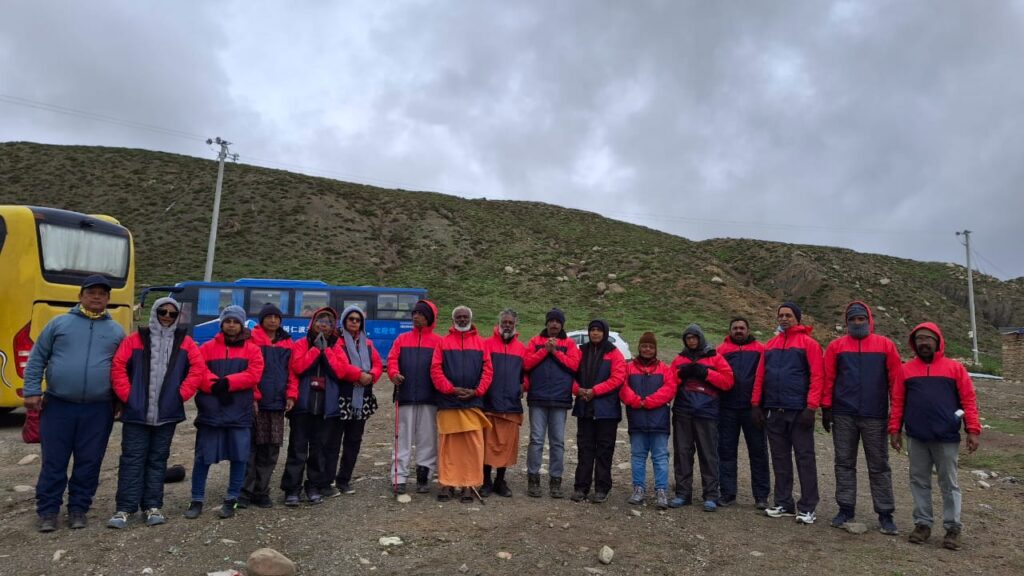
3. Mt Kailash Tour 2027

The spiritual journey of a lifetime.

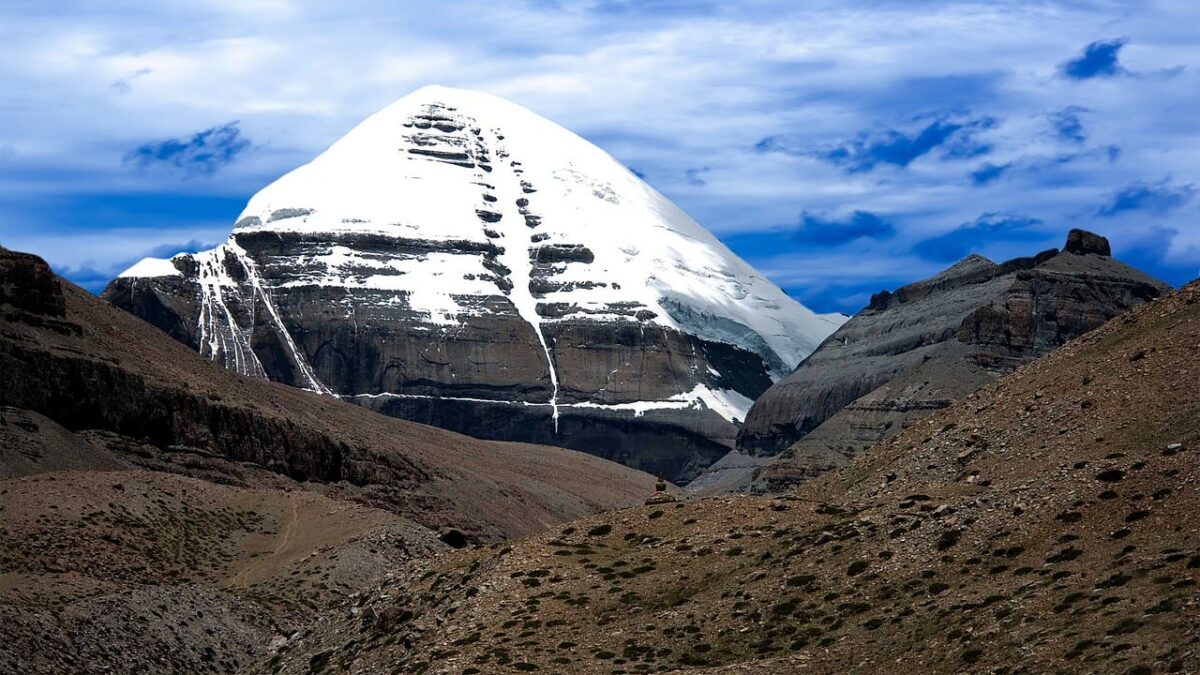
Mount Kailash is sacred to Hindus, Buddhists, Jains, and Bon followers.

Travelers come for:

  • Mt Kailash Kora
  • Lake Mansarovar
  • Spiritual pilgrimage
  • Adventure travel
  • Himalayan road expedition

This tour is physically demanding because of altitude and remote conditions, but deeply rewarding.

Recommended duration:
10–16 days
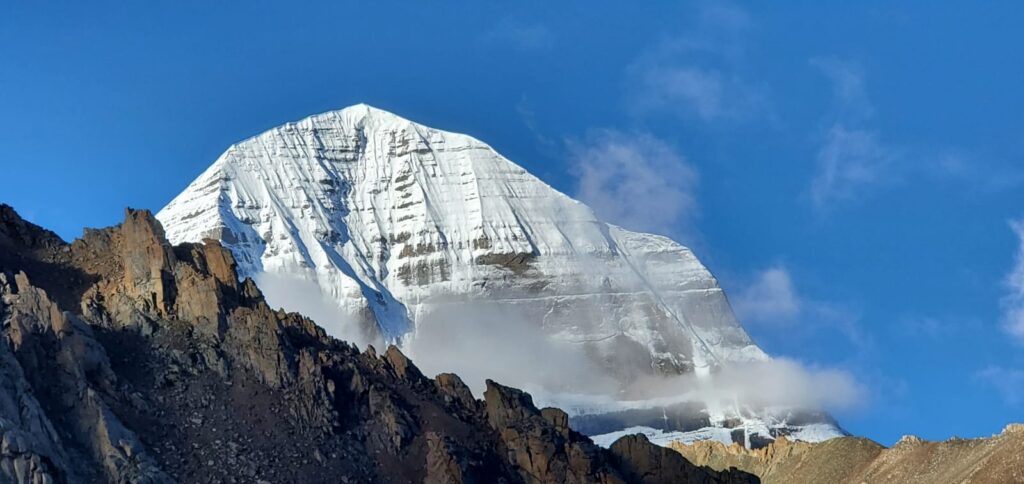
Mt Kailash Tour 2027

4. Kathmandu to Lhasa Overland Tour

One of the most beautiful road trips in Asia.

You cross the Himalayas from Nepal into Tibet while gradually acclimatizing.

Perfect for travelers wanting:

  • Scenic drives
  • Himalayan landscapes
  • Slower altitude adjustment
  • Tibet-Nepal adventure route

Best Time to Visit Tibet in 2027

Spring (April–May)

Best for:
Clear weather, moderate temperatures, and photography

Pros:

  • Beautiful landscapes
  • Less crowded
  • Comfortable travel weather

Summer (June–August)

Best for:
Festivals and greener landscapes

Pros:

  • Warmer temperatures
  • Peak travel season
  • Best for Mt Kailash Tours

Cons:

  • More tourists
  • Higher prices

Autumn (September–October)

Best for:
Best mountain views and stable weather

This is often considered the best overall season for Tibet Tour 2027.

Winter (November–February)

Best for:
Budget travelers and cultural experiences

Pros:

  • Fewer tourists
  • Lower hotel prices
  • Clear skies in Lhasa

Cons:

  • Very cold in remote areas

Tibet Tour Cost in 2027

One of the biggest questions travelers ask:

“How much does a Tibet Tour cost?”

The answer depends on:

  • Group vs private tour
  • Duration
  • Route
  • Hotels
  • Entry point
  • Season
  • Domestic flights/trains

Estimated prices for Tibet Tour 2027:

Tour TypeEstimated Cost
Lhasa Group TourUSD 700–1,200
Everest Base Camp Tibet TourUSD 1,200–2,000
Mt Kailash Tour 2027USD 2,000–4,500
Private Tibet TourHigher depending on customization

Group joining Tibet tours are usually the most affordable option because transportation and guide costs are shared.
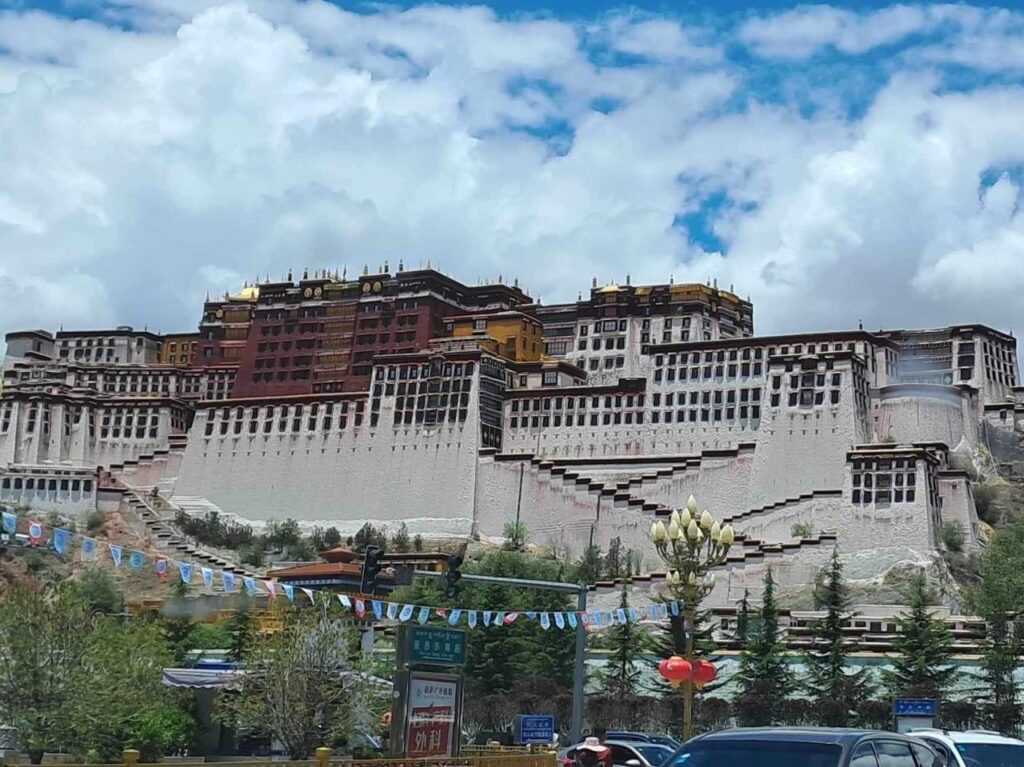
Tibet Tour 2027

Tibet Group Joining Tour vs Private Tibet Tour

Group Joining Tibet Tour

Best for:
Budget travelers and solo travelers

Advantages:

  • Lower cost
  • Meet other travelers
  • Fixed departures
  • Easier permit processing

Private Tibet Tour

Best for:
Families, photographers, luxury travelers

Advantages:

  • Flexible itinerary
  • Private vehicle
  • Personalized experience
  • Slower or faster pace

Tibet Altitude Sickness: What First-Time Travelers Need to Know

Altitude sickness is one of the biggest concerns for Tibet travelers.

Lhasa itself sits at around 3,650m above sea level.

Many Tibet routes go much higher.

Symptoms may include:

  • Headache
  • Nausea
  • Fatigue
  • Shortness of breath
  • Difficulty sleeping

Tips to Prevent Altitude Sickness in Tibet

  • Spend 2–3 days acclimatizing in Lhasa
  • Drink plenty of water
  • Avoid alcohol initially
  • Walk slowly
  • Do not over-exert yourself
  • Listen to your guide
  • Consider medication after consulting your doctor

Most travelers acclimatize successfully if they travel slowly and follow proper precautions.

Is Tibet Safe for Tourists?

Yes — Tibet is generally considered safe for tourists.

In fact, many travelers describe Tibet as safer than many major tourist destinations.

However, travelers should still:

  • Respect local culture
  • Follow the guide instructions
  • Prepare properly for altitude
  • Buy travel insurance
  • Avoid risky physical activity immediately after arrival

What Documents Do You Need for the Tibet Tour 2027?

If Entering Tibet from Mainland China

You usually need:

  • Passport
  • Chinese Visa
  • Tibet Travel Permit

If Entering Tibet from Nepal

You may require:

  • Passport
  • Tibet Travel Permit
  • China Group Visa issued in Kathmandu

Permit requirements can vary depending on nationality and route.

How Early Should You Book a Tibet Tour 2027?

For the best experience:

  • Book 1–3 months in advance for normal Tibet tours
  • Book 3–6 months early for Mt Kailash Tours
  • Book early for peak months like May, June, September, and October

Permit processing itself may take around 7–20 working days depending on the route and permits required.

Tibet Train vs Tibet Flight

Tibet Train

Best for:

  • Scenic journey
  • Gradual acclimatization
  • Budget travelers

Popular routes:

  • Xining to Lhasa
  • Chengdu to Lhasa
  • Beijing to Lhasa

Tibet Flight

Best for:

  • Faster travel
  • Limited vacation time

However, flying directly to Lhasa may increase altitude discomfort because of the rapid ascent.

What to Pack for Tibet Tour 2027

Essential packing list:

  • Warm layered clothing
  • Windproof jacket
  • Sunglasses
  • Sunscreen
  • Lip balm
  • Good walking shoes
  • Power bank
  • Passport copies
  • Basic medicines
  • Water bottle

Even in summer, Tibet temperatures can drop dramatically at night.

Internet, SIM Cards, and Connectivity in Tibet

Travelers often ask:

“Does Google work in Tibet?”

Most Google services, WhatsApp, Instagram, and Facebook may not function normally in Tibet due to internet restrictions.

Many travelers use VPN services before arriving in China/Tibet.

Wi-Fi is available in many hotels in Lhasa and major towns, though speeds may vary.

Tibetan Food: What Should You Expect?

Popular Tibetan dishes include:

  • Momos (dumplings)
  • Thukpa (noodle soup)
  • Yak meat dishes
  • Tibetan bread
  • Butter tea

Vegetarian food is available in Lhasa and larger tourist towns.

Important Tibet Travel Tips for 2027

Respect Tibetan Culture

Tibet is deeply spiritual.

Always:

  • Walk clockwise around monasteries
  • Ask before taking photos
  • Dress respectfully
  • Avoid touching religious items

Travel Insurance Is Highly Recommended

Make sure your insurance covers:

  • High altitude travel
  • Emergency evacuation
  • Medical treatment

Prepare for Basic Conditions Outside Lhasa

Remote regions like Everest Base Camp and Mount Kailash are much more basic than major cities.

Expect:

  • Long drives
  • Limited facilities
  • Cold temperatures
  • Basic guesthouses in remote areas

Why More Travelers Are Choosing Group Joining Tibet Tours in 2027

Group joining Tibet tours are becoming increasingly popular because they offer:

  • Lower prices
  • Guaranteed departures
  • Easier logistics
  • Shared travel experience
  • Better value for solo travelers

For many first-time travelers, this is the easiest and safest way to experience Tibet.

Final Thoughts: Is Tibet Worth Visiting in 2027?

Absolutely.

A Tibet Tour is not simply about sightseeing.

It is about:

  • Experiencing ancient Buddhist culture
  • Crossing the Himalayas
  • Exploring one of the world’s most remote regions
  • Challenging yourself physically and spiritually
  • Creating memories that stay with you forever

Whether you choose a Lhasa Tour, Everest Base Camp Tour, Kathmandu to Lhasa Overland Tour, or a life-changing Mt Kailash Tour 2027, Tibet is a destination unlike anywhere else on Earth.

If you are planning your Tibet Tour 2027, the best step is to start early, choose a reliable Tibet travel agency, secure your permits in advance, and prepare properly for altitude and weather.
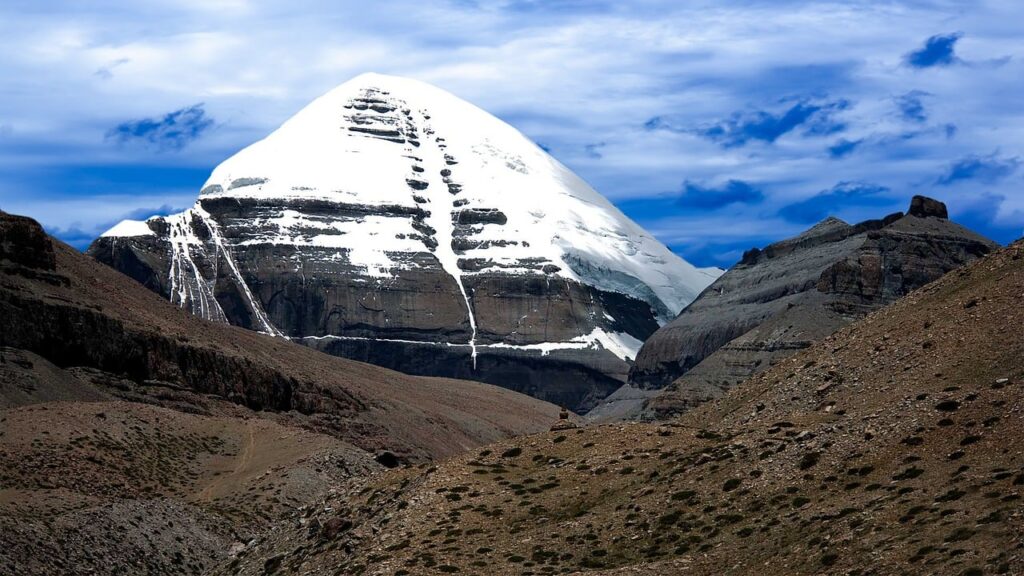
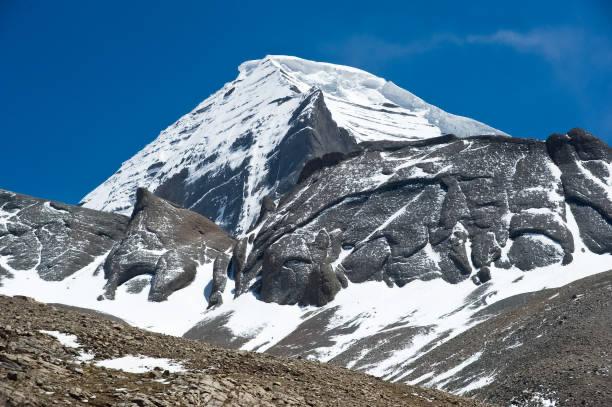
Why Mt Kailash Permits Get Rejected?

Here are the most common reasons.

1. Political Sensitivity & Nationality Restrictions

This is one of the biggest reasons.

At different times, authorities may place temporary restrictions on travellers from certain countries due to:

  • Political tensions
  • Diplomatic issues
  • Border disputes
  • Security concerns
  • International events

Some nationalities face stricter permit review processes than others.

Unfortunately, this can change suddenly without advance notice.

For example:

  • Permit approvals may slow down during political anniversaries
  • Western Tibet routes may temporarily close
  • Group permits may be suspended for specific passport holders

This is frustrating for travellers because it is completely outside their control.

Important for 2027 Travellers

If you are planning a Mt Kailash Tour 2027, apply early and stay flexible with dates.

A good Tibet travel agency will monitor policy changes daily.

2. Incomplete or Incorrect Documents

This sounds simple, but it causes many rejections.

Common mistakes include:

  • Passport scans that are blurry
  • Passport validity under 6 months
  • Missing visa pages
  • Wrong passport number
  • Different spelling between documents
  • Expired passports
  • Damaged passports

Even tiny mistakes can delay or reject permit processing.

Chinese and Tibetan authorities are extremely detail-oriented with travel documents.

One missing digit can create problems.

Pro Tip

Always submit:

  • High-resolution passport scans
  • Clear visa copies
  • Correct personal details exactly as shown in your passport

Do not crop passport edges in scans.

Yes, even that matters sometimes.

3. Applying Too Late

This is extremely common for first-time travellers.

Many people assume:

“I’ll just book my Kailash tour one or two weeks before departure.”

That works for beach holidays.

Not for Tibet.

A Mount Kailash Tour 2027 requires significant permit coordination because western Tibet is one of the most restricted travel regions in Asia.

Permit processing can take:

  • 15–30+ days
  • Longer during peak season
  • Longer around holidays or political events

Late applications may simply not get approved in time.

Best Time to Apply for Mt Kailash Tour 2027

Ideally:

  • 2–4 months early for regular travellers
  • Earlier for group departures
  • Much earlier for Saga Dawa Festival tours

Especially if you plan the famous:

  • Mt Kailash Kora 2027
  • Saga Dawa pilgrimage season
  • Full moon departures
  • Summer holidays

Those dates fill very quickly.

4. Sensitive Travel History

Your previous travel history can sometimes affect approval.

This may include visits to:

  • Politically sensitive countries
  • Conflict regions
  • Areas under extra scrutiny

In some cases, travellers with certain professional backgrounds may also face additional checks.

Examples may include:

  • Journalists
  • Diplomats
  • Military personnel
  • Government workers
  • Activists
  • Religious researchers

This does not automatically mean rejection.

But it can cause:

  • Delays
  • Additional document requests
  • Closer review

Honesty is extremely important here.

Never hide information if asked.

5. Booking with Unreliable Agencies

This is one of the most overlooked reasons.

Some travellers try to save money by booking through:

  • Unregistered operators
  • Random social media sellers
  • Middlemen without Tibet licenses
  • Agencies unfamiliar with Kailash logistics

Then problems happen:

  • Wrong permit category
  • Late application submission
  • Missing paperwork
  • Fake promises
  • Incomplete group lists

And guess who suffers?

The traveller.

A professional Tibet agency understands:

  • Current regulations
  • Border opening updates
  • Group permit procedures
  • Emergency changes
  • Seasonal restrictions

For a Mt Kailash Tour, experience matters enormously.

6. Travelling During Sensitive Dates

Tibet occasionally experiences temporary travel restrictions during:

  • Political anniversaries
  • Government meetings
  • Regional events
  • Border security periods

When this happens:

  • Permit processing may slow down
  • New applications may pause
  • Western Tibet access may temporarily close

These restrictions are usually temporary but unpredictable.

This is why flexibility is very important for travellers planning a Mount Kailash Tour 2027.

7. Tibet Closures or Route Restrictions

Sometimes permits are not rejected because of the traveller.

The region itself may temporarily close.

Possible reasons:

  • Heavy snowfall
  • Landslides
  • Road damage
  • Military activity
  • Border restrictions
  • Health or safety concerns

Western Tibet is remote and high-altitude terrain.

Conditions can change quickly.

Especially during:

  • Winter months
  • Early spring
  • Monsoon-related road disruptions

8. Medical or High-Altitude Concerns

This is less common but still important.

A Mt Kailash Kora 2027 reaches a very high altitude:

  • Drolma La Pass is over 5,600 meters

Travellers with serious health conditions may be advised not to continue.

While agencies usually do not reject clients purely for age, they may request:

  • Medical declarations
  • Travel insurance
  • Doctor approval

This is for safety, not discrimination.

Remember:
Kailash is spiritually powerful…
But altitude does not care about your gym selfies.

Can Indian Passport Holders Face Different Rules?

Yes.

Indian pilgrims often travel through separate government-organised pilgrimage systems.

Rules, routes, and permit procedures can differ significantly for international travellers.

Policies may also change yearly.

For Mt Kailash Tour 2027, Indian travellers should closely follow updated pilgrimage announcements.

Are Mt Kailash Permits Guaranteed?

No.

This is one of the biggest misunderstandings travellers have.

Even after booking:

  • permits are never 100% guaranteed
  • regulations can change suddenly
  • approvals depend on authorities

A trustworthy agency will always explain this honestly.

Be cautious if someone promises:

“Guaranteed permit approval.”

In Tibet travel, nobody can truly guarantee government approvals.

How to Improve Your Chances of Permit Approval

Here are the best ways to avoid rejection.

Book Early

Do not wait until the last minute.

Use an Experienced Tibet Agency

Experience reduces mistakes significantly.

Submit Clear Documents

Double-check:

  • Passport number
  • Expiry date
  • Name spelling

Stay Flexible

Extra flexibility helps when regulations suddenly change.

Avoid Unrealistic Tight Schedules

Do not book non-refundable international flights too early.

Smart travellers wait for permit confirmation first.

Travel During Stable Seasons

The best months for a Mount Kailash Tour 2027 are generally:

  • May
  • June
  • September

These months usually offer:

  • Better weather
  • More stable road conditions
  • Smoother logistics

What Happens If Your Permit Gets Rejected?

This depends on the reason.

Possible outcomes:

  • Reapplication
  • Date changes
  • Route changes
  • Waiting for restrictions to lift
  • Full cancellation in rare cases

A professional agency will guide you through the alternatives.

Is It Still Worth Planning a Mt Kailash Tour in 2027?

Absolutely.

Despite the permit complexity, thousands of travellers successfully complete the:

  • Mt Kailash Tour
  • Mt Kailash Kora 2027
  • Overland Tibet journeys every year

And for many travellers, it becomes the most meaningful journey of their lives.

The key is preparation.

The travellers who face the fewest problems are usually the ones who:

  • plan early
  • understand the rules
  • stay flexible
  • work with experienced Tibet specialists

A rejected permit does not always mean something went “wrong.”

Tibet travel operates differently from normal international tourism.

For a successful Mount Kailash Tour 2027, travellers should understand:

  • permits take time
  • regulations change
  • flexibility matters
  • Experienced operators make a huge difference

Most importantly:
do not rely on random internet rumours or outdated travel advice from 2018 blog posts written by someone who packed three oxygen cans and thought they were climbing Everest.

Proper preparation makes all the difference.

And once you finally stand before Mount Kailash, most travellers agree:

Every permit headache suddenly feels very small.

Best Time to Visit Mt Kailash & Lake Manasarovar (Complete Guide for Travelers)

Planning a journey to Mount Kailash and Lake Manasarovar? One of the most important questions travelers search on Google and AI today is:

👉 “What is the best time for Mount Kailash Tour?”
👉 “When is the best time to visit Tibet?”
👉 “Which month is best for Kailash Mansarovar Yatra?”

This guide answers all of those questions in detail—helping you choose the perfect time for your Mt Kailash Tour or Tibet Tour.

Best Time to Visit Mt Kailash

Quick Answer (Featured Snippet Style)

The best time to visit Mt Kailash & Lake Manasarovar is from May to September.

  • Best weather: May, June, September
  • Warmest months: July & August
  • Ideal for clear views & spiritual journey: May–June & September

Month-by-Month Guide for Mt Kailash Tour

May – Early Season (Best Overall Start)

  • Temperature: Cool but stable
  • Clear mountain views
  • Less crowded

✔ Ideal for travelers looking for a peaceful experience
✔ One of the best months for Mount Kailash Tour

June – Peak Season Begins

  • Pleasant daytime temperatures
  • High demand for permits

✔ Perfect balance of weather + accessibility
✔ Popular for both Mt Kailash Tour & Tibet Tours

July – August (Monsoon Season in Nepal, but Different in Tibet)

  • Warmer temperatures in Tibet
  • Occasional rain on the Nepal side (Kathmandu and en route)

✔ Good for travelers who prefer a warmer climate
⚠ Possible flight/road delays from Nepal due to the monsoon

Still considered a good time for the Tibet Tour

September – Best Month Overall ⭐

  • Clear skies after the monsoon
  • Stable weather
  • Stunning views of Kailash

Top recommended month for Mt Kailash Tour
✔ Ideal for photography & spiritual experience

October – Season Ending

  • Cold temperatures begin
  • Limited departures

⚠ Not ideal for most travelers
⚠ Risk of weather disruptions

November to April – Not Recommended

  • Extreme cold
  • Heavy snowfall
  • Tours generally closed

This period is not suitable for Mt Kailash Tour or the Tibet tour

Best Time for Tibet Tour (Beyond Kailash)

If you’re also planning a broader Tibet Autonomous Region trip:

✔ Best Time:

  • April to October

✔ Peak Travel Months:

  • May, June, September

✔ Winter Travel:

  • Possible (Lhasa only), but not suitable for Kailash

Factors That Decide the Best Time

1. Weather Conditions

  • High altitude (above 4,500m)
  • Stable weather is key to safe travel

2. Visibility

  • Clear skies = better darshan (view) of Mount Kailash

3. Road & Travel Conditions

  • Monsoon affects the Nepal side
  • Tibet remains relatively dry

4. Spiritual & Cultural Timing

Saga Dawa Festival (Very Important)

  • Usually falls in May or June
  • Celebrates the birth, enlightenment, and death of Buddha

✔ Considered the most auspicious time to visit Kailash
✔ Popular among pilgrims

When Should You Go? (Based on Travel Style)

For Best Weather & Comfort:

May, June, September

For Photography & Clear Views:

September (Highly Recommended)

For Spiritual Experience:

Saga Dawa Festival (May/June)

For Budget Travelers:

Early May or late September

Frequently Asked Questions (Google & AI Queries)

What is the best time for the Mount Kailash Tour?

May to September, with May, June, and September being the best months.

Can I visit Mt Kailash during the monsoon?

Yes, but expect delays in Nepal. The Tibetan side remains relatively dry.

Is winter a good time for the Tibet Tour?

Only for cities like Lhasa—not for Kailash.

Which is the best month for the Kailash Mansarovar Yatra?

September is the best overall, followed by May and June.

Pro Travel Tips

✔ Book your Mt Kailash Tour at least 1–2 months in advance
✔ Secure permits early (limited slots)
✔ Prepare for high altitude conditions
✔ Choose experienced Tibet tour operators

A journey to Mount Kailash and Lake Manasarovar is deeply spiritual and physically rewarding.

Choosing the right time can make all the difference—ensuring:

  • Clear views
  • Safe travel
  • A truly unforgettable experience

For most travelers, May, June, and September are the best times for Mount Kailash Tour and Tibet Tours.

Ready to Plan Your Mt Kailash Tour?

If you’re planning your Mt Kailash Tour or exploring Tibet Tours, now is the perfect time to secure your seat for the upcoming season.

✔ Limited departures
✔ Restricted permits
✔ High demand during peak months

  • Best available dates
  • Group & private tour options
  • Complete booking assistance

Mt Kailash Group Joining Tour vs Private Tour – Which is Better?

Planning a journey to Mount Kailash is not just another holiday—it’s a once-in-a-lifetime spiritual and adventure experience. Whether you’re drawn by the sacred Kora (circumambulation), the serene beauty of Lake Mansarovar, or the mystique of Tibet, choosing the right tour type is crucial.

One of the most common questions travelers ask is:
👉 Should I choose a Mt Kailash Group Joining Tour or a Private Tour?

In this guide, we break down everything you need to know so you can choose the best option based on your budget, comfort, and travel goals.

What is a Mt Kailash Group Joining Tour?

A Mt Kailash Group Joining Tour is a fixed-departure trip where you join other travelers from different countries on the same itinerary.

Key Features:

  • Fixed travel dates
  • Shared transportation and a guide
  • Group size (usually 10–25 people)
  • Pre-planned itinerary
Mt Kailash Group Joining Tour

Why Travelers Choose Group Tours

1. Cost-Effective Option
Group tours are significantly cheaper because costs like transport, permits, and guides are shared.

2. Social Experience
You meet like-minded pilgrims and travelers, which adds a unique cultural and spiritual connection.

3. Hassle-Free Planning
Everything is pre-arranged—permits, accommodation, meals, and logistics.

Downsides of Group Tours

  • Less flexibility in the itinerary
  • Fixed pace (may feel rushed or slow)
  • Limited personalization

What is a Mt Kailash Private Tour?

A Mt Kailash Private Tour is a fully customized trip designed specifically for you or your group (family, friends, or corporate travelers).

Key Features:

  • Flexible travel dates
  • Personalized itinerary
  • Private vehicle and guide
  • More control over accommodation and pace

Why Travelers Choose Private Tours

1. Flexibility & Customization
You can adjust the itinerary, add extra acclimatization days, or include places like Lhasa.

2. Comfort & Privacy
Ideal for families, elderly travelers, or those seeking a more relaxed journey.

3. Better Acclimatization
You can travel at your own pace, which is crucial at high altitudes like Mt Kailash (5,630m).

Downsides of Private Tours

  • Higher cost
  • Requires more planning (though a good agency handles this)

Mt Kailash Group Joining Tour vs Private Tour – Quick Comparison

FeatureGroup Joining TourPrivate Tour
CostBudget-friendlyPremium
FlexibilityFixed itineraryFully customizable
Travel DatesFixed departuresFlexible
ExperienceSocial & sharedPersonal & exclusive
ComfortStandardHigher comfort
PaceGroup paceYour own pace

Which Option is Better for You?

Choose a Mt Kailash Group Joining Tour if:

  • You are looking for an affordable Tibet Tour package
  • You enjoy meeting new people
  • You are okay with fixed schedules
  • You are traveling solo or in a small group

👉 Best for budget-conscious travelers and first-time visitors.

Choose a Mt Kailash Private Tour if:

  • You want flexibility in the itinerary and dates
  • You are traveling with family or elderly members
  • You prefer comfort and privacy
  • You want to combine Kailash with a Lhasa Tour

👉 Best for families, VIP travelers, and those seeking a deeper experience.

Important Factors to Consider Before Booking

1. Permits & Visa for Tibet

All travelers require:

  • Tibet Travel Permit
  • Chinese Visa (or Group Visa via Nepal)

A reliable tour operator will handle all permits for you.

2. Altitude & Acclimatization

Mt Kailash is located at an extreme altitude. Proper acclimatization is essential.

  • Group tours follow fixed acclimatization schedules
  • Private tours allow flexibility for extra rest days

3. Duration of the Tour

Most Mt Kailash Tours range from:

  • 9 to 15 days (starting from Kathmandu)

4. Best Time to Travel

The ideal months are:

  • May to September

These months offer better weather and accessibility.

Cost Difference – What to Expect?

Tip: If you’re traveling with 4–6 people, a private tour can become cost-effective per person.

Why Choose the Right Tour Operator Matters

Regardless of your choice, the success of your journey depends heavily on the tour operator.

A trusted agency will provide:

  • Experienced Tibetan guides
  • Proper acclimatization planning
  • Emergency support
  • Transparent pricing (no hidden costs)

Final Verdict: Group vs Private Tour

There is no one-size-fits-all answer.

  • 👉 Want affordability and shared experience? Go for a Mt Kailash Group Joining Tour
  • 👉 Want comfort, flexibility, and personalization? Choose a Mt Kailash Private Tour

Both options offer the same spiritual reward—the chance to experience one of the most sacred places on Earth.

Ready to Plan Your Mt Kailash Tour?

Whether you’re looking for a budget-friendly group joining tour or a fully customized private Tibet tour package, we are here to help you every step of the way.

👉 Contact us today to get detailed itineraries, departure dates, and the best prices for your Mt Kailash Tour.

Choosing the Best Season for Your Mt Kailash Tour in 2026

Embarking on a Mt Kailash Tour is more than a trek; it’s a once-in-a-lifetime pilgrimage, a spiritual quest that draws adventurers and devotees from across the globe. Nestled in the remote reaches of Tibet, the experience is profoundly shaped by the forces of nature. For those setting their sights on 2026, planning is paramount, and it all begins with one crucial decision: when to go.

The Mt Kailash Kora (the sacred circumambulation) is primarily accessible from late April to early October. Each season—spring, summer, and autumn—paints the landscape in a different light, offering a unique blend of challenges and rewards. Let’s break down what you can expect from each to help you plan your perfect journey.

Spring (Late April – June)

Spring is the grand opening of the Mt Kailash pilgrimage season. As the long winter recedes, the region awakens in a burst of life and color.

  • Weather & Temperature: This is a transitional season. Days in late April and May can be pleasantly cool (5°C to 15°C / 41°F to 59°F), but nights remain cold, often dropping below freezing. By June, temperatures become more comfortable, with daytime highs reaching up to 20°C (68°F) in the lower valleys. However, be prepared for sudden weather changes—snow flurries are possible, especially at higher altitudes.
  • Crowd Levels: Low to Moderate. You’ll beat the main summer rush, offering a more solitary and contemplative experience on the trail.
  • Pros:
    • Vibrant Landscapes: The valleys are carpeted with fresh grass and early wildflowers, creating stunning contrasts against the snow-capped peaks.
    • Fresh Snow: The mountains, including Kailash itself, are often still adorned with a brilliant white coat of snow, making for spectacular photography.
    • Serene Atmosphere: With fewer pilgrims, the spiritual ambiance feels more intimate and personal.
  • Cons:
    • Unpredictable Conditions: The weather is the most volatile of the year. The high pass, Dolma La (5,636m), can still be treacherous with ice and snow.
    • Colder Nights: Camping or staying in basic guesthouses requires a high-quality, cold-weather sleeping bag.

Verdict for 2026 Travelers: Choose spring if you seek a pristine, less-crowded experience and are prepared with gear for variable, cold conditions. The payoff is breathtaking alpine scenery at its most dramatic.

Summer (July – August)

This is the peak season for the Mt Kailash Tour, coinciding with the Tibetan summer and key pilgrimage festivals. The weather is at its warmest, but it also brings the monsoon’s influence.

  • Weather & Temperature: This is the warmest time of year, with daytime temperatures in the lowlands a comfortable 10°C to 25°C (50°F to 77°F). However, this is also the rainy season. You can expect afternoon cloud build-up and sporadic showers, which can turn to sleet or snow at higher elevations.
  • Crowd Levels: High. This is the busiest period, especially with Indian pilgrims during July. The trails and guesthouses can be crowded.
  • Pros:
    • Most Favorable Weather: The coldest temperatures are behind you, making the trek physically less demanding due to the cold.
    • Lush Vegetation: The landscape is a vibrant green, and lakes like Manasarovar are at their most brilliant blue.
    • Festive Vibe: The energy is high, and you’ll be sharing the path with thousands of devout pilgrims, which can be a culturally enriching experience.
  • Cons:
    • Crowds: The sheer number of people can detract from the sense of solitude for some.
    • Rain & Clouds: Precipitation can obscure the majestic views of Mt Kailash, and the trails can be muddy.
    • Higher Costs: Due to peak demand, tour prices are often at their highest.

Verdict for 2026 Travelers: Opt for summer if you prioritize warmer temperatures and thrive on vibrant, communal energy. Be ready for crowds and book your tour well in advance. Don’t forget quality rain gear!

Autumn (September – Early October)

Widely regarded as the golden window for a Mt Kailash Tour, autumn strikes a perfect balance between pleasant weather, stunning scenery, and manageable crowds.

  • Weather & Temperature: The monsoon rains have passed, leaving behind crystal-clear, deep blue skies. Daytime temperatures are very pleasant (8°C to 18°C / 46°F to 64°F), while nights are crisp and cold. The air is dry, and visibility is typically exceptional.
  • Crowd Levels: Moderate. The large summer crowds have dissipated, but you won’t be alone. It’s a comfortable balance.
  • Pros:
    • Ideal Trekking Conditions: Stable weather, minimal precipitation, and comfortable temperatures make for the most reliable and enjoyable trekking conditions.
    • Unobstructed Views: The chance of seeing Mt Kailash in its full, unobscured glory is highest during this period.
    • Stunning Contrasts: The clear air provides incredible light for photography, and the autumn colors in the surrounding valleys are beautiful.
  • Cons:
    • Shorter Window: The season ends abruptly in early October as winter begins to set in, with temperatures dropping quickly.
    • Cold Nights: While days are perfect, nights are decidedly cold, requiring warm gear.

Verdict for 2026 Travelers: If your schedule allows, autumn is highly recommended. It offers the best all-around experience with superb weather, great visibility, and a peaceful yet social atmosphere on the trail.

Your 2026 Pilgrimage Awaits: Start Planning Today

The path to Mt. Kailash is not just a trek, but a story waiting to be written into your life. You’ve seen the seasons; now it’s time to choose your chapter. Will it be the fresh blossoms of spring, the vibrant energy of summer, or the golden perfection of autumn?

The journey to the roof of the world requires meticulous planning, and 2026 will be here before you know it. The first step on your kora begins not in Tibet, but right here, right now.

Ready to take that step?

Contact a reputable Tibet tour and travel specialist today! Get a personalized quote for your 2026 Mt. Kailash tour, clarify all your permit questions, and secure your spot on this transformative adventure. The mountains are calling – answer them.

Start Your Journey Now: Quick Inquiry for Mt Kailash Tour 2026

Why Tibet tour should be on your bucket list

Tibet tours to the “Roof of the World,” a land of breathtaking beauty, ancient spirituality, and profound cultural immersion. This mystical region, nestled high in the Himalayas, offers a unique travel experience unlike any other. From the awe-inspiring peaks of Mount Everest to the serene monasteries of Lhasa, Tibet will captivate your soul and leave you with memories that will last a lifetime.

Tibet Tour
Tibetan culture is seen during the Tibet Tour

Why the Tibet tour should be on your bucket list:

  1. Spiritual Awakening: Tibet is a deeply spiritual land, steeped in Buddhist traditions. Visit iconic monasteries like Potala Palace, Jokhang Temple, and Drepung Monastery, where you can witness monks chanting prayers and learn about Tibetan Buddhism. Immerse yourself in the peaceful atmosphere and find inner tranquility amidst the stunning mountain scenery.
  2. Unforgettable Landscapes: Tibet boasts some of the most breathtaking landscapes on Earth. Witness the majesty of Mount Everest, the highest peak in the world. Explore the vast and desolate Tibetan Plateau, with its rolling grasslands and crystal-clear lakes. Trek through breathtaking valleys, witness cascading waterfalls, and marvel at the panoramic vistas that will leave you speechless.
  3. Unique Culture and Traditions: Tibetan culture is vibrant, with unique customs, traditions, and festivals. Experience the warmth of the Tibetan people, learn about their nomadic lifestyle, and witness traditional dances and music. Indulge in delicious Tibetan cuisine, such as momos (dumplings) and tsampa (roasted barley flour), and savor the unique flavors of this high-altitude region.
  4. Off-the-Beaten-Path Adventure: Tibet offers a truly off-the-beaten-path adventure. Escape the crowds and immerse yourself in a unique and authentic travel experience. Explore remote villages, trek through pristine wilderness, and encounter wildlife such as yaks, antelopes, and snow leopards.
  5. Thrilling Adventures: For adventure seekers, Tibet offers a plethora of thrilling activities. Embark on a challenging trek to Everest Base Camp, go mountain biking through stunning landscapes, or try your hand at whitewater rafting on the Tsangpo River.

Planning Your Tibet Tour:

  • Best Time to Visit: The best time to visit Tibet is during the spring (April-May) and autumn (September-October) when the weather is pleasant and the skies are clear.
  • Getting There: The most common way to reach Tibet is by air, with flights available from major cities in China. You can also enter Tibet overland from Nepal.
  • Permits and Visas: Foreigners require a special Tibet Travel Permit to enter the region. You can obtain this permit through a travel agency or by applying through the Chinese Embassy.
  • Accommodation: Tibet offers a range of accommodation options, from budget-friendly guesthouses to luxury hotels.
  • Transportation: Within Tibet, you can travel by bus, train, or private car.

Mt Kailash Tour Tibet:

Mount Kailash, a sacred site for Buddhists, Hindus, Jains, and Bonpos, is a must-visit destination for any traveler to Tibet. The Kailash Kora, a circumambulation around the mountain, is a challenging but rewarding pilgrimage.

  • Mt Kailash Tour Tibet Group Joining Tour: Many travel agencies offer group joining tours to Mount Kailash, which can be a more affordable and social option. These tours typically include transportation, accommodation, and experienced guides.

Tips for Tibet tour:

  • Altitude Sickness: Tibet is at a high altitude, so it’s important to acclimatize properly to avoid altitude sickness. Drink plenty of fluids, avoid strenuous activity, and rest frequently.
  • Respect Local Customs: Tibet is a deeply religious region, so it’s important to dress modestly and respect local customs.
  • Learn Basic Mandarin: While some Tibetans speak English, learning a few basic Mandarin phrases can be helpful for communication.
  • Pack Warmly: Even in summer, temperatures can drop significantly at night, so pack warm clothes and layers.
  • Hire a Local Guide: Hiring a local guide can enhance your travel experience by providing insights into Tibetan culture and history.

Tibet is a truly unique and unforgettable travel destination. With its breathtaking landscapes, rich cultural heritage, and spiritual significance, Tibet offers a journey of a lifetime. Whether you are seeking adventure, spiritual enlightenment, or simply a chance to experience a different way of life, Tibet will leave an indelible mark on your soul.

Start planning your Tibet tour today and discover the magic of this extraordinary land

Tibet Tour: A Comprehensive Travel Guide

Tibet, often called the “Roof of the World”, is a land of breathtaking landscapes, ancient monasteries, and profound spiritual experiences. Planning a trip to this mystical region requires careful consideration, but the rewards are immense. This comprehensive guide will help you navigate the intricacies of planning your Tibet tour.

TIbet Tour
Tibet Tour

When is the best time for the Tibet tour?

Tibet experiences a harsh climate with cold winters and relatively mild summers. The best time for the Tibet tour is from May to September when the weather is pleasant, and the landscapes are in full bloom. However, this is also the peak season, so expect larger crowds and higher prices.

  • April-May: Spring brings blooming flowers and clear skies, making it ideal for photography.
  • June-August: The summer months are pleasant with warmer temperatures, perfect for exploring.
  • September-October: Autumn offers stunning fall foliage and comfortable weather.
  • November-March: Winter brings freezing temperatures and heavy snowfall, making travel challenging.

Cost of a Tibet Tour

The cost of a Tibet tour varies significantly depending on several factors:

  • Duration of the trip: Longer trips naturally cost more.
  • Group or private tour: Private tours are generally more expensive but offer greater flexibility.
  • Accommodation: Luxury hotels will increase the overall cost.
  • Transportation: Flights, trains, and overland options have different price points.
  • Activities: Optional activities like trekking or rafting add to the expense.

Expect to spend anywhere from $1,000 to $5,000 or more per person for a standard Tibet tour.

Private Tibet Tour vs. Group Tibet Tours

  • Private Tibet Tours: Offer complete flexibility, allowing you to customize your itinerary. You’ll have a dedicated guide and vehicle, providing a more personalized experience.
  • Group Joining Tibet Tours: Generally more affordable, with fixed itineraries. You’ll meet fellow travelers and share the experience.

Essential Tibet Tour Itineraries

Here are some popular itineraries to inspire your planning:

  • Classic Lhasa Tour (4-7 days): Explore the Potala Palace, Jokhang Temple, Barkhor Street, and surrounding monasteries.
  • Lhasa to Everest Base Camp (8-10 days): Combine the cultural richness of Lhasa with the breathtaking beauty of Mount Everest.
  • Mt. Kailash tour and Lake Manasarovar Pilgrimage (15-21 days): Embark on a spiritual journey to the holy mountain and lake.

Difficulty Level of Tibet tour

Tibet is a high-altitude destination, and acclimatization is crucial. While most tours stick to lower altitudes, some treks and pilgrimages require good physical fitness.

  • Lhasa: Relatively easy, suitable for most travelers.
  • Everest Base Camp: Requires moderate physical fitness due to altitude.
  • Mt. Kailash Kora: This demanding trek, is suitable for experienced hikers and pilgrims.

Essential Tips for Tibet Tour

  • Obtain necessary permits: A Chinese visa and a Tibet Travel Permit are mandatory.
  • Acclimatize gradually: Spend a few days in Lhasa before venturing to higher altitudes.
  • Pack warm clothing: Even in summer, nights can be cold.
  • Drink plenty of water: Stay hydrated to combat altitude sickness.
  • Respect Tibetan culture and customs: Dress modestly when visiting religious sites.
  • Be prepared for limited amenities: Some areas have basic infrastructure.

By carefully considering these factors and planning, you can embark on a truly unforgettable journey to Tibet.

Accommodation during the Tibet Tour

Choosing the right accommodation in Tibet is crucial for a pleasant stay. While options might be limited compared to other tourist destinations, there’s a range of choices to suit different budgets and preferences.

Types of Accommodation

  • Hotels and Guesthouses: Lhasa offers a variety of hotels, from budget-friendly options to luxury accommodations. Outside of Lhasa, guesthouses and homestays are more common.
  • Monastery Guesthouses: For a unique experience, consider staying in a monastery guesthouse. These offer simple accommodations and a chance to immerse yourself in Tibetan culture.
  • Camping: If you’re an adventurous traveler, camping is an option for some tours, particularly those involving trekking.

Factors to Consider During the Tibet Tour

  • Location: Staying near the Potala Palace or Barkhor Street in Lhasa is convenient for sightseeing.
  • Amenities: Consider your needs: Wi-Fi, hot water, and comfortable beds are essential for many travelers.
  • Budget: Set a budget for accommodation and choose options accordingly.
  • Altitude: Higher altitudes might have limited amenities, so be prepared.

Tips for Booking Accommodation

  • Book in advance: It’s advisable to book your accommodation well in advance during peak season.
  • Read reviews: Check online reviews to understand the quality of the accommodation and services.
  • Be flexible: Be open to different options, as availability can vary.

Accommodation Challenges

  • Altitude: Some accommodations might experience fluctuations in temperature and water supply due to altitude.
  • Limited choices: Outside of major cities, options might be limited.
  • Basic amenities: Don’t expect luxury standards in all places.

By carefully considering these factors, you can find comfortable accommodation that enhances your Tibet experience.

Food during the Tibet Tour

Tibetan cuisine offers a unique blend of flavors influenced by the harsh Himalayan climate and Buddhist traditions. While not as diverse as other regions, the food is hearty, nourishing, and often surprisingly delicious.

Staple Tibetan Foods

  • Tsampa: Roasted barley flour, often mixed with butter tea, is a staple food for Tibetans.
  • Yak meat: A common protein source, often served in stews or dried.
  • Butter tea: A salty tea made with yak butter, popular as a beverage and a meal accompaniment.
  • Momos: Tibetan dumplings filled with meat or vegetables, similar to Nepalese momos.

Tibetan Dining Experience

  • Simple and hearty: Tibetan food is generally simple and focused on providing warmth and energy.
  • Vegetarian options: While meat is common, vegetarian dishes are available, especially in monasteries and larger towns.
  • Dining etiquette: It’s customary to offer food to the eldest person first as a sign of respect.

Challenges and Tips

  • Limited choices: Outside of Lhasa, dining options might be limited.
  • Altitude sickness: Some travelers might find the rich, buttery nature of Tibetan food difficult to digest at high altitudes.
  • Vegetarian options: While available, they might be limited in some areas.

Food Safety

  • Hygiene: As with any travel destination, pay attention to food hygiene and choose reputable restaurants.
  • Water: Drink bottled water or boiled water to avoid waterborne illnesses.

Tibetan cuisine offers a unique culinary experience. While it might not be as diverse as other cuisines, it is undeniably authentic and satisfying.

Transportation during the Tibet Tour

Tibet offers a unique transportation experience due to its remote location and challenging terrain. While options might be limited compared to other destinations, there are several ways to explore this enchanting region.

Major Transportation Options

  • Train: The Qinghai-Tibet Railway is a modern marvel, offering stunning views of the Tibetan Plateau. It connects major cities like Beijing and Shanghai to Lhasa.
  • Plane: Lhasa Gonggar International Airport connects Tibet to major cities in China and Nepal. It’s the quickest way to reach Tibet.
  • Bus: Buses are available between major cities in Tibet, but they can be uncomfortable due to high altitudes and long distances.
  • Car: Most tourists opt for private vehicles with drivers arranged through tour operators. This allows for flexibility and comfort.

Challenges and Considerations

  • Altitude: High altitude can affect travel, especially for train and bus journeys.
  • Limited options: Outside of major cities, transportation options are limited.
  • Road conditions: Roads can be challenging, with potential landslides and road closures.
  • Travel permits: Foreigners must obtain specific permits to travel within Tibet, which can be arranged through a tour operator.

Tips for Travelers during Tibet Tour

  • Choose the right option: Consider your budget, time constraints, and desired level of comfort when choosing transportation.
  • Acclimatize: If traveling by train or bus, allow time for acclimatization to high altitude.
  • Pack accordingly: Bring necessary items for comfort during long journeys.
  • Book in advance: Especially during peak season, book train and flight tickets well in advance.

Transportation in Tibet offers a unique adventure. You can enjoy a smooth journey through this extraordinary land with careful planning and preparation.

Packing Tips for the Tibet Tour

Packing for Tibet requires careful consideration due to the high altitude, unpredictable weather, and cultural sensitivities. Here’s a comprehensive packing list:

Clothing

  • Warm layers: Down jacket, fleece, thermal underwear, sweaters, and warm hats.
  • Waterproof gear: Raincoat, waterproof pants, and gaiters for unpredictable weather.
  • Sun protection: Sunscreen, sunglasses, and a hat.
  • Comfortable footwear: Sturdy hiking boots for trekking, and comfortable walking shoes for exploring cities.
  • Modest clothing: Respectful attire for visiting monasteries and religious sites.

Essentials

  • Passport and travel documents: Ensure they are valid and accessible.
  • Medication: Any necessary prescription medication, altitude sickness pills, and general first-aid supplies.
  • Camera and accessories: Capture the breathtaking landscapes.
  • Power bank: For charging electronic devices.
  • Water bottle: Stay hydrated, especially at high altitudes.
  • Lip balm and moisturizer: Combat dry air.
  • Travel insurance: Essential for unexpected situations.

Optional Items

  • Trekking poles: If planning a hike or trek.
  • Headlamp: For early morning or evening activities.
  • Travel adapter: For charging electronic devices.
  • Books and entertainment: For downtime.

Packing Tips

  • Layer your clothing: This allows you to adjust to changing temperatures.
  • Pack light: Carry only essential items to avoid excess baggage fees.
  • Protect your gear: Use waterproof bags to protect your belongings from rain and snow.
  • Consider hand luggage: Pack essential items in your carry-on for easy access.

By following these packing tips, you can ensure you’re well-prepared for your Tibetan adventure.

Health Considerations for a Tibet Tour

Tibet’s high altitude and remote location present unique health challenges. Proper preparation and care are essential for a safe and enjoyable trip.

Common Health Concerns

  • Altitude Sickness: This is the most common health issue due to the rapid ascent. Symptoms include headache, nausea, fatigue, and shortness of breath. Gradual acclimatization is crucial.
  • Cold and Flu: The dry climate can lead to respiratory issues.
  • Digestive Problems: Changes in diet and water quality can cause upset stomachs.
  • Sunburn: High altitude increases sun exposure.

Preventive Measures

  • Gradual acclimatization: Spend a few days in Lhasa before venturing to higher altitudes.
  • Hydration: Drink plenty of water to prevent dehydration.
  • Sun protection: Use sunscreen, wear a hat, and sunglasses.
  • Proper clothing: Dress in layers to adjust to changing temperatures.
  • Hand hygiene: Practice good hand hygiene to prevent infections.
  • Consult a doctor: Discuss your travel plans with a doctor, especially if you have pre-existing health conditions.

Essential Medications

  • Altitude sickness medication: Consult your doctor for suitable options.
  • Pain relievers: For headaches and body aches.
  • Anti-diarrhea medication: For digestive issues.
  • Rehydration salts: To replenish electrolytes.

Emergency Preparedness

  • Travel insurance: Ensure it covers medical emergencies.
  • Emergency contact information: Keep important contacts readily available.
  • Know the nearest medical facilities: Research healthcare options in your itinerary.

By taking these precautions, you can minimize health risks and enjoy your Tibet trip to the fullest.

Cultural Etiquette During Tibet Tour

Tibetans are known for their warm hospitality, but understanding and respecting their customs is essential for a harmonious visit.

General Etiquette

  • Dress respectfully: Cover your shoulders and knees when visiting religious sites.
  • Right-hand rule: Use your right hand for eating, offering, and receiving items.
  • Photography: Ask for permission before taking photos of people, especially monks and nuns.
  • Bargaining: While bargaining is common in some markets, be respectful and avoid aggressive haggling.
  • Respectful behavior: Avoid loud noises, public displays of affection, and littering.

Etiquette in Monasteries

  • Dress modestly: Follow the dress code mentioned above.
  • Walk clockwise: This is the traditional direction for circumambulation.
  • Photography restrictions: Many monasteries prohibit photography inside.
  • Quiet demeanor: Maintain silence and respect the sacred atmosphere.

Etiquette When Interacting with Locals

  • Greet with respect: Use polite greetings and maintain eye contact.
  • Learn basic Tibetan phrases: A few words of Tibetan can go a long way.
  • Offer gifts: Bringing small gifts, such as tea or sweets, is appreciated.
  • Be mindful of personal space: Respect personal boundaries.
  • Be patient: Communication might be challenging due to language barriers.

By following these guidelines, you can show respect for Tibetan culture and enhance your travel experience.

Tibet, a realm of unparalleled beauty and spiritual depth, beckons adventurers and seekers alike. With careful planning and a respectful attitude, you can embark on a transformative journey through this mystical land. From the awe-inspiring Himalayas to the sacred monasteries, Tibet offers experiences that will stay with you long after you return home. So, pack your bags, open your heart, and prepare to be enchanted by the magic of the “Roof of the World.”

Are you ready to embark on a life-changing journey to the Roof of the World? Let us help you plan the perfect Tibet tour. With our expert guidance, you can immerse yourself in Tibetan culture, explore breathtaking landscapes, and create unforgettable memories. Contact us today to start planning your adventure!

Demystifying Mount Kailash Tours: Your Essential FAQ Guide

Mount Kailash, a revered peak in the Tibetan Plateau, beckons pilgrims and adventurers alike. Mount Kailash Tour: Embark on a transformative journey to the sacred Mount Kailash. Revered by Hinduism, Buddhism, Jainism, and Bon religions, this awe-inspiring peak beckons pilgrims and adventurers alike. But before embarking on this sacred journey, you likely have many questions swirling in your mind. This FAQ guide serves as your one-stop resource, providing clear and concise answers to the most common inquiries about Mount Kailash tours.

Mount Kailash Tour

Where is Mount Kailash and How Do I Get There?

Nestled in the Transhimalaya range, Mount Kailash lies in the remote western part of the Tibet Autonomous Region. Reaching this mystical mountain requires careful planning due to its remoteness.

Two primary routes are popular choices for the Mount Kailash Tour:

  • Lhasa to Mount Kailash: This overland journey, spanning roughly 13-16 days, offers an opportunity to visit captivating sights like Everest Base Camp.
  • Kathmandu to Mount Kailash: This route, typically lasting 10 days by land, takes you through the Gyirong border.

Lhasa to Mount Kailash Tour Itinerary

Day 1-2: Lhasa Arrival and Acclimatization

  • Arrive in Lhasa, the capital city of Tibet (3,656 meters).
  • Complete airport formalities and transfer to your hotel.
  • Spend two days acclimatizing to the high altitude. Explore Lhasa at a leisurely pace to avoid altitude sickness.

Day 3: Lhasa Exploration

  • Visit the Potala Palace, the former residence of the Dalai Lamas.
  • Explore Jokhang Temple, the spiritual center of Lhasa.
  • Immerse yourself in the vibrant atmosphere of Barkhor Street, a bustling pilgrimage circuit.

Day 4: Lhasa – Sera Monastery & Drepung Monastery

  • Visit Sera Monastery, famous for its afternoon debate session among monks.
  • Explore Drepung Monastery, one of the largest monasteries in the world.
  • Witness breathtaking panoramic views of Lhasa from these elevated monasteries.

Day 5: Lhasa – Gyantse – Shigatse

  • Scenic drive from Lhasa to Shigatse, the second-largest city in Tibet.
  • En route, stop at Gyantse, a historical town known for the Kumbum stupa and Pelkhori Monastery.
  • Explore the local markets and experience Tibetan culture in Gyantse.

Day 6: Shigatse – Tashilungpo Monastery

  • Visit Tashilungpo Monastery, a towering complex with stunning golden roofs.
  • Witness the impressive Panchen Lama’s residence within the monastery complex.
  • Enjoy the vibrant atmosphere of the surrounding market area.

Day 7: Shigatse – Saga

  • Scenic drive through the vast Tibetan plateau towards Saga.
  • Observe the changing landscapes and nomadic settlements along the way.
  • Enjoy breathtaking views of the Himalayas in the distance.

Day 8: Saga – Lake Manasarovar

  • Continue the journey towards Lake Manasarovar, a sacred lake revered by Hindus and Buddhists.
  • Arrive at the lakeside and witness the serene beauty of the surrounding landscape.
  • Participate in holy rituals or simply soak in the spiritual atmosphere.

Day 9: Lake Manasarovar – Darchen

  • Drive to Darchen, the starting point for the Mount Kailash Kora pilgrimage.
  • Spend the day acclimatizing to the higher altitude at Darchen.

Day 10: Darchen – Dirapuk (Kailash Kora Trek)

  • Begin the trek around Mount Kailash, a sacred circumambulation for many religions.
  • Hike towards Dirapuk, encountering stunning mountain scenery on the way.
  • Overnight stay in Dirapuk, a simple village nestled amidst the mountains.

Day 11: Dirapuk – Zutul Puk (Kailash Kora Trek)

  • Continue the trek, crossing the Dolma La Pass (5,630 meters), a challenging yet rewarding experience.
  • Enjoy panoramic views of the surrounding peaks and glaciers.
  • Descend to Zutul Puk for the night.

Day 12: Zutul Puk – Darchen (Kailash Kora Trek)

  • Complete the circumambulation of Mount Kailash and return to Darchen.
  • Celebrate the completion of this sacred pilgrimage with a sense of accomplishment.
  • Enjoy a relaxing evening in Darchen, reflecting on the journey.

Day 13: Darchen – Saga – Lhasa

  • Drive back to Lhasa via Saga, retracing your steps along the scenic route.
  • Enjoy the changing landscapes and appreciate the vastness of the Tibetan plateau.

Day 14: Lhasa Departure

  • Final departure from Lhasa.
  • Transfer to the airport for your onward flight.

10 Days Mount Kailash Tour Itinerary

Day 1: Kathmandu to Kerung (Tibet)

  • Morning departure from Kathmandu to the Nepal-Tibet border.
  • Border formalities and immigration procedures.
  • Drive to Kerung, a border town in Tibet. Overnight stay in Kerung for acclimatization.

Day 2: Kerung to Saga

  • Continue the drive to Saga, passing through stunning Tibetan landscapes.
  • Acclimatization day in Saga.
  • Explore the local Tibetan culture and markets.

Day 3: Saga to Manasarovar Lake

  • Scenic drive to Manasarovar Lake, one of the holiest lakes in the world.
  • Arrive at Manasarovar and check into your accommodation.
  • Evening prayers and circumambulation of the lake (optional).

Day 4: Manasarovar Lake and Yatra

  • Full day dedicated to exploring Manasarovar Lake and its surroundings.
  • Visit sacred sites and participate in religious rituals.
  • Enjoy the breathtaking beauty of the lake.

Day 5: Manasarovar to Darchen

  • Drive to Darchen, the base camp for the Kailash Kora.
  • Acclimatization at this higher altitude.
  • Explore the local area and prepare for the Kora.

Day 6: Darchen to Dirapuk

  • Begin the Kailash Kora trek to Dirapuk.
  • Encounter stunning mountain scenery and challenging terrain.
  • Overnight stay in Dirapuk.

Day 7: Dirapuk to Zutul Puk

  • Continue the Kailash Kora trek, crossing the Dolma La Pass (5,630m).
  • Experience the spiritual significance of the pass.
  • Descend to Zutul Puk for the night.

Day 8: Zutul Puk to Darchen

  • Complete the Kailash Kora and return to Darchen.
  • Celebrate the completion of this sacred pilgrimage.
  • Relax and enjoy the atmosphere.

Day 9: Darchen to Saga

  • Drive back to Saga, reflecting on the spiritual journey.
  • Overnight stay in Saga.

Day 10: Saga to Kathmandu

  • Drive back to the Nepal-Tibet border.
  • Immigration formalities and departure from Tibet.
  • Arrive in Kathmandu, concluding your unforgettable pilgrimage.

For a swifter option, consider flying from Lhasa to Ngari Gunsa Airport, the nearest airbase to Mount Kailash, with a flight time of approximately 3 hours.

What’s the Best Time for the Mount Kailash Tour?

The ideal window for the Mount Kailash Tour or Mt. Kailash Manasarovar Yatra, the sacred pilgrimage circumambulating Mount Kailash and Lake Manasarovar, falls between April and October. During this period, you can expect pleasant daytime temperatures averaging around 15°C, although nights can dip below freezing. Keep in mind that July and August experience occasional rain showers, sometimes accompanied by breathtaking rainbow displays.

What Permits Do I Need for My Mount Kailash Tour?

A Chinese visa is your first essential travel document. Once acquired, you’ll need to secure a Tibet Travel Permit, mandatory for entering the Tibet Autonomous Region.

Since Mount Kailash resides in a remote area, additional permits are required, including the Alien’s Travel Permit and the Military Permit. Fortunately, reputable tour operators typically handle obtaining all necessary permits (excluding the Chinese visa) as part of their Mount Kailash tour packages.

What gear should I pack for my Mount Kailash Tour?

Given the high altitude and varying temperatures, packing the right gear is paramount for a comfortable and safe journey. Here are some essential items to consider for the Mount Kailash Tour:

  • Thermal wear: Base layers are crucial for regulating body temperature on both chilly nights and surprisingly sunny days.
  • Sturdy hiking boots: Opt for well-broken-in boots with good ankle support to navigate uneven terrain.
  • Warm jacket: Pack a windproof and waterproof jacket to shield yourself from the elements.
  • Sun hat and sunglasses: Protect yourself from the sun’s harsh rays at high altitudes.
  • Water bottle and purification tablets: Staying hydrated is vital, and purification tablets ensure safe drinking water.

Additional Tips for a Fulfilling Mount Kailash Tour

  • Physical Preparation: Mount Kailash lies at a significant altitude. Prior physical conditioning, including cardiovascular exercises and altitude acclimatization practices, is highly recommended.
  • Embrace the Cultural Experience: Immerse yourself in the rich Tibetan culture by learning a few basic phrases and respecting local customs.
  • Embrace the Spiritual Significance: Approach the pilgrimage with reverence and an open mind to fully appreciate the sacred nature of the journey.

By addressing these common questions and incorporating these valuable tips, you can embark on a well-informed and enriching Mount Kailash tour. Remember, this experience transcends sightseeing; it’s a chance for spiritual exploration and profound self-discovery.