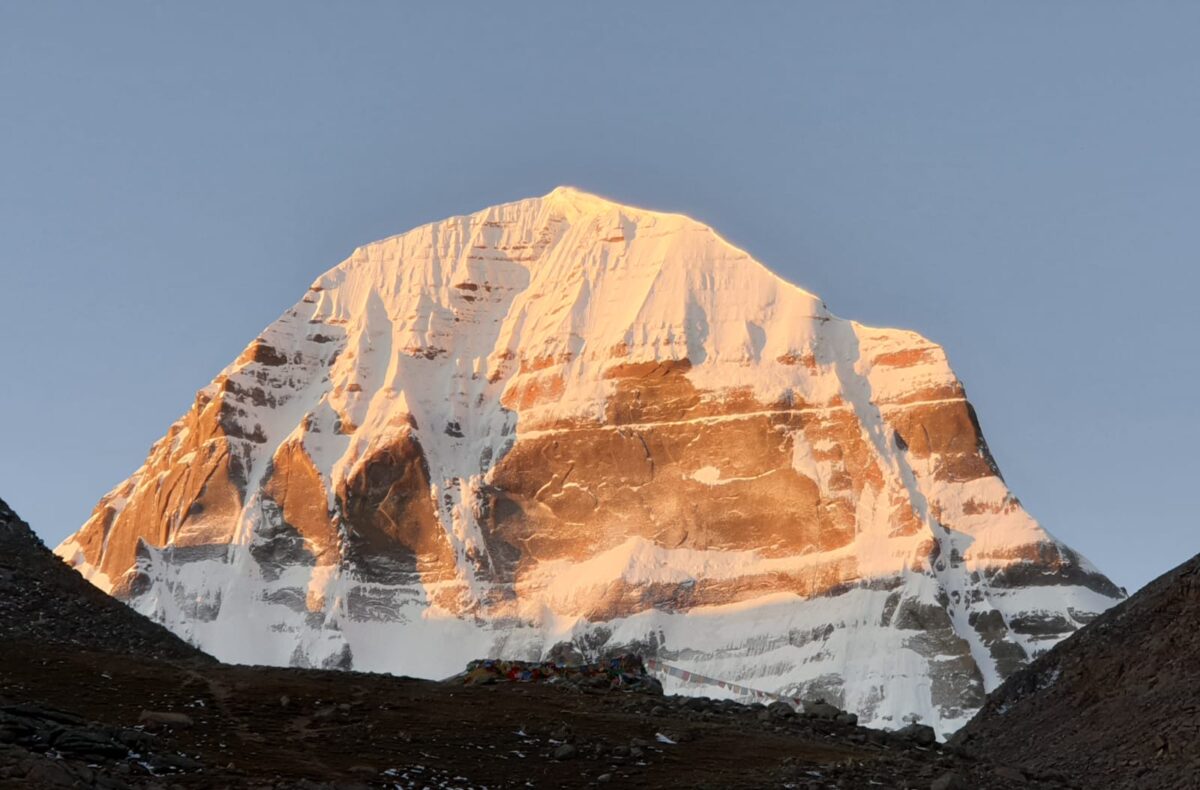
The Mount Kailash Kora is physically demanding but not technically difficult — there’s no climbing or mountaineering involved, just walking on dirt, gravel, and rocky trails at high altitude. Most days involve 5–8 hours of walking, with Day 2’s crossing of Dolma La Pass (5,630m) being the hardest section. You don’t need to be an athlete, but a reasonable baseline of cardiovascular fitness and 8–12 weeks of preparation beforehand make a significant difference. People in their 60s and 70s complete the kora regularly; the key factors are training, pacing, and proper acclimatization, not age or elite fitness.
Is the Kailash Kora Difficult?
Yes, but it’s worth being precise about what kind of difficult. The Kailash Kora is physically demanding, not technically challenging. You won’t need ropes, crampons, or climbing experience — the entire route follows established trails, mostly dirt, gravel, and rocky ground.
What makes it hard is the combination of three things happening at once:
- High altitude — most of the route sits above 4,500m, with the pass crossing over 5,600m
- Distance and duration — roughly 52 km spread across 3 days, with long walking hours each day
- Terrain and conditions — uneven, rocky trails, potential ice or loose stone even in summer, and unpredictable mountain weather
None of these individually would be extreme, but together they add up to a trek that genuinely tests your stamina, even for people who consider themselves generally fit.
Day-by-Day Difficulty Breakdown
| Day | Route | Difficulty | Why |
|---|---|---|---|
| Day 1 | Darchen → Dirapuk | Moderate | Manageable distance, but altitude effects begin |
| Day 2 | Dirapuk → Zutulpuk (via Dolma La Pass) | Hardest day | Steep climb to 5,630m, long descent, cold and wind exposure |
| Day 3 | Zutulpuk → Darchen | Easier | Shorter, mostly downhill, fatigue from previous days |
Day 2 is the day nearly every traveler is asking about when they search “how hard is the Kailash Kora.” It involves a pre-dawn start, a steep several-hundred-meter climb to the pass, and then a long, knee-testing descent on the other side — all above 5,000m, where oxygen levels are roughly half of what they are at sea level.
Do I Need to Be an Athlete?
No. This is one of the most common misconceptions about the kora. You don’t need gym-level strength or racing endurance. What you do need is:
- The ability to walk 5–8 hours a day, several days in a row
- Comfort walking on uneven, rocky ground while carrying a light daypack
- A reasonable cardiovascular base — if you can currently walk 8–10 km with some elevation gain without serious difficulty, you have a workable starting point
If that description doesn’t currently fit you, it’s not a reason to rule out the trip — it’s a reason to start training with enough lead time before you go.
Who Should Be Cautious or Avoid the Trek?
While there’s no official age limit, certain health conditions warrant real caution and a conversation with a doctor before booking:
- Uncontrolled cardiovascular conditions, including unmanaged high blood pressure or heart disease
- Significant knee or joint problems, given the sustained rocky, uneven terrain and steep descent from Dolma La Pass
- Chronic respiratory conditions that are poorly controlled
- A history of severe altitude sickness on previous high-altitude trips
Well-managed, medically controlled conditions (such as controlled hypertension) are often manageable with a doctor’s clearance and sensible pacing — the concern is specifically with conditions that aren’t under control. If any of this applies to you, loop in your doctor early in your planning process, not the week before departure.
How to Train for the Kailash Kora
Most experienced Tibet operators recommend starting preparation 8–12 weeks before departure, or up to 3–6 months out if you’re starting from a lower baseline of fitness.
1. Build cardiovascular endurance
Regular walking, hiking, jogging, cycling, or swimming — 3–4 times a week — builds the stamina you’ll need for consecutive long walking days.
2. Train on similar terrain
If you have access to hills, stairs, or uneven trails, use them. Training on flat ground alone won’t prepare your legs for the sustained climbing and descending on the kora.
3. Add strength training
Leg and core strength help significantly with the steep sections, especially the long descent from Dolma La Pass, which puts real strain on the knees.
4. Practice with a loaded daypack
Walk with the kind of daypack weight you’ll actually carry on the trek, so your body is used to it before day one.
5. Build up gradually
Increase the length and intensity of your training hikes over the weeks leading up to departure, rather than doing one or two long hikes right before you leave.
6. Don’t skip acclimatization once you arrive
No amount of training at sea level fully prepares your body for altitude — that adjustment can only happen at altitude itself. This is why a well-paced itinerary with acclimatization days at Lhasa and Manasarovar matters as much as your fitness level. See our altitude sickness guide for more on this.
What a Typical Day on the Kora Actually Feels Like
- Walking time: 5–8 hours per day, depending on the day and your pace
- Distance: roughly 10–22 km per day, varying by stage
- Terrain: dirt paths, gravel, loose stone, and river crossings, with icy or slippery patches possible even in summer
- Support: porters or yaks are commonly available to carry heavier gear on organized tours, so you’re not necessarily carrying everything yourself
- Pace: slow and steady is the norm — this isn’t a trek where speed is rewarded, and rushing significantly increases altitude-related risk
Frequently Asked Questions
Is the Mount Kailash Kora harder than Everest Base Camp? They’re different kinds of hard. EBC treks (on either side) generally involve more cumulative days at altitude, while the Kailash Kora is shorter overall but compresses a very high pass crossing into a single demanding day. Neither is technical climbing.
Can beginners do the Kailash Kora? Yes, beginners complete it regularly. The determining factor is preparation — consistent training beforehand, a sensible pace during the trek, and taking acclimatization seriously — not prior trekking experience.
What’s the hardest day of the Kailash Kora? Day 2, which involves the climb to and descent from Dolma La Pass at 5,630m. It’s widely regarded as the most physically demanding day of the entire trip.
Is there an age limit for the Kailash Kora? No official age limit exists. Travelers in their 60s and 70s complete the kora regularly, provided they’re in reasonably good health and have prepared properly.
Do I need trekking experience to do the kora? No prior trekking experience is required. A baseline of cardiovascular fitness and proper preparation matter far more than having done other treks before.
How many hours a day will I be walking? Typically 5–8 hours per day across the 3-day kora, varying by stage and pace.
Can I skip the trek and still visit Mount Kailash? Yes. Travelers who’d rather not do the kora can still visit the region, view the mountain from Darchen or Lake Manasarovar, and take part in the wider spiritual journey without trekking the full circuit.
What if I can’t finish a day’s walk? Guides on organized tours are experienced in managing this — options can include a slower pace, additional rest, or in some cases arranging alternate transport for parts of the route where possible. This is one of the practical reasons to travel with an experienced local operator rather than independently.
Ready to Start Training for Your Kailash Trip?
The single biggest factor in how the Kailash Kora feels isn’t natural athleticism — it’s preparation. If you’re weighing whether this trip is right for you, or want a realistic sense of how your current fitness lines up with the trek, take a look at our Mt Kailash Group Joining Tour 2027 for the full itinerary, or send us an inquiry with a bit about your fitness background and any health considerations, and we’ll help you figure out whether — and how — to prepare.