Planning a Tibet tour from Nepal is one of the most exciting ways to explore the Roof of the World. Whether you choose a scenic flight to Lhasa or an adventurous overland journey across the Himalayas, both routes offer unique experiences.
In this guide, we’ll break down the best ways to reach Tibet from Nepal, comparing flight vs overland travel so you can choose the option that suits your travel style, budget, and time.
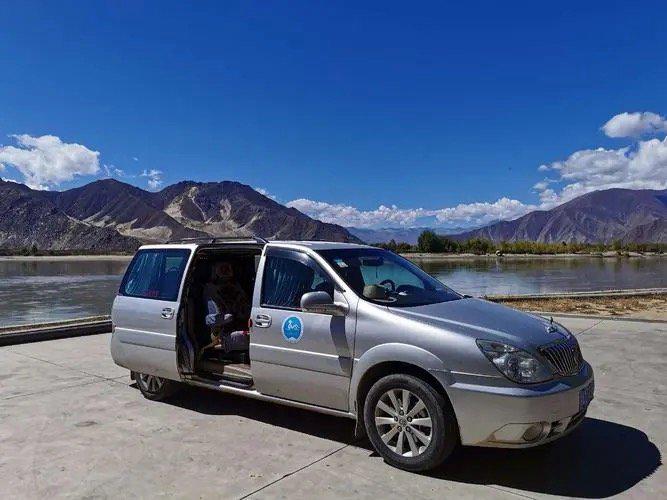
Why Start Your Tibet Tour from Nepal?
Nepal—especially Kathmandu—is one of the most popular gateways to Tibet. Travelers prefer this route because:
- Easier visa and permit processing
- Direct access to Lhasa
- Ideal starting point for Mount Kailash tours
- Stunning Himalayan landscapes
Most Tibet tours from Nepal are organized trips due to travel regulations, making it important to book through a registered agency.
Option 1: Flight from Kathmandu to Lhasa (Fast & Scenic)
Flying from Kathmandu to Lhasa is the quickest and most comfortable way to start your Tibet tour.
Key Highlights:
- Duration: ~1 hour 15 minutes
- Airport: Tribhuvan International Airport (Kathmandu) → Lhasa Gonggar Airport
- Best for: Travelers short on time
Why Choose the Flight Option?
Breathtaking Himalayan Views
This is considered one of the most beautiful flights in the world. On a clear day, you’ll see peaks like Mount Everest.
Quick and Convenient
Perfect for travelers who want to maximize their time exploring Tibet.
Direct Entry to Lhasa
Start your Tibet tour immediately in the cultural heart of Tibet.
Things to Consider:
- Sudden altitude gain (Kathmandu: 1,400m → Lhasa: 3,650m)
- Higher chances of mild altitude sickness
- Slightly more expensive than overland travel
Option 2: Overland Journey from Nepal to Tibet (Adventure Route)
The overland route is ideal for those who want a gradual and immersive Tibet tour experience.
Route Overview:
Kathmandu → Syabrubesi → Kerung Border → Tingri → Shigatse → Lhasa
Key Highlights:
- Duration: 5–7 days to reach Lhasa
- Best for: Adventure seekers and photographers
Why Choose Overland Travel?
Gradual Altitude Acclimatization
Helps reduce the risk of altitude sickness during your Tibet tour.
Incredible Landscapes
Experience diverse scenery—from lush hills in Nepal to the vast Tibetan Plateau.
Cultural Encounters
Visit traditional Tibetan towns and monasteries along the way.
Popular Stops on the Overland Tibet Tour
- Kerung (Gyirong) – Border town entry point
- Tingri – Views of Everest (north face)
- Shigatse – Home to Tashilhunpo Monastery
- Gyantse – Historic town with an ancient fort and monastery
Flight vs Overland: Which Tibet Tour Option is Better?
| Factor | Flight | Overland |
|---|---|---|
| Travel Time | Fast (1–2 hrs) | Slow (5–7 days) |
| Cost | Higher | More budget-friendly |
| Comfort | High | Moderate |
| Scenery | Aerial Himalayan views | Diverse landscapes |
| Altitude Adjustment | Sudden | Gradual (better) |
| Experience | Convenient | Adventurous |
Permits & Travel Requirements for Tibet Tour
Regardless of how you travel, you’ll need:
- Tibet Travel Permit
- Chinese Group Visa (processed via Kathmandu)
- Passport (valid for at least 6 months)
Independent travel is not allowed in Tibet—your Tibet tour must be arranged through a licensed travel agency.
Best Option for Different Travelers
- Short on time? → Choose flight
- Want adventure? → Choose overland
- Planning Mt. Kailash Tour? → Overland is highly recommended
- Concerned about altitude? → Overland is safer
Expert Tips for Your Tibet Tour from Nepal
- Spend at least 2–3 days in Kathmandu before departure
- Stay hydrated and acclimatize properly
- Carry essential medications for altitude sickness
- Book your Tibet tour in advance (permits take time)
Choosing between flight and overland travel depends on your priorities. If you want speed and comfort, flying is ideal. If you prefer a deeper journey with stunning landscapes and better acclimatization, the overland route is unbeatable.
No matter which route you choose, your Tibet tour from Nepal will be a once-in-a-lifetime experience filled with breathtaking scenery, rich culture, and spiritual discovery.