Complete Guide to Permits, Quota System, Documents, Group Tours, Kora, Cost, and Travel Information for Indian Passport Holders
Planning the Mt Kailash Yatra 2027 as an Indian passport holder? One of the most common questions travelers ask is whether Indians can visit Mount Kailash from Nepal, what permits are required, whether there is a quota system, and how the booking process works.
This Indian Passport Guide for Mt Kailash Yatra 2027 explains everything you need to know before booking your pilgrimage from Kathmandu, Nepal. Whether you are travelling alone, with your family, or joining a group pilgrimage, this guide covers permits, the newly introduced quota system, travel routes, documents, medical requirements, booking procedures, and practical travel advice.
Our aim is to help Indian travellers understand the complete process so they can prepare well in advance for one of the world’s most sacred pilgrimages.
Can Indian Passport Holders Visit Mount Kailash from Nepal?
Yes.
Indian passport holders can visit Mount Kailash and Lake Manasarovar through Kathmandu, Nepal. Today, this has become one of the most preferred routes because it offers:
- Flexible departure dates
- Professionally organized group departures
- Comfortable accommodation throughout the journey
- Faster permit processing than the traditional government pilgrimage
- The opportunity to complete the sacred Mt Kailash Kora
Most pilgrims from India first arrive in Kathmandu before entering Tibet via the Rasuwagadhi–Kerung border.
Is Mt Kailash Open for Indian Passport Holders in 2027?
The 2027 pilgrimage season is expected to operate normally, subject to the annual approval of the Tibet Autonomous Region (TAR) Tourism Bureau and Chinese immigration authorities.
As with every year, travel depends on:
- Tibet opening dates
- Border operations
- Permit availability
- Annual quota allocation
- Weather conditions
Travellers are advised to book early, especially during peak pilgrimage months from May to September.
Newly Introduced Quota System for Indian Passport Holders
One of the biggest changes affecting Indian pilgrims is the introduction of a dedicated annual quota for Indian passport holders travelling via Nepal.
Unlike previous years, Chinese authorities now allocate a specific number of permits exclusively for Indian citizens entering Tibet from Kathmandu.
This quota is completely separate from travellers holding passports from other countries.
Why Was the Quota Introduced?
The number of Indian pilgrims visiting Mount Kailash has increased significantly in recent years.
During recent pilgrimage seasons, demand exceeded the number of permits available. To better manage border operations and pilgrimage traffic, Chinese authorities introduced an annual allocation specifically for Indian passport holders.
For the 2026 season:
- Around 24,000 permits were allocated for Indian passport holders travelling through Nepal.
- This represented an increase from approximately 20,000 permits in the previous season.
- Demand was reported to be much higher than the available allocation.
Although the official 2027 quota has not yet been announced, a similar quota system is expected to remain in place.
What Happens if the Quota is Filled?
Once the annual quota is exhausted:
- No further Tibet Travel Permits may be issued for Indian passport holders.
- Tour operators may suspend new bookings.
- Travellers may have to wait for cancellations, additional allocations (if announced), or the following pilgrimage season.
This is one of the main reasons why early booking is strongly recommended.
Do Foreign Passport Holders Share the Same Quota?
No.
Indian passport holders have a separate allocation managed by the Chinese authorities.
Travellers holding passports from countries such as:
- United States
- United Kingdom
- Australia
- Canada
- Singapore
- Malaysia
- European countries
are generally processed under different permit allocations.
Do Indian Passport Holders Need a Tibet Permit?
Yes.
Indian citizens cannot enter Tibet independently.
Every Indian traveller must obtain the required Tibet travel documents through an authorized Tibet travel agency.
Individual permit applications are not accepted.
Permit Application for Mt Kailash for Indian Passport Holders
The permit application process is handled entirely by your tour operator.
Generally, you will need:
- Valid Indian passport (minimum six months validity)
- Passport copy
- Recent passport-size photograph (if requested)
- Completed application form
- Confirmed tour booking
The travel agency submits the application to the relevant Tibetan authorities before your departure.
How Long Does Permit Processing Take?
Permit processing usually begins several weeks before your departure.
As the Tibet Travel Permit cannot be issued instantly, travellers should complete their booking well in advance.
Submitting documents early also helps avoid delays during peak pilgrimage months.
Can Indian Passport Holders Travel Independently?
No.
Chinese regulations require all foreign visitors, including Indian passport holders entering Tibet from Nepal, to travel as part of an organized tour.
Independent travel to Mount Kailash is not permitted.
Group Joining Mt Kailash Tour for Indian Citizens
A Group Joining Tour for Indian Citizens is one of the most popular ways to complete the pilgrimage.
Instead of arranging a private expedition, travellers join a scheduled departure with other pilgrims.
Advantages include:
- Lower overall cost
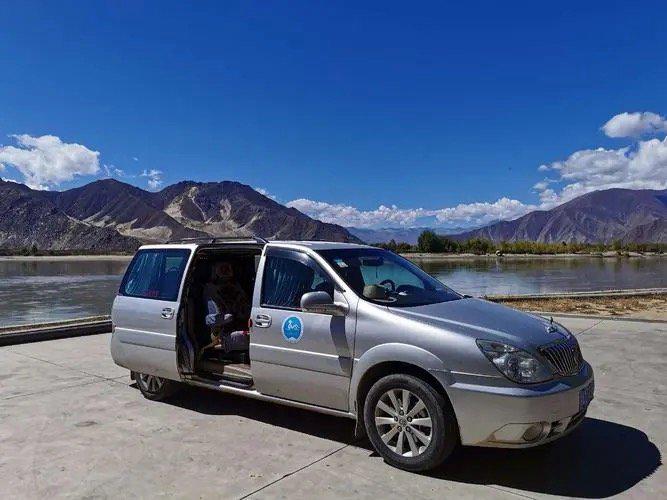
- Shared transportation
- Easier permit arrangements
- Experienced Tibetan guide
- Better logistical support
- Opportunity to travel with fellow pilgrims
Group departures usually operate throughout the pilgrimage season.
Private Mt Kailash Tours for Indian Passport Holders
Families and friends who prefer greater flexibility may also choose private tours.
Private tours allow:
- Flexible departure dates
- Customized itineraries
- Personalized pace
- Additional sightseeing
- Greater privacy
Permit requirements remain the same.
What Route Do Most Indian Travellers Follow?
The most popular itinerary from Kathmandu is:
Kathmandu → Syabrubesi/Timure → Rasuwagadhi Border → Kerung → Saga → Lake Manasarovar → Darchen → Mt Kailash Kora → Zuthulpuk → Saga → Kerung → Kathmandu
Some longer tours also include:
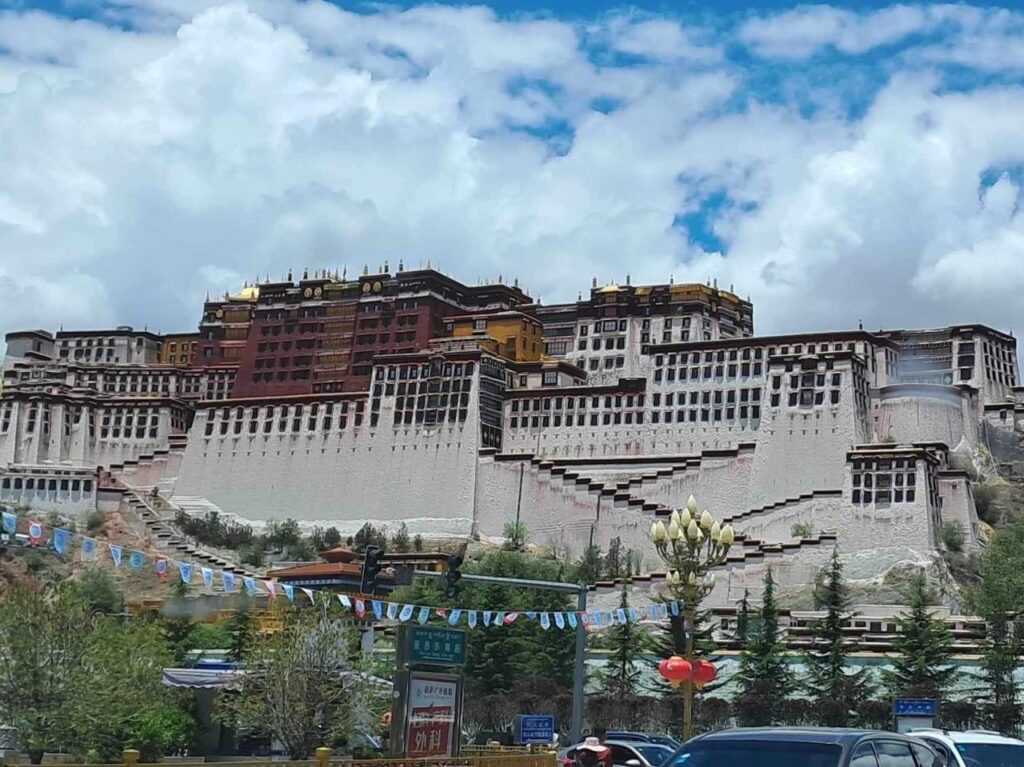
- Lhasa
- Shigatse
- Gyantse
- Yamdrok Lake
- Everest Base Camp
Mt Kailash Kora for Indians from Kathmandu, Nepal
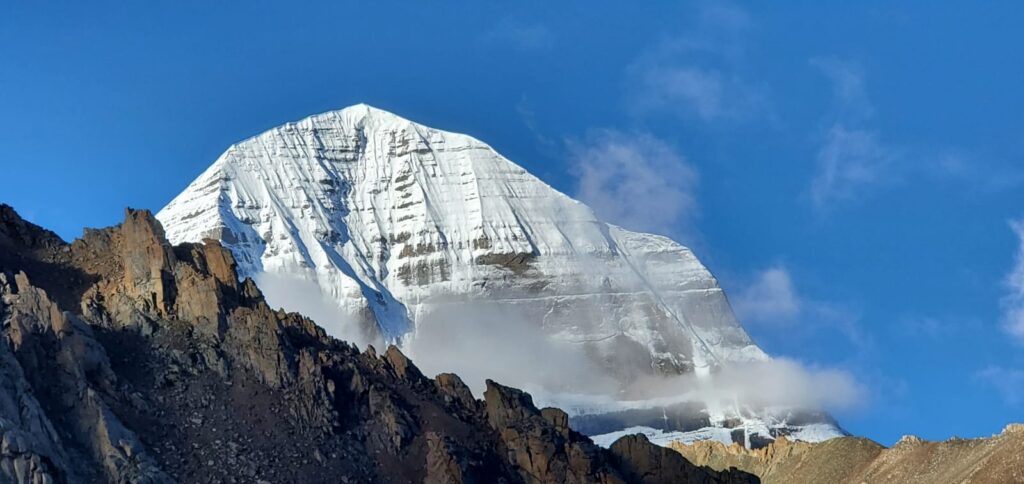
The sacred Mt Kailash Kora is approximately 52 kilometres and is regarded as one of the world’s most spiritually significant pilgrimages.
Most pilgrims complete the Kora over three days.
Typical itinerary:
Day 1
Darchen to Dirapuk
Day 2
Dirapuk – Dolma La Pass – Zuthulpuk
Day 3
Zuthulpuk to Darchen
Pilgrims who are unable to complete the trek can often remain in Darchen while the rest of the group performs the Kora.
Is the Mt Kailash Kora Difficult?
Yes.
The trek reaches elevations above 5,600 metres, including Dolma La Pass.
Pilgrims should prepare physically before travelling.
Training recommendations include:
- Daily walking
- Stair climbing
- Cardiovascular exercise
- Light trekking
- Regular hydration
Medical Requirements for Indian Passport Holders
Most tour operators recommend:
- General health examination
- Blood pressure assessment
- Cardiac evaluation for elderly travellers
- Physician’s fitness certificate if required
Senior travellers should consult their doctor before booking.
Best Time for Mt Kailash Yatra 2027
The pilgrimage season generally operates between:
- May
- June
- July
- August
- September
Each month offers different weather conditions and crowd levels.
The Saga Dawa Festival usually attracts the highest number of pilgrims.
Accommodation During the Journey
Accommodation varies throughout the route.
Travellers can generally expect:
Kathmandu:
Comfortable hotels
Kerung:
Hotels
Saga:
Hotels
Lake Manasarovar:
Guesthouses or hotels
Darchen:
Hotels
During the Kora:
Simple guesthouses with basic facilities
Accommodation standards improve each year but remain basic in remote areas.
What Should Indian Pilgrims Pack?
Recommended packing list:
- Warm layered clothing
- Down jacket
- Waterproof jacket
- Trekking shoes
- Walking stick
- Sunglasses
- Sunscreen
- Personal medicines
- Power bank
- Passport
- Copies of important documents
- Water bottle
- Snacks
Currency During the Journey
Travellers should carry:
- Chinese Yuan (RMB)
- Some Nepalese Rupees while in Kathmandu
Digital payment options may be limited in remote regions.
Mobile Network and Internet
Internet access is available in many towns but may be slow or restricted.
Indian SIM cards generally do not work in Tibet.
Many travellers rely on hotel Wi-Fi where available.
Frequently Asked Questions
Can Indian passport holders visit Mount Kailash?
Yes, through an authorized tour operator from Kathmandu, Nepal, subject to Tibet permit approval and annual quota availability.
Can Indians travel independently?
No. Organized tours are mandatory.
Is there a quota?
Yes. Indian passport holders are currently subject to a separate annual permit allocation introduced by Chinese authorities.
Should I book early?
Yes. Early booking improves your chances of securing a permit before the annual quota is reached.
Can senior citizens join?
Many can, provided they meet the health requirements and are medically fit for high-altitude travel.
Is travel insurance recommended?
Yes. Comprehensive travel insurance covering high-altitude travel, medical emergencies, and trip interruptions is strongly recommended.
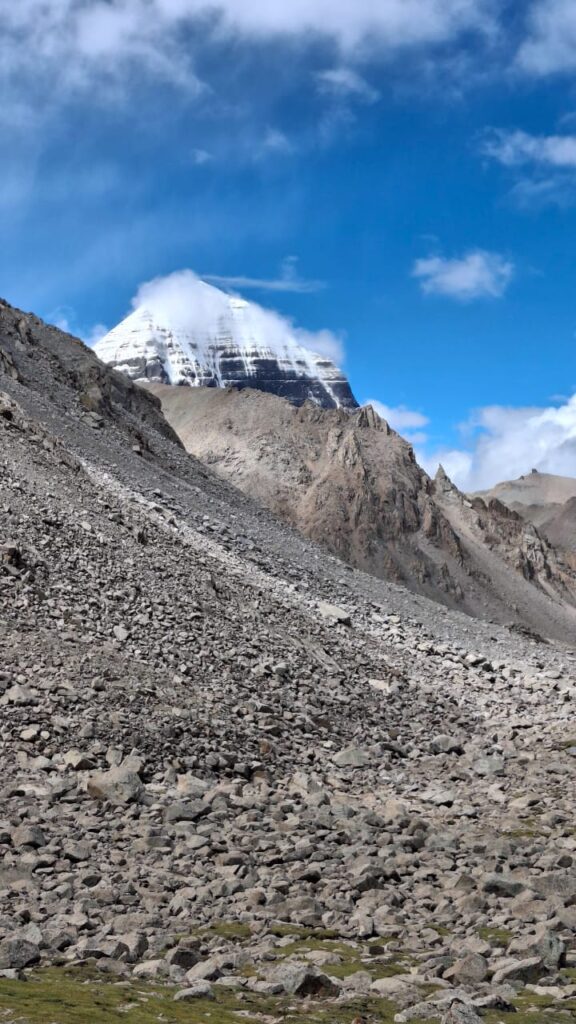
The Mt Kailash tour for Indian passport holders is a deeply spiritual and life-changing pilgrimage. While the introduction of the annual permit quota has added an extra planning step, it has also made early preparation more important than ever.
By understanding the permit process, annual quota, documentation requirements, health considerations, and travel logistics, Indian pilgrims can plan their journey with confidence.
If you are considering the Mt Kailash Yatra 2027 from Kathmandu, booking early, preparing physically, and travelling with an experienced operator will help ensure a smooth and meaningful pilgrimage to Mount Kailash and the sacred Lake Manasarovar.
Whether you choose a Group Joining Tour for Indian Citizens or a private pilgrimage, careful planning is the key to making this once-in-a-lifetime spiritual journey a memorable and fulfilling experience.