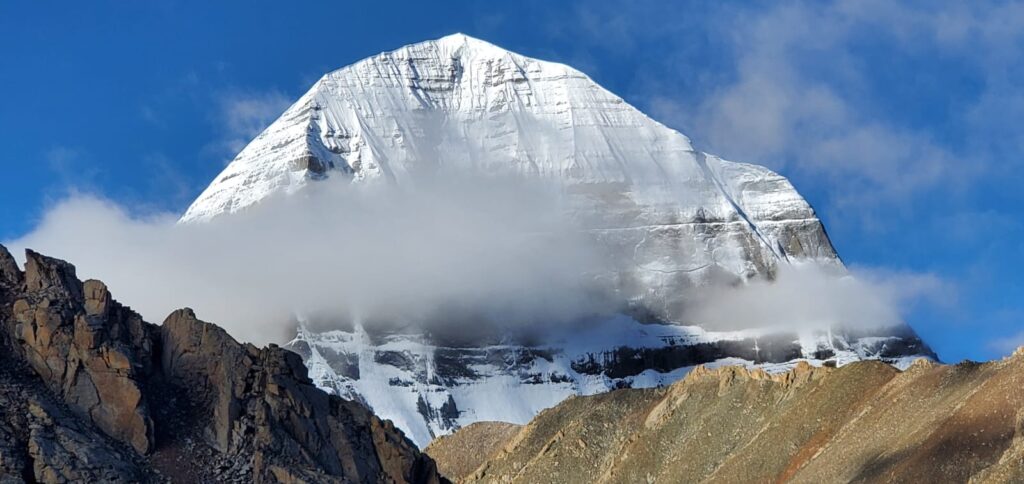
Planning your Tibet tours requires careful consideration of weather, festivals, and travel seasons to ensure the best experience. Tibet’s high altitude and unique climate make some months more favorable for travel than others. Whether you’re drawn to its breathtaking landscapes, rich culture, or vibrant festivals, selecting the best time for your Tibet tour will enhance your journey.
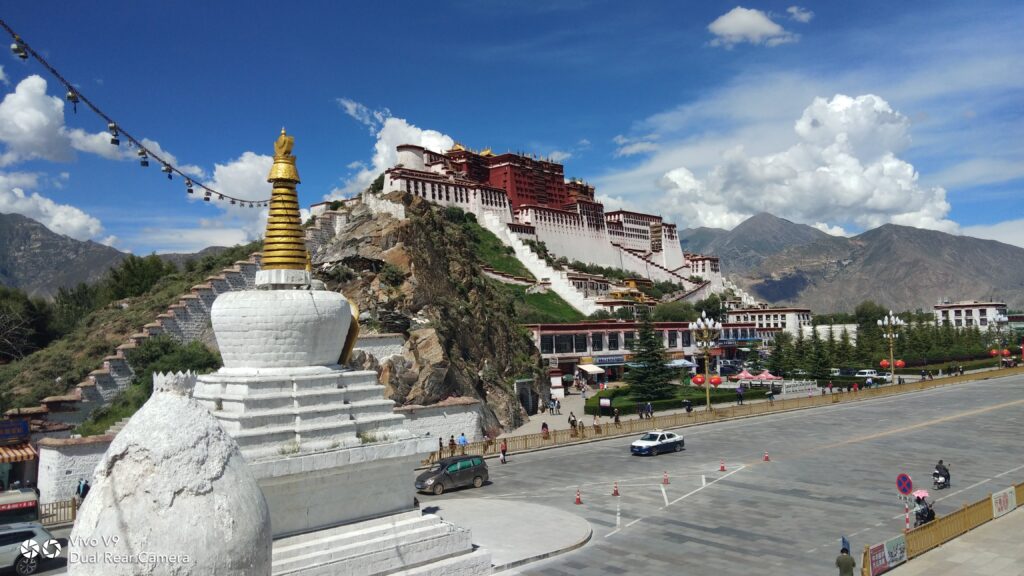
Best Travel Seasons for Tibet Tours
1. Spring (April to May) – Mild Weather and Fewer Crowds
Spring is one of the best times for Tibet tours as temperatures begin to warm up after winter. The weather is pleasant, with daytime temperatures ranging from 10°C to 15°C (50°F to 59°F), making it ideal for sightseeing.
- Pros:
- Comfortable weather for trekking and outdoor activities.
- Fewer tourists compared to peak summer months.
- Blooming flowers and clearer mountain views.
- Cons:
- Nights can still be chilly.
- Some high passes may remain snow-covered early in the season.
2. Summer (June to August) – Peak Travel Season
Summer is the most popular time for Tibet tours due to warm temperatures and the famous Saga Dawa Festival. Daytime highs reach 20°C (68°F), while nights remain cool.
- Pros:
- Ideal for visiting Everest Base Camp and remote regions.
- Vibrant festivals like Saga Dawa (celebrating Buddha’s enlightenment).
- Lush green landscapes and clear skies.
- Cons:
- Crowded tourist sites and higher travel costs.
- Occasional rain showers, especially in July and August.
3. Autumn (September to October) – Perfect Weather and Stunning Views
Many travelers consider autumn the absolute best time for Tibet tours due to stable weather, clear skies, and breathtaking scenery.
- Pros:
- Mild temperatures (10°C–20°C / 50°F–68°F).
- Excellent visibility for mountain views, including Mount Everest.
- Key festivals like the Shoton Festival (Tibetan Opera performances).
- Cons:
- Popular travel period, so early booking is recommended.
- Nights start getting colder by late October.
4. Winter (November to March) – Off-Season with Unique Charm
Winter is the least crowded time for Tibet tours, offering a serene experience for those who don’t mind the cold.
- Pros:
- Fewer tourists and lower travel costs.
- Stunning snow-covered landscapes.
- Unique winter festivals like Losar (Tibetan New Year in February/March).
- Cons:
- Harsh temperatures (-10°C to 10°C / 14°F–50°F).
- Some roads and attractions may be closed due to snow.
Best Time for Tibet Tours Based on Festivals
Tibet’s vibrant festivals add cultural depth to any Tibet tour. Key events include:
- Losar (Tibetan New Year, Feb/Mar) – Celebrations with prayers, dances, and family gatherings.
- Saga Dawa Festival (May/June) – Pilgrimages to Mount Kailash and grand ceremonies.
- Shoton Festival (August) – Yogurt festival with Tibetan opera and giant thangka displays.
When to Plan Your Tibet Tour
The best time for Tibet tours depends on your priorities:
- For ideal weather: April–May or September–October.
- For festivals, consider the summer (June–August) or winter (Losar in February/March).
- For budget travelers: November–March (off-season discounts).
No matter when you visit, a Tibet tour promises unforgettable adventures amidst stunning landscapes and deep cultural heritage. Plan wisely to make the most of your journey to the “Roof of the World”!
Would you like recommendations for specific Tibet tour itineraries based on the best travel season? Let us help you craft your perfect trip!