Lhasa Tour Package Cost 2027 – Everything You Need to Know Before Booking

Planning a trip to Tibet in 2027?

One of the biggest questions travelers ask before booking is:

“How much does a Tibet tour cost?”

The answer depends on several factors, including:

  • Group or private tour
  • Time of year
  • Hotel category
  • Transportation
  • Number of travelers
  • Optional activities
  • Personal spending

The good news is that visiting Tibet is more affordable than many people expect.

Whether you are looking for a budget Tibet tour, an affordable Lhasa group joining tour, or a private Tibet tour, this guide explains every cost so you can plan your trip with confidence.

In this article, we’ll cover:

  • Average Tibet tour prices in 2027
  • Group tour vs private tour costs
  • What’s included
  • Hidden expenses
  • Money-saving tips
  • Frequently asked questions

Let’s begin.

How Much Does a Tibet Tour Cost in 2027?

The average Tibet Tour 2027 cost depends on the type of tour you choose.

Tour TypeEstimated Price
Budget Group TourUS$650–950
Standard Group TourUS$850–1,300
Private Tibet TourUS$1,400–3,500+
Luxury Private TourUS$3,500–7,000+

These prices vary depending on:

  • Travel season
  • Hotel quality
  • Number of travelers
  • Transportation
  • Route
  • Optional services

Generally, Lhasa group joining tours offer the best value for first-time visitors.

Why Are Tibet Tours Different from Other Destinations?

Unlike many destinations where you can travel independently, Tibet has specific travel regulations for international visitors.

Travelers need:

  • Tibet Travel Permit
  • Licensed local guide
  • Registered vehicle for travel outside Lhasa
  • Pre-arranged itinerary

These requirements are included when booking through a licensed Tibet travel agency.

Although these regulations influence the overall Tibet tour price, they also ensure a well-organized journey with experienced local support.

What Is Included in a Tibet Tour Package?

A quality Tibet tour package usually includes:

Tibet Travel Permit

This mandatory permit is arranged by your travel agency.

Airport or Train Station Transfers

Most tours include arrival and departure transfers.

Hotel Accommodation

Typically:

  • 3-star
  • 4-star
  • 5-star (optional)
Licensed English-Speaking Guide

Professional local guides provide cultural insights and manage logistics throughout your trip.

Transportation

Comfortable tourist vehicles are provided for sightseeing and travel between destinations.

Entrance Tickets

Most major attractions are included, such as:

  • Potala Palace
  • Jokhang Temple
  • Sera Monastery
  • Drepung Monastery
  • Norbulingka
  • Barkhor Street
Some Meals

Most tours include breakfast, while lunches and dinners are generally left flexible so travelers can explore local restaurants.

What Is NOT Included?

Travelers should also budget for expenses such as:

  • International flights
  • China visa (if applicable)
  • Travel insurance
  • Lunches and dinners
  • Personal shopping
  • Tips
  • Optional activities
  • Single room supplement
  • Personal expenses

Planning for these additional costs helps avoid surprises during your trip.

Budget Tibet Tour 2027 – The Most Affordable Way to Visit Tibet

If you’re looking for an affordable Tibet adventure, a Budget Tibet Tour 2027 is one of the best options.

Group tours reduce costs because travelers share:

  • Guide
  • Vehicle
  • Operating expenses

This keeps the overall Lhasa Group Joining Tour Price much lower than private tours.

Typical features include:

  • Small international groups
  • Fixed departures
  • Comfortable hotels
  • English-speaking guide
  • Shared transportation
  • Major attractions included

These tours are especially popular with solo travelers, couples, and small groups.

Why Choose a Lhasa Group Joining Tour?

Many first-time visitors prefer a Lhasa Group Joining Tour because it combines affordability with convenience.

Benefits include:

  • Lower overall cost
  • Meet travelers from around the world
  • Fixed departure dates
  • Professional local guide
  • Excellent value for money
  • Hassle-free permit arrangements

For many travelers, it is the easiest way to experience Tibet while staying within budget.

What Does a Typical 8-Day Lhasa Group Joining Tour Include?

An 8-day itinerary generally features:

  • Arrival in Lhasa
  • Time to acclimatize to the altitude
  • Guided visit to Potala Palace
  • Jokhang Temple
  • Barkhor Street
  • Sera Monastery
  • Drepung Monastery
  • Norbulingka
  • Scenic drive to Yamdrok Lake
  • Return to Lhasa
  • Departure

This itinerary provides a balanced introduction to Tibet’s culture, history, and landscapes while allowing enough time for acclimatization.

Private Tibet Tour Cost in 2027

A Private Tibet Tour offers greater flexibility and personalization.

Prices are generally higher because costs are not shared.

Private tours are ideal for:

  • Families
  • Honeymoon couples
  • Photographers
  • Senior travelers
  • Luxury travelers
  • Small groups of friends

Benefits include:

  • Flexible itinerary
  • Private guide
  • Private vehicle
  • Personalized travel pace
  • Custom hotel choices
  • Greater privacy
What Affects Private Tibet Tour Prices?

Several factors influence the total cost:

Number of Travelers

The more people sharing the tour, the lower the cost per person.

Hotel Category

Accommodation significantly affects pricing.

Options include:

  • Budget hotels
  • Standard hotels
  • Boutique hotels
  • Luxury hotels
Travel Season

Peak travel months generally cost more.

High season:

  • April
  • May
  • June
  • July
  • August
  • September
  • October

Lower prices are often available during:

  • November
  • December
  • January
  • February (weather permitting)
Length of Tour

Longer itineraries naturally increase costs.

Examples include:

  • 4-day Lhasa tour
  • 8-day Lhasa tour
  • Everest Base Camp tour
  • Mount Kailash pilgrimage
Transportation

Travel costs depend on:

  • Shared vehicle
  • Private vehicle
  • Domestic flights
  • Train tickets

Is Tibet Expensive Compared with Other Destinations?

Many travelers assume Tibet is very expensive.

In reality:

Accommodation, food, and transportation within Tibet are generally reasonable.

The primary expenses are associated with permits, guided services, and transportation required by travel regulations.

For most travelers, Tibet offers excellent value considering the unique cultural and natural experiences it provides.

Hidden Costs Travelers Should Know

When planning your budget, consider additional expenses such as:

  • Restaurant meals
  • Snacks
  • Drinks
  • Souvenirs
  • Temple donations
  • Tips for guides and drivers
  • Laundry
  • Internet services
  • Optional activities

These costs vary depending on your travel style.

Money-Saving Tips for Your Tibet Tour

If you’re planning an Affordable Tibet Tour, these practical tips can help reduce costs:

Join a Group Tour

Sharing transportation and guide services lowers the overall price.

Travel During Shoulder Seasons

Traveling outside peak months often results in better hotel rates and fewer crowds.

Book Early

Early reservations can help secure preferred departure dates and better pricing.

Choose Standard Hotels

Comfortable 3-star accommodations provide good value for most travelers.

Limit Extra Activities

Focusing on included sightseeing helps keep your budget under control.

Is a Group Tour Better Than a Private Tour?

There is no single answer—it depends on your travel style.

Group Tour

Best for:

  • Solo travelers
  • Budget travelers
  • First-time visitors
  • Students
  • Couples

Pros:

  • Lower cost
  • Social atmosphere
  • Excellent value

Cons:

  • Fixed schedule
  • Shared vehicle
Private Tour

Best for:

  • Families
  • Honeymooners
  • Seniors
  • Photographers
  • Luxury travelers

Pros:

  • Flexible itinerary
  • Private guide
  • Personalized experience

Cons:

  • Higher overall cost

Frequently Asked Questions

How much does a Tibet tour cost in 2027?

Most travelers spend between US$650 and US$3,500, depending on the type of tour, accommodation, season, and travel style.

Is a Tibet Group Joining Tour cheaper?

Yes. Group tours are generally the most affordable option because transportation and guide costs are shared among participants.

What is included in the Tibet tour price?

Most packages include the Tibet Travel Permit, accommodation, local transportation, English-speaking guide, airport or train station transfers, and entrance fees to major attractions. Meals and international airfare are usually excluded.

Are flights included?

No. International and most domestic flights are generally booked separately unless specified in the package.

Can solo travelers join a group tour?

Absolutely. Group joining tours are popular with solo travelers because they provide a cost-effective way to visit Tibet while meeting people from around the world.

Is a private Tibet tour worth the extra cost?

If you value flexibility, privacy, and a customized itinerary, a private tour can be an excellent investment, especially for families or special occasions.

When is the cheapest time to visit Tibet?

The shoulder and winter seasons often offer lower hotel rates and fewer visitors. However, weather conditions and attraction availability should be considered when planning.
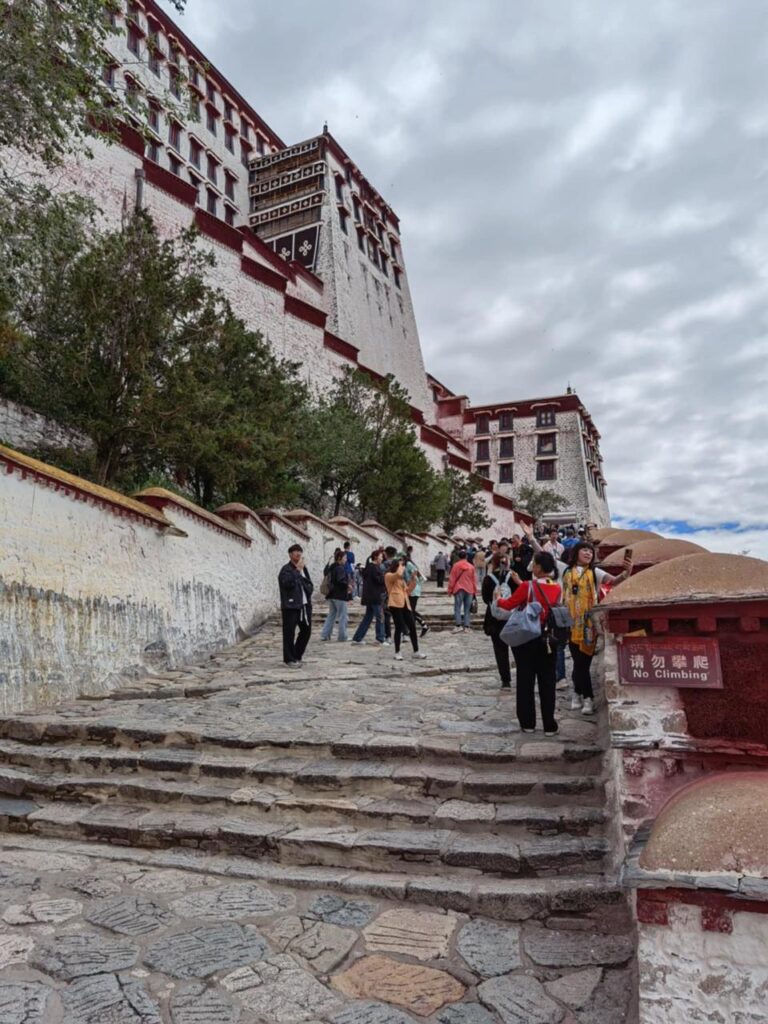
Lhasa Tour Package Cost 2027

Understanding the Lhasa Tour Package Cost 2027 helps you choose the travel style that best matches your budget and expectations. Whether you’re looking for a Budget Tibet Tour 2027, an Affordable Tibet Tour, a Lhasa Group Joining Tour, or a Private Tibet Tour, knowing what is included—and what additional expenses to expect—makes planning much easier.

For most first-time visitors, a Tibet Group Joining Tour offers the best balance of value, convenience, and cultural immersion. Travelers seeking greater flexibility, customized itineraries, or a more exclusive experience may find a Private Tibet Tour well worth the additional cost.

No matter which option you choose, planning early, comparing inclusions, and selecting a reputable tour operator will help ensure a smooth and memorable journey to the Roof of the World in 2027.
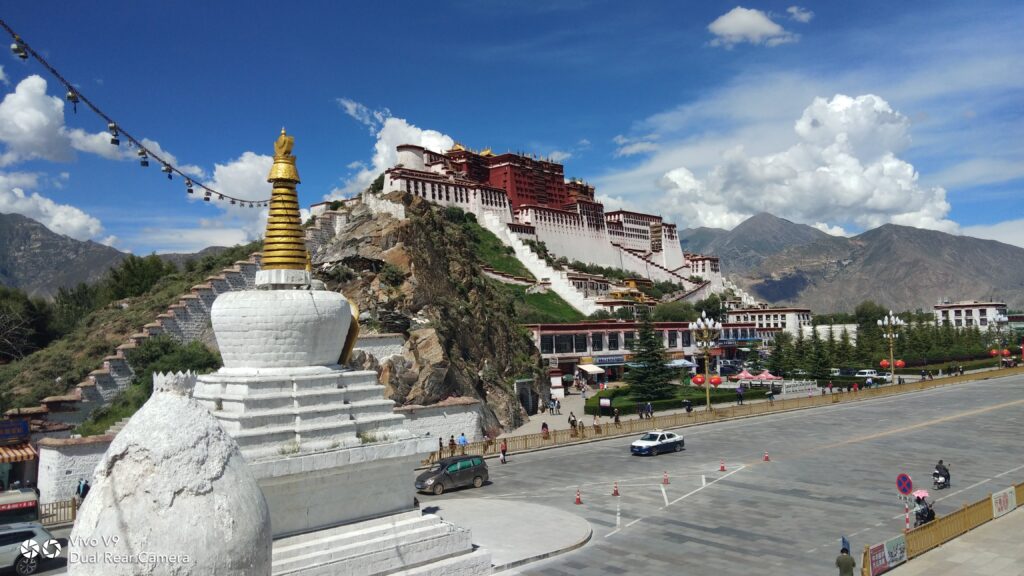
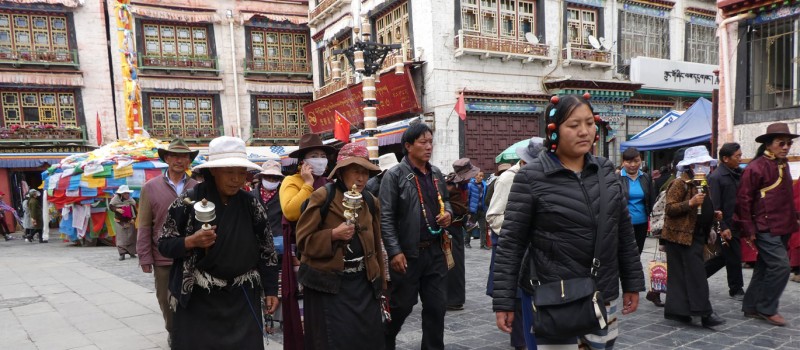
Best Time for Tibet Tours: Weather, Festivals, and Travel Seasons

Planning your Tibet tours requires careful consideration of weather, festivals, and travel seasons to ensure the best experience. Tibet’s high altitude and unique climate make some months more favorable for travel than others. Whether you’re drawn to its breathtaking landscapes, rich culture, or vibrant festivals, selecting the best time for your Tibet tour will enhance your journey.

Tibet Tours

Best Travel Seasons for Tibet Tours

1. Spring (April to May) – Mild Weather and Fewer Crowds

Spring is one of the best times for Tibet tours as temperatures begin to warm up after winter. The weather is pleasant, with daytime temperatures ranging from 10°C to 15°C (50°F to 59°F), making it ideal for sightseeing.

  • Pros:
    • Comfortable weather for trekking and outdoor activities.
    • Fewer tourists compared to peak summer months.
    • Blooming flowers and clearer mountain views.
  • Cons:
    • Nights can still be chilly.
    • Some high passes may remain snow-covered early in the season.

2. Summer (June to August) – Peak Travel Season

Summer is the most popular time for Tibet tours due to warm temperatures and the famous Saga Dawa Festival. Daytime highs reach 20°C (68°F), while nights remain cool.

  • Pros:
    • Ideal for visiting Everest Base Camp and remote regions.
    • Vibrant festivals like Saga Dawa (celebrating Buddha’s enlightenment).
    • Lush green landscapes and clear skies.
  • Cons:
    • Crowded tourist sites and higher travel costs.
    • Occasional rain showers, especially in July and August.

3. Autumn (September to October) – Perfect Weather and Stunning Views

Many travelers consider autumn the absolute best time for Tibet tours due to stable weather, clear skies, and breathtaking scenery.

  • Pros:
    • Mild temperatures (10°C–20°C / 50°F–68°F).
    • Excellent visibility for mountain views, including Mount Everest.
    • Key festivals like the Shoton Festival (Tibetan Opera performances).
  • Cons:
    • Popular travel period, so early booking is recommended.
    • Nights start getting colder by late October.

4. Winter (November to March) – Off-Season with Unique Charm

Winter is the least crowded time for Tibet tours, offering a serene experience for those who don’t mind the cold.

  • Pros:
    • Fewer tourists and lower travel costs.
    • Stunning snow-covered landscapes.
    • Unique winter festivals like Losar (Tibetan New Year in February/March).
  • Cons:
    • Harsh temperatures (-10°C to 10°C / 14°F–50°F).
    • Some roads and attractions may be closed due to snow.

Best Time for Tibet Tours Based on Festivals

Tibet’s vibrant festivals add cultural depth to any Tibet tour. Key events include:

  • Losar (Tibetan New Year, Feb/Mar) – Celebrations with prayers, dances, and family gatherings.
  • Saga Dawa Festival (May/June) – Pilgrimages to Mount Kailash and grand ceremonies.
  • Shoton Festival (August) – Yogurt festival with Tibetan opera and giant thangka displays.

When to Plan Your Tibet Tour

The best time for Tibet tours depends on your priorities:

  • For ideal weather: April–May or September–October.
  • For festivals, consider the summer (June–August) or winter (Losar in February/March).
  • For budget travelers: November–March (off-season discounts).

No matter when you visit, a Tibet tour promises unforgettable adventures amidst stunning landscapes and deep cultural heritage. Plan wisely to make the most of your journey to the “Roof of the World”!

Would you like recommendations for specific Tibet tour itineraries based on the best travel season? Let us help you craft your perfect trip!

Tibet Tour: A Comprehensive Travel Guide

Tibet, often called the “Roof of the World”, is a land of breathtaking landscapes, ancient monasteries, and profound spiritual experiences. Planning a trip to this mystical region requires careful consideration, but the rewards are immense. This comprehensive guide will help you navigate the intricacies of planning your Tibet tour.

TIbet Tour
Tibet Tour

When is the best time for the Tibet tour?

Tibet experiences a harsh climate with cold winters and relatively mild summers. The best time for the Tibet tour is from May to September when the weather is pleasant, and the landscapes are in full bloom. However, this is also the peak season, so expect larger crowds and higher prices.

  • April-May: Spring brings blooming flowers and clear skies, making it ideal for photography.
  • June-August: The summer months are pleasant with warmer temperatures, perfect for exploring.
  • September-October: Autumn offers stunning fall foliage and comfortable weather.
  • November-March: Winter brings freezing temperatures and heavy snowfall, making travel challenging.

Cost of a Tibet Tour

The cost of a Tibet tour varies significantly depending on several factors:

  • Duration of the trip: Longer trips naturally cost more.
  • Group or private tour: Private tours are generally more expensive but offer greater flexibility.
  • Accommodation: Luxury hotels will increase the overall cost.
  • Transportation: Flights, trains, and overland options have different price points.
  • Activities: Optional activities like trekking or rafting add to the expense.

Expect to spend anywhere from $1,000 to $5,000 or more per person for a standard Tibet tour.

Private Tibet Tour vs. Group Tibet Tours

  • Private Tibet Tours: Offer complete flexibility, allowing you to customize your itinerary. You’ll have a dedicated guide and vehicle, providing a more personalized experience.
  • Group Joining Tibet Tours: Generally more affordable, with fixed itineraries. You’ll meet fellow travelers and share the experience.

Essential Tibet Tour Itineraries

Here are some popular itineraries to inspire your planning:

  • Classic Lhasa Tour (4-7 days): Explore the Potala Palace, Jokhang Temple, Barkhor Street, and surrounding monasteries.
  • Lhasa to Everest Base Camp (8-10 days): Combine the cultural richness of Lhasa with the breathtaking beauty of Mount Everest.
  • Mt. Kailash tour and Lake Manasarovar Pilgrimage (15-21 days): Embark on a spiritual journey to the holy mountain and lake.

Difficulty Level of Tibet tour

Tibet is a high-altitude destination, and acclimatization is crucial. While most tours stick to lower altitudes, some treks and pilgrimages require good physical fitness.

  • Lhasa: Relatively easy, suitable for most travelers.
  • Everest Base Camp: Requires moderate physical fitness due to altitude.
  • Mt. Kailash Kora: This demanding trek, is suitable for experienced hikers and pilgrims.

Essential Tips for Tibet Tour

  • Obtain necessary permits: A Chinese visa and a Tibet Travel Permit are mandatory.
  • Acclimatize gradually: Spend a few days in Lhasa before venturing to higher altitudes.
  • Pack warm clothing: Even in summer, nights can be cold.
  • Drink plenty of water: Stay hydrated to combat altitude sickness.
  • Respect Tibetan culture and customs: Dress modestly when visiting religious sites.
  • Be prepared for limited amenities: Some areas have basic infrastructure.

By carefully considering these factors and planning, you can embark on a truly unforgettable journey to Tibet.

Accommodation during the Tibet Tour

Choosing the right accommodation in Tibet is crucial for a pleasant stay. While options might be limited compared to other tourist destinations, there’s a range of choices to suit different budgets and preferences.

Types of Accommodation

  • Hotels and Guesthouses: Lhasa offers a variety of hotels, from budget-friendly options to luxury accommodations. Outside of Lhasa, guesthouses and homestays are more common.
  • Monastery Guesthouses: For a unique experience, consider staying in a monastery guesthouse. These offer simple accommodations and a chance to immerse yourself in Tibetan culture.
  • Camping: If you’re an adventurous traveler, camping is an option for some tours, particularly those involving trekking.

Factors to Consider During the Tibet Tour

  • Location: Staying near the Potala Palace or Barkhor Street in Lhasa is convenient for sightseeing.
  • Amenities: Consider your needs: Wi-Fi, hot water, and comfortable beds are essential for many travelers.
  • Budget: Set a budget for accommodation and choose options accordingly.
  • Altitude: Higher altitudes might have limited amenities, so be prepared.

Tips for Booking Accommodation

  • Book in advance: It’s advisable to book your accommodation well in advance during peak season.
  • Read reviews: Check online reviews to understand the quality of the accommodation and services.
  • Be flexible: Be open to different options, as availability can vary.

Accommodation Challenges

  • Altitude: Some accommodations might experience fluctuations in temperature and water supply due to altitude.
  • Limited choices: Outside of major cities, options might be limited.
  • Basic amenities: Don’t expect luxury standards in all places.

By carefully considering these factors, you can find comfortable accommodation that enhances your Tibet experience.

Food during the Tibet Tour

Tibetan cuisine offers a unique blend of flavors influenced by the harsh Himalayan climate and Buddhist traditions. While not as diverse as other regions, the food is hearty, nourishing, and often surprisingly delicious.

Staple Tibetan Foods

  • Tsampa: Roasted barley flour, often mixed with butter tea, is a staple food for Tibetans.
  • Yak meat: A common protein source, often served in stews or dried.
  • Butter tea: A salty tea made with yak butter, popular as a beverage and a meal accompaniment.
  • Momos: Tibetan dumplings filled with meat or vegetables, similar to Nepalese momos.

Tibetan Dining Experience

  • Simple and hearty: Tibetan food is generally simple and focused on providing warmth and energy.
  • Vegetarian options: While meat is common, vegetarian dishes are available, especially in monasteries and larger towns.
  • Dining etiquette: It’s customary to offer food to the eldest person first as a sign of respect.

Challenges and Tips

  • Limited choices: Outside of Lhasa, dining options might be limited.
  • Altitude sickness: Some travelers might find the rich, buttery nature of Tibetan food difficult to digest at high altitudes.
  • Vegetarian options: While available, they might be limited in some areas.

Food Safety

  • Hygiene: As with any travel destination, pay attention to food hygiene and choose reputable restaurants.
  • Water: Drink bottled water or boiled water to avoid waterborne illnesses.

Tibetan cuisine offers a unique culinary experience. While it might not be as diverse as other cuisines, it is undeniably authentic and satisfying.

Transportation during the Tibet Tour

Tibet offers a unique transportation experience due to its remote location and challenging terrain. While options might be limited compared to other destinations, there are several ways to explore this enchanting region.

Major Transportation Options

  • Train: The Qinghai-Tibet Railway is a modern marvel, offering stunning views of the Tibetan Plateau. It connects major cities like Beijing and Shanghai to Lhasa.
  • Plane: Lhasa Gonggar International Airport connects Tibet to major cities in China and Nepal. It’s the quickest way to reach Tibet.
  • Bus: Buses are available between major cities in Tibet, but they can be uncomfortable due to high altitudes and long distances.
  • Car: Most tourists opt for private vehicles with drivers arranged through tour operators. This allows for flexibility and comfort.

Challenges and Considerations

  • Altitude: High altitude can affect travel, especially for train and bus journeys.
  • Limited options: Outside of major cities, transportation options are limited.
  • Road conditions: Roads can be challenging, with potential landslides and road closures.
  • Travel permits: Foreigners must obtain specific permits to travel within Tibet, which can be arranged through a tour operator.

Tips for Travelers during Tibet Tour

  • Choose the right option: Consider your budget, time constraints, and desired level of comfort when choosing transportation.
  • Acclimatize: If traveling by train or bus, allow time for acclimatization to high altitude.
  • Pack accordingly: Bring necessary items for comfort during long journeys.
  • Book in advance: Especially during peak season, book train and flight tickets well in advance.

Transportation in Tibet offers a unique adventure. You can enjoy a smooth journey through this extraordinary land with careful planning and preparation.

Packing Tips for the Tibet Tour

Packing for Tibet requires careful consideration due to the high altitude, unpredictable weather, and cultural sensitivities. Here’s a comprehensive packing list:

Clothing

  • Warm layers: Down jacket, fleece, thermal underwear, sweaters, and warm hats.
  • Waterproof gear: Raincoat, waterproof pants, and gaiters for unpredictable weather.
  • Sun protection: Sunscreen, sunglasses, and a hat.
  • Comfortable footwear: Sturdy hiking boots for trekking, and comfortable walking shoes for exploring cities.
  • Modest clothing: Respectful attire for visiting monasteries and religious sites.

Essentials

  • Passport and travel documents: Ensure they are valid and accessible.
  • Medication: Any necessary prescription medication, altitude sickness pills, and general first-aid supplies.
  • Camera and accessories: Capture the breathtaking landscapes.
  • Power bank: For charging electronic devices.
  • Water bottle: Stay hydrated, especially at high altitudes.
  • Lip balm and moisturizer: Combat dry air.
  • Travel insurance: Essential for unexpected situations.

Optional Items

  • Trekking poles: If planning a hike or trek.
  • Headlamp: For early morning or evening activities.
  • Travel adapter: For charging electronic devices.
  • Books and entertainment: For downtime.

Packing Tips

  • Layer your clothing: This allows you to adjust to changing temperatures.
  • Pack light: Carry only essential items to avoid excess baggage fees.
  • Protect your gear: Use waterproof bags to protect your belongings from rain and snow.
  • Consider hand luggage: Pack essential items in your carry-on for easy access.

By following these packing tips, you can ensure you’re well-prepared for your Tibetan adventure.

Health Considerations for a Tibet Tour

Tibet’s high altitude and remote location present unique health challenges. Proper preparation and care are essential for a safe and enjoyable trip.

Common Health Concerns

  • Altitude Sickness: This is the most common health issue due to the rapid ascent. Symptoms include headache, nausea, fatigue, and shortness of breath. Gradual acclimatization is crucial.
  • Cold and Flu: The dry climate can lead to respiratory issues.
  • Digestive Problems: Changes in diet and water quality can cause upset stomachs.
  • Sunburn: High altitude increases sun exposure.

Preventive Measures

  • Gradual acclimatization: Spend a few days in Lhasa before venturing to higher altitudes.
  • Hydration: Drink plenty of water to prevent dehydration.
  • Sun protection: Use sunscreen, wear a hat, and sunglasses.
  • Proper clothing: Dress in layers to adjust to changing temperatures.
  • Hand hygiene: Practice good hand hygiene to prevent infections.
  • Consult a doctor: Discuss your travel plans with a doctor, especially if you have pre-existing health conditions.

Essential Medications

  • Altitude sickness medication: Consult your doctor for suitable options.
  • Pain relievers: For headaches and body aches.
  • Anti-diarrhea medication: For digestive issues.
  • Rehydration salts: To replenish electrolytes.

Emergency Preparedness

  • Travel insurance: Ensure it covers medical emergencies.
  • Emergency contact information: Keep important contacts readily available.
  • Know the nearest medical facilities: Research healthcare options in your itinerary.

By taking these precautions, you can minimize health risks and enjoy your Tibet trip to the fullest.

Cultural Etiquette During Tibet Tour

Tibetans are known for their warm hospitality, but understanding and respecting their customs is essential for a harmonious visit.

General Etiquette

  • Dress respectfully: Cover your shoulders and knees when visiting religious sites.
  • Right-hand rule: Use your right hand for eating, offering, and receiving items.
  • Photography: Ask for permission before taking photos of people, especially monks and nuns.
  • Bargaining: While bargaining is common in some markets, be respectful and avoid aggressive haggling.
  • Respectful behavior: Avoid loud noises, public displays of affection, and littering.

Etiquette in Monasteries

  • Dress modestly: Follow the dress code mentioned above.
  • Walk clockwise: This is the traditional direction for circumambulation.
  • Photography restrictions: Many monasteries prohibit photography inside.
  • Quiet demeanor: Maintain silence and respect the sacred atmosphere.

Etiquette When Interacting with Locals

  • Greet with respect: Use polite greetings and maintain eye contact.
  • Learn basic Tibetan phrases: A few words of Tibetan can go a long way.
  • Offer gifts: Bringing small gifts, such as tea or sweets, is appreciated.
  • Be mindful of personal space: Respect personal boundaries.
  • Be patient: Communication might be challenging due to language barriers.

By following these guidelines, you can show respect for Tibetan culture and enhance your travel experience.

Tibet, a realm of unparalleled beauty and spiritual depth, beckons adventurers and seekers alike. With careful planning and a respectful attitude, you can embark on a transformative journey through this mystical land. From the awe-inspiring Himalayas to the sacred monasteries, Tibet offers experiences that will stay with you long after you return home. So, pack your bags, open your heart, and prepare to be enchanted by the magic of the “Roof of the World.”

Are you ready to embark on a life-changing journey to the Roof of the World? Let us help you plan the perfect Tibet tour. With our expert guidance, you can immerse yourself in Tibetan culture, explore breathtaking landscapes, and create unforgettable memories. Contact us today to start planning your adventure!