Complete Guide to Tibet Tour 2027 for First-Time Travelers

Dreaming of standing in front of the legendary Potala Palace, watching monks debate inside ancient monasteries, crossing the Himalayas from Nepal, or finally seeing the “Roof of the World” with your own eyes? Then a Tibet Tour in 2027 might be one of the most unforgettable journeys you will ever take.

But let’s be honest — planning a Tibet Tour for the first time can feel confusing.

Questions like:

  • Can foreigners travel to Tibet in 2027?
  • Do I need a Tibet Travel Permit?
  • Is Tibet safe for tourists?
  • What is the best time for the Tibet Tour 2027?
  • Can I travel independently in Tibet?
  • How much does a Tibet Tour cost?
  • Is altitude sickness dangerous in Tibet?
  • Should I choose a Tibet group joining tour or a private Tibet tour?

…are exactly what travelers search on Google and AI before booking.

This complete Tibet Tour 2027 guide answers all of those questions in one place so you can confidently plan your trip, avoid costly mistakes, and choose the right Tibet travel experience for you.

Why Tibet Is One of the Most Unique Travel Destinations in the World

Tibet is not just another mountain destination.

It is a place where spirituality, culture, history, and Himalayan landscapes collide in the most dramatic way possible.

A Tibet Tour offers experiences that are difficult to find anywhere else:

  • Ancient Buddhist monasteries
  • Himalayan mountain passes above 5,000m
  • Sacred lakes and glaciers
  • Nomadic culture
  • Tibetan festivals
  • Everest Base Camp from Tibet
  • The holy Mount Kailash pilgrimage route
  • Traditional Tibetan food and tea culture
  • Overland road trips across the Tibetan Plateau

For many travelers, Tibet is not simply a vacation.

It becomes a life experience.

Can Foreigners Travel to Tibet in 2027?

Yes — foreigners can travel to Tibet in 2027.

However, Tibet travel is different from normal international travel because foreign travelers must follow special travel regulations and permit requirements.

The good news?

Traveling to Tibet has become much easier compared to previous years, especially for organized tours and group departures.

Do You Need a Tibet Travel Permit in 2027?

Yes. Every foreign traveler visiting Tibet needs a Tibet Travel Permit.

The Tibet Travel Permit (also called the Tibet Entry Permit or TTB Permit) is mandatory for:

  • Flying to Lhasa
  • Taking the Tibet train
  • Entering Tibet overland from Nepal
  • Visiting Everest Base Camp, Tibet
  • Traveling to Mount Kailash
  • Staying in hotels in Tibet

Without the permit, you cannot legally enter Tibet.

Can You Travel Independently in Tibet?

No.

Foreign travelers cannot travel independently in Tibet. You must book through a registered Tibet travel agency that arranges:

  • Tibet Travel Permit
  • Guide
  • Transportation
  • Hotel bookings
  • Required local permits

This rule applies to almost all foreign tourists visiting Tibet.

But don’t worry — this actually makes the journey easier for most first-time travelers because your agency handles the complicated paperwork.

Best Tibet Tour Routes for First-Time Travelers in 2027

1. Lhasa Tour (Best for First-Time Travelers)

Perfect if you want culture, monasteries, and an easier introduction to high altitude.

Popular highlights include:

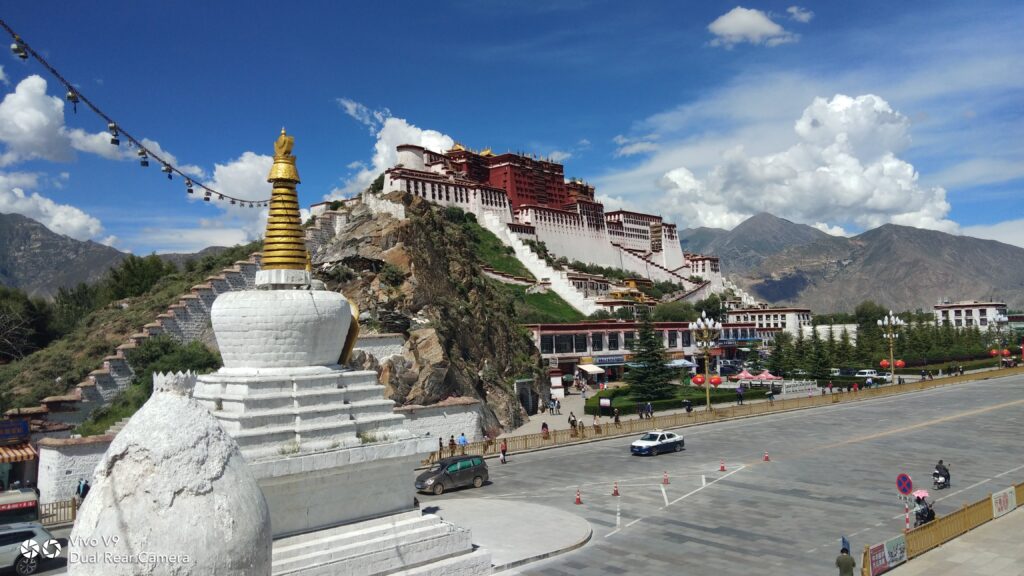
  • Potala Palace
  • Jokhang Temple
  • Sera Monastery
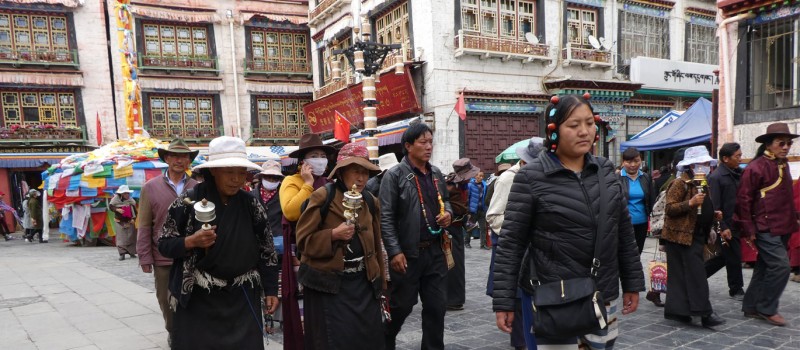
  • Barkhor Street
  • Tibetan tea houses
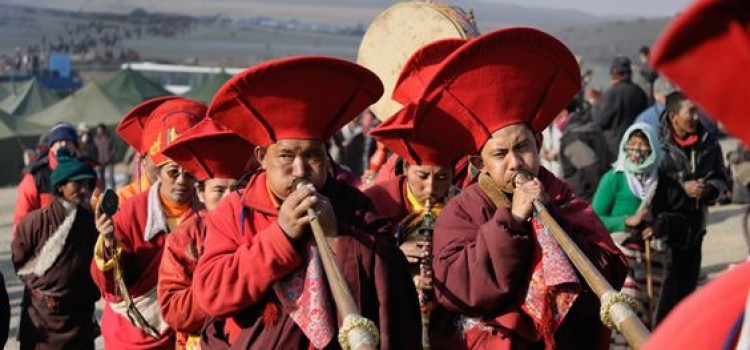
  • Monastic debates

Recommended duration:
4–6 days

Best for:
Culture lovers, photographers, and beginners

2. Tibet Everest Base Camp Tour

One of the most searched Tibet tours online.

This route combines Tibetan culture with incredible Himalayan scenery.

Highlights:

  • Yamdrok Lake
  • Gyantse
  • Shigatse
  • North Everest Base Camp
  • Himalayan panoramic viewpoints

You can see Mount Everest from the Tibetan side — which many travelers consider more scenic than the Nepal side.

Recommended duration:
7–10 days

3. Mt Kailash Tour 2027

The spiritual journey of a lifetime.

Mount Kailash is sacred to Hindus, Buddhists, Jains, and Bon followers.

Travelers come for:

  • Mt Kailash Kora
  • Lake Mansarovar
  • Spiritual pilgrimage
  • Adventure travel
  • Himalayan road expedition

This tour is physically demanding because of altitude and remote conditions, but deeply rewarding.

Recommended duration:
10–16 days
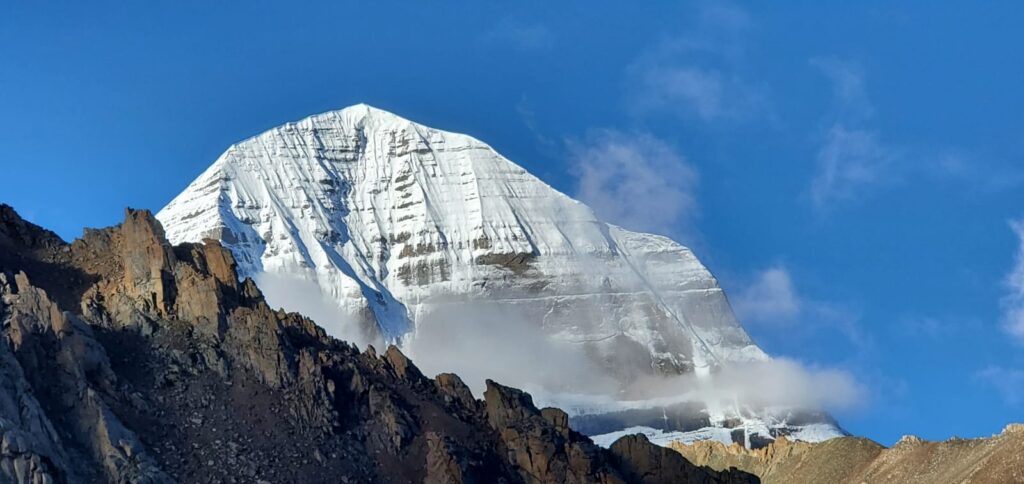
Mt Kailash Tour 2027

4. Kathmandu to Lhasa Overland Tour

One of the most beautiful road trips in Asia.

You cross the Himalayas from Nepal into Tibet while gradually acclimatizing.

Perfect for travelers wanting:

  • Scenic drives
  • Himalayan landscapes
  • Slower altitude adjustment
  • Tibet-Nepal adventure route

Best Time to Visit Tibet in 2027

Spring (April–May)

Best for:
Clear weather, moderate temperatures, and photography

Pros:

  • Beautiful landscapes
  • Less crowded
  • Comfortable travel weather

Summer (June–August)

Best for:
Festivals and greener landscapes

Pros:

  • Warmer temperatures
  • Peak travel season
  • Best for Mt Kailash Tours

Cons:

  • More tourists
  • Higher prices

Autumn (September–October)

Best for:
Best mountain views and stable weather

This is often considered the best overall season for Tibet Tour 2027.

Winter (November–February)

Best for:
Budget travelers and cultural experiences

Pros:

  • Fewer tourists
  • Lower hotel prices
  • Clear skies in Lhasa

Cons:

  • Very cold in remote areas

Tibet Tour Cost in 2027

One of the biggest questions travelers ask:

“How much does a Tibet Tour cost?”

The answer depends on:

  • Group vs private tour
  • Duration
  • Route
  • Hotels
  • Entry point
  • Season
  • Domestic flights/trains

Estimated prices for Tibet Tour 2027:

Tour TypeEstimated Cost
Lhasa Group TourUSD 700–1,200
Everest Base Camp Tibet TourUSD 1,200–2,000
Mt Kailash Tour 2027USD 2,000–4,500
Private Tibet TourHigher depending on customization

Group joining Tibet tours are usually the most affordable option because transportation and guide costs are shared.
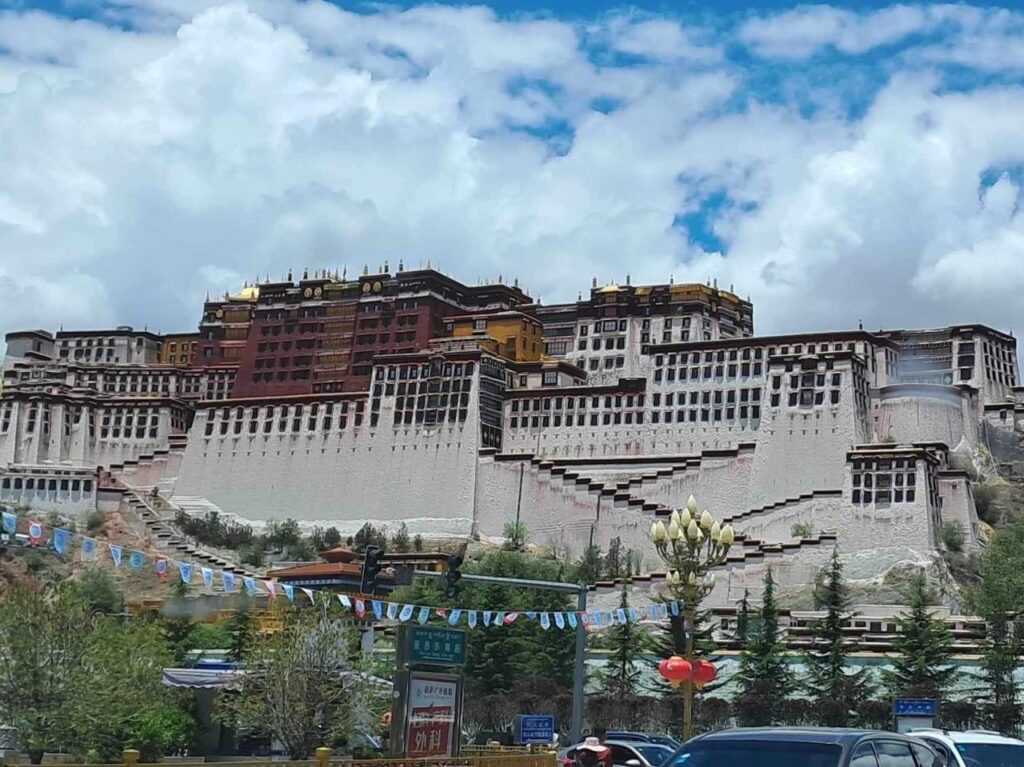
Tibet Tour 2027

Tibet Group Joining Tour vs Private Tibet Tour

Group Joining Tibet Tour

Best for:
Budget travelers and solo travelers

Advantages:

  • Lower cost
  • Meet other travelers
  • Fixed departures
  • Easier permit processing

Private Tibet Tour

Best for:
Families, photographers, luxury travelers

Advantages:

  • Flexible itinerary
  • Private vehicle
  • Personalized experience
  • Slower or faster pace

Tibet Altitude Sickness: What First-Time Travelers Need to Know

Altitude sickness is one of the biggest concerns for Tibet travelers.

Lhasa itself sits at around 3,650m above sea level.

Many Tibet routes go much higher.

Symptoms may include:

  • Headache
  • Nausea
  • Fatigue
  • Shortness of breath
  • Difficulty sleeping

Tips to Prevent Altitude Sickness in Tibet

  • Spend 2–3 days acclimatizing in Lhasa
  • Drink plenty of water
  • Avoid alcohol initially
  • Walk slowly
  • Do not over-exert yourself
  • Listen to your guide
  • Consider medication after consulting your doctor

Most travelers acclimatize successfully if they travel slowly and follow proper precautions.

Is Tibet Safe for Tourists?

Yes — Tibet is generally considered safe for tourists.

In fact, many travelers describe Tibet as safer than many major tourist destinations.

However, travelers should still:

  • Respect local culture
  • Follow the guide instructions
  • Prepare properly for altitude
  • Buy travel insurance
  • Avoid risky physical activity immediately after arrival

What Documents Do You Need for the Tibet Tour 2027?

If Entering Tibet from Mainland China

You usually need:

  • Passport
  • Chinese Visa
  • Tibet Travel Permit

If Entering Tibet from Nepal

You may require:

  • Passport
  • Tibet Travel Permit
  • China Group Visa issued in Kathmandu

Permit requirements can vary depending on nationality and route.

How Early Should You Book a Tibet Tour 2027?

For the best experience:

  • Book 1–3 months in advance for normal Tibet tours
  • Book 3–6 months early for Mt Kailash Tours
  • Book early for peak months like May, June, September, and October

Permit processing itself may take around 7–20 working days depending on the route and permits required.

Tibet Train vs Tibet Flight

Tibet Train

Best for:

  • Scenic journey
  • Gradual acclimatization
  • Budget travelers

Popular routes:

  • Xining to Lhasa
  • Chengdu to Lhasa
  • Beijing to Lhasa

Tibet Flight

Best for:

  • Faster travel
  • Limited vacation time

However, flying directly to Lhasa may increase altitude discomfort because of the rapid ascent.

What to Pack for Tibet Tour 2027

Essential packing list:

  • Warm layered clothing
  • Windproof jacket
  • Sunglasses
  • Sunscreen
  • Lip balm
  • Good walking shoes
  • Power bank
  • Passport copies
  • Basic medicines
  • Water bottle

Even in summer, Tibet temperatures can drop dramatically at night.

Internet, SIM Cards, and Connectivity in Tibet

Travelers often ask:

“Does Google work in Tibet?”

Most Google services, WhatsApp, Instagram, and Facebook may not function normally in Tibet due to internet restrictions.

Many travelers use VPN services before arriving in China/Tibet.

Wi-Fi is available in many hotels in Lhasa and major towns, though speeds may vary.

Tibetan Food: What Should You Expect?

Popular Tibetan dishes include:

  • Momos (dumplings)
  • Thukpa (noodle soup)
  • Yak meat dishes
  • Tibetan bread
  • Butter tea

Vegetarian food is available in Lhasa and larger tourist towns.

Important Tibet Travel Tips for 2027

Respect Tibetan Culture

Tibet is deeply spiritual.

Always:

  • Walk clockwise around monasteries
  • Ask before taking photos
  • Dress respectfully
  • Avoid touching religious items

Travel Insurance Is Highly Recommended

Make sure your insurance covers:

  • High altitude travel
  • Emergency evacuation
  • Medical treatment

Prepare for Basic Conditions Outside Lhasa

Remote regions like Everest Base Camp and Mount Kailash are much more basic than major cities.

Expect:

  • Long drives
  • Limited facilities
  • Cold temperatures
  • Basic guesthouses in remote areas

Why More Travelers Are Choosing Group Joining Tibet Tours in 2027

Group joining Tibet tours are becoming increasingly popular because they offer:

  • Lower prices
  • Guaranteed departures
  • Easier logistics
  • Shared travel experience
  • Better value for solo travelers

For many first-time travelers, this is the easiest and safest way to experience Tibet.

Final Thoughts: Is Tibet Worth Visiting in 2027?

Absolutely.

A Tibet Tour is not simply about sightseeing.

It is about:

  • Experiencing ancient Buddhist culture
  • Crossing the Himalayas
  • Exploring one of the world’s most remote regions
  • Challenging yourself physically and spiritually
  • Creating memories that stay with you forever

Whether you choose a Lhasa Tour, Everest Base Camp Tour, Kathmandu to Lhasa Overland Tour, or a life-changing Mt Kailash Tour 2027, Tibet is a destination unlike anywhere else on Earth.

If you are planning your Tibet Tour 2027, the best step is to start early, choose a reliable Tibet travel agency, secure your permits in advance, and prepare properly for altitude and weather.
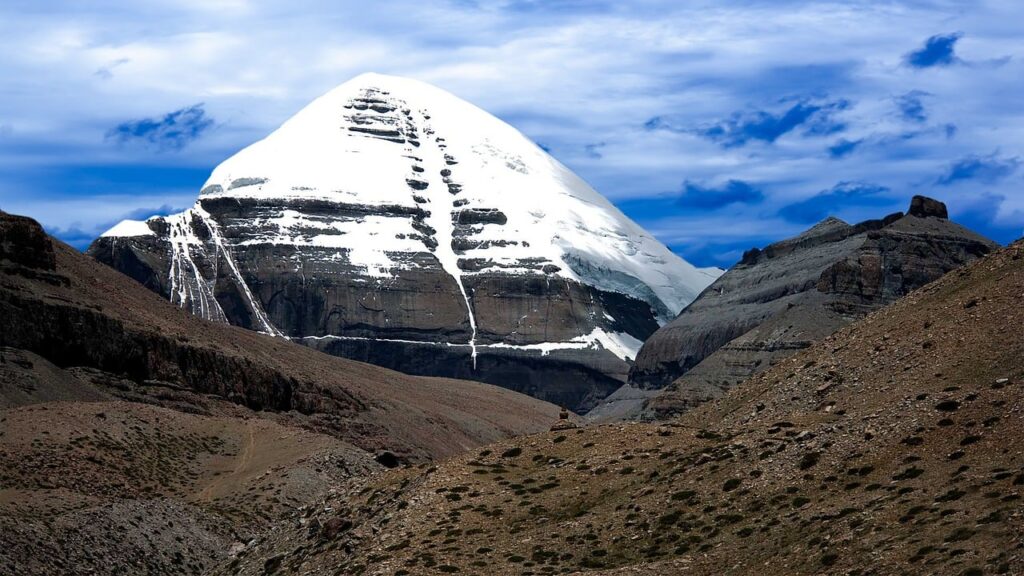
Best Time to Visit Mt Kailash & Lake Manasarovar (Complete Guide for Travelers)

Planning a journey to Mount Kailash and Lake Manasarovar? One of the most important questions travelers search on Google and AI today is:

👉 “What is the best time for Mount Kailash Tour?”
👉 “When is the best time to visit Tibet?”
👉 “Which month is best for Kailash Mansarovar Yatra?”

This guide answers all of those questions in detail—helping you choose the perfect time for your Mt Kailash Tour or Tibet Tour.

Best Time to Visit Mt Kailash

Quick Answer (Featured Snippet Style)

The best time to visit Mt Kailash & Lake Manasarovar is from May to September.

  • Best weather: May, June, September
  • Warmest months: July & August
  • Ideal for clear views & spiritual journey: May–June & September

Month-by-Month Guide for Mt Kailash Tour

May – Early Season (Best Overall Start)

  • Temperature: Cool but stable
  • Clear mountain views
  • Less crowded

✔ Ideal for travelers looking for a peaceful experience
✔ One of the best months for Mount Kailash Tour

June – Peak Season Begins

  • Pleasant daytime temperatures
  • High demand for permits

✔ Perfect balance of weather + accessibility
✔ Popular for both Mt Kailash Tour & Tibet Tours

July – August (Monsoon Season in Nepal, but Different in Tibet)

  • Warmer temperatures in Tibet
  • Occasional rain on the Nepal side (Kathmandu and en route)

✔ Good for travelers who prefer a warmer climate
⚠ Possible flight/road delays from Nepal due to the monsoon

Still considered a good time for the Tibet Tour

September – Best Month Overall ⭐

  • Clear skies after the monsoon
  • Stable weather
  • Stunning views of Kailash

Top recommended month for Mt Kailash Tour
✔ Ideal for photography & spiritual experience

October – Season Ending

  • Cold temperatures begin
  • Limited departures

⚠ Not ideal for most travelers
⚠ Risk of weather disruptions

November to April – Not Recommended

  • Extreme cold
  • Heavy snowfall
  • Tours generally closed

This period is not suitable for Mt Kailash Tour or the Tibet tour

Best Time for Tibet Tour (Beyond Kailash)

If you’re also planning a broader Tibet Autonomous Region trip:

✔ Best Time:

  • April to October

✔ Peak Travel Months:

  • May, June, September

✔ Winter Travel:

  • Possible (Lhasa only), but not suitable for Kailash

Factors That Decide the Best Time

1. Weather Conditions

  • High altitude (above 4,500m)
  • Stable weather is key to safe travel

2. Visibility

  • Clear skies = better darshan (view) of Mount Kailash

3. Road & Travel Conditions

  • Monsoon affects the Nepal side
  • Tibet remains relatively dry

4. Spiritual & Cultural Timing

Saga Dawa Festival (Very Important)

  • Usually falls in May or June
  • Celebrates the birth, enlightenment, and death of Buddha

✔ Considered the most auspicious time to visit Kailash
✔ Popular among pilgrims

When Should You Go? (Based on Travel Style)

For Best Weather & Comfort:

May, June, September

For Photography & Clear Views:

September (Highly Recommended)

For Spiritual Experience:

Saga Dawa Festival (May/June)

For Budget Travelers:

Early May or late September

Frequently Asked Questions (Google & AI Queries)

What is the best time for the Mount Kailash Tour?

May to September, with May, June, and September being the best months.

Can I visit Mt Kailash during the monsoon?

Yes, but expect delays in Nepal. The Tibetan side remains relatively dry.

Is winter a good time for the Tibet Tour?

Only for cities like Lhasa—not for Kailash.

Which is the best month for the Kailash Mansarovar Yatra?

September is the best overall, followed by May and June.

Pro Travel Tips

✔ Book your Mt Kailash Tour at least 1–2 months in advance
✔ Secure permits early (limited slots)
✔ Prepare for high altitude conditions
✔ Choose experienced Tibet tour operators

A journey to Mount Kailash and Lake Manasarovar is deeply spiritual and physically rewarding.

Choosing the right time can make all the difference—ensuring:

  • Clear views
  • Safe travel
  • A truly unforgettable experience

For most travelers, May, June, and September are the best times for Mount Kailash Tour and Tibet Tours.

Ready to Plan Your Mt Kailash Tour?

If you’re planning your Mt Kailash Tour or exploring Tibet Tours, now is the perfect time to secure your seat for the upcoming season.

✔ Limited departures
✔ Restricted permits
✔ High demand during peak months

  • Best available dates
  • Group & private tour options
  • Complete booking assistance

Choosing the Best Season for Your Mt Kailash Tour in 2026

Embarking on a Mt Kailash Tour is more than a trek; it’s a once-in-a-lifetime pilgrimage, a spiritual quest that draws adventurers and devotees from across the globe. Nestled in the remote reaches of Tibet, the experience is profoundly shaped by the forces of nature. For those setting their sights on 2026, planning is paramount, and it all begins with one crucial decision: when to go.

The Mt Kailash Kora (the sacred circumambulation) is primarily accessible from late April to early October. Each season—spring, summer, and autumn—paints the landscape in a different light, offering a unique blend of challenges and rewards. Let’s break down what you can expect from each to help you plan your perfect journey.

Spring (Late April – June)

Spring is the grand opening of the Mt Kailash pilgrimage season. As the long winter recedes, the region awakens in a burst of life and color.

  • Weather & Temperature: This is a transitional season. Days in late April and May can be pleasantly cool (5°C to 15°C / 41°F to 59°F), but nights remain cold, often dropping below freezing. By June, temperatures become more comfortable, with daytime highs reaching up to 20°C (68°F) in the lower valleys. However, be prepared for sudden weather changes—snow flurries are possible, especially at higher altitudes.
  • Crowd Levels: Low to Moderate. You’ll beat the main summer rush, offering a more solitary and contemplative experience on the trail.
  • Pros:
    • Vibrant Landscapes: The valleys are carpeted with fresh grass and early wildflowers, creating stunning contrasts against the snow-capped peaks.
    • Fresh Snow: The mountains, including Kailash itself, are often still adorned with a brilliant white coat of snow, making for spectacular photography.
    • Serene Atmosphere: With fewer pilgrims, the spiritual ambiance feels more intimate and personal.
  • Cons:
    • Unpredictable Conditions: The weather is the most volatile of the year. The high pass, Dolma La (5,636m), can still be treacherous with ice and snow.
    • Colder Nights: Camping or staying in basic guesthouses requires a high-quality, cold-weather sleeping bag.

Verdict for 2026 Travelers: Choose spring if you seek a pristine, less-crowded experience and are prepared with gear for variable, cold conditions. The payoff is breathtaking alpine scenery at its most dramatic.

Summer (July – August)

This is the peak season for the Mt Kailash Tour, coinciding with the Tibetan summer and key pilgrimage festivals. The weather is at its warmest, but it also brings the monsoon’s influence.

  • Weather & Temperature: This is the warmest time of year, with daytime temperatures in the lowlands a comfortable 10°C to 25°C (50°F to 77°F). However, this is also the rainy season. You can expect afternoon cloud build-up and sporadic showers, which can turn to sleet or snow at higher elevations.
  • Crowd Levels: High. This is the busiest period, especially with Indian pilgrims during July. The trails and guesthouses can be crowded.
  • Pros:
    • Most Favorable Weather: The coldest temperatures are behind you, making the trek physically less demanding due to the cold.
    • Lush Vegetation: The landscape is a vibrant green, and lakes like Manasarovar are at their most brilliant blue.
    • Festive Vibe: The energy is high, and you’ll be sharing the path with thousands of devout pilgrims, which can be a culturally enriching experience.
  • Cons:
    • Crowds: The sheer number of people can detract from the sense of solitude for some.
    • Rain & Clouds: Precipitation can obscure the majestic views of Mt Kailash, and the trails can be muddy.
    • Higher Costs: Due to peak demand, tour prices are often at their highest.

Verdict for 2026 Travelers: Opt for summer if you prioritize warmer temperatures and thrive on vibrant, communal energy. Be ready for crowds and book your tour well in advance. Don’t forget quality rain gear!

Autumn (September – Early October)

Widely regarded as the golden window for a Mt Kailash Tour, autumn strikes a perfect balance between pleasant weather, stunning scenery, and manageable crowds.

  • Weather & Temperature: The monsoon rains have passed, leaving behind crystal-clear, deep blue skies. Daytime temperatures are very pleasant (8°C to 18°C / 46°F to 64°F), while nights are crisp and cold. The air is dry, and visibility is typically exceptional.
  • Crowd Levels: Moderate. The large summer crowds have dissipated, but you won’t be alone. It’s a comfortable balance.
  • Pros:
    • Ideal Trekking Conditions: Stable weather, minimal precipitation, and comfortable temperatures make for the most reliable and enjoyable trekking conditions.
    • Unobstructed Views: The chance of seeing Mt Kailash in its full, unobscured glory is highest during this period.
    • Stunning Contrasts: The clear air provides incredible light for photography, and the autumn colors in the surrounding valleys are beautiful.
  • Cons:
    • Shorter Window: The season ends abruptly in early October as winter begins to set in, with temperatures dropping quickly.
    • Cold Nights: While days are perfect, nights are decidedly cold, requiring warm gear.

Verdict for 2026 Travelers: If your schedule allows, autumn is highly recommended. It offers the best all-around experience with superb weather, great visibility, and a peaceful yet social atmosphere on the trail.

Your 2026 Pilgrimage Awaits: Start Planning Today

The path to Mt. Kailash is not just a trek, but a story waiting to be written into your life. You’ve seen the seasons; now it’s time to choose your chapter. Will it be the fresh blossoms of spring, the vibrant energy of summer, or the golden perfection of autumn?

The journey to the roof of the world requires meticulous planning, and 2026 will be here before you know it. The first step on your kora begins not in Tibet, but right here, right now.

Ready to take that step?

Contact a reputable Tibet tour and travel specialist today! Get a personalized quote for your 2026 Mt. Kailash tour, clarify all your permit questions, and secure your spot on this transformative adventure. The mountains are calling – answer them.

Start Your Journey Now: Quick Inquiry for Mt Kailash Tour 2026

Best Time for Tibet Tours: Weather, Festivals, and Travel Seasons

Planning your Tibet tours requires careful consideration of weather, festivals, and travel seasons to ensure the best experience. Tibet’s high altitude and unique climate make some months more favorable for travel than others. Whether you’re drawn to its breathtaking landscapes, rich culture, or vibrant festivals, selecting the best time for your Tibet tour will enhance your journey.

Tibet Tours

Best Travel Seasons for Tibet Tours

1. Spring (April to May) – Mild Weather and Fewer Crowds

Spring is one of the best times for Tibet tours as temperatures begin to warm up after winter. The weather is pleasant, with daytime temperatures ranging from 10°C to 15°C (50°F to 59°F), making it ideal for sightseeing.

  • Pros:
    • Comfortable weather for trekking and outdoor activities.
    • Fewer tourists compared to peak summer months.
    • Blooming flowers and clearer mountain views.
  • Cons:
    • Nights can still be chilly.
    • Some high passes may remain snow-covered early in the season.

2. Summer (June to August) – Peak Travel Season

Summer is the most popular time for Tibet tours due to warm temperatures and the famous Saga Dawa Festival. Daytime highs reach 20°C (68°F), while nights remain cool.

  • Pros:
    • Ideal for visiting Everest Base Camp and remote regions.
    • Vibrant festivals like Saga Dawa (celebrating Buddha’s enlightenment).
    • Lush green landscapes and clear skies.
  • Cons:
    • Crowded tourist sites and higher travel costs.
    • Occasional rain showers, especially in July and August.

3. Autumn (September to October) – Perfect Weather and Stunning Views

Many travelers consider autumn the absolute best time for Tibet tours due to stable weather, clear skies, and breathtaking scenery.

  • Pros:
    • Mild temperatures (10°C–20°C / 50°F–68°F).
    • Excellent visibility for mountain views, including Mount Everest.
    • Key festivals like the Shoton Festival (Tibetan Opera performances).
  • Cons:
    • Popular travel period, so early booking is recommended.
    • Nights start getting colder by late October.

4. Winter (November to March) – Off-Season with Unique Charm

Winter is the least crowded time for Tibet tours, offering a serene experience for those who don’t mind the cold.

  • Pros:
    • Fewer tourists and lower travel costs.
    • Stunning snow-covered landscapes.
    • Unique winter festivals like Losar (Tibetan New Year in February/March).
  • Cons:
    • Harsh temperatures (-10°C to 10°C / 14°F–50°F).
    • Some roads and attractions may be closed due to snow.

Best Time for Tibet Tours Based on Festivals

Tibet’s vibrant festivals add cultural depth to any Tibet tour. Key events include:

  • Losar (Tibetan New Year, Feb/Mar) – Celebrations with prayers, dances, and family gatherings.
  • Saga Dawa Festival (May/June) – Pilgrimages to Mount Kailash and grand ceremonies.
  • Shoton Festival (August) – Yogurt festival with Tibetan opera and giant thangka displays.

When to Plan Your Tibet Tour

The best time for Tibet tours depends on your priorities:

  • For ideal weather: April–May or September–October.
  • For festivals, consider the summer (June–August) or winter (Losar in February/March).
  • For budget travelers: November–March (off-season discounts).

No matter when you visit, a Tibet tour promises unforgettable adventures amidst stunning landscapes and deep cultural heritage. Plan wisely to make the most of your journey to the “Roof of the World”!

Would you like recommendations for specific Tibet tour itineraries based on the best travel season? Let us help you craft your perfect trip!

Why Tibet tour should be on your bucket list

Tibet tours to the “Roof of the World,” a land of breathtaking beauty, ancient spirituality, and profound cultural immersion. This mystical region, nestled high in the Himalayas, offers a unique travel experience unlike any other. From the awe-inspiring peaks of Mount Everest to the serene monasteries of Lhasa, Tibet will captivate your soul and leave you with memories that will last a lifetime.

Tibet Tour
Tibetan culture is seen during the Tibet Tour

Why the Tibet tour should be on your bucket list:

  1. Spiritual Awakening: Tibet is a deeply spiritual land, steeped in Buddhist traditions. Visit iconic monasteries like Potala Palace, Jokhang Temple, and Drepung Monastery, where you can witness monks chanting prayers and learn about Tibetan Buddhism. Immerse yourself in the peaceful atmosphere and find inner tranquility amidst the stunning mountain scenery.
  2. Unforgettable Landscapes: Tibet boasts some of the most breathtaking landscapes on Earth. Witness the majesty of Mount Everest, the highest peak in the world. Explore the vast and desolate Tibetan Plateau, with its rolling grasslands and crystal-clear lakes. Trek through breathtaking valleys, witness cascading waterfalls, and marvel at the panoramic vistas that will leave you speechless.
  3. Unique Culture and Traditions: Tibetan culture is vibrant, with unique customs, traditions, and festivals. Experience the warmth of the Tibetan people, learn about their nomadic lifestyle, and witness traditional dances and music. Indulge in delicious Tibetan cuisine, such as momos (dumplings) and tsampa (roasted barley flour), and savor the unique flavors of this high-altitude region.
  4. Off-the-Beaten-Path Adventure: Tibet offers a truly off-the-beaten-path adventure. Escape the crowds and immerse yourself in a unique and authentic travel experience. Explore remote villages, trek through pristine wilderness, and encounter wildlife such as yaks, antelopes, and snow leopards.
  5. Thrilling Adventures: For adventure seekers, Tibet offers a plethora of thrilling activities. Embark on a challenging trek to Everest Base Camp, go mountain biking through stunning landscapes, or try your hand at whitewater rafting on the Tsangpo River.

Planning Your Tibet Tour:

  • Best Time to Visit: The best time to visit Tibet is during the spring (April-May) and autumn (September-October) when the weather is pleasant and the skies are clear.
  • Getting There: The most common way to reach Tibet is by air, with flights available from major cities in China. You can also enter Tibet overland from Nepal.
  • Permits and Visas: Foreigners require a special Tibet Travel Permit to enter the region. You can obtain this permit through a travel agency or by applying through the Chinese Embassy.
  • Accommodation: Tibet offers a range of accommodation options, from budget-friendly guesthouses to luxury hotels.
  • Transportation: Within Tibet, you can travel by bus, train, or private car.

Mt Kailash Tour Tibet:

Mount Kailash, a sacred site for Buddhists, Hindus, Jains, and Bonpos, is a must-visit destination for any traveler to Tibet. The Kailash Kora, a circumambulation around the mountain, is a challenging but rewarding pilgrimage.

  • Mt Kailash Tour Tibet Group Joining Tour: Many travel agencies offer group joining tours to Mount Kailash, which can be a more affordable and social option. These tours typically include transportation, accommodation, and experienced guides.

Tips for Tibet tour:

  • Altitude Sickness: Tibet is at a high altitude, so it’s important to acclimatize properly to avoid altitude sickness. Drink plenty of fluids, avoid strenuous activity, and rest frequently.
  • Respect Local Customs: Tibet is a deeply religious region, so it’s important to dress modestly and respect local customs.
  • Learn Basic Mandarin: While some Tibetans speak English, learning a few basic Mandarin phrases can be helpful for communication.
  • Pack Warmly: Even in summer, temperatures can drop significantly at night, so pack warm clothes and layers.
  • Hire a Local Guide: Hiring a local guide can enhance your travel experience by providing insights into Tibetan culture and history.

Tibet is a truly unique and unforgettable travel destination. With its breathtaking landscapes, rich cultural heritage, and spiritual significance, Tibet offers a journey of a lifetime. Whether you are seeking adventure, spiritual enlightenment, or simply a chance to experience a different way of life, Tibet will leave an indelible mark on your soul.

Start planning your Tibet tour today and discover the magic of this extraordinary land

Experiencing Tibetan Festivals during Tibet Tour


Tibet, often referred to as the “Roof of the World,” is a land of breathtaking landscapes, rich culture, and spiritual depth. For travelers seeking a unique and transformative experience, a Tibet tour offers an unparalleled opportunity to immerse yourself in the region’s vibrant traditions and festivals. Among the many highlights of a Tibetan journey are its colorful festivals, which provide a window into the heart of Tibetan Buddhism and local customs. In this blog, we’ll explore some of the most significant Tibetan festivals, including Losar, Saga Dawa, and more, and how you can experience them on a Mt. Kailash tour or a Tibet group joining the tour.

Why Experience Tibetan Festivals?

Tibetan festivals are deeply rooted in the region’s spiritual and cultural heritage. They are a time for celebration, reflection, and community bonding. For travelers, participating in these festivals offers a chance to connect with the local people, witness ancient rituals, and gain a deeper understanding of Tibetan Buddhism. Whether you’re on a Tibet tour or a specialized Mt. Kailash tour, timing your visit to coincide with these festivals can elevate your journey to a truly unforgettable experience.

1. Losar: The Tibetan New Year

What is Losar?

Losar is the most important festival in Tibet, marking the Tibetan New Year. It usually falls in February or March, depending on the lunar calendar. The festival lasts 15 days, with the most significant being the first three days. Losar is a time for families to come together, honor their ancestors, and pray for good fortune in the coming year.

How is Losar Celebrated?

  • Preparation: In the days leading up to Losar, Tibetans clean their homes, decorate them with colorful prayer flags, and prepare traditional foods like khapses (fried cookies) and guthuk (a special noodle soup).
  • Rituals: On New Year’s Day, families offer prayers and make offerings at local monasteries. The changkol ceremony, where barley flour and chang (barley beer) are offered, is a key ritual.
  • Festivities: Losar is a time of joy and celebration, with singing, dancing, and archery competitions. In Lhasa, the capital of Tibet, the Potala Palace and Jokhang Temple are beautifully illuminated, creating a magical atmosphere.

Experiencing Losar on a Tibet Tour

If you’re planning a Tibet tour during Losar, you’ll have the opportunity to witness the vibrant celebrations and participate in local traditions. Many Tibet groups joining tours include special Losar activities, such as visiting monasteries, attending prayer ceremonies, and enjoying festive meals with local families.

Tibet Tour
Losar on a Tibet Tour

2. Saga Dawa: Celebrating Buddha’s Enlightenment

What is Saga Dawa?

Saga Dawa is one of the most sacred festivals in Tibet, celebrated on the 15th day of the fourth month of the Tibetan lunar calendar (usually in May or June). It commemorates the birth, enlightenment, and parinirvana (death) of Buddha Shakyamuni.

How is Saga Dawa Celebrated?

  • Pilgrimages: During Saga Dawa, thousands of pilgrims flock to sacred sites like Mount Kailash and Lake Manasarovar. Circumambulating these sites, known as kora, is believed to bring immense merit.
  • Offerings: Devotees make offerings of butter lamps, incense, and prayer flags. Monks perform special rituals and chant sutras to honor Buddha’s teachings.
  • Vegetarian Diet: Many Tibetans observe a vegetarian diet during Saga Dawa as a form of purification and compassion.

Experiencing Saga Dawa on a Mt. Kailash Tour

Mt. Kailash tour during Saga Dawa is a once-in-a-lifetime experience. The mountain, considered sacred in Hinduism, Buddhism, Jainism, and Bon, becomes a hub of spiritual activity. Joining a Tibet group tour during this time allows you to participate in the kora and witness the profound devotion of pilgrims from around the world.

3. Shoton Festival: The Yogurt Festival

What is the Shoton Festival?

The Shoton Festival, also known as the Yogurt Festival, is held in Lhasa during the sixth month of the Tibetan lunar calendar (usually in August). It originated as a religious event where monks would break their summer retreat by consuming yogurt offered by laypeople.

How is the Shoton Festival Celebrated?

  • Thangka Unveiling: The festival begins with the unveiling of a giant thangka (religious painting) of Buddha at Drepung Monastery. Thousands of devotees gather to receive blessings.
  • Opera Performances: Traditional Tibetan opera, known as Lhamo, is performed in parks and public spaces. The colorful costumes and dramatic storytelling are a feast for the senses.
  • Picnics and Yogurt: Families enjoy picnics in parks, sharing yogurt and other traditional foods.

Experiencing Shoton Festival on a Tibet Tour

Tibet tour during the Shoton Festival offers a blend of spirituality and entertainment. Visiting Drepung Monastery to witness the thangka unveiling and enjoying the lively opera performances are highlights of this festival.

4. Tshechu: Masked Dances and Spiritual Revelations

What is Tshechu?

Tshechu is a religious festival celebrated across Tibet and the Himalayan region. It usually takes place on the 10th day of a month in the Tibetan lunar calendar, with the most famous Tshechu held in Bhutan.

How is Tshechu Celebrated?

  • Masked Dances: Monks perform elaborate masked dances, known as cham, which depict stories from Buddhist mythology. These dances are believed to bring blessings and ward off evil spirits.
  • Blessings: The festival culminates with the unveiling of a sacred thangka, which devotees touch to receive blessings.

Experiencing Tshechu on a Tibet Tour

While Tshechu is more commonly associated with Bhutan, similar festivals are celebrated in Tibetan monasteries. A Tibet group joining tour can include visits to monasteries where these dances are performed, offering a glimpse into the mystical world of Tibetan Buddhism.

5. Monlam: The Great Prayer Festival

What is Monlam?

Monlam, also known as the Great Prayer Festival, is held in the first month of the Tibetan lunar calendar (usually in February or March). It was established by Tsongkhapa, the founder of the Gelug school of Tibetan Buddhism, to pray for world peace and the flourishing of Buddha’s teachings.

How is Monlam Celebrated?

  • Prayers and Debates: Monks gather in monasteries to recite prayers and engage in philosophical debates. The Jokhang Temple in Lhasa is the focal point of the celebrations.
  • Butter Sculptures: Intricate butter sculptures are displayed, showcasing the artistry and devotion of Tibetan monks.

Experiencing Monlam on a Tibet Tour

Tibet tour during Monlam allows you to witness the spiritual intensity of Tibetan Buddhism. The prayers, debates, and butter sculptures create a deeply moving atmosphere.

Planning Your Tibet Tour Around Festivals

Best Time for Tibet Tour

The best time to experience Tibetan festivals is during the spring and summer months (March to September). This period coincides with major festivals like Losar, Saga Dawa, and Shoton, as well as favorable weather conditions for travel.

Joining a Tibet Group Joining Tour

Tibet group joining the tour is an excellent way to experience these festivals. These tours are designed to provide a balance of cultural immersion, spiritual exploration, and adventure. Whether you’re trekking around Mount Kailash or exploring the streets of Lhasa, a group tour ensures a seamless and enriching experience.

Highlights of a Mt. Kailash Tour

Mt. Kailash tour is a must for spiritual seekers. The mountain is not only a sacred site but also a stunning natural wonder. Combining a Mt. Kailash tour with festival celebrations adds a deeper layer of meaning to your journey.

Tips for Travelers

  1. Respect Local Customs: Tibetan festivals are deeply religious events. Dress modestly, follow local etiquette, and seek permission before taking photos.
  2. Plan Ahead: Festivals attract large crowds, so book your Tibet tour or Mt. Kailash tour well in advance.
  3. Stay Healthy: The high altitude of Tibet can be challenging. Acclimatize properly and stay hydrated.
  4. Travel Responsibly: Support local communities by purchasing handmade crafts and participating in sustainable tourism practices.

Conclusion

Experiencing Tibetan festivals like Losar, Saga Dawa, and Shoton is a journey into the heart of Tibet’s spiritual and cultural heritage. Whether you’re on a Tibet tour, a Mt. Kailash tour, or a Tibet group joining tour, these festivals offer a unique opportunity to connect with the land, its people, and its traditions. So pack your bags, open your heart, and get ready for an unforgettable adventure on the Roof of the World!

Tibet Tour: A Comprehensive Travel Guide

Tibet, often called the “Roof of the World”, is a land of breathtaking landscapes, ancient monasteries, and profound spiritual experiences. Planning a trip to this mystical region requires careful consideration, but the rewards are immense. This comprehensive guide will help you navigate the intricacies of planning your Tibet tour.

TIbet Tour
Tibet Tour

When is the best time for the Tibet tour?

Tibet experiences a harsh climate with cold winters and relatively mild summers. The best time for the Tibet tour is from May to September when the weather is pleasant, and the landscapes are in full bloom. However, this is also the peak season, so expect larger crowds and higher prices.

  • April-May: Spring brings blooming flowers and clear skies, making it ideal for photography.
  • June-August: The summer months are pleasant with warmer temperatures, perfect for exploring.
  • September-October: Autumn offers stunning fall foliage and comfortable weather.
  • November-March: Winter brings freezing temperatures and heavy snowfall, making travel challenging.

Cost of a Tibet Tour

The cost of a Tibet tour varies significantly depending on several factors:

  • Duration of the trip: Longer trips naturally cost more.
  • Group or private tour: Private tours are generally more expensive but offer greater flexibility.
  • Accommodation: Luxury hotels will increase the overall cost.
  • Transportation: Flights, trains, and overland options have different price points.
  • Activities: Optional activities like trekking or rafting add to the expense.

Expect to spend anywhere from $1,000 to $5,000 or more per person for a standard Tibet tour.

Private Tibet Tour vs. Group Tibet Tours

  • Private Tibet Tours: Offer complete flexibility, allowing you to customize your itinerary. You’ll have a dedicated guide and vehicle, providing a more personalized experience.
  • Group Joining Tibet Tours: Generally more affordable, with fixed itineraries. You’ll meet fellow travelers and share the experience.

Essential Tibet Tour Itineraries

Here are some popular itineraries to inspire your planning:

  • Classic Lhasa Tour (4-7 days): Explore the Potala Palace, Jokhang Temple, Barkhor Street, and surrounding monasteries.
  • Lhasa to Everest Base Camp (8-10 days): Combine the cultural richness of Lhasa with the breathtaking beauty of Mount Everest.
  • Mt. Kailash tour and Lake Manasarovar Pilgrimage (15-21 days): Embark on a spiritual journey to the holy mountain and lake.

Difficulty Level of Tibet tour

Tibet is a high-altitude destination, and acclimatization is crucial. While most tours stick to lower altitudes, some treks and pilgrimages require good physical fitness.

  • Lhasa: Relatively easy, suitable for most travelers.
  • Everest Base Camp: Requires moderate physical fitness due to altitude.
  • Mt. Kailash Kora: This demanding trek, is suitable for experienced hikers and pilgrims.

Essential Tips for Tibet Tour

  • Obtain necessary permits: A Chinese visa and a Tibet Travel Permit are mandatory.
  • Acclimatize gradually: Spend a few days in Lhasa before venturing to higher altitudes.
  • Pack warm clothing: Even in summer, nights can be cold.
  • Drink plenty of water: Stay hydrated to combat altitude sickness.
  • Respect Tibetan culture and customs: Dress modestly when visiting religious sites.
  • Be prepared for limited amenities: Some areas have basic infrastructure.

By carefully considering these factors and planning, you can embark on a truly unforgettable journey to Tibet.

Accommodation during the Tibet Tour

Choosing the right accommodation in Tibet is crucial for a pleasant stay. While options might be limited compared to other tourist destinations, there’s a range of choices to suit different budgets and preferences.

Types of Accommodation

  • Hotels and Guesthouses: Lhasa offers a variety of hotels, from budget-friendly options to luxury accommodations. Outside of Lhasa, guesthouses and homestays are more common.
  • Monastery Guesthouses: For a unique experience, consider staying in a monastery guesthouse. These offer simple accommodations and a chance to immerse yourself in Tibetan culture.
  • Camping: If you’re an adventurous traveler, camping is an option for some tours, particularly those involving trekking.

Factors to Consider During the Tibet Tour

  • Location: Staying near the Potala Palace or Barkhor Street in Lhasa is convenient for sightseeing.
  • Amenities: Consider your needs: Wi-Fi, hot water, and comfortable beds are essential for many travelers.
  • Budget: Set a budget for accommodation and choose options accordingly.
  • Altitude: Higher altitudes might have limited amenities, so be prepared.

Tips for Booking Accommodation

  • Book in advance: It’s advisable to book your accommodation well in advance during peak season.
  • Read reviews: Check online reviews to understand the quality of the accommodation and services.
  • Be flexible: Be open to different options, as availability can vary.

Accommodation Challenges

  • Altitude: Some accommodations might experience fluctuations in temperature and water supply due to altitude.
  • Limited choices: Outside of major cities, options might be limited.
  • Basic amenities: Don’t expect luxury standards in all places.

By carefully considering these factors, you can find comfortable accommodation that enhances your Tibet experience.

Food during the Tibet Tour

Tibetan cuisine offers a unique blend of flavors influenced by the harsh Himalayan climate and Buddhist traditions. While not as diverse as other regions, the food is hearty, nourishing, and often surprisingly delicious.

Staple Tibetan Foods

  • Tsampa: Roasted barley flour, often mixed with butter tea, is a staple food for Tibetans.
  • Yak meat: A common protein source, often served in stews or dried.
  • Butter tea: A salty tea made with yak butter, popular as a beverage and a meal accompaniment.
  • Momos: Tibetan dumplings filled with meat or vegetables, similar to Nepalese momos.

Tibetan Dining Experience

  • Simple and hearty: Tibetan food is generally simple and focused on providing warmth and energy.
  • Vegetarian options: While meat is common, vegetarian dishes are available, especially in monasteries and larger towns.
  • Dining etiquette: It’s customary to offer food to the eldest person first as a sign of respect.

Challenges and Tips

  • Limited choices: Outside of Lhasa, dining options might be limited.
  • Altitude sickness: Some travelers might find the rich, buttery nature of Tibetan food difficult to digest at high altitudes.
  • Vegetarian options: While available, they might be limited in some areas.

Food Safety

  • Hygiene: As with any travel destination, pay attention to food hygiene and choose reputable restaurants.
  • Water: Drink bottled water or boiled water to avoid waterborne illnesses.

Tibetan cuisine offers a unique culinary experience. While it might not be as diverse as other cuisines, it is undeniably authentic and satisfying.

Transportation during the Tibet Tour

Tibet offers a unique transportation experience due to its remote location and challenging terrain. While options might be limited compared to other destinations, there are several ways to explore this enchanting region.

Major Transportation Options

  • Train: The Qinghai-Tibet Railway is a modern marvel, offering stunning views of the Tibetan Plateau. It connects major cities like Beijing and Shanghai to Lhasa.
  • Plane: Lhasa Gonggar International Airport connects Tibet to major cities in China and Nepal. It’s the quickest way to reach Tibet.
  • Bus: Buses are available between major cities in Tibet, but they can be uncomfortable due to high altitudes and long distances.
  • Car: Most tourists opt for private vehicles with drivers arranged through tour operators. This allows for flexibility and comfort.

Challenges and Considerations

  • Altitude: High altitude can affect travel, especially for train and bus journeys.
  • Limited options: Outside of major cities, transportation options are limited.
  • Road conditions: Roads can be challenging, with potential landslides and road closures.
  • Travel permits: Foreigners must obtain specific permits to travel within Tibet, which can be arranged through a tour operator.

Tips for Travelers during Tibet Tour

  • Choose the right option: Consider your budget, time constraints, and desired level of comfort when choosing transportation.
  • Acclimatize: If traveling by train or bus, allow time for acclimatization to high altitude.
  • Pack accordingly: Bring necessary items for comfort during long journeys.
  • Book in advance: Especially during peak season, book train and flight tickets well in advance.

Transportation in Tibet offers a unique adventure. You can enjoy a smooth journey through this extraordinary land with careful planning and preparation.

Packing Tips for the Tibet Tour

Packing for Tibet requires careful consideration due to the high altitude, unpredictable weather, and cultural sensitivities. Here’s a comprehensive packing list:

Clothing

  • Warm layers: Down jacket, fleece, thermal underwear, sweaters, and warm hats.
  • Waterproof gear: Raincoat, waterproof pants, and gaiters for unpredictable weather.
  • Sun protection: Sunscreen, sunglasses, and a hat.
  • Comfortable footwear: Sturdy hiking boots for trekking, and comfortable walking shoes for exploring cities.
  • Modest clothing: Respectful attire for visiting monasteries and religious sites.

Essentials

  • Passport and travel documents: Ensure they are valid and accessible.
  • Medication: Any necessary prescription medication, altitude sickness pills, and general first-aid supplies.
  • Camera and accessories: Capture the breathtaking landscapes.
  • Power bank: For charging electronic devices.
  • Water bottle: Stay hydrated, especially at high altitudes.
  • Lip balm and moisturizer: Combat dry air.
  • Travel insurance: Essential for unexpected situations.

Optional Items

  • Trekking poles: If planning a hike or trek.
  • Headlamp: For early morning or evening activities.
  • Travel adapter: For charging electronic devices.
  • Books and entertainment: For downtime.

Packing Tips

  • Layer your clothing: This allows you to adjust to changing temperatures.
  • Pack light: Carry only essential items to avoid excess baggage fees.
  • Protect your gear: Use waterproof bags to protect your belongings from rain and snow.
  • Consider hand luggage: Pack essential items in your carry-on for easy access.

By following these packing tips, you can ensure you’re well-prepared for your Tibetan adventure.

Health Considerations for a Tibet Tour

Tibet’s high altitude and remote location present unique health challenges. Proper preparation and care are essential for a safe and enjoyable trip.

Common Health Concerns

  • Altitude Sickness: This is the most common health issue due to the rapid ascent. Symptoms include headache, nausea, fatigue, and shortness of breath. Gradual acclimatization is crucial.
  • Cold and Flu: The dry climate can lead to respiratory issues.
  • Digestive Problems: Changes in diet and water quality can cause upset stomachs.
  • Sunburn: High altitude increases sun exposure.

Preventive Measures

  • Gradual acclimatization: Spend a few days in Lhasa before venturing to higher altitudes.
  • Hydration: Drink plenty of water to prevent dehydration.
  • Sun protection: Use sunscreen, wear a hat, and sunglasses.
  • Proper clothing: Dress in layers to adjust to changing temperatures.
  • Hand hygiene: Practice good hand hygiene to prevent infections.
  • Consult a doctor: Discuss your travel plans with a doctor, especially if you have pre-existing health conditions.

Essential Medications

  • Altitude sickness medication: Consult your doctor for suitable options.
  • Pain relievers: For headaches and body aches.
  • Anti-diarrhea medication: For digestive issues.
  • Rehydration salts: To replenish electrolytes.

Emergency Preparedness

  • Travel insurance: Ensure it covers medical emergencies.
  • Emergency contact information: Keep important contacts readily available.
  • Know the nearest medical facilities: Research healthcare options in your itinerary.

By taking these precautions, you can minimize health risks and enjoy your Tibet trip to the fullest.

Cultural Etiquette During Tibet Tour

Tibetans are known for their warm hospitality, but understanding and respecting their customs is essential for a harmonious visit.

General Etiquette

  • Dress respectfully: Cover your shoulders and knees when visiting religious sites.
  • Right-hand rule: Use your right hand for eating, offering, and receiving items.
  • Photography: Ask for permission before taking photos of people, especially monks and nuns.
  • Bargaining: While bargaining is common in some markets, be respectful and avoid aggressive haggling.
  • Respectful behavior: Avoid loud noises, public displays of affection, and littering.

Etiquette in Monasteries

  • Dress modestly: Follow the dress code mentioned above.
  • Walk clockwise: This is the traditional direction for circumambulation.
  • Photography restrictions: Many monasteries prohibit photography inside.
  • Quiet demeanor: Maintain silence and respect the sacred atmosphere.

Etiquette When Interacting with Locals

  • Greet with respect: Use polite greetings and maintain eye contact.
  • Learn basic Tibetan phrases: A few words of Tibetan can go a long way.
  • Offer gifts: Bringing small gifts, such as tea or sweets, is appreciated.
  • Be mindful of personal space: Respect personal boundaries.
  • Be patient: Communication might be challenging due to language barriers.

By following these guidelines, you can show respect for Tibetan culture and enhance your travel experience.

Tibet, a realm of unparalleled beauty and spiritual depth, beckons adventurers and seekers alike. With careful planning and a respectful attitude, you can embark on a transformative journey through this mystical land. From the awe-inspiring Himalayas to the sacred monasteries, Tibet offers experiences that will stay with you long after you return home. So, pack your bags, open your heart, and prepare to be enchanted by the magic of the “Roof of the World.”

Are you ready to embark on a life-changing journey to the Roof of the World? Let us help you plan the perfect Tibet tour. With our expert guidance, you can immerse yourself in Tibetan culture, explore breathtaking landscapes, and create unforgettable memories. Contact us today to start planning your adventure!