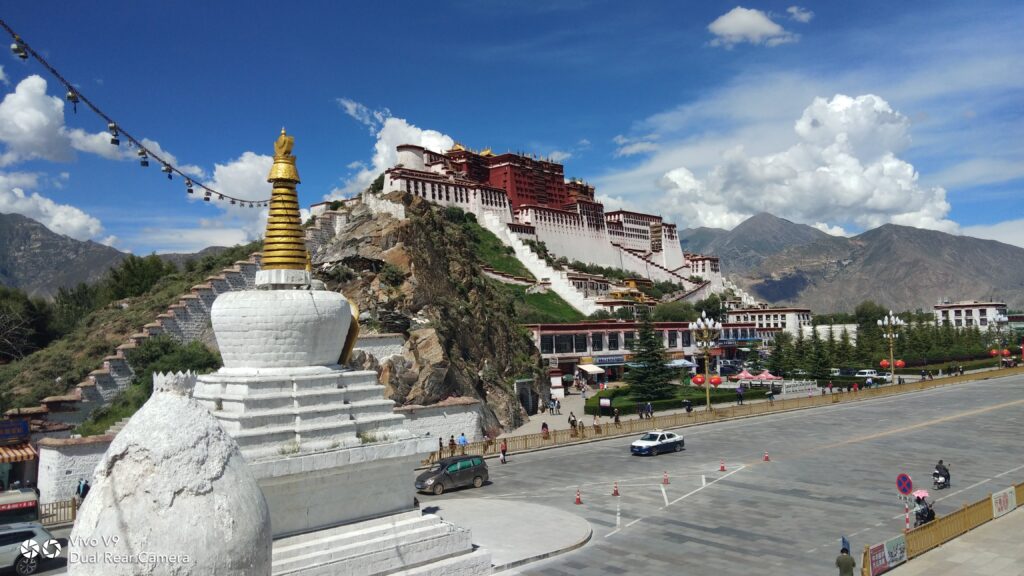
Budget Travel in Tibet: How to Explore Affordably with a Group Joining Tibet Tour

Tibet, the “Roof of the World,” is a dream destination for many travelers. With its breathtaking landscapes, rich culture, and spiritual heritage, it offers an unforgettable experience. However, many assume that traveling to Tibet is expensive. The good news? With smart planning, you can enjoy a budget-friendly Tibet tour without compromising on the experience. One of the best ways to cut costs is by opting for a group joining a Tibet tour, where you share expenses with fellow travelers.

Why Choose a Budget-Friendly Tibet Tour?

Traveling on a budget doesn’t mean missing out on Tibet’s wonders. Here’s why a budget-friendly Tibet tour is a great choice:

  • Lower Costs: Shared accommodations, transportation, and guide fees reduce expenses.
  • Group Discounts: Many tour operators offer discounts for group bookings.
  • Social Experience: Traveling with like-minded explorers enhances the journey.
  • Fixed Itineraries: Pre-planned tours save time and money on logistics.

Tips for an Affordable Tibet Tour

1. Join a Group Tour

group joining a Tibet tour is the most economical way to explore Tibet. Since costs like permits, guides, and vehicles are split among participants, you save significantly compared to private tours.

2. Travel in the Off-Season

Peak seasons (May to October) see higher prices. Visiting during the shoulder seasons (April or November) means lower costs on flights, hotels, and tours.

3. Book Budget Accommodations

Opt for guesthouses or budget hotels instead of luxury stays. Many budget-friendly Tibet tours include simple but clean lodging.

4. Eat Local

Tibetan food like thukpa (noodle soup) and momos (dumplings) is delicious and affordable. Avoid touristy restaurants for better prices.

5. Combine Tours

Some operators offer combo packages (e.g., Lhasa + Everest Base Camp) at discounted rates when booked as a group.

Best Budget-Friendly Group Tours in Tibet

Here are some of the best group joining Tibet tours that offer great value:

1. 8-Day Tibet Group Joining Tour (Lhasa to Everest)

  • Highlights: Potala Palace, Yamdrok Lake, Tashilhunpo Monastery, Everest Base Camp.
  • Why Choose It? Perfect for first-time visitors, covering Tibet’s top attractions at an affordable group rate.

2. 10-Day Kailash Spiritual Tour

  • Highlights: Mount Kailash pilgrimage, Lake Manasarovar, ancient monasteries.
  • Why Choose It? A deeply spiritual journey at a budget-friendly group price.

3. 8-Day Tibet Overland Tour (Lhasa to Kathmandu)

  • Highlights: Gyantse, Shigatse, Everest, and a scenic drive to Nepal.
  • Why Choose It? Ideal for adventure seekers looking for an affordable overland experience.

Exploring Tibet doesn’t have to break the bank. By choosing a budget-friendly Tibet tour and joining a group tour to Tibet, you can experience the magic of Tibet at a fraction of the cost. With smart planning, off-season travel, and shared expenses, your dream Tibetan adventure is within reach, without sacrificing the experience.

Ready to embark on an affordable journey? Book a group joining Tibet tour today and discover the wonders of Tibet without overspending!
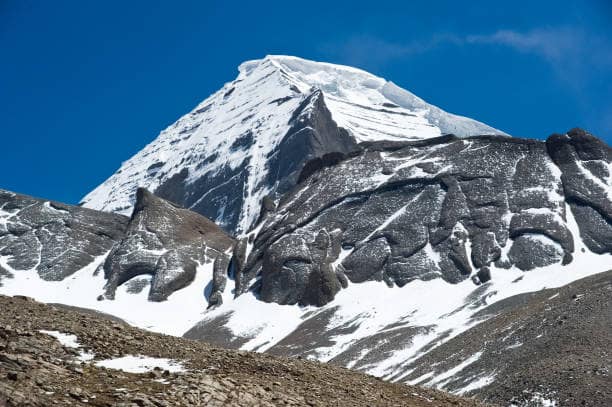
Kailash Mansarovar Yatra Cost from Nepal (2025/2026): A Detailed Budget Breakdown

The Kailash Mansarovar Yatra is a once-in-a-lifetime pilgrimage, but planning the finances can be overwhelming. With varying routes, packages, and hidden costs, pilgrims need a clear breakdown to budget effectively.

This guide provides a transparent cost analysis for 2025/2026, covering:
✔ Inclusions & exclusions in tour packages
✔ Helicopter vs. overland route costs
✔ Tips to save money without compromising safety
✔ Hidden expenses that many pilgrims overlook

Whether you’re an Indian citizen or an international traveler, this article will help you plan your sacred journey with confidence.

Kailash Mansarovar Yatra Cost

Factors Affecting Kailash Yatra Cost

1. Route Selection (Biggest Cost Factor)

RouteDurationApprox. Cost (2025/2026)Best For
Overland (Kerung/Kodari Route)12-14 days$1,800 – $2,800 (INR 1.5L – 2.3L)Budget-conscious pilgrims
Helicopter-Assisted (Simikot-Hilsa)8-10 days$3,500 – $5,500 (INR 2.9L – 4.5L)Those short on time or avoiding long treks
Lhasa-Kailash (Flight + Overland)14-16 days$3,000 – $4,500 (INR 2.5L – 3.7L)Pilgrims wanting to explore Lhasa first

2. Package Type (Standard vs. Deluxe)

  • Standard: Basic guesthouses, shared transport (~$1,800-$2,500)
  • Deluxe: Better hotels (3-4 star), private vehicles (~$2,800-$4,000)
  • VIP: Luxury stays, helicopter options (~$4,500+)

3. Group Size

  • Larger groups (15+ pax) get discounts.
  • Small private groups cost more but offer flexibility.

4. Season (Peak vs. Off-Peak)

  • Peak (May-June, Sept-Oct): 10-20% higher due to demand.
  • Shoulder (July-Aug, Nov): Slightly cheaper, but weather risks exist.

What’s Included in a Kailash Yatra Package?

✅ Permits & Visas

  • Tibet Travel Permit (TTP)
  • Chinese Group Visa (processed in Kathmandu)
  • Alien’s Travel Permit (ATP) for the Kailash region

✅ Transportation

  • Kathmandu to Nepal-China border (Jeep/Bus)
  • Tibet-side travel (4WD Land Cruisers or buses)
  • Helicopter transfers (if applicable)

✅ Accommodation

  • Kathmandu: 3-star hotel (pre/post-trip)
  • Tibet: Basic guesthouses/dormitories (during Kora)

✅ Meals

  • All vegetarian meals in Tibet (breakfast, lunch, dinner)
  • Nepal meals (as per itinerary)

✅ Support & Safety

  • Experienced Nepali/Indian guide + Tibetan guide
  • Porters/yaks for group luggage (limited weight)
  • Oxygen cylinders & basic first aid

Common Exclusions & Hidden Costs

❌ International/Domestic Flights (to Kathmandu)
❌ Nepal Visa (for non-Indian nationals)
❌ Travel Insurance (mandatory for high-altitude coverage)
❌ Personal Porter/Pony (~$15-$30/day for extra luggage)
❌ Tips for Guides & Drivers (~$50-$100 per pilgrim)
❌ Emergency Evacuation (covered by insurance, not tour operators)
❌ Unforeseen Delays (weather, landslides, permit issues)

Estimated Costs for Indian Citizens (2025/2026)

Package TypeDurationApprox. Cost (INR)
Standard Overland (Group)12-14 days₹1,55,000 – ₹1,85,000
Deluxe Overland (Small Group)12-14 days₹2,10,000 – ₹2,50,000
Helicopter-Assisted (Simikot-Hilsa)8-10 days₹3,20,000 – ₹4,50,000

Prices vary based on group size, season, and inclusions. Get a personalized quote for exact figures.

5 Money-Saving Tips for Kailash Yatra

1️⃣ Book Early – Permits are limited; early birds get better rates.
2️⃣ Travel in a Group – Larger groups = lower per-person cost.
3️⃣ Choose Overland Route – Saves 30-50% vs. helicopter.
4️⃣ Pack Light – Avoid extra porter fees.
5️⃣ Avoid Peak Season – May-June & Sept-Oct are pricier.

Why Choose Us for Your Kailash Yatra?

At Tashi Delek Nepal Treks & Expedition, we offer:
✔ All-inclusive packages (no hidden costs)
✔ Govt.-approved permits & visas
✔ Experienced guides & medical support
✔ Flexible payment options

Mount Kailash Yatra 2025/2026: Latest Updates on Visa, Permits & Routes from Nepal

The sacred Mount Kailash and Lake Manasarovar Yatra is a dream pilgrimage for Hindus, Buddhists, Jains, and Bonpos. After a five-year hiatus due to geopolitical and pandemic-related restrictions, the Kailash Mansarovar Yatra has officially resumed in 2025, with Indian pilgrims once again being permitted to undertake this spiritual journey.

Recent updates (as of July 11, 2025) confirm that the Kodari border (Nepal-China Friendship Highway) is now operational as an alternative entry/exit point, easing travel for pilgrims. However, navigating the visa and permit process remains complex, requiring pilgrims to travel through authorized tour operators.

This article provides the latest 2025/2026 updates on visa requirements, permits, routes from Nepal, and essential travel tips to help you plan a seamless pilgrimage.

Key Updates for Kailash Yatra 2025/2026

1. Resumption of Yatra & Kodari Border Reopening

  • The Kailash Mansarovar Yatra has officially reopened for Indian and international pilgrims after a long suspension.
  • The Kodari border (Sino-Nepal border) is now being used as an emergency entry/exit point, providing an alternative to the Kerung (Rasuwagadhi) route.
  • This is particularly beneficial for pilgrims who faced difficulties with the Rasuwagadhi route in previous years.

2. Special Permission for Indian Pilgrims

  • Due to diplomatic efforts, Indian citizens are now permitted to undertake the Yatra via Nepal.
  • However, individual travel is still not allowed—all pilgrims must join government-approved group tours operated by licensed agencies.

Visa & Permit Requirements for Kailash Yatra 2025/2026

1. Chinese Group Visa (Mandatory)

  • Individual visas are NOT accepted for the Kailash Yatra.
  • All pilgrims must obtain a Chinese Group Visa, processed collectively by tour operators through the Chinese Embassy in Kathmandu.
  • Documents Required:
    • Original passport (valid for at least 6 months)
    • 2 passport-sized photos
    • Completed visa application form
    • Proof of your tour booking with a licensed operator

2. Tibet Travel Permit (TTP)

  • Issued by the Tibet Tourism Bureau, this permit is required for entry into Tibet.
  • Only authorized tour operators can apply for this on behalf of pilgrims.

3. Alien’s Travel Permit (ATP)

  • Required for travel beyond Lhasa, including Mount Kailash and Lake Manasarovar.
  • Arranged by your tour operator as part of the package.

Processing Time & Advance Booking

  • Group Visa: 3-5 working days (subject to embassy processing times).
  • Tibet Travel Permit: Additional 5-7 days.
  • Book Early: Due to high demand and limited permits, pilgrims are advised to book at least 1-2 months in advance.

Popular Routes from Nepal to Mount Kailash

1. Overland Route via Kerung (Rasuwagadhi) & Kodari

  • Kathmandu → Syabrubesi → Kerung (Rasuwagadhi border) → Tibet
  • Alternative Option: Kodari border (now operational as an emergency route).
  • Includes acclimatization stops in Gyirong (Kyirong) before proceeding to Kailash.
  • Best suited for: Pilgrims seeking a traditional overland journey.

2. Helicopter-Assisted Route (Nepalgunj/Simikot/Hilsa)

  • Kathmandu → Nepalgunj → Simikot → Hilsa (by helicopter) → Purang → Kailash
  • Faster but more expensive (reduces trekking time).
  • Best for: Those with limited time or health concerns.

3. Kathmandu-Lhasa-Kailash Route

  • Kathmandu → Lhasa (flight) → Overland to Kailash
  • Includes sightseeing in Lhasa (Potala Palace, Jokhang Temple) before heading to Kailash.
  • Best for: Pilgrims who want to explore Tibetan culture before the Yatra.

Why Choose a Licensed Tour Operator?

  • Mandatory Requirement: Chinese and Tibetan authorities do not permit independent travel to Kailash.
  • Hassle-Free Processing: Licensed operators handle visas, permits, logistics, and emergency support.
  • Expert Guidance: Experienced guides ensure safe acclimatization, proper rituals, and a smooth pilgrimage.

Plan Your Kailash Yatra 2025/2026 with Us!

At Tashi Delek Nepal Treks & Expeditions, we specialize in government-approved Kailash Mansarovar Yatra packages from Nepal. Our services include:
✅ Group visa & permit processing
✅ Expert guides & well-planned itineraries
✅ Comfortable accommodations & transportation
✅ Emergency support & medical assistance

📞 Contact us today to secure your spot for the 2025/2026 Kailash Yatra and embark on this divine journey with confidence!

“Om Namah Shivaya!” 🙏

Best Time for Tibet Tours: Weather, Festivals, and Travel Seasons

Planning your Tibet tours requires careful consideration of weather, festivals, and travel seasons to ensure the best experience. Tibet’s high altitude and unique climate make some months more favorable for travel than others. Whether you’re drawn to its breathtaking landscapes, rich culture, or vibrant festivals, selecting the best time for your Tibet tour will enhance your journey.

Tibet Tours

Best Travel Seasons for Tibet Tours

1. Spring (April to May) – Mild Weather and Fewer Crowds

Spring is one of the best times for Tibet tours as temperatures begin to warm up after winter. The weather is pleasant, with daytime temperatures ranging from 10°C to 15°C (50°F to 59°F), making it ideal for sightseeing.

  • Pros:
    • Comfortable weather for trekking and outdoor activities.
    • Fewer tourists compared to peak summer months.
    • Blooming flowers and clearer mountain views.
  • Cons:
    • Nights can still be chilly.
    • Some high passes may remain snow-covered early in the season.

2. Summer (June to August) – Peak Travel Season

Summer is the most popular time for Tibet tours due to warm temperatures and the famous Saga Dawa Festival. Daytime highs reach 20°C (68°F), while nights remain cool.

  • Pros:
    • Ideal for visiting Everest Base Camp and remote regions.
    • Vibrant festivals like Saga Dawa (celebrating Buddha’s enlightenment).
    • Lush green landscapes and clear skies.
  • Cons:
    • Crowded tourist sites and higher travel costs.
    • Occasional rain showers, especially in July and August.

3. Autumn (September to October) – Perfect Weather and Stunning Views

Many travelers consider autumn the absolute best time for Tibet tours due to stable weather, clear skies, and breathtaking scenery.

  • Pros:
    • Mild temperatures (10°C–20°C / 50°F–68°F).
    • Excellent visibility for mountain views, including Mount Everest.
    • Key festivals like the Shoton Festival (Tibetan Opera performances).
  • Cons:
    • Popular travel period, so early booking is recommended.
    • Nights start getting colder by late October.

4. Winter (November to March) – Off-Season with Unique Charm

Winter is the least crowded time for Tibet tours, offering a serene experience for those who don’t mind the cold.

  • Pros:
    • Fewer tourists and lower travel costs.
    • Stunning snow-covered landscapes.
    • Unique winter festivals like Losar (Tibetan New Year in February/March).
  • Cons:
    • Harsh temperatures (-10°C to 10°C / 14°F–50°F).
    • Some roads and attractions may be closed due to snow.

Best Time for Tibet Tours Based on Festivals

Tibet’s vibrant festivals add cultural depth to any Tibet tour. Key events include:

  • Losar (Tibetan New Year, Feb/Mar) – Celebrations with prayers, dances, and family gatherings.
  • Saga Dawa Festival (May/June) – Pilgrimages to Mount Kailash and grand ceremonies.
  • Shoton Festival (August) – Yogurt festival with Tibetan opera and giant thangka displays.

When to Plan Your Tibet Tour

The best time for Tibet tours depends on your priorities:

  • For ideal weather: April–May or September–October.
  • For festivals, consider the summer (June–August) or winter (Losar in February/March).
  • For budget travelers: November–March (off-season discounts).

No matter when you visit, a Tibet tour promises unforgettable adventures amidst stunning landscapes and deep cultural heritage. Plan wisely to make the most of your journey to the “Roof of the World”!

Would you like recommendations for specific Tibet tour itineraries based on the best travel season? Let us help you craft your perfect trip!