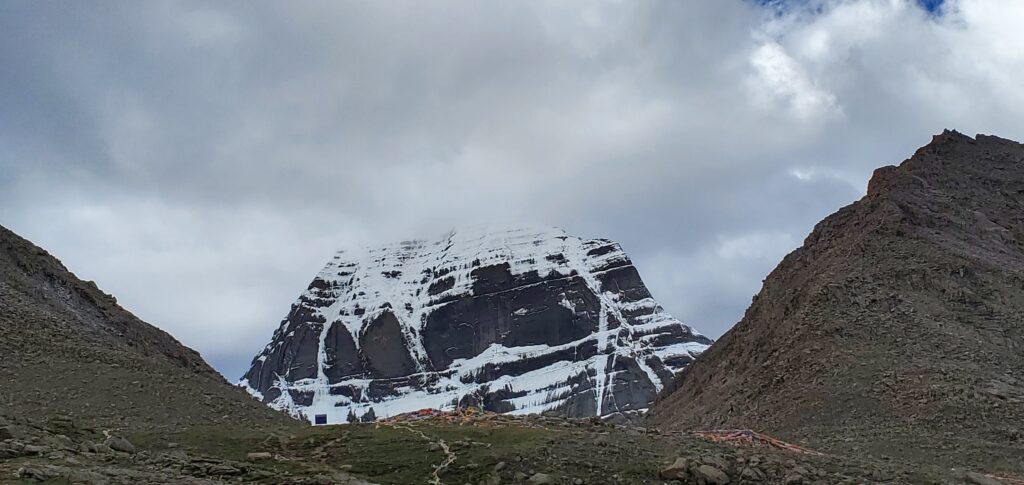
The Mount Kailash Parikrama is one of the world’s most remarkable pilgrimage and trekking experiences. For Hindus, Buddhists, Jains, and Bon followers, circling the sacred mountain is a spiritual journey of immense significance. For adventure travelers, it is a unique opportunity to trek through one of the most remote and breathtaking regions of Tibet.
One of the most common questions asked by travelers planning a Mt Kailash Tour is:
“How physically fit do I need to be to complete the Mount Kailash Parikrama?”
The good news is that you do not need to be a marathon runner, mountaineer, or elite athlete. However, you do need a reasonable level of fitness, preparation, and determination to complete the trek safely and comfortably.
This guide explains the difficulty of the Mount Kailash Parikrama, the physical challenges you can expect, and the best training plan to prepare for your Mt Kailash Yatra.
Understanding the Mount Kailash Parikrama
The Mount Kailash Parikrama (also known as the Kora) is a three-day trek around the sacred mountain.
The complete route covers approximately:
- 52 kilometers (32 miles)
- Altitudes ranging from 4,675m to 5,645m
- Highest point: Dolma La Pass (5,645m)
Unlike technical mountain climbing, the parikrama does not require:
- Mountaineering experience
- Ropes or climbing equipment
- Technical trekking skills
However, the challenge comes from:
- High altitude
- Long walking distances
- Steep ascents and descents
- Thin air and lower oxygen levels
- Unpredictable weather conditions
For most travelers, altitude is significantly more difficult than the walking itself.
How Difficult Is the Mt Kailash Tour?
Physical Difficulty: Moderate to Challenging
The Mt Kailash Tour difficulty is often underestimated because the trekking distances appear manageable.
The reality is that trekking at 5,000+ meters feels very different from hiking at sea level.
Many travelers who comfortably walk 15–20 km at home find themselves moving much more slowly due to the effects of altitude.
The most demanding day is Day 2 of the parikrama, when travelers cross Dolma La Pass.
This day involves:
- A steep uphill climb
- High altitude exposure
- Rocky terrain
- A long descent afterward
For many pilgrims, this is the most physically and mentally demanding day of the entire journey.
Can Beginners Complete the Mount Kailash Parikrama?
Yes.
Every year, many first-time trekkers complete the Mount Kailash Yatra.
You do not need previous trekking experience if you:
- Prepare properly
- Train in advance
- Acclimatize correctly
- Walk at a steady pace
- Follow your guide’s instructions
Many participants are in their 50s, 60s, and even 70s.
In fact, determination and patience are often more important than athletic ability.
What Level of Fitness Is Recommended?
A good benchmark is that you should comfortably be able to:
- Walk 10–15 km in a day
- Climb several flights of stairs without excessive exhaustion
- Walk continuously for 4–6 hours
- Handle uneven terrain
- Carry a small daypack
If you can achieve these goals before departure, you are generally fit enough for the Mount Kailash Tour.
The Biggest Challenge: High Altitude
Many travelers assume fitness alone guarantees success.
Unfortunately, altitude does not work that way.
Even very fit athletes can experience altitude-related symptoms.
During the Mt Kailash Parikrama, you will spend several days above:
- 4,500 meters
- 5,000 meters
- 5,645 meters at Dolma La Pass
At these elevations:
- Oxygen levels are significantly lower
- Breathing becomes more difficult
- Walking pace slows down
- Recovery takes longer
This is why proper acclimatization is included in most Mount Kailash Tour itineraries.
Who Should Consult a Doctor Before the Mt Kailash Yatra?
Travelers with the following conditions should seek medical advice before booking:
- Heart disease
- Severe asthma
- Chronic lung conditions
- Uncontrolled high blood pressure
- Recent major surgery
- Serious mobility limitations
Many people with controlled medical conditions complete the journey, but professional medical guidance is recommended.
How to Train for the Mt Kailash Tour
The ideal preparation begins 8–12 weeks before departure.
The goal is not speed.
The goal is endurance.
Recommended Training Plan
Walking Training
Walking is the single best preparation for Mount Kailash.
Aim for:
Weeks 1–4:
- 4–5 km walks
- 4 days per week
Weeks 5–8:
- 8–10 km walks
- 4–5 days per week
Weeks 9–12:
- 10–15 km walks
- Include hills whenever possible
Consistency matters more than intensity.
Stair Climbing
Dolma La Pass involves a sustained uphill climb.
To prepare:
- Climb stairs 2–3 times per week
- Start with 10–15 minutes
- Gradually increase to 30–45 minutes
This strengthens the muscles used during the ascent.
Hill Hiking
If you live near hills or mountains, include regular hikes.
Benefits include:
- Improved endurance
- Stronger leg muscles
- Better balance
- Mental preparation for long trekking days
Even short local hikes can make a significant difference.
Strength Training
Strong legs and core muscles help reduce fatigue.
Focus on:
- Squats
- Lunges
- Step-ups
- Calf raises
- Core exercises
Two sessions per week are usually sufficient.
Cardiovascular Training
Cardio improves your body’s ability to use oxygen efficiently.
Good options include:
- Brisk walking
- Cycling
- Swimming
- Jogging
- Elliptical training
Aim for 30–45 minutes, three to four times per week.
Mental Preparation Is Important Too
Many experienced Mount Kailash pilgrims say that mental strength is just as important as physical fitness.
The trek can involve:
- Cold mornings
- Strong winds
- Basic accommodations
- Long travel days
- Physical discomfort
A positive mindset often makes the difference between struggling and succeeding.
Can You Use a Horse During the Kailash Parikrama?
Yes.
Travelers who are concerned about their fitness level may hire a horse for parts of the parikrama.
A horse can help reduce physical strain during the trek.
However:
- The steep section near Dolma La Pass may still require walking.
- Horse services are subject to local availability.
- Advance arrangements are recommended during peak season.
Porters are also available to carry personal belongings.
Common Mistakes Travelers Make
Underestimating the Altitude
Altitude affects everyone differently.
Being physically fit does not eliminate altitude risk.
Not Training Before the Tour
Many travelers assume they can “get through it.”
Those who train beforehand generally enjoy the experience much more.
Walking Too Fast
A slow, steady pace is the secret to success at high altitude.
Not Drinking Enough Water
Hydration is essential for both trekking performance and acclimatization.
Tips for Successfully Completing the Mt Kailash Parikrama
- Start training at least 2–3 months before departure.
- Focus on endurance rather than speed.
- Walk regularly.
- Practice hiking on hills if possible.
- Stay hydrated.
- Listen to your guide.
- Allow proper acclimatization time.
- Maintain a positive attitude.
- Travel with appropriate gear and clothing.
Frequently Asked Questions
Is the Mount Kailash Parikrama harder than the Everest Base Camp Trek?
The trekking distance is shorter, but the altitude is significantly higher.
Many travelers find the altitude at Mount Kailash more challenging than the walking itself.
Can senior citizens complete the Mt Kailash Yatra?
Yes.
Many travelers in their 60s and 70s complete the pilgrimage each year with proper preparation and medical clearance.
Do I need trekking experience
No.
Previous trekking experience is helpful but not mandatory.
Good fitness and preparation are more important.
How many hours do you walk each day?
During the parikrama, most travelers walk approximately:
- Day 1: 5–7 hours
- Day 2: 8–12 hours
- Day 3: 3–4 hours
Walking times vary according to fitness and weather conditions.
Final Thoughts: Are You Fit Enough for Mount Kailash?
If you can comfortably walk long distances, maintain a moderate level of fitness, and dedicate a few months to preparation, there is a good chance you can complete the Mount Kailash Parikrama.
The journey is undoubtedly challenging, but it is achievable for many travelers of different ages and fitness levels.
The key factors are preparation, acclimatization, pacing, and determination.
For most pilgrims, the reward of completing the sacred Mt Kailash Yatra far outweighs the physical effort required.
If Mount Kailash has been on your bucket list, start preparing early, train consistently, and plan your journey well in advance to secure permits and visas and book your preferred travel dates.