Planning a Tibet tour is a once-in-a-lifetime experience, offering breathtaking landscapes, ancient monasteries, and deep spiritual encounters. However, one of the biggest concerns for travelers in Tibet is altitude sickness. Understanding how to prevent and manage it is crucial for a safe and enjoyable journey.
This guide covers everything travelers search for—from symptoms and prevention to expert tips—helping you prepare confidently for your Tibet adventure.
What is Altitude Sickness?
Altitude sickness, also known as Acute Mountain Sickness (AMS), occurs when your body struggles to adjust to lower oxygen levels at high elevations.
Most Tibet tour destinations are located above 3,500 meters (11,500 ft), including Lhasa, making proper preparation essential.
Why Altitude Sickness is Common on a Tibet Tour
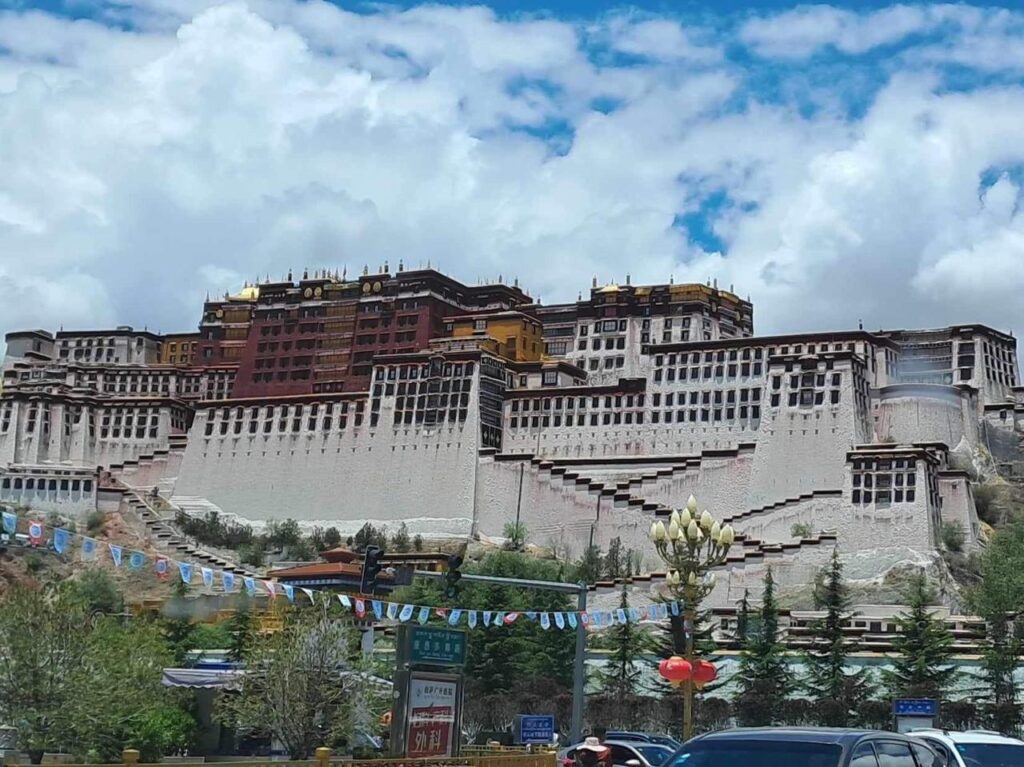
Unlike many destinations, Tibet sits on the Tibetan Plateau, often called the “Roof of the World.” Key locations include:
- Lhasa – 3,650m
- Shigatse – 3,800m
- Everest Base Camp (North) – 5,200m
- Mount Kailash – 5,630m (Dolma La Pass)
Rapid altitude gain—especially flying directly into Lhasa—is the main reason travelers experience symptoms.
Common Symptoms of Altitude Sickness
Travelers planning a Tibet tour often search for these early warning signs:
- Headache
- Dizziness or lightheadedness
- Shortness of breath
- Nausea or vomiting
- Loss of appetite
- Fatigue or weakness
- Difficulty sleeping
Severe cases (rare but serious) may include:
- Confusion
- Chest tightness
- Difficulty walking
How to Prevent Altitude Sickness in Tibet
Prevention is the most important part of a successful Tibet tour. Here are proven strategies:
1. Acclimatize Properly
- Spend 1–2 days resting after arriving in Lhasa
- Avoid strenuous activity initially
- Follow a gradual ascent itinerary
This is why guided Tibet tours are strongly recommended—they are designed with acclimatization in mind.
2. Stay Hydrated
- Drink 3–4 liters of water daily
- Avoid alcohol and smoking
- Limit caffeine intake
3. Eat Light and Nutritious Food
- Prefer carbohydrates (rice, noodles, bread)
- Avoid heavy, oily meals
- Eat small, frequent meals
4. Take It Slow
- Walk slowly and avoid overexertion
- Listen to your body
- Do not rush sightseeing
5. Consider Medication
Many travelers ask about medication for altitude sickness:
- Diamox (Acetazolamide) – commonly used for prevention
- Always consult your doctor before your Tibet tour
6. Oxygen Support
- Oxygen cylinders are available in Tibet
- Most organized tours provide backup oxygen
Best Itinerary Tip to Avoid Altitude Sickness
Choosing the right itinerary can significantly reduce risks:
Overland Tibet Tour
- Travel from Kathmandu to Tibet by road
- Gradual altitude gain allows better acclimatization
Fly-in Fly-out Tibet Tour
- Faster but higher risk
- Requires strict rest on arrival
What to Do If You Get Altitude Sickness
If symptoms appear during your Tibet tour:
- Rest immediately
- Inform your guide
- Drink water and take medication if prescribed
- Use oxygen if needed
If symptoms worsen:
- Descend to a lower altitude immediately
- Seek medical help
Who is More at Risk?
Altitude sickness can affect anyone, but higher risk groups include:
- Travelers flying directly to high altitudes
- People with no prior high-altitude experience
- Those with respiratory or heart conditions
Important: Fitness level does not guarantee immunity
Why Booking a Guided Tibet Tour Matters
A professional Tibet tour operator ensures:
- Proper acclimatization itinerary
- Emergency support and oxygen supply
- Experienced local guides
- Safe travel arrangements
This significantly reduces health risks and gives peace of mind.
Final Tips for a Safe Tibet Tour
- Arrive well-rested
- Avoid alcohol before and during the trip
- Pack warm clothing (cold worsens symptoms)
- Carry basic medicines
- Travel with a trusted Tibet tour company
Altitude sickness is a real concern, but it should not stop you from experiencing Tibet’s incredible beauty. With proper preparation, the right itinerary, and expert guidance, your Tibet tour can be safe, comfortable, and unforgettable
If you’re planning your journey, choosing a well-organized Tibet tour is the best way to minimize risks and fully enjoy the adventure.