What Permits and Documents Are Required for the Mount Kailash Manasarovar Yatra from Nepal?

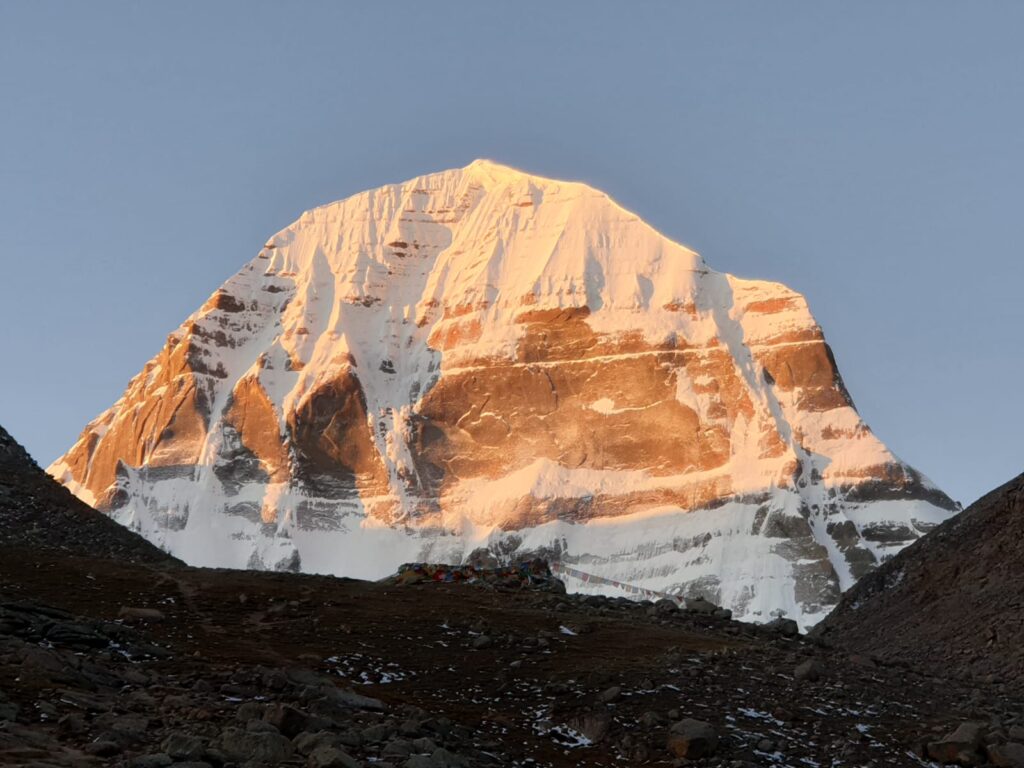
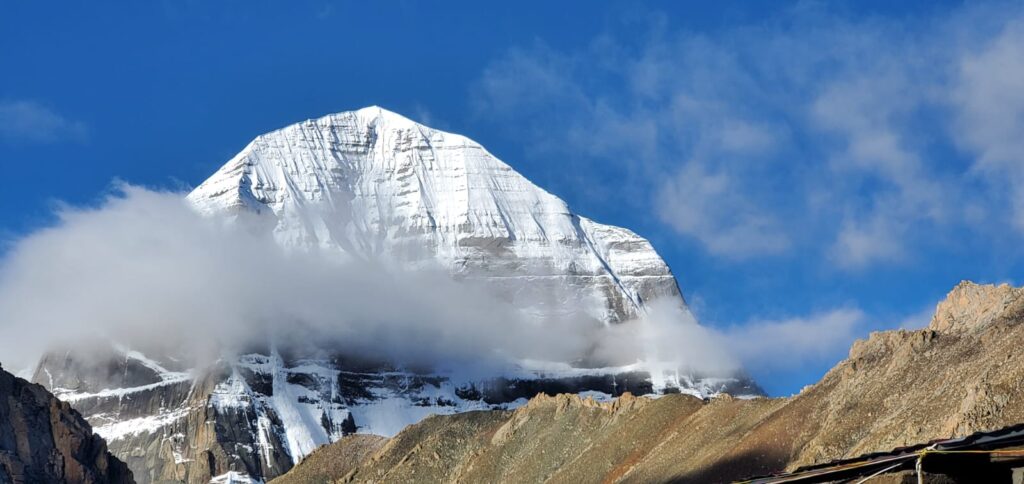
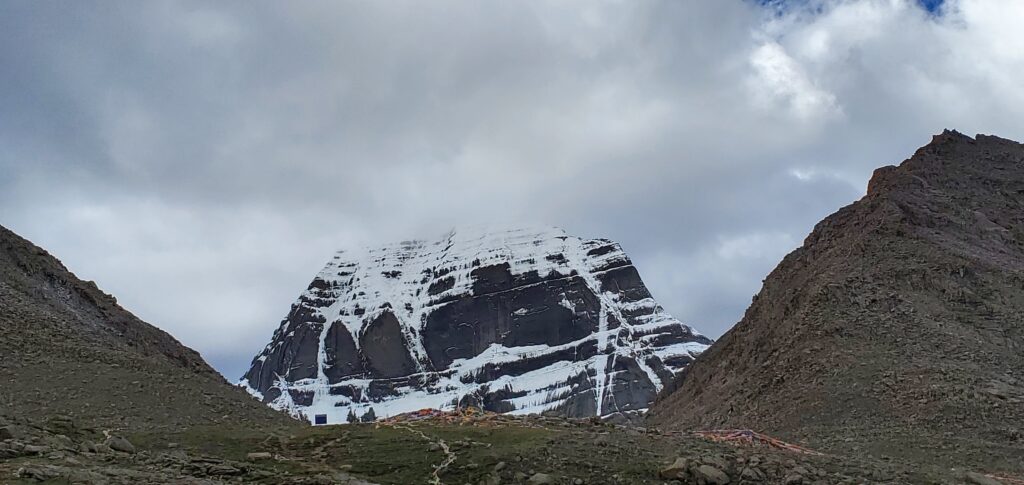
The Mount Kailash Manasarovar Yatra is one of the most sacred and life-changing journeys in the world. Every year, thousands of pilgrims, spiritual seekers, trekkers, and adventure travelers visit Mount Kailash and Lake Manasarovar in western Tibet.

One of the most common questions travelers ask before planning their pilgrimage is:

“What permits and documents do I need to visit Mount Kailash from Nepal?”

Unlike many international destinations, independent travel to Mount Kailash is not permitted. All foreign travelers must join an organized tour arranged through a registered Tibet travel agency that handles permits, visas, transportation, and logistics.

This guide explains everything you need to know about the required permits, documents, processing timelines, and visa procedures for the Mount Kailash Manasarovar Yatra from Nepal.

Why Are Permits Required for Mount Kailash?

Mount Kailash and Lake Manasarovar are located in the Tibet Autonomous Region (TAR) of China, a highly regulated travel area.

Foreign travelers cannot enter Tibet independently and must obtain special travel permits in addition to a Chinese Group Visa.

These permits are issued by various government authorities and are arranged through authorized Tibet travel agencies.

The good news is that travelers do not need to apply for these permits themselves. Once you book your tour, your travel agency will handle the entire permit application process on your behalf.

Essential Documents Required for the Mount Kailash Tour

Before the permit application process begins, travelers must provide the following documents:

1. Passport Copy

A clear scanned copy of your passport is mandatory.

Your passport must:

  • Be valid for at least 6 months from the tour departure date
  • Have at least 2 blank visa pages
  • Be clear and fully readable
  • Match all information provided during booking

Any damaged passports or passports with insufficient validity may result in permit rejection.

2. Recent Passport-Size Photograph

For visa processing in Kathmandu, travelers must provide:

  • One recent MRP-compliant passport photo
  • White background
  • Size: 35mm x 45mm
  • No glasses
  • No hats or head coverings (unless for religious reasons)
  • No excessive makeup
  • Neutral facial expression

Photos that do not meet the specifications may delay visa processing.

3. Completed Visa Application Form

Upon arrival in Kathmandu, travelers will complete the required visa application forms at the tour operator’s office.

The agency will verify all information before submission to ensure accuracy and avoid delays.

4. Previous Chinese Visa (If Applicable)

If you have previously traveled to China and currently possess a valid Chinese visa or have held one in the past, you should provide:

  • Copy of the current Chinese visa
  • Copy of previous Chinese visas (if requested)

Additional documentation may occasionally be required depending on your travel history.

5. Existing Chinese L Visa (Tourist Visa)

If participants have already obtained a Chinese L Visa in their home country, they should forward:

  • Passport copy
  • Copy of the valid L Visa

The travel agency will review the documents and advise whether additional visa processing in Kathmandu is required.

Mount Kailash Permit Processing Timeline

When Should You Submit Your Passport Copy?

Travelers planning to join a Mount Kailash tour should submit a scanned passport copy:

30 to 35 days before the tour departure date.

This is extremely important because permit processing for Mount Kailash requires significant preparation and government approval.

Permit Processing Duration

  • Minimum processing time: 30 days
  • Recommended submission period: 30–35 days before departure
  • Earlier submission is strongly encouraged during peak pilgrimage seasons

The agency will apply for all required Tibet permits on your behalf.

Without approved permits, entry into Tibet is not possible.

Permits Required for Mount Kailash Manasarovar Yatra

Several permits are required to travel to Mount Kailash and Lake Manasarovar.

Tibet Travel Permit (TTP)

The Tibet Travel Permit is the primary document required for entry into Tibet.

This permit is issued by the Tibet Tourism authorities and is mandatory for all foreign travelers.

Without it, travelers cannot board flights or trains into Tibet and cannot enter Tibet from Nepal.

Alien Travel Permit

Because Mount Kailash lies in a restricted region outside central Tibet, travelers require an additional permit known as the Alien Travel Permit.

This permit allows travel beyond Lhasa into western Tibet.

Military Permit

Certain areas of western Tibet, including regions near Mount Kailash, require military clearance.

The travel agency arranges this permit as part of the tour package.

Border Permit

Travelers visiting the Mount Kailash and Lake Manasarovar region also require a border permit due to the proximity of the international border.

This permit is coordinated with other Tibet travel documents.

Chinese Group Visa Processing in Kathmandu

One of the most important parts of the Mount Kailash journey from Nepal is obtaining the Chinese Group Visa.

Unlike travelers entering Tibet from mainland China, visitors entering Tibet from Nepal generally receive a Chinese Group Visa issued in Kathmandu.

Arrival Requirement

All travelers must arrive in Kathmandu:

At least 5 days before the tour departure date.

This allows sufficient time for visa processing.

Visa Processing Time

The standard processing time is:

  • Minimum 4 working days

Occasionally, processing may take longer during peak travel periods, public holidays, or due to embassy requirements.

Therefore, arriving 5 days before departure is highly recommended.

Visa Application Procedure

After arriving in Kathmandu:

Step 1

Visit the tour operator’s office.

Step 2

Submit:

  • Original passport
  • Passport photo
  • Completed visa application form

Step 3

Verify all personal information.

Step 4

Make the required visa payment and complete the tour payment.

Step 5

The agency submits the application on your behalf.

Step 6

Receive the approved Chinese Group Visa before departure.

Additional Documents That May Be Required

Depending on nationality and travel history, additional supporting documents may occasionally be requested.

These may include:

Proof of Occupation

Examples:

  • Employment letter
  • Business registration
  • Student identification

Travel History Documentation

Travelers who have recently visited certain countries may occasionally be asked for additional travel information.

Dual Nationality Documentation

Individuals holding multiple passports should consult their travel agency before booking.

Overseas Chinese or Chinese-Origin Travelers

Travelers with Chinese heritage or previous Chinese citizenship may require additional documentation.

Early consultation is recommended.

Important Information for Indian Passport Holders

Indian citizens follow a different application process for the Mount Kailash Yatra compared to most international travelers.

Requirements and approvals can vary each year depending on government regulations and quota systems.

Indian passport holders should contact the tour operator well in advance to confirm:

  • Current permit requirements
  • Available departure dates
  • Quota availability
  • Processing timelines

Due to high demand, especially for Mount Kailash tours, early booking is strongly recommended.

Common Reasons for Permit Delays

Permit processing can be delayed due to:

  • Late passport submission
  • Incomplete passport scans
  • Passport validity under 6 months
  • Insufficient blank passport pages
  • Incorrect personal information
  • Poor-quality photographs
  • Embassy or government holidays
  • Peak pilgrimage season demand

Providing accurate documents as early as possible helps avoid delays.

Frequently Asked Questions

Can I Travel to Mount Kailash Independently?

No.

Independent travel to Mount Kailash is not permitted. All foreign travelers must join an organized tour through an authorized Tibet travel agency.

Can I Apply for the Tibet Permit Myself?

No.

Only authorized Tibet travel agencies can apply for Tibet permits on behalf of travelers.

How Early Should I Book My Mount Kailash Tour?

For the smoothest permit processing, travelers should ideally book:

  • 2–3 months before departure
  • Even earlier for peak season departures

Do I Need to Visit Kathmandu Before the Tour?

Yes.

Travelers entering Tibet from Nepal are generally required to be in Kathmandu approximately 5 days before departure to complete Chinese Group Visa processing.

The Mount Kailash Manasarovar Yatra is a once-in-a-lifetime pilgrimage that requires careful preparation and planning.

The most important documents are:

  • Valid passport
  • Passport copy submitted 30–35 days before departure
  • Passport photograph (35mm x 45mm, white background)
  • Completed visa application form
  • Chinese visa copies if previously obtained

Your travel agency will arrange:

  • Tibet Travel Permit
  • Alien Travel Permit
  • Military Permit
  • Border Permit
  • Chinese Group Visa processing

Because permit approvals require time and the number of travelers visiting Mount Kailash continues to increase every year, especially during peak pilgrimage months, early planning is strongly recommended.

If you are considering the Mount Kailash Manasarovar Yatra, the best first step is to check your passport validity and submit your passport copy as early as possible so the permit process can begin smoothly.

Why Mt Kailash Permits Get Rejected?

Here are the most common reasons.

1. Political Sensitivity & Nationality Restrictions

This is one of the biggest reasons.

At different times, authorities may place temporary restrictions on travellers from certain countries due to:

  • Political tensions
  • Diplomatic issues
  • Border disputes
  • Security concerns
  • International events

Some nationalities face stricter permit review processes than others.

Unfortunately, this can change suddenly without advance notice.

For example:

  • Permit approvals may slow down during political anniversaries
  • Western Tibet routes may temporarily close
  • Group permits may be suspended for specific passport holders

This is frustrating for travellers because it is completely outside their control.

Important for 2027 Travellers

If you are planning a Mt Kailash Tour 2027, apply early and stay flexible with dates.

A good Tibet travel agency will monitor policy changes daily.

2. Incomplete or Incorrect Documents

This sounds simple, but it causes many rejections.

Common mistakes include:

  • Passport scans that are blurry
  • Passport validity under 6 months
  • Missing visa pages
  • Wrong passport number
  • Different spelling between documents
  • Expired passports
  • Damaged passports

Even tiny mistakes can delay or reject permit processing.

Chinese and Tibetan authorities are extremely detail-oriented with travel documents.

One missing digit can create problems.

Pro Tip

Always submit:

  • High-resolution passport scans
  • Clear visa copies
  • Correct personal details exactly as shown in your passport

Do not crop passport edges in scans.

Yes, even that matters sometimes.

3. Applying Too Late

This is extremely common for first-time travellers.

Many people assume:

“I’ll just book my Kailash tour one or two weeks before departure.”

That works for beach holidays.

Not for Tibet.

A Mount Kailash Tour 2027 requires significant permit coordination because western Tibet is one of the most restricted travel regions in Asia.

Permit processing can take:

  • 15–30+ days
  • Longer during peak season
  • Longer around holidays or political events

Late applications may simply not get approved in time.

Best Time to Apply for Mt Kailash Tour 2027

Ideally:

  • 2–4 months early for regular travellers
  • Earlier for group departures
  • Much earlier for Saga Dawa Festival tours

Especially if you plan the famous:

  • Mt Kailash Kora 2027
  • Saga Dawa pilgrimage season
  • Full moon departures
  • Summer holidays

Those dates fill very quickly.

4. Sensitive Travel History

Your previous travel history can sometimes affect approval.

This may include visits to:

  • Politically sensitive countries
  • Conflict regions
  • Areas under extra scrutiny

In some cases, travellers with certain professional backgrounds may also face additional checks.

Examples may include:

  • Journalists
  • Diplomats
  • Military personnel
  • Government workers
  • Activists
  • Religious researchers

This does not automatically mean rejection.

But it can cause:

  • Delays
  • Additional document requests
  • Closer review

Honesty is extremely important here.

Never hide information if asked.

5. Booking with Unreliable Agencies

This is one of the most overlooked reasons.

Some travellers try to save money by booking through:

  • Unregistered operators
  • Random social media sellers
  • Middlemen without Tibet licenses
  • Agencies unfamiliar with Kailash logistics

Then problems happen:

  • Wrong permit category
  • Late application submission
  • Missing paperwork
  • Fake promises
  • Incomplete group lists

And guess who suffers?

The traveller.

A professional Tibet agency understands:

  • Current regulations
  • Border opening updates
  • Group permit procedures
  • Emergency changes
  • Seasonal restrictions

For a Mt Kailash Tour, experience matters enormously.

6. Travelling During Sensitive Dates

Tibet occasionally experiences temporary travel restrictions during:

  • Political anniversaries
  • Government meetings
  • Regional events
  • Border security periods

When this happens:

  • Permit processing may slow down
  • New applications may pause
  • Western Tibet access may temporarily close

These restrictions are usually temporary but unpredictable.

This is why flexibility is very important for travellers planning a Mount Kailash Tour 2027.

7. Tibet Closures or Route Restrictions

Sometimes permits are not rejected because of the traveller.

The region itself may temporarily close.

Possible reasons:

  • Heavy snowfall
  • Landslides
  • Road damage
  • Military activity
  • Border restrictions
  • Health or safety concerns

Western Tibet is remote and high-altitude terrain.

Conditions can change quickly.

Especially during:

  • Winter months
  • Early spring
  • Monsoon-related road disruptions

8. Medical or High-Altitude Concerns

This is less common but still important.

A Mt Kailash Kora 2027 reaches a very high altitude:

  • Drolma La Pass is over 5,600 meters

Travellers with serious health conditions may be advised not to continue.

While agencies usually do not reject clients purely for age, they may request:

  • Medical declarations
  • Travel insurance
  • Doctor approval

This is for safety, not discrimination.

Remember:
Kailash is spiritually powerful…
But altitude does not care about your gym selfies.

Can Indian Passport Holders Face Different Rules?

Yes.

Indian pilgrims often travel through separate government-organised pilgrimage systems.

Rules, routes, and permit procedures can differ significantly for international travellers.

Policies may also change yearly.

For Mt Kailash Tour 2027, Indian travellers should closely follow updated pilgrimage announcements.

Are Mt Kailash Permits Guaranteed?

No.

This is one of the biggest misunderstandings travellers have.

Even after booking:

  • permits are never 100% guaranteed
  • regulations can change suddenly
  • approvals depend on authorities

A trustworthy agency will always explain this honestly.

Be cautious if someone promises:

“Guaranteed permit approval.”

In Tibet travel, nobody can truly guarantee government approvals.

How to Improve Your Chances of Permit Approval

Here are the best ways to avoid rejection.

Book Early

Do not wait until the last minute.

Use an Experienced Tibet Agency

Experience reduces mistakes significantly.

Submit Clear Documents

Double-check:

  • Passport number
  • Expiry date
  • Name spelling

Stay Flexible

Extra flexibility helps when regulations suddenly change.

Avoid Unrealistic Tight Schedules

Do not book non-refundable international flights too early.

Smart travellers wait for permit confirmation first.

Travel During Stable Seasons

The best months for a Mount Kailash Tour 2027 are generally:

  • May
  • June
  • September

These months usually offer:

  • Better weather
  • More stable road conditions
  • Smoother logistics

What Happens If Your Permit Gets Rejected?

This depends on the reason.

Possible outcomes:

  • Reapplication
  • Date changes
  • Route changes
  • Waiting for restrictions to lift
  • Full cancellation in rare cases

A professional agency will guide you through the alternatives.

Is It Still Worth Planning a Mt Kailash Tour in 2027?

Absolutely.

Despite the permit complexity, thousands of travellers successfully complete the:

  • Mt Kailash Tour
  • Mt Kailash Kora 2027
  • Overland Tibet journeys every year

And for many travellers, it becomes the most meaningful journey of their lives.

The key is preparation.

The travellers who face the fewest problems are usually the ones who:

  • plan early
  • understand the rules
  • stay flexible
  • work with experienced Tibet specialists

A rejected permit does not always mean something went “wrong.”

Tibet travel operates differently from normal international tourism.

For a successful Mount Kailash Tour 2027, travellers should understand:

  • permits take time
  • regulations change
  • flexibility matters
  • Experienced operators make a huge difference

Most importantly:
do not rely on random internet rumours or outdated travel advice from 2018 blog posts written by someone who packed three oxygen cans and thought they were climbing Everest.

Proper preparation makes all the difference.

And once you finally stand before Mount Kailash, most travellers agree:

Every permit headache suddenly feels very small.

Best Time to Visit Mt Kailash Tour in 2027 (Month-by-Month Guide)

Planning your Mt Kailash Tour in 2027? Great choice. You’re basically signing up for one of the most spiritual, physically challenging, and Instagram-worthy journeys on Earth—centered around the sacred Mount Kailash.

But here’s the thing: timing your trip can make the difference between a life-changing pilgrimage… and questioning all your life decisions at 5,600 meters while arguing with your lungs.

So let’s break it down—month by month—so you can choose the best time for your Mount Kailash Tour 2027 (and survive it with your dignity intact).

Mt Kailash Tour

Quick Answer (For Impatient Planners)

  • Best overall months: May, June, September
  • Best for Mt Kailash Kora 2027: Late May to mid-September
  • Avoid if possible: January–March (unless you enjoy extreme cold and zero oxygen drama)

Month-by-Month Guide for Mt Kailash Tour 2027

January – March: “Why Am I Here?”

  • Temperature: Freezing (like, proper freezing)
  • Accessibility: Limited
  • Kora: Not recommended

Unless you’re trying to prove something to yourself or filming a survival documentary, skip this window. Heavy snow blocks routes, and even locals are like, “Maybe don’t.”

Verdict: Hard pass unless you’re an expedition-level traveler

April: The “Almost There” Month

  • Temperature: Still cold, but improving
  • Kora: Possible but risky

April teases you with hope. Roads begin to open, but the weather can still be unpredictable. Think of it as Tibet’s version of “coming soon.”

Verdict: Early birds can try—but expect surprises

May: The Sweet Spot Begins

  • Temperature: Pleasant (finally!)
  • Visibility: Excellent
  • Kora: Opens properly

May is when the Mt Kailash Tour 2027 season officially starts shining. Clear skies, manageable cold, and fewer crowds.

Verdict: One of the BEST months for Mt Kailash Kora 2027

June: Peak Season (a.k.a. “Everyone Had the Same Idea”)

  • Temperature: Comfortable
  • Crowd Level: High
  • Kora: Excellent

June is fantastic—but popular. Pilgrims gather in large numbers, especially during the sacred Saga Dawa Festival, celebrating the birth, enlightenment, and nirvana of Gautama Buddha.

Verdict: Amazing spiritual energy, but book early or cry later

July – August: The “Moody Weather” Phase

  • Temperature: Mild
  • Weather: Occasional rain
  • Kora: Still doable

Yes, it’s technically monsoon season—but Tibet sits in a rain shadow, so it’s not as dramatic as Nepal. Still, expect:

  • Some cloud cover
  • Possible road delays

Verdict: Good, but not perfect—bring patience (and a rain jacket)

September: The Underrated Champion

  • Temperature: Cool and stable
  • Visibility: Crystal clear
  • Crowd Level: Moderate

September might just be the best-kept secret for the Mount Kailash Tour 2027. The skies are ridiculously clear, and the crowds start thinning.

Verdict: Top-tier choice for both comfort and views

October: The Closing Curtain

  • Temperature: Dropping fast
  • Kora: Possible early in the month

Early October is still doable—but winter is knocking. By mid to late October, conditions become harsh again.

Verdict: Go early or don’t go

November – December: Nature Says “No”

  • Temperature: Brutal
  • Access: Limited
  • Kora: Closed

Unless you enjoy frostbite as a personality trait, avoid these months.

Verdict: Nope. Just nope.

Best Time for Mt Kailash Kora 2027 (Final Verdict)

If your main goal is completing the sacred Kora (circumambulation) around Mount Kailash:

Best Months:

  • Late May
  • June
  • September

Okay Months:

  • July & August

Avoid:

  • November to March

Pro Tips for Smart Travelers

  • Book early for 2027: Tibet permits, and flights fill up fast
  • Acclimatization is not optional: Your lungs are not superheroes
  • Pack smart: Layers > fashion
  • Expect the unexpected: Weather has commitment issues

Why 2027 Is a Great Year for Your Mt Kailash Tour

With travel rebounding and better infrastructure, Mount Kailash Tour 2027 is expected to be one of the busiest and most exciting seasons yet. Group departures, improved logistics, and more flexible itineraries mean smoother travel—if you plan.

Ready to Plan Your Mt Kailash Tour 2027?

Let’s be honest—you didn’t read this far just for fun (okay, maybe a little). You’re seriously considering this journey.

And you should.

Whether you’re drawn by spirituality, adventure, or the ultimate bragging rights, the Mt Kailash Tour is a once-in-a-lifetime experience.

The only question now is:
Will you grab the best dates—or settle for leftovers?

If you’re ready to:

  • Secure your preferred month
  • Join a Mt Kailash Group Joining Tour 2027
  • Or customize your dream itinerary

Now’s the time to make your move.

Because Mount Kailash doesn’t wait—and neither should you.

Best Travel Agency for Tibet Tour from Nepal (What to Look For)

Planning a Tibet trip is a bit like preparing for a first date with the Himalayas—exciting, slightly nerve-wracking, and you really don’t want to mess it up by choosing the wrong partner (ahem… travel agency).

So if you’re searching for the best travel agency for a Tibet Tour from Nepal, you’re already on the right path. But before you hit that “Book Now” button, let’s break down exactly what you should look for—and how to avoid turning your dream trip into a logistical nightmare.

First Things First: Why You Even Need an Agency

Unlike many destinations, Tibet isn’t a DIY backpacking zone. You can’t just book a flight and wander in with a selfie stick and good intentions.

To enter Tibet, you need:

  • Tibet Travel Permit
  • Chinese visa (or group visa from Nepal)
  • Pre-arranged transportation and guide

In short, you must book through a registered travel agency. No agency = no Tibet.

1. Permit & Visa Expertise (Because Paperwork Isn’t Fun)

A good agency should:

  • Handle your Tibet Travel Permit
  • Guide you through the China visa or group visa process
  • Know the latest rules (they change more often than travel trends)

If an agency sounds unsure about permits… run. Fast.

2. Real Experience in Tibet (Not Just Pretty Websites)

Let’s be honest—anyone can build a nice website. But Tibet is not the place for “trial and error.”

Look for agencies that:

  • Specialize specifically in Tibet tours
  • Offer routes like the Lhasa Tour, the Everest Base Camp from Tibet, and Mt Kailash Tour
  • Have actual experience operating tours from Nepal

A seasoned agency knows things like:

  • Best acclimatization strategies
  • Road conditions on overland routes
  • How to handle altitude issues

That’s the difference between a smooth journey and a “why did I do this?” moment at 5,000 meters.

3. Well-Planned Itineraries (No Guesswork at High Altitude)

A solid Tibet itinerary isn’t just about ticking off places—it’s about timing and altitude adjustment.

Good agencies will:

  • Build in proper acclimatization days
  • Balance driving and sightseeing
  • Include must-visit spots like:
    • Lhasa highlights (Potala Palace, Jokhang Temple)
    • Everest Base Camp (North Face)
    • Mount Kailash & Lake Manasarovar

If the itinerary feels rushed, your lungs will definitely complain later.

4. Group Joining vs Private Tours Options

Not everyone travels the same way (or with the same budget).

A reliable agency should offer:

  • Group Joining Tibet Tours (budget-friendly, social)
  • Private Tours (flexible, personalized)

Group tours are especially popular for:

  • Lhasa group tours
  • Mt Kailash pilgrimage tours

Plus, sharing altitude struggles with fellow travelers somehow makes it more fun.

5. Transparent Pricing (No Surprise “Fees” at 4,000m)

You don’t want hidden costs popping up halfway through your trip.

A trustworthy agency will clearly explain:

  • What’s included (permits, transport, guide, accommodation)
  • What’s not (meals, tips, personal expenses)

If pricing feels vague, it probably is.

6. Strong Support Before AND During the Trip

Your relationship with the agency shouldn’t end after payment.

Look for:

  • Quick responses to inquiries
  • Detailed pre-trip guidance
  • On-ground support during the tour

Because when you’re in Tibet, Google won’t save you—but a good local team will.

7. Reviews, Reputation & Real Feedback

Before choosing an agency, do a quick reality check:

  • Read traveler reviews
  • Check testimonials
  • Look for repeat customers

If people consistently mention smooth organization, helpful guides, and unforgettable experiences, you’re on the right track.

So… Which Travel Agency Should You Choose?

Here’s the honest answer:
There are many agencies out there, but very few truly specialize in Tibet tours from Nepal.

One such option is Tibet Tour Travel, a company dedicated specifically to Tibet travel experiences. Instead of being a general tour operator, they focus on:

  • Lhasa Tours
  • Everest Base Camp (Tibet side)
  • Mount Kailash Tours
  • Group joining departures

They also handle all the complicated logistics—permits, visas, transportation—so travelers can focus on the journey instead of paperwork.

If you’re curious, you can explore their tours and details here:
👉 https://www.tibettour.travel/

(No pressure—just good research 😉)

Final Thoughts: Choose Smart, Travel Better

A Tibet tour is not just another vacation—it’s a once-in-a-lifetime journey filled with:

  • Spiritual experiences
  • High-altitude adventures
  • Jaw-dropping Himalayan landscapes

Choosing the right travel agency can make the difference between:

  • A smooth, unforgettable trip
    OR
  • A stressful, oxygen-deprived regret

So take your time, ask questions, compare options—and pick an agency that truly understands Tibet.

Ready to Start Planning?

If you’re already dreaming about:

  • Walking through Lhasa’s ancient streets
  • Standing at Everest Base Camp (Tibet side)
  • Completing the sacred Mount Kailash kora

Then it might be time to turn that dream into a plan.

Do your research, reach out, ask questions—and when it feels right… go for it.

Because Tibet isn’t just a destination.
It’s an experience you’ll be talking about for the rest of your life.

Is Mt Kailash Tour Worth It? (Honest Answer You Probably Won’t Expect)

Let’s not sugarcoat it.

A Mount Kailash tour is not your typical vacation. There are no beach cocktails, no infinity pools, and definitely no room service bringing you a latte at 4,500 meters.

Instead, you get:

  • Thin air
  • Basic accommodations
  • Long drives
  • A trek that challenges your legs and your life choices

…and yet, people call it the most meaningful journey of their lives.

So, is it worth it?

Short answer: Yes. But not for the reasons you think.

Mt Kailash Tour Tashi Delek Nepal Treks & Expeditions

First, What Exactly Is the Mt Kailash Tour?

Mount Kailash, located in remote western Tibet, is one of the most sacred mountains in the world. It’s revered by:

  • Hindus (as the home of Lord Shiva)
  • Buddhists (as the center of the universe)
  • Jains and Bon followers

Unlike Everest, you don’t climb it—you walk around it.
This 52 km trek is called the Kora, and completing it is believed to cleanse sins and bring spiritual merit.

So technically, you’re not just going on a trip.

You’re signing up for a spiritual reset… with altitude sickness as a bonus feature.

The Honest Reality (No Instagram Filters Here)

Before you get carried away by dreamy photos, here’s the reality check:

1. It’s Physically Challenging

You’ll be walking at altitudes above 5,000 meters. Even tying your shoelaces can feel like a workout.

2. Comfort Is Limited

Expect simple guesthouses, basic food, and occasional cold showers (or no showers… character building, right?).

3. The Journey Is Long

Days of driving across vast Tibetan landscapes. Beautiful? Yes. Short? Not even close.

4. Altitude Is Real

Headaches, fatigue, and slow walking are part of the experience. No one looks glamorous here—and that’s okay.

So… Why Do People Still Go?

Because despite all that…

Mt Kailash is not just a place—it’s a feeling.

1. It’s Spiritually Powerful

Even non-religious travelers often describe something they can’t explain:

  • A sense of calm
  • Emotional clarity
  • Unexpected tears (yes, it happens)

You don’t have to be spiritual—but the mountain has a way of making you feel something.

2. The Landscapes Are Unreal

From turquoise Lake Manasarovar to the stark beauty of the Tibetan plateau, this is nature at its rawest.

No crowds. No noise. Just vast, silent, jaw-dropping scenery.

3. It’s a Personal Achievement

Completing the Kora is not easy. When you finish, you don’t just take photos—you take pride.

It’s one of those rare trips where you come back thinking:
“I actually did something big.”

4. It Changes You (Slightly or Deeply)

Not in a dramatic “I found myself” movie way (unless it happens, then great).

But many travelers return with:

  • A new perspective
  • Less stress about small things
  • A stronger mental mindset

Who Is This Tour Actually For?

Let’s be honest again.

Mt Kailash tour is perfect for you if:

  • You want more than just sightseeing
  • You’re okay with physical challenges
  • You’re curious about spirituality or culture
  • You enjoy unique, off-the-beaten-path experiences

It’s NOT ideal if:

  • You need luxury and comfort
  • You dislike basic conditions
  • You want a relaxing holiday

Is It Worth the Cost?

A Mt Kailash tour isn’t cheap—and there’s a reason.

It includes:

  • Special Tibet travel permits
  • Experienced guides
  • Transportation across remote regions
  • Logistics in one of the most restricted areas in the world

What you’re paying for isn’t just a trip.

You’re paying for access to a place very few people in the world ever reach.

The Biggest Question: Will You Regret It?

Almost everyone asks this.

Here’s the honest answer:

  • You might struggle during the journey
  • You might question your decision halfway through the trek
  • You might miss hot showers desperately

But once it’s over?

Regret is extremely rare.

Most people say:

“It was hard… but I would do it again.”

Why Book Your Mt Kailash Tour With Us?

Now, this part matters.

A trip like this isn’t something you want to “figure out as you go.”

You need:

  • Reliable logistics
  • Experienced local support
  • Proper acclimatization planning
  • Guidance at every step

When you travel with us, you get:

✔ Carefully designed itineraries for altitude safety
✔ Experienced Tibetan guides who understand the terrain
✔ Small group or group joining options
✔ Support from start (Nepal) to finish
✔ Honest advice (we won’t oversell—this article proves that)

We don’t just sell tours.

We make sure you complete the journey safely—and meaningfully.

Final Verdict: Is Mt Kailash Tour Worth It?

If you’re looking for comfort → No
If you’re looking for meaning → Absolutely Yes

This is not a trip you take for luxury.

This is a journey you take when you want:

  • A challenge
  • A story
  • A deeper experience

And maybe… just maybe…
a moment that stays with you for life.

Ready to Take the Step?

If you’ve read this far, chances are—you’re already considering it.

And that’s how it starts.

Feel free to reach out to us for:

  • Detailed itineraries
  • Group joining Mt Kailash tours
  • Travel dates and pricing
  • Honest consultation (no pressure, just clarity)

Mt Kailash isn’t calling everyone.
But if it’s calling you… You already know the answer.

WhatsApp us at +9779765961909 or email us at inquiry@tibettour.travel

Mt Kailash vs Everest Base Camp – Which One Should You Choose?

Planning a journey to the Himalayas often comes down to two iconic choices: the sacred Mount Kailash in Tibet or the world-famous Everest Base Camp. While both are life-changing experiences, they serve completely different purposes, pose different challenges, and offer distinct rewards.

If you’re considering a Tibet Tour, this guide will help you decide whether a Mt Kailash Tour or an EBC tour from Tibet is the right fit for your travel goals.

Overview: Mt Kailash vs Everest Base Camp

Mount Kailash (Tibet)

  • Elevation: 6,638m
  • Region: Remote western Tibet
  • Best for: Spiritual seekers, pilgrimage, cultural immersion
  • Key highlight: Sacred kora (circumambulation) around the mountain

Everest Base Camp (North Face – Tibet)

  • Elevation: 5,200m
  • Region: Northern Everest region, Tibet
  • Best for: Scenic adventure, photography, iconic mountain views
  • Key highlight: Close-up views of Mount Everest without long trekking

1. Purpose of the Journey

Mt Kailash Tour – A Spiritual Pilgrimage

A Mt Kailash Tour is not just a trip—it’s a deeply spiritual experience. Considered sacred in Hinduism, Buddhism, Jainism, and Bon, Mount Kailash is believed to be the center of the universe.

Pilgrims travel here to complete the Kora, a 52 km trek believed to cleanse sins and bring spiritual merit.

Choose Mt Kailash if you want:

  • A spiritual or religious journey
  • A once-in-a-lifetime pilgrimage
  • Cultural immersion in Tibetan traditions
Tibet Tour| Mt Kailash Tour| EBC tour from Tibet

EBC Tour from Tibet – A Scenic Adventure

An EBC tour from Tibet is ideal for travelers who want to witness the grandeur of Mount Everest without the intense trekking like the Nepal side.

You can drive almost all the way to base camp, making it more accessible while still offering stunning Himalayan landscapes.

Choose EBC if you want:

  • Incredible mountain views
  • A less physically demanding trip
  • A shorter Tibet tour experience

2. Difficulty Level

Mt Kailash Tour

  • Moderate to challenging
  • 3-day trek during the kora
  • High altitude (up to 5,630m at Dolma La Pass)
  • Requires good physical fitness and acclimatization

EBC Tour from Tibet

  • Easy to moderate
  • Minimal trekking required
  • Accessible by vehicle
  • Suitable for most travelers

If fitness is a concern, the EBC tour from Tibet is the easier choice.

3. Altitude & Acclimatization

Both journeys take place on the Tibetan Plateau, meaning altitude is a key factor.

  • Mt Kailash Tour: Higher trekking altitude and more physical strain
  • EBC Tour from Tibet: Gradual ascent with vehicle support

Proper acclimatization in Lhasa is usually included in both itineraries.

4. Cultural & Spiritual Experience

Mt Kailash

  • Strong spiritual atmosphere
  • Encounters with pilgrims from across Asia
  • Sacred sites like Lake Manasarovar

EBC (Tibet Side)

  • Monasteries like Rongbuk Monastery
  • More focused on landscapes than spirituality

For culture and spirituality, Mt Kailash Tour is unmatched.

5. Time Required

  • Mt Kailash Tour: 10–15 days (from Nepal or Lhasa)
  • EBC Tour from Tibet: 7–10 days

Short on time? Go for the EBC tour from Tibet.

6. Accessibility & Travel Style

Mt Kailash Tour

  • Remote and rugged
  • Longer drives across western Tibet
  • Limited facilities

EBC Tour from Tibet

  • Better road conditions
  • More comfortable accommodations
  • Easier logistics

7. Cost Comparison

  • Mt Kailash Tour: Generally more expensive due to remoteness and logistics
  • EBC Tour from Tibet: More budget-friendly

Mt Kailash vs EBC – Quick Comparison

FeatureMt Kailash TourEBC Tour from Tibet
PurposeSpiritualAdventure & scenery
DifficultyModerate–HardEasy–Moderate
TrekkingRequiredMinimal
DurationLongerShorter
CostHigherLower
ExperiencePilgrimageScenic journey

So, Which One Should You Choose?

Choose Mt Kailash Tour if:

  • You seek a spiritual or transformative journey
  • You are prepared for physical challenges
  • You want a deeper cultural connection

Choose the EBC Tour from Tibet if:

  • You want to see Mount Everest up close
  • You prefer comfort and accessibility
  • You have limited time

Can You Combine Both?

Yes! Many travelers now opt for a combined Tibet Tour that includes both Everest Base Camp and Mt Kailash. This offers the ultimate Himalayan experience—spiritual depth and natural beauty in one journey.

Both the Mt Kailash Tour and the EBC tour from Tibet offer unforgettable experiences—but the right choice depends on your travel goals.

  • For spirituality and transformation → Mt Kailash
  • For iconic views and easier travel → Everest Base Camp

If possible, combining both in a single Tibet Tour is the ultimate adventure—contact us today to customize your journey and secure your spot for this once-in-a-lifetime experience.

How Difficult is Mt Kailash Kora?

Planning a Mt Kailash Tour or Tibet Tour and wondering:
“How difficult is Mt Kailash Kora?”

This complete Mount Kailash trek guide answers all the important questions travellers search for, including:

  • Mt Kailash Kora difficulty level
  • Can beginners do the Mount Kailash trek?
  • How to prepare for Mt Kailash Tour
  • What is the hardest day in the Kailash Yatra?
How Difficult is Mt Kailash Kora

Quick Answer: Mt Kailash Kora Difficulty

The Mt Kailash Kora difficulty level is considered challenging, mainly because of:

  • High altitude (up to 5,630 meters at Dolma La Pass)
  • Long trekking distance (~52 km)
  • Low oxygen levels
  • Harsh weather conditions

However, the Mount Kailash trek is achievable for most travellers, making the Mt Kailash Tour suitable even for beginners with preparation.

What is Mt Kailash Kora?

The Kailash Parikrama (Kora) is a sacred journey around Mount Kailash.

Many travellers searching for a Kailash Parikrama guide want to know:

  • Total Distance: ~52 km
  • Duration: 3 days
  • Starting Point: Darchen
  • Highest Point: Dolma La Pass altitude (5,630 m)

This is the highlight of any Tibet Tour or Mt Kailash Tour.

Mt Kailash Kora Difficulty Breakdown (Day by Day)

Day 1 – Easy to Moderate

  • 12–13 km trekking
  • Gradual ascent

For those asking, “Is the Mount Kailash trek difficult on Day 1?”
It is manageable, but the altitude starts affecting your body.

Day 2 – Hardest Day in Kailash Yatra

  • 20–24 km trekking
  • Crossing Dolma La Pass altitude (5,630 m)

This answers a common query:
“What is the hardest day in Kailash Yatra?”

Day 2 is the toughest due to:

  • Steep climb
  • Thin oxygen
  • Snow and rocky terrain

Day 3 – Moderate to Easy

  • 14–17 km downhill

Easier, but still tiring due to previous day fatigue.

Why Mt Kailash Kora Difficulty is High

1. High Altitude Trekking in Tibet

The Tibet tour difficulty is mainly due to altitude:

  • Above 5,000 meters
  • Low oxygen levels

This is why many ask:
“Is Kailash Kora safe?”
Yes — with acclimatization and proper planning.

2. Dolma La Pass Altitude

The Dolma La Pass altitude (5,630 m) is the most difficult section:

  • Steep climb
  • Physical exhaustion
  • High altitude challenge

3. Terrain & Conditions

  • Rocky trails
  • Snow and ice
  • Uneven paths

This is why the Mount Kailash trek guide always emphasizes preparation.

4. Long Walking Hours

  • 5–10 hours per day

Travellers searching:
“How difficult is Mt Kailash Kora for beginners?”
should know endurance is more important than experience.

Can Beginners Do Mount Kailash Trek?

One of the most searched questions:
“Can beginners do the Mount Kailash trek?”

Yes — beginners can complete the Mt Kailash Tour if they:

  • Prepare physically
  • Walk regularly before the trip
  • Acclimatize properly

You don’t need technical trekking skills.

Real Experience: What Travellers Feel

Travellers often say:
“The altitude is harder than the distance.”

Even fit people feel:

  • Shortness of breath
  • Fatigue
  • Slow movement

But still, the Kailash Parikrama guide experience is described as:
Spiritual and life-changing

Mt Kailash Kora vs Other Treks

Compared to normal trekking:

  • Higher altitude
  • Lower oxygen
  • More physical challenge

This makes the Mt Kailash Tour difficulty unique compared to other treks.

How to Prepare for Mt Kailash Tour

If you are searching:
“How to prepare for Mt Kailash Tour?”

Follow these:

Acclimatization

Stay in Lhasa before the Kora.

Physical Preparation

  • Walking practice
  • Light cardio

Hydration

Drink plenty of water daily.

Support Options

  • Hire a horse or a yak
  • Travel with a guided Tibet Tour

Best Time for Mt Kailash Tour

Best months:

  • May – June
  • September – October

Important for travellers searching:
“Best time for Mt Kailash Tour”

FAQ (Optimized for Google + AI)

Is Mt Kailash Kora difficult?

Yes, but manageable with preparation.

Can beginners do the Mount Kailash trek?

Yes, with proper planning and support.

What is the hardest day in the Kailash Yatra?

Day 2 (Dolma La Pass crossing).

Is Kailash Kora safe?

Yes, when done with proper acclimatization and a guided tour.

How to prepare for Mt Kailash Tour?

Focus on fitness, acclimatization, and proper itinerary.

Final Verdict

Mt Kailash Kora difficulty: 7.5/10

  • Physically demanding
  • High altitude challenge
  • Mentally rewarding

With the right preparation
Most travellers complete the Mount Kailash trek

Plan Your Mt Kailash Tour

Looking for a trusted Tibet Tour operator?

At www.tibettour.travel , we offer:

  • Mt Kailash Group Joining Tours
  • Private Kailash Yatra Packages
  • Complete Kailash Parikrama guide support

Start planning your journey to Mount Kailash today.

Best Time to Visit Mt Kailash & Lake Manasarovar (Complete Guide for Travelers)

Planning a journey to Mount Kailash and Lake Manasarovar? One of the most important questions travelers search on Google and AI today is:

👉 “What is the best time for Mount Kailash Tour?”
👉 “When is the best time to visit Tibet?”
👉 “Which month is best for Kailash Mansarovar Yatra?”

This guide answers all of those questions in detail—helping you choose the perfect time for your Mt Kailash Tour or Tibet Tour.

Best Time to Visit Mt Kailash

Quick Answer (Featured Snippet Style)

The best time to visit Mt Kailash & Lake Manasarovar is from May to September.

  • Best weather: May, June, September
  • Warmest months: July & August
  • Ideal for clear views & spiritual journey: May–June & September

Month-by-Month Guide for Mt Kailash Tour

May – Early Season (Best Overall Start)

  • Temperature: Cool but stable
  • Clear mountain views
  • Less crowded

✔ Ideal for travelers looking for a peaceful experience
✔ One of the best months for Mount Kailash Tour

June – Peak Season Begins

  • Pleasant daytime temperatures
  • High demand for permits

✔ Perfect balance of weather + accessibility
✔ Popular for both Mt Kailash Tour & Tibet Tours

July – August (Monsoon Season in Nepal, but Different in Tibet)

  • Warmer temperatures in Tibet
  • Occasional rain on the Nepal side (Kathmandu and en route)

✔ Good for travelers who prefer a warmer climate
⚠ Possible flight/road delays from Nepal due to the monsoon

Still considered a good time for the Tibet Tour

September – Best Month Overall ⭐

  • Clear skies after the monsoon
  • Stable weather
  • Stunning views of Kailash

Top recommended month for Mt Kailash Tour
✔ Ideal for photography & spiritual experience

October – Season Ending

  • Cold temperatures begin
  • Limited departures

⚠ Not ideal for most travelers
⚠ Risk of weather disruptions

November to April – Not Recommended

  • Extreme cold
  • Heavy snowfall
  • Tours generally closed

This period is not suitable for Mt Kailash Tour or the Tibet tour

Best Time for Tibet Tour (Beyond Kailash)

If you’re also planning a broader Tibet Autonomous Region trip:

✔ Best Time:

  • April to October

✔ Peak Travel Months:

  • May, June, September

✔ Winter Travel:

  • Possible (Lhasa only), but not suitable for Kailash

Factors That Decide the Best Time

1. Weather Conditions

  • High altitude (above 4,500m)
  • Stable weather is key to safe travel

2. Visibility

  • Clear skies = better darshan (view) of Mount Kailash

3. Road & Travel Conditions

  • Monsoon affects the Nepal side
  • Tibet remains relatively dry

4. Spiritual & Cultural Timing

Saga Dawa Festival (Very Important)

  • Usually falls in May or June
  • Celebrates the birth, enlightenment, and death of Buddha

✔ Considered the most auspicious time to visit Kailash
✔ Popular among pilgrims

When Should You Go? (Based on Travel Style)

For Best Weather & Comfort:

May, June, September

For Photography & Clear Views:

September (Highly Recommended)

For Spiritual Experience:

Saga Dawa Festival (May/June)

For Budget Travelers:

Early May or late September

Frequently Asked Questions (Google & AI Queries)

What is the best time for the Mount Kailash Tour?

May to September, with May, June, and September being the best months.

Can I visit Mt Kailash during the monsoon?

Yes, but expect delays in Nepal. The Tibetan side remains relatively dry.

Is winter a good time for the Tibet Tour?

Only for cities like Lhasa—not for Kailash.

Which is the best month for the Kailash Mansarovar Yatra?

September is the best overall, followed by May and June.

Pro Travel Tips

✔ Book your Mt Kailash Tour at least 1–2 months in advance
✔ Secure permits early (limited slots)
✔ Prepare for high altitude conditions
✔ Choose experienced Tibet tour operators

A journey to Mount Kailash and Lake Manasarovar is deeply spiritual and physically rewarding.

Choosing the right time can make all the difference—ensuring:

  • Clear views
  • Safe travel
  • A truly unforgettable experience

For most travelers, May, June, and September are the best times for Mount Kailash Tour and Tibet Tours.

Ready to Plan Your Mt Kailash Tour?

If you’re planning your Mt Kailash Tour or exploring Tibet Tours, now is the perfect time to secure your seat for the upcoming season.

✔ Limited departures
✔ Restricted permits
✔ High demand during peak months

  • Best available dates
  • Group & private tour options
  • Complete booking assistance

Mt Kailash Group Joining Tour vs Private Tour – Which is Better?

Planning a journey to Mount Kailash is not just another holiday—it’s a once-in-a-lifetime spiritual and adventure experience. Whether you’re drawn by the sacred Kora (circumambulation), the serene beauty of Lake Mansarovar, or the mystique of Tibet, choosing the right tour type is crucial.

One of the most common questions travelers ask is:
👉 Should I choose a Mt Kailash Group Joining Tour or a Private Tour?

In this guide, we break down everything you need to know so you can choose the best option based on your budget, comfort, and travel goals.

What is a Mt Kailash Group Joining Tour?

A Mt Kailash Group Joining Tour is a fixed-departure trip where you join other travelers from different countries on the same itinerary.

Key Features:

  • Fixed travel dates
  • Shared transportation and a guide
  • Group size (usually 10–25 people)
  • Pre-planned itinerary
Mt Kailash Group Joining Tour

Why Travelers Choose Group Tours

1. Cost-Effective Option
Group tours are significantly cheaper because costs like transport, permits, and guides are shared.

2. Social Experience
You meet like-minded pilgrims and travelers, which adds a unique cultural and spiritual connection.

3. Hassle-Free Planning
Everything is pre-arranged—permits, accommodation, meals, and logistics.

Downsides of Group Tours

  • Less flexibility in the itinerary
  • Fixed pace (may feel rushed or slow)
  • Limited personalization

What is a Mt Kailash Private Tour?

A Mt Kailash Private Tour is a fully customized trip designed specifically for you or your group (family, friends, or corporate travelers).

Key Features:

  • Flexible travel dates
  • Personalized itinerary
  • Private vehicle and guide
  • More control over accommodation and pace

Why Travelers Choose Private Tours

1. Flexibility & Customization
You can adjust the itinerary, add extra acclimatization days, or include places like Lhasa.

2. Comfort & Privacy
Ideal for families, elderly travelers, or those seeking a more relaxed journey.

3. Better Acclimatization
You can travel at your own pace, which is crucial at high altitudes like Mt Kailash (5,630m).

Downsides of Private Tours

  • Higher cost
  • Requires more planning (though a good agency handles this)

Mt Kailash Group Joining Tour vs Private Tour – Quick Comparison

FeatureGroup Joining TourPrivate Tour
CostBudget-friendlyPremium
FlexibilityFixed itineraryFully customizable
Travel DatesFixed departuresFlexible
ExperienceSocial & sharedPersonal & exclusive
ComfortStandardHigher comfort
PaceGroup paceYour own pace

Which Option is Better for You?

Choose a Mt Kailash Group Joining Tour if:

  • You are looking for an affordable Tibet Tour package
  • You enjoy meeting new people
  • You are okay with fixed schedules
  • You are traveling solo or in a small group

👉 Best for budget-conscious travelers and first-time visitors.

Choose a Mt Kailash Private Tour if:

  • You want flexibility in the itinerary and dates
  • You are traveling with family or elderly members
  • You prefer comfort and privacy
  • You want to combine Kailash with a Lhasa Tour

👉 Best for families, VIP travelers, and those seeking a deeper experience.

Important Factors to Consider Before Booking

1. Permits & Visa for Tibet

All travelers require:

  • Tibet Travel Permit
  • Chinese Visa (or Group Visa via Nepal)

A reliable tour operator will handle all permits for you.

2. Altitude & Acclimatization

Mt Kailash is located at an extreme altitude. Proper acclimatization is essential.

  • Group tours follow fixed acclimatization schedules
  • Private tours allow flexibility for extra rest days

3. Duration of the Tour

Most Mt Kailash Tours range from:

  • 9 to 15 days (starting from Kathmandu)

4. Best Time to Travel

The ideal months are:

  • May to September

These months offer better weather and accessibility.

Cost Difference – What to Expect?

Tip: If you’re traveling with 4–6 people, a private tour can become cost-effective per person.

Why Choose the Right Tour Operator Matters

Regardless of your choice, the success of your journey depends heavily on the tour operator.

A trusted agency will provide:

  • Experienced Tibetan guides
  • Proper acclimatization planning
  • Emergency support
  • Transparent pricing (no hidden costs)

Final Verdict: Group vs Private Tour

There is no one-size-fits-all answer.

  • 👉 Want affordability and shared experience? Go for a Mt Kailash Group Joining Tour
  • 👉 Want comfort, flexibility, and personalization? Choose a Mt Kailash Private Tour

Both options offer the same spiritual reward—the chance to experience one of the most sacred places on Earth.

Ready to Plan Your Mt Kailash Tour?

Whether you’re looking for a budget-friendly group joining tour or a fully customized private Tibet tour package, we are here to help you every step of the way.

👉 Contact us today to get detailed itineraries, departure dates, and the best prices for your Mt Kailash Tour.

Everything You Need to Know: 30 Mount Kailash Tour Questions Answered

Mount Kailash, a mountain of profound spiritual significance for billions, presents a unique pilgrimage. This guide answers your most pressing questions, from permits and preparation to what you’ll experience on the sacred Kora path.

📋 Your Tour at a Glance

Here’s a quick summary of key details to help you plan:

AspectKey DetailImportant Note
Best Time to VisitMay to OctoberPeak season is May-June & Sept-Oct.
Standard Tour Length12 to 16 days (from Nepal/China)The 3-day Kora trek is part of the longer journey.
Main DifficultyHigh altitude (trek averages 5,000m)The highest point is Dolma La Pass (5,630m).
Can You Travel Solo?No. Independent travel is not permitted.You must book with an organized tour and guide.
Climbing the SummitStrictly forbidden due to religious sanctity.The spiritual practice is the Kora (circumambulation).

1. Planning Your Journey

Q1: When is the best time to go on a Mount Kailash tour?

The best time to travel is from May to October. The most favorable months with stable weather, clear skies, and comfortable temperatures are May, June, September, and the first half of October.

Q2: How many days do I need for a Mount Kailash tour?

A complete pilgrimage typically requires 9 to 12 days from your arrival in Kathmandu or Lhasa. This includes the 3-day Kora trek and overland travel across the Tibetan plateau.

Q3: What are the main starting points and routes?

Tours generally start from Kathmandu, Nepal, or Lhasa, Tibet. The classic route begins in Lhasa with a scenic overland journey via Everest Base Camp. From Kathmandu, you can travel overland or take a shorter helicopter-assisted tour.

Q4: Can I travel to Mount Kailash by myself?

No, you cannot. Foreign tourists must travel with a registered, organized tour group. Independent travel in the Tibet Autonomous Region is not permitted.

Q5: Is Mount Kailash open to tourists from all countries?

While generally open, the permit application process differs by nationality. Indian passport holders must apply through specific channels (the Foreign Affairs Office of TAR or the Pilgrim Center), unlike other foreign nationals.

2. Permits, Visas, and Regulations

Q6: What travel documents and permits do I need?

You need several documents:

  • A valid passport with at least six months of validity.
  • Chinese Visa: A standard visa if entering from mainland China, or a Chinese Group Visa if entering from Nepal.
  • Tibet Travel Permit (TTP): Issued by your travel agency.
  • Additional Permits for Kailash: Alien’s Travel Permit, Military Permit, and Foreign Affairs Permit.

Q7: How do I get all the necessary permits?

Your Tibetan travel agency arranges all permits (except the initial Chinese Visa for some nationalities). You provide passport copies and other documents; they handle the complex applications.

Q8: How far in advance should I apply for permits?

Apply as early as possible. While a standard Tibet Travel Permit may take 8-9 days, the full set of Kailash permits can take 15-25 days to process. Booking your tour at least 30 days before departure is strongly advised.

Q9: Why is climbing Mount Kailash forbidden?

Climbing is strictly prohibited out of respect for its profound religious significance to four faiths. The mountain is considered the abode of deities, not a conquest.

3. The Kailash Kora (Sacred Trek)

Q10: What is the Kailash Kora and why is it done?

The Kora (or Parikrama) is the ritual of circumambulating the sacred mountain. It is a central pilgrimage act for Hindus, Buddhists, Jains, and Bonpos, believed to cleanse sins and bring spiritual merit.

Q12: How long is the Kailash Kora and how many days does it take?

The Kora is approximately 52 km long. Most pilgrims complete it in 3 days, with overnight stops at Dirapuk and Zutulpuk monasteries.

Q13: How difficult is the Kailash Kora trek?

It is considered moderate to challenging, primarily due to the extreme altitude (averaging 5,000m) and the steep climb over the 5,630m Dolma La Pass.

Q14: What is a typical day-by-day itinerary for the Kora?

  • Day 1: Darchen to Dirapuk (~20 km, 5-6 hours). A moderate trek with the first close views of Kailash’s north face.
  • Day 2: Dirapuk to Zutulpuk (~18 km, 7-8 hours). The toughest day, crossing the high-altitude Dolma La Pass.
  • Day 3: Zutulpuk to Darchen (~14 km, 3-4 hours). A gentler, concluding walk.

Q15: Can I hire help like a pony or porter?

Yes. In Darchen, you can hire horses/ponies to ride or carry luggage, and porters. This is a common practice and costs extra (e.g., a horse for the 3-day Kora may cost around $600-650).

4. Fitness, Health, and Safety

Q16: What fitness level is required?

good to excellent level of physical fitness is essential. You should be able to trek 6-8 hours daily on rugged, high-altitude terrain. Months of preparatory cardio (hiking, jogging) are strongly advised.

Q17: How can I prevent altitude sickness?

Key strategies include: acclimatizing properly (spend 2-3 days in Lhasa/Saga), ascending graduallystaying extremely hydrated, and consulting a doctor about preventive medication like Diamox.

Q18: Are there age restrictions for the tour?

While not an absolute limit, most tours recommend pilgrims be between 18 and 70 years old and in excellent health. Authorities may restrict those over 60 or 65 from attempting the high-altitude Kora, subject to health checks. Success stories of older trekkers exist but require exceptional fitness.

Q19: Is travel insurance required?

Yes, absolutely. Your insurance must explicitly cover emergency high-altitude medical evacuation and helicopter rescue in remote areas of Tibet.

Q20: What if I get sick during the trek?

Reputable tour operators carry first-aid kits, emergency oxygen, and have protocols for evacuating ill pilgrims by vehicle or helicopter to the nearest medical facility.

5. Practical Information & What to Expect

Q21: What is the accommodation like?

It ranges from standard hotels in cities to very basic guesthouses or tent camps during the Kora. Expect shared rooms, pit toilets, and no shower facilities on the trek. Bring a warm sleeping bag.

Q22: What kind of food is available?

Tour groups provide simple, vegetarian meals (in keeping with the pilgrimage’s sanctity). You can request specific menus in advance. Bring high-energy snacks for the trek.

Q23: What currency should I carry?

You will need Chinese Yuan (RMB). Exchange money in Kathmandu or at the border. Carry sufficient cash, as ATMs are scarce in remote western Tibet.

Q24: Is there communication and electricity during the trek?

Mobile networks and electricity are unreliable or absent during the 3-day Kora. Inform family beforehand and carry power banks. Charging may be possible in Darchen and monastery guesthouses for a fee.

Q25: What essential items should I pack?

Must-haves include: sturdy broken-in trekking boots, layered clothing (thermal, fleece, down jacket), high-SPF sunscreen, sunglasses, a headlamp, personal medication, water purification tablets, and a warm sleeping bag.

6. Spiritual, Cultural & Other Aspects

Q26: Why is Mount Kailash considered so sacred?

It is revered as the spiritual center of the universe and the abode of deities in four religions: Hinduism (Lord Shiva), Buddhism (Demchok), Jainism (first Tirthankara), and Bon.

Q27: What is the significance of Lake Manasarovar?

This pristine lake near Kailash is also deeply sacred. Taking a holy dip in its waters is believed to cleanse sins and help attain spiritual liberation.

Q28: What is the most auspicious time for pilgrimage?

The Saga Dawa festival (usually in May or June), which commemorates Buddha’s birth, enlightenment, and parinirvana, is an especially sacred and crowded time at Kailash.

Q29: What is the total cost of a Mount Kailash tour?

Costs vary widely but generally range from $2,000 to over $5,000+ per person. It depends on your route, travel style (group vs. private), and services. Helicopter tours are more expensive.

Q30: What’s typically not included in the tour cost?

Common exclusions are: international flights, visa, travel insurance, tips for guides/drivers, personal expenses (drinks, laundry), and the cost of hiring a horse or porter.

To make your spiritual journey a reality, the most critical step is choosing a reputable, licensed tour operator with expertise in Kailash logistics. They will be your partner in navigating permits, ensuring safety, and facilitating a profound pilgrimage.
👉 Contact us today to speak with our Kailash experts or send us an inquiry to start planning your journey.