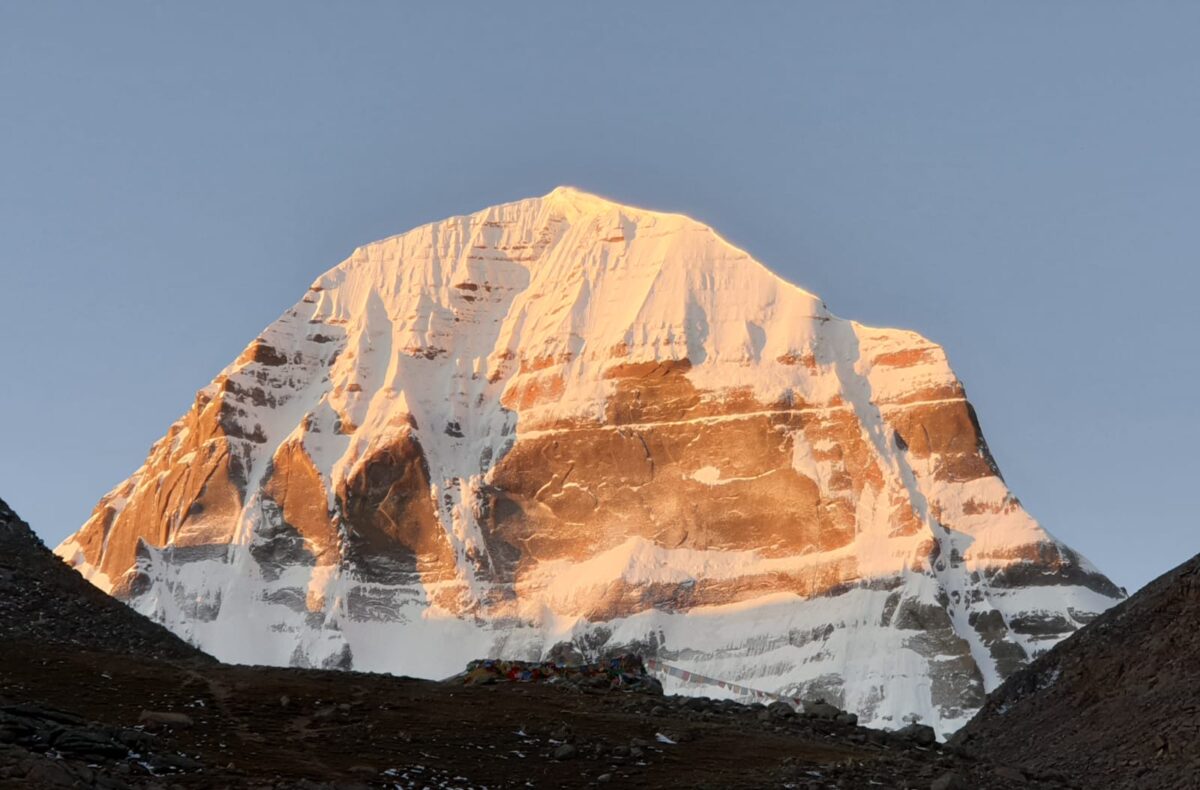
Bhutan isn’t a country you trek through quickly, and that’s exactly the point. The trails here are quieter than almost anywhere else in the Himalayas, the scenery swings from pine forest to high alpine lakes within a single day’s walk, and the whole trekking system is set up to protect that experience rather than crowd it. If you’re trying to figure out which Bhutan trek actually fits you, this guide walks through the three routes almost everyone asks about: the Druk Path, the Jomolhari Trek, and the legendary Snowman Trek.
Quick Comparison
| Druk Path Trek | Jomolhari Trek | Snowman Trek | |
|---|---|---|---|
| Duration | 5 to 6 days | 7 to 9 days | 25 to 30 days |
| Distance | Around 45 to 55 km | Around 80 to 90 km | Around 300 to 350 km |
| Max altitude | About 4,200m | About 4,900m (Nyile La) | Over 5,300m |
| Difficulty | Moderate, good for beginners | Challenging to strenuous | Extremely difficult |
| Best for | First Himalayan trek, time-limited travelers | Fit trekkers wanting a proper high-altitude experience | Experienced, highly fit trekkers with a month to spare |
| Best season | March to June, September to November | April to June, September to November | September to October |
If you’ve only got five or six days and you want a genuine taste of Himalayan trekking without pushing your body to its limit, the Druk Path is probably the trek people mean when they say “Bhutan trekking” for the first time. It runs between Paro and Thimphu, following an old trade route that connected the two valleys long before roads existed.
Druk Path Trek: The Accessible Classic
What makes it special isn’t drama, it’s variety packed into a short window. You walk through blue pine forest, climb past a string of glacial lakes (Jimilang Tsho and Janetsho are the two most photographed), and get your first real taste of thin mountain air without ever going above about 4,200 meters. Most nights are spent camping beside those lakes, which is reason enough on its own to do this trek.
Who it suits: reasonably fit travelers who hike or walk regularly but aren’t necessarily seasoned mountaineers. You don’t need previous high-altitude experience, though a bit of pre-trip cardio training makes the days noticeably more enjoyable.
Jomolhari Trek: Bhutan’s Signature High-Altitude Route
If the Druk Path is the gentle introduction, the Jomolhari Trek is where things start to feel like a real Himalayan expedition. Named after the sacred 7,326m peak it circles beneath, this is widely considered the best all-rounder among Bhutan’s multi-day treks: long enough to feel like a proper journey, hard enough to earn the views, but still realistic for a fit, motivated trekker without technical climbing experience.
The route typically starts near Drugyel Dzong and follows the Paro Chhu river upstream before climbing to Jangothang, a high meadow that sits almost directly beneath Jomolhari’s north face and doubles as a yak herders’ summer camp. From there, the trek crosses two demanding passes, Nyile La and Yeli La, both sitting close to or above 4,900 meters, before descending back toward the valley.
Expect several consecutive days above 4,000 meters, cold nights even in the warmer trekking months, and at least one, ideally two, acclimatization days built into the itinerary. The reward is some of the most dramatic high-mountain scenery in the country, plus a real sense of the semi-nomadic yak-herding life that still continues in these high valleys.
Who it suits: trekkers with decent stamina and, ideally, at least some previous multi-day hiking experience, though fit beginners who train properly beforehand do complete it successfully every season.
And then there’s the Snowman Trek, which isn’t really in the same category as the first two at all. At 25 to 30 days and well over 300 kilometers, crossing eleven passes above 4,500 meters with a high point over 5,300 meters, this is routinely described as one of the toughest trekking routes anywhere in the world. It’s sometimes said, not entirely as a joke, that more people have summited Everest than have finished the Snowman Trek.
The Snowman Trek: One of the Hardest Treks on Earth
The route essentially continues where the Jomolhari trek leaves off, pushing further north and east through Lunana, one of the most remote inhabited regions on the planet, before eventually descending toward Bumthang. You’ll pass beneath some of Bhutan’s highest and most sacred peaks, including views toward Gangkhar Puensum, generally regarded as the tallest unclimbed mountain in the world.
This isn’t a trek to take on as a personal challenge if you’re newer to high-altitude trekking. The combination of sustained altitude, unpredictable weather, long isolated stretches with no way to exit the route quickly, and sheer duration means it’s genuinely only suitable for experienced, very fit trekkers who’ve done serious multi-day treks before, ideally at altitude.
Who it suits: experienced high-altitude trekkers with a month of availability, strong fitness, and realistic expectations. Weather-related cancellations and route adjustments aren’t rare, so flexibility matters as much as fitness.
Permits, Guides, and How Bhutan Trekking Actually Works
Every trek in Bhutan, regardless of length or difficulty, runs through the same basic structure. You can’t simply show up and hike independently. All foreign trekkers (apart from Indian, Bangladeshi, and Maldivian nationals, who have a somewhat different process) book through a licensed Bhutanese tour operator, who arranges your trekking permit, your guide, your camping crew, and the required Sustainable Development Fee.
This isn’t a bureaucratic hurdle so much as how Bhutan has chosen to manage tourism on these trails, keeping them uncrowded and reducing environmental impact. In practice, it means your trek comes with a full support team: a guide, often a cook, and pack animals (horses or yaks depending on the route) to carry tents, food, and gear, so you’re generally hiking with a daypack rather than full expedition weight.
Best Time to Trek in Bhutan
For the Druk Path and Jomolhari, the two main windows are spring (roughly March through June) and autumn (September through November). Spring brings rhododendron blooms at lower elevations, while autumn generally offers the clearest mountain views and most stable weather.
The Snowman Trek is more weather-sensitive given its extreme length and altitude, and is typically only attempted in a narrower window, usually September into October, when the monsoon has cleared but winter snow hasn’t yet closed the high passes.
What to Pack for Bhutan Trekking
- Layered clothing, since temperatures swing dramatically between daytime sun and night-time cold at altitude
- A good four-season sleeping bag, particularly for Jomolhari and the Snowman Trek
- Broken-in, sturdy trekking boots, not new ones
- Trekking poles, genuinely useful on the steep descents from high passes
- A warm hat, gloves, and sun protection, since UV exposure at altitude is intense even in cold weather
- A personal first-aid kit and any regular medication, discussed with your doctor beforehand
How to Choose the Right Trek for You
If you’ve got less than a week and want a real Himalayan trekking experience without major altitude risk, the Druk Path is the obvious starting point. If you’ve got a bit more time, solid fitness, and want the kind of high-mountain scenery and immersive experience that makes people fall in love with trekking in the first place, Jomolhari is very hard to beat. And if you’re an experienced, highly fit trekker chasing one of the genuine bucket-list routes left in the world, with the time and flexibility a trek like this demands, the Snowman Trek is waiting, though it’s worth being honest with yourself about whether this is really your first Bhutan trek or one for further down the road.
Frequently Asked Questions
Which Bhutan trek is best for beginners? The Druk Path. It’s shorter, stays at a lower maximum altitude than the other major routes, and is specifically designed to work well for travelers who are reasonably fit but new to multi-day Himalayan trekking.
How hard is the Jomolhari Trek compared to the Druk Path? Noticeably harder. Jomolhari runs longer, reaches higher passes, and holds you at altitude for more consecutive days, while the Druk Path is shorter and stays a few hundred meters lower throughout.
Is the Snowman Trek really one of the hardest treks in the world? Yes, by most accounts. The combination of duration (25 to 30 days), multiple passes above 4,500 meters, remote terrain with limited exit options, and unpredictable high-altitude weather puts it in a different category from almost any other trek.
Do I need a guide to trek in Bhutan? Yes. All foreign trekkers must book through a licensed Bhutanese operator, who provides a guide and the full support crew required for trekking permits.
What’s the best season to trek in Bhutan? Spring (March to June) and autumn (September to November) for the Druk Path and Jomolhari. The Snowman Trek is generally limited to a narrower autumn window, typically September into October.
Can beginners attempt the Jomolhari Trek? Fit beginners with no major health concerns do complete it, especially with proper pre-trip training and a well-paced itinerary with acclimatization days built in. It’s more demanding than the Druk Path, so it’s worth training seriously beforehand rather than assuming general fitness is enough.
How much does trekking in Bhutan typically cost? Costs vary by trek length and group size, since permits, guide fees, and the nightly Sustainable Development Fee all factor in. Shorter treks like the Druk Path are considerably less expensive than extended routes like Jomolhari, with the Snowman Trek costing the most given its length and logistics.
Can I combine a trek with a cultural tour of Bhutan? Yes, and most itineraries do exactly this, pairing a trek with time in Paro, Thimphu, and Punakha to balance the physical trekking days with Bhutan’s cultural and historic sites.
Planning a Bhutan Trek?
Picking the right trek comes down to your fitness, your timeline, and honestly, what kind of experience you’re after, not just which trail sounds most impressive. Send us an inquiry with your travel dates, trekking experience, and how many days you have, and we’ll help you figure out whether the Druk Path, Jomolhari, the Snowman Trek, or something in between is the right fit for your trip.