Bhutan Trekking Guide: Druk Path, Jomolhari, and the Snowman Trek

Bhutan isn’t a country you trek through quickly, and that’s exactly the point. The trails here are quieter than almost anywhere else in the Himalayas, the scenery swings from pine forest to high alpine lakes within a single day’s walk, and the whole trekking system is set up to protect that experience rather than crowd it. If you’re trying to figure out which Bhutan trek actually fits you, this guide walks through the three routes almost everyone asks about: the Druk Path, the Jomolhari Trek, and the legendary Snowman Trek.

Quick Comparison

Druk Path TrekJomolhari TrekSnowman Trek
Duration5 to 6 days7 to 9 days25 to 30 days
DistanceAround 45 to 55 kmAround 80 to 90 kmAround 300 to 350 km
Max altitudeAbout 4,200mAbout 4,900m (Nyile La)Over 5,300m
DifficultyModerate, good for beginnersChallenging to strenuousExtremely difficult
Best forFirst Himalayan trek, time-limited travelersFit trekkers wanting a proper high-altitude experienceExperienced, highly fit trekkers with a month to spare
Best seasonMarch to June, September to NovemberApril to June, September to NovemberSeptember to October

If you’ve only got five or six days and you want a genuine taste of Himalayan trekking without pushing your body to its limit, the Druk Path is probably the trek people mean when they say “Bhutan trekking” for the first time. It runs between Paro and Thimphu, following an old trade route that connected the two valleys long before roads existed.

Druk Path Trek: The Accessible Classic

What makes it special isn’t drama, it’s variety packed into a short window. You walk through blue pine forest, climb past a string of glacial lakes (Jimilang Tsho and Janetsho are the two most photographed), and get your first real taste of thin mountain air without ever going above about 4,200 meters. Most nights are spent camping beside those lakes, which is reason enough on its own to do this trek.

Who it suits: reasonably fit travelers who hike or walk regularly but aren’t necessarily seasoned mountaineers. You don’t need previous high-altitude experience, though a bit of pre-trip cardio training makes the days noticeably more enjoyable.

Jomolhari Trek: Bhutan’s Signature High-Altitude Route

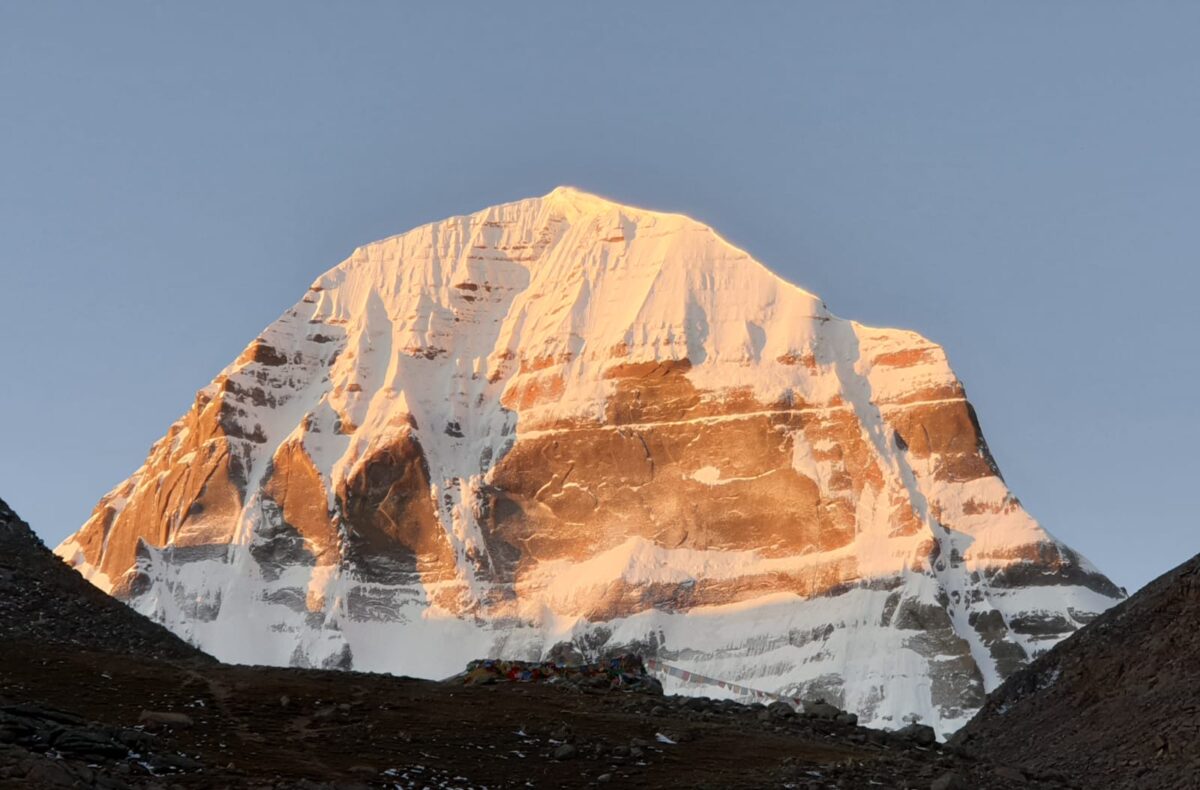
If the Druk Path is the gentle introduction, the Jomolhari Trek is where things start to feel like a real Himalayan expedition. Named after the sacred 7,326m peak it circles beneath, this is widely considered the best all-rounder among Bhutan’s multi-day treks: long enough to feel like a proper journey, hard enough to earn the views, but still realistic for a fit, motivated trekker without technical climbing experience.

The route typically starts near Drugyel Dzong and follows the Paro Chhu river upstream before climbing to Jangothang, a high meadow that sits almost directly beneath Jomolhari’s north face and doubles as a yak herders’ summer camp. From there, the trek crosses two demanding passes, Nyile La and Yeli La, both sitting close to or above 4,900 meters, before descending back toward the valley.

Expect several consecutive days above 4,000 meters, cold nights even in the warmer trekking months, and at least one, ideally two, acclimatization days built into the itinerary. The reward is some of the most dramatic high-mountain scenery in the country, plus a real sense of the semi-nomadic yak-herding life that still continues in these high valleys.

Who it suits: trekkers with decent stamina and, ideally, at least some previous multi-day hiking experience, though fit beginners who train properly beforehand do complete it successfully every season.

And then there’s the Snowman Trek, which isn’t really in the same category as the first two at all. At 25 to 30 days and well over 300 kilometers, crossing eleven passes above 4,500 meters with a high point over 5,300 meters, this is routinely described as one of the toughest trekking routes anywhere in the world. It’s sometimes said, not entirely as a joke, that more people have summited Everest than have finished the Snowman Trek.

The Snowman Trek: One of the Hardest Treks on Earth

The route essentially continues where the Jomolhari trek leaves off, pushing further north and east through Lunana, one of the most remote inhabited regions on the planet, before eventually descending toward Bumthang. You’ll pass beneath some of Bhutan’s highest and most sacred peaks, including views toward Gangkhar Puensum, generally regarded as the tallest unclimbed mountain in the world.

This isn’t a trek to take on as a personal challenge if you’re newer to high-altitude trekking. The combination of sustained altitude, unpredictable weather, long isolated stretches with no way to exit the route quickly, and sheer duration means it’s genuinely only suitable for experienced, very fit trekkers who’ve done serious multi-day treks before, ideally at altitude.

Who it suits: experienced high-altitude trekkers with a month of availability, strong fitness, and realistic expectations. Weather-related cancellations and route adjustments aren’t rare, so flexibility matters as much as fitness.

Permits, Guides, and How Bhutan Trekking Actually Works

Every trek in Bhutan, regardless of length or difficulty, runs through the same basic structure. You can’t simply show up and hike independently. All foreign trekkers (apart from Indian, Bangladeshi, and Maldivian nationals, who have a somewhat different process) book through a licensed Bhutanese tour operator, who arranges your trekking permit, your guide, your camping crew, and the required Sustainable Development Fee.

This isn’t a bureaucratic hurdle so much as how Bhutan has chosen to manage tourism on these trails, keeping them uncrowded and reducing environmental impact. In practice, it means your trek comes with a full support team: a guide, often a cook, and pack animals (horses or yaks depending on the route) to carry tents, food, and gear, so you’re generally hiking with a daypack rather than full expedition weight.

Best Time to Trek in Bhutan

For the Druk Path and Jomolhari, the two main windows are spring (roughly March through June) and autumn (September through November). Spring brings rhododendron blooms at lower elevations, while autumn generally offers the clearest mountain views and most stable weather.

The Snowman Trek is more weather-sensitive given its extreme length and altitude, and is typically only attempted in a narrower window, usually September into October, when the monsoon has cleared but winter snow hasn’t yet closed the high passes.

What to Pack for Bhutan Trekking

  • Layered clothing, since temperatures swing dramatically between daytime sun and night-time cold at altitude
  • A good four-season sleeping bag, particularly for Jomolhari and the Snowman Trek
  • Broken-in, sturdy trekking boots, not new ones
  • Trekking poles, genuinely useful on the steep descents from high passes
  • A warm hat, gloves, and sun protection, since UV exposure at altitude is intense even in cold weather
  • A personal first-aid kit and any regular medication, discussed with your doctor beforehand

How to Choose the Right Trek for You

If you’ve got less than a week and want a real Himalayan trekking experience without major altitude risk, the Druk Path is the obvious starting point. If you’ve got a bit more time, solid fitness, and want the kind of high-mountain scenery and immersive experience that makes people fall in love with trekking in the first place, Jomolhari is very hard to beat. And if you’re an experienced, highly fit trekker chasing one of the genuine bucket-list routes left in the world, with the time and flexibility a trek like this demands, the Snowman Trek is waiting, though it’s worth being honest with yourself about whether this is really your first Bhutan trek or one for further down the road.

Frequently Asked Questions

Which Bhutan trek is best for beginners? The Druk Path. It’s shorter, stays at a lower maximum altitude than the other major routes, and is specifically designed to work well for travelers who are reasonably fit but new to multi-day Himalayan trekking.

How hard is the Jomolhari Trek compared to the Druk Path? Noticeably harder. Jomolhari runs longer, reaches higher passes, and holds you at altitude for more consecutive days, while the Druk Path is shorter and stays a few hundred meters lower throughout.

Is the Snowman Trek really one of the hardest treks in the world? Yes, by most accounts. The combination of duration (25 to 30 days), multiple passes above 4,500 meters, remote terrain with limited exit options, and unpredictable high-altitude weather puts it in a different category from almost any other trek.

Do I need a guide to trek in Bhutan? Yes. All foreign trekkers must book through a licensed Bhutanese operator, who provides a guide and the full support crew required for trekking permits.

What’s the best season to trek in Bhutan? Spring (March to June) and autumn (September to November) for the Druk Path and Jomolhari. The Snowman Trek is generally limited to a narrower autumn window, typically September into October.

Can beginners attempt the Jomolhari Trek? Fit beginners with no major health concerns do complete it, especially with proper pre-trip training and a well-paced itinerary with acclimatization days built in. It’s more demanding than the Druk Path, so it’s worth training seriously beforehand rather than assuming general fitness is enough.

How much does trekking in Bhutan typically cost? Costs vary by trek length and group size, since permits, guide fees, and the nightly Sustainable Development Fee all factor in. Shorter treks like the Druk Path are considerably less expensive than extended routes like Jomolhari, with the Snowman Trek costing the most given its length and logistics.

Can I combine a trek with a cultural tour of Bhutan? Yes, and most itineraries do exactly this, pairing a trek with time in Paro, Thimphu, and Punakha to balance the physical trekking days with Bhutan’s cultural and historic sites.

Planning a Bhutan Trek?

Picking the right trek comes down to your fitness, your timeline, and honestly, what kind of experience you’re after, not just which trail sounds most impressive. Send us an inquiry with your travel dates, trekking experience, and how many days you have, and we’ll help you figure out whether the Druk Path, Jomolhari, the Snowman Trek, or something in between is the right fit for your trip.
Best Time to Visit Bhutan in 2026 and 2027: Complete Bhutan Tour & Trekking Guide

Planning a trip to Bhutan in 2026 or 2027?

Then you have probably already discovered two things:

  1. Bhutan looks unbelievably beautiful.
  2. Everybody online gives a different answer about the best time to visit.

Some blogs say spring is perfect. Others say autumn is unbeatable. Then one traveler appears in a forum saying they visited during the monsoon and “it was magical.” Suddenly, you are staring at your screen, wondering whether you should book your Bhutan tour in March, October, December… or just let destiny and flight prices decide.

The good news?

There is no single “bad” time for a Bhutan tour.

The better news?

Different seasons offer completely different experiences — and understanding that difference can help you choose the right Bhutan tour for your travel style, interests, budget, and expectations.

This complete guide covers:

  • Best time for Bhutan tours in 2026 and 2027
  • Best months for trekking in Bhutan
  • Bhutan weather by season
  • Festival seasons
  • Trekking conditions
  • Crowd levels
  • Photography opportunities
  • Budget travel periods
  • Luxury travel seasons
  • Family travel advice
  • Insider tips most travelers only learn after visiting

So grab your tea, coffee, or ambitious “I’m definitely hiking Tiger’s Nest” confidence, and let’s dive in.

First Things First: When Is the Best Time to Visit Bhutan?

If you want the short answer:

Best Overall Seasons

  • Spring (March–May)
  • Autumn (September–November)

These are considered the peak seasons for Bhutan tours because they offer:

  • Clear mountain views
  • Pleasant temperatures
  • Festival celebrations
  • Excellent trekking conditions
  • Beautiful landscapes

But that does not mean other seasons are bad.

In fact:

  • Summer offers lush green valleys and fewer tourists.
  • Winter offers peaceful monasteries and snow-covered Himalayan views.

The “best” season depends entirely on what type of Bhutan experience you want.

Bhutan Weather Explained Simply

One important thing travelers often misunderstand:

Bhutan’s weather changes dramatically based on altitude.

You can experience:

  • Warm valleys
  • Cold mountain passes
  • Sunny mornings
  • Sudden rain
  • Snow in higher regions

…sometimes within the same trip.

That is part of Bhutan’s charm.

And occasionally, part of why travelers end up wearing three layers while eating spicy chili cheese at lunch.

Bhutan in Spring (March to May)

Why Spring Is One of the Best Times for Bhutan Tours

Spring is arguably the most popular season for Bhutan tours in 2026 and Bhutan tour 2027 bookings.

Why?

Because Bhutan looks spectacular.

Forests bloom with rhododendrons, valleys turn green, skies are often clear, and temperatures become comfortable for sightseeing and trekking.

This is the season when Bhutan feels alive.

Best For:

  • First-time travelers
  • Photography
  • Cultural tours
  • Trekking in Bhutan
  • Families
  • Luxury Bhutan tours

Weather

  • Pleasant daytime temperatures
  • Cool evenings
  • Clear mountain visibility

Trekking Conditions

Spring is one of the best seasons for trekking in Bhutan.

Popular routes like:

  • Druk Path Trek
  • Jomolhari Trek
  • Dagala Thousand Lakes Trek

…become especially beautiful during this period.

Trekking in Bhutan

Bhutan in Summer / Monsoon (June to August)

Now here comes the misunderstood season.

Many travelers avoid Bhutan during the summer because of monsoon rains.

But here is what most articles forget to mention:

Bhutan during the monsoon can be stunning.

The valleys become intensely green, clouds drift dramatically across mountains, rivers swell beautifully, and tourist crowds become much smaller.

If you enjoy moody mountain landscapes and peaceful travel experiences, summer can actually be incredibly rewarding.

Best For:

  • Budget-conscious travelers
  • Fewer crowds
  • Green landscapes
  • Photography
  • Peaceful experiences

Challenges

  • Rainfall
  • Occasional landslides
  • Cloud-covered mountain views
  • Trekking trail mud

Trekking in Bhutan During Monsoon

Some high-altitude treks become more difficult due to rain and slippery trails.

However, shorter cultural hikes and lower-altitude routes remain possible.

Travelers planning trekking in Bhutan during summer should pack:

  • Waterproof jackets
  • Good hiking boots
  • Rain covers
  • Patience with mountain weather

Because Himalayan weather surprises people.

Bhutan in Autumn (September to November)

If spring is Bhutan’s colorful season, autumn is Bhutan’s postcard season.

This is the period most travelers imagine when they picture Bhutan:

  • Crystal-clear Himalayan skies
  • Golden forests
  • Cool mountain air
  • Prayer flags fluttering dramatically in the wind

Autumn is considered the peak trekking and photography season.

Best For:

  • Bhutan trekking tours
  • Himalayan views
  • Festivals
  • Adventure travel
  • Cultural experiences
  • Luxury travel

Why Travelers Love Autumn

Mountain visibility is often at its best.

This is when trekkers and photographers get those legendary Himalayan panoramas.

Trekking in Bhutan During Autumn

Autumn is one of the best seasons for:

  • Jomolhari Trek
  • Snowman Trek
  • Druk Path Trek
  • High-altitude trekking

Trail conditions are generally stable and dry.

Bhutan Tours

Bhutan in Winter (December to February)

Winter in Bhutan is seriously underrated.

Yes, temperatures drop.

Yes, mornings can feel cold.

But winter also offers something many travelers secretly want:

  • Quiet monasteries
  • Smaller crowds
  • Peaceful valleys
  • Snow-covered mountain scenery
  • Lower tourist pressure

And honestly?

Tiger’s Nest feels even more magical when cold mountain air and prayer flags surround the cliffs.

Best For:

  • Peaceful travel
  • Cultural immersion
  • Photography
  • Budget travelers
  • Snow lovers

Winter Trekking in Bhutan

Some high-altitude trekking routes may close due to snow.

However, cultural tours remain excellent.

Lower-altitude trekking routes may still operate depending on conditions.

Best Time for Trekking in Bhutan

If trekking is your main goal, timing matters a lot.

Best Trekking Seasons

Spring (March–May)

and

Autumn (September–November)

These seasons provide:

  • Better mountain visibility
  • Stable weather
  • Comfortable trekking temperatures
  • Safer trail conditions

Best Bhutan Treks for 2026 and 2027

Druk Path Trek

Perfect for:

  • First-time trekkers
  • Moderate trekking
  • Beautiful lakes and forests

Jomolhari Trek

Perfect for:

  • Serious trekkers
  • Mountain lovers
  • Himalayan scenery

Snowman Trek

One of the hardest treks in the world.

Perfect for:

  • Experienced trekkers
  • Adventure seekers
  • People who hear “extreme altitude” and somehow become more excited

Best Time for Bhutan Festivals

Bhutan’s festivals are one of the biggest highlights of any Bhutan tour.

These festivals feature:

  • Mask dances
  • Buddhist ceremonies
  • Traditional music
  • Local celebrations
  • Colorful costumes

Popular Festival Seasons

Most major festivals happen during:

  • Spring
  • Autumn

The famous Paro Tshechu attracts visitors from around the world.

Festival season also means:

  • Higher demand
  • Earlier bookings
  • More crowded hotels

So travelers planning Bhutan tours in 2026 or Bhutan tour 2027 during festival periods should book early.

Cheapest Time to Visit Bhutan

Generally:

  • Summer/monsoon
  • Winter

…offer lower pricing and fewer tourists.

Travelers looking for budget-friendly Bhutan tours may find:

  • Better hotel availability
  • Lower package prices
  • Smaller group tours

during these seasons.

Best Time for Luxury Bhutan Tours

Luxury travelers usually prefer:

  • Spring
  • Autumn

This is when luxury lodges showcase:

  • Clear Himalayan views
  • Outdoor dining
  • Wellness retreats
  • Scenic experiences

Bhutan’s luxury travel scene has grown rapidly in recent years.

Many travelers now combine:

  • Wellness
  • Meditation
  • Cultural immersion
  • Trekking
  • Luxury mountain stays

into one journey.

Bhutan Tour 2027: Why Early Booking Matters

Interest in Bhutan tours continues to grow globally.

For Bhutan tours in 2026 and Bhutan tour 2027 departures, early planning is highly recommended because:

  • Flights can fill quickly
  • Festival seasons sell out
  • Luxury lodges have limited rooms
  • Trek permits may have limited availability

This is especially important for:

  • Group tours
  • Trekking expeditions
  • Festival tours
  • Luxury packages

Common Mistakes Travelers Make When Planning Bhutan Tours

Mistake #1: Thinking Bhutan Has One Perfect Season

Every season offers something unique.

Mistake #2: Underestimating Altitude

Even moderate hikes can feel challenging at elevation.

Mistake #3: Packing for One Weather Type

Bhutan weather changes fast.

Layers are your best friend.

Mistake #4: Booking Too Late

Especially for spring and autumn.

So… What Is the Absolute Best Time to Visit Bhutan?

If you want:

  • The best trekking
  • Clear Himalayan views
  • Comfortable weather
  • Festivals
  • Photography opportunities

Choose:

Spring or Autumn

If you want:

  • Lower prices
  • Fewer tourists
  • Peaceful travel

Choose:

Summer or Winter

There is no wrong answer.

Bhutan simply changes personality with each season.

And honestly, that is one reason travelers fall in love with it.

Bhutan in 2026 and 2027

A Bhutan tour is not just about sightseeing.

It is about slowing down.

It is about mountain silence, monastery chants, prayer flags, forest trails, spicy food, smiling locals, and landscapes that somehow make you put your phone away for a while.

Whether you visit in spring flowers, autumn skies, summer greenery, or winter snow, Bhutan offers something increasingly rare in modern travel:

A feeling of peace.

And for many travelers planning Bhutan tours in 2026 or Bhutan tour 2027, that may end up becoming the most valuable part of the journey.

How Expensive Is Bhutan? Complete Bhutan Tour Cost Guide for Travelers

For years, Bhutan has carried a mysterious reputation.

People imagine dramatic Himalayan monasteries, peaceful valleys, monks chanting in ancient temples, and breathtaking mountain treks. But alongside that beauty comes another common question travelers constantly search online:

“How expensive is Bhutan?”

Some people believe Bhutan is only for luxury travelers or celebrities. Others assume a Bhutan tour costs thousands upon thousands of dollars.

The truth lies somewhere in between.

Yes, Bhutan is more expensive than destinations like Nepal, India, Thailand, or Vietnam. But once travelers understand why Bhutan costs more — and what is included — many realize the experience offers exceptional value.

This detailed guide explains everything travelers need to know about Bhutan tour costs, trekking expenses, visas, permits, accommodation, food, transportation, and how to budget properly before visiting Bhutan.

Whether you are planning a cultural Bhutan tour, a luxury holiday, or adventurous Bhutan treks, this article will help you understand the real costs before booking.

Why Is Bhutan More Expensive Than Other Asian Destinations?

Bhutan follows a unique tourism model called:

“High Value, Low Volume Tourism”

Instead of mass tourism, Bhutan carefully controls visitor numbers to protect:

  • Culture
  • Environment
  • Religion
  • Traditions
  • Natural landscapes

This means Bhutan focuses on quality tourism rather than cheap backpacking tourism.

Unlike some destinations overwhelmed by crowds, Bhutan remains peaceful, clean, and culturally authentic.

For travelers, this often translates into:

  • Better organization
  • Safer travel experiences
  • Less overcrowding
  • Higher quality services
  • More sustainable tourism

So while Bhutan may initially look expensive, many costs contribute directly toward preserving the country itself.

What Is Included in a Bhutan Tour Cost?

One reason Bhutan appears expensive is that many travel costs are bundled together.

A Bhutan tour package often includes:

  • Accommodation
  • Licensed guide
  • Private transportation
  • Driver
  • Visa arrangement
  • Government fees
  • Sustainable Development Fee (SDF)
  • Some meals
  • Sightseeing
  • Trek permits (for trekking tours)

In many countries, travelers pay these expenses separately.

In Bhutan, much of it is organized in advance.

The Sustainable Development Fee (SDF)

The Sustainable Development Fee is one of the biggest reasons Bhutan tours cost more than those in neighboring countries.

The SDF helps Bhutan invest in:

  • Environmental conservation
  • Healthcare
  • Education
  • Infrastructure
  • Cultural preservation

Travelers are essentially contributing to maintaining Bhutan’s unique identity and natural beauty.

Many visitors later say they appreciate this system because Bhutan feels cleaner, calmer, and less commercialized than heavily crowded destinations.

Average Bhutan Tour Costs

The total cost depends heavily on:

  • Travel season
  • Group size
  • Luxury level
  • Trekking vs cultural tours
  • Duration
  • Flight costs

Here is a rough breakdown.

Budget Bhutan Tour

Approximate daily range:

  • Shared group tour
  • Basic hotels
  • Standard transportation

Best for:

  • Budget-conscious travelers
  • Small group travelers
  • Cultural sightseeing

Mid-Range Bhutan Tour

Approximate daily range:

  • Comfortable hotels
  • Private vehicle
  • Better dining
  • Flexible itineraries

Best for:

  • Couples
  • Families
  • First-time Bhutan visitors

Luxury Bhutan Tour

Approximate daily range:

  • Luxury resorts
  • Premium experiences
  • High-end lodges
  • Wellness retreats
  • Private customized travel

Best for:

  • Honeymoon travelers
  • Luxury seekers
  • Exclusive experiences

Bhutan now hosts some of the most spectacular luxury lodges in the Himalayas.

Bhutan Tour

How Much Does a Bhutan Trek Cost?

For adventure travelers, Bhutan treks are among the most rewarding experiences in the Himalayas.

Popular Bhutan treks include:

  • Druk Path Trek
  • Jomolhari Trek
  • Dagala Thousand Lakes Trek
  • Snowman Trek

Trekking costs are usually higher than regular cultural tours because trekking requires:

  • Trek permits
  • Horses or yaks
  • Camping equipment
  • Trek staff
  • Trek cooks
  • Guides
  • Food transportation
  • Remote logistics

Unlike trekking in Nepal, where independent trekking is more common, Bhutan trekking packages are usually fully organized.

Bhutan Treks vs Trekking in Nepal

Travelers often compare Bhutan treks with trekking in Nepal.

Both offer incredible Himalayan experiences, but they are very different.

Trekking in Nepal

Best for:

  • Budget trekking
  • Independent trekking
  • Tea house trekking
  • Large trekking variety
  • Backpacking travelers

Popular Nepal treks:

  • Everest Base Camp
  • Annapurna Circuit
  • Langtang Trek

Bhutan Treks

Best for:

  • Peaceful trails
  • Cultural immersion
  • Fewer tourists
  • Exclusive trekking experiences
  • Spiritual atmosphere

One major difference:
On many Bhutan treks, you may walk for hours without seeing another trekking group.

For travelers seeking solitude and untouched landscapes, Bhutan trekking packages can feel incredibly special.

Are Flights to Bhutan Expensive?

Flights can be one of the highest costs of a Bhutan tour.

The main international gateway is Paro, home to one of the world’s most dramatic mountain airports.

Direct flights operate from:

  • Kathmandu
  • Delhi
  • Bangkok
  • Singapore
  • Dhaka

Because Bhutan has limited airlines and flight routes, ticket prices are often higher than in other Asian destinations.

However, the mountain flight into Paro is considered one of the most scenic flights in the world.

For many travelers, the landing itself becomes a highlight of the journey.

Accommodation Costs in Bhutan

Bhutan offers a surprisingly wide range of accommodations.

Budget Hotels

Simple, clean, comfortable.

Mid-Range Hotels

Most travelers choose this category.

Expect:

  • Comfortable rooms
  • Traditional Bhutanese architecture
  • Good hospitality
  • Scenic locations

Luxury Resorts

Bhutan has become famous for luxury wellness tourism.

Some resorts offer:

  • Mountain spa retreats
  • Meditation programs
  • Private villas
  • Himalayan views
  • Luxury wellness experiences

Even standard hotels in Bhutan often feel more peaceful and authentic than chain hotels elsewhere.

Is Food Expensive in Bhutan?

Food prices depend on the type of travel package.

Traditional Bhutanese meals are generally affordable locally.

Popular dishes include:

  • Ema Datshi
  • Momos
  • Red rice
  • Yak meat dishes
  • Noodle soups

Luxury hotels and imported foods can be more expensive due to Bhutan’s remote geography.

Travelers sensitive to spicy food should be cautious because Bhutanese cuisine can be seriously spicy.

Not “tourist spicy.”

Actual Himalayan warrior spicy.

Can You Visit Bhutan Cheaply?

Compared to Nepal or Southeast Asia, Bhutan is not considered a cheap destination.

However, travelers can reduce costs by:

  • Joining group tours
  • Traveling during shoulder season
  • Choosing shorter itineraries
  • Selecting standard hotels
  • Booking shared transportation

Group joining Bhutan tours is particularly popular because they help reduce:

  • Guide costs
  • Vehicle costs
  • Permit arrangements

For many travelers, group tours provide the best balance between affordability and convenience.

Is Bhutan Worth the Cost?

This is the most important question.

For travelers looking for:

  • Cheap nightlife
  • Party scenes
  • Shopping malls
  • Backpacker hostels

Bhutan may feel expensive.

But for travelers seeking:

  • Culture
  • Peace
  • Nature
  • Spirituality
  • Himalayan scenery
  • Meaningful travel

Bhutan often feels priceless.

Many visitors say Bhutan changes their perspective on travel itself.

Instead of rushing between crowded tourist attractions, Bhutan encourages travelers to slow down and experience places more deeply.

Hidden Costs Travelers Should Know

Even with organized tours, travelers should still budget for:

  • International flights
  • Travel insurance
  • Personal shopping
  • Tips
  • Snacks and drinks
  • Laundry
  • Premium hotels
  • Alcoholic beverages

Trekking travelers may also need:

  • Trekking gear
  • Sleeping bags
  • Trekking boots
  • Cold-weather clothing

Is Bhutan More Expensive Than Tibet?

Both Bhutan and China require organized tourism systems.

However:

  • Bhutan focuses more on sustainable tourism
  • Tibet often involves permit logistics and transport complexity
  • Bhutan generally offers a more peaceful and greener environment
  • Tibet offers larger landscapes and extremely high-altitude experiences

Cost differences depend heavily on the itinerary and season.

How Many Days Should You Spend in Bhutan?

The longer the trip, the higher the overall cost.

However, shorter trips may feel rushed.

Recommended Duration

  • 4–5 days: Bhutan highlights
  • 6–8 days: Comfortable cultural Bhutan tour
  • 10–15 days: Trekking and deeper exploration

Travelers doing Bhutan treks often stay longer to properly acclimatize and enjoy remote regions.

Is Bhutan Safe for Travelers?

Yes — Bhutan is considered one of the safest destinations in Asia.

The country is peaceful, tourism is regulated, and locals are generally respectful and welcoming.

This safety factor is another reason many travelers feel Bhutan tours justify the higher costs.

What Type of Traveler Will Love Bhutan Most?

Bhutan is ideal for travelers who enjoy:

  • Slow travel
  • Himalayan landscapes
  • Spiritual culture
  • Trekking
  • Photography
  • Nature
  • Meditation retreats
  • Authentic experiences

Bhutan may not suit travelers looking for:

  • Ultra-budget backpacking
  • Fast-paced city nightlife
  • Cheap shopping holidays

Final Thoughts: Is Bhutan Too Expensive?

Bhutan is expensive compared to many Asian destinations.

But “expensive” and “overpriced” are not the same thing.

A Bhutan tour offers something increasingly rare in modern travel:

  • Peace
  • Authenticity
  • Cultural preservation
  • Environmental protection
  • Less crowded experiences
  • Meaningful travel

For many travelers, Bhutan feels less like a vacation and more like a life experience.

Yes, you may spend more money than you would in Nepal or Thailand.

But you may also return home with experiences that stay with you for decades.

And honestly, that is hard to put a price on.

Frequently Asked Questions About Bhutan Tour Costs

Is Bhutan expensive for tourists?

Yes, Bhutan is generally more expensive than neighboring Asian countries due to government tourism policies and Sustainable Development Fees.

Are Bhutan trekking packages expensive?

Bhutan trekking packages cost more because they include guides, permits, camping logistics, transport, and trekking staff.

Is trekking in Nepal cheaper than in Bhutan?

Yes. Trekking in Nepal is usually significantly cheaper and allows more independent trekking options.

Can budget travelers visit Bhutan?

Yes, especially through group joining Bhutan tours and shorter itineraries.

Are Bhutan luxury tours worth it?

Many travelers consider Bhutan one of the best luxury travel destinations in the Himalayas.

What is the cheapest way to visit Bhutan?

Joining a group Bhutan tour during the shoulder season is usually the most affordable option.

Is Bhutan worth visiting despite the cost?

For travelers interested in culture, mountains, spirituality, and authentic travel experiences, most visitors say yes — absolutely.