Things Nobody Tells You Before Visiting Bhutan: The Honest Bhutan Tour Guide Every Traveler Needs

Planning a Bhutan Tour? Here are the surprising things most travel guides forget to mention.

If you’re researching a Bhutan Tour, you’ve probably already seen the stunning photos: cliffside monasteries, colorful prayer flags, peaceful valleys, and smiling locals dressed in traditional attire.

And yes, Bhutan really is that beautiful.

But there are also plenty of things nobody tells you before visiting Bhutan.

The truth is, Bhutan is unlike almost every other destination in Asia. It doesn’t feel like Nepal, India, Thailand, or Vietnam. The country has its own pace, rules, culture, and way of doing things.

So before you book your Bhutan Tour, let’s have an honest conversation about what travelers wish they had known beforehand.

1. Bhutan Is More Expensive Than Most People Expect

One of the biggest surprises for first-time visitors is the cost.

Many travelers compare Bhutan with neighboring countries and assume it will be similarly priced. Then they start planning and realize Bhutan operates differently.

Foreign visitors are required to pay the Sustainable Development Fee (SDF), and most travelers book through licensed Bhutan tour operators who arrange transportation, accommodation, guides, and permits.

At first glance, a Bhutan Tour may seem expensive.

However, many travelers later discover that much of their trip is already included. Unlike some destinations where every activity becomes an additional expense, Bhutan packages often cover transportation, guide services, hotels, and sightseeing.

Think of it as a more organized travel experience rather than a budget backpacking destination.

2. You Can’t Just Wander Around the Country on Your Own

Many travelers arrive expecting complete freedom to travel independently.

Bhutan has become more accessible in recent years, but it remains one of the world’s most carefully managed tourism destinations.

Most visitors travel with pre-arranged itineraries, guides, and transportation.

Surprisingly, many travelers end up loving this.

Instead of worrying about directions, permits, transportation, and logistics, they focus on enjoying the experience.

Your guide often becomes one of the highlights of the entire Bhutan Tour.

3. The Altitude Can Catch You Off Guard

Bhutan isn’t just valleys and monasteries.

Many popular destinations sit at relatively high elevations.

Places such as Thimphu, Paro, Dochula Pass, and especially trekking regions can affect travelers who are not accustomed to altitude.

You don’t need to panic, but you should:

  • Drink plenty of water
  • Avoid rushing on your first day
  • Get proper rest
  • Limit alcohol initially

Many visitors only realize they’re affected when climbing stairs suddenly feels harder than expected.

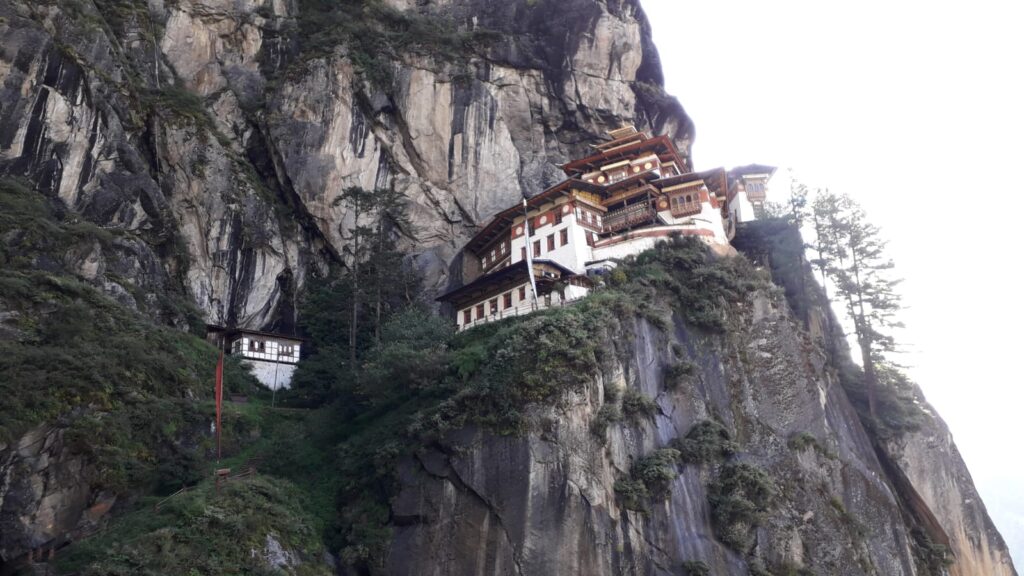
4. Tiger’s Nest Is Harder Than It Looks

You’ve seen the famous photos.

The monastery appears to be hanging from a cliff.

It looks magical.

What the photos don’t show is the uphill hike required to reach it.

The hike to Tiger’s Nest Monastery (Paro Taktsang) can take several hours depending on your fitness level.

Many travelers assume it’s a casual walk.

It isn’t.

The good news?

Almost everyone says it’s worth every step.

The views, atmosphere, and sense of achievement make it one of the most memorable experiences of any Bhutan Tour.

5. Bhutan Is Surprisingly Modern

Many people imagine Bhutan as a country frozen in time.

Then they arrive and see:

  • Modern cafes
  • Good mobile networks
  • Internet access
  • Contemporary hotels
  • Young Bhutanese using smartphones

Bhutan has managed to preserve its culture while embracing modern technology.

It’s a fascinating combination of tradition and progress.

6. The Food Is Spicier Than You Think

Here’s a warning many travelers wish someone had given them.

Bhutanese food can be seriously spicy.

The national dish, Ema Datshi, combines chili peppers and cheese.

Notice we said chili peppers.

Not chili seasoning.

Actual peppers.

And lots of them.

If you’re sensitive to spicy food, don’t be shy about asking for milder options.

Most restaurants serving international visitors can adjust the spice level.

7. You’ll Start Slowing Down Without Realizing It

This might sound strange.

But Bhutan changes your pace.

Visitors often arrive with packed schedules, dozens of photos to take, and a long checklist of attractions.

After a few days, something shifts.

You spend more time appreciating mountain views.

You notice prayer flags moving in the wind.

You enjoy conversations instead of rushing to the next stop.

Bhutan isn’t a destination that rewards speed.

It’s a destination that rewards presence.

8. You’ll Hear About Gross National Happiness Everywhere

Most travelers know Bhutan is famous for Gross National Happiness.

What surprises them is how often the philosophy appears in everyday life.

You’ll see it reflected in:

  • Environmental protection
  • Cultural preservation
  • Community values
  • Education priorities
  • Tourism policies

It’s not simply a tourism slogan.

It’s a concept that genuinely influences how the country develops.

9. The Weather Can Change Quickly

Many first-time visitors pack for one season and get caught off guard.

In a single day, you might experience:

  • Bright sunshine
  • Cool mountain winds
  • Rain showers
  • Chilly evenings

Layered clothing is your best friend during a Bhutan Tour.

Even during warmer months, mornings and evenings can be surprisingly cool.

10. Bhutan Is Much Cleaner Than Most Travelers Expect

One thing visitors consistently mention after returning home is how clean Bhutan feels.

Roads, villages, hiking trails, and towns are generally well-maintained.

Environmental conservation is taken seriously throughout the country.

For travelers used to seeing litter in heavily visited tourist destinations, Bhutan’s cleanliness can be genuinely refreshing.

11. You’ll Probably Take Fewer Photos Than Planned

This sounds impossible.

Until it happens.

Many travelers arrive ready to document every moment.

Then they find themselves simply sitting quietly at a monastery, watching clouds move across a valley, or listening to prayer chants.

Some experiences feel better lived than photographed.

Bhutan has a way of creating those moments.

12. The People Are One of Bhutan’s Greatest Attractions

Travel blogs often focus on monasteries, mountains, and landscapes.

But ask travelers what they remember most, and many will mention the people.

Bhutanese hospitality tends to feel genuine rather than commercial.

Whether it’s your guide, hotel staff, local shopkeeper, or a family you meet along the way, the warmth of the people often becomes one of the highlights of the journey.

Is Bhutan Worth Visiting?

Absolutely.

But not because it’s perfect.

Bhutan is worth visiting because it’s different.

It’s a place where cultural traditions still matter, where development is carefully managed, and where tourism focuses on quality rather than quantity.

If you’re looking for nightlife, shopping malls, and endless entertainment, Bhutan may not be the destination for you.

If you’re looking for meaningful experiences, spectacular Himalayan scenery, rich Buddhist culture, and a journey that stays with you long after you return home, a Bhutan Tour can be one of the most rewarding trips you’ll ever take.
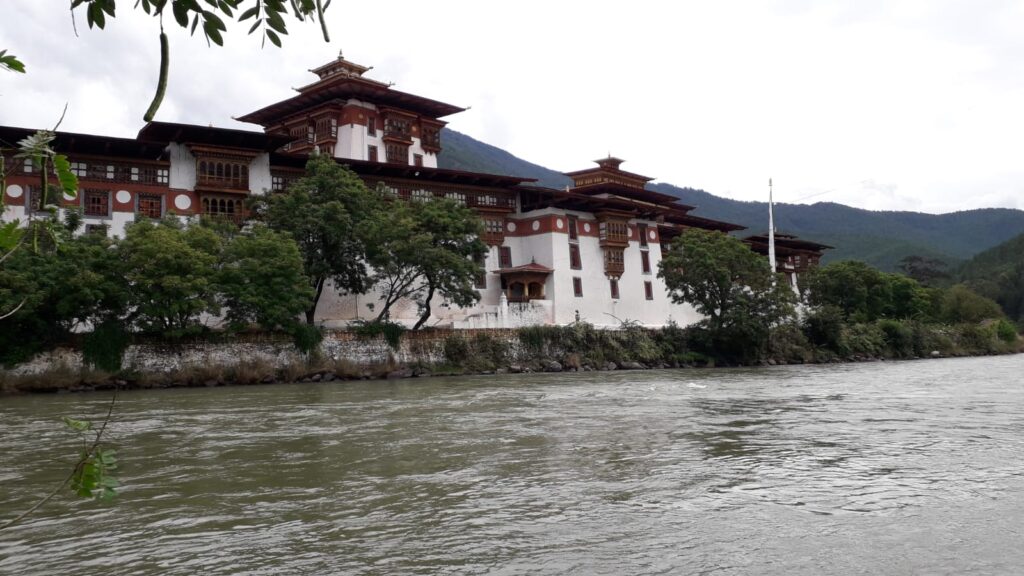
Bhutan Tour

The best Bhutan Tour isn’t about checking attractions off a list.

It’s about experiencing a country that has chosen a different path from much of the modern world.

Come with realistic expectations.

Pack layers.

Prepare for some uphill hiking.

Don’t underestimate the chilies.

And leave a little room in your itinerary—and your mind—for surprises.

Because the things nobody tells you before visiting Bhutan are often the ones you remember most.
Is Bhutan Worth Visiting? Everything Travelers Need to Know Before a Bhutan Tour

If you have ever searched for “Is Bhutan worth visiting?” chances are you have already seen photos of cliffside monasteries, monks in crimson robes, misty Himalayan valleys, and smiling locals wearing traditional dress. It almost looks too peaceful to be real.

But here is the truth: a Bhutan tour is not just another mountain holiday or luxury getaway. Bhutan is one of the few destinations in the world where the journey changes the way people think about travel itself.

For travelers planning a Bhutan tour, the biggest question is not whether Bhutan is beautiful. It absolutely is. The real question is:

Will Bhutan be worth the money, time, permits, and effort?

For most travelers, the answer is yes — and often far more than expected.

This guide explains everything first-time visitors want to know before visiting Bhutan, including costs, culture, attractions, weather, food, safety, internet, visas, trekking, and whether Bhutan is the right destination for you.

Why Bhutan Is Different From Other Destinations

Unlike many countries that focus heavily on mass tourism, Bhutan follows a “High Value, Low Volume” tourism policy.

Instead of attracting millions of tourists, Bhutan limits tourism to protect its culture, environment, traditions, and spiritual heritage. That is why the country still feels authentic rather than overcrowded.

You will not find:

  • Giant neon billboards
  • Endless traffic jams
  • Over-commercialized tourist traps
  • Massive crowds at temples

What you will find:

  • Clean mountain air
  • Ancient monasteries
  • Himalayan landscapes
  • Peaceful villages
  • Strong Buddhist culture
  • Friendly locals
  • A slower pace of life

For travelers tired of crowded destinations, Bhutan feels refreshing.

What Makes a Bhutan Tour So Special?

1. The Culture Feels Authentic

Many destinations preserve culture for tourists.

Bhutan preserves culture because people still genuinely live it.

Traditional dress is worn daily. Monasteries are active spiritual centers. Prayer flags flutter across mountain passes not for decoration, but for blessings.

In cities like Thimphu and Paro, you will see modern cafes beside centuries-old temples. The blend of tradition and modern life feels natural rather than staged.

For many travelers, this authenticity becomes the highlight of the Bhutan tour.

2. Tiger’s Nest Monastery Is Truly Worth the Hype

The iconic Paro Taktsang is one of the most famous monasteries in the Himalayas.

And yes — it really is that spectacular.

Perched dramatically on a cliff around 3,000 feet above the valley floor, Tiger’s Nest is both physically challenging and spiritually rewarding.

The hike usually takes 4–6 hours round trip, depending on pace and weather. Along the way, travelers pass pine forests, prayer wheels, mountain viewpoints, and tea houses.

Reaching the monastery feels less like checking off a tourist attraction and more like completing a personal journey.

Bhutan Tour| Tashi Delek Nepal Treks & Expeditions

Is Bhutan Expensive?

This is one of the most searched questions related to a Bhutan tour.

The short answer: Bhutan is not cheap compared to Southeast Asia, but many travelers feel it offers excellent value.

Why Bhutan Costs More

Travelers visiting Bhutan usually pay:

  • Sustainable Development Fee (SDF)
  • Visa fees
  • Guide costs
  • Transportation
  • Accommodation
  • Tour arrangements

Bhutan intentionally avoids budget mass tourism.

However, unlike many countries where you constantly spend extra on transport, tickets, guides, and hidden fees, Bhutan tour packages often include most essentials.

For many travelers, the experience feels more organized, cleaner, safer, and less stressful than independent backpacking destinations.

What Is the Best Time for a Bhutan Tour?

Bhutan can be visited throughout the year, but each season offers different experiences.

Spring (March–May)

Best for:

  • Rhododendron blooms
  • Pleasant weather
  • Festivals
  • Clear mountain views

Spring is considered one of the best seasons for a Bhutan tour.

Summer / Monsoon (June–August)

Best for:

  • Green valleys
  • Fewer tourists
  • Photography
  • Budget-friendly travel

Rain can affect visibility, but landscapes become incredibly lush.

Autumn (September–November)

Best for:

  • Clear Himalayan views
  • Trekking
  • Festivals
  • Stable weather

Autumn is the peak season for Bhutan tours.

Winter (December–February)

Best for:

  • Snow-capped mountains
  • Peaceful monasteries
  • Smaller crowds
  • Cultural experiences

Winter nights can be cold, especially in higher regions.

Is Bhutan Safe for Tourists?

Bhutan is widely considered one of the safest countries in Asia for travelers.

Violent crime is rare, locals are respectful, and tourism is carefully regulated.

Solo travelers, couples, families, and even elderly travelers often describe Bhutan as peaceful and stress-free.

That said, travelers should still:

  • Respect local customs
  • Dress modestly at monasteries
  • Follow trekking safety guidelines
  • Prepare for altitude in higher areas

Is Bhutan Good for Families?

Absolutely.

A Bhutan tour works surprisingly well for families because:

  • Roads are scenic rather than chaotic
  • Locals are welcoming to children
  • Cultural experiences are educational
  • Nature activities are family-friendly
  • Hotels are often quiet and comfortable

Families often enjoy:

  • Archery demonstrations
  • Farm stays
  • Traditional Bhutanese meals
  • Monastery visits
  • Scenic drives

Is Bhutan Good for Luxury Travelers?

Bhutan has quietly become one of Asia’s top luxury travel destinations.

Luxury travelers can enjoy:

  • Private guides
  • Boutique lodges
  • Wellness retreats
  • Luxury mountain resorts
  • Spiritual experiences
  • Helicopter tours in some regions

Several world-famous luxury hotel brands now operate in Bhutan, blending luxury with traditional Bhutanese architecture.

What Food Can You Expect in Bhutan?

Bhutanese cuisine is flavorful, spicy, and comforting.

One of the national favorites is Ema Datshi — a spicy chili and cheese stew found across Bhutan.

Other popular foods include:

  • Momos (dumplings)
  • Red rice
  • Yak meat dishes
  • Noodle soups
  • Butter tea

Vegetarian travelers generally find good options as well.

Travelers sensitive to spice should mention this before meals because Bhutanese food can be surprisingly hot.

Is Bhutan Worth Visiting for Nature Lovers?

Without question.

Bhutan is one of the few carbon-negative countries in the world. Forests cover much of the country, and conservation is taken seriously.

Nature lovers can experience:

  • Himalayan mountain views
  • Alpine forests
  • High mountain passes
  • Glacial rivers
  • Wildlife sanctuaries
  • Remote trekking routes

Popular trekking routes include:

  • Druk Path Trek
  • Jomolhari Trek
  • Snowman Trek

Bhutan feels especially rewarding for travelers who enjoy peaceful landscapes rather than busy nightlife.

What Are the Biggest Challenges of Visiting Bhutan?

Bhutan is amazing, but it is not perfect for everyone.

1. It Can Be Expensive

Budget travelers may find Bhutan costly compared to Nepal, India, or Thailand.

2. Roads Can Be Long and Winding

Mountain roads are scenic but slow.

Travelers prone to motion sickness should prepare accordingly.

3. Limited Nightlife

Bhutan is not a party destination.

Most evenings are quiet and relaxed.

4. Altitude Can Affect Some Travelers

Certain regions sit above 3,000 meters, which may cause mild altitude symptoms.

How Many Days Are Enough for Bhutan?

For most first-time travelers:

  • 4–5 days = quick highlights
  • 6–8 days = balanced Bhutan tour
  • 10+ days = deeper cultural and trekking experiences

A common itinerary includes:

  • Paro
  • Thimphu
  • Punakha
  • Tiger’s Nest hike

Some travelers combine Bhutan with Nepal or Tibet for a longer Himalayan journey.

Is Bhutan Better Than Nepal or Tibet?

This depends on travel style.

Bhutan

Best for:

  • Culture
  • Spiritual atmosphere
  • Cleanliness
  • Comfort
  • Peaceful travel

Nepal

Best for:

  • Adventure
  • Budget travel
  • Trekking variety
  • Independent travel

Tibet

Best for:

  • Vast landscapes
  • Tibetan Buddhist culture
  • Mt Kailash journeys
  • High-altitude adventure

Many travelers who visit all three Himalayan destinations say Bhutan feels the most peaceful and spiritually calming.

Internet, Wi-Fi, and Connectivity in Bhutan

Most hotels in major tourist areas offer Wi-Fi, though speeds can vary.

In cities like Thimphu and Paro, connectivity is usually decent. Remote mountain regions may have limited signal.

Bhutan is ideal for travelers wanting a partial digital detox.

Ironically, many visitors end up enjoying Bhutan precisely because they spend less time staring at their phones.

Who Should Visit Bhutan?

Bhutan is perfect for travelers who love:

  • Culture
  • Mountains
  • Spiritual experiences
  • Nature
  • Photography
  • Slow travel
  • Meaningful journeys

Bhutan may not suit travelers seeking:

  • Cheap backpacking
  • Luxury shopping malls
  • Nightclubs
  • Fast-paced city life

Final Answer: Is Bhutan Worth Visiting?

Yes — for the right traveler, Bhutan is absolutely worth visiting.

A Bhutan tour is not just about sightseeing. It is about experiencing a country that has protected its traditions, environment, and spiritual identity in a rapidly changing world.

Travelers often arrive expecting beautiful mountains.

They leave remembering:

  • The peaceful monasteries
  • The smiling locals
  • The quiet valleys
  • The prayer flags in the wind
  • The sense of calm that is increasingly rare in modern travel

Bhutan is not the cheapest destination in Asia.

It is not the easiest destination either.

But for many travelers, Bhutan becomes one of the most unforgettable journeys of their lives.

Frequently Asked Questions About Bhutan Tours

Do I Need a Visa for Bhutan?

Most international travelers require a visa before entering Bhutan.

Can I Travel to Bhutan Independently?

Most travelers book through licensed Bhutan tour operators.

Is Bhutan Good for Honeymoon Trips?

Yes. Bhutan is increasingly popular for honeymoon and luxury wellness travel.

Is Bhutan Suitable for Elderly Travelers?

Yes, though some hikes and altitude areas may require slower pacing.

Can I Visit Bhutan From Nepal?

Yes. Many travelers fly between Kathmandu and Paro.

What Is the Most Famous Place in Bhutan?

Tiger’s Nest Monastery is Bhutan’s most iconic attraction.

Is Bhutan Crowded With Tourists?

Compared to many Asian destinations, Bhutan remains relatively uncrowded.

Is Bhutan Worth the Cost?

Most travelers who visit Bhutan say the experience justifies the expense due to the unique culture, landscapes, and peaceful atmosphere.