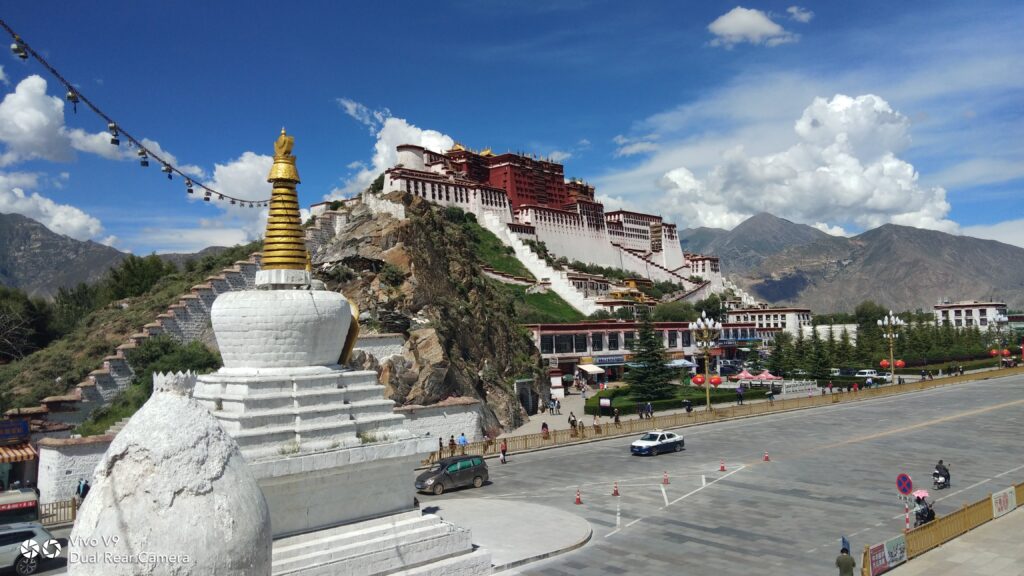
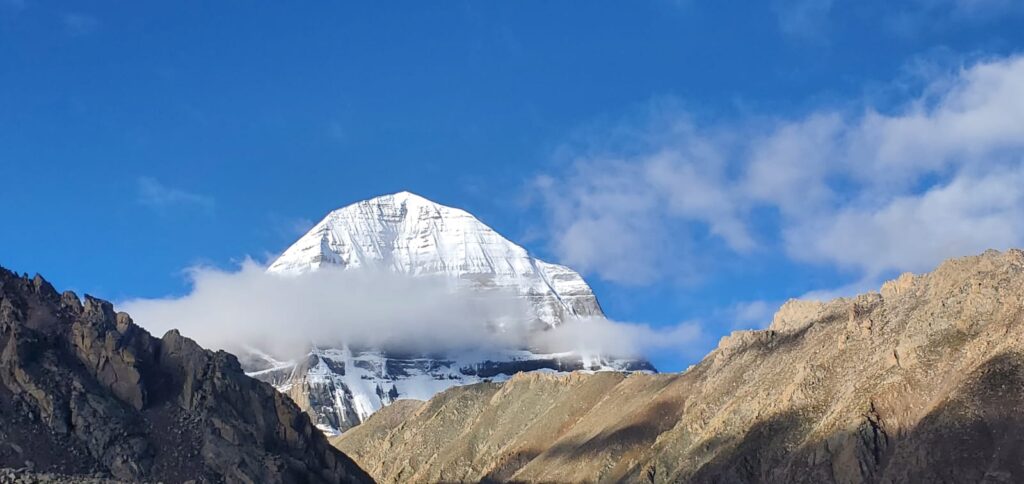
Planning your Tibet tours requires careful consideration of weather, festivals, and travel seasons to ensure the best experience. Tibet’s high altitude and unique climate make some months more favorable for travel than others. Whether you’re drawn to its breathtaking landscapes, rich culture, or vibrant festivals, selecting the best time for your Tibet tour will enhance your journey.
Best Travel Seasons for Tibet Tours
1. Spring (April to May) – Mild Weather and Fewer Crowds
Spring is one of the best times for Tibet tours as temperatures begin to warm up after winter. The weather is pleasant, with daytime temperatures ranging from 10°C to 15°C (50°F to 59°F), making it ideal for sightseeing.
Pros:
Comfortable weather for trekking and outdoor activities.
Fewer tourists compared to peak summer months.
Blooming flowers and clearer mountain views.
Cons:
Nights can still be chilly.
Some high passes may remain snow-covered early in the season.
2. Summer (June to August) – Peak Travel Season
Summer is the most popular time for Tibet tours due to warm temperatures and the famous Saga Dawa Festival. Daytime highs reach 20°C (68°F), while nights remain cool.
Pros:
Ideal for visiting Everest Base Camp and remote regions.
Vibrant festivals like Saga Dawa (celebrating Buddha’s enlightenment).
Lush green landscapes and clear skies.
Cons:
Crowded tourist sites and higher travel costs.
Occasional rain showers, especially in July and August.
3. Autumn (September to October) – Perfect Weather and Stunning Views
Many travelers consider autumn the absolute best time for Tibet tours due to stable weather, clear skies, and breathtaking scenery.
Pros:
Mild temperatures (10°C–20°C / 50°F–68°F).
Excellent visibility for mountain views, including Mount Everest.
Key festivals like the Shoton Festival (Tibetan Opera performances).
Cons:
Popular travel period, so early booking is recommended.
Nights start getting colder by late October.
4. Winter (November to March) – Off-Season with Unique Charm
Winter is the least crowded time for Tibet tours, offering a serene experience for those who don’t mind the cold.
Pros:
Fewer tourists and lower travel costs.
Stunning snow-covered landscapes.
Unique winter festivals like Losar (Tibetan New Year in February/March).
Cons:
Harsh temperatures (-10°C to 10°C / 14°F–50°F).
Some roads and attractions may be closed due to snow.
Best Time for Tibet Tours Based on Festivals
Tibet’s vibrant festivals add cultural depth to any Tibet tour. Key events include:
Losar (Tibetan New Year, Feb/Mar) – Celebrations with prayers, dances, and family gatherings.
Saga Dawa Festival (May/June) – Pilgrimages to Mount Kailash and grand ceremonies.
Shoton Festival (August) – Yogurt festival with Tibetan opera and giant thangka displays.
When to Plan Your Tibet Tour
The best time for Tibet tours depends on your priorities:
For ideal weather: April–May or September–October.
For festivals, consider the summer (June–August) or winter (Losar in February/March).
For budget travelers: November–March (off-season discounts).
No matter when you visit, a Tibet tour promises unforgettable adventures amidst stunning landscapes and deep cultural heritage. Plan wisely to make the most of your journey to the “Roof of the World”!
Would you like recommendations for specific Tibet tour itineraries based on the best travel season? Let us help you craft your perfect trip!
For Indian citizens seeking to undertake the sacred Kailash Mansarovar Yatra, Nepal has long served as a popular and often more accessible gateway than India’s direct routes. With the overall reopening of the Yatra in 2025 after a five-year hiatus, pilgrims are eagerly looking to plan their journey through this spiritual hub.
While the Indian Ministry of External Affairs (MEA) organizes its own Kailash Mansarovar Yatra via Lipulekh and Nathu La passes, many Indian pilgrims opt for a Mt Kailash Group Joining Tour for Indian Citizens 13 Days starting from Kathmandu, Nepal, due to the flexibility, varied options, and often perceived ease of logistics offered by Nepalese and Indian private tour operators. Here’s what Indian citizens need to know about undertaking the Mt. Kailash tour from Nepal in 2025:
Why Choose the Nepal Route?
Accessibility: Kathmandu is a major international hub with direct flights from various Indian cities, making it a convenient starting point.
Variety of Packages: Private tour operators in Nepal offer a range of packages, including overland (bus/jeep), helicopter-to-Hilsa, and even flights to Lhasa before continuing overland to Kailash, catering to different budgets and physical capabilities.
Visa Process (Group Visa): While a Chinese visa and Tibet Travel Permit are still required, tour operators in Nepal specialize in facilitating the group visa process for Indian pilgrims through the Chinese Embassy in Kathmandu. This can sometimes be less cumbersome than applying individually from India.
Cultural Familiarity: Nepal shares deep cultural and religious ties with India, and many tour operators have experience catering to Indian pilgrims, offering vegetarian meals, Hindi-speaking guides, and arrangements for pujas.
Flexible Departures: Unlike the fixed, government-allocated batches, private operators often have more flexible departure dates, allowing pilgrims to choose dates that suit them, including full moon dates, which are considered auspicious.
Key Routes from Nepal for Mount Kailash Tour for Indian Citizens:
Highlights: This is the most common and relatively economical option. It involves long drives through scenic, albeit sometimes challenging, Tibetan plateau landscapes, and pilgrims experience the gradual acclimatization process.
Helicopter to Hilsa (Nepal) + Overland:
Duration: Shorter, usually 9-11 days.
Route: Kathmandu – Flight to Nepalgunj – Flight to Simikot (Humla district, Nepal) – Helicopter to Hilsa (Nepal-China border) – Cross border to Purang (Tibet) – Overland to Mansarovar Lake – Darchen – Kailash Parikrama (Kora) – Return journey.
Highlights: Significantly cuts down travel time compared to the full overland journey. It’s ideal for those with limited time or who prefer to avoid very long road journeys, though it is more expensive. The helicopter ride offers breathtaking aerial views of the Himalayas.
Flight to Lhasa + Overland to Kailash:
Duration: Around 16-17 days.
Route: Kathmandu – Flight to Lhasa – Sightseeing in Lhasa (Potala Palace, Jokhang Temple, etc.) – Overland to Shigatse – Saga – Mansarovar Lake – Darchen – Kailash Parikrama (Kora) – Return journey.
Highlights: A more comprehensive Tibet experience, combining the spiritual pilgrimage with cultural immersion in Lhasa. This is the most luxurious and expensive option.
Visa and Permit Requirements for Mount Kailash Tour for Indian Citizens via Nepal:
For Indian passport holders, the process for the Kailash Mansarovar Yatra via Nepal generally involves:
Chinese Group Tourist Visa: This is a special visa issued for those traveling in groups to Tibet. It is not stamped in your passport, but is a separate group document. You cannot apply for this individually; your tour operator in Nepal will arrange it through the Chinese Embassy in Kathmandu.
Tibet Travel Permit (TTP): This is mandatory to enter Tibet and visit restricted areas like Mount Kailash and Lake Mansarovar. Your tour operator will secure this from the Tibet Tourism Bureau (TTB).
Alien’s Travel Permit: Required for travel to regions outside Lhasa, including the Kailash vicinity. This is also arranged by your tour operator.
Military Area Entry Permit: Some routes or areas near the border might require this. Your tour operator handles this as well.
Documents typically required by your tour operator:
Valid Indian Passport (with at least 6 months validity beyond your return date and ideally 2-4 blank pages).
Recent passport-sized photographs.
Visa application form (provided by the tour operator).
Estimated Costs for Mt. Kailash Tour for Indian Citizens (2025):
The cost of a Kailash Mansarovar Yatra from Nepal for Indian citizens can vary significantly based on the chosen route, duration, level of accommodation, group size, and the services included by the tour operator.
Overland Journey: Expect costs to range from INR 2,00,000 to INR 2,50,000 (approx. US$ 2,400 – 3,000) per person for a group joining tour.
Helicopter + Overland: This option is more expensive, typically costing between INR 2,70,000 to INR 3,50,000 (approx. US$ 3,200 – 4,200) per person.
Lhasa Flight + Overland: This can be the most premium option, potentially ranging from INR 3,75,000 to INR 4,50,000 (approx. US$ 4,500 – 5,400) or more.
These costs generally include:
Chinese Group Visa and Tibet Permits
Accommodation (standard hotels in Kathmandu, basic guesthouses/mud houses in Tibet)
Vegetarian meals (often prepared by Indian cooks)
Transportation within Nepal and Tibet
English and Hindi-speaking guides/leaders
Yaks/porters for Kailash Kora (to carry luggage/kitchen equipment)
Oxygen cylinders and basic first aid
Exclusions often include:
International airfare to and from Kathmandu
Travel insurance (highly recommended)
Nepal visa (not required for Indian citizens)
Tips for staff
Personal expenses (shopping, beverages, laundry, etc.)
Horse/Yak and horseman for personal riding during Kailash Kora (optional, additional cost)
Best Time to Travel (2025):
The Kailash Mansarovar Yatra season typically runs from May to October. The best time is generally considered to be:
May-June: Pleasant weather, though late May and early June can see increased crowds.
September-October: Clear skies and stable weather, often considered ideal due to fewer crowds and vibrant autumn colors.
July-August: Monsoon season in some parts, which can lead to road blockages and flight delays, particularly on the helicopter routes. However, it’s still a popular time for pilgrimages.
Essential Preparation for Indian Pilgrims:
Physical Fitness: The Yatra, especially the Kailash Kora, is physically demanding. Start a fitness regimen (brisk walking, jogging, yoga) at least 2-3 months in advance.
Medical Check-up: Get a thorough medical examination, especially for heart and respiratory conditions. Discuss high-altitude sickness (AMS) prevention with your doctor.
Acclimatization: Tour operators build in acclimatization days to help pilgrims adjust to the high altitude. It’s crucial to follow their advice and drink plenty of water.
Packing: Pack layers of warm clothing, waterproof and windproof jackets, comfortable trekking shoes, a sleeping bag (sometimes provided by operators), sunscreen, sunglasses, personal medication, and a basic first-aid kit.
Currency: Carry sufficient Chinese Yuan (CNY) for personal expenses in Tibet. Some USD might also be useful in Nepal.
Mental Preparedness: The Yatra is as much a spiritual journey as a physical one. Be prepared for basic accommodations, limited facilities, and challenging conditions.
Reputation and Experience: Look for operators with a long track record of organizing Kailash Yatra for Indian citizens. Check online reviews and testimonials.
Government Authorization: Ensure they are licensed by both Nepalese and Chinese authorities to organize tours to Tibet.
Inclusions and Exclusions: Carefully review the package details to understand what’s included and what additional costs you might incur.
Medical Support: Inquire about their arrangements for medical emergencies, including oxygen cylinders, medical staff, and evacuation plans.
Guide Expertise: A knowledgeable and experienced guide (especially one fluent in Hindi/English) can greatly enhance the pilgrimage experience.
The reopening of the Kailash Mansarovar Yatra in 2025 via Nepal offers a renewed opportunity for Indian citizens to embark on this profound spiritual journey. With careful planning and the assistance of reputable tour operators, pilgrims can look forward to a transformative experience at the sacred abode of Lord Shiva.