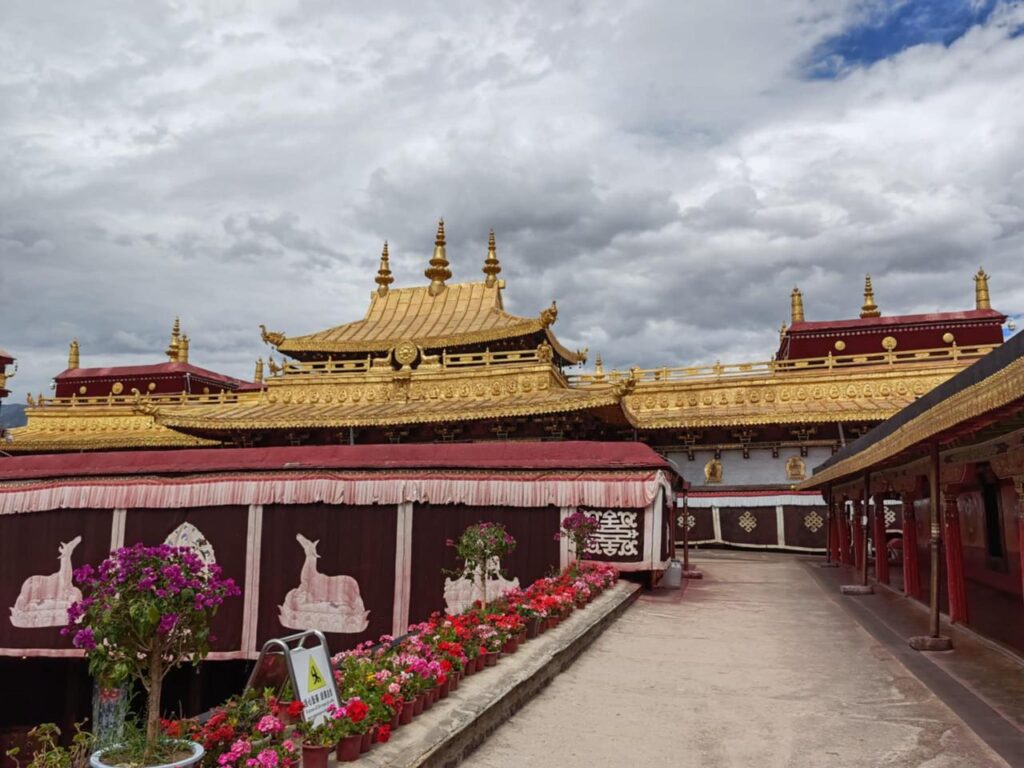
1. Where is Lhasa?
Lhasa is the capital of the Tibet Autonomous Region in southwest China. Sitting at approximately 3,650 meters (11,975 feet) above sea level, it is one of the highest capital cities in the world.
Lhasa has been a cultural, and spiritual center of Tibetan Buddhism for more than 1,300 years and is home to iconic landmarks such as the Potala Palace, Jokhang Temple, and Barkhor Street.
2. Why is Lhasa famous?
Lhasa is famous because it has long been the spiritual heart of Tibetan Buddhism. It is home to some of Tibet’s most important monasteries and historic landmarks.
Visitors come to experience:
- Potala Palace
- Jokhang Temple
- Barkhor Street
- Sera Monastery
- Drepung Monastery
- Tibetan culture
- Himalayan landscapes
- Unique Buddhist traditions
3. Is Tibet open for tourists?
Yes.
Most foreign travelers can visit Tibet through an organized tour operated by a registered Tibet travel agency.
Travel regulations may change depending on government policies, so it is always advisable to check the latest requirements before planning your trip.
4. Can foreigners travel independently in Tibet?
No.
Foreign passport holders are generally not allowed to travel independently within Tibet. Visitors must travel through a licensed travel agency that arranges:
- Tibet Travel Permit
- Guide
- Vehicle
- Driver
- Accommodation
- Entry permits (where required)
This regulation applies throughout the Tibet Autonomous Region.
5. Do I need a Tibet Travel Permit?
Yes.
Every foreign traveler must obtain a Tibet Travel Permit before boarding a train or flight to Lhasa.
Your travel agency applies for this permit on your behalf after receiving copies of your passport and Chinese visa (or other applicable entry authorization).
6. Is the Tibet Travel Permit the same as a China visa?
No.
They are completely different documents.
The China visa allows you to enter China, while the Tibet Travel Permit allows you to enter the Tibet Autonomous Region.
Most travelers need both.
7. Can I apply for the Tibet Travel Permit myself?
No.
Only licensed Tibet travel agencies can submit permit applications.
Individuals cannot apply directly.
8. How long does it take to obtain the permit?
Most applications are processed within 8 to 15 working days, although travelers should allow additional time before departure in case of holidays or administrative delays.
9. Can I visit Lhasa without joining a tour?
No.
Current regulations require foreign travelers to travel under the arrangements of a registered Tibet travel agency.
10. Is Lhasa safe for tourists?
Yes.
Lhasa is generally considered one of the safest destinations in Asia for international travelers. Violent crime is rare, and tourist areas are well managed.
As with any destination, keep an eye on your belongings and follow local regulations.
11. Is Lhasa worth visiting?
Absolutely.
Many travelers describe Lhasa as a once-in-a-lifetime destination because it combines breathtaking mountain scenery, centuries-old monasteries, vibrant Tibetan culture, and deep spiritual significance.
12. What is the best time to visit Lhasa?
The most popular months are:
- April
- May
- June
- September
- October
These months usually offer pleasant weather, clear mountain views, and comfortable sightseeing conditions.
Winter (November to February) is colder but quieter, with fewer tourists and often lower travel costs.
13. Can I visit Lhasa in winter?
Yes.
Winter is an excellent time to experience local Tibetan life, enjoy fewer crowds, and often benefit from more affordable hotel rates. While temperatures are lower, sunny days are still common.
14. How many days should I spend in Lhasa?
A stay of 3 to 4 full days is recommended. This allows time to acclimatize to the altitude while visiting the city’s main attractions at a relaxed pace.
15. Is three days enough for Lhasa?
Three days is enough to visit the main highlights, including the Potala Palace, Jokhang Temple, Barkhor Street, Sera Monastery, and Drepung Monastery.
However, travelers who wish to explore nearby lakes, monasteries, or continue to destinations such as Everest Base Camp should plan a longer itinerary.
16. What is the altitude of Lhasa?
Lhasa sits at approximately 3,650 meters (11,975 feet) above sea level. The reduced oxygen at this elevation means visitors should take time to acclimatize and avoid strenuous activity during the first day or two.
17. Will I get altitude sickness in Lhasa?
Not everyone experiences altitude sickness, but many travelers notice mild symptoms such as headaches, fatigue, or shortness of breath during the first 24 to 48 hours.
The risk varies depending on your health, how quickly you ascend, and your body’s response to high altitude.
18. How can I reduce altitude sickness?
To help your body adjust:
- Rest after arrival.
- Drink plenty of water.
- Avoid alcohol and smoking.
- Eat light meals.
- Walk slowly.
- Sleep well.
- Follow your guide’s advice.
- Consult your doctor before travel if you have underlying health conditions or are considering preventive medication.
19. Is oxygen available in Lhasa?
Yes.
Most hotels, hospitals, clinics, and many tour vehicles have access to supplemental oxygen if needed. Oxygen can also be purchased in portable canisters, though they should not replace proper acclimatization.
20. Can children visit Lhasa?
Yes.
Many families travel to Lhasa with children. Parents should ensure children acclimatize gradually, stay hydrated, and monitor for any signs of altitude-related discomfort.
21. Can elderly travelers visit Lhasa?
Yes, provided they are in good overall health and have consulted their doctor before traveling. Many older travelers successfully visit Lhasa every year, especially when the itinerary allows sufficient time for acclimatization.
22. Is there an age limit?
There is no general age limit for visiting Lhasa itself. Some specialized routes or tour operators may have their own age guidelines, particularly for journeys to more remote or higher-altitude destinations.
23. What airport serves Lhasa?
Lhasa is served by Lhasa Gonggar International Airport, located about 60 kilometers from the city center. It has regular domestic connections to cities such as Beijing, Chengdu, Xi’an, Chongqing, Kunming, and Xining.
24. Can I fly directly to Lhasa?
Yes, from several major Chinese cities. International travelers typically connect through a gateway city in China before continuing to Lhasa.
25. Can I take the Tibet train?
Yes.
The Qinghai–Tibet Railway is one of the world’s highest railways and is a popular way to reach Lhasa. The journey offers spectacular views of the Tibetan Plateau and allows many travelers to acclimatize more gradually than flying.
26. Which city is best for taking the Tibet train?
Popular departure cities include:
- Xining (shortest journey)
- Beijing
- Chengdu
- Xi’an
- Chongqing
- Shanghai
- Guangzhou
Each route offers different travel times and scenery.
27. Is flying or taking the train better?
It depends on your priorities.
Flying is faster and convenient, while the train provides scenic views and a slower ascent, which some travelers find helpful for acclimatization. Both are popular choices.
28. Can I travel from Kathmandu to Lhasa?
Yes.
Travel between Kathmandu and Lhasa is possible via organized tours, typically by overland route through the Nepal–China border or by flight when services are available and operating.
Requirements depend on current border regulations and visa policies.
29. Can I combine Nepal and Tibet in one trip?
Yes.
Many travelers choose to visit Kathmandu and Lhasa on the same itinerary, allowing them to experience both Nepalese and Tibetan culture in a single journey.
30. How much does a Lhasa tour cost?
The total cost depends on factors such as:
- Group or private tour
- Hotel category
- Season
- Number of travel days
- Transportation
- Inclusions
Budget group tours generally cost less than customized private itineraries.
31. Is Tibet expensive?
Tibet is generally more expensive than many other parts of China because supplies must be transported over long distances and foreign visitors are required to travel with organized tour services.
32. What is included in most Lhasa tours?
Most packages include:
- Tibet Travel Permit
- Licensed Tibetan guide
- Transportation within Tibet
- Accommodation
- Sightseeing according to the itinerary
- Airport or train station transfers
Meals, flights, train tickets, and personal expenses may vary depending on the package.
33. Do I need travel insurance?
Travel insurance is strongly recommended. A policy that covers medical emergencies, trip interruptions, and high-altitude travel can provide valuable protection during your journey.
34. Should I book my tour in advance?
Yes.
Booking several months in advance is especially advisable if you plan to travel during peak seasons or major festivals, as permits, accommodation, and transportation can fill up quickly.
35. What makes a Lhasa tour unforgettable?
A Lhasa tour offers far more than sightseeing. Watching pilgrims circle Jokhang Temple, exploring the majestic Potala Palace, debating monks at Sera Monastery, wandering through Barkhor Street, tasting authentic Tibetan cuisine, and witnessing life on the Roof of the World create memories that stay with travelers long after they return home.
36. What are the must-visit attractions in Lhasa?
If it’s your first time visiting Lhasa, don’t miss these iconic landmarks:
- Potala Palace
- Jokhang Temple
- Barkhor Street
- Sera Monastery
- Drepung Monastery
- Norbulingka (the Summer Palace of the Dalai Lamas)
- Tibet Museum
- Ramoche Temple
These attractions showcase the rich history, architecture, and spiritual traditions of Tibetan Buddhism.
37. Why is the Potala Palace so famous?
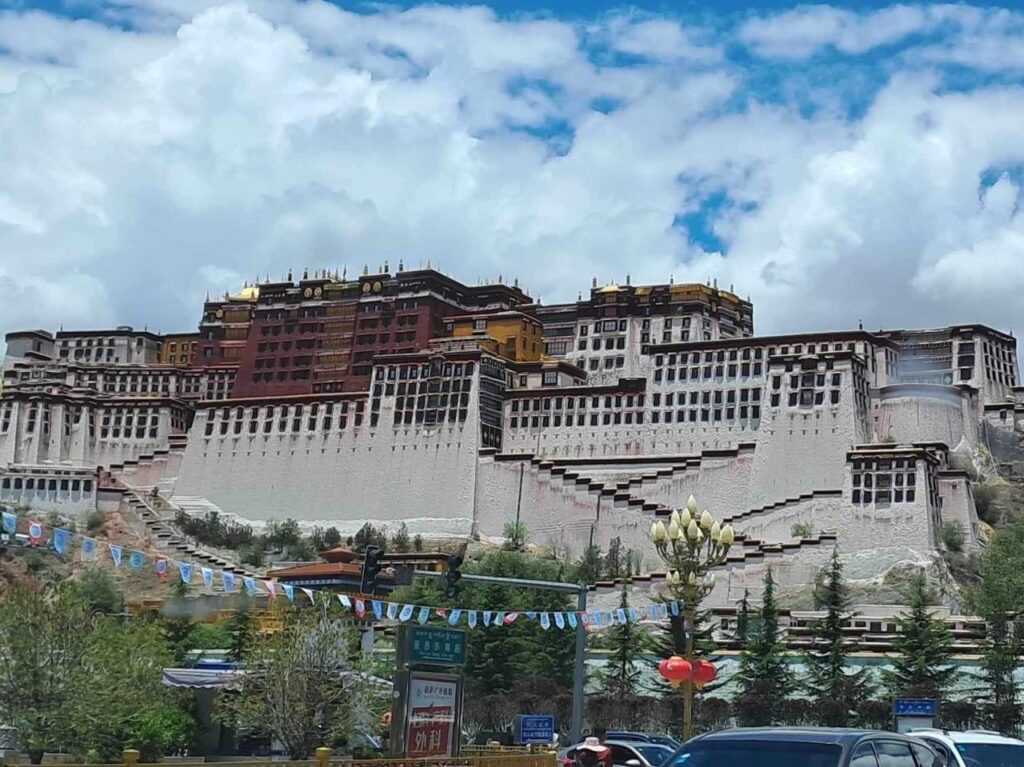
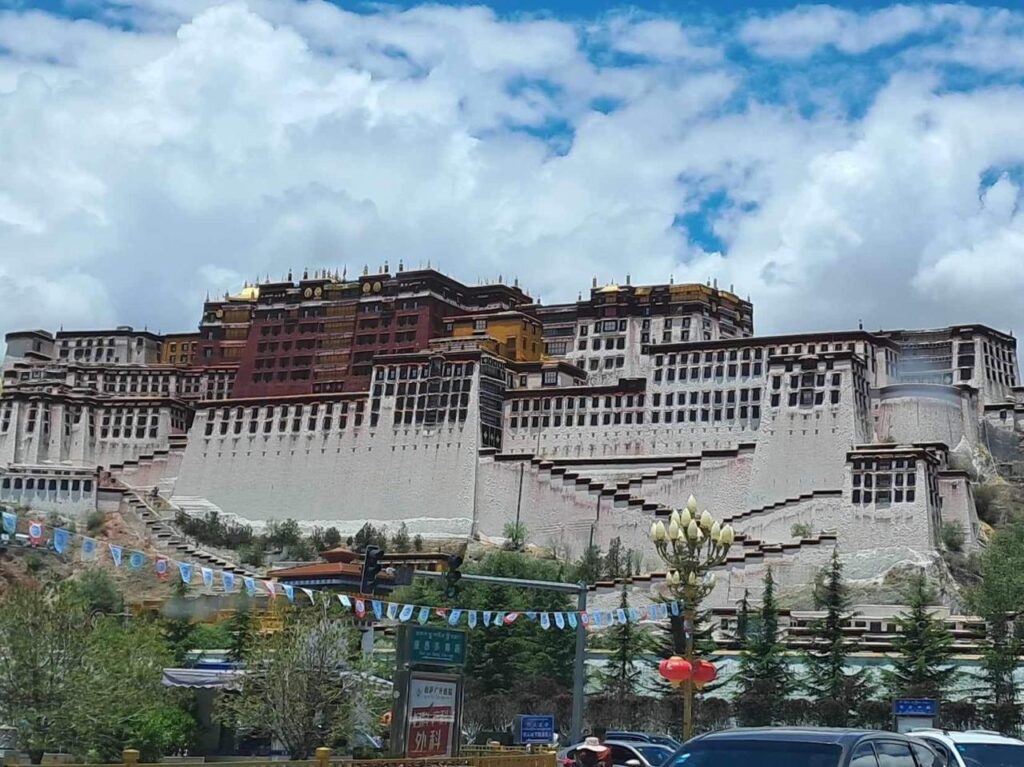
The Potala Palace is the most recognizable landmark in Tibet and a UNESCO World Heritage Site. Once the winter residence of the Dalai Lamas, it served as Tibet’s political and religious center for centuries.
The palace houses thousands of rooms, chapels, murals, sacred statues, scriptures, and stupas containing the remains of former Dalai Lamas. Its location atop Marpo Ri Hill also offers panoramic views of Lhasa.
38. Can I visit inside the Potala Palace?
Yes.
Visitors can tour many sections of the palace, including prayer halls, chapels, assembly rooms, and historic living quarters. To help preserve this cultural treasure, entry is controlled, and visitors usually have a limited amount of time inside.
39. Do I need to book Potala Palace tickets in advance?
Yes.
Due to visitor limits, tickets are typically arranged in advance through your tour operator. During the peak travel season, booking early is highly recommended to secure your preferred travel dates.
40. How long does it take to visit the Potala Palace?
Most visits last between 2 and 3 hours, including the climb to the entrance, the guided tour inside, and time to enjoy the surrounding viewpoints.
Since there are several hundred steps leading to the palace, take your time, especially if you’ve recently arrived at high altitude.
41. What is the Jokhang Temple?
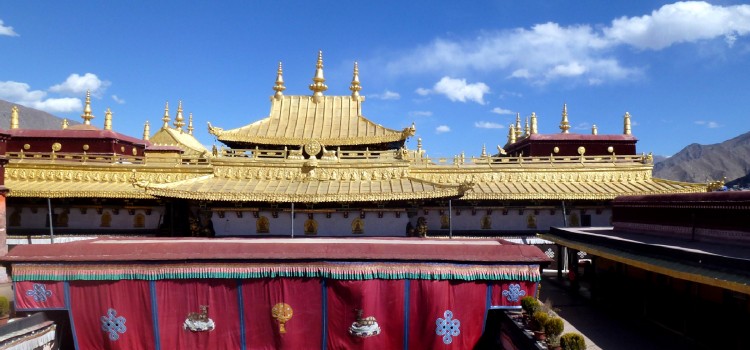
The Jokhang Temple is considered the holiest temple in Tibetan Buddhism. Built in the 7th century, it houses the revered Jowo Shakyamuni statue, believed by many Buddhists to have been blessed during the Buddha’s lifetime.
Pilgrims from across Tibet travel here to pray, make offerings, and complete devotional circuits around the temple.
42. Why do pilgrims walk around Barkhor Street?
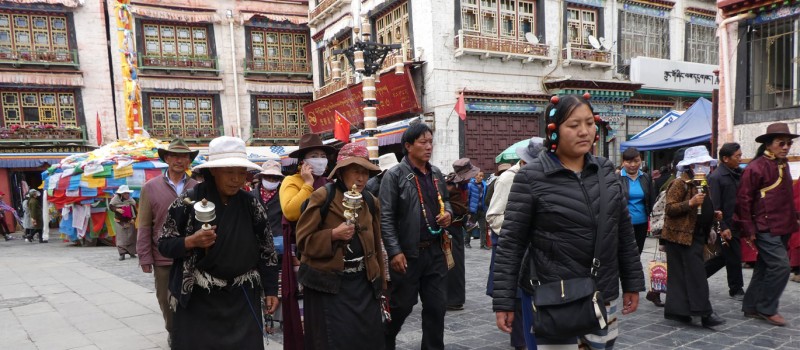
Barkhor Street surrounds the Jokhang Temple and forms one of Tibet’s most sacred pilgrimage routes.
Walking clockwise around the temple, known as kora, is an act of devotion believed to accumulate merit. You’ll see pilgrims spinning prayer wheels, chanting mantras, and performing full-body prostrations along the route.
Visitors are welcome to join respectfully by walking clockwise with the flow of pilgrims.
43. What can I buy at Barkhor Street?
Barkhor Street is one of the best places to shop for traditional Tibetan handicrafts and souvenirs.
Popular items include:
- Prayer wheels
- Tibetan prayer flags
- Singing bowls
- Handmade jewelry
- Thangka paintings
- Yak wool scarves
- Incense
- Buddhist statues
- Tibetan tea sets
- Traditional clothing
Always compare prices and bargain politely where appropriate.
44. What is Sera Monastery famous for?
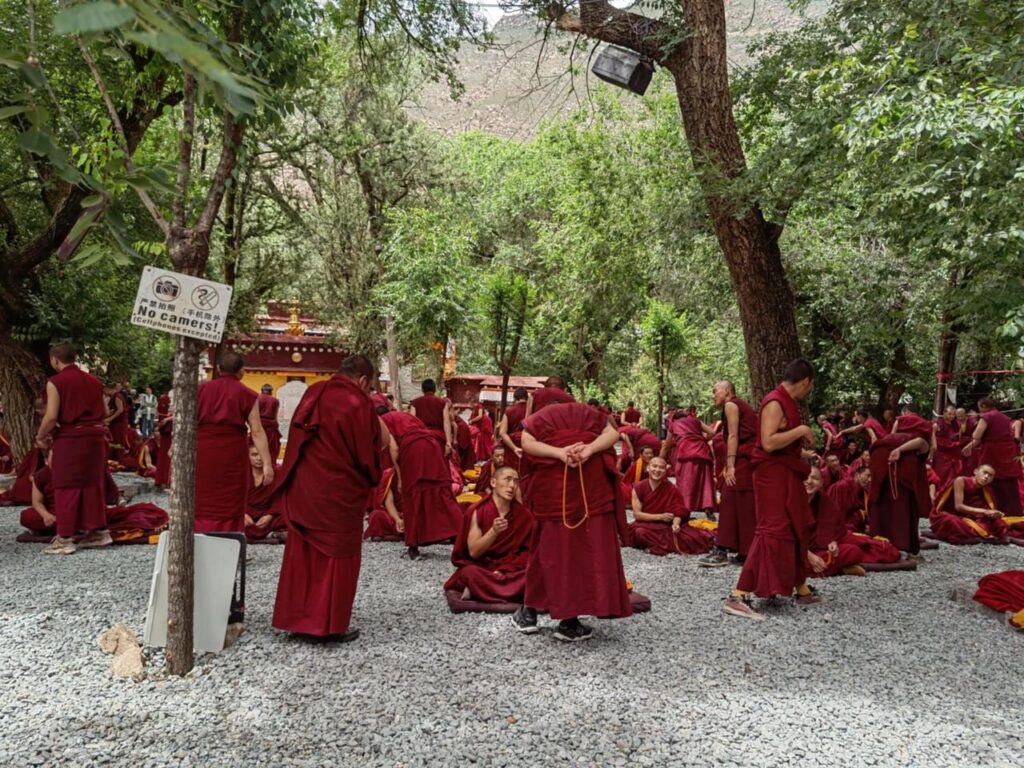
Sera Monastery is internationally known for its lively monk debate sessions.
Every afternoon (except certain religious holidays), monks gather in the courtyard to debate Buddhist philosophy using dramatic hand gestures, clapping, and energetic discussion. Watching these debates is one of the highlights of any Lhasa tour.
45. Can tourists watch the monk debates?
Yes.
Visitors are welcome to observe the debates from designated viewing areas. It’s important to remain quiet, avoid interrupting the discussions, and follow your guide’s instructions regarding photography and respectful behavior.
46. What is Drepung Monastery?
Drepung Monastery was once the largest monastery in the world, housing more than 10,000 monks at its peak.
Today, visitors can explore its impressive assembly halls, colleges, chapels, and hillside setting while learning about the history of Tibetan Buddhism and monastic education.
47. Is Norbulingka worth visiting?
Yes.
Norbulingka, meaning “Jewel Park,” served as the traditional summer residence of the Dalai Lamas. It features beautiful gardens, elegant palaces, shaded walkways, and peaceful surroundings that contrast with the busy streets of central Lhasa.
It’s especially enjoyable during spring and summer when the gardens are in full bloom.
48. How many monasteries should I visit in Lhasa?
Most travelers visit at least three major monasteries:
- Jokhang Temple
- Sera Monastery
- Drepung Monastery
If time allows, you can also explore Ramoche Temple, Nechung Monastery, or smaller monasteries around Lhasa for a deeper understanding of Tibetan religious life.
49. Can I take photographs inside monasteries?
Photography rules vary by location.
Outdoor photography is usually allowed, but many prayer halls, chapels, and sacred rooms prohibit photography or require an additional photography permit. Always ask your guide or follow posted signs before taking pictures.
50. What should I wear when visiting monasteries?
Dress modestly and respectfully.
Choose clothing that covers your shoulders and knees, remove hats when entering prayer halls if requested, and avoid wearing revealing outfits. Comfortable walking shoes are recommended, as monastery visits often involve climbing steps.
51. Can I attend a Buddhist ceremony?
Sometimes.
Visitors may observe public prayer sessions or ceremonies if they are open to the public. However, access depends on the monastery’s schedule and religious activities taking place during your visit.
Your guide can advise whether any ceremonies coincide with your itinerary.
52. Is English widely spoken in Lhasa?
English is spoken by many licensed Tibetan tour guides and some hotel staff.
However, outside tourist areas, many locals primarily speak Tibetan or Mandarin Chinese. Having a local guide makes communication much easier throughout your journey.
53. What language is spoken in Lhasa?
The main languages are:
- Tibetan
- Mandarin Chinese
In tourism-related businesses, basic English is becoming more common, particularly among guides and higher-end hotels.
54. What currency is used in Tibet?
The official currency is the Chinese Yuan (CNY or RMB).
Most shops, restaurants, and hotels accept cash, while larger establishments may also accept Chinese mobile payment platforms. International visitors should plan ahead, as foreign credit cards are not widely accepted.
55. Can I use international credit cards?
Some larger hotels may accept major international credit cards, but many local restaurants, markets, and small businesses operate on a cash basis.
Carrying sufficient Chinese Yuan is recommended, especially when traveling outside Lhasa.
56. Are ATMs available in Lhasa?
Yes.
Major banks in Lhasa have ATMs, although not all accept foreign bank cards. It’s wise to withdraw cash before traveling to more remote parts of Tibet.
57. Is there internet access in Lhasa?
Yes.
Most hotels, cafés, and many restaurants provide Wi-Fi. Mobile internet coverage is also available in Lhasa, although speeds may vary.
Keep in mind that internet access in Tibet follows Chinese regulations, and some international websites and apps may not be accessible without appropriate arrangements.
58. Can I use WhatsApp, Facebook, Instagram, or Google in Tibet?
Many popular international websites and apps are restricted within mainland China, including Tibet.
Travelers who rely on these services should research current internet access options before departure and understand that access cannot be guaranteed.
59. Can I buy a local SIM card?
Yes.
Chinese SIM cards are available, though requirements and registration procedures may vary. Your guide can usually assist you in purchasing and activating a SIM card after arrival if needed.
60. What kind of hotels are available in Lhasa?
Lhasa offers a wide range of accommodation, including:
- Budget guesthouses
- Comfortable three-star hotels
- Four-star hotels
- International-style luxury hotels
- Boutique Tibetan-style accommodations
Most organized tours offer several hotel categories to suit different budgets.
61. Are hotels comfortable at high altitude?
Yes.
Many hotels are well equipped for travelers adjusting to the altitude. Some provide heating, humidifiers, or supplemental oxygen services, although amenities vary by property.
When choosing a hotel, comfort and location are often more important than luxury.
62. Is Tibetan food spicy?
Traditional Tibetan cuisine is generally mild rather than spicy.
However, many restaurants also serve Sichuan dishes, which can be quite spicy. If you prefer less spice, simply let your server know.
63. What foods should I try in Lhasa?
Popular Tibetan dishes include:
- Momos (Tibetan dumplings)
- Thukpa (noodle soup)
- Yak meat dishes
- Yak yogurt
- Butter tea
- Tsampa (roasted barley flour)
- Sweet tea
- Tibetan bread
Many restaurants also offer Chinese, Nepalese, and Western cuisine.
64. Is vegetarian food available?
Yes.
Vegetarian meals are widely available in Lhasa, especially in tourist-friendly restaurants. Vegan options are also becoming easier to find, although choices may be more limited than in larger international cities.
65. Is bottled drinking water available?
Yes.
Bottled water is widely available in hotels, supermarkets, convenience stores, and restaurants. Most travelers choose bottled or properly filtered water during their stay.
66. Can I drink butter tea?
Absolutely.
Butter tea is one of Tibet’s most iconic beverages, made from tea leaves, yak butter, salt, and water. Its rich, savory flavor is unique, and many visitors enjoy trying it as part of the local cultural experience.
67. What is the weather like in Lhasa?
Lhasa enjoys more sunshine than many people expect.
Summers are generally mild with daytime temperatures often between 15°C and 25°C, while winters are cold but frequently sunny. Even in summer, evenings can become quite cool because of the high altitude.
68. Does it snow in Lhasa?
Yes, but heavy snowfall within the city is relatively uncommon.
Most snow falls during winter, and it usually melts quickly in the city due to the strong sunshine. Higher mountain passes around Tibet receive significantly more snowfall.
69. Is the sun stronger in Tibet?
Yes.
Because of the high elevation, ultraviolet (UV) radiation is much stronger than at sea level. Even on cool days, you can get sunburned quickly.
Pack:
- Sunscreen (SPF 50+)
- Sunglasses with UV protection
- A wide-brimmed hat
- Lip balm with SPF
- Moisturizer
Protecting yourself from the sun is just as important as staying warm.
70. What is the best part about spending several days in Lhasa?
Most travelers discover that Lhasa is much more than a collection of famous landmarks. Spending several days allows you to slow down, acclimatize, explore hidden alleyways, enjoy local cafés, observe daily Tibetan life, and gain a deeper appreciation of the city’s spiritual atmosphere.
Rather than rushing from one attraction to another, taking time to absorb the rhythm of Lhasa often becomes one of the most memorable parts of the entire journey.
71. What should I pack for a Lhasa tour?
Packing wisely is essential because Lhasa’s weather can change quickly, and the high altitude means you’ll need to be prepared for strong sunshine and cooler temperatures.
A recommended packing list includes:
- Passport and travel documents
- Warm jacket or fleece
- Lightweight clothing for daytime
- Comfortable walking shoes
- Sunglasses with UV protection
- Sunscreen (SPF 50+)
- Lip balm and moisturizer
- Hat or cap
- Personal medications
- Reusable water bottle
- Power bank
- Camera
- Small backpack for daily sightseeing
Even during summer, mornings and evenings can be chilly, so dressing in layers is the best approach.
72. Do I need hiking boots for Lhasa?
Not necessarily.
If your trip only includes sightseeing around Lhasa, comfortable walking shoes or sports shoes are sufficient. However, if you plan to extend your journey to destinations such as Everest Base Camp or Mount Kailash, sturdy hiking boots are highly recommended.
73. How much cash should I carry?
The amount depends on your itinerary and spending habits.
It’s a good idea to carry enough Chinese Yuan (RMB) for:
- Meals not included in your tour
- Souvenirs
- Snacks and drinks
- Personal expenses
- Tips (if you choose to tip)
While larger hotels may accept credit cards, many small shops and local restaurants prefer cash.
74. Is tipping expected in Tibet?
Tipping is not mandatory in China, but it is appreciated in the tourism industry.
Many travelers choose to tip their guide and driver if they are satisfied with the service. The amount is entirely at your discretion.
75. Can I bargain while shopping?
Yes.
Bargaining is common in local markets and souvenir shops, especially around Barkhor Street.
Be polite and friendly during negotiations. Remember that handmade Tibetan crafts require significant time and skill to produce, so fair prices help support local artisans.
76. What souvenirs should I buy?
Popular souvenirs include:
- Prayer flags
- Prayer wheels
- Thangka paintings
- Tibetan incense
- Handmade silver jewelry
- Yak wool scarves
- Singing bowls
- Tibetan tea
- Traditional handicrafts
- Buddhist statues (where legally permitted)
Buying from local artisans helps preserve traditional craftsmanship.
77. Can I buy antiques in Tibet?
Be cautious.
Some antiques may require export permits, while others may not be legally exported from China. If you’re interested in purchasing older religious or cultural items, always buy from reputable shops and ask about export regulations.
78. Are drones allowed in Tibet?
Drone regulations can change and may be more restrictive in sensitive areas.
Many monasteries, military zones, airports, and protected cultural sites prohibit drone use. If you wish to bring a drone, check the latest regulations with your tour operator before traveling.
79. Can I photograph local people?
Usually yes, but always ask for permission first.
Many Tibetans are happy to have their photo taken, especially if approached respectfully. However, some may prefer not to be photographed during prayer or religious activities.
A smile and a polite request go a long way.
80. Are there any photography restrictions?
Yes.
Photography is often prohibited:
- Inside certain temple halls
- During religious ceremonies
- At military installations
- At some government buildings
Always follow local signs and your guide’s instructions.
81. What festivals can I experience in Lhasa?
Some of the most famous festivals include:
- Tibetan New Year (Losar)
- Monlam Prayer Festival
- Saga Dawa Festival
- Shoton Festival
- Butter Lamp Festival
These festivals offer visitors an incredible opportunity to experience Tibetan traditions, religious ceremonies, music, dance, and local celebrations.
82. When is the best festival to visit?
The Shoton Festival, usually held in late summer, is one of the most popular festivals for international visitors.
Highlights include:
- Giant Buddha Thangka unveiling
- Traditional Tibetan opera performances
- Local celebrations
- Pilgrimages
- Festive atmosphere throughout Lhasa
Hotels and tours book quickly during festival periods, so planning well in advance is recommended.
83. Can I visit local Tibetan homes?
Some cultural tours include visits to Tibetan family homes.
These experiences provide valuable insights into traditional lifestyles, local cuisine, family customs, and hospitality. Always respect your hosts and follow local etiquette.
84. What customs should visitors respect?
When visiting monasteries and sacred sites:
- Walk clockwise around religious buildings.
- Don’t touch sacred statues unless permitted.
- Speak quietly.
- Dress modestly.
- Remove hats if requested.
- Follow your guide’s instructions.
- Avoid disturbing worshippers.
Respecting local customs enhances your experience and shows appreciation for Tibetan culture.
85. Is it okay to spin prayer wheels?
Yes.
Visitors may spin prayer wheels, but they should always do so clockwise, following the direction of local pilgrims.
This simple gesture reflects respect for Tibetan Buddhist traditions.
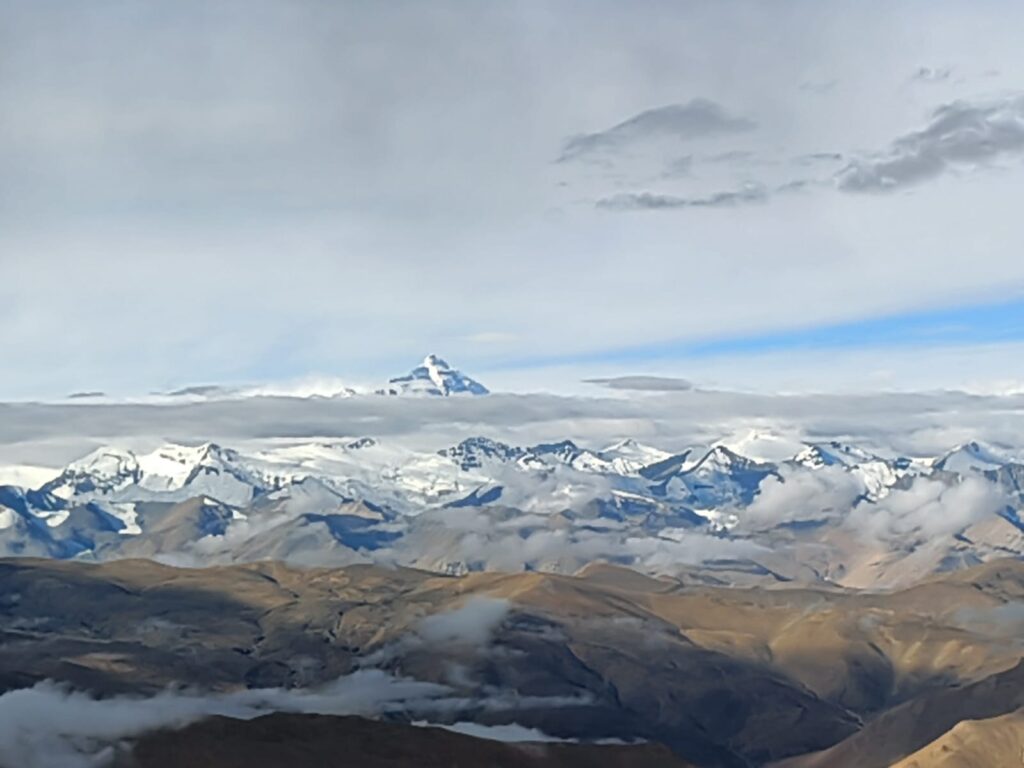
86. Can I visit Everest Base Camp after Lhasa?
Absolutely.
Many travelers extend their Lhasa tour to include the northern Everest Base Camp in Tibet.
The journey typically passes through:
- Yamdrok Lake
- Gyantse
- Shigatse
- Tingri
- Rongbuk Monastery
- Everest Base Camp
This is one of the most popular extended itineraries in Tibet.
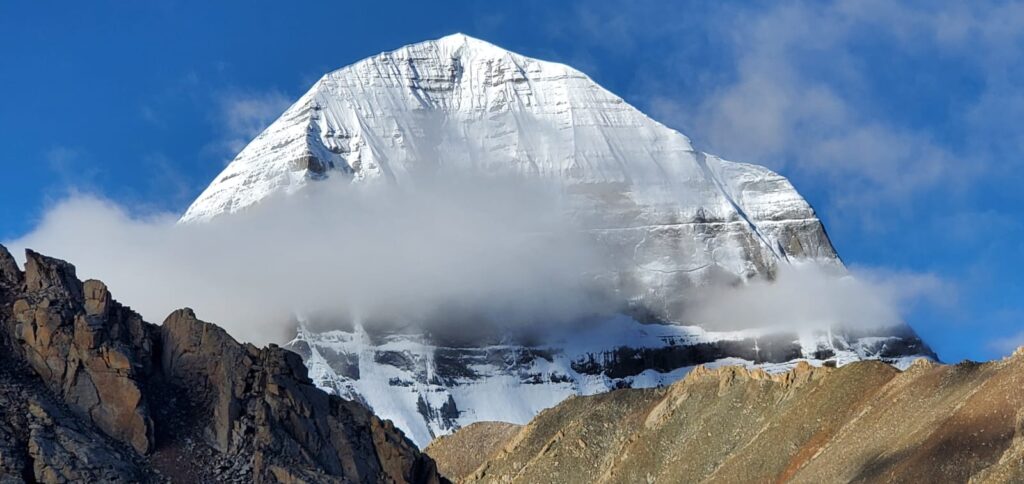
87. Can I combine Lhasa with Mount Kailash?
Yes.
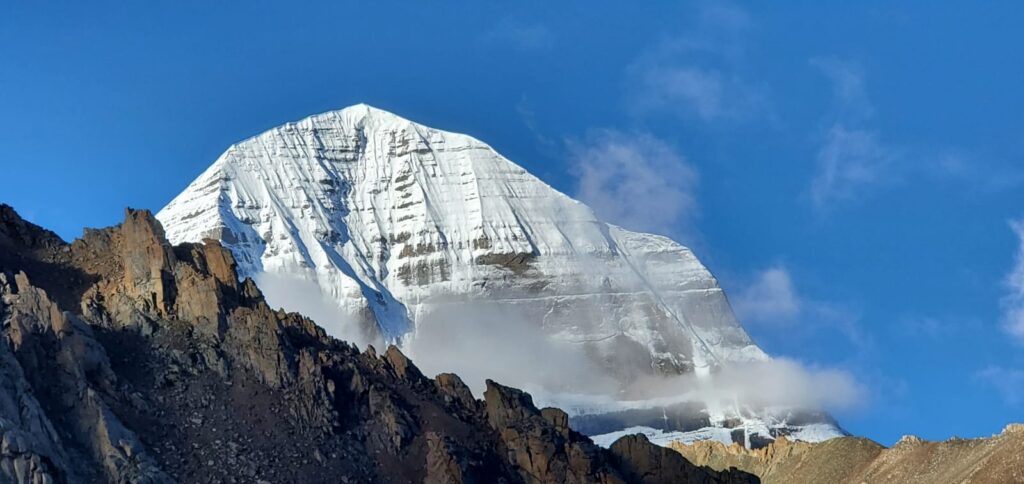
Many visitors continue westward after Lhasa to visit the sacred Mount Kailash and Lake Manasarovar.
Because of the greater distances involved, this extension usually requires at least 10–15 additional days, depending on the itinerary.
88. Is Yamdrok Lake worth visiting?
Definitely.
Yamdrok Lake is one of Tibet’s three sacred lakes and is famous for its striking turquoise waters surrounded by snow-capped mountains.
It is often included in journeys between Lhasa and Shigatse and is considered one of the most photogenic locations in Tibet.
89. Should I visit Namtso Lake?
If you have extra time, yes.
Namtso Lake is one of the highest saltwater lakes in the world and offers spectacular alpine scenery.
Because it sits at an elevation of over 4,700 meters (15,400 feet), it’s best visited after you’ve acclimatized in Lhasa.
90. How do I prepare physically for Tibet?
Preparation can make your trip much more enjoyable.
A few weeks before departure:
- Stay physically active.
- Drink plenty of water.
- Get enough sleep.
- Eat a balanced diet.
- Consult your doctor if you have heart or lung conditions.
- Avoid planning strenuous activities immediately after arriving in Lhasa.
Good physical fitness doesn’t eliminate altitude sickness, but it can improve your overall travel experience.
91. Is travel insurance necessary?
Although not always mandatory, comprehensive travel insurance is strongly recommended.
Choose a policy that covers:
- Medical emergencies
- Trip cancellations
- High-altitude travel
- Emergency evacuation
- Lost luggage
Having suitable insurance provides peace of mind throughout your journey.
92. Is Lhasa suitable for solo travelers?
Yes.
Although foreign visitors must travel through an organized tour, solo travelers are welcome to join Lhasa group joining tour departures.
Joining a group can also be a great way to meet other travelers while reducing overall travel costs.
93. Is Lhasa suitable for couples?
Absolutely.
Many couples enjoy the peaceful atmosphere, breathtaking scenery, and unique cultural experiences that Lhasa offers.
Walking through Barkhor Street at sunset, visiting ancient monasteries, and watching the sunrise over the Potala Palace create unforgettable memories together.
94. Is Lhasa good for family travel?
Yes.
Families with children often find Lhasa to be an educational and culturally enriching destination.
Children enjoy exploring monasteries, watching monk debates, experiencing Tibetan culture, and learning about one of the world’s most fascinating civilizations.
Parents should allow extra time for acclimatization and avoid overloading the itinerary.
95. What are the biggest mistakes travelers make?
Common mistakes include:
- Flying in without allowing time to acclimatize.
- Drinking too little water.
- Underestimating the strength of the sun.
- Packing insufficient warm clothing.
- Booking at the last minute during peak season.
- Ignoring local customs.
- Trying to do too much too quickly.
Taking your time is one of the keys to enjoying Tibet.
96. What surprises most first-time visitors?
Many travelers are surprised by:
- How modern parts of Lhasa are.
- The warmth and hospitality of local Tibetans.
- The incredibly blue skies.
- The peaceful atmosphere around temples.
- The impressive infrastructure despite the high altitude.
- The strong sense of spirituality throughout daily life.
97. How far in advance should I plan my Lhasa tour?
For the best choice of flights, hotels, train tickets, and tour availability, it’s advisable to start planning 3–6 months in advance.
If you’re traveling during festivals or the peak season (April to October), booking even earlier is recommended.
98. Why choose a local Tibet travel agency?
A local Tibet travel agency offers several advantages:
- Up-to-date knowledge of permit procedures
- Experienced licensed Tibetan guides
- Local cultural insights
- Flexible itineraries
- Faster communication regarding travel regulations
- On-the-ground support throughout your journey
Working with a reputable local operator can make your trip smoother and more enjoyable.
99. Is Lhasa worth visiting in 2027?
Without question.
As international interest in Tibet continues to grow, 2027 is expected to be another excellent year to visit.
Whether you’re drawn by Tibetan Buddhism, Himalayan landscapes, photography, history, or cultural exploration, Lhasa remains one of the world’s most extraordinary travel destinations.
Planning ahead will help you secure the best travel dates and allow plenty of time to arrange permits and logistics.
100. How do I start planning my Lhasa tour?
Start by asking yourself a few simple questions:
- When do I want to travel?
- How many days do I have?
- Would I prefer a group or private tour?
- Do I want to extend my trip to Everest Base Camp, Yamdrok Lake, Namtso Lake, Shigatse, or Mount Kailash?
- What type of accommodation suits my budget?
Once you’ve decided on your preferred travel dates and itinerary, contact a trusted Tibet travel specialist. They can explain the permit process, recommend the best route, and help you choose an itinerary that matches your interests and travel style.
Planning a trip to Lhasa is unlike planning an ordinary holiday. With its unique permit requirements, high-altitude environment, centuries-old monasteries, and deeply rooted Buddhist traditions, it’s natural to have many questions before you travel.
We hope these 100 frequently asked questions have given you the confidence to plan your journey with clarity. Whether you’re interested in history, photography, culture, spirituality, or simply exploring one of the world’s most remarkable destinations, Lhasa offers an experience that stays with you long after you’ve returned home.
The key to an enjoyable trip is planning ahead, allowing time to acclimatize, respecting local customs, and traveling with experienced local professionals who understand Tibet’s regulations and culture.
If you still have questions that aren’t covered in this guide, don’t hesitate to contact us. Our team is always happy to provide honest, up-to-date advice to help you plan the Lhasa tour that best suits your interests, schedule, and budget.