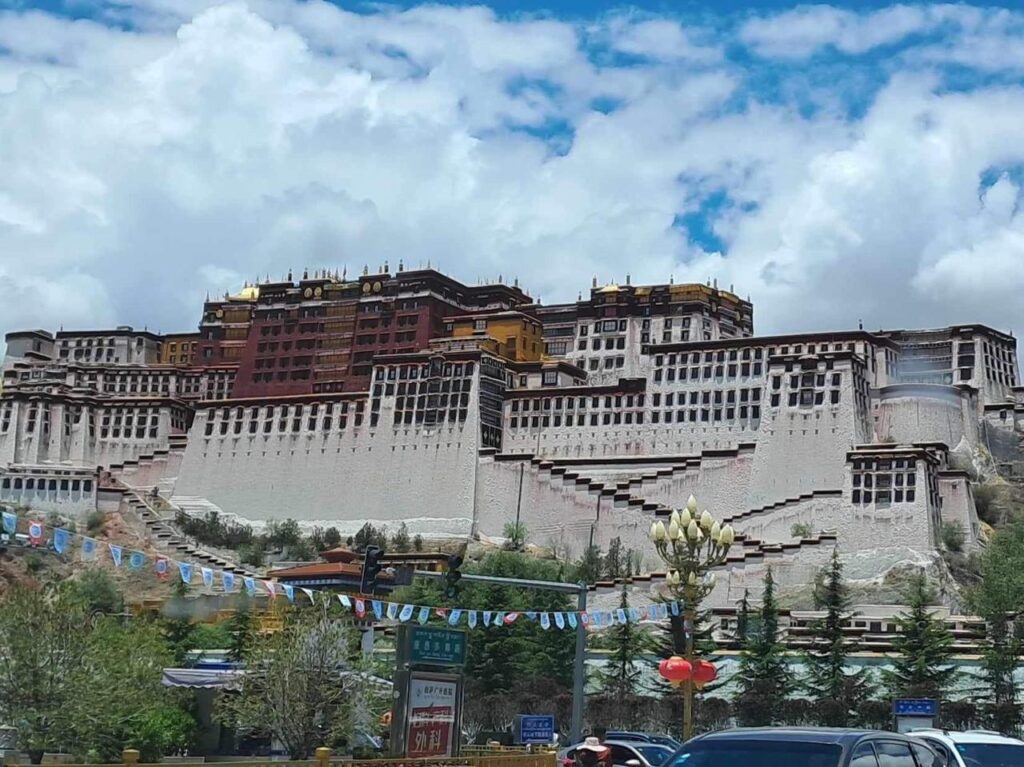
Quick answer: Altitude sickness is common in Tibet because most of the region sits above 3,000 meters (9,800 ft), including Lhasa at 3,650m. Most travelers experience mild symptoms — headache, fatigue, shortness of breath — in the first 24–48 hours, which typically resolve with rest and slow acclimatization. Severe altitude sickness is uncommon when travelers ascend gradually, stay hydrated, and avoid overexertion on arrival, but it can be serious if ignored. Anyone in reasonably good health can visit Tibet safely with the right precautions.
What Is Altitude Sickness?
Altitude sickness, medically known as Acute Mountain Sickness (AMS), happens when your body hasn’t yet adjusted to reduced oxygen levels at high elevation. It typically starts affecting people above 2,500–3,000 meters, and Tibet’s average elevation is over 4,000 meters, so it’s a genuine consideration for nearly every visitor, not just trekkers.
Importantly: altitude sickness has nothing to do with fitness level or age. A marathon runner in their twenties can be hit harder by AMS than a sedentary traveler in their sixties. Your body’s response to reduced oxygen is largely individual and can’t be predicted by how fit you are.
How High Is Tibet, Exactly?
| Location | Elevation |
|---|---|
| Lhasa | 3,650m / 11,975 ft |
| Gyantse | 4,040m / 13,255 ft |
| Shigatse | 3,840m / 12,600 ft |
| Nyingchi | 3,000m / 9,840 ft |
| Namtso Lake | 4,730m / 15,520 ft |
| Everest Base Camp (Tibet side) | 5,150–5,200m / 16,900–17,060 ft |
| Mount Kailash area | 4,575m / 15,010 ft |
For reference, elevation is generally categorized as:
- High altitude: 2,400–3,650m
- Very high altitude: 3,650–5,500m
- Extreme altitude: above 5,500m
That means most of a standard Tibet itinerary falls into “very high altitude” territory, which is exactly why acclimatization planning matters.
Symptoms of Altitude Sickness
Mild symptoms (most common, usually appear within 6–12 hours of arrival):
- Headache
- Fatigue or general weakness
- Shortness of breath, especially with exertion
- Dizziness
- Nausea or loss of appetite
- Difficulty sleeping
Severe symptoms (rare, but require immediate medical attention and descent):
- Confusion or loss of coordination
- Severe shortness of breath, even at rest
- Coughing up frothy or pink-tinged fluid
- Chest tightness
- Bluish lips or fingertips
Severe cases can progress to High Altitude Pulmonary Edema (HAPE) or High Altitude Cerebral Edema (HACE), both of which are medical emergencies requiring immediate descent and treatment. These are uncommon among travelers who acclimatize properly, but they’re the reason altitude sickness should always be taken seriously rather than pushed through.
When Does Altitude Sickness Start?
Symptoms typically don’t appear immediately. Most travelers start noticing mild effects 4 to 12 hours after arrival — so if you land in Lhasa in the early afternoon feeling fine, don’t be surprised if a headache shows up that evening or the next morning. This delayed onset is exactly why the first day or two in Lhasa should be kept low-key regardless of how you feel on arrival.
How to Prevent Altitude Sickness in Tibet
1. Give yourself time to acclimatize in Lhasa
Plan to spend at least 2–3 days in Lhasa before heading to higher elevations like Everest Base Camp or Kailash. This is the single most effective thing you can do.
2. Take it easy on day one
Avoid strenuous activity, alcohol, and heavy meals during your first 24–48 hours. Short walks are fine — mountaineering-style exertion is not.
3. Stay hydrated
Dehydration worsens altitude symptoms. Drink more water than usual and go easy on caffeine and alcohol, both of which contribute to dehydration.
4. Consider taking the train instead of flying
Flying into Lhasa means an abrupt jump from sea level to 3,650m in a couple of hours. The train from Xining or Chengdu ascends more gradually and gives your body more time to adjust en route, though it’s not a substitute for proper acclimatization once you arrive.
5. Talk to your doctor before you go
If you have any heart, lung, or circulatory conditions, or a history of severe altitude sickness, speak with a doctor before booking. They may recommend preventive medication such as acetazolamide (Diamox), which is commonly used by travelers to speed up acclimatization — but this should be discussed with and prescribed by a physician, not self-administered based on travel blogs.
6. Know your itinerary’s altitude profile
A well-designed Tibet itinerary builds in acclimatization days and avoids jumping straight from Lhasa to extreme elevations like Everest Base Camp. This is one of the most important — and most overlooked — reasons to book with an experienced local operator rather than piecing together your own fast-paced route.
What to Do If You Experience Symptoms
If symptoms are mild (headache, mild fatigue, slight nausea):
- Rest, hydrate, and avoid further ascent until symptoms improve
- Over-the-counter pain relief can help with headaches
- Most mild AMS resolves within 24–48 hours as your body adjusts
If symptoms don’t improve or worsen:
- Don’t continue ascending
- Tell your guide immediately — Tibet tour guides are experienced in recognizing and managing AMS and can arrange oxygen, medical support, or descent
- Descending even a few hundred meters can bring significant relief
If symptoms are severe (confusion, extreme breathlessness, chest tightness):
- This is a medical emergency
- Immediate descent and medical attention are required
- Your guide should coordinate this without delay — never try to push through severe symptoms
Most hotels in Lhasa and other high-altitude towns in Tibet offer supplemental oxygen, and reputable tour operators travel with basic oxygen and emergency protocols as standard practice.
Who Is More at Risk?
While anyone can be affected regardless of fitness or age, a few factors raise the risk of earlier or more intense symptoms:
- A history of altitude sickness on previous trips
- Pre-existing heart, lung, or respiratory conditions
- Ascending too quickly without acclimatization stops
- Traveling with a cold, respiratory infection, or general fatigue
- Heavy alcohol consumption on arrival
If any of these apply to you, it’s worth building extra acclimatization time into your itinerary and discussing your trip with a doctor beforehand.
Frequently Asked Questions
Is altitude sickness common in Tibet? Yes — mild symptoms are common given that most of Tibet sits above 3,000m. Most travelers experience some mild effects in the first day or two, which typically resolve with rest and acclimatization.
Can altitude sickness be dangerous? Mild AMS is uncomfortable but not dangerous. Severe altitude sickness (HAPE or HACE) is a medical emergency, but it’s uncommon among travelers who acclimatize properly and don’t push through worsening symptoms.
Do I need to be fit to avoid altitude sickness in Tibet? No. Fitness level doesn’t reliably predict who gets altitude sickness. Even very fit travelers can experience symptoms, while some less active travelers feel fine.
Is Lhasa high enough to cause altitude sickness? Yes. At 3,650m, Lhasa is well within the range where AMS commonly occurs, which is why most itineraries include a few acclimatization days there before heading further.
Should I take Diamox before traveling to Tibet? Diamox (acetazolamide) is commonly used to help with acclimatization, but it’s a prescription medication and should only be taken on a doctor’s advice, factoring in your medical history.
Is it safer to take the train or fly to Lhasa? The train allows for a more gradual ascent, which some travelers find easier on the body, but it doesn’t replace proper acclimatization once you arrive. Flying is faster but means a more abrupt altitude change.
Can children or older travelers visit Tibet safely? Generally yes, with the same precautions as any traveler — gradual acclimatization, hydration, and monitoring for symptoms. Speak with a doctor beforehand if there are underlying health concerns.
How long does altitude sickness last? Mild symptoms typically improve within 24–48 hours as the body acclimatizes. If symptoms persist or worsen beyond this window, it’s a signal to stop ascending and seek guidance from your guide or a doctor.
This article is for general travel planning purposes and isn’t a substitute for medical advice. If you have underlying health conditions, talk to your doctor before your trip.
Planning a Trip to Tibet?
A well-paced itinerary with proper acclimatization built in is one of the biggest factors in avoiding altitude sickness — it’s not just about willpower or fitness. If you’d like help designing a route that balances your must-see destinations with safe acclimatization, send us an inquiry with your travel dates and the places you want to visit, and we’ll help you build an itinerary that keeps you comfortable at altitude.