Dreaming of an overland adventure to the roof of the world and a sunrise over the highest peak on Earth? An Everest Base Camp Tour via Lhasa that starts and ends in Kathmandu is an incredible journey. This guide covers everything you need to know about this epic drive-in, drive-out adventure, including the essential EBC detour, cost, and the best time to travel.
Why Choose a Group Joining the Everest Base Camp Tour via Lhasa?
Traveling to Tibet requires special permits and a licensed guide. Opting for a Group Joining the Everest Base Camp Tour via Lhasa is the perfect solution. It’s cost-effective, socially rewarding, and takes the hassle out of complex logistics. You’ll journey with like-minded travelers on an unforgettable overland trip, with all the details handled for you from Kathmandu.
A Complete 8-Day Drive-In, Drive-Out Tibet Tour Itinerary (Including EBC!)
This unique Tibet tour offers a spectacular overland experience from Nepal into Tibet, including the highlight: Everest Base Camp. Here’s the simple breakdown:
Day 1: Kathmandu (1,300m) – Kerung (2,200m) Your adventure begins with a scenic drive from Kathmandu to the Nepal-China border. After immigration, you’ll enter Tibet and drive to the border town of Kerung (Gyirong) for your first night, allowing for initial acclimatization.
Day 2: Kerung – Shigatse (3,900m) You continue your drive onto the Tibetan Plateau. The landscapes become more arid and dramatic as you make your way to Shigatse, Tibet’s second-largest city.
Day 3: Shigatse – Gyantse (3,860m) – Lhasa (3,650m) Visit the impressive Tashilhunpo Monastery in Shigatse. Then drive to Gyantse to see the Pelkor Monastery and the unique Gyantse Kumbum stupa. After sightseeing, begin the drive to Lhasa.
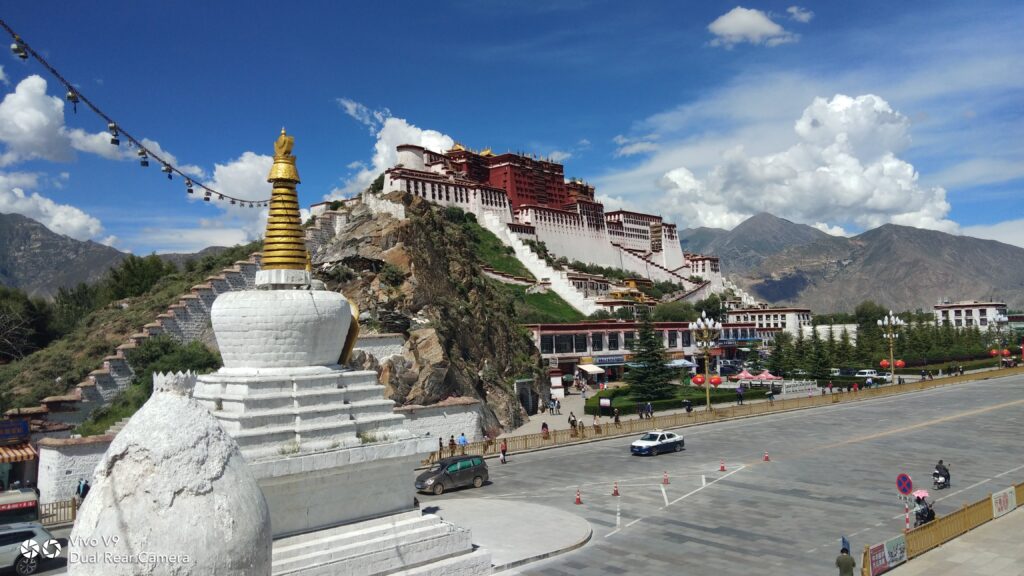
Day 4 & 5: Sightseeing in Lhasa These two full days are dedicated to exploring Lhasa’s wonders. You’ll explore the magnificent Potala Palace, the spiritual Jokhang Temple, and witness monks debate at Sera Monastery. Wandering Barkhor Street is a cultural experience in itself.
Day 6: Lhasa – Shigatse / Tingri You begin your return journey, driving back along the Friendship Highway. You will stop for the night in Shigatse or continue to Tingri to better position yourself for the Everest Base Camp visit the next morning.
Day 7: Shigatse/Tingri – Everest Base Camp (5,200m) – Kerung This is the highlight! An early morning drive takes you to Rongbuk Monastery, the highest in the world. From there, you will visit Everest Base Camp itself for those unforgettable, awe-inspiring views of Mt. Everest (Qomolangma). Please note that overnight stays at the base camp itself are restricted. You will spend time there before beginning the long drive back to the border town of Kerung for the night.
Day 8: Kerung – Kathmandu After completing border formalities, you drive back from Kerung to Kathmandu, marking the end of your incredible Everest Base Camp Tour via Lhasa.
Cost Breakdown for Your Tibet Tour with EBC
A Group Joining the Everest Base Camp Tour via Lhasa on this route is an affordable overland adventure. The base cost for the 8-day tour is typically USD $900 per person. Please note that adding the Everest Base Camp excursion incurs an additional USD $250, bringing the total to approximately $1,150 per person. This usually includes:
All Tibet travel permits and border fees (including EBC permit).
Comfortable, licensed tourist vehicles for the entire journey (including the EBC detour).
An experienced English-speaking guide.
All accommodation.
Entrance fees to all listed attractions.
Note: Meals and tips are usually extra.
Best Time and Weather for Your Tour
The best time for this Tibet tour is from April to early June and from September to October. During these windows, the weather is stable with clear skies, offering the best chance of a stunning, unobstructed view of Mount Everest.
Spring (Apr-Jun): Pleasant temperatures and clear skies. Ideal for driving and photography.
Autumn (Sep-Oct): Considered the prime season with minimal rainfall and excellent visibility.
Winter (Nov-Mar): Very cold, and the border pass can sometimes close due to snow.
Summer (Jul-Aug): Monsoon season; clouds often obscure the mountain views.
How Difficult is This Everest Base Camp Tour?
This is primarily a driving tour. The physical difficulty is low, but the primary challenges include the long drive days on winding mountain roads and the high altitude, especially during the rapid ascent to 5,200m at the EBC. While acclimatization is built in, it’s essential to be prepared for potential symptoms of Acute Mountain Sickness (AMS). Being in good health and staying hydrated are key.
Ready for the Adventure?
This Everest Base Camp Tour via Lhasa from Kathmandu is a classic Himalayan road trip that delivers the ultimate prize: a breathtaking visit to the base of the world’s tallest mountain. By joining a group tour, you ensure a smooth, safe, and unforgettable overland experience. Start planning your Tibetan adventure today
An 8-day Tibet tour is the classic journey for a reason. It gives you enough time to truly connect with the heart of Tibetan culture in Lhasa and then witness the breathtaking natural beauty that lies beyond the city. This isn’t just a sightseeing trip; it’s a deep dive into a way of life.
Joining a 8-day group joining Tibet tour is a fantastic way to experience this. You travel with a small group of like-minded explorers, share experiences, and often make lifelong friends, all while keeping costs down. This makes for a truly memorable and Budget 8 Days Tibet tour experience.
Let’s break down exactly what you’ll see and do on each day of this incredible adventure.
Day 1: Arrival in Lhasa (3,650m) – The Start of Your Journey
Your adventure begins the moment you land. The first thing you’ll notice is the incredible clarity of the light and the vastness of the sky. Your guide will be waiting for you, offering a traditional white silk scarf known as a Khata. This is a warm Tibetan welcome, a sign of respect and good luck.
The Main Event: Acclimatization. This is the most important part of your first day. Lhasa is over two miles above sea level. Your body needs time to adjust.
What to Do: Take it slow. Drink plenty of water. Relax at your hotel. Maybe take a short, gentle walk around the neighborhood if you’re feeling up to it, but listen to your body. The excitement is building, and a good rest ensures you’re ready for the days ahead.
Day 2: Lhasa’s Crown Jewels – The Potala Palace and Jokhang Temple
Today, you step into the pages of history.
The Potala Palace: This isn’t just a palace; it’s the symbol of Tibet. As you approach, its 13 stories of towering white and red walls will leave you in awe. Originally built by King Songtsen Gampo and later expanded, it was the winter home of the Dalai Lamas for centuries.
What You’ll See Inside: You’ll climb ancient stone steps (take it slow!) and walk through rooms filled with history. See the intricate gold-covered stupas that hold the remains of past Dalai Lamas, incredibly detailed thangka paintings, and the private quarters where the spiritual leaders lived and studied. It feels like a living museum.
The Jokhang Temple: If the Potala is the political heart, the Jokhang is the spiritual heart of Tibet. Built in the 7th century, it is the most sacred temple. The atmosphere here is electric with devotion.
What You’ll Feel: You’ll see pilgrims from every corner of Tibet prostrating themselves in prayer outside the entrance. Inside, the air is thick with the smell of burning yak butter lamps. The central statue is a revered image of Buddha Sakyamuni as a young man. The sense of faith is palpable and deeply moving.
Barkhor Street: This circular pilgrim path surrounds the Jokhang Temple. It’s a bustling, vibrant marketplace and a social hub.
The Experience: Walk the circuit with the pilgrims. You can browse stalls selling everything from prayer wheels and turquoise jewelry to traditional Tibetan boots. It’s the perfect place to feel the pulse of everyday Lhasa life.
Day 3: The Great Monasteries – Sera and Drepung
Today, you explore two of Tibet’s “great three” monasteries, centers of Buddhist learning and practice.
Drepung Monastery: Once the largest monastery in the world, housing over 10,000 monks, it sits like a white city nestled in the hillside.
What to Explore: Wandering through its narrow pathways between white-walled buildings is an adventure. You’ll visit large assembly halls with towering statues and see the monks’ living quarters. The view from the top, looking out over the entire Lhasa valley, is absolutely worth the climb.
Sera Monastery: While Drepung is vast, Sera is famous for one thing: the Monk Debates.
A Unique Spectacle: Every afternoon (except Sundays), monks gather in a shaded courtyard. The debating is a core part of their education. One monk sits, while another stands and asks philosophical questions. The standing monk claps his hands loudly with each point to emphasize his argument. It’s a lively, captivating event. Watching their intense expressions and gestures is a highlight, offering a real glimpse into monastic training.
Day 4: The Scenic Drive to Shigatse & The Gem of Yamdrok Lake
We leave Lhasa and embark on one of the world’s most beautiful drives.
Gampa La Pass (4,790m): The drive itself is an event. As you wind up the mountains, you’ll reach the summit of this high pass. And then you see it…
Yamdrok Lake: The view is simply unforgettable. Below you lies one of Tibet’s three most sacred lakes. Its water is a shade of turquoise blue that seems almost unreal, shaped like a giant scorpion and surrounded by snow-capped mountains. According to local belief, simply seeing the lake brings good fortune. You’ll have plenty of time to walk along its shores, take photos, and soak in the incredible peace of this place.
After saying goodbye to the lake, we continue the drive, enjoying stark, beautiful landscapes all the way to Shigatse, Tibet’s second-largest city.
Day 5: Gyantse’s Historic Treasures & Return to Lhasa
On our loop back to Lhasa, we stop in the historic town of Gyantse.
Pelkor Monastery and the Gyantse Kumbum: This is a unique site. Unlike other monasteries, Pelkor is known for its Kumbum (meaning “100,000 images”). This is a giant stupa (Buddhist shrine).
Why It’s Special: You can go inside the Kumbum. It has nine levels, with chapel after chapel (108 in total!) spiraling up to the top. Each chapel is filled with incredibly well-preserved ancient murals and statues. Climbing through it feels like exploring a sacred maze and is a true hidden gem of Tibetan art and architecture.
The drive back to Lhasa follows the friendly Brahmaputra River, offering more stunning views of the Tibetan countryside.
Day 6: Your Free Day – Explore Lhasa Your Way
This day has no schedule. It’s your chance to personalize your trip.
Ideas: Revisit the Barkhor Market for souvenirs. Find that little tea house you spotted earlier and spend an hour people-watching. Go back to a part of the Potala Palace to sit and sketch or just reflect. Or, you could visit a lesser-known temple like the Ramoche Temple. This day allows you to follow your own curiosity.
Day 7: Connecting the Dots at the Tibet Museum
Before you leave, we visit the Tibet Museum.
Why It Matters: After days of seeing incredible sites, the museum helps you put it all together. Its modern exhibits tell the full story of Tibet’s history, culture, and art. Seeing the artifacts, traditional costumes, and historical context will deepen your understanding of everything you’ve witnessed. It’s the perfect way to reflect on your journey.
The rest of the day is yours for last-minute adventures or relaxation.
Day 8: Departure from Lhasa
Your 8-day Tibet tour concludes after breakfast. Your guide will transfer you to the airport or train station. You’ll be heading home not just with photos, but with a real sense of Tibet’s profound spirit, its resilient people, and its stunning landscapes. It’s an experience that stays with you long after you’ve returned home.
Tibet, the “Roof of the World,” is a dream destination for many travelers. With its breathtaking landscapes, rich culture, and spiritual heritage, it offers an unforgettable experience. However, many assume that traveling to Tibet is expensive. The good news? With smart planning, you can enjoy a budget-friendly Tibet tour without compromising on the experience. One of the best ways to cut costs is by opting for a group joining a Tibet tour, where you share expenses with fellow travelers.
Why Choose a Budget-Friendly Tibet Tour?
Traveling on a budget doesn’t mean missing out on Tibet’s wonders. Here’s why a budget-friendly Tibet tour is a great choice:
Lower Costs: Shared accommodations, transportation, and guide fees reduce expenses.
Group Discounts: Many tour operators offer discounts for group bookings.
Social Experience: Traveling with like-minded explorers enhances the journey.
Fixed Itineraries: Pre-planned tours save time and money on logistics.
Tips for an Affordable Tibet Tour
1. Join a Group Tour
A group joining a Tibet tour is the most economical way to explore Tibet. Since costs like permits, guides, and vehicles are split among participants, you save significantly compared to private tours.
2. Travel in the Off-Season
Peak seasons (May to October) see higher prices. Visiting during the shoulder seasons (April or November) means lower costs on flights, hotels, and tours.
3. Book Budget Accommodations
Opt for guesthouses or budget hotels instead of luxury stays. Many budget-friendly Tibet tours include simple but clean lodging.
4. Eat Local
Tibetan food like thukpa (noodle soup) and momos (dumplings) is delicious and affordable. Avoid touristy restaurants for better prices.
5. Combine Tours
Some operators offer combo packages (e.g., Lhasa + Everest Base Camp) at discounted rates when booked as a group.
Best Budget-Friendly Group Tours in Tibet
Here are some of the best group joining Tibet tours that offer great value:
Highlights: Gyantse, Shigatse, Everest, and a scenic drive to Nepal.
Why Choose It? Ideal for adventure seekers looking for an affordable overland experience.
Exploring Tibet doesn’t have to break the bank. By choosing a budget-friendly Tibet tour and joining a group tour to Tibet, you can experience the magic of Tibet at a fraction of the cost. With smart planning, off-season travel, and shared expenses, your dream Tibetan adventure is within reach, without sacrificing the experience.
Ready to embark on an affordable journey? Book a group joining Tibet tour today and discover the wonders of Tibet without overspending!
The Kailash Mansarovar Yatra is a once-in-a-lifetime pilgrimage, but planning the finances can be overwhelming. With varying routes, packages, and hidden costs, pilgrims need a clear breakdown to budget effectively.
This guide provides a transparent cost analysis for 2025/2026, covering: ✔ Inclusions & exclusions in tour packages ✔ Helicopter vs. overland route costs ✔ Tips to save money without compromising safety ✔ Hidden expenses that many pilgrims overlook
Whether you’re an Indian citizen or an international traveler, this article will help you plan your sacred journey with confidence.
Factors Affecting Kailash Yatra Cost
1. Route Selection (Biggest Cost Factor)
Route
Duration
Approx. Cost (2025/2026)
Best For
Overland (Kerung/Kodari Route)
12-14 days
$1,800 – $2,800 (INR 1.5L – 2.3L)
Budget-conscious pilgrims
Helicopter-Assisted (Simikot-Hilsa)
8-10 days
$3,500 – $5,500 (INR 2.9L – 4.5L)
Those short on time or avoiding long treks
Lhasa-Kailash (Flight + Overland)
14-16 days
$3,000 – $4,500 (INR 2.5L – 3.7L)
Pilgrims wanting to explore Lhasa first
2. Package Type (Standard vs. Deluxe)
Standard: Basic guesthouses, shared transport (~$1,800-$2,500)
All vegetarian meals in Tibet (breakfast, lunch, dinner)
Nepal meals (as per itinerary)
✅ Support & Safety
Experienced Nepali/Indian guide + Tibetan guide
Porters/yaks for group luggage (limited weight)
Oxygen cylinders & basic first aid
Common Exclusions & Hidden Costs
❌ International/Domestic Flights (to Kathmandu) ❌ Nepal Visa (for non-Indian nationals) ❌ Travel Insurance (mandatory for high-altitude coverage) ❌ Personal Porter/Pony (~$15-$30/day for extra luggage) ❌ Tips for Guides & Drivers (~$50-$100 per pilgrim) ❌ Emergency Evacuation (covered by insurance, not tour operators) ❌ Unforeseen Delays (weather, landslides, permit issues)
Estimated Costs for Indian Citizens (2025/2026)
Package Type
Duration
Approx. Cost (INR)
Standard Overland (Group)
12-14 days
₹1,55,000 – ₹1,85,000
Deluxe Overland (Small Group)
12-14 days
₹2,10,000 – ₹2,50,000
Helicopter-Assisted (Simikot-Hilsa)
8-10 days
₹3,20,000 – ₹4,50,000
Prices vary based on group size, season, and inclusions. Get a personalized quote for exact figures.
5 Money-Saving Tips for Kailash Yatra
1️⃣ Book Early – Permits are limited; early birds get better rates. 2️⃣ Travel in a Group – Larger groups = lower per-person cost. 3️⃣ Choose Overland Route – Saves 30-50% vs. helicopter. 4️⃣ Pack Light – Avoid extra porter fees. 5️⃣ Avoid Peak Season – May-June & Sept-Oct are pricier.
Why Choose Us for Your Kailash Yatra?
At Tashi Delek Nepal Treks & Expedition, we offer: ✔ All-inclusive packages (no hidden costs) ✔ Govt.-approved permits & visas ✔ Experienced guides & medical support ✔ Flexible payment options
The sacred Mount Kailash and Lake Manasarovar Yatra is a dream pilgrimage for Hindus, Buddhists, Jains, and Bonpos. After a five-year hiatus due to geopolitical and pandemic-related restrictions, the Kailash Mansarovar Yatra has officially resumed in 2025, with Indian pilgrims once again being permitted to undertake this spiritual journey.
Recent updates (as of July 11, 2025) confirm that the Kodari border (Nepal-China Friendship Highway) is now operational as an alternative entry/exit point, easing travel for pilgrims. However, navigating the visa and permit process remains complex, requiring pilgrims to travel through authorized tour operators.
This article provides the latest 2025/2026 updates on visa requirements, permits, routes from Nepal, and essential travel tips to help you plan a seamless pilgrimage.
Key Updates for Kailash Yatra 2025/2026
1. Resumption of Yatra & Kodari Border Reopening
The Kailash Mansarovar Yatra has officially reopened for Indian and international pilgrims after a long suspension.
The Kodari border (Sino-Nepal border) is now being used as an emergency entry/exit point, providing an alternative to the Kerung (Rasuwagadhi) route.
This is particularly beneficial for pilgrims who faced difficulties with the Rasuwagadhi route in previous years.
2. Special Permission for Indian Pilgrims
Due to diplomatic efforts, Indian citizens are now permitted to undertake the Yatra via Nepal.
However, individual travel is still not allowed—all pilgrims must join government-approved group tours operated by licensed agencies.
Visa & Permit Requirements for Kailash Yatra 2025/2026
1. Chinese Group Visa (Mandatory)
Individual visas are NOT accepted for the Kailash Yatra.
All pilgrims must obtain a Chinese Group Visa, processed collectively by tour operators through the Chinese Embassy in Kathmandu.
Documents Required:
Original passport (valid for at least 6 months)
2 passport-sized photos
Completed visa application form
Proof of your tour booking with a licensed operator
2. Tibet Travel Permit (TTP)
Issued by the Tibet Tourism Bureau, this permit is required for entry into Tibet.
Only authorized tour operators can apply for this on behalf of pilgrims.
3. Alien’s Travel Permit (ATP)
Required for travel beyond Lhasa, including Mount Kailash and Lake Manasarovar.
Arranged by your tour operator as part of the package.
Processing Time & Advance Booking
Group Visa: 3-5 working days (subject to embassy processing times).
Tibet Travel Permit: Additional 5-7 days.
Book Early: Due to high demand and limited permits, pilgrims are advised to book at least 1-2 months in advance.
Popular Routes from Nepal to Mount Kailash
1. Overland Route via Kerung (Rasuwagadhi) & Kodari
Kathmandu → Syabrubesi → Kerung (Rasuwagadhi border) → Tibet
Alternative Option: Kodari border (now operational as an emergency route).
Includes acclimatization stops in Gyirong (Kyirong) before proceeding to Kailash.
Best suited for: Pilgrims seeking a traditional overland journey.
Planning your Tibet tours requires careful consideration of weather, festivals, and travel seasons to ensure the best experience. Tibet’s high altitude and unique climate make some months more favorable for travel than others. Whether you’re drawn to its breathtaking landscapes, rich culture, or vibrant festivals, selecting the best time for your Tibet tour will enhance your journey.
Best Travel Seasons for Tibet Tours
1. Spring (April to May) – Mild Weather and Fewer Crowds
Spring is one of the best times for Tibet tours as temperatures begin to warm up after winter. The weather is pleasant, with daytime temperatures ranging from 10°C to 15°C (50°F to 59°F), making it ideal for sightseeing.
Pros:
Comfortable weather for trekking and outdoor activities.
Fewer tourists compared to peak summer months.
Blooming flowers and clearer mountain views.
Cons:
Nights can still be chilly.
Some high passes may remain snow-covered early in the season.
2. Summer (June to August) – Peak Travel Season
Summer is the most popular time for Tibet tours due to warm temperatures and the famous Saga Dawa Festival. Daytime highs reach 20°C (68°F), while nights remain cool.
Pros:
Ideal for visiting Everest Base Camp and remote regions.
Vibrant festivals like Saga Dawa (celebrating Buddha’s enlightenment).
Lush green landscapes and clear skies.
Cons:
Crowded tourist sites and higher travel costs.
Occasional rain showers, especially in July and August.
3. Autumn (September to October) – Perfect Weather and Stunning Views
Many travelers consider autumn the absolute best time for Tibet tours due to stable weather, clear skies, and breathtaking scenery.
Pros:
Mild temperatures (10°C–20°C / 50°F–68°F).
Excellent visibility for mountain views, including Mount Everest.
Key festivals like the Shoton Festival (Tibetan Opera performances).
Cons:
Popular travel period, so early booking is recommended.
Nights start getting colder by late October.
4. Winter (November to March) – Off-Season with Unique Charm
Winter is the least crowded time for Tibet tours, offering a serene experience for those who don’t mind the cold.
Pros:
Fewer tourists and lower travel costs.
Stunning snow-covered landscapes.
Unique winter festivals like Losar (Tibetan New Year in February/March).
Cons:
Harsh temperatures (-10°C to 10°C / 14°F–50°F).
Some roads and attractions may be closed due to snow.
Best Time for Tibet Tours Based on Festivals
Tibet’s vibrant festivals add cultural depth to any Tibet tour. Key events include:
Losar (Tibetan New Year, Feb/Mar) – Celebrations with prayers, dances, and family gatherings.
Saga Dawa Festival (May/June) – Pilgrimages to Mount Kailash and grand ceremonies.
Shoton Festival (August) – Yogurt festival with Tibetan opera and giant thangka displays.
When to Plan Your Tibet Tour
The best time for Tibet tours depends on your priorities:
For ideal weather: April–May or September–October.
For festivals, consider the summer (June–August) or winter (Losar in February/March).
For budget travelers: November–March (off-season discounts).
No matter when you visit, a Tibet tour promises unforgettable adventures amidst stunning landscapes and deep cultural heritage. Plan wisely to make the most of your journey to the “Roof of the World”!
Would you like recommendations for specific Tibet tour itineraries based on the best travel season? Let us help you craft your perfect trip!
For Indian citizens seeking to undertake the sacred Kailash Mansarovar Yatra, Nepal has long served as a popular and often more accessible gateway than India’s direct routes. With the overall reopening of the Yatra in 2025 after a five-year hiatus, pilgrims are eagerly looking to plan their journey through this spiritual hub.
While the Indian Ministry of External Affairs (MEA) organizes its own Kailash Mansarovar Yatra via Lipulekh and Nathu La passes, many Indian pilgrims opt for a Mt Kailash Group Joining Tour for Indian Citizens 13 Days starting from Kathmandu, Nepal, due to the flexibility, varied options, and often perceived ease of logistics offered by Nepalese and Indian private tour operators. Here’s what Indian citizens need to know about undertaking the Mt. Kailash tour from Nepal in 2025:
Why Choose the Nepal Route?
Accessibility: Kathmandu is a major international hub with direct flights from various Indian cities, making it a convenient starting point.
Variety of Packages: Private tour operators in Nepal offer a range of packages, including overland (bus/jeep), helicopter-to-Hilsa, and even flights to Lhasa before continuing overland to Kailash, catering to different budgets and physical capabilities.
Visa Process (Group Visa): While a Chinese visa and Tibet Travel Permit are still required, tour operators in Nepal specialize in facilitating the group visa process for Indian pilgrims through the Chinese Embassy in Kathmandu. This can sometimes be less cumbersome than applying individually from India.
Cultural Familiarity: Nepal shares deep cultural and religious ties with India, and many tour operators have experience catering to Indian pilgrims, offering vegetarian meals, Hindi-speaking guides, and arrangements for pujas.
Flexible Departures: Unlike the fixed, government-allocated batches, private operators often have more flexible departure dates, allowing pilgrims to choose dates that suit them, including full moon dates, which are considered auspicious.
Key Routes from Nepal for Mount Kailash Tour for Indian Citizens:
Highlights: This is the most common and relatively economical option. It involves long drives through scenic, albeit sometimes challenging, Tibetan plateau landscapes, and pilgrims experience the gradual acclimatization process.
Helicopter to Hilsa (Nepal) + Overland:
Duration: Shorter, usually 9-11 days.
Route: Kathmandu – Flight to Nepalgunj – Flight to Simikot (Humla district, Nepal) – Helicopter to Hilsa (Nepal-China border) – Cross border to Purang (Tibet) – Overland to Mansarovar Lake – Darchen – Kailash Parikrama (Kora) – Return journey.
Highlights: Significantly cuts down travel time compared to the full overland journey. It’s ideal for those with limited time or who prefer to avoid very long road journeys, though it is more expensive. The helicopter ride offers breathtaking aerial views of the Himalayas.
Flight to Lhasa + Overland to Kailash:
Duration: Around 16-17 days.
Route: Kathmandu – Flight to Lhasa – Sightseeing in Lhasa (Potala Palace, Jokhang Temple, etc.) – Overland to Shigatse – Saga – Mansarovar Lake – Darchen – Kailash Parikrama (Kora) – Return journey.
Highlights: A more comprehensive Tibet experience, combining the spiritual pilgrimage with cultural immersion in Lhasa. This is the most luxurious and expensive option.
Visa and Permit Requirements for Mount Kailash Tour for Indian Citizens via Nepal:
For Indian passport holders, the process for the Kailash Mansarovar Yatra via Nepal generally involves:
Chinese Group Tourist Visa: This is a special visa issued for those traveling in groups to Tibet. It is not stamped in your passport, but is a separate group document. You cannot apply for this individually; your tour operator in Nepal will arrange it through the Chinese Embassy in Kathmandu.
Tibet Travel Permit (TTP): This is mandatory to enter Tibet and visit restricted areas like Mount Kailash and Lake Mansarovar. Your tour operator will secure this from the Tibet Tourism Bureau (TTB).
Alien’s Travel Permit: Required for travel to regions outside Lhasa, including the Kailash vicinity. This is also arranged by your tour operator.
Military Area Entry Permit: Some routes or areas near the border might require this. Your tour operator handles this as well.
Documents typically required by your tour operator:
Valid Indian Passport (with at least 6 months validity beyond your return date and ideally 2-4 blank pages).
Recent passport-sized photographs.
Visa application form (provided by the tour operator).
Estimated Costs for Mt. Kailash Tour for Indian Citizens (2025):
The cost of a Kailash Mansarovar Yatra from Nepal for Indian citizens can vary significantly based on the chosen route, duration, level of accommodation, group size, and the services included by the tour operator.
Overland Journey: Expect costs to range from INR 2,00,000 to INR 2,50,000 (approx. US$ 2,400 – 3,000) per person for a group joining tour.
Helicopter + Overland: This option is more expensive, typically costing between INR 2,70,000 to INR 3,50,000 (approx. US$ 3,200 – 4,200) per person.
Lhasa Flight + Overland: This can be the most premium option, potentially ranging from INR 3,75,000 to INR 4,50,000 (approx. US$ 4,500 – 5,400) or more.
These costs generally include:
Chinese Group Visa and Tibet Permits
Accommodation (standard hotels in Kathmandu, basic guesthouses/mud houses in Tibet)
Vegetarian meals (often prepared by Indian cooks)
Transportation within Nepal and Tibet
English and Hindi-speaking guides/leaders
Yaks/porters for Kailash Kora (to carry luggage/kitchen equipment)
Oxygen cylinders and basic first aid
Exclusions often include:
International airfare to and from Kathmandu
Travel insurance (highly recommended)
Nepal visa (not required for Indian citizens)
Tips for staff
Personal expenses (shopping, beverages, laundry, etc.)
Horse/Yak and horseman for personal riding during Kailash Kora (optional, additional cost)
Best Time to Travel (2025):
The Kailash Mansarovar Yatra season typically runs from May to October. The best time is generally considered to be:
May-June: Pleasant weather, though late May and early June can see increased crowds.
September-October: Clear skies and stable weather, often considered ideal due to fewer crowds and vibrant autumn colors.
July-August: Monsoon season in some parts, which can lead to road blockages and flight delays, particularly on the helicopter routes. However, it’s still a popular time for pilgrimages.
Essential Preparation for Indian Pilgrims:
Physical Fitness: The Yatra, especially the Kailash Kora, is physically demanding. Start a fitness regimen (brisk walking, jogging, yoga) at least 2-3 months in advance.
Medical Check-up: Get a thorough medical examination, especially for heart and respiratory conditions. Discuss high-altitude sickness (AMS) prevention with your doctor.
Acclimatization: Tour operators build in acclimatization days to help pilgrims adjust to the high altitude. It’s crucial to follow their advice and drink plenty of water.
Packing: Pack layers of warm clothing, waterproof and windproof jackets, comfortable trekking shoes, a sleeping bag (sometimes provided by operators), sunscreen, sunglasses, personal medication, and a basic first-aid kit.
Currency: Carry sufficient Chinese Yuan (CNY) for personal expenses in Tibet. Some USD might also be useful in Nepal.
Mental Preparedness: The Yatra is as much a spiritual journey as a physical one. Be prepared for basic accommodations, limited facilities, and challenging conditions.
Reputation and Experience: Look for operators with a long track record of organizing Kailash Yatra for Indian citizens. Check online reviews and testimonials.
Government Authorization: Ensure they are licensed by both Nepalese and Chinese authorities to organize tours to Tibet.
Inclusions and Exclusions: Carefully review the package details to understand what’s included and what additional costs you might incur.
Medical Support: Inquire about their arrangements for medical emergencies, including oxygen cylinders, medical staff, and evacuation plans.
Guide Expertise: A knowledgeable and experienced guide (especially one fluent in Hindi/English) can greatly enhance the pilgrimage experience.
The reopening of the Kailash Mansarovar Yatra in 2025 via Nepal offers a renewed opportunity for Indian citizens to embark on this profound spiritual journey. With careful planning and the assistance of reputable tour operators, pilgrims can look forward to a transformative experience at the sacred abode of Lord Shiva.
Unlock the Mystique of the Himalayas on an Unforgettable 10-Day Mt. Kailash Spiritual Group Tour – Perfect for Budget-Conscious and Solo Adventurers, Starting from Kathmandu!
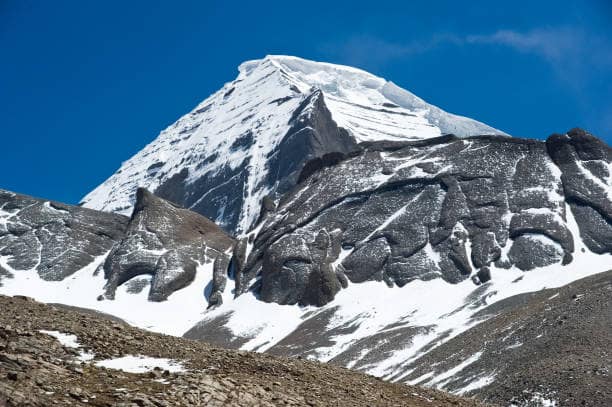
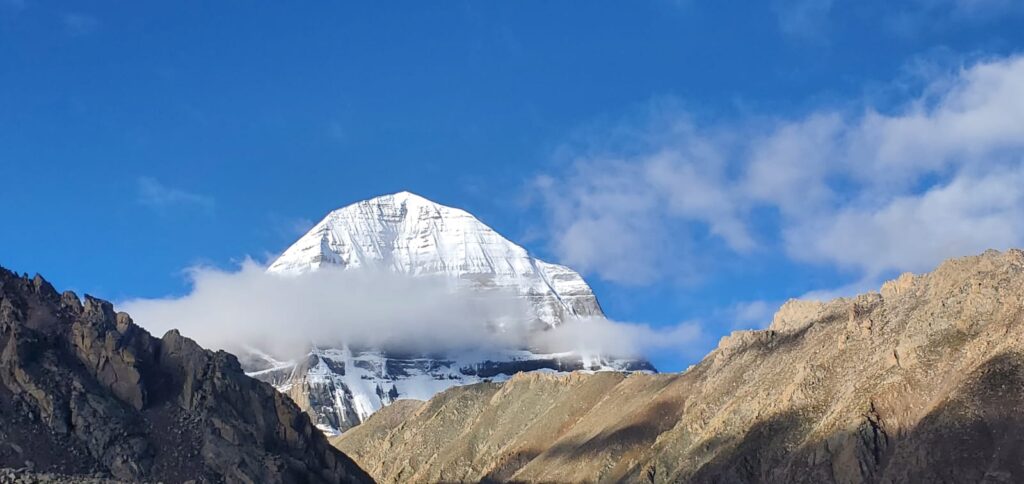
Mount Kailash has stood as a beacon of spiritual significance for centuries, revered by Hindus, Buddhists, Jains, and Bonpos alike. Its majestic, snow-capped peak and the serene waters of Lake Manasarovar draw pilgrims and seekers from across the globe. Now, you have the incredible opportunity to experience this sacred landscape on our meticulously crafted 10-day Mt. Kailash Spiritual Group Tour, beginning and concluding in Kathmandu.
Designed with budget travelers and solo adventurers in mind, this group-joining tour offers an affordable and enriching way to immerse yourself in the profound spirituality and breathtaking beauty of this remote corner of Tibet. With departures guaranteed for groups of a minimum of 4 and ideally up to 20 multinational participants, you’ll share this transformative journey with like-minded individuals from diverse backgrounds, fostering camaraderie and shared experiences.
Budget-Friendly: Traveling in a group offers a significantly more affordable option than private tours, making this sacred journey accessible to a wider range of travelers starting from Kathmandu.
Perfect for Solo Travelers: Don’t let traveling alone deter you! Our group tours provide a welcoming and supportive environment to connect with fellow spiritual seekers and share this profound experience from the moment you arrive in Kathmandu.
Multinational Group: Journey alongside participants from around the world and immerse yourself in a rich tapestry of cultures and perspectives.
Expertly Curated Itinerary: Our 10-day itinerary is thoughtfully designed to maximize your spiritual experience and exposure to the key sacred sites around Mt. Kailash and Lake Manasarovar, with seamless travel from and back to Kathmandu.
Experienced Local Guides: Benefit from the knowledge and insights of our experienced Tibetan guides, who will share the region’s cultural and spiritual significance.
Logistical Support: We take care of all the necessary logistics, including Tibet entry permits, visa processing in Kathmandu, accommodation (comfortable guesthouses), transportation within Tibet, and meals (as specified in the itinerary), allowing you to focus on your spiritual journey.
Safety and Comfort: Your safety and comfort are our priority. We ensure reliable transportation, acclimatization stops, and support throughout the tour.
Outline Itinerary: 10-Day Mt. Kailash Spiritual Tour from Kathmandu
Day 1: Kathmandu (1400m) – Kerung (2200 m) (145 km): Your journey begins in Kathmandu. After necessary border formalities, we drive towards the Nepal-China border, crossing at Kerung. Overnight stay in Kerung.
Day 2: Kerung (2200 m): A crucial day for acclimating to higher altitude. Explore the local surroundings and rest to prepare for the journey ahead. Overnight stay in Kerung.
Day 3: Kerung – Saga (4600m): Embark on a scenic drive across the Tibetan plateau towards Saga. Enjoy the vast landscapes and begin to experience the unique atmosphere of Tibet. Overnight stay in Saga.
Day 4: Saga – Manasarovar (4560m) (560km – 7 hours drive): Continue your journey towards the sacred Lake Manasarovar. Witness breathtaking views of the Himalayas and the expansive Tibetan plains. Arrive at the shores of the holy lake. Overnight stay near Manasarovar.
Day 5: Manasarovar – Darchen (4560m) (30km): Spend the morning absorbing the serene beauty of Lake Manasarovar. You may have the opportunity for a short parikrama (circumambulation) of a section of the lake by jeep. Later, drive to Darchen, the base camp for the Mt. Kailash Kora. Overnight stay in Darchen.
Day 6: Darchen – Dirapuk (4900m): Begin your parikrama (clockwise circumambulation) of Mt. Kailash. Trek through valleys and alongside glacial rivers to reach Dirapuk Monastery, offering magnificent north face views of the sacred mountain. This is a challenging but rewarding day. Overnight stay in a guesthouse near Dirapuk.
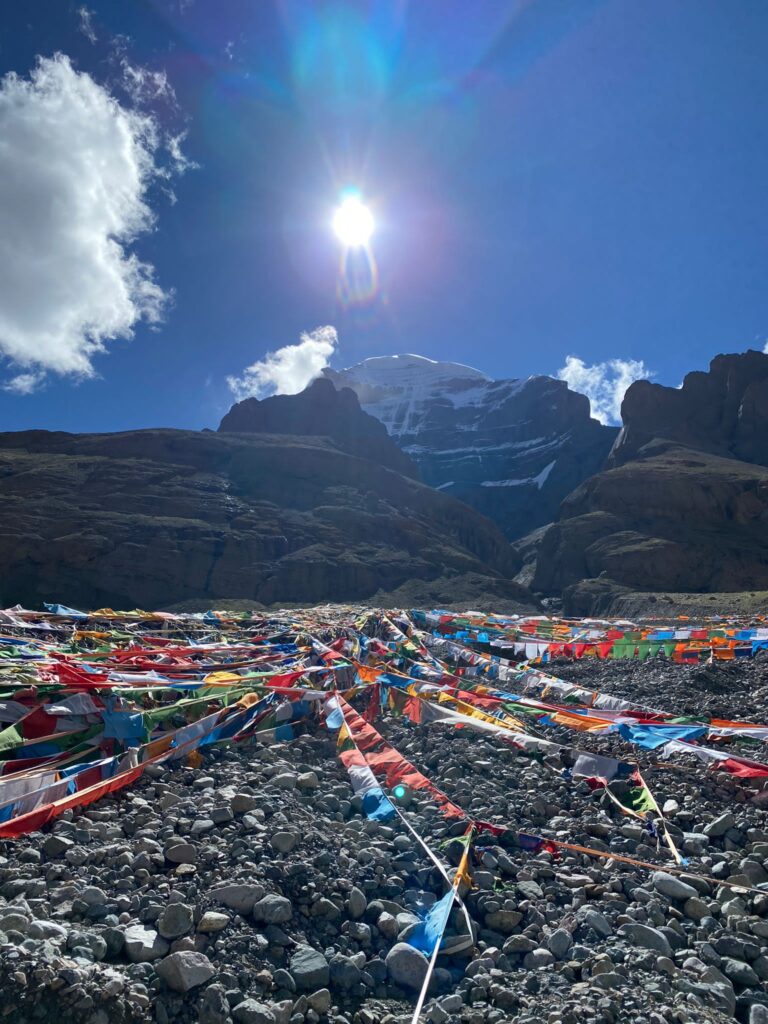
Day 7: Dirapuk – Zutulpuk (4790m) (22km – 10 hours): This is the most challenging day of the Kora, as you ascend to the Dolma La Pass (5,630m/18,471ft), adorned with prayer flags and offering breathtaking panoramic views. Descend to the valley on the other side and continue trekking to Zutulpuk Monastery. Overnight stay in a guesthouse near Zutulpuk.
Day 8: Zutulpuk – Darchen – Saga: Complete the final leg of the Kora, trekking for approximately 3-4 hours back to Darchen. From Darchen, we begin our journey back towards Saga. Overnight stay in Saga.
Day 9: Saga – Kerung: Continue your drive back towards the Nepal border, arriving in Kerung. Overnight stay in Kerung.
Day 10: Kerung – Kathmandu (1400m): After completing border formalities, we drive back to Kathmandu, where your spiritual journey concludes.
Permit & Visa Processing (Crucial Information):
To participate in this Mt. Kailash tour departing from Kathmandu, specific permits and a Chinese Group Visa are required. Please carefully note the following procedures:
Permits:
Submit clear passport copies 30-35 days in advance of your intended travel date. This lead time is essential for processing the necessary Tibet Travel Permit and other required permissions.
A non-refundable 10% deposit of the tour cost is required at the time of submitting your passport copies for the permit application. This deposit secures your spot and initiates the permit process.
Visas:
As this tour enters Tibet from Nepal, a Chinese Group Visa is mandatory. This visa will be applied for in Kathmandu.
The visa fee depends on your nationality, as not all nationalities have the same visa fee, and some may not be eligible for a visa fee. Please inquire about the specific visa fee for your passport.
The visa processing takes approximately 4 working days here in Kathmandu.
Guests are required to be physically present in Kathmandu with their original passports during the visa processing period. Our team will guide you through this process. Please factor this time into your travel plans.
Is This Tour Right for You?
This 10-day Mt. Kailash Spiritual Group Tour from Kathmandu is ideal for:
Budget-conscious travelers seeking an affordable way to undertake this sacred pilgrimage can start and end in Kathmandu.
Solo travelers looking for a supportive and communal travel experience from the moment they arrive in Nepal.
Individuals with a keen interest in spirituality, Buddhism, Hinduism, Jainism, or Bonpo traditions.
Adventurous individuals who are comfortable with basic accommodation and willing to undertake moderate trekking at high altitudes.
Those seeking a transformative and culturally enriching travel experience in the remote Himalayas.
Ready to Embark on Your Sacred Journey from Kathmandu?
Don’t miss this incredible opportunity to witness the majesty of Mt. Kailash and immerse yourself in its profound spiritual energy, with the convenience of starting and ending your journey in Kathmandu. Join our upcoming multinational group tour and create lasting memories with fellow travelers from around the globe.
Planning a Bhutan Tour or Tibet Tour? Imagine the roof of the world, where prayer flags flutter against a backdrop of snow-capped peaks and ancient monasteries whisper tales of spirituality – this is Tibet. Or perhaps your mind wanders to the Land of the Thunder Dragon, a kingdom of vibrant culture, breathtaking landscapes, and a philosophy of Gross National Happiness – this is Bhutan. Both destinations offer unparalleled travel experiences, immersing you in unique traditions and stunning natural beauty.
Planning a journey to these extraordinary Himalayan realms in 2025 requires careful consideration and access to current information. From evolving travel regulations to the best times to visit and essential permit details, staying informed is key to crafting a seamless and unforgettable adventure. This article serves as your comprehensive guide, providing the latest tour updates and answering frequently asked questions to help you plan your dream trip to Tibet or Bhutan in 2025. Let’s unlock the secrets to your Himalayan escapade!
Tibet Tour in 2025: What You Need to Know
Is Tibet Open for Tourists in 2025?
Yes, as of May 2025, the Tibet Autonomous Region (TAR) warmly welcomes all foreign travelers seeking to explore its unique culture and breathtaking landscapes.
Can I Travel Independently in Tibet?
No, the regulations for traveling in Tibet require all international visitors to be part of an organized tour booked through a local Tibetan travel agency. Independent travel within the TAR is currently not permitted.
What is a Tibet Travel Permit (Tibet Visa)? Do I Need One?
Absolutely. A Tibet Travel Permit is a mandatory document for every international visitor wishing to enter Tibet. Often referred to as a “Tibet Visa,” this permit is essential, and you will not be allowed entry into the TAR without it. Your tour operator will typically assist you in obtaining this permit.
What Other Permits Might I Need for Tibet?
Depending on the scope of your Tibetan adventure, you might require additional permits. If your itinerary extends beyond Lhasa to other fascinating prefectures like Shigatse or Tsedang, an Alien Travel Permit will be necessary. Furthermore, for visits to sensitive border regions such as the Mount Everest Base Camp area or when entering Tibet from Nepal, a Border Permit is also required. It’s crucial to discuss your planned itinerary with your tour operator to ensure all necessary permits are secured.
How Do I Get a Chinese Group Visa for Tibet from Nepal?
If your journey to Tibet begins in Nepal, you will need to obtain a Chinese Group Visa from the Chinese Embassy in Kathmandu. It’s important to note that upon application for this group visa, any existing Chinese visa in your passport will be canceled. Your tour operator in Nepal will typically facilitate this process.
Are There Direct Flights Between Lhasa and Kathmandu?
Yes, connectivity between the capitals of Nepal and Tibet has been restored. Direct flights between Lhasa Gonggar Airport (LXA) and Kathmandu Tribhuvan International Airport (KTM) operate several times a week, offering a convenient travel option.
Is Mount Everest Base Camp Open to Tourists?
For those dreaming of gazing upon the world’s highest peak, the news is good! The Mount Everest Base Camp region on the Tibetan side is open to tourists in 2025, allowing you to witness the majestic grandeur of Everest.
Can I Do the Kailash Kora in 2025?
Pilgrims and trekkers rejoice! The revered Kailash Kora, the circumambulation of the sacred Mount Kailash, has resumed for international travelers holding non-Indian passports since late April 2025. However, the status for Indian citizens regarding the annual Kailash Yatra is currently still pending, and updates should be sought from relevant authorities.
What is the Best Time to Visit Tibet?
The most favorable periods to experience Tibet’s charm are generally during spring (March to May) and autumn (September to November). These seasons offer pleasant weather conditions with comfortable temperatures and clear skies, ideal for sightseeing and trekking. Summer (June to August) is also a viable option with no monsoon rains in Tibet, although it can be warmer. It’s worth noting that Tibet typically closes for tourism from late February to the end of March each year for maintenance and upgrades.
How Far in Advance Should I Book My Tibet Tour?
Given the unique travel regulations and the time required for permit processing, it is highly advisable to book your Tibet tour and apply for the necessary permits well in advance. This is particularly crucial if you plan to travel during peak seasons or wish to visit more remote areas requiring additional permits. Aim to book at least 1-2 months before your intended travel dates to ensure a smooth process.
How Long Does it Take to Get a Tibet Travel Permit?
The processing time for a Tibet Travel Permit typically ranges from 10 to 15 business days. It’s essential to factor this timeframe into your travel planning and submit all required documents to your tour operator promptly.
Are There Any Visa-Free Policies That Apply to Tibet Travel from Nepal?
China has recently expanded its visa-free policy to include citizens of several countries for short stays in mainland China. While the direct application of this policy to Tibet travel from Nepal is still being clarified, eligible nationalities might benefit from a waiver of the standard Chinese Group Visa requirement when entering Tibet from Nepal. It’s recommended to check the latest visa regulations and consult with your tour operator for the most up-to-date information based on your nationality.
Planning Your Bhutan Tour in 2025
Dreaming of exploring the enchanting Kingdom of Bhutan in 2025? Known for its pristine landscapes, vibrant culture, and the philosophy of Gross National Happiness, Bhutan offers a truly unique travel experience. Here’s what you need to know to plan your Bhutanese sojourn:
What is the Best Time to Visit Bhutan in 2025?
The most delightful times to visit Bhutan are generally during spring (March to May) and autumn (September to November). Spring brings blooming rhododendrons and pleasant temperatures, while autumn offers clear skies perfect for mountain views and vibrant cultural festivals. Summer (June to August) is the monsoon season, characterized by rain and higher humidity, although the landscapes are lush and green. Winter (December to February) presents a quieter atmosphere with fewer tourists and the chance to see snow-dusted landscapes.
What are Some Popular Bhutanese Festivals in 2025?
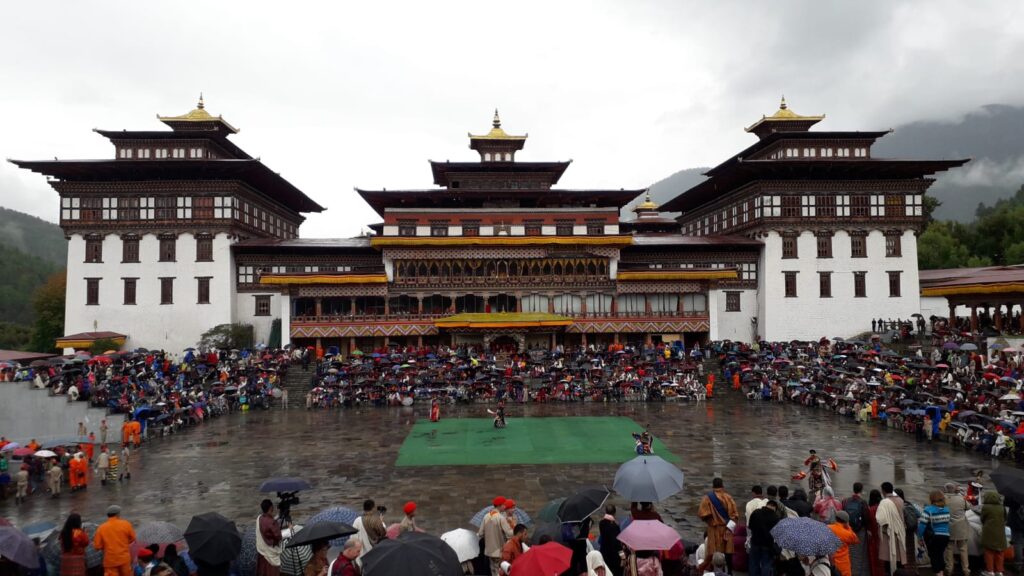
Experience the vibrant cultural heart of Bhutan by attending one of its colorful Tshechu festivals. While exact dates can vary slightly each year based on the lunar calendar, here are some key festivals to consider for your 2025 trip:
Paro Tshechu: Typically held in March/April in Paro.
Thimphu Tshechu: Usually takes place in September/October in Thimphu.
Jambay Lhakhang Drup: Celebrated in November in Bumthang.
Punakha Drubchen: Generally held in February in Punakha.
Pemagatshel Tshechu: Usually in October/November in Pemagatshel.
Prakhar Duchhoed: Typically in November in Bumthang.
Chhukha Festival: Usually celebrated in October in Chhukha.
Mongar Tshechu: Generally held in November in Mongar.
Jambay Lhakhang Singye Chham: Typically in December in Bumthang.
Do I Need to Book a Tour to Visit Bhutan?
Yes, due to Bhutan’s unique tourism policy focused on high-value, low-impact tourism, almost all tourists are required to book their trips through a licensed Bhutanese tour operator. Independent travel is generally not permitted. Your tour operator will arrange your itinerary, accommodation, guide, and transportation within the country.
Is There a Daily Tariff for Tourists in Bhutan? What Does it Cover?
Yes, Bhutan operates on a daily tariff system for most tourists. This tariff typically covers a comprehensive package that includes your accommodation (usually in comfortable hotels), all meals during your stay, the services of a licensed Bhutanese tour guide, and all internal transportation within Bhutan. The exact cost of the daily tariff can vary depending on the season and the level of accommodation you choose.
How Do I Get a Visa for Bhutan?
Obtaining a visa for Bhutan is usually a straightforward process handled by your Bhutanese tour operator. Once you have confirmed your tour booking and provided the necessary passport details and a digital photograph, your tour operator will apply for your visa on your behalf with the Department of Immigration in Thimphu. The visa is typically approved prior to your arrival, and you will receive a visa clearance letter. You will then receive the actual visa stamp in your passport upon arrival at Paro International Airport (PBH).
Are There Direct Flights to Bhutan? Where Do They Fly From?
Yes, Paro International Airport (PBH) is Bhutan’s only international airport and is well-connected by direct flights from several cities in Asia. You can find direct flights to Paro from:
Kathmandu (KTM), Nepal
Bangkok (BKK), Thailand
Delhi (DEL), India
Dhaka (DAC), Bangladesh
Kolkata (CCU), India
The primary airlines operating these routes are Drukair and Bhutan Airlines.
What Should I Wear When Visiting Religious Sites in Bhutan?
When visiting monasteries (lhakhangs) and fortress-monasteries (dzongs) in Bhutan, it is essential to dress modestly as a sign of respect for the local culture and religious customs. This generally means ensuring that your shoulders and knees are covered. Avoid wearing shorts, tank tops, or revealing clothing. It’s also customary to remove your hat and shoes before entering the inner sanctums of these sacred sites.
Are Credit Cards Widely Accepted in Bhutan?
While some of the larger hotels and shops in Bhutan may accept credit cards (primarily Visa and MasterCard), acceptance is still limited, especially in smaller towns and rural areas. It is highly recommended to carry sufficient cash in Bhutanese Ngultrum (BTN) or Indian Rupees (INR), which are accepted at par in Bhutan. You can exchange major foreign currencies for Ngultrum at the airport or in banks in the main towns. ATMs are also available in larger towns like Thimphu and Paro, but reliability can sometimes be an issue.
What are Some Popular Bhutan Tour Packages for 2025?
Bhutan offers a diverse range of tour packages catering to various interests:
Bhutan Cultural Tours (5-7 days): Exploring the iconic dzongs, monasteries, and cultural highlights of Paro, Thimphu, and Punakha.
Bhutan Trekking Tours (various durations): From short day hikes to challenging multi-day treks through stunning Himalayan landscapes.
Bhutan Nature Tours (7-9 days): Discovering Bhutan’s rich biodiversity, national parks, and unique flora and fauna.
Bhutan Festival Tours (variable duration): Immersing yourself in the vibrant atmosphere of a Tshechu.
Nepal & Bhutan Combination Tours (7-10 days): Experiencing the best of both Himalayan kingdoms.
Tibet and Bhutan stand as beacons of cultural richness and natural splendor, offering journeys that transcend the ordinary. From the spiritual aura of Lhasa’s monasteries to the breathtaking vistas of the Everest region, and from Bhutan’s ancient fortresses to its philosophy of happiness amidst stunning landscapes, a Himalayan adventure in 2025 promises unforgettable moments and profound discoveries.
As you embark on planning your trip, remember that travel guidelines and regulations can evolve. Staying informed about the latest updates on permits, visas, and best practices is crucial for a smooth and enriching experience. We encourage you to connect with reputable local tour operators in both Tibet and Bhutan. Their expertise and in-depth knowledge will not only ensure that your journey adheres to all necessary requirements but also provide you with invaluable insights and access to the hidden gems of these remarkable destinations.
The Himalayas await, ready to unveil their magic and leave an indelible mark on your soul. Begin planning your 2025 adventure to Tibet or Bhutan today and prepare to be captivated by the unparalleled beauty and profound culture of these extraordinary lands.
Nestled in the heart of the Himalayas, Bhutan stands as a beacon of tranquility and cultural richness. A journey to this mystical kingdom offers a unique blend of breathtaking landscapes, ancient traditions, and a profound sense of peace. For those seeking an escape from the ordinary, a Bhutan tour is more than just a vacation; it’s an immersive experience into a world where happiness is a national pursuit.
Why visit Bhutan?
What sets Bhutan apart is its unwavering commitment to Gross National Happiness (GNH), a philosophy that prioritizes the well-being of its citizens over economic growth. This dedication translates into pristine environments, vibrant cultural festivals, and a society that values harmony. When you travel to Bhutan, you’re not just visiting a country; you’re stepping into a sustainable and mindful living example. The untouched landscapes offer unparalleled natural beauty, from lush valleys to snow-capped peaks. A comprehensive Bhutan travel guide will show you that the rich tapestry of Buddhist traditions, reflected in its majestic dzongs and monasteries, creates an atmosphere of profound spirituality. A well-planned Bhutan tour ensures you experience the best of this unique country.
When is the best time to visit Bhutan?
Choosing the right time for your Bhutan tour is crucial for an optimal experience. Spring (March to May) and autumn (September to November) are considered the best time for a Bhutan tour, offering pleasant weather and clear skies. Spring brings vibrant rhododendron blooms, while autumn showcases stunning mountain vistas. During spring, you can witness the spectacular Paro Tsechu festival, a colorful celebration of Bhutanese culture. Understanding the Bhutan travel season will help you align your trip with the experiences you desire. Summer (June to August) brings monsoon rains, while winter (December to February) can be cold, especially in higher altitudes.
How to plan your Bhutan tour?
Bhutan tour planning requires working with a licensed tour operator, as independent travel is not permitted. The visa process is integrated into the tour booking, simplifying the procedure. Understanding the Bhutan travel requirements is essential. Bhutan operates on a daily tariff system, which covers accommodation, meals, transportation, and a licensed guide. This system ensures sustainable tourism and supports the country’s development.
What are the top destinations to visit in Bhutan?
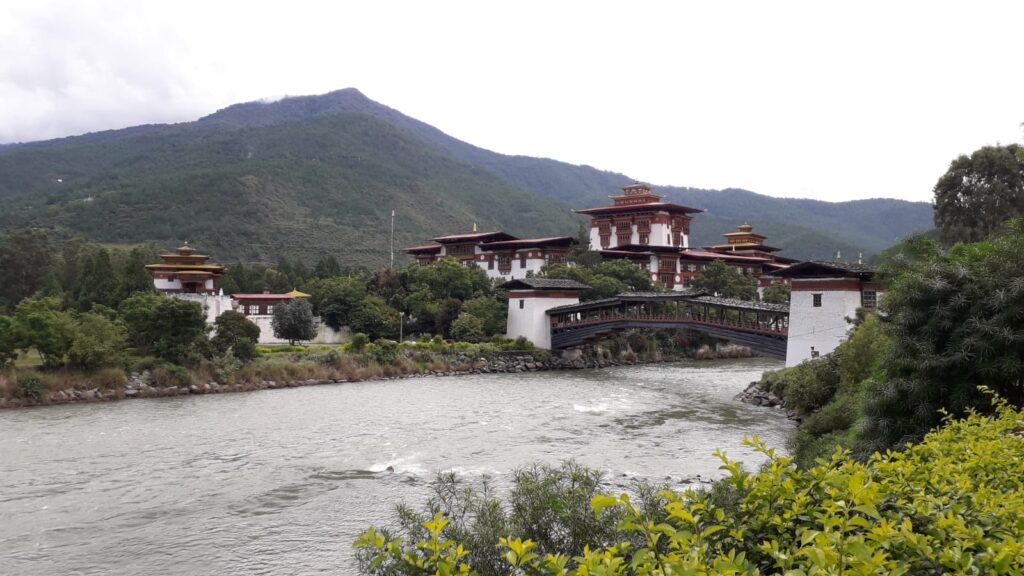
Your Bhutan tour destinations should include Paro, home to the iconic Tiger’s Nest Monastery (Paro Taktsang), a breathtaking cliffside temple. Thimphu, the capital, offers a blend of modern amenities and traditional charm. Punakha, known for its stunning Punakha Dzong, is a must-see. Bumthang, the spiritual heartland, offers ancient temples and serene valleys. These places to visit in Bhutan provide diverse experiences, from cultural immersion to natural exploration.
What to do on a Bhutan tour?
The Bhutan tour activities are as diverse as the landscape. Trekking is a popular pursuit, with trails ranging from easy day hikes to challenging multi-day treks. Cultural tours offer insights into Bhutanese traditions, while wildlife spotting provides opportunities to see rare species like the takin and black-necked cranes. These things to do in Bhutan cater to a wide range of interests.
Bhutan tour itinerary
5-Day Bhutan Tour Itinerary: Focus on Paro and Thimphu, including the Tiger’s Nest and key cultural sites.
7-Day Bhutan Tour Itinerary: Add Punakha to the itinerary, exploring its dzong and surrounding valleys.
10-Day Bhutan Tour Itinerary: Include Bumthang, delving into the spiritual heart of Bhutan and its ancient temples. These Bhutan tour itineraries offer a framework for your Bhutan travel plan, which can be customized to your preferences.
Bhutan Travel Tips
For a smooth Bhutan tour guide experience, pack layers of clothing for varying temperatures. Respect local customs and dress modestly when visiting temples. The local currency is the Ngultrum (BTN), which is pegged to the Indian Rupee. Be prepared for limited internet access in some areas. Understanding these Bhutan travel tips will enhance your journey.
Frequently Asked Questions (FAQs) About Bhutan Tours
Is Bhutan expensive to visit?
Yes, due to the daily tariff, which covers accommodation, meals, transportation, and a guide. However, this system ensures sustainable tourism and supports the local economy.
Do I need a guide for a Bhutan tour?
Yes, it is mandatory. Independent travel is not permitted to protect Bhutan’s unique culture and environment.
What is the food like in Bhutan?
Bhutanese cuisine is primarily spicy, with dishes like Ema Datshi (chili and cheese) being staples. Rice is a staple, and meat is common. Vegetarian options are available but may be limited in some areas.
What currency is used in Bhutan, and how do I handle money?
The local currency is the Ngultrum (BTN), which is pegged to the Indian Rupee. You can exchange major currencies at banks and some hotels. Credit cards are accepted in limited establishments, so carrying cash is advisable. ATMs are available in major towns.
What are the accommodation options in Bhutan?
Accommodation ranges from comfortable hotels to traditional guesthouses and homestays. Options vary depending on the location and budget.
Is internet and phone connectivity reliable in Bhutan?
Wi-Fi is available in many hotels and restaurants, but it can be slow and unreliable, especially in remote areas. Local SIM cards are available, but coverage may vary.
What kind of clothing should I pack for Bhutan?
Pack layers of clothing, as temperatures can vary significantly, especially at higher altitudes. Comfortable walking shoes are essential, and modest clothing is recommended for visiting temples and monasteries.
Are there any health precautions I should take?
Consult your doctor about recommended vaccinations. Altitude sickness can be a concern, so allow time to acclimatize. Drink bottled or purified water to avoid stomach issues.
What is the etiquette for visiting temples and monasteries?
Dress modestly, remove shoes and hats before entering, and refrain from taking photos inside unless permitted. Walk clockwise around stupas and prayer wheels.
Can I purchase souvenirs in Bhutan?
Yes, Bhutan has many beautiful handcrafts. Popular items include woven textiles, wooden carvings, thangkas, and jewelry. Ensure that any antiques you consider purchasing, have the correct export paperwork.
Are there any restrictions on bringing items into Bhutan?
Yes. There are restrictions on bringing in tobacco products, and strict rules regarding the export of antiques.
What is the typical group size for a Bhutan Tour?
Group size varies depending on the tour operator and the type of tour. Many tours are small groups, offering a more intimate experience. Tours can also be arranged for solo travelers.
Are there any special considerations for photographers visiting Bhutan?
Bhutan offers stunning photographic opportunities. Be mindful of local customs and ask for permission before taking photos of people, especially monks. Tripods may be restricted in some locations.
How much should I tip in Bhutan?
Tipping is not mandatory but is appreciated. It is customary to tip your guide and driver at the end of your tour.
A Bhutan tour is more than just a trip; it’s a transformative journey into a kingdom that values happiness and sustainability. From the majestic Himalayas to the serene monasteries, Bhutan offers an unparalleled travel experience. Start planning your Bhutan tour today and discover the magic of this enchanting land.