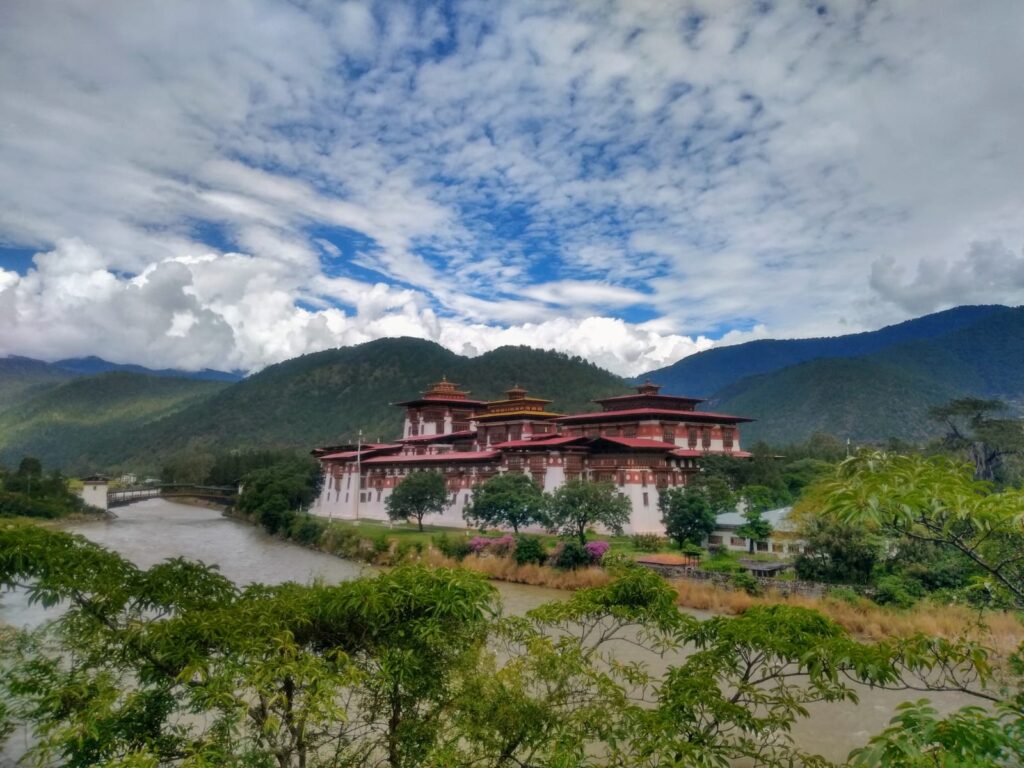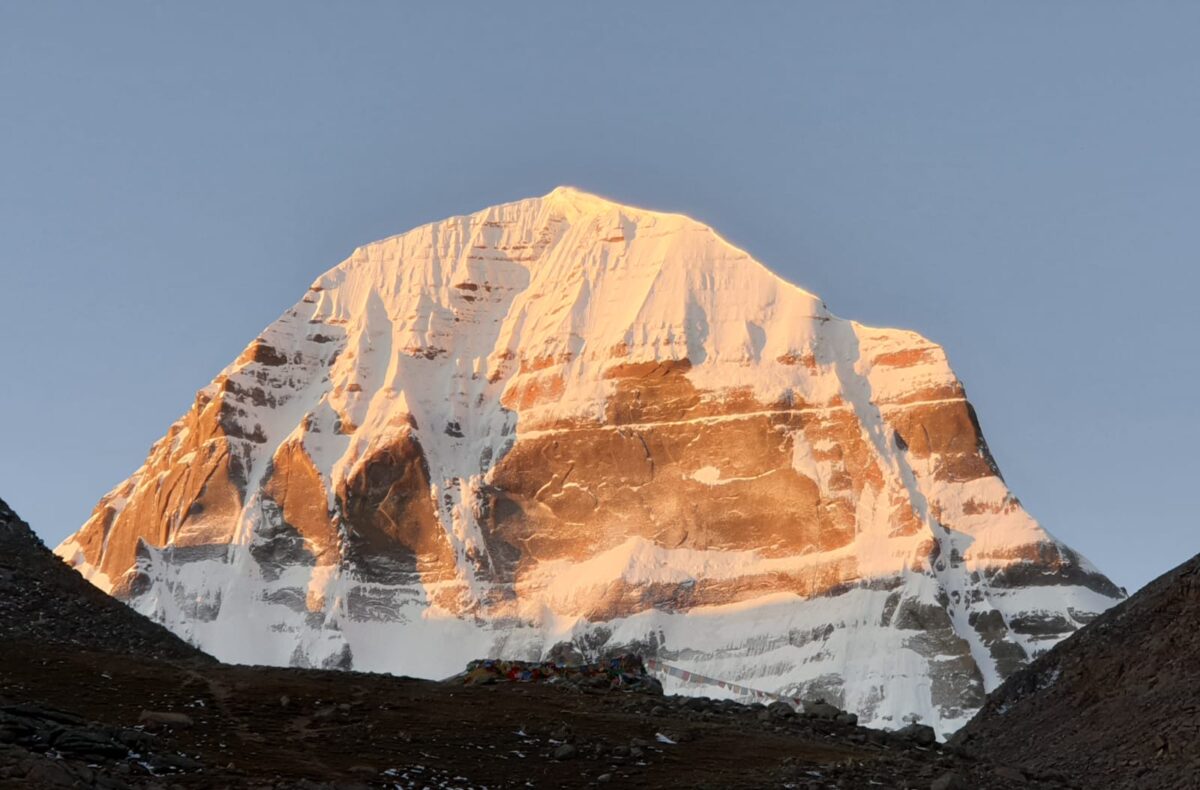
Tiger’s Nest Monastery Hike: Difficulty, Timing, and Tips

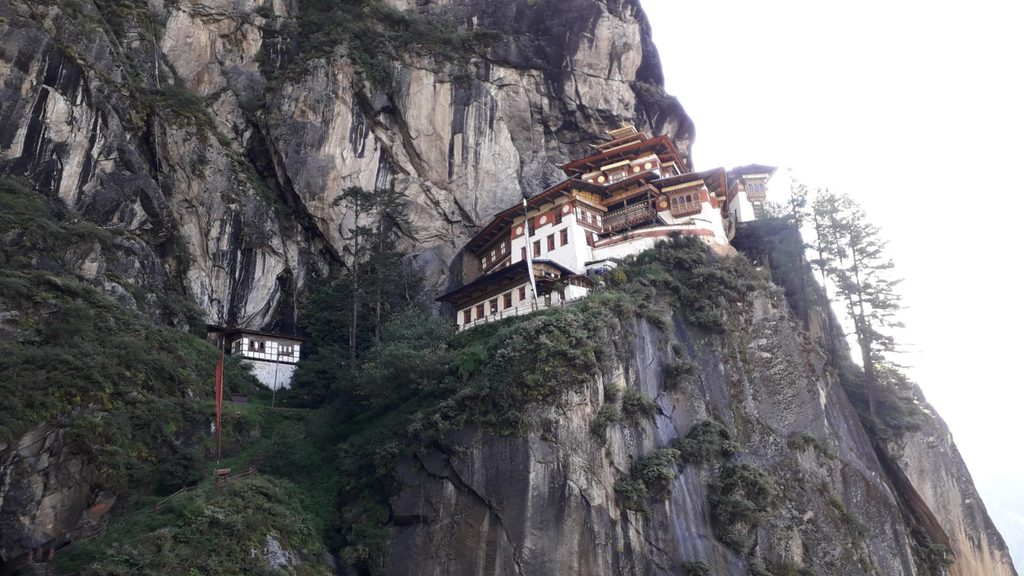
The Tiger’s Nest Monastery in Bhutan sits on a cliff at 3,120 meters, about 900 meters above the Paro valley. The hike is moderate. Most people need 5 to 6 hours for the whole trip, including the climb, the temple visit, and the walk back down. You don’t need any climbing experience, just steady legs and a slow, comfortable pace. Go in spring or autumn, start by about 8 am, wear proper shoes, and give yourself a few days in Bhutan before you try it. Horses can carry you halfway to the cafeteria, but the last part is on foot.

If you’re planning a Bhutan tour, the Tiger’s Nest hike is almost certainly on your list. It’s the picture on every postcard, and it’s the one thing most visitors say they’d do again. Here is what the hike is really like, so you can decide how to fit it into your trip.

What Is the Tiger’s Nest Monastery?

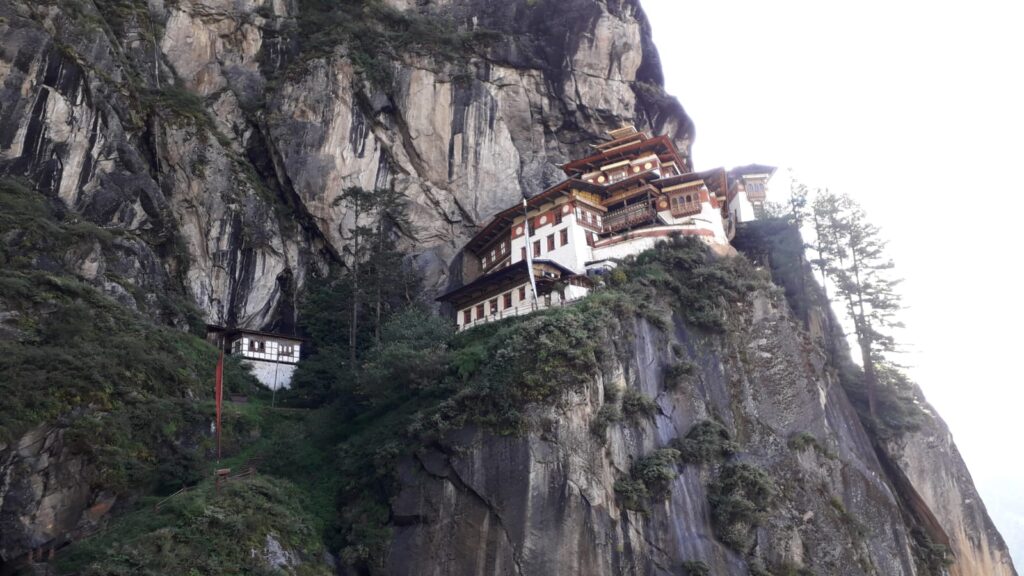
Tiger’s Nest is the English name for Paro Taktsang, a group of temples built into a sheer rock face above the Paro valley. In Bhutanese tradition, the saint Guru Rinpoche flew here on the back of a tigress and meditated in a cave, which is how the place got its name. It became one of the most sacred sites in the Himalayan Buddhist world.

A fire damaged the main buildings in 1998, and they were carefully rebuilt afterwards. Today it’s a working religious site, not a museum. That matters, because it shapes the rules you’ll follow when you visit (more on those below).

Tiger’s Nest Hike at a Glance

Trailhead heightAround 2,600 m
Monastery height3,120 m, about 900 m above the Paro valley floor
DistanceRoughly 8 km round trip (sources vary between 6 and 9 km)
Time5 to 6 hours for most people, including the visit
DifficultyModerate
Halfway stopTaktsang Cafeteria, around 2,950 m
HorsesAvailable to the cafeteria only

How Hard Is the Tiger’s Nest Hike?

It’s moderate. The path is a wide dirt trail with some stone steps, nothing technical, and you won’t need ropes or special gear. What makes it tiring is the steady uphill and the altitude, not the terrain.

If you walk or hike regularly, you’ll be fine. If you mostly sit all day, you can still do it, just slowly. Plenty of first-time hikers, older travelers, and families do this walk. Your guide sets a gentle pace and stops whenever you need a break.

The part people find hardest is usually the final stretch. After the cafeteria the path goes down a long set of stone steps into the gorge, passes a waterfall, and then climbs back up another flight of steps to the monastery entrance. Your legs will notice it, especially on the way back.

How Long Does the Tiger’s Nest Hike Take?

Most people reach the cafeteria in 1 to 1.5 hours, and the monastery in about 2 to 3 hours of walking in total. Add time inside the temples, a rest, and the way down, and you’re looking at 5 to 6 hours. Fast, fit hikers can do it faster. Slower walkers, or people who stop for lots of photos, can take 7 hours. That’s fine. Nobody is timing you.

What Does the Trail Look Like?

Part 1: Trailhead to the cafeteria. You start in a pine forest with prayer flags hanging between the trees and a few prayer wheels along the path. This is the steepest and sweatiest part. Take it slowly.

Part 2: Cafeteria to the viewpoint. The Taktsang Cafeteria is a good place for tea and a rest, and the first proper view of the monastery is just beyond it. This section is gentler than the first.

Part 3: The steps to the monastery. Down into the gorge, past the waterfall, and up again to the entrance. Then you go inside with your guide, who explains what you’re looking at.

Can I Ride a Horse to Tiger’s Nest?

Yes, but only to the cafeteria. Horses wait at the trailhead and carry riders to the halfway point. From there you walk the rest. Local people say that if you ride a horse up, you share the merit of the pilgrimage with it, which is a nice thing to know when you’re deciding.

If you plan to ride, tell your guide in advance. The horse fee isn’t included in most tour prices, so you pay for it separately.
Tiger's Nest Monastery Hike

What Is the Best Time of Year to Hike Tiger’s Nest?

Spring (March to May) is lovely. The valley is green, flowers are out, and the Paro Tshechu festival often falls in this season.

Autumn (September to November) gives you the clearest skies and the best mountain views.

Winter (December to February) is cold but usually sunny, and there are fewer people on the trail.

Monsoon (June to August) is the hardest time. The trail can be slippery, and clouds often hide the monastery. It’s still possible, just bring a good rain jacket and shoes with grip.

What Is the Best Time of Day to Start?

Early. Aim to be on the trail by around 8 am. The air is cooler, the trail is quieter, and the views are clearer before clouds roll in. An early start also leaves you time to rest at the cafeteria and visit the temples without rushing. The temples usually close for a lunch break, so your guide will plan around that.

What Should I Wear and Bring?

  • Sturdy walking shoes or light hiking boots with good grip
  • Layers, since it’s cool in the shade and warm in the sun
  • A light rain jacket
  • At least a liter of water and a few snacks
  • Sunscreen, sunglasses, and a hat
  • A little cash for the cafeteria
  • A small daypack (you’ll leave it in a locker before entering the temples)
  • Trekking poles if your knees complain on stairs. You can also rent a walking stick at the base.

For the temples, wear modest clothes that cover your shoulders and knees.

Rules to Know Before You Go

Tiger’s Nest is a sacred place, and a few rules apply:

  • Phones, cameras, and bags are normally not allowed inside the temples. You leave them in lockers at the entrance, so ask your guide how it works that day.
  • Photos are fine along the trail and at the viewpoint, just not inside.
  • Take off your shoes before entering a temple room, and speak quietly.
  • Walk clockwise around shrines and prayer wheels.
  • You travel with a licensed guide in Bhutan, so you won’t be doing this alone. Your guide handles tickets and explains what you see.

Tips From Guides Who Do This Walk Often

  1. Don’t do it on your arrival day. Paro sits at about 2,250 meters. Give yourself a day or two first.
  2. Go slowly. A steady, slow pace uses less energy than speeding up and stopping.
  3. Treat the cafeteria as a checkpoint. If you feel good, carry on. If you’re tired, rest there and decide.
  4. Save energy for the stairs. The last section is where most people feel it.
  5. Drink water, even if it’s cool. Altitude dries you out faster than you notice.
  6. Check with your doctor first if you have heart, lung, or knee problems.

If you’re a woman traveling alone, our guide to solo female travel in Bhutan covers safety, guides, and what to expect. And if one day on the trail isn’t enough, our Bhutan Trekking Guide walks you through the Druk Path, Jomolhari, and Snowman treks.

How Does Tiger’s Nest Fit Into a Bhutan Tour?

On our 4 Nights 5 Days Bhutan Tour, the Tiger’s Nest hike happens on day four in Paro, after you’ve visited Thimphu and Punakha. You also see Kyichu Lhakhang and Rinpung Dzong in Paro that day. The package covers a licensed English-speaking guide, private transport, hotel stays with all meals, entrance fees, and the Sustainable Development Fee. Visa fees, flights, insurance, tips, and horse rides are extra.

Prices for this Bhutan tour package start from USD 1,280 per person for a solo traveler. The per-person price drops to USD 960 for two people, USD 920 for groups of 3 to 8, and USD 880 for groups of 9 to 12. The trip can also be customized.

If you want more days, see our 6 Nights 7 Days Bhutan Tour and Central Bhutan Tour, or browse all of our Bhutan tour packages. Ask us to confirm the Tiger’s Nest hike is on your itinerary when you inquire.

Frequently Asked Questions

Is the Tiger’s Nest hike hard? It’s moderate. The trail is a steady uphill on dirt paths and stone steps with no climbing. Most reasonably active people manage it at an easy pace.

How long does the Tiger’s Nest hike take? Plan on 5 to 6 hours for the full trip, including the climb, the temple visit, and the walk down. Some people finish faster and some take up to 7 hours.

How far is the Tiger’s Nest hike? Roughly 8 km round trip. Different sources give figures between 6 and 9 km, depending on which route and starting point they measure.

How high is Tiger’s Nest Monastery? The monastery is at 3,120 meters, about 900 meters above the Paro valley. The hike starts at roughly 2,600 meters.

Can you ride a horse to Tiger’s Nest? Yes, to the Taktsang Cafeteria at the halfway point. The rest of the way is on foot.

Can you go inside Tiger’s Nest? Yes, with your guide. Phones, cameras, and bags are left in lockers at the entrance, and photos aren’t allowed inside.

Do I need a guide for the Tiger’s Nest hike? Yes. Travelers in Bhutan go with a licensed guide, who handles entry and explains the temples.

Is there an entrance ticket for Tiger’s Nest? If you travel on a package, entrance fees are included in the itinerary. Horse rides are paid separately.

When is the best time to visit Tiger’s Nest Monastery? March to May and September to November are the most popular months. Start by about 8 am for cooler air and clearer views.

Can kids and older travelers do the Tiger’s Nest hike? Many do. Go slowly, use the cafeteria as a rest point, and consider a horse for the first half. Check with a doctor first if there are any health concerns.

Do I need to worry about altitude sickness at Tiger’s Nest? The monastery is at 3,120 meters, so mild altitude effects are possible for some people. Spend a day or two in Bhutan first, drink plenty of water, and go slowly.

How many days do I need in Bhutan to do Tiger’s Nest? You can fit it into a short trip. Our 4 Nights 5 Days Bhutan Tour includes it, though most people enjoy a few extra days to see more of the country.

Planning a Bhutan Tour With Tiger’s Nest?

If you’re deciding how many days you need, which season to pick, or whether the hike suits your family, we can help. Send us an inquiry with your travel dates, group size, and how active you’d like the trip to be, and we’ll put together a Bhutan tour that includes the Tiger’s Nest hike at a pace that works for you.
Luxury Bhutan Tour vs Budget Bhutan Tour: Which One Is Right for You in 2027?

Planning a Bhutan tour but not sure whether to choose a luxury experience or travel on a budget?

You’re not alone.

One of the most common questions travelers ask before booking is whether a Luxury Bhutan Tour is worth the extra cost or if a Budget Bhutan Tour can provide an equally memorable experience.

The good news is that Bhutan is a destination where both luxury travelers and budget-conscious visitors can have an incredible journey. The difference lies in your accommodation, level of comfort, exclusive experiences, pace of travel, and overall travel style—not necessarily the beauty of the country itself.

In this guide, we’ll compare Luxury Bhutan Tour vs Budget Bhutan Tour in detail, including costs, hotels, transportation, dining, experiences, and who each option is best suited for. By the end, you’ll know exactly which type of Bhutan tour matches your travel style and budget.

Why Compare Luxury Bhutan Tour vs Budget Bhutan Tour?

Bhutan is unlike most destinations.

Unlike many countries where backpacking is easy, Bhutan regulates tourism to preserve its culture, environment, and traditions. Every international visitor (except citizens of India, Bangladesh, and the Maldives) must book their trip through a licensed Bhutanese tour operator or an international partner.

This means every traveler receives a planned itinerary, transportation, accommodation, and guide. The difference between a luxury and budget tour is the quality of those services.

What Is a Luxury Bhutan Tour?

A Luxury Bhutan Tour focuses on providing exceptional comfort, exclusive experiences, and personalized service throughout your journey.

Luxury tours typically include:

  • Five-star luxury hotels
  • Boutique luxury lodges
  • Private guide
  • Private vehicle
  • Flexible itinerary
  • Fine dining
  • Premium cultural experiences
  • Wellness and spa treatments
  • Scenic helicopter options (where available)
  • High-end photography opportunities

Luxury travel in Bhutan is peaceful, comfortable, and designed for travelers who want to experience Bhutan at its finest.

What Is a Budget Bhutan Tour?

A Budget Bhutan Tour is designed for travelers who want to experience Bhutan without spending excessively.

A budget tour generally includes:

  • Comfortable 3-star hotels
  • Shared transportation (for group tours)
  • Standard meals
  • Professional guide
  • Popular sightseeing attractions
  • Cultural experiences
  • Fixed itinerary

Although budget-friendly, these tours still provide an authentic Bhutan experience because Bhutan maintains high tourism standards across all licensed operators.

Luxury Bhutan Tour vs Budget Bhutan Tour: Quick Comparison

FeatureLuxury Bhutan TourBudget Bhutan Tour
Accommodation5-Star Luxury Hotels3-Star Hotels
TransportationPrivate SUVShared or Standard Vehicle
GuidePrivate GuideShared or Private Guide
DiningFine DiningLocal & Standard Restaurants
FlexibilityHighly FlexibleFixed Schedule
ExperiencesExclusiveStandard Sightseeing
ComfortPremiumComfortable
Best ForHoneymoon, Families, Luxury TravelersSolo Travelers, Students, Budget Travelers

Accommodation Comparison

Luxury Bhutan Tour

Luxury accommodation is one of the biggest reasons travelers choose a premium Bhutan tour.

You can stay in some of Bhutan’s most beautiful hotels featuring:

  • Mountain-view suites
  • Traditional Bhutanese architecture
  • Luxury spas
  • Heated indoor pools
  • Gourmet restaurants
  • Meditation gardens
  • Personalized service

Many luxury properties blend traditional Bhutanese design with world-class hospitality.

Perfect for:

  • Honeymoon couples
  • Luxury seekers
  • Anniversary trips
  • Family vacations
  • VIP travelers
Budget Bhutan Tour

Budget accommodations are simple but clean and comfortable.

Most include:

  • Private rooms
  • Attached bathrooms
  • Wi-Fi (where available)
  • Breakfast
  • Comfortable beds
  • Friendly service

Many travelers are surprised by how pleasant Bhutan’s standard hotels are.

If your goal is to spend most of your day exploring rather than staying in the hotel, a budget option is often more than sufficient.

Food and Dining

Luxury Bhutan Tour

Luxury tours often include:

  • Multi-course dinners
  • International cuisine
  • Gourmet Bhutanese dishes
  • Organic farm-to-table meals
  • Premium coffee
  • Wine selections (where available)

Luxury hotels often employ internationally trained chefs.

Budget Bhutan Tour

Budget tours typically include:

  • Local Bhutanese cuisine
  • Rice
  • Ema Datshi
  • Chicken dishes
  • Vegetable curries
  • Noodles
  • Soups

The food is delicious and authentic, although the dining options are generally more modest.

Transportation

Luxury Bhutan Tour

Transportation usually includes:

  • Private luxury SUV
  • Comfortable seating
  • Flexible stops
  • Scenic photography breaks
  • Personalized schedule

This makes long mountain drives much more enjoyable.

Budget Bhutan Tour

Transportation generally includes:

  • Standard tourist vehicle
  • Shared transport (group tours)
  • Fixed departure times

While less flexible, transportation remains safe and comfortable.

Tour Guide Experience

Both luxury and budget tours include licensed English-speaking guides.

However, luxury tours usually provide:

  • More personalized attention
  • Flexible pacing
  • Customized sightseeing
  • Greater cultural interaction
  • Special requests accommodated

Budget tours usually follow a fixed itinerary, especially if you’re joining a group.

Attractions You’ll Visit

The biggest surprise for many travelers is this:

Both luxury and budget travelers visit the same iconic attractions.

These include:

  • Tiger’s Nest Monastery
  • Thimphu
  • Paro
  • Punakha Dzong
  • Dochula Pass
  • Buddha Dordenma
  • Local monasteries
  • Traditional villages

The difference is not where you go—but how comfortably you experience the journey.

Luxury Experiences Only

Luxury travelers may enjoy experiences such as:

  • Private monastery blessings
  • Luxury spa treatments
  • Private cultural performances
  • Exclusive farmhouse dining
  • Personalized hiking experiences
  • Luxury picnics
  • Wellness retreats
  • Photography tours

These experiences create a more intimate and memorable journey.

Budget Bhutan Tour Advantages

Choosing a Bhutan tour in budget has many benefits.

Lower overall cost

You save significantly on accommodation while still enjoying Bhutan’s highlights.

Authentic local experience

Many budget hotels are family-owned, allowing closer interaction with Bhutanese hospitality.

Great for longer trips

Lower daily costs allow travelers to stay in Bhutan for more days.

Ideal for younger travelers

Students, backpackers, photographers, and solo travelers often prefer affordable packages.

Luxury Bhutan Tour Advantages

A Bhutan Luxury Tour offers benefits that go beyond comfort.

These include:

  • Less travel stress
  • Exceptional hospitality
  • Personalized itinerary
  • Premium accommodations
  • Greater privacy
  • Exclusive experiences
  • Flexible schedules
  • Ideal for special occasions

Many travelers celebrating honeymoons, anniversaries, or retirement consider luxury travel worth the investment.

Is Bhutan Expensive?

Bhutan has a reputation for being expensive, but this depends on your travel style.

A Budget Bhutan Tour keeps costs manageable while still offering excellent value.

A Luxury Bhutan Tour costs more because of premium hotels, private services, and exclusive experiences.

Remember that Bhutan tours usually include:

  • Accommodation
  • Guide
  • Transportation
  • Sightseeing
  • Meals (depending on package)
  • Visa processing assistance

When compared to luxury tours in many other countries, Bhutan often provides excellent overall value.

Who Should Choose a Budget Bhutan Tour?

A budget tour is ideal if you are:

  • Traveling solo
  • Visiting Bhutan for the first time
  • Looking for an affordable Bhutan tour
  • Traveling with friends
  • Comfortable with standard accommodation
  • Interested mainly in sightseeing and culture

Who Should Choose a Luxury Bhutan Tour?

Luxury travel is ideal for:

  • Honeymoon couples
  • Families
  • Senior travelers
  • Luxury holiday seekers
  • Anniversary celebrations
  • Corporate incentives
  • Photographers wanting maximum flexibility
  • Travelers seeking comfort and privacy

Can You Mix Luxury and Budget?

Absolutely.

Many travelers choose a combination of both.

For example:

  • Spend two nights in a luxury lodge in Paro.
  • Stay in comfortable 3-star hotels during the rest of the trip.
  • Upgrade only on special occasions.

This creates a balanced itinerary while keeping overall costs reasonable.

Tips to Save Money Without Sacrificing Comfort

If you’re looking for an Affordable Bhutan Tour, consider these tips:

  • Travel during the shoulder season.
  • Join a small group tour.
  • Book early for better hotel availability.
  • Choose a mix of luxury and standard hotels.
  • Extend your stay to enjoy Bhutan at a slower pace rather than rushing through attractions.

Frequently Asked Questions

Is a Budget Bhutan Tour worth it?

Yes. Budget tours still include Bhutan’s major attractions, licensed guides, and comfortable accommodations, making them excellent value for money.

Is Luxury Bhutan Tour worth the extra cost?

If you value privacy, premium hotels, personalized service, and exclusive experiences, many travelers find the additional expense worthwhile.

Can families choose a Budget Bhutan Tour?

Yes. Families can enjoy Bhutan on a budget, though those traveling with young children or elderly members may appreciate the added comfort of a luxury tour.

Are luxury hotels available throughout Bhutan?

Luxury hotels are available in major destinations such as Paro, Thimphu, Punakha, Gangtey, and Bumthang, while more remote regions may have fewer high-end options.

Which tour offers better cultural experiences?

Both tour types provide access to Bhutan’s rich culture. Luxury tours may include additional private experiences, while budget tours often offer more interaction with local communities through family-run accommodations.

Luxury Bhutan Tour vs Budget Bhutan Tour

When comparing a Luxury Bhutan Tour vs Budget Bhutan Tour, there is no single “best” choice—only the option that best matches your travel goals, comfort preferences, and budget.

If you dream of exceptional comfort, personalized service, luxury hotels, and exclusive experiences, a Luxury Bhutan Tour is an unforgettable way to discover the Kingdom of Bhutan.

If your priority is exploring Bhutan’s breathtaking landscapes, vibrant culture, ancient monasteries, and warm hospitality while keeping costs reasonable, a Budget Bhutan Tour or Affordable Bhutan Tour offers outstanding value.

No matter which option you choose, Bhutan remains one of the world’s most rewarding destinations. From the iconic Tiger’s Nest Monastery to peaceful mountain valleys, colorful festivals, and welcoming locals, every journey offers memories that last a lifetime.

Whether you choose luxury, budget, or a combination of both, the true magic of Bhutan lies in its culture, spirituality, and natural beauty—not just in where you stay.

Best Time to Visit Bhutan in 2026 and 2027: Complete Bhutan Tour & Trekking Guide

Planning a trip to Bhutan in 2026 or 2027?

Then you have probably already discovered two things:

  1. Bhutan looks unbelievably beautiful.
  2. Everybody online gives a different answer about the best time to visit.

Some blogs say spring is perfect. Others say autumn is unbeatable. Then one traveler appears in a forum saying they visited during the monsoon and “it was magical.” Suddenly, you are staring at your screen, wondering whether you should book your Bhutan tour in March, October, December… or just let destiny and flight prices decide.

The good news?

There is no single “bad” time for a Bhutan tour.

The better news?

Different seasons offer completely different experiences — and understanding that difference can help you choose the right Bhutan tour for your travel style, interests, budget, and expectations.

This complete guide covers:

  • Best time for Bhutan tours in 2026 and 2027
  • Best months for trekking in Bhutan
  • Bhutan weather by season
  • Festival seasons
  • Trekking conditions
  • Crowd levels
  • Photography opportunities
  • Budget travel periods
  • Luxury travel seasons
  • Family travel advice
  • Insider tips most travelers only learn after visiting

So grab your tea, coffee, or ambitious “I’m definitely hiking Tiger’s Nest” confidence, and let’s dive in.

First Things First: When Is the Best Time to Visit Bhutan?

If you want the short answer:

Best Overall Seasons

  • Spring (March–May)
  • Autumn (September–November)

These are considered the peak seasons for Bhutan tours because they offer:

  • Clear mountain views
  • Pleasant temperatures
  • Festival celebrations
  • Excellent trekking conditions
  • Beautiful landscapes

But that does not mean other seasons are bad.

In fact:

  • Summer offers lush green valleys and fewer tourists.
  • Winter offers peaceful monasteries and snow-covered Himalayan views.

The “best” season depends entirely on what type of Bhutan experience you want.

Bhutan Weather Explained Simply

One important thing travelers often misunderstand:

Bhutan’s weather changes dramatically based on altitude.

You can experience:

  • Warm valleys
  • Cold mountain passes
  • Sunny mornings
  • Sudden rain
  • Snow in higher regions

…sometimes within the same trip.

That is part of Bhutan’s charm.

And occasionally, part of why travelers end up wearing three layers while eating spicy chili cheese at lunch.

Bhutan in Spring (March to May)

Why Spring Is One of the Best Times for Bhutan Tours

Spring is arguably the most popular season for Bhutan tours in 2026 and Bhutan tour 2027 bookings.

Why?

Because Bhutan looks spectacular.

Forests bloom with rhododendrons, valleys turn green, skies are often clear, and temperatures become comfortable for sightseeing and trekking.

This is the season when Bhutan feels alive.

Best For:

  • First-time travelers
  • Photography
  • Cultural tours
  • Trekking in Bhutan
  • Families
  • Luxury Bhutan tours

Weather

  • Pleasant daytime temperatures
  • Cool evenings
  • Clear mountain visibility

Trekking Conditions

Spring is one of the best seasons for trekking in Bhutan.

Popular routes like:

  • Druk Path Trek
  • Jomolhari Trek
  • Dagala Thousand Lakes Trek

…become especially beautiful during this period.

Trekking in Bhutan

Bhutan in Summer / Monsoon (June to August)

Now here comes the misunderstood season.

Many travelers avoid Bhutan during the summer because of monsoon rains.

But here is what most articles forget to mention:

Bhutan during the monsoon can be stunning.

The valleys become intensely green, clouds drift dramatically across mountains, rivers swell beautifully, and tourist crowds become much smaller.

If you enjoy moody mountain landscapes and peaceful travel experiences, summer can actually be incredibly rewarding.

Best For:

  • Budget-conscious travelers
  • Fewer crowds
  • Green landscapes
  • Photography
  • Peaceful experiences

Challenges

  • Rainfall
  • Occasional landslides
  • Cloud-covered mountain views
  • Trekking trail mud

Trekking in Bhutan During Monsoon

Some high-altitude treks become more difficult due to rain and slippery trails.

However, shorter cultural hikes and lower-altitude routes remain possible.

Travelers planning trekking in Bhutan during summer should pack:

  • Waterproof jackets
  • Good hiking boots
  • Rain covers
  • Patience with mountain weather

Because Himalayan weather surprises people.

Bhutan in Autumn (September to November)

If spring is Bhutan’s colorful season, autumn is Bhutan’s postcard season.

This is the period most travelers imagine when they picture Bhutan:

  • Crystal-clear Himalayan skies
  • Golden forests
  • Cool mountain air
  • Prayer flags fluttering dramatically in the wind

Autumn is considered the peak trekking and photography season.

Best For:

  • Bhutan trekking tours
  • Himalayan views
  • Festivals
  • Adventure travel
  • Cultural experiences
  • Luxury travel

Why Travelers Love Autumn

Mountain visibility is often at its best.

This is when trekkers and photographers get those legendary Himalayan panoramas.

Trekking in Bhutan During Autumn

Autumn is one of the best seasons for:

  • Jomolhari Trek
  • Snowman Trek
  • Druk Path Trek
  • High-altitude trekking

Trail conditions are generally stable and dry.

Bhutan Tours

Bhutan in Winter (December to February)

Winter in Bhutan is seriously underrated.

Yes, temperatures drop.

Yes, mornings can feel cold.

But winter also offers something many travelers secretly want:

  • Quiet monasteries
  • Smaller crowds
  • Peaceful valleys
  • Snow-covered mountain scenery
  • Lower tourist pressure

And honestly?

Tiger’s Nest feels even more magical when cold mountain air and prayer flags surround the cliffs.

Best For:

  • Peaceful travel
  • Cultural immersion
  • Photography
  • Budget travelers
  • Snow lovers

Winter Trekking in Bhutan

Some high-altitude trekking routes may close due to snow.

However, cultural tours remain excellent.

Lower-altitude trekking routes may still operate depending on conditions.

Best Time for Trekking in Bhutan

If trekking is your main goal, timing matters a lot.

Best Trekking Seasons

Spring (March–May)

and

Autumn (September–November)

These seasons provide:

  • Better mountain visibility
  • Stable weather
  • Comfortable trekking temperatures
  • Safer trail conditions

Best Bhutan Treks for 2026 and 2027

Druk Path Trek

Perfect for:

  • First-time trekkers
  • Moderate trekking
  • Beautiful lakes and forests

Jomolhari Trek

Perfect for:

  • Serious trekkers
  • Mountain lovers
  • Himalayan scenery

Snowman Trek

One of the hardest treks in the world.

Perfect for:

  • Experienced trekkers
  • Adventure seekers
  • People who hear “extreme altitude” and somehow become more excited

Best Time for Bhutan Festivals

Bhutan’s festivals are one of the biggest highlights of any Bhutan tour.

These festivals feature:

  • Mask dances
  • Buddhist ceremonies
  • Traditional music
  • Local celebrations
  • Colorful costumes

Popular Festival Seasons

Most major festivals happen during:

  • Spring
  • Autumn

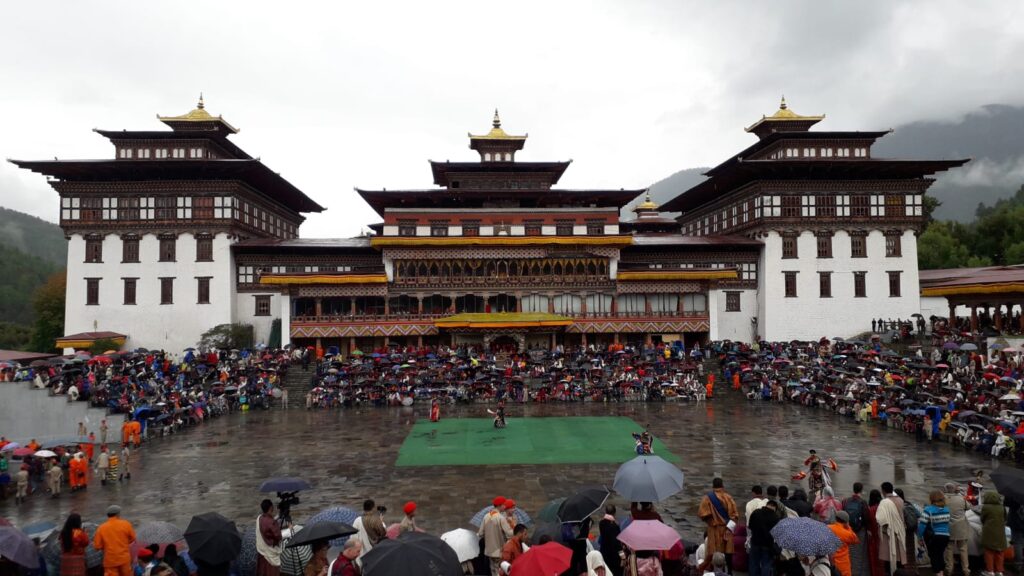
The famous Paro Tshechu attracts visitors from around the world.

Festival season also means:

  • Higher demand
  • Earlier bookings
  • More crowded hotels

So travelers planning Bhutan tours in 2026 or Bhutan tour 2027 during festival periods should book early.

Cheapest Time to Visit Bhutan

Generally:

  • Summer/monsoon
  • Winter

…offer lower pricing and fewer tourists.

Travelers looking for budget-friendly Bhutan tours may find:

  • Better hotel availability
  • Lower package prices
  • Smaller group tours

during these seasons.

Best Time for Luxury Bhutan Tours

Luxury travelers usually prefer:

  • Spring
  • Autumn

This is when luxury lodges showcase:

  • Clear Himalayan views
  • Outdoor dining
  • Wellness retreats
  • Scenic experiences

Bhutan’s luxury travel scene has grown rapidly in recent years.

Many travelers now combine:

  • Wellness
  • Meditation
  • Cultural immersion
  • Trekking
  • Luxury mountain stays

into one journey.

Bhutan Tour 2027: Why Early Booking Matters

Interest in Bhutan tours continues to grow globally.

For Bhutan tours in 2026 and Bhutan tour 2027 departures, early planning is highly recommended because:

  • Flights can fill quickly
  • Festival seasons sell out
  • Luxury lodges have limited rooms
  • Trek permits may have limited availability

This is especially important for:

  • Group tours
  • Trekking expeditions
  • Festival tours
  • Luxury packages

Common Mistakes Travelers Make When Planning Bhutan Tours

Mistake #1: Thinking Bhutan Has One Perfect Season

Every season offers something unique.

Mistake #2: Underestimating Altitude

Even moderate hikes can feel challenging at elevation.

Mistake #3: Packing for One Weather Type

Bhutan weather changes fast.

Layers are your best friend.

Mistake #4: Booking Too Late

Especially for spring and autumn.

So… What Is the Absolute Best Time to Visit Bhutan?

If you want:

  • The best trekking
  • Clear Himalayan views
  • Comfortable weather
  • Festivals
  • Photography opportunities

Choose:

Spring or Autumn

If you want:

  • Lower prices
  • Fewer tourists
  • Peaceful travel

Choose:

Summer or Winter

There is no wrong answer.

Bhutan simply changes personality with each season.

And honestly, that is one reason travelers fall in love with it.

Bhutan in 2026 and 2027

A Bhutan tour is not just about sightseeing.

It is about slowing down.

It is about mountain silence, monastery chants, prayer flags, forest trails, spicy food, smiling locals, and landscapes that somehow make you put your phone away for a while.

Whether you visit in spring flowers, autumn skies, summer greenery, or winter snow, Bhutan offers something increasingly rare in modern travel:

A feeling of peace.

And for many travelers planning Bhutan tours in 2026 or Bhutan tour 2027, that may end up becoming the most valuable part of the journey.