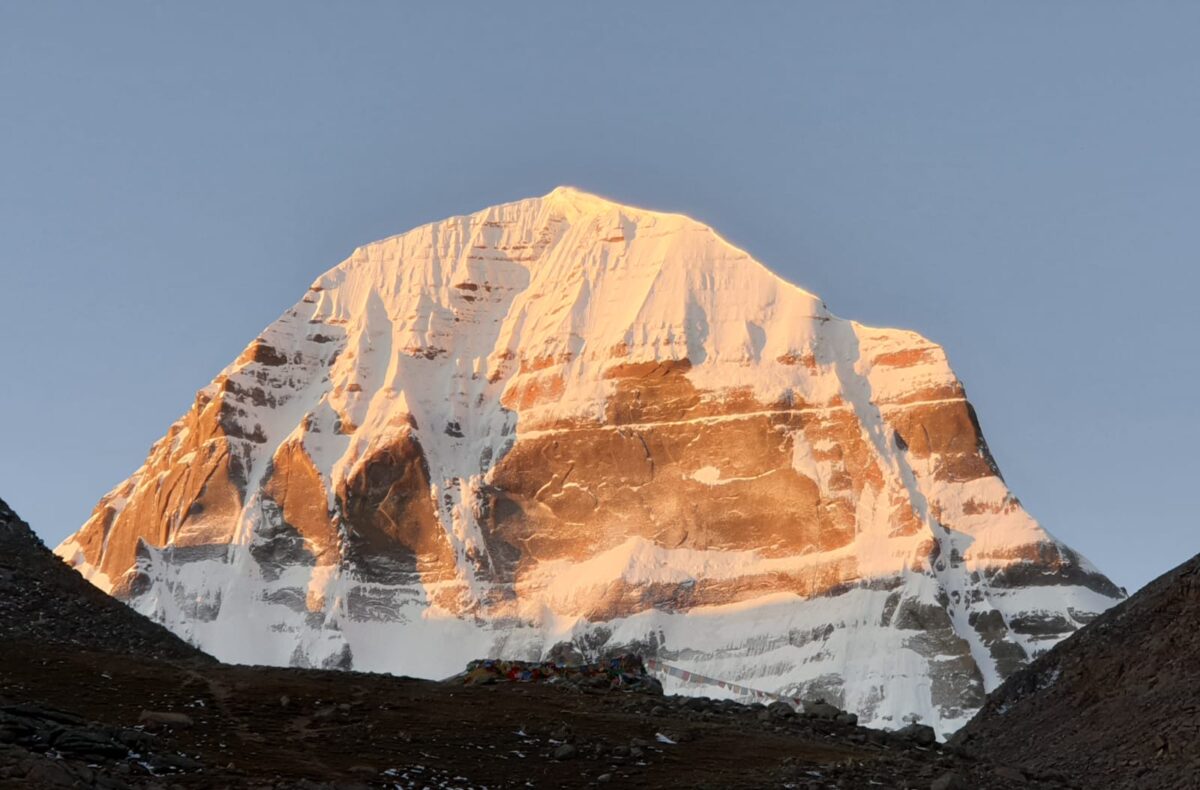
If you’re trying to pin down exactly when to book your Bhutan trip, here’s the short version: March to May and September to November are the best months to visit Bhutan, thanks to clear mountain views, mild temperatures, and the country’s biggest Tshechu festivals. October is the single strongest all-round month, combining dry weather with the Thimphu Tshechu, one of Bhutan’s most spectacular celebrations.
That said, “best” depends on what you’re after. Trekkers, festival chasers, and budget-conscious travelers will each land on a slightly different answer, and Bhutan’s Tshechus follow the lunar calendar, so exact 2027 dates shift by weather season too. This guide breaks it all down month by month, with a full 2027 festival calendar you can plan around.
Quick Answer: Best Time to Visit Bhutan
- Best overall: October and March, for clear skies, comfortable temperatures, and the year’s major festivals
- Best for trekking: Late September to November (post-monsoon, stable trails) or March to April (spring, but higher passes may still hold snow)
- Best for festivals: February to April and September to December, when most Tshechus are held
- Best for fewer crowds and lower rates: June, July, and January
- Avoid if possible: Mid-June through August, when the monsoon brings heavy rain, landslide risk on mountain roads, and reduced valley visibility
What Is Bhutan’s Climate Like Through the Year?
Bhutan’s weather varies sharply with altitude, but for the valleys most travelers visit (Paro, Thimphu, Punakha, Bumthang), the country has four broad seasons:
| Season | Months | What to Expect |
|---|---|---|
| Spring | March – May | Mild days, cool nights, rhododendrons blooming, occasional showers |
| Summer / Monsoon | June – August | Warm, humid, heavy rainfall, lush green valleys, landslide risk on some roads |
| Autumn | September – November | Bhutan’s clearest, driest stretch; crisp air and the best mountain views |
| Winter | December – February | Cold, dry, sunny days in the valleys; snow at higher altitudes and passes |
Bhutan Month-by-Month Weather and Travel Guide
January
Cold and dry in the valleys, with daytime temperatures around 10 to 15°C in Paro and Thimphu, dropping close to freezing at night. Skies are generally clear, making it a good month for photography and quiet sightseeing. Festival activity is minimal in January, which makes it appealing for travelers who want Bhutan without the crowds.
February
Still cold but noticeably drier and sunnier than winter in many other Himalayan destinations. This is when the festival calendar starts picking up, with Punakha’s Drubchen and Tshechu among the year’s most important events. Punakha valley, at a lower altitude than Thimphu, is also considerably milder this month.
March
One of the best months to visit Bhutan. Rhododendrons and magnolias begin blooming, daytime temperatures climb into the high teens Celsius, and the country’s most famous festival, the Paro Tshechu, typically falls in this window. Expect higher demand for flights and hotels around festival dates.
April
Spring is in full swing, with wildflowers across the valleys and comfortable trekking conditions at lower and mid altitudes. Central Bhutan festivals such as the Ura Yakchoe usually take place this month. Some early-season showers are possible but rarely disruptive.
May
Warmer and greener, with occasional pre-monsoon rain showers. Fewer travelers than March and April, which suits people who want a quieter trip while conditions are still favorable. A good month for lower-altitude hikes before the monsoon arrives.
June
The monsoon typically begins in June, bringing regular rainfall, high humidity, and lush landscapes. Some remote roads can be affected by landslides. Tourist numbers drop noticeably, and this is one of the better months for value, with lower rates at many hotels.
July
Peak monsoon month. Expect frequent rain, especially in the afternoons, though mornings are often clear enough for sightseeing. Central and eastern Bhutan generally see less rainfall than the west. Not the ideal season for trekking above the tree line.
August
Rainfall usually starts easing toward the end of the month. Valleys are at their greenest, and this remains a low season for tourism, which can mean better availability for travelers with flexible plans.
September
The shift toward autumn begins, with rainfall tapering and skies clearing progressively through the month. Several district Tshechus, including Wangdue and Gangtey, typically fall in this period.
October
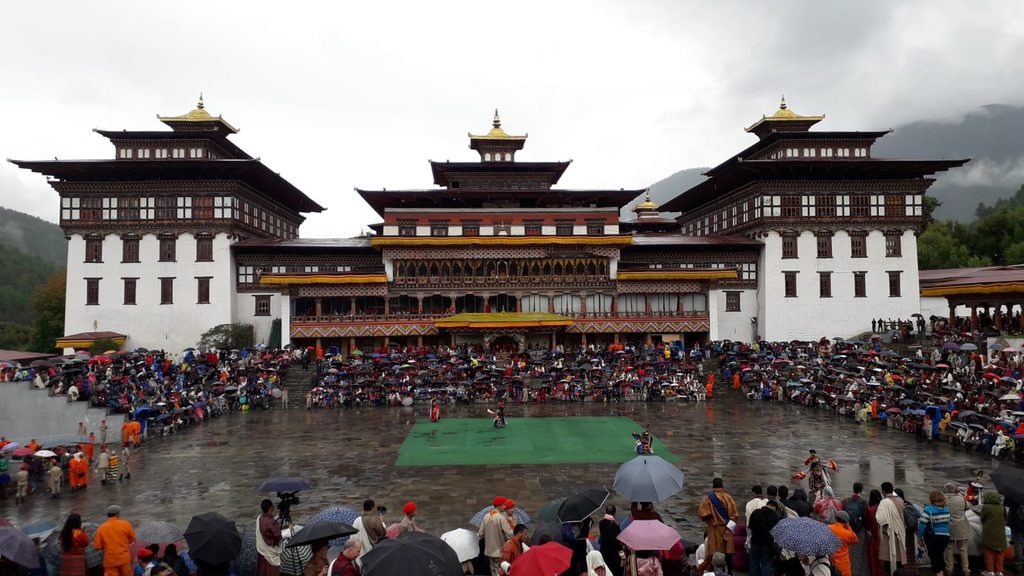
Widely considered the best month to visit Bhutan. Dry air, clear mountain views, and comfortable daytime temperatures coincide with the Thimphu Tshechu, the country’s largest festival, along with Jakar and other regional celebrations. Book accommodation and flights well ahead, since this is Bhutan’s busiest month.
November
Still dry and clear, with cooler temperatures than October. The Black-Necked Crane Festival in Phobjikha Valley, tied to the annual arrival of the birds rather than the lunar calendar, usually falls in mid-November and is a highlight for wildlife-minded travelers.
December
Cold but generally dry and sunny in the valleys, with snow possible at higher elevations. The Druk Wangyel Tshechu at Dochula Pass is the standout event, held every year on the 13th. A calmer month overall, good for travelers who prioritize quiet, scenic trips over festival crowds.
Bhutan Festival Calendar 2027
Bhutan’s Tshechus follow the lunar calendar, so exact dates are confirmed by the Tourism Council of Bhutan roughly six months in advance. The dates below reflect the most current available calculations for 2027 and should be reconfirmed closer to your travel dates.
| Festival | Location | Tentative 2027 Dates |
|---|---|---|
| Punakha Drubchen & Dromchoe | Punakha Dzong | 13 – 15 February |
| Punakha Tshechu | Punakha Dzong | 16 – 18 February |
| Tharpaling Thongdrol | Bumthang | 20 February |
| Chorten Kora Festival | Trashiyangtse | 20 February & 8 March |
| Talo Tshechu | Talo, Punakha | 16 – 18 March |
| Gomphu Kora | Trashiyangtse | 16 – 18 March |
| Paro Tshechu | Rinpung Dzong, Paro | 18 – 22 March |
| Ura Yakchoe | Ura, Bumthang | 18 – 22 April |
| Rhododendron Festival | Various (Thimphu / Merak) | Early to late April (final dates pending) |
| Nimalung & Kurjey Tshechu | Bumthang | 12 – 14 June |
| Wangdue Tshechu | Wangdue Phodrang | 8 – 10 October |
| Thimphu Tshechu | Tashichho Dzong, Thimphu | 10 – 12 October |
| Gangtey Tshechu | Gangtey Gonpa, Phobjikha | 13 – 15 October |
| Black-Necked Crane Festival | Phobjikha Valley | Mid-November (fixed to bird arrival, not lunar) |
| Druk Wangyel Tshechu | Dochula Pass | 13 December |
A few festivals, including the Haa Summer Festival and the Jambay Lhakhang Drup, had not published confirmed 2027 dates at the time of writing. We’ll update this calendar as the Tourism Council of Bhutan releases them.
Best Time to Visit Bhutan for Trekking
If trekking is the main goal, late September through November offers the most stable weather and the clearest high-altitude views, once the monsoon clears. March and April are the second-best window, with milder temperatures than autumn but a higher chance of residual snow on higher passes like those on the Druk Path or Jomolhari treks. Avoid June through August for anything above the tree line, since monsoon rain and cloud cover reduce both trail conditions and visibility.
Best Time to Visit Bhutan on a Budget
June, July, and January are Bhutan’s quietest months for tourism, which generally means more room availability and, on some packages, softer rates. Bhutan’s Sustainable Development Fee (SDF) itself does not change with season, but the current discounted SDF rate of USD 100 per person, per night is scheduled to run through August 2027, after which it is expected to revert to USD 200. Travelers planning a 2027 trip should factor this into their booking timeline regardless of which month they choose.
Bhutan Best Time to Visit: Month-by-Month Quick Reference
| Month | Weather | Crowd Level | Notable For |
|---|---|---|---|
| January | Cold, dry | Low | Quiet sightseeing, clear skies |
| February | Cold, dry | Low-Medium | Punakha Tshechu |
| March | Mild, dry | High | Paro Tshechu, spring blooms |
| April | Mild | High | Ura Yakchoe, trekking season begins |
| May | Warm, occasional rain | Medium | Lower-altitude hikes |
| June | Monsoon begins | Low | Value season |
| July | Peak monsoon | Low | Lush scenery, budget travel |
| August | Monsoon easing | Low | Flexible, low-cost travel |
| September | Clearing | Medium | Wangdue and Gangtey Tshechus |
| October | Dry, clear | Very High | Thimphu Tshechu, best mountain views |
| November | Dry, cool | High | Black-Necked Crane Festival |
| December | Cold, dry | Medium | Druk Wangyel Tshechu |
Frequently Asked Questions
What is the single best month to visit Bhutan? October is generally considered the best month, combining dry, clear weather with the Thimphu Tshechu, Bhutan’s largest festival.
When is the rainy season in Bhutan? The monsoon typically runs from June through August, with the heaviest rainfall in July.
Can I visit Bhutan in winter? Yes. December through February is cold but dry and sunny in the main valleys, and it’s a good option for travelers who prefer smaller crowds over festival season.
Do Bhutan festival dates change every year? Yes. Most Tshechus follow the Bhutanese lunar calendar, so their Gregorian dates shift from year to year. The Tourism Council of Bhutan typically confirms exact dates about six months ahead.
Is Bhutan crowded during Paro and Thimphu Tshechu? These are Bhutan’s two most popular festivals, and hotels in Paro and Thimphu can book out well in advance of the dates, sometimes over a year ahead for peak properties. Booking early is recommended if you want to attend.
What should I pack depending on the season? Layers work year-round. Winter and early spring call for a warm jacket and thermal layers, monsoon season calls for rain gear and quick-dry clothing, and autumn is generally comfortable with a light jacket for mornings and evenings.
Planning Your Bhutan Trip Around the Festival Calendar
If a specific Tshechu is the centerpiece of your trip, we recommend building your itinerary around the festival rather than the other way around, since dates get finalized only a few months out and accommodation near major dzongs fills up early. This pairs well with our guides on Bhutan’s Sustainable Development Fee and visa process, and for travelers combining regions, with our comparison of Tibet and Bhutan itineraries.
Planning a 2027 trip to Bhutan? Get in touch with our team for a festival-aligned itinerary, current SDF guidance, and a Bhutan tour built around the exact dates that matter to you.