Have you ever dreamed of a cycling adventure that transcends the ordinary? One where every pedal stroke is against a backdrop of prayer-flag-adorned passes, ancient monasteries, and the roof of the world? A Cycling Tibet Tour is not just a trip; it’s a pilgrimage on two wheels, a test of endurance, and a journey into the heart of the Himalayas.
If you’re seeking the adventure of a lifetime, our meticulously crafted 18-Day Mountain Bike Cycling Tibet Tour is designed to deliver an unparalleled experience. This isn’t just a Tibet tour in cycling; it’s a deep immersion into the soul-stirring landscapes and profound culture of the world’s highest plateau.
Why Choose a Cycling Tour to Tibet?
Cycling is, without a doubt, the most immersive way to experience Tibet. Unlike being confined to a vehicle, on a bike, you are part of the environment. You feel the crisp, thin air, smell the burning juniper incense, and have the freedom to stop and connect with the breathtaking scenery and friendly locals at your own pace. It’s a challenging yet incredibly rewarding way to earn those majestic views.
Your 18-Day Cycling Tibet Tour Itinerary: A Day-by-Day Breakdown
This journey is carefully planned for acclimatization, cultural immersion, and, of course, epic cycling.
Part 1: Acclimatization & Culture in Lhasa (Days 1-4)
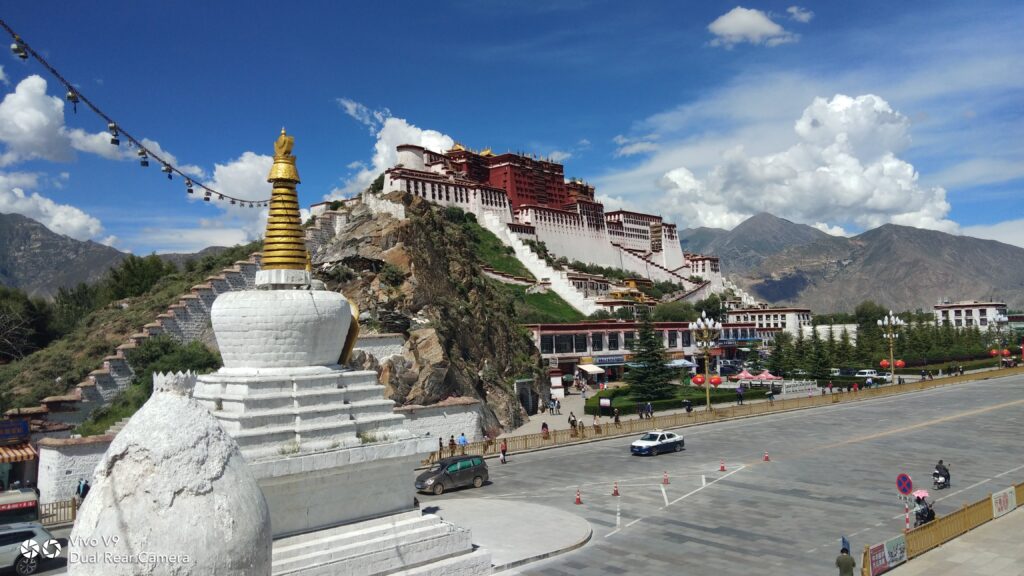
Your adventure begins in Lhasa (3,650m). The first few days are crucial for acclimatizing to the high altitude. We explore the city’s iconic sites, including the majestic Potala Palace, the spiritual heart of Jokhang Temple, and the debating monks at Sera Monastery. This cultural foundation makes the cycling ahead even more meaningful.
Part 2: The Cycling Begins – Lhasa to Gyantse (Days 5-7)
Day 5: We drive to the trailhead and begin our first cycling stretch to Yamdrok Lake, one of Tibet’s most sacred lakes, its turquoise waters a stunning contrast to the barren mountains.
Day 6: A major highlight – cycling over the Karo La Pass (5,010m) with incredible views of the glacier tumbling down towards the road. We then continue to Gyantse.
Day 7: Explore Gyantse’s historic Pelkor Monastery and the magnificent Kumbum Stupa before a pleasant afternoon cycle to the traditional town of Shigatse.
Part 3: The Road to Everest (Days 8-12)
Day 8: Cycle from Shigatse towards Lhatse, a ride that gets you deeper into the raw, high-altitude landscape of Tibet.
Day 9: Conquer the Gyatsola Pass (5,248m) before a thrilling descent. We then transfer to the remote Old Tingri, our gateway to Everest.
Day 10: The ultimate challenge and reward. We cycle from Tingri towards Rongphu Monastery, with the north face of Mt. Everest (8,848m) gradually revealing itself in all its glory. The sight of the world’s highest peak from your bicycle is a moment you will never forget.
Day 11: Witness the sunrise over Everest—a truly magical experience. After exploring, we transfer back to Shigatse.
Part 4: Return to Lhasa & Departure (Days 12-18)
The journey back to Lhasa allows for reflection on the incredible feat you’ve accomplished. We have a final day in Lhasa to relax, explore, or do some last-minute souvenir shopping before departing Tibet.
What’s Included in Your Adventure?
We handle the logistics so you can focus on the ride. Our Cycling Tibet Tour package includes:
All Tibet Travel Permits: Including the Tibet Travel Permit, Alien’s Travel Permit, and Frontier Pass.
Expert Guidance: English-speaking Tibetan tour guide and experienced support driver.
Comfortable Transportation: Support vehicle for you, your luggage, and your bike throughout the tour.
Quality Accommodation: Twin-sharing hotel accommodation (3-4 star) and guesthouses where necessary.
Meals: Daily breakfasts and some dinners.
Mountain Bike: Well-maintained mountain bike for the duration of the cycling tour.
All Entrance Fees: To all monasteries, palaces, and parks listed in the itinerary.
Is This Cycling Tour to Tibet For You?
This is a challenging trip designed for experienced cyclists with a good level of fitness. You should be comfortable with:
High Altitude: Riding at elevations between 3,600m and 5,200m.
Long Distances: Cycling an average of 50-80km per riding day.
Variable Conditions: Be prepared for sun, wind, and potentially cold temperatures.
Proper acclimatization is built into the itinerary, but training beforehand is essential.
Ready to Embark on Your Tibet Tour by Cycling?
A Cycling Tibet Tour is more than a vacation; it’s a story you will tell for the rest of your life. It’s about the burn in your legs as you climb a 5,000-meter pass, the silence of the Tibetan plateau broken only by the sound of your wheels, and the profound sense of achievement as you gaze upon Mount Everest from the saddle of your bike.
Are you ready to take on the ultimate high-altitude adventure?
Dreaming of an overland adventure to the roof of the world and a sunrise over the highest peak on Earth? An Everest Base Camp Tour via Lhasa that starts and ends in Kathmandu is an incredible journey. This guide covers everything you need to know about this epic drive-in, drive-out adventure, including the essential EBC detour, cost, and the best time to travel.
Why Choose a Group Joining the Everest Base Camp Tour via Lhasa?
Traveling to Tibet requires special permits and a licensed guide. Opting for a Group Joining the Everest Base Camp Tour via Lhasa is the perfect solution. It’s cost-effective, socially rewarding, and takes the hassle out of complex logistics. You’ll journey with like-minded travelers on an unforgettable overland trip, with all the details handled for you from Kathmandu.
A Complete 8-Day Drive-In, Drive-Out Tibet Tour Itinerary (Including EBC!)
This unique Tibet tour offers a spectacular overland experience from Nepal into Tibet, including the highlight: Everest Base Camp. Here’s the simple breakdown:
Day 1: Kathmandu (1,300m) – Kerung (2,200m) Your adventure begins with a scenic drive from Kathmandu to the Nepal-China border. After immigration, you’ll enter Tibet and drive to the border town of Kerung (Gyirong) for your first night, allowing for initial acclimatization.
Day 2: Kerung – Shigatse (3,900m) You continue your drive onto the Tibetan Plateau. The landscapes become more arid and dramatic as you make your way to Shigatse, Tibet’s second-largest city.
Day 3: Shigatse – Gyantse (3,860m) – Lhasa (3,650m) Visit the impressive Tashilhunpo Monastery in Shigatse. Then drive to Gyantse to see the Pelkor Monastery and the unique Gyantse Kumbum stupa. After sightseeing, begin the drive to Lhasa.
Day 4 & 5: Sightseeing in Lhasa These two full days are dedicated to exploring Lhasa’s wonders. You’ll explore the magnificent Potala Palace, the spiritual Jokhang Temple, and witness monks debate at Sera Monastery. Wandering Barkhor Street is a cultural experience in itself.
Day 6: Lhasa – Shigatse / Tingri You begin your return journey, driving back along the Friendship Highway. You will stop for the night in Shigatse or continue to Tingri to better position yourself for the Everest Base Camp visit the next morning.
Day 7: Shigatse/Tingri – Everest Base Camp (5,200m) – Kerung This is the highlight! An early morning drive takes you to Rongbuk Monastery, the highest in the world. From there, you will visit Everest Base Camp itself for those unforgettable, awe-inspiring views of Mt. Everest (Qomolangma). Please note that overnight stays at the base camp itself are restricted. You will spend time there before beginning the long drive back to the border town of Kerung for the night.
Day 8: Kerung – Kathmandu After completing border formalities, you drive back from Kerung to Kathmandu, marking the end of your incredible Everest Base Camp Tour via Lhasa.
Cost Breakdown for Your Tibet Tour with EBC
A Group Joining the Everest Base Camp Tour via Lhasa on this route is an affordable overland adventure. The base cost for the 8-day tour is typically USD $900 per person. Please note that adding the Everest Base Camp excursion incurs an additional USD $250, bringing the total to approximately $1,150 per person. This usually includes:
All Tibet travel permits and border fees (including EBC permit).
Comfortable, licensed tourist vehicles for the entire journey (including the EBC detour).
An experienced English-speaking guide.
All accommodation.
Entrance fees to all listed attractions.
Note: Meals and tips are usually extra.
Best Time and Weather for Your Tour
The best time for this Tibet tour is from April to early June and from September to October. During these windows, the weather is stable with clear skies, offering the best chance of a stunning, unobstructed view of Mount Everest.
Spring (Apr-Jun): Pleasant temperatures and clear skies. Ideal for driving and photography.
Autumn (Sep-Oct): Considered the prime season with minimal rainfall and excellent visibility.
Winter (Nov-Mar): Very cold, and the border pass can sometimes close due to snow.
Summer (Jul-Aug): Monsoon season; clouds often obscure the mountain views.
How Difficult is This Everest Base Camp Tour?
This is primarily a driving tour. The physical difficulty is low, but the primary challenges include the long drive days on winding mountain roads and the high altitude, especially during the rapid ascent to 5,200m at the EBC. While acclimatization is built in, it’s essential to be prepared for potential symptoms of Acute Mountain Sickness (AMS). Being in good health and staying hydrated are key.
Ready for the Adventure?
This Everest Base Camp Tour via Lhasa from Kathmandu is a classic Himalayan road trip that delivers the ultimate prize: a breathtaking visit to the base of the world’s tallest mountain. By joining a group tour, you ensure a smooth, safe, and unforgettable overland experience. Start planning your Tibetan adventure today
Planning your Tibet tours requires careful consideration of weather, festivals, and travel seasons to ensure the best experience. Tibet’s high altitude and unique climate make some months more favorable for travel than others. Whether you’re drawn to its breathtaking landscapes, rich culture, or vibrant festivals, selecting the best time for your Tibet tour will enhance your journey.
Best Travel Seasons for Tibet Tours
1. Spring (April to May) – Mild Weather and Fewer Crowds
Spring is one of the best times for Tibet tours as temperatures begin to warm up after winter. The weather is pleasant, with daytime temperatures ranging from 10°C to 15°C (50°F to 59°F), making it ideal for sightseeing.
Pros:
Comfortable weather for trekking and outdoor activities.
Fewer tourists compared to peak summer months.
Blooming flowers and clearer mountain views.
Cons:
Nights can still be chilly.
Some high passes may remain snow-covered early in the season.
2. Summer (June to August) – Peak Travel Season
Summer is the most popular time for Tibet tours due to warm temperatures and the famous Saga Dawa Festival. Daytime highs reach 20°C (68°F), while nights remain cool.
Pros:
Ideal for visiting Everest Base Camp and remote regions.
Vibrant festivals like Saga Dawa (celebrating Buddha’s enlightenment).
Lush green landscapes and clear skies.
Cons:
Crowded tourist sites and higher travel costs.
Occasional rain showers, especially in July and August.
3. Autumn (September to October) – Perfect Weather and Stunning Views
Many travelers consider autumn the absolute best time for Tibet tours due to stable weather, clear skies, and breathtaking scenery.
Pros:
Mild temperatures (10°C–20°C / 50°F–68°F).
Excellent visibility for mountain views, including Mount Everest.
Key festivals like the Shoton Festival (Tibetan Opera performances).
Cons:
Popular travel period, so early booking is recommended.
Nights start getting colder by late October.
4. Winter (November to March) – Off-Season with Unique Charm
Winter is the least crowded time for Tibet tours, offering a serene experience for those who don’t mind the cold.
Pros:
Fewer tourists and lower travel costs.
Stunning snow-covered landscapes.
Unique winter festivals like Losar (Tibetan New Year in February/March).
Cons:
Harsh temperatures (-10°C to 10°C / 14°F–50°F).
Some roads and attractions may be closed due to snow.
Best Time for Tibet Tours Based on Festivals
Tibet’s vibrant festivals add cultural depth to any Tibet tour. Key events include:
Losar (Tibetan New Year, Feb/Mar) – Celebrations with prayers, dances, and family gatherings.
Saga Dawa Festival (May/June) – Pilgrimages to Mount Kailash and grand ceremonies.
Shoton Festival (August) – Yogurt festival with Tibetan opera and giant thangka displays.
When to Plan Your Tibet Tour
The best time for Tibet tours depends on your priorities:
For ideal weather: April–May or September–October.
For festivals, consider the summer (June–August) or winter (Losar in February/March).
For budget travelers: November–March (off-season discounts).
No matter when you visit, a Tibet tour promises unforgettable adventures amidst stunning landscapes and deep cultural heritage. Plan wisely to make the most of your journey to the “Roof of the World”!
Would you like recommendations for specific Tibet tour itineraries based on the best travel season? Let us help you craft your perfect trip!
Tibet tours to the “Roof of the World,” a land of breathtaking beauty, ancient spirituality, and profound cultural immersion. This mystical region, nestled high in the Himalayas, offers a unique travel experience unlike any other. From the awe-inspiring peaks of Mount Everest to the serene monasteries of Lhasa, Tibet will captivate your soul and leave you with memories that will last a lifetime.
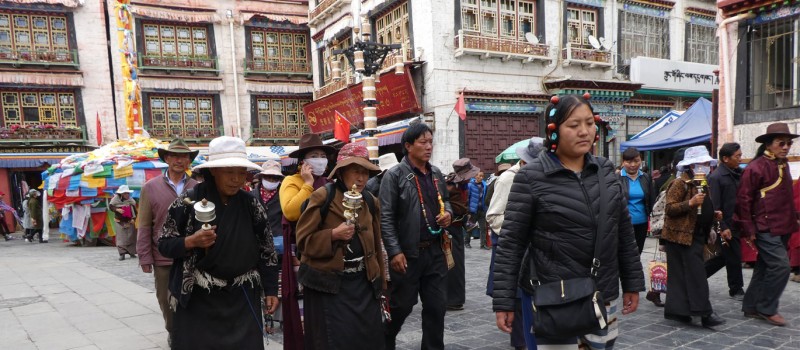
Tibetan culture is seen during the Tibet Tour
Why the Tibet tour should be on your bucket list:
Spiritual Awakening: Tibet is a deeply spiritual land, steeped in Buddhist traditions. Visit iconic monasteries like Potala Palace, Jokhang Temple, and Drepung Monastery, where you can witness monks chanting prayers and learn about Tibetan Buddhism. Immerse yourself in the peaceful atmosphere and find inner tranquility amidst the stunning mountain scenery.
Unforgettable Landscapes: Tibet boasts some of the most breathtaking landscapes on Earth. Witness the majesty of Mount Everest, the highest peak in the world. Explore the vast and desolate Tibetan Plateau, with its rolling grasslands and crystal-clear lakes. Trek through breathtaking valleys, witness cascading waterfalls, and marvel at the panoramic vistas that will leave you speechless.
Unique Culture and Traditions: Tibetan culture is vibrant, with unique customs, traditions, and festivals. Experience the warmth of the Tibetan people, learn about their nomadic lifestyle, and witness traditional dances and music. Indulge in delicious Tibetan cuisine, such as momos (dumplings) and tsampa (roasted barley flour), and savor the unique flavors of this high-altitude region.
Off-the-Beaten-Path Adventure: Tibet offers a truly off-the-beaten-path adventure. Escape the crowds and immerse yourself in a unique and authentic travel experience. Explore remote villages, trek through pristine wilderness, and encounter wildlife such as yaks, antelopes, and snow leopards.
Thrilling Adventures: For adventure seekers, Tibet offers a plethora of thrilling activities. Embark on a challenging trek to Everest Base Camp, go mountain biking through stunning landscapes, or try your hand at whitewater rafting on the Tsangpo River.
Planning Your Tibet Tour:
Best Time to Visit: The best time to visit Tibet is during the spring (April-May) and autumn (September-October) when the weather is pleasant and the skies are clear.
Getting There: The most common way to reach Tibet is by air, with flights available from major cities in China. You can also enter Tibet overland from Nepal.
Permits and Visas: Foreigners require a special Tibet Travel Permit to enter the region. You can obtain this permit through a travel agency or by applying through the Chinese Embassy.
Accommodation: Tibet offers a range of accommodation options, from budget-friendly guesthouses to luxury hotels.
Transportation: Within Tibet, you can travel by bus, train, or private car.
Mt Kailash Tour Tibet:
Mount Kailash, a sacred site for Buddhists, Hindus, Jains, and Bonpos, is a must-visit destination for any traveler to Tibet. The Kailash Kora, a circumambulation around the mountain, is a challenging but rewarding pilgrimage.
Mt Kailash TourTibet Group Joining Tour: Many travel agencies offer group joining tours to Mount Kailash, which can be a more affordable and social option. These tours typically include transportation, accommodation, and experienced guides.
Tips for Tibet tour:
Altitude Sickness: Tibet is at a high altitude, so it’s important to acclimatize properly to avoid altitude sickness. Drink plenty of fluids, avoid strenuous activity, and rest frequently.
Respect Local Customs: Tibet is a deeply religious region, so it’s important to dress modestly and respect local customs.
Learn Basic Mandarin: While some Tibetans speak English, learning a few basic Mandarin phrases can be helpful for communication.
Pack Warmly: Even in summer, temperatures can drop significantly at night, so pack warm clothes and layers.
Hire a Local Guide: Hiring a local guide can enhance your travel experience by providing insights into Tibetan culture and history.
Tibet is a truly unique and unforgettable travel destination. With its breathtaking landscapes, rich cultural heritage, and spiritual significance, Tibet offers a journey of a lifetime. Whether you are seeking adventure, spiritual enlightenment, or simply a chance to experience a different way of life, Tibet will leave an indelible mark on your soul.
Start planning your Tibet tour today and discover the magic of this extraordinary land
Planning for a Tibet Tours? Whether you’re drawn to its spiritual heritage, breathtaking landscapes, or thrilling treks, this comprehensive guide has you covered. From understanding visa requirements and travel permits to exploring the cultural significance of the Potala Palace and Mount Kailash, we answer all your burning questions about Tibet tours. Discover the best time to visit, how to prepare for high altitudes, and what to pack for an unforgettable adventure. Dive into the rich traditions of Tibetan Buddhism, learn about local customs, and get practical tips on transportation, accommodations, and safety.
Looking for adventure? We’ve got you covered with insights into trekking routes like Mount Kailash and Everest Base Camp, along with tips on acclimatization and camping. Whether you’re a solo traveler, a culture enthusiast, or an adventure seeker, this guide provides everything you need to plan your dream trip to Tibet. Let us help you navigate the mysteries of the Roof of the World and make your journey as seamless and enriching as possible.
Do I need a visa for Tibet Tours?
Yes, you need a Chinese visa for Tibet Tours. Additionally, foreign travelers must obtain a Tibet Travel Permit, which is arranged by a licensed Tibetan travel agency. Without these documents, entry to Tibet is not permitted.
What is a Tibet Travel Permit, and how do I get one?
A Tibet Travel Permit is a mandatory document for foreign tourists visiting Tibet. It can only be arranged through a registered Tibetan travel agency as part of a guided tour. Your agency will handle the application process, which typically takes 7-15 days.
Can I travel independently in Tibet, or do I need a guided tour?
Independent travel is not allowed in Tibet. Foreign tourists must book a guided tour through a licensed travel agency, which will arrange all permits, transportation, and accommodations.
The best time for a Tibet tour is from April to October when the weather is mild and stable. May and September are particularly popular for clear skies and comfortable temperatures, ideal for sightseeing and trekking.
How do I prepare for high altitude in Tibet?
To prepare for high altitude in Tibet:
Spend 2-3 days in Lhasa to acclimatize.
Stay hydrated and avoid strenuous activity initially.
Consult a doctor about altitude sickness medication (e.g., Diamox).
Avoid alcohol and smoking during the first few days.
What are the must-visit places during Tibet tours?
The must-visit places in Tibet include:
Lhasa: Potala Palace, Jokhang Temple, and Barkhor Street.
Mount Everest Base Camp: For breathtaking views of the world’s highest peak.
Lake Yamdrok: A stunning turquoise lake.
Mount Kailash: A sacred pilgrimage site.
Shigatse: Home to the Tashilhunpo Monastery.
How much does a Tibet tour cost?
The cost of a Tibet tour varies based on duration, group size, and itinerary. On average, a 7-10 day tour costs between 1,000to1,000to2,500 per person, including permits, accommodations, transportation, and guide services.
Is it safe to travel to Tibet?
Yes, Tibet is generally safe for tourists. However, travelers should be mindful of high-altitude risks, follow local regulations, and travel with a licensed guide. Political sensitivities also require respectful behavior toward local customs and authorities.
What is the weather like in Tibet?
Tibet’s weather varies by season:
Spring (April-May): Mild and pleasant, ideal for travel.
Summer (June-August): Warm but rainy in some regions.
Autumn (September-October): Clear skies and cool temperatures.
Winter (November-March): Cold and dry, with fewer tourists.
Can I visit Mount Everest from Tibet?
Yes, you can visit Mount Everest from Tibet. The North Base Camp in Tibet offers stunning views of Everest and is accessible via a guided tour. The best time to visit is from April to October.
What is the significance of the Potala Palace?
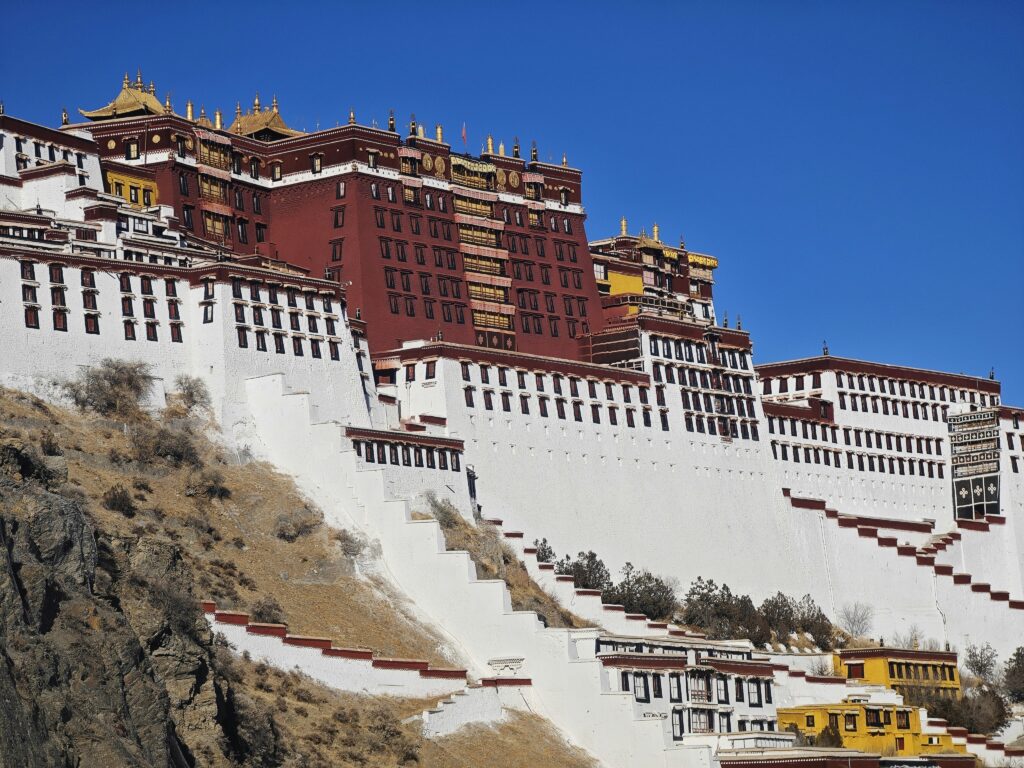
The Potala Palace in Lhasa is a UNESCO World Heritage Site and the former winter residence of the Dalai Lama. It symbolizes Tibetan Buddhism and culture, housing countless artifacts, murals, and sacred scriptures. It is a must-visit for its historical and spiritual importance.
Potala Palace during the Tibet Tour
Can I attend a Buddhist ceremony during the Tibet Tour?
Yes, you can attend Buddhist ceremonies in Tibet, especially during festivals like Saga Dawa or at monasteries such as Jokhang Temple and Sera Monastery. However, always show respect by following local customs and seeking permission before taking photos.
Are there any festivals in Tibet that tourists can attend?
Yes, tourists can attend Tibetan festivals such as:
Losar (Tibetan New Year): Celebrated in February or March.
Saga Dawa: Honors Buddha’s birth, enlightenment, and death, usually in May or June.
Shoton Festival: Features Tibetan opera and the unveiling of giant thangkas, held in August.
What is the history of Tibetan Buddhism?
Tibetan Buddhism originated in the 7th century and combines teachings from Indian Buddhism with indigenous Bon practices. It is known for its unique practices, such as meditation, mantra recitation, and the veneration of the Dalai Lama.
How do I show respect when visiting monasteries in Tibet tours?
To show respect in Tibetan monasteries:
Dress modestly and remove hats.
Walk clockwise around stupas and sacred objects.
Avoid pointing at or touching religious artifacts.
Ask for permission before taking photos of monks or rituals.
Are there any restrictions for tourists in Tibetan monasteries?
Yes, tourists must follow certain rules in Tibetan monasteries:
Photography may be restricted in certain areas.
Avoid loud conversations or disruptive behavior.
Do not sit or step on sacred objects or altars.
Always follow your tour guide’s guidance.
What is the importance of Mount Kailash in Tibetan culture?
Mount Kailash is considered the most sacred mountain in Tibetan culture, revered as the abode of deities and a site of spiritual enlightenment. Pilgrims perform the Kora (circumambulation) around the mountain to gain merit and cleanse sins.
Can I participate in a kora (circumambulation) in Lhasa?
Yes, you can participate in a kora in Lhasa. The most popular kora routes are around Barkhor Street and Lingkhor Circuit, where pilgrims walk clockwise while chanting prayers and spinning prayer wheels.
What are the customs and traditions of the Tibetan people?
Tibetan customs and traditions include:
Greeting with a slight bow and hands pressed together.
Offering and receiving items with both hands.
Avoid touching someone’s head, as it is considered sacred.
Participating in festivals and rituals with reverence.
Is it okay to take pictures of monks or locals?
Always ask for permission before taking pictures of monks or locals. Some may decline, especially during religious activities. Avoid using flash in monasteries, as it can disturb the sanctity of the space.
How do I get to Tibet from Nepal?
You can travel to Tibet from Nepal by flight or overland. The most common route is a flight from Kathmandu to Lhasa, which takes about 1.5 hours. Alternatively, you can take a scenic overland journey via the Friendship Highway, which requires a Tibet Travel Permit and a guided tour.
Can I fly directly from my country to Lhasa?
There are no direct international flights to Lhasa. Most travelers fly to major Chinese cities like Beijing, Chengdu, or Kathmandu (Nepal) and then take a connecting flight or train to Lhasa. Chengdu is the most popular hub for flights to Tibet.
What is the Tibet Railway, and how do I book tickets?
The Qinghai-Tibet Railway is the world’s highest railway, connecting mainland China to Lhasa. It offers breathtaking views of the Tibetan Plateau. Tickets can be booked through a travel agency or online platforms like Ctrip, but foreign tourists must have a Tibet Travel Permit to board.
Are there ATMs and currency exchange facilities in Tibet?
Yes, ATMs and currency exchange facilities are available in major cities like Lhasa and Shigatse. However, carrying enough cash (Chinese Yuan) is advisable as ATMs in remote areas may be unreliable.
What is the internet and phone connectivity like in Tibet?
Internet and phone connectivity are available in cities like Lhasa but can be limited in remote areas. Most hotels and restaurants offer Wi-Fi, though speeds may vary. Purchasing a local SIM card is recommended for better connectivity.
Can I use credit cards in Tibet, or is cash preferred?
Cash (Chinese Yuan) is preferred in Tibet, especially in rural areas. While some hotels and larger shops in cities accept credit cards, smaller establishments, and monasteries do not. Always carry sufficient cash for daily expenses.
What kind of transportation is available during the Tibet Tours?
Transportation options during the Tibet tour include:
Private vehicles: Arranged by travel agencies for guided tours.
Public buses: Available in cities like Lhasa but not recommended for tourists.
Tibet Railway: Connects major cities and offers stunning views.
Flights: Connect Lhasa with other Tibetan cities and mainland China.
Are there any health precautions I should take before the Tibet tour?
Yes, health precautions for Tibet tour include:
Acclimatizing slowly to avoid altitude sickness.
Staying hydrated and avoiding alcohol.
Carrying medications for headaches, nausea, and diarrhea.
Consulting a doctor about altitude sickness pills like Diamox.
What language is spoken in Tibet, and will I need a translator?
The primary language in Tibet is Tibetan, but Mandarin Chinese is widely spoken. English is not commonly understood, so having a guide or translator is highly recommended, especially in remote areas.
Are there any restricted areas during Tibet tours for tourists?
Yes, some areas in Tibet require additional permits, such as the Aliens’ Travel Permit or Military Permit, especially for regions near borders or sensitive locations. Always check with your travel agency to ensure you have the necessary documentation.
Can I trek to Mount Everest Base Camp from Tibet?
Yes, you can trek to Mount Everest Base Camp (North Side) in Tibet. The trek starts from the Rongbuk Monastery and offers stunning views of Everest. A Tibet Travel Permit and a guided tour are required for this adventure.
What is the difficulty level of the Mount Kailash trek?
The Mount Kailash trek (Kora) is considered moderately challenging due to its high altitude (up to 18,500 feet) and rugged terrain. It requires good physical fitness and proper acclimatization. The full Kora takes 2-3 days to complete.
Are there guided treks available in Tibet?
Yes, guided treks are available in Tibet and are mandatory for foreign tourists. Licensed travel agencies offer guided treks to popular routes like Mount Kailash, Everest Base Camp, and Ganden to Samye.
The best time for trekking in Tibet is from May to October when the weather is mild and stable. September is particularly ideal for clear skies and comfortable temperatures.
Sunscreen, sunglasses, and a hat for UV protection.
A reusable water bottle and high-energy snacks.
Altitude sickness medication and a basic first-aid kit.
Are there any age restrictions for trekking in Tibet?
There are no strict age restrictions, but trekking in Tibet requires good physical fitness due to the high altitudes and challenging terrain. Older travelers or those with health conditions should consult a doctor before planning a trek.
Can I camp during a trek in Tibet?
Yes, camping is allowed during treks in Tibet, especially on routes like Mount Kailash and Everest Base Camp. Most guided tours provide camping equipment, but you can also bring your gear.
How do I acclimatize to the high altitude during a trek?
To acclimatize during a trek:
Spend 2-3 days in Lhasa or a lower-altitude area before starting.
Stay hydrated and avoid alcohol.
Ascend slowly and take rest days if needed.
Consult a doctor about altitude sickness medication like Diamox.
Are there emergency services available during treks?
Emergency services in remote trekking areas are limited. It’s essential to travel with a licensed guide who can handle emergencies. Carry a satellite phone or emergency beacon for added safety.
What are the most popular trekking routes in Tibet?
The most popular trekking routes in Tibet include:
Mount Kailash Kora: A spiritual trek around the sacred mountain.
Everest Base Camp (North Side): Offers breathtaking views of Everest.
Ganden to Samye Trek: A scenic route connecting two historic monasteries.
Tsurphu to Yangpachen Trek: Known for its hot springs and stunning landscapes.