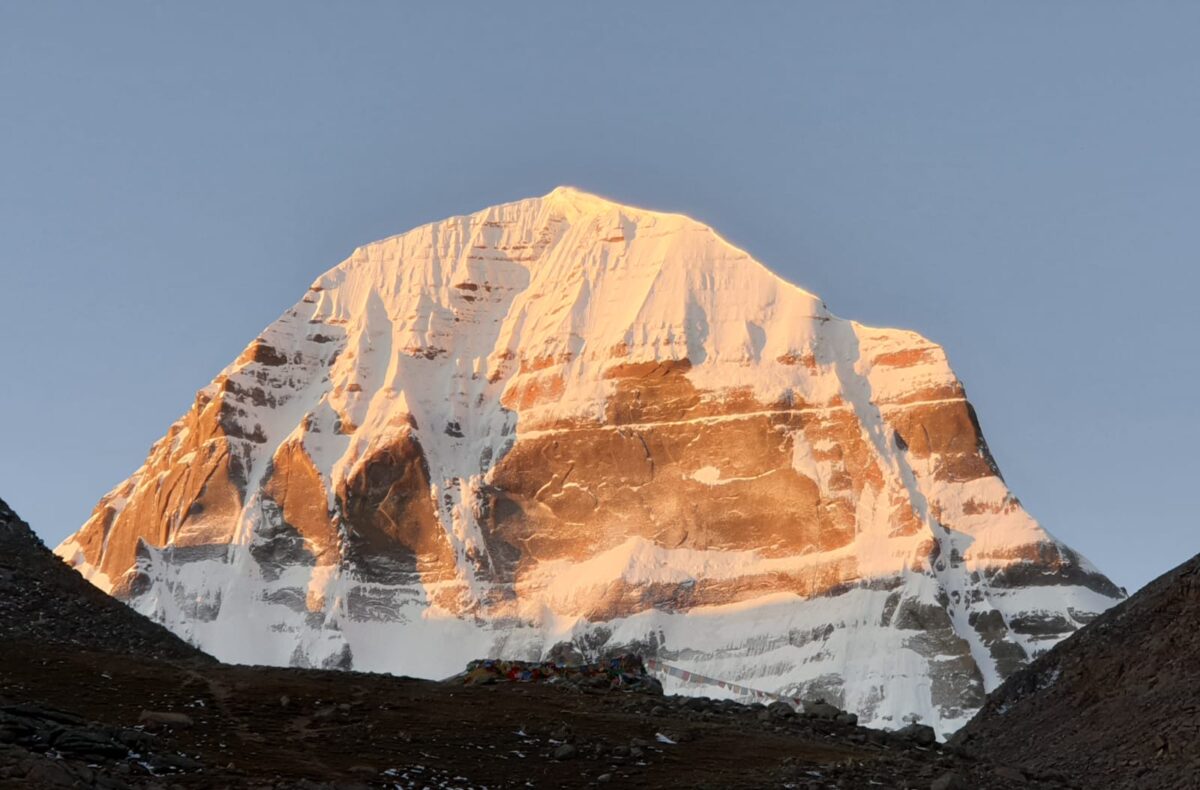
A trip to Mount Kailash requires more paperwork than a standard Tibet trip because the region — Ngari Prefecture — is a restricted, military-sensitive border area. Foreign travelers typically need a Chinese Visa (or China Group Visa via Nepal), a Tibet Travel Permit, an Alien’s Travel Permit, and a Military Area Entry Permit, with a Foreign Affairs Permit also required on some routes. None of these can be arranged independently — all are processed by a licensed Tibet travel agency. Restricted-area permits for Kailash typically take 20–30 days to process, longer than a standard Lhasa-only trip, so booking at least 2–3 months ahead is recommended.
Why Does Mount Kailash Need Extra Permits?
Mount Kailash sits in Ngari Prefecture, in the far western corner of the Tibet Autonomous Region, close to where the borders of China, Nepal, and India meet. Because of that location, Ngari is classified as a military-sensitive zone, which means it requires permits on top of the standard Tibet Travel Permit that covers a normal Lhasa trip.
This is the single biggest reason a Kailash trip needs more lead time than, say, a Lhasa-and-Everest itinerary — the additional permits take longer to process and involve more government departments.
The Full List of Permits for Mount Kailash
| Permit | Issued By | Purpose |
|---|---|---|
| Chinese Visa (or China Group Visa) | Chinese Embassy/Consulate, or via Kathmandu for the Nepal route | Entry into China |
| Tibet Travel Permit (TTP) | Tibet Tourism Bureau | Entry into the Tibet Autonomous Region |
| Alien’s Travel Permit (ATP) | Public Security Bureau | Travel beyond Lhasa into western Tibet, including Ngari |
| Military Area Entry Permit | Military authorities, Lhasa | Access to Ngari Prefecture specifically |
| Foreign Affairs Permit | Foreign Affairs Office, Lhasa | Required on some routes into Ngari, alongside the Military Permit |
Most foreign travelers visiting Kailash end up needing all of the above, though the exact combination can depend slightly on which route you’re taking into the region — more on that below.
Does the Route You Take Change What You Need?
Yes, and this is a detail a lot of generic guides skip over.
Via Kathmandu (Nepal overland route): This is the route most travelers on a group joining tour take. You’ll need a China Group Visa (arranged in Kathmandu), plus the Tibet Travel Permit, Alien’s Travel Permit, and Military Area Entry Permit.
Via Lhasa (starting from mainland China): Because this route passes through several additional prefectures on the way to Ngari, it more commonly also requires the Foreign Affairs Permit alongside the Military Permit.
Since permit combinations are genuinely route-dependent, the most reliable approach is to lock in your exact itinerary first and let your travel agency confirm precisely which permits apply — rather than assuming your friend’s permit list from a different route matches yours.
Permit Timeline: How Long Does It Take?
For a Kailash trip, plan for the process to take noticeably longer than a standard Tibet permit:
- Standard Tibet Travel Permit alone: around 15–20 working days
- Kailash/Ngari permits (TTP + Alien’s Travel Permit + Military Permit, and Foreign Affairs Permit where applicable): typically 20–30 working days
A reasonable planning timeline looks like this:
- 2–3 months before departure: Confirm your itinerary and book with a licensed Tibet agency — this is when the permit clock starts.
- 60–30 days before departure: Submit your passport scan and required documents to your agency.
- 20–30 days before departure: Restricted-area permits for Ngari are processed.
- Around 15–20 days before departure: Your agency should have all approved permits in hand and confirm everything with you.
Because Ngari permits involve more government departments than a standard Lhasa trip, it’s worth building in a buffer rather than cutting it close — permit delays are far easier to absorb with extra lead time than with none.
What Documents Will You Need to Provide?
- A scanned copy of your passport’s photo page, valid for at least six months beyond your travel dates
- A recent passport-style photo
- A copy of your Chinese visa, or confirmation of your visa-free eligibility if applicable
- Your confirmed Kailash tour itinerary and dates
- For Indian nationals specifically: additional documentation processed through recognized channels working with the Tibet Autonomous Region’s Foreign Affairs Office, since the process for Indian pilgrims differs somewhat from other nationalities
A Note for Indian Pilgrims
Mount Kailash and Lake Manasarovar draw a significant number of Indian pilgrims each year, and the permit process for Indian nationals runs through a slightly different channel than for other foreign travelers — typically coordinated between Nepali or Indian travel agencies with established ties to the relevant Tibetan authorities. If you’re an Indian passport holder, it’s worth confirming with your agency early that they have direct experience processing Kailash permits for Indian pilgrims specifically, since this isn’t identical to the general foreign-traveler process.
Common Permit Mistakes to Avoid
- Booking flights before permits are confirmed. Since permits are itinerary-specific and take weeks to process, buying non-refundable flights too early creates unnecessary risk if anything needs adjusting.
- Assuming visa-free entry to China removes the need for Tibet permits. It doesn’t — Tibet Travel Permits and Ngari-specific permits are required regardless of your visa status.
- Changing your itinerary after permits are submitted. Because permits are matched to a specific route, last-minute itinerary changes can mean re-processing, which costs time you may not have.
- Assuming all Kailash routes need identical permits. As covered above, the Kathmandu route and the Lhasa route don’t always require exactly the same combination.
Frequently Asked Questions
How many permits do I need for Mount Kailash? Most foreign travelers need four documents on top of their passport: a Chinese Visa (or Group Visa), a Tibet Travel Permit, an Alien’s Travel Permit, and a Military Area Entry Permit, with a Foreign Affairs Permit required on some routes.
Can I apply for Kailash permits myself? No. All permits for Tibet, and especially for restricted areas like Ngari, must be processed through a licensed Tibet travel agency. Independent travel to Kailash isn’t permitted for foreign visitors.
How far in advance should I start the permit process for Kailash? At least 2–3 months before departure is recommended, given that restricted-area permits for Ngari can take 20–30 working days to process, on top of time needed to confirm your itinerary and gather documents.
Do visa-free travelers still need Kailash-specific permits? Yes. Visa-free entry to China only addresses your entry into the country — it doesn’t remove the requirement for a Tibet Travel Permit or the additional Ngari-specific permits.
Is the permit process different if I’m traveling via Kathmandu instead of Lhasa? Yes, to some degree. The Kathmandu route typically involves a China Group Visa and generally doesn’t always require the Foreign Affairs Permit that some Lhasa-route itineraries need, though the Tibet Travel Permit, Alien’s Travel Permit, and Military Permit apply either way.
What happens if my itinerary changes after permits are submitted? Since permits are matched to your specific route and dates, significant itinerary changes can require re-submission, which adds processing time. It’s best to finalize your route before permits are filed.
Is the permit process different for Indian pilgrims? Yes. Indian nationals typically go through a separate coordination channel involving recognized agencies with established ties to the relevant Tibetan authorities, distinct from the general international traveler process.
Ready to Start Your Kailash Permit Process?
Because Kailash permits are route-specific and take longer than standard Tibet permits, the earlier you lock in your itinerary, the smoother the process. Our Mt Kailash Group Joining Tour 2027 includes permit processing as part of the package. Send us an inquiry with your nationality, passport type, and preferred travel dates, and we’ll map out exactly which permits your trip needs and the timeline to get them.