China Visa vs Tibet Travel Permit: What’s the Difference?

One of the most common points of confusion for first-time Tibet travelers is the difference between a China visa and a Tibet Travel Permit. Many people search for a “Tibet visa,” but technically no such document exists — what you actually need is a combination of the two, and they serve completely different purposes.

Get this wrong and you could end up with a valid Chinese visa but no way to actually reach Lhasa, or vice versa. Here’s exactly how the two fit together.

The Short Answer

  • A China visa (or visa-free entry, if your passport qualifies) gets you into mainland China.
  • A Tibet Travel Permit gets you into the Tibet Autonomous Region specifically.

You generally need both. They’re issued by completely different authorities, through different processes, and one doesn’t substitute for the other.

China Visa: Your Entry Ticket to the Country

For most nationalities, entering China requires an “L” category tourist visa, arranged through a Chinese embassy or consulate before departure. This visa is your general permission to be in mainland China — it says nothing about Tibet specifically.

An important, often-repeated piece of advice from experienced Tibet agencies: don’t mention Tibet on your Chinese visa application. This sounds counterintuitive, but it avoids a bureaucratic catch-22 — some embassies, on seeing “Tibet” listed as a destination, will ask to see your Tibet Travel Permit before approving the visa. The problem is that your Tibet Travel Permit application can’t move forward until you already have a valid Chinese visa. Rather than get stuck in that loop, most travelers list mainstream Chinese cities on their entry city (Beijing, Chengdu, Xi’an, or Shanghai are common choices) and let their Tibet agency handle Tibet-specific documentation separately.

What About Visa-Free Entry?

China has significantly expanded visa-free access in recent years. As of 2026, passport holders from roughly 78 countries can enter China visa-free for stays of up to 30 days, covering tourism, business, and family visits. This visa-free policy does apply to travelers heading onward to Tibet.

However, there’s a separate 240-hour (10-day) visa-free transit policy, available to around 55 nationalities, meant for travelers passing through China en route to a third country. It’s worth knowing that this transit policy specifically excludes Tibet — you cannot use it to visit the Tibet Autonomous Region, even if your passport otherwise qualifies.

The bigger point either way: whether you enter China visa-free or on a standard tourist visa, neither one removes the requirement for a separate Tibet Travel Permit.

Tibet Travel Permit: Your Entry Ticket to Tibet

The Tibet Travel Permit (TTP), issued by the Tibet Tourism Bureau, is what actually authorizes you to enter and travel within the Tibet Autonomous Region. It’s a physical document — typically a two-page A4 sheet listing your name, passport details, and approved itinerary — and airlines and train staff will check for the original before letting you board a flight or the train to Lhasa.

A few things that make it fundamentally different from a visa:

  • It can’t be applied for independently. Only a licensed Tibet travel agency can submit the application on your behalf, which is also why independent, unguided travel in Tibet isn’t possible for foreign visitors.
  • It’s tied to a specific itinerary. Unlike a visa, which broadly permits travel around the country, the TTP only covers the exact route and dates your agency registers.
  • It’s not reusable. At the end of your trip, the original permit is typically collected and returned to the Tibet Tourism Bureau — you can’t use the same one for a future trip.
  • There’s usually no separate fee. The cost of arranging the TTP is generally bundled into your tour booking rather than charged as a standalone government fee.

Side-by-Side Comparison

China VisaTibet Travel Permit
Issued byChinese Embassy/Consulate (or visa-free policy)Tibet Tourism Bureau
CoversEntry into mainland ChinaEntry into the Tibet Autonomous Region
Who appliesYou, directly (or automatically if visa-free)Your licensed Tibet travel agency
ReusableYes, within its validity windowNo, single-trip only
Required for Tibet?Yes (or valid visa-free status)Yes, always
Can be arranged independently?YesNo

Does the Order Matter?

Yes. In almost all cases, you need your Chinese visa (or confirmed visa-free eligibility) sorted out before your agency can begin the Tibet Travel Permit application. The typical sequence looks like this:

  1. Book your Tibet tour with a licensed agency and confirm your itinerary.
  2. Apply for your Chinese visa (or confirm your visa-free eligibility), without listing Tibet as your destination.
  3. Send your agency a scanned copy of your passport and visa.
  4. Your agency submits the Tibet Travel Permit application to the Tibet Tourism Bureau.
  5. The physical permit is delivered to you (usually to your hotel in mainland China) before you depart for Lhasa.

What If You’re Entering From Nepal?

The process shifts slightly for travelers entering Tibet overland or by air from Kathmandu. Rather than an individual tourist visa, most travelers in this situation need a China Group Visa, arranged in Kathmandu, which typically requires a minimum group size to process. Your Tibet Travel Permit is then issued and handed over by your operator’s partner agency in Nepal before you cross the border or board your flight to Lhasa.

Frequently Asked Questions

Is there such a thing as a “Tibet visa”? Not officially. Tibet is part of China, so there’s no separate visa category for it. What people usually mean by “Tibet visa” is the Tibet Travel Permit, combined with a standard Chinese visa.

If my passport is visa-free for China, do I still need a Tibet Travel Permit? Yes. Visa-free entry to China only addresses the China visa side of things — the Tibet Travel Permit is still mandatory regardless of your visa status.

Can I use China’s 240-hour transit visa-free policy to visit Tibet? No. That specific transit policy explicitly does not cover the Tibet Autonomous Region.

Should I tell the embassy I’m visiting Tibet when applying for my Chinese visa? Most experienced agencies advise against it, to avoid a documentation catch-22 where the embassy wants to see a permit you can’t yet obtain. List other mainland Chinese cities instead and let your Tibet operator handle the Tibet-specific side.

Can I apply for the Tibet Travel Permit before I get my Chinese visa? Generally no — your agency needs a copy of your approved visa (or confirmation of your visa-free status) before they can submit the Tibet Travel Permit application.

Do I need a new Tibet Travel Permit if I visit Tibet twice? Yes. The permit is single-trip only and is not reused for future visits, even if you’re returning within the same visa’s validity.

Sorting This Out Before You Book

Because visa rules vary by nationality and change periodically, the safest move is to confirm your specific requirements with your travel agency before purchasing flights. Send us an inquiry with your nationality and travel dates, and we’ll walk you through exactly which visa applies to you, how to time your Chinese visa alongside the Tibet Travel Permit application, and what to expect at each step.
Tibet Travel Permit Explained: Types, Timeline, and Requirements (2027)

If you’re planning a Tibet tour, the Tibet Travel Permit is the single most important document you’ll need to sort out before you go. It’s different from a Chinese visa, it can’t be applied for on your own, and depending on your route you may actually need more than one permit stacked on top of each other.

This guide breaks down exactly what the Tibet Travel Permit is, which other permits you might need for places like Everest Base Camp or Mount Kailash, how the timeline works, and what documents you’ll need to provide.

What is the Tibet Travel Permit?

The Tibet Travel Permit (TTP) also called the Tibet Entry Permit or TTB Permit is an official document issued by the Tibet Tourism Bureau that allows non-Chinese passport holders to enter and travel within the Tibet Autonomous Region.

It functions as your entry pass into Tibet, separate from your Chinese visa. You cannot board a flight or train to Lhasa without the original physical permit in hand (for flights) or printed copies (for the train).

A few key facts about the TTP:

  • It’s required for essentially all foreign passport holders, regardless of whether you enter via Beijing, Chengdu, Xining, or from Nepal
  • It can only be arranged through an authorized Tibet travel agency there’s no way to apply for it as an independent traveler
  • It typically arrives as a two-page A4 document
  • It only covers the specific itinerary and areas you’ve registered travel outside your approved route generally requires additional permits

The Different Types of Permits You May Need

This is where a lot of first-time travelers get confused. The Tibet Travel Permit is the base requirement, but depending on where your itinerary takes you, additional permits may stack on top of it.

PermitIssued ByNeeded ForWho Applies
Tibet Travel Permit (TTP)Tibet Tourism BureauEntering Tibet at allYour travel agency, before departure
Alien’s Travel Permit (ATP)Public Security Bureau (PSB)Restricted areas outside LhasaYour guide, usually after you arrive in Lhasa
Military Area Entry PermitMilitary authoritiesSensitive border regionsYour travel agency, well in advance
Foreign Affairs PermitForeign Affairs OfficeCertain border/expedition routesYour travel agency, well in advance
Frontier Pass / Border PermitForeign Affairs Office, LhasaAreas near the Nepal borderYour travel agency, in advance

Tibet Travel Permit (TTP)

This is the permit everyone needs. It’s your baseline authorization to enter the Tibet Autonomous Region at all, whether by air, train, or overland from Nepal.

Alien’s Travel Permit (ATP)

Also known as the PSB Permit, this one is required once you leave Lhasa and head toward areas outside the “open” cities. Historically this included places like Everest Base Camp and Shigatse, though the exact list of areas requiring this permit has changed over time — some regular tourist routes to Everest Base Camp and Gyirong, for example, no longer required it as of mid-2025. Since rules like this shift, it’s worth confirming the current requirement for your specific route with your operator rather than relying on an older blog post.

Where the ATP is still required, the good news is that it’s usually processed quickly and inexpensively after you land in Lhasa — your guide handles the paperwork with the local PSB office.

Military Area Entry Permit

If your route includes genuinely sensitive or remote border regions — Mount Kailash in the Ngari Prefecture is the classic example — you’ll also need a military permit. This one can’t be picked up on arrival; it needs to be submitted well before your trip, often 20+ days in advance.

Foreign Affairs Permit

Reserved for specific border areas, research-style visits, or unusual expedition routes. Not every traveler will need this, but it’s worth asking about if your itinerary is off the beaten path.

Frontier Pass / Border Permit

If you’re heading toward the Nepal border — for a Kathmandu–Lhasa overland trip, or a Kailash/Manasarovar route that approaches the border — a separate frontier or border permit is typically required, arranged through the Foreign Affairs Office in Lhasa.

Do You Need All of These Permits?

Not necessarily. It depends entirely on your itinerary.

  • Lhasa only: Tibet Travel Permit alone is generally sufficient.
  • Lhasa + Everest Base Camp: TTP, and possibly an Alien’s Travel Permit depending on current route rules.
  • Lhasa + Mount Kailash / Lake Manasarovar: TTP, Alien’s Travel Permit, and Military Permit, since Ngari Prefecture is considered a sensitive border region.
  • Kathmandu–Lhasa overland or border-crossing routes: TTP plus a Frontier/Border Permit, in addition to whichever of the above apply to the rest of your route.

This is exactly why a fixed, confirmed itinerary matters before your agency starts the permit process — the permits are matched to your specific route, not issued as a blanket document.

Timeline: When to Start the Process

Permit processing takes time, and delays do happen, so starting early gives your agency room to troubleshoot if something doesn’t go smoothly.

A rough timeline for a standard Lhasa + Everest itinerary looks like this:

  1. 2–3 months before departure: Confirm your itinerary and book with a licensed Tibet travel agency. This is when the permit clock effectively starts.
  2. Around 20–45 days before departure: Your agency submits your documents (passport and visa copies) for the Tibet Travel Permit, and, if applicable, begins the Military Permit process for more remote routes.
  3. Roughly 30–40 days before departure: TTP is typically approved.
  4. On arrival in Lhasa: Your guide arranges the Alien’s Travel Permit, if your route requires one, usually processed within hours for a small fee.

For a Kailash or other remote western Tibet itinerary, it’s sensible to start the whole process at least three months out, given the extra permits and the possibility of delays tied to broader diplomatic or border conditions.

What Documents Do You Need to Provide?

Requirements vary slightly depending on your passport and visa type, but in general your agency will ask for:

  • A scanned copy of your passport’s photo page (valid for at least six months beyond your travel dates)
  • A copy of your Chinese visa (typically an “L” tourist visa)
  • If you hold a different visa type study (X), work (Z), or a China residence permit you may need to provide supporting documents such as a study or work certificate
  • A contact address in mainland China (often your hotel) where the physical permit can be delivered before you fly to Tibet

If you’re entering via Nepal, the process has an extra step: most travelers need a China Group Visa issued in Kathmandu rather than a visa obtained elsewhere, since visas from other cities generally aren’t valid for that entry route (visa-free travelers are the main exception). Your Tibet Travel Permit is then delivered by your operator’s local partner in Kathmandu.

Special Cases

Diplomats, journalists, and government officials cannot get a Tibet Travel Permit through a regular travel agency. Their applications must go through the Tibet Foreign Affairs Office directly.

Travelers with both a Chinese passport and Chinese ID card are treated differently using the national ID card allows travel to more areas of Tibet than a Chinese passport alone.

A Note on China’s Visa-Free Policies

China has expanded its visa-free entry policies for citizens of a growing number of countries in recent years. It’s important to understand that this doesn’t remove the need for a Tibet Travel Permit — visa-free entry into China and permission to enter Tibet are two separate questions. Even travelers who don’t need a Chinese visa at all still need the TTP to travel to Tibet.

Because visa and permit rules are updated periodically, always confirm the latest policy for your specific nationality with your travel agency before booking flights or making other non-refundable arrangements.

Frequently Asked Questions

Can I apply for a Tibet Travel Permit myself? No. It must be arranged through an authorized Tibet travel agency after you’ve confirmed a tour itinerary.

How long does it take to get a Tibet Travel Permit? Processing generally takes around 15–20 working days once your documents are submitted, though it’s best to allow more time, especially for itineraries that include additional permits.

Is there a separate fee for the Tibet Travel Permit? The TTP itself typically has no standalone official fee, since it’s bundled into your tour booking. Some agencies list associated permit costs as a separate line item.

Do I need the Alien’s Travel Permit for Everest Base Camp? It depends on your exact route and current regulations, which have changed in recent years for some standard routes. Confirm with your operator based on your specific itinerary.

Do I need a Military Permit for Mount Kailash? Yes, in addition to the Tibet Travel Permit and Alien’s Travel Permit, since the Ngari region is considered a sensitive border area.

Can I get my Tibet Travel Permit if I’m already in Nepal? Yes, but the process is slightly different — it typically involves obtaining a China Group Visa in Kathmandu, with your Tibet Travel Permit delivered through your operator’s local partner there.

What happens if my permit is delayed or denied? Delays can happen for various reasons, including diplomatic or border-related factors. An experienced agency will have contingency plans and should keep you informed rather than leaving you to find out at the airport.

Does the Tibet Travel Permit let me visit anywhere in Tibet? No. It only covers the specific itinerary you’ve registered. Traveling to additional areas, especially outside Lhasa, generally requires further permits matched to that route.

Planning Your Trip?

Because permit requirements depend on your nationality, visa type, and exact itinerary, the most useful thing you can do before booking is share these details with your travel agency early: your nationality, passport type, intended route, and travel dates. That allows the permit process to be tailored to your actual trip rather than a generic assumption.

Permit rules for Tibet change often, and getting the wrong information can mean delays or even a denied application. If you’re not sure exactly what you’ll need for your route, send us an inquiry with your nationality, passport type, and rough itinerary, and we’ll walk you through exactly which permits apply to your trip and how to time everything correctly.

What Permits and Documents Are Required for the Mount Kailash Manasarovar Yatra from Nepal?

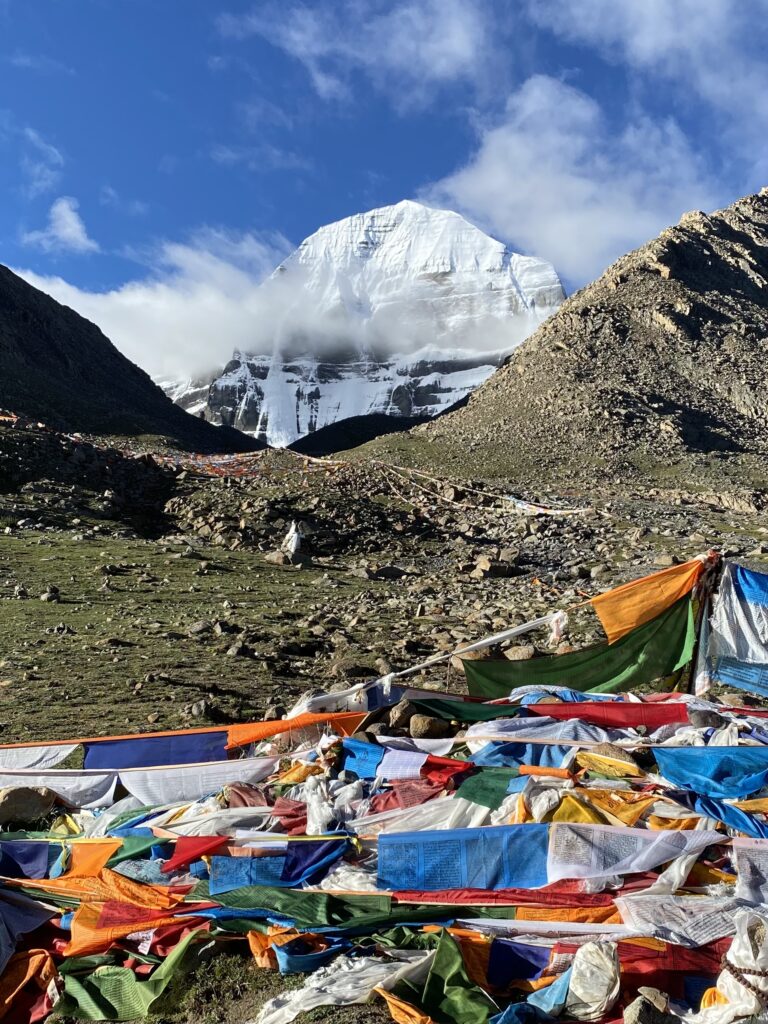
The Mount Kailash Manasarovar Yatra is one of the most sacred and life-changing journeys in the world. Every year, thousands of pilgrims, spiritual seekers, trekkers, and adventure travelers visit Mount Kailash and Lake Manasarovar in western Tibet.

One of the most common questions travelers ask before planning their pilgrimage is:

“What permits and documents do I need to visit Mount Kailash from Nepal?”

Unlike many international destinations, independent travel to Mount Kailash is not permitted. All foreign travelers must join an organized tour arranged through a registered Tibet travel agency that handles permits, visas, transportation, and logistics.

This guide explains everything you need to know about the required permits, documents, processing timelines, and visa procedures for the Mount Kailash Manasarovar Yatra from Nepal.

Why Are Permits Required for Mount Kailash?

Mount Kailash and Lake Manasarovar are located in the Tibet Autonomous Region (TAR) of China, a highly regulated travel area.

Foreign travelers cannot enter Tibet independently and must obtain special travel permits in addition to a Chinese Group Visa.

These permits are issued by various government authorities and are arranged through authorized Tibet travel agencies.

The good news is that travelers do not need to apply for these permits themselves. Once you book your tour, your travel agency will handle the entire permit application process on your behalf.

Essential Documents Required for the Mount Kailash Tour

Before the permit application process begins, travelers must provide the following documents:

1. Passport Copy

A clear scanned copy of your passport is mandatory.

Your passport must:

  • Be valid for at least 6 months from the tour departure date
  • Have at least 2 blank visa pages
  • Be clear and fully readable
  • Match all information provided during booking

Any damaged passports or passports with insufficient validity may result in permit rejection.

2. Recent Passport-Size Photograph

For visa processing in Kathmandu, travelers must provide:

  • One recent MRP-compliant passport photo
  • White background
  • Size: 35mm x 45mm
  • No glasses
  • No hats or head coverings (unless for religious reasons)
  • No excessive makeup
  • Neutral facial expression

Photos that do not meet the specifications may delay visa processing.

3. Completed Visa Application Form

Upon arrival in Kathmandu, travelers will complete the required visa application forms at the tour operator’s office.

The agency will verify all information before submission to ensure accuracy and avoid delays.

4. Previous Chinese Visa (If Applicable)

If you have previously traveled to China and currently possess a valid Chinese visa or have held one in the past, you should provide:

  • Copy of the current Chinese visa
  • Copy of previous Chinese visas (if requested)

Additional documentation may occasionally be required depending on your travel history.

5. Existing Chinese L Visa (Tourist Visa)

If participants have already obtained a Chinese L Visa in their home country, they should forward:

  • Passport copy
  • Copy of the valid L Visa

The travel agency will review the documents and advise whether additional visa processing in Kathmandu is required.

Mount Kailash Permit Processing Timeline

When Should You Submit Your Passport Copy?

Travelers planning to join a Mount Kailash tour should submit a scanned passport copy:

30 to 35 days before the tour departure date.

This is extremely important because permit processing for Mount Kailash requires significant preparation and government approval.

Permit Processing Duration
  • Minimum processing time: 30 days
  • Recommended submission period: 30–35 days before departure
  • Earlier submission is strongly encouraged during peak pilgrimage seasons

The agency will apply for all required Tibet permits on your behalf.

Without approved permits, entry into Tibet is not possible.

Permits Required for Mount Kailash Manasarovar Yatra

Several permits are required to travel to Mount Kailash and Lake Manasarovar.

Tibet Travel Permit (TTP)

The Tibet Travel Permit is the primary document required for entry into Tibet.

This permit is issued by the Tibet Tourism authorities and is mandatory for all foreign travelers.

Without it, travelers cannot board flights or trains into Tibet and cannot enter Tibet from Nepal.

Alien Travel Permit

Because Mount Kailash lies in a restricted region outside central Tibet, travelers require an additional permit known as the Alien Travel Permit.

This permit allows travel beyond Lhasa into western Tibet.

Military Permit

Certain areas of western Tibet, including regions near Mount Kailash, require military clearance.

The travel agency arranges this permit as part of the tour package.

Border Permit

Travelers visiting the Mount Kailash and Lake Manasarovar region also require a border permit due to the proximity of the international border.

This permit is coordinated with other Tibet travel documents.

Chinese Group Visa Processing in Kathmandu

One of the most important parts of the Mount Kailash journey from Nepal is obtaining the Chinese Group Visa.

Unlike travelers entering Tibet from mainland China, visitors entering Tibet from Nepal generally receive a Chinese Group Visa issued in Kathmandu.

Arrival Requirement

All travelers must arrive in Kathmandu:

At least 5 days before the tour departure date.

This allows sufficient time for visa processing.

Visa Processing Time

The standard processing time is:

  • Minimum 4 working days

Occasionally, processing may take longer during peak travel periods, public holidays, or due to embassy requirements.

Therefore, arriving 5 days before departure is highly recommended.

Visa Application Procedure

After arriving in Kathmandu:

Step 1

Visit the tour operator’s office.

Step 2

Submit:

  • Original passport
  • Passport photo
  • Completed visa application form
Step 3

Verify all personal information.

Step 4

Make the required visa payment and complete the tour payment.

Step 5

The agency submits the application on your behalf.

Step 6

Receive the approved Chinese Group Visa before departure.

Additional Documents That May Be Required

Depending on nationality and travel history, additional supporting documents may occasionally be requested.

These may include:

Proof of Occupation

Examples:

  • Employment letter
  • Business registration
  • Student identification

Travel History Documentation

Travelers who have recently visited certain countries may occasionally be asked for additional travel information.

Dual Nationality Documentation

Individuals holding multiple passports should consult their travel agency before booking.

Important Information for Indian Passport Holders

Indian citizens follow a different application process for the Mount Kailash Yatra compared to most international travelers.

Requirements and approvals can vary each year depending on government regulations and quota systems.

Indian passport holders should contact the tour operator well in advance to confirm:

  • Current permit requirements
  • Available departure dates
  • Quota availability
  • Processing timelines

Due to high demand, especially for Mount Kailash tours, early booking is strongly recommended.

Common Reasons for Permit Delays

Permit processing can be delayed due to:

  • Late passport submission
  • Incomplete passport scans
  • Passport validity under 6 months
  • Insufficient blank passport pages
  • Incorrect personal information
  • Poor-quality photographs
  • Embassy or government holidays
  • Peak pilgrimage season demand

Providing accurate documents as early as possible helps avoid delays.

Frequently Asked Questions

Can I Travel to Mount Kailash Independently?

No.

Independent travel to Mount Kailash is not permitted. All foreign travelers must join an organized tour through an authorized Tibet travel agency.

Can I Apply for the Tibet Permit Myself?

No.

Only authorized Tibet travel agencies can apply for Tibet permits on behalf of travelers.

How Early Should I Book My Mount Kailash Tour?

For the smoothest permit processing, travelers should ideally book:

  • 2–3 months before departure
  • Even earlier for peak season departures
Do I Need to Visit Kathmandu Before the Tour?

Yes.

Travelers entering Tibet from Nepal are generally required to be in Kathmandu approximately 5 days before departure to complete Chinese Group Visa processing.

The Mount Kailash Manasarovar Yatra is a once-in-a-lifetime pilgrimage that requires careful preparation and planning.

The most important documents are:

  • Valid passport
  • Passport copy submitted 30–35 days before departure
  • Passport photograph (35mm x 45mm, white background)
  • Completed visa application form
  • Chinese visa copies if previously obtained

Your travel agency will arrange:

  • Tibet Travel Permit
  • Alien Travel Permit
  • Military Permit
  • Border Permit
  • Chinese Group Visa processing

Because permit approvals require time and the number of travelers visiting Mount Kailash continues to increase every year, especially during peak pilgrimage months, early planning is strongly recommended.

If you are considering the Mount Kailash Manasarovar Yatra, the best first step is to check your passport validity and submit your passport copy as early as possible so the permit process can begin smoothly.

Early Bird Booking for Mt Kailash Tour 2027 – Why You Should Book Now?

For many travelers, a journey to sacred Mount Kailash is more than just a tour. It is a spiritual pilgrimage, a once-in-a-lifetime adventure, and a deeply personal dream. Every year, thousands of travelers from around the world visit Tibet to complete the sacred Kailash Kora, explore the remote Tibetan Plateau, and experience the spiritual atmosphere surrounding one of the holiest mountains on Earth.

As travel demand to Tibet continues to increase, planning your Mount Kailash journey early for 2027 has become more important than ever. Whether you are joining a Mt Kailash Group Joining Tour or booking a private Mt Kailash Tour, making an early reservation offers major advantages in permits, visa processing, transport availability, accommodation choices, and overall peace of mind.

In this complete guide, we explain why early bird booking for Mt Kailash Tour 2027 is highly recommended, especially for Indian passport holders and travelers planning to visit Tibet during the peak pilgrimage season.

Why Mt Kailash Tours Are Becoming More Popular Every Year?

The popularity of travel to Tibet has increased significantly over the last few years. More travelers are now searching for:

Mt Kailash Tour 2027

There are several reasons for this increasing demand:

1. Improved Travel Access to Tibet

Travel infrastructure in Tibet has improved greatly. Better roads, upgraded hotels, improved domestic flights, and the Qinghai-Tibet Railway have made remote areas like Kailash more accessible than before.

2. Growing Interest in Spiritual Travel

Travelers today are looking for meaningful experiences rather than ordinary vacations. Mount Kailash holds spiritual importance for Hindus, Buddhists, Jains, and Bon followers, making it one of the world’s most sacred pilgrimage destinations.

3. Limited Tibet Travel Season

Unlike many destinations, Tibet tourism operates within a limited seasonal window. Most Mt Kailash tours run between April and October, with the peak pilgrimage months being May, June, July, August, and September. This limited timeframe creates high competition for permits and tour spaces.

Why You Should Book Your Mt Kailash Tour 2027 Early?

Booking your Mt Kailash Tour early is no longer simply recommended — it is becoming essential.

Secure Your Tibet Travel Permit in Advance

All foreign travelers visiting Tibet require a Tibet Travel Permit. Travelers visiting western Tibet and Mt Kailash also require additional permits, such as:

  • Alien’s Travel Permit
  • Military Permit
  • Frontier Pass

These permits take time to process and require accurate documentation well before travel dates.

For group departures during peak season, permit applications may become delayed due to high demand. Early booking allows your tour operator to begin the permit preparation process early and avoid last-minute complications.

Special Challenges for Indian Passport Holders

Indian passport holders traveling to Tibet and Mt Kailash often face additional travel procedures compared to other international travelers.

In recent years, authorities have introduced stricter processing systems and quota management for Indian pilgrims visiting Lake Manasarovar and Mount Kailash.

New Quota System for Indian Travelers

Due to increasing pilgrimage demand, authorities now regulate the number of Indian travelers allowed to visit Mt Kailash through controlled group allocations and quotas.

This means:

  • Limited spaces are available for Indian passport holders
  • Peak season departures fill quickly
  • Permit approval can take longer
  • Last-minute applications may face difficulties
  • Group sizes may be restricted

For this reason, Indian travelers are strongly advised to confirm bookings as early as possible for 2027 departures.

Early booking helps tour operators secure group allocations and process documentation in advance.

Visa and Permit Processing Takes Time

Many travelers underestimate the amount of preparation required for Tibet travel.

Depending on nationality and itinerary, travelers may need:

  • Chinese Visa
  • Chinese Group Visa
  • Tibet Travel Permit
  • Tibet Military Permit
  • Frontier Pass
  • Nepal visa arrangements (for tours starting from Kathmandu)

During high season, processing times may increase significantly.

Booking early gives sufficient time to:

  • Prepare passport documents
  • Arrange visa invitations
  • Confirm travel insurance
  • Coordinate flights
  • Process Tibet permits smoothly
  • Handle unexpected travel regulation changes
Mt Kailash Tour 2027 | Kailash Mansarovar Yatra 2027

Best Group Joining Tours Fill Up Fast

One major advantage of booking early is access to the best Mt Kailash Group Joining Tours.

Group joining tours are popular because they offer:

  • Lower travel costs
  • Shared transportation
  • Fixed departures
  • Easier permit arrangements
  • Opportunities to meet fellow travelers

However, the best departure dates usually sell out months in advance — especially during:

  • Saga Dawa Festival season
  • Summer holidays
  • Full moon pilgrimage periods
  • Major Buddhist festivals

Early bird travelers have better chances to secure preferred dates and better group arrangements.

Better Hotel and Transportation Availability

Western Tibet is remote, and tourism infrastructure remains limited compared to major cities.

Accommodation near:

  • Darchen
  • Saga
  • Manasarovar
  • Everest Base Camp in Tibet

It is limited during peak season.

Similarly:

  • Domestic flights to Lhasa
  • Kathmandu-Lhasa flights
  • Tibet train tickets
  • 4WD vehicle availability
  • Experienced Tibetan guidesIt

It becomes difficult to secure during busy months.

Booking early helps secure:

  • Better hotels
  • Better transport
  • Preferred room types
  • Reliable vehicle arrangements
  • Experienced guides and drivers

More Time for Physical Preparation

A Mt Kailash Tour is not a standard sightseeing holiday.

Travelers journey across high-altitude regions ranging between 3,600m and over 5,600m during the Kailash Kora.

Early booking gives travelers time to:

  • Improve physical fitness
  • Prepare for altitude
  • Purchase proper trekking gear
  • Consult doctors if necessary
  • Train for multi-day walking

This preparation is especially important for first-time high-altitude travelers.

Financial Advantages of Early Bird Booking

Many tour operators offer early booking benefits for 2027 departures, including:

  • Lower tour prices
  • Flexible payment schedules
  • Smaller initial deposits
  • Discounted group packages
  • Better flight booking opportunities

Flight prices to Nepal and Tibet generally increase closer to departure dates. Booking early may help reduce overall travel costs significantly.

Greater Flexibility for Custom Private Tours

Travelers planning private tours benefit greatly from early planning.

Private Mt Kailash Tours require more logistical coordination, including:

  • Custom itineraries
  • Private vehicles
  • Luxury accommodation requests
  • Additional destinations
  • Photography tours
  • Spiritual retreats
  • Combined Everest Base Camp and Kailash tours

Booking early allows more flexibility when designing the perfect Tibet journey.

2027 Is Expected to Be a Very Busy Year for Tibet Travel

Travel industry trends suggest that Tibet tourism demand will continue increasing through 2027.

Several factors contribute to this:

  • Growing global interest in spiritual tourism
  • Increasing awareness through social media and AI search
  • Limited Tibet travel season
  • Restricted permit capacity
  • Higher number of repeat travelers
  • Rising popularity of overland Nepal-Tibet tours

As a result, waiting until the last moment may limit available tour choices.

Best Time to Book Mt Kailash Tour 2027

For the best availability, travelers are advised to book:

  • 6–12 months in advance for standard group tours
  • 8–12 months in advance for Indian passport holders
  • 10–12 months in advance for Saga Dawa Festival departures
  • As early as possible for private luxury tours

The earlier you book, the smoother the planning process becomes.

Who Should Consider Early Booking Most?

Early booking is especially recommended for:

  • Indian passport holders
  • Senior travelers
  • Large groups
  • Spiritual pilgrimage groups
  • Families traveling together
  • Travelers visiting during the Saga Dawa Festival
  • Photographers and filmmakers
  • Travelers requiring custom itineraries

Secure Your Mt Kailash Tour 2027 Early

A journey to Mount Kailash is one of the world’s most extraordinary spiritual and adventure experiences. But due to increasing tourism demand, permit regulations, and limited travel capacity, early planning has become extremely important.

By booking your Mt Kailash Tour 2027 early, you can:

  • Secure permits smoothly
  • Improve visa processing timelines
  • Reserve preferred group departures
  • Gain better accommodation choices
  • Enjoy more affordable pricing
  • Prepare physically and mentally
  • Avoid unnecessary stress closer to departure

For Indian passport holders, especially, early reservation is highly recommended due to the new quota system and limited group allocations.

Whether you are planning a Mt Kailash Group Joining Tour, private Kailash pilgrimage, Tibet overland adventure, or combined Everest Base Camp and Kailash journey, starting your preparation early is the best way to ensure a successful and meaningful experience in Tibet.

Complete Guide to Tibet Tour 2027 for First-Time Travelers

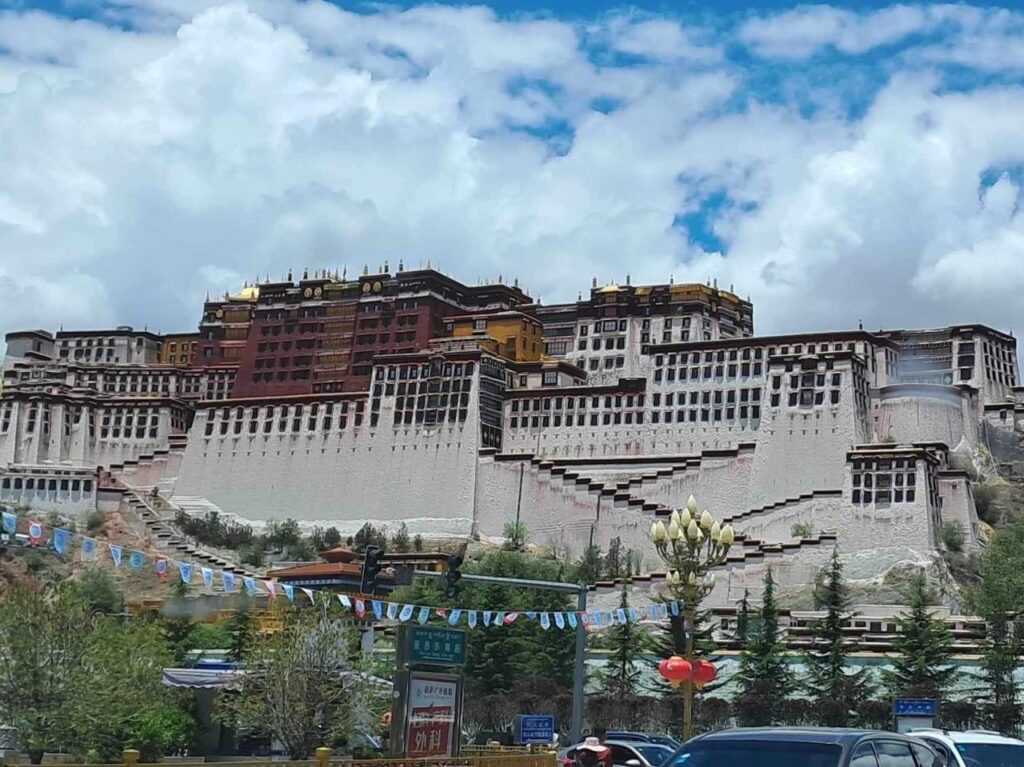
Dreaming of standing in front of the legendary Potala Palace, watching monks debate inside ancient monasteries, crossing the Himalayas from Nepal, or finally seeing the “Roof of the World” with your own eyes? Then a Tibet Tour in 2027 might be one of the most unforgettable journeys you will ever take.

But let’s be honest — planning a Tibet Tour for the first time can feel confusing.

Questions like:

  • Can foreigners travel to Tibet in 2027?
  • Do I need a Tibet Travel Permit?
  • Is Tibet safe for tourists?
  • What is the best time for the Tibet Tour 2027?
  • Can I travel independently in Tibet?
  • How much does a Tibet Tour cost?
  • Is altitude sickness dangerous in Tibet?
  • Should I choose a Tibet group joining tour or a private Tibet tour?

…are exactly what travelers search on Google and AI before booking.

This complete Tibet Tour 2027 guide answers all of those questions in one place so you can confidently plan your trip, avoid costly mistakes, and choose the right Tibet travel experience for you.

Why Tibet Is One of the Most Unique Travel Destinations in the World

Tibet is not just another mountain destination.

It is a place where spirituality, culture, history, and Himalayan landscapes collide in the most dramatic way possible.

A Tibet Tour offers experiences that are difficult to find anywhere else:

  • Ancient Buddhist monasteries
  • Himalayan mountain passes above 5,000m
  • Sacred lakes and glaciers
  • Nomadic culture
  • Tibetan festivals
  • Everest Base Camp from Tibet
  • The holy Mount Kailash pilgrimage route
  • Traditional Tibetan food and tea culture
  • Overland road trips across the Tibetan Plateau

For many travelers, Tibet is not simply a vacation.

It becomes a life experience.

Can Foreigners Travel to Tibet in 2027?

Yes — foreigners can travel to Tibet in 2027.

However, Tibet travel is different from normal international travel because foreign travelers must follow special travel regulations and permit requirements.

The good news?

Traveling to Tibet has become much easier compared to previous years, especially for organized tours and group departures.

Do You Need a Tibet Travel Permit in 2027?

Yes. Every foreign traveler visiting Tibet needs a Tibet Travel Permit.

The Tibet Travel Permit (also called the Tibet Entry Permit or TTB Permit) is mandatory for:

  • Flying to Lhasa
  • Taking the Tibet train
  • Entering Tibet overland from Nepal
  • Visiting Everest Base Camp, Tibet
  • Traveling to Mount Kailash
  • Staying in hotels in Tibet

Without the permit, you cannot legally enter Tibet.

Can You Travel Independently in Tibet?

No.

Foreign travelers cannot travel independently in Tibet. You must book through a registered Tibet travel agency that arranges:

  • Tibet Travel Permit
  • Guide
  • Transportation
  • Hotel bookings
  • Required local permits

This rule applies to almost all foreign tourists visiting Tibet.

But don’t worry — this actually makes the journey easier for most first-time travelers because your agency handles the complicated paperwork.

Best Tibet Tour Routes for First-Time Travelers in 2027

1. Lhasa Tour (Best for First-Time Travelers)

Perfect if you want culture, monasteries, and an easier introduction to high altitude.

Popular highlights include:

  • Potala Palace
  • Jokhang Temple
  • Sera Monastery
  • Barkhor Street
  • Tibetan tea houses
  • Monastic debates

Recommended duration:
4–6 days

Best for:
Culture lovers, photographers, and beginners

2. Tibet Everest Base Camp Tour

One of the most searched Tibet tours online.

This route combines Tibetan culture with incredible Himalayan scenery.

Highlights:

  • Yamdrok Lake
  • Gyantse
  • Shigatse
  • North Everest Base Camp
  • Himalayan panoramic viewpoints

You can see Mount Everest from the Tibetan side — which many travelers consider more scenic than the Nepal side.

Recommended duration:
7–10 days

3. Mt Kailash Tour 2027

The spiritual journey of a lifetime.

Mount Kailash is sacred to Hindus, Buddhists, Jains, and Bon followers.

Travelers come for:

  • Mt Kailash Kora
  • Lake Mansarovar
  • Spiritual pilgrimage
  • Adventure travel
  • Himalayan road expedition

This tour is physically demanding because of altitude and remote conditions, but deeply rewarding.

Recommended duration:
10–16 days

Mt Kailash Tour 2027

4. Kathmandu to Lhasa Overland Tour

One of the most beautiful road trips in Asia.

You cross the Himalayas from Nepal into Tibet while gradually acclimatizing.

Perfect for travelers wanting:

  • Scenic drives
  • Himalayan landscapes
  • Slower altitude adjustment
  • Tibet-Nepal adventure route

Best Time to Visit Tibet in 2027

Spring (April–May)

Best for:
Clear weather, moderate temperatures, and photography

Pros:

  • Beautiful landscapes
  • Less crowded
  • Comfortable travel weather

Summer (June–August)

Best for:
Festivals and greener landscapes

Pros:

  • Warmer temperatures
  • Peak travel season
  • Best for Mt Kailash Tours

Cons:

  • More tourists
  • Higher prices

Autumn (September–October)

Best for:
Best mountain views and stable weather

This is often considered the best overall season for Tibet Tour 2027.

Winter (November–February)

Best for:
Budget travelers and cultural experiences

Pros:

  • Fewer tourists
  • Lower hotel prices
  • Clear skies in Lhasa

Cons:

  • Very cold in remote areas

Tibet Tour Cost in 2027

One of the biggest questions travelers ask:

“How much does a Tibet Tour cost?”

The answer depends on:

  • Group vs private tour
  • Duration
  • Route
  • Hotels
  • Entry point
  • Season
  • Domestic flights/trains

Estimated prices for Tibet Tour 2027:

Tour TypeEstimated Cost
Lhasa Group TourUSD 700–1,200
Everest Base Camp Tibet TourUSD 1,200–2,000
Mt Kailash Tour 2027USD 2,000–4,500
Private Tibet TourHigher depending on customization

Group joining Tibet tours are usually the most affordable option because transportation and guide costs are shared.

Tibet Tour 2027

Tibet Group Joining Tour vs Private Tibet Tour

Group Joining Tibet Tour

Best for:
Budget travelers and solo travelers

Advantages:

  • Lower cost
  • Meet other travelers
  • Fixed departures
  • Easier permit processing

Private Tibet Tour

Best for:
Families, photographers, luxury travelers

Advantages:

  • Flexible itinerary
  • Private vehicle
  • Personalized experience
  • Slower or faster pace

Tibet Altitude Sickness: What First-Time Travelers Need to Know

Altitude sickness is one of the biggest concerns for Tibet travelers.

Lhasa itself sits at around 3,650m above sea level.

Many Tibet routes go much higher.

Symptoms may include:

  • Headache
  • Nausea
  • Fatigue
  • Shortness of breath
  • Difficulty sleeping

Tips to Prevent Altitude Sickness in Tibet

  • Spend 2–3 days acclimatizing in Lhasa
  • Drink plenty of water
  • Avoid alcohol initially
  • Walk slowly
  • Do not over-exert yourself
  • Listen to your guide
  • Consider medication after consulting your doctor

Most travelers acclimatize successfully if they travel slowly and follow proper precautions.

Is Tibet Safe for Tourists?

Yes — Tibet is generally considered safe for tourists.

In fact, many travelers describe Tibet as safer than many major tourist destinations.

However, travelers should still:

  • Respect local culture
  • Follow the guide instructions
  • Prepare properly for altitude
  • Buy travel insurance
  • Avoid risky physical activity immediately after arrival

What Documents Do You Need for the Tibet Tour 2027?

If Entering Tibet from Mainland China

You usually need:

  • Passport
  • Chinese Visa
  • Tibet Travel Permit

If Entering Tibet from Nepal

You may require:

  • Passport
  • Tibet Travel Permit
  • China Group Visa issued in Kathmandu

Permit requirements can vary depending on nationality and route.

How Early Should You Book a Tibet Tour 2027?

For the best experience:

  • Book 1–3 months in advance for normal Tibet tours
  • Book 3–6 months early for Mt Kailash Tours
  • Book early for peak months like May, June, September, and October

Permit processing itself may take around 7–20 working days depending on the route and permits required.

Tibet Train vs Tibet Flight

Tibet Train

Best for:

  • Scenic journey
  • Gradual acclimatization
  • Budget travelers

Popular routes:

  • Xining to Lhasa
  • Chengdu to Lhasa
  • Beijing to Lhasa

Tibet Flight

Best for:

  • Faster travel
  • Limited vacation time

However, flying directly to Lhasa may increase altitude discomfort because of the rapid ascent.

What to Pack for Tibet Tour 2027

Essential packing list:

  • Warm layered clothing
  • Windproof jacket
  • Sunglasses
  • Sunscreen
  • Lip balm
  • Good walking shoes
  • Power bank
  • Passport copies
  • Basic medicines
  • Water bottle

Even in summer, Tibet temperatures can drop dramatically at night.

Internet, SIM Cards, and Connectivity in Tibet

Travelers often ask:

“Does Google work in Tibet?”

Most Google services, WhatsApp, Instagram, and Facebook may not function normally in Tibet due to internet restrictions.

Many travelers use VPN services before arriving in China/Tibet.

Wi-Fi is available in many hotels in Lhasa and major towns, though speeds may vary.

Tibetan Food: What Should You Expect?

Popular Tibetan dishes include:

  • Momos (dumplings)
  • Thukpa (noodle soup)
  • Yak meat dishes
  • Tibetan bread
  • Butter tea

Vegetarian food is available in Lhasa and larger tourist towns.

Important Tibet Travel Tips for 2027

Respect Tibetan Culture

Tibet is deeply spiritual.

Always:

  • Walk clockwise around monasteries
  • Ask before taking photos
  • Dress respectfully
  • Avoid touching religious items

Travel Insurance Is Highly Recommended

Make sure your insurance covers:

  • High altitude travel
  • Emergency evacuation
  • Medical treatment

Prepare for Basic Conditions Outside Lhasa

Remote regions like Everest Base Camp and Mount Kailash are much more basic than major cities.

Expect:

  • Long drives
  • Limited facilities
  • Cold temperatures
  • Basic guesthouses in remote areas

Why More Travelers Are Choosing Group Joining Tibet Tours in 2027

Group joining Tibet tours are becoming increasingly popular because they offer:

  • Lower prices
  • Guaranteed departures
  • Easier logistics
  • Shared travel experience
  • Better value for solo travelers

For many first-time travelers, this is the easiest and safest way to experience Tibet.

Final Thoughts: Is Tibet Worth Visiting in 2027?

Absolutely.

A Tibet Tour is not simply about sightseeing.

It is about:

  • Experiencing ancient Buddhist culture
  • Crossing the Himalayas
  • Exploring one of the world’s most remote regions
  • Challenging yourself physically and spiritually
  • Creating memories that stay with you forever

Whether you choose a Lhasa Tour, Everest Base Camp Tour, Kathmandu to Lhasa Overland Tour, or a life-changing Mt Kailash Tour 2027, Tibet is a destination unlike anywhere else on Earth.

If you are planning your Tibet Tour 2027, the best step is to start early, choose a reliable Tibet travel agency, secure your permits in advance, and prepare properly for altitude and weather.

Why Mt Kailash Permits Get Rejected?

Here are the most common reasons.

1. Political Sensitivity & Nationality Restrictions

This is one of the biggest reasons.

At different times, authorities may place temporary restrictions on travellers from certain countries due to:

  • Political tensions
  • Diplomatic issues
  • Border disputes
  • Security concerns
  • International events

Some nationalities face stricter permit review processes than others.

Unfortunately, this can change suddenly without advance notice.

For example:

  • Permit approvals may slow down during political anniversaries
  • Western Tibet routes may temporarily close
  • Group permits may be suspended for specific passport holders

This is frustrating for travellers because it is completely outside their control.

Important for 2027 Travellers

If you are planning a Mt Kailash Tour 2027, apply early and stay flexible with dates.

A good Tibet travel agency will monitor policy changes daily.

2. Incomplete or Incorrect Documents

This sounds simple, but it causes many rejections.

Common mistakes include:

  • Passport scans that are blurry
  • Passport validity under 6 months
  • Missing visa pages
  • Wrong passport number
  • Different spelling between documents
  • Expired passports
  • Damaged passports

Even tiny mistakes can delay or reject permit processing.

Chinese and Tibetan authorities are extremely detail-oriented with travel documents.

One missing digit can create problems.

Pro Tip

Always submit:

  • High-resolution passport scans
  • Clear visa copies
  • Correct personal details exactly as shown in your passport

Do not crop passport edges in scans.

Yes, even that matters sometimes.

3. Applying Too Late

This is extremely common for first-time travellers.

Many people assume:

“I’ll just book my Kailash tour one or two weeks before departure.”

That works for beach holidays.

Not for Tibet.

A Mount Kailash Tour 2027 requires significant permit coordination because western Tibet is one of the most restricted travel regions in Asia.

Permit processing can take:

  • 15–30+ days
  • Longer during peak season
  • Longer around holidays or political events

Late applications may simply not get approved in time.

Best Time to Apply for Mt Kailash Tour 2027

Ideally:

  • 2–4 months early for regular travellers
  • Earlier for group departures
  • Much earlier for Saga Dawa Festival tours

Especially if you plan the famous:

  • Mt Kailash Kora 2027
  • Saga Dawa pilgrimage season
  • Full moon departures
  • Summer holidays

Those dates fill very quickly.

4. Sensitive Travel History

Your previous travel history can sometimes affect approval.

This may include visits to:

  • Politically sensitive countries
  • Conflict regions
  • Areas under extra scrutiny

In some cases, travellers with certain professional backgrounds may also face additional checks.

Examples may include:

  • Journalists
  • Diplomats
  • Military personnel
  • Government workers
  • Activists
  • Religious researchers

This does not automatically mean rejection.

But it can cause:

  • Delays
  • Additional document requests
  • Closer review

Honesty is extremely important here.

Never hide information if asked.

5. Booking with Unreliable Agencies

This is one of the most overlooked reasons.

Some travellers try to save money by booking through:

  • Unregistered operators
  • Random social media sellers
  • Middlemen without Tibet licenses
  • Agencies unfamiliar with Kailash logistics

Then problems happen:

  • Wrong permit category
  • Late application submission
  • Missing paperwork
  • Fake promises
  • Incomplete group lists

And guess who suffers?

The traveller.

A professional Tibet agency understands:

  • Current regulations
  • Border opening updates
  • Group permit procedures
  • Emergency changes
  • Seasonal restrictions

For a Mt Kailash Tour, experience matters enormously.

6. Travelling During Sensitive Dates

Tibet occasionally experiences temporary travel restrictions during:

  • Political anniversaries
  • Government meetings
  • Regional events
  • Border security periods

When this happens:

  • Permit processing may slow down
  • New applications may pause
  • Western Tibet access may temporarily close

These restrictions are usually temporary but unpredictable.

This is why flexibility is very important for travellers planning a Mount Kailash Tour 2027.

7. Tibet Closures or Route Restrictions

Sometimes permits are not rejected because of the traveller.

The region itself may temporarily close.

Possible reasons:

  • Heavy snowfall
  • Landslides
  • Road damage
  • Military activity
  • Border restrictions
  • Health or safety concerns

Western Tibet is remote and high-altitude terrain.

Conditions can change quickly.

Especially during:

  • Winter months
  • Early spring
  • Monsoon-related road disruptions

8. Medical or High-Altitude Concerns

This is less common but still important.

A Mt Kailash Kora 2027 reaches a very high altitude:

  • Drolma La Pass is over 5,600 meters

Travellers with serious health conditions may be advised not to continue.

While agencies usually do not reject clients purely for age, they may request:

  • Medical declarations
  • Travel insurance
  • Doctor approval

This is for safety, not discrimination.

Remember:
Kailash is spiritually powerful…
But altitude does not care about your gym selfies.

Can Indian Passport Holders Face Different Rules?

Yes.

Indian pilgrims often travel through separate government-organised pilgrimage systems.

Rules, routes, and permit procedures can differ significantly for international travellers.

Policies may also change yearly.

For Mt Kailash Tour 2027, Indian travellers should closely follow updated pilgrimage announcements.

Are Mt Kailash Permits Guaranteed?

No.

This is one of the biggest misunderstandings travellers have.

Even after booking:

  • permits are never 100% guaranteed
  • regulations can change suddenly
  • approvals depend on authorities

A trustworthy agency will always explain this honestly.

Be cautious if someone promises:

“Guaranteed permit approval.”

In Tibet travel, nobody can truly guarantee government approvals.

How to Improve Your Chances of Permit Approval

Here are the best ways to avoid rejection.

Book Early

Do not wait until the last minute.

Use an Experienced Tibet Agency

Experience reduces mistakes significantly.

Submit Clear Documents

Double-check:

  • Passport number
  • Expiry date
  • Name spelling

Stay Flexible

Extra flexibility helps when regulations suddenly change.

Avoid Unrealistic Tight Schedules

Do not book non-refundable international flights too early.

Smart travellers wait for permit confirmation first.

Travel During Stable Seasons

The best months for a Mount Kailash Tour 2027 are generally:

  • May
  • June
  • September

These months usually offer:

  • Better weather
  • More stable road conditions
  • Smoother logistics

What Happens If Your Permit Gets Rejected?

This depends on the reason.

Possible outcomes:

  • Reapplication
  • Date changes
  • Route changes
  • Waiting for restrictions to lift
  • Full cancellation in rare cases

A professional agency will guide you through the alternatives.

Is It Still Worth Planning a Mt Kailash Tour in 2027?

Absolutely.

Despite the permit complexity, thousands of travellers successfully complete the:

  • Mt Kailash Tour
  • Mt Kailash Kora 2027
  • Overland Tibet journeys every year

And for many travellers, it becomes the most meaningful journey of their lives.

The key is preparation.

The travellers who face the fewest problems are usually the ones who:

  • plan early
  • understand the rules
  • stay flexible
  • work with experienced Tibet specialists

A rejected permit does not always mean something went “wrong.”

Tibet travel operates differently from normal international tourism.

For a successful Mount Kailash Tour 2027, travellers should understand:

  • permits take time
  • regulations change
  • flexibility matters
  • Experienced operators make a huge difference

Most importantly:
do not rely on random internet rumours or outdated travel advice from 2018 blog posts written by someone who packed three oxygen cans and thought they were climbing Everest.

Proper preparation makes all the difference.

And once you finally stand before Mount Kailash, most travellers agree:

Every permit headache suddenly feels very small.

Best Travel Agency for Tibet Tour from Nepal (What to Look For)

Planning a Tibet trip is a bit like preparing for a first date with the Himalayas—exciting, slightly nerve-wracking, and you really don’t want to mess it up by choosing the wrong partner (ahem… travel agency).

So if you’re searching for the best travel agency for a Tibet Tour from Nepal, you’re already on the right path. But before you hit that “Book Now” button, let’s break down exactly what you should look for—and how to avoid turning your dream trip into a logistical nightmare.

First Things First: Why You Even Need an Agency

Unlike many destinations, Tibet isn’t a DIY backpacking zone. You can’t just book a flight and wander in with a selfie stick and good intentions.

To enter Tibet, you need:

  • Tibet Travel Permit
  • Chinese visa (or group visa from Nepal)
  • Pre-arranged transportation and guide

In short, you must book through a registered travel agency. No agency = no Tibet.

1. Permit & Visa Expertise (Because Paperwork Isn’t Fun)

A good agency should:

  • Handle your Tibet Travel Permit
  • Guide you through the China visa or group visa process
  • Know the latest rules (they change more often than travel trends)

If an agency sounds unsure about permits… run. Fast.

2. Real Experience in Tibet (Not Just Pretty Websites)

Let’s be honest—anyone can build a nice website. But Tibet is not the place for “trial and error.”

Look for agencies that:

  • Specialize specifically in Tibet tours
  • Offer routes like the Lhasa Tour, the Everest Base Camp from Tibet, and Mt Kailash Tour
  • Have actual experience operating tours from Nepal

A seasoned agency knows things like:

  • Best acclimatization strategies
  • Road conditions on overland routes
  • How to handle altitude issues

That’s the difference between a smooth journey and a “why did I do this?” moment at 5,000 meters.

3. Well-Planned Itineraries (No Guesswork at High Altitude)

A solid Tibet itinerary isn’t just about ticking off places—it’s about timing and altitude adjustment.

Good agencies will:

  • Build in proper acclimatization days
  • Balance driving and sightseeing
  • Include must-visit spots like:
    • Lhasa highlights (Potala Palace, Jokhang Temple)
    • Everest Base Camp (North Face)
    • Mount Kailash & Lake Manasarovar

If the itinerary feels rushed, your lungs will definitely complain later.

4. Group Joining vs Private Tours Options

Not everyone travels the same way (or with the same budget).

A reliable agency should offer:

  • Group Joining Tibet Tours (budget-friendly, social)
  • Private Tours (flexible, personalized)

Group tours are especially popular for:

  • Lhasa group tours
  • Mt Kailash pilgrimage tours

Plus, sharing altitude struggles with fellow travelers somehow makes it more fun.

5. Transparent Pricing (No Surprise “Fees” at 4,000m)

You don’t want hidden costs popping up halfway through your trip.

A trustworthy agency will clearly explain:

  • What’s included (permits, transport, guide, accommodation)
  • What’s not (meals, tips, personal expenses)

If pricing feels vague, it probably is.

6. Strong Support Before AND During the Trip

Your relationship with the agency shouldn’t end after payment.

Look for:

  • Quick responses to inquiries
  • Detailed pre-trip guidance
  • On-ground support during the tour

Because when you’re in Tibet, Google won’t save you—but a good local team will.

7. Reviews, Reputation & Real Feedback

Before choosing an agency, do a quick reality check:

  • Read traveler reviews
  • Check testimonials
  • Look for repeat customers

If people consistently mention smooth organization, helpful guides, and unforgettable experiences, you’re on the right track.

So… Which Travel Agency Should You Choose?

Here’s the honest answer:
There are many agencies out there, but very few truly specialize in Tibet tours from Nepal.

One such option is Tibet Tour Travel, a company dedicated specifically to Tibet travel experiences. Instead of being a general tour operator, they focus on:

  • Lhasa Tours
  • Everest Base Camp (Tibet side)
  • Mount Kailash Tours
  • Group joining departures

They also handle all the complicated logistics—permits, visas, transportation—so travelers can focus on the journey instead of paperwork.

If you’re curious, you can explore their tours and details here:
👉 https://www.tibettour.travel/

(No pressure—just good research 😉)

Final Thoughts: Choose Smart, Travel Better

A Tibet tour is not just another vacation—it’s a once-in-a-lifetime journey filled with:

  • Spiritual experiences
  • High-altitude adventures
  • Jaw-dropping Himalayan landscapes

Choosing the right travel agency can make the difference between:

  • A smooth, unforgettable trip
    OR
  • A stressful, oxygen-deprived regret

So take your time, ask questions, compare options—and pick an agency that truly understands Tibet.

Ready to Start Planning?

If you’re already dreaming about:

  • Walking through Lhasa’s ancient streets
  • Standing at Everest Base Camp (Tibet side)
  • Completing the sacred Mount Kailash kora

Then it might be time to turn that dream into a plan.

Do your research, reach out, ask questions—and when it feels right… go for it.

Because Tibet isn’t just a destination.
It’s an experience you’ll be talking about for the rest of your life.