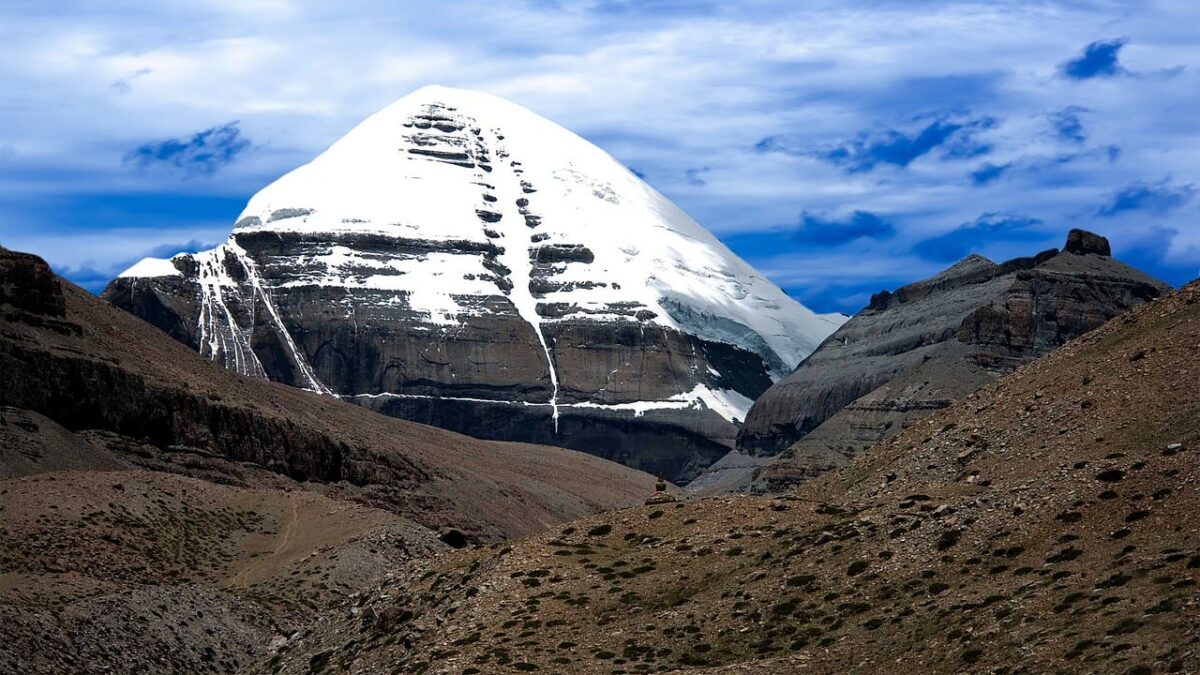
Mount Kailash, a mountain of profound spiritual significance for billions, presents a unique pilgrimage. This guide answers your most pressing questions, from permits and preparation to what you’ll experience on the sacred Kora path.
📋 Your Tour at a Glance
Here’s a quick summary of key details to help you plan:
1. Planning Your Journey
Q1: When is the best time to go on a Mount Kailash tour?
The best time to travel is from May to October. The most favorable months with stable weather, clear skies, and comfortable temperatures are May, June, September, and the first half of October.
Q2: How many days do I need for a Mount Kailash tour?
A complete pilgrimage typically requires 9 to 12 days from your arrival in Kathmandu or Lhasa. This includes the 3-day Kora trek and overland travel across the Tibetan plateau.
Q3: What are the main starting points and routes?
Tours generally start from Kathmandu, Nepal, or Lhasa, Tibet. The classic route begins in Lhasa with a scenic overland journey via Everest Base Camp. From Kathmandu, you can travel overland or take a shorter helicopter-assisted tour.
Q4: Can I travel to Mount Kailash by myself?
No, you cannot. Foreign tourists must travel with a registered, organized tour group. Independent travel in the Tibet Autonomous Region is not permitted.
Q5: Is Mount Kailash open to tourists from all countries?
While generally open, the permit application process differs by nationality. Indian passport holders must apply through specific channels (the Foreign Affairs Office of TAR or the Pilgrim Center), unlike other foreign nationals.
2. Permits, Visas, and Regulations
Q6: What travel documents and permits do I need?
You need several documents:
- A valid passport with at least six months of validity.
- Chinese Visa: A standard visa if entering from mainland China, or a Chinese Group Visa if entering from Nepal.
- Tibet Travel Permit (TTP): Issued by your travel agency.
- Additional Permits for Kailash: Alien’s Travel Permit, Military Permit, and Foreign Affairs Permit.
Q7: How do I get all the necessary permits?
Your Tibetan travel agency arranges all permits (except the initial Chinese Visa for some nationalities). You provide passport copies and other documents; they handle the complex applications.
Q8: How far in advance should I apply for permits?
Apply as early as possible. While a standard Tibet Travel Permit may take 8-9 days, the full set of Kailash permits can take 15-25 days to process. Booking your tour at least 30 days before departure is strongly advised.
Q9: Why is climbing Mount Kailash forbidden?
Climbing is strictly prohibited out of respect for its profound religious significance to four faiths. The mountain is considered the abode of deities, not a conquest.
3. The Kailash Kora (Sacred Trek)
Q10: What is the Kailash Kora and why is it done?
The Kora (or Parikrama) is the ritual of circumambulating the sacred mountain. It is a central pilgrimage act for Hindus, Buddhists, Jains, and Bonpos, believed to cleanse sins and bring spiritual merit.
Q12: How long is the Kailash Kora and how many days does it take?
The Kora is approximately 52 km long. Most pilgrims complete it in 3 days, with overnight stops at Dirapuk and Zutulpuk monasteries.
Q13: How difficult is the Kailash Kora trek?
It is considered moderate to challenging, primarily due to the extreme altitude (averaging 5,000m) and the steep climb over the 5,630m Dolma La Pass.
Q14: What is a typical day-by-day itinerary for the Kora?
- Day 1: Darchen to Dirapuk (~20 km, 5-6 hours). A moderate trek with the first close views of Kailash’s north face.
- Day 2: Dirapuk to Zutulpuk (~18 km, 7-8 hours). The toughest day, crossing the high-altitude Dolma La Pass.
- Day 3: Zutulpuk to Darchen (~14 km, 3-4 hours). A gentler, concluding walk.
Q15: Can I hire help like a pony or porter?
Yes. In Darchen, you can hire horses/ponies to ride or carry luggage, and porters. This is a common practice and costs extra (e.g., a horse for the 3-day Kora may cost around $600-650).
4. Fitness, Health, and Safety
Q16: What fitness level is required?
A good to excellent level of physical fitness is essential. You should be able to trek 6-8 hours daily on rugged, high-altitude terrain. Months of preparatory cardio (hiking, jogging) are strongly advised.
Q17: How can I prevent altitude sickness?
Key strategies include: acclimatizing properly (spend 2-3 days in Lhasa/Saga), ascending gradually, staying extremely hydrated, and consulting a doctor about preventive medication like Diamox.
Q18: Are there age restrictions for the tour?
While not an absolute limit, most tours recommend pilgrims be between 18 and 70 years old and in excellent health. Authorities may restrict those over 60 or 65 from attempting the high-altitude Kora, subject to health checks. Success stories of older trekkers exist but require exceptional fitness.
Q19: Is travel insurance required?
Yes, absolutely. Your insurance must explicitly cover emergency high-altitude medical evacuation and helicopter rescue in remote areas of Tibet.
Q20: What if I get sick during the trek?
Reputable tour operators carry first-aid kits, emergency oxygen, and have protocols for evacuating ill pilgrims by vehicle or helicopter to the nearest medical facility.
5. Practical Information & What to Expect
Q21: What is the accommodation like?
It ranges from standard hotels in cities to very basic guesthouses or tent camps during the Kora. Expect shared rooms, pit toilets, and no shower facilities on the trek. Bring a warm sleeping bag.
Q22: What kind of food is available?
Tour groups provide simple, vegetarian meals (in keeping with the pilgrimage’s sanctity). You can request specific menus in advance. Bring high-energy snacks for the trek.
Q23: What currency should I carry?
You will need Chinese Yuan (RMB). Exchange money in Kathmandu or at the border. Carry sufficient cash, as ATMs are scarce in remote western Tibet.
Q24: Is there communication and electricity during the trek?
Mobile networks and electricity are unreliable or absent during the 3-day Kora. Inform family beforehand and carry power banks. Charging may be possible in Darchen and monastery guesthouses for a fee.
Q25: What essential items should I pack?
Must-haves include: sturdy broken-in trekking boots, layered clothing (thermal, fleece, down jacket), high-SPF sunscreen, sunglasses, a headlamp, personal medication, water purification tablets, and a warm sleeping bag.
6. Spiritual, Cultural & Other Aspects
Q26: Why is Mount Kailash considered so sacred?
It is revered as the spiritual center of the universe and the abode of deities in four religions: Hinduism (Lord Shiva), Buddhism (Demchok), Jainism (first Tirthankara), and Bon.
Q27: What is the significance of Lake Manasarovar?
This pristine lake near Kailash is also deeply sacred. Taking a holy dip in its waters is believed to cleanse sins and help attain spiritual liberation.
Q28: What is the most auspicious time for pilgrimage?
The Saga Dawa festival (usually in May or June), which commemorates Buddha’s birth, enlightenment, and parinirvana, is an especially sacred and crowded time at Kailash.
Q29: What is the total cost of a Mount Kailash tour?
Costs vary widely but generally range from $2,000 to over $5,000+ per person. It depends on your route, travel style (group vs. private), and services. Helicopter tours are more expensive.
Q30: What’s typically not included in the tour cost?
Common exclusions are: international flights, visa, travel insurance, tips for guides/drivers, personal expenses (drinks, laundry), and the cost of hiring a horse or porter.
To make your spiritual journey a reality, the most critical step is choosing a reputable, licensed tour operator with expertise in Kailash logistics. They will be your partner in navigating permits, ensuring safety, and facilitating a profound pilgrimage.
👉 Contact us today to speak with our Kailash experts or send us an inquiry to start planning your journey.