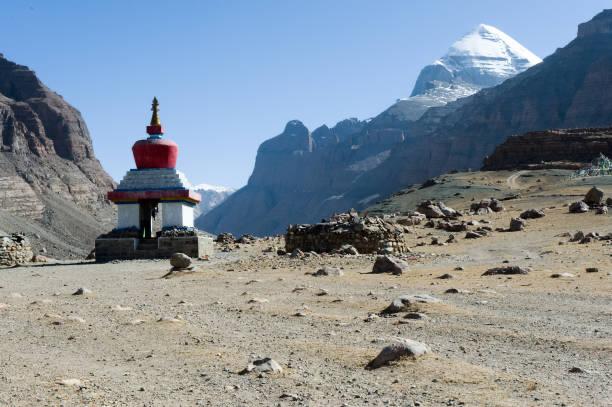
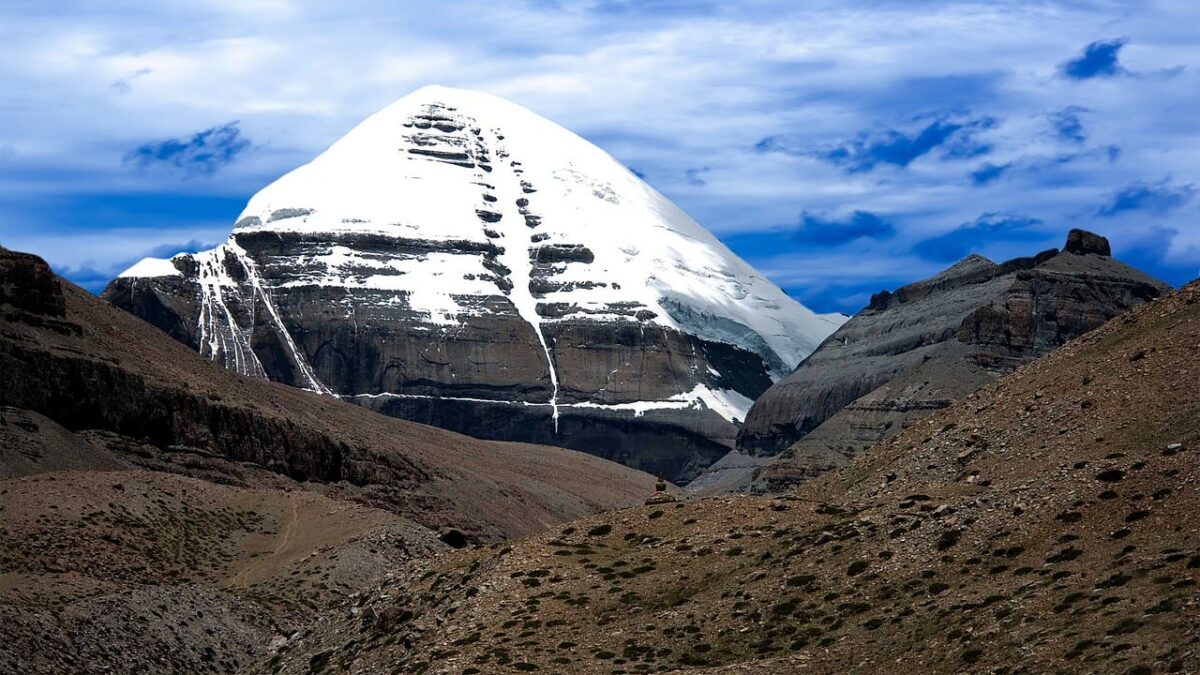
Early Bird Booking for Mt Kailash Tour 2027 – Why You Should Book Now?

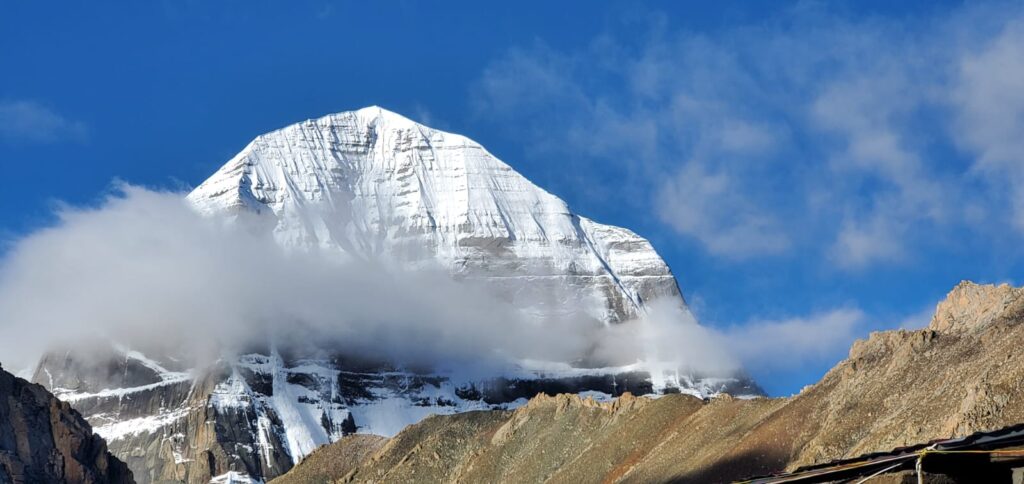
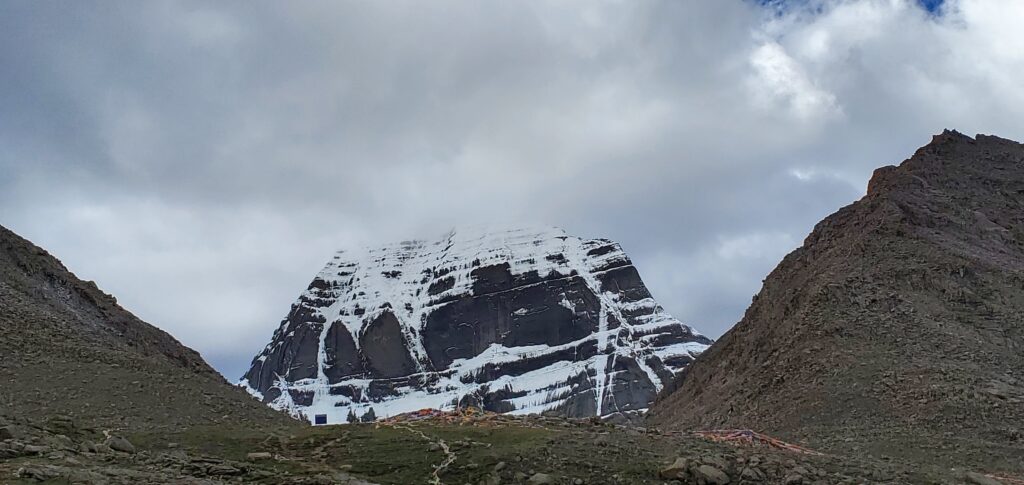
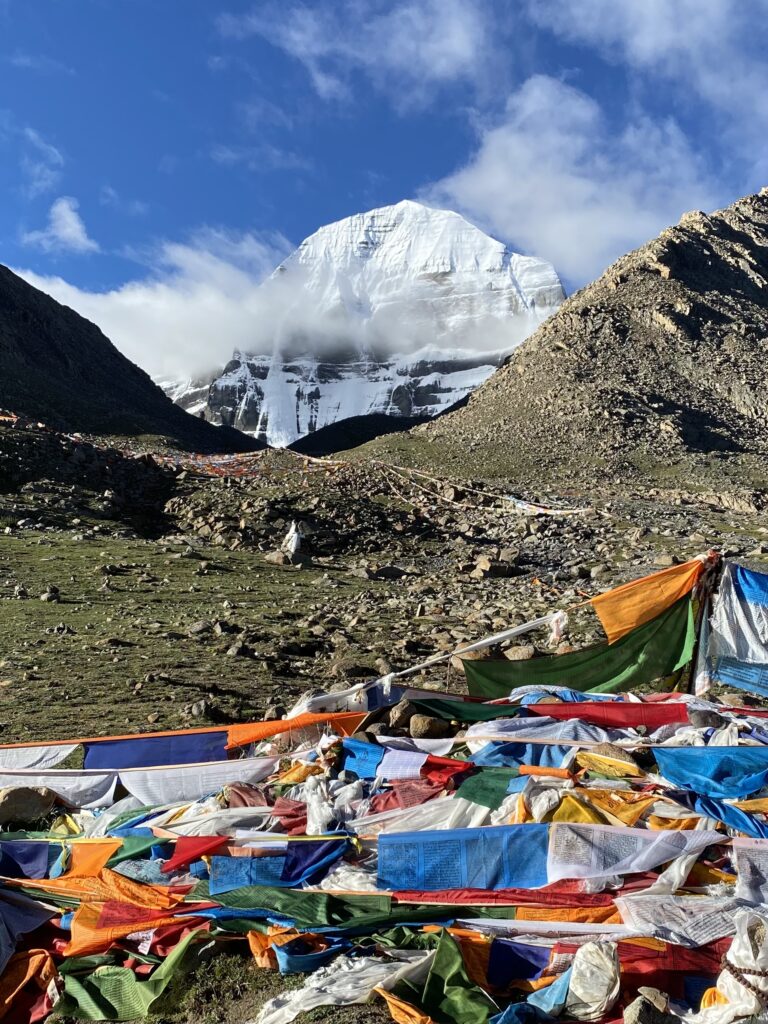
For many travelers, a journey to sacred Mount Kailash is more than just a tour. It is a spiritual pilgrimage, a once-in-a-lifetime adventure, and a deeply personal dream. Every year, thousands of travelers from around the world visit Tibet to complete the sacred Kailash Kora, explore the remote Tibetan Plateau, and experience the spiritual atmosphere surrounding one of the holiest mountains on Earth.

As travel demand to Tibet continues to increase, planning your Mount Kailash journey early for 2027 has become more important than ever. Whether you are joining a Mt Kailash Group Joining Tour or booking a private Mt Kailash Tour, making an early reservation offers major advantages in permits, visa processing, transport availability, accommodation choices, and overall peace of mind.

In this complete guide, we explain why early bird booking for Mt Kailash Tour 2027 is highly recommended, especially for Indian passport holders and travelers planning to visit Tibet during the peak pilgrimage season.

Why Mt Kailash Tours Are Becoming More Popular Every Year?

The popularity of travel to Tibet has increased significantly over the last few years. More travelers are now searching for:

Mt Kailash Tour 2027

There are several reasons for this increasing demand:

1. Improved Travel Access to Tibet

Travel infrastructure in Tibet has improved greatly. Better roads, upgraded hotels, improved domestic flights, and the Qinghai-Tibet Railway have made remote areas like Kailash more accessible than before.

2. Growing Interest in Spiritual Travel

Travelers today are looking for meaningful experiences rather than ordinary vacations. Mount Kailash holds spiritual importance for Hindus, Buddhists, Jains, and Bon followers, making it one of the world’s most sacred pilgrimage destinations.

3. Limited Tibet Travel Season

Unlike many destinations, Tibet tourism operates within a limited seasonal window. Most Mt Kailash tours run between April and October, with the peak pilgrimage months being May, June, July, August, and September. This limited timeframe creates high competition for permits and tour spaces.

Why You Should Book Your Mt Kailash Tour 2027 Early?

Booking your Mt Kailash Tour early is no longer simply recommended — it is becoming essential.

Secure Your Tibet Travel Permit in Advance

All foreign travelers visiting Tibet require a Tibet Travel Permit. Travelers visiting western Tibet and Mt Kailash also require additional permits, such as:

  • Alien’s Travel Permit
  • Military Permit
  • Frontier Pass

These permits take time to process and require accurate documentation well before travel dates.

For group departures during peak season, permit applications may become delayed due to high demand. Early booking allows your tour operator to begin the permit preparation process early and avoid last-minute complications.

Special Challenges for Indian Passport Holders

Indian passport holders traveling to Tibet and Mt Kailash often face additional travel procedures compared to other international travelers.

In recent years, authorities have introduced stricter processing systems and quota management for Indian pilgrims visiting Lake Manasarovar and Mount Kailash.

New Quota System for Indian Travelers

Due to increasing pilgrimage demand, authorities now regulate the number of Indian travelers allowed to visit Mt Kailash through controlled group allocations and quotas.

This means:

  • Limited spaces are available for Indian passport holders
  • Peak season departures fill quickly
  • Permit approval can take longer
  • Last-minute applications may face difficulties
  • Group sizes may be restricted

For this reason, Indian travelers are strongly advised to confirm bookings as early as possible for 2027 departures.

Early booking helps tour operators secure group allocations and process documentation in advance.

Visa and Permit Processing Takes Time

Many travelers underestimate the amount of preparation required for Tibet travel.

Depending on nationality and itinerary, travelers may need:

  • Chinese Visa
  • Chinese Group Visa
  • Tibet Travel Permit
  • Tibet Military Permit
  • Frontier Pass
  • Nepal visa arrangements (for tours starting from Kathmandu)

During high season, processing times may increase significantly.

Booking early gives sufficient time to:

  • Prepare passport documents
  • Arrange visa invitations
  • Confirm travel insurance
  • Coordinate flights
  • Process Tibet permits smoothly
  • Handle unexpected travel regulation changes
Mt Kailash Tour 2027 | Kailash Mansarovar Yatra 2027

Best Group Joining Tours Fill Up Fast

One major advantage of booking early is access to the best Mt Kailash Group Joining Tours.

Group joining tours are popular because they offer:

  • Lower travel costs
  • Shared transportation
  • Fixed departures
  • Easier permit arrangements
  • Opportunities to meet fellow travelers

However, the best departure dates usually sell out months in advance — especially during:

  • Saga Dawa Festival season
  • Summer holidays
  • Full moon pilgrimage periods
  • Major Buddhist festivals

Early bird travelers have better chances to secure preferred dates and better group arrangements.

Better Hotel and Transportation Availability

Western Tibet is remote, and tourism infrastructure remains limited compared to major cities.

Accommodation near:

  • Darchen
  • Saga
  • Manasarovar
  • Everest Base Camp in Tibet

It is limited during peak season.

Similarly:

  • Domestic flights to Lhasa
  • Kathmandu-Lhasa flights
  • Tibet train tickets
  • 4WD vehicle availability
  • Experienced Tibetan guidesIt

It becomes difficult to secure during busy months.

Booking early helps secure:

  • Better hotels
  • Better transport
  • Preferred room types
  • Reliable vehicle arrangements
  • Experienced guides and drivers

More Time for Physical Preparation

A Mt Kailash Tour is not a standard sightseeing holiday.

Travelers journey across high-altitude regions ranging between 3,600m and over 5,600m during the Kailash Kora.

Early booking gives travelers time to:

  • Improve physical fitness
  • Prepare for altitude
  • Purchase proper trekking gear
  • Consult doctors if necessary
  • Train for multi-day walking

This preparation is especially important for first-time high-altitude travelers.

Financial Advantages of Early Bird Booking

Many tour operators offer early booking benefits for 2027 departures, including:

  • Lower tour prices
  • Flexible payment schedules
  • Smaller initial deposits
  • Discounted group packages
  • Better flight booking opportunities

Flight prices to Nepal and Tibet generally increase closer to departure dates. Booking early may help reduce overall travel costs significantly.

Greater Flexibility for Custom Private Tours

Travelers planning private tours benefit greatly from early planning.

Private Mt Kailash Tours require more logistical coordination, including:

  • Custom itineraries
  • Private vehicles
  • Luxury accommodation requests
  • Additional destinations
  • Photography tours
  • Spiritual retreats
  • Combined Everest Base Camp and Kailash tours

Booking early allows more flexibility when designing the perfect Tibet journey.

2027 Is Expected to Be a Very Busy Year for Tibet Travel

Travel industry trends suggest that Tibet tourism demand will continue increasing through 2027.

Several factors contribute to this:

  • Growing global interest in spiritual tourism
  • Increasing awareness through social media and AI search
  • Limited Tibet travel season
  • Restricted permit capacity
  • Higher number of repeat travelers
  • Rising popularity of overland Nepal-Tibet tours

As a result, waiting until the last moment may limit available tour choices.

Best Time to Book Mt Kailash Tour 2027

For the best availability, travelers are advised to book:

  • 6–12 months in advance for standard group tours
  • 8–12 months in advance for Indian passport holders
  • 10–12 months in advance for Saga Dawa Festival departures
  • As early as possible for private luxury tours

The earlier you book, the smoother the planning process becomes.

Who Should Consider Early Booking Most?

Early booking is especially recommended for:

  • Indian passport holders
  • Senior travelers
  • Large groups
  • Spiritual pilgrimage groups
  • Families traveling together
  • Travelers visiting during the Saga Dawa Festival
  • Photographers and filmmakers
  • Travelers requiring custom itineraries

Secure Your Mt Kailash Tour 2027 Early

A journey to Mount Kailash is one of the world’s most extraordinary spiritual and adventure experiences. But due to increasing tourism demand, permit regulations, and limited travel capacity, early planning has become extremely important.

By booking your Mt Kailash Tour 2027 early, you can:

  • Secure permits smoothly
  • Improve visa processing timelines
  • Reserve preferred group departures
  • Gain better accommodation choices
  • Enjoy more affordable pricing
  • Prepare physically and mentally
  • Avoid unnecessary stress closer to departure

For Indian passport holders, especially, early reservation is highly recommended due to the new quota system and limited group allocations.

Whether you are planning a Mt Kailash Group Joining Tour, private Kailash pilgrimage, Tibet overland adventure, or combined Everest Base Camp and Kailash journey, starting your preparation early is the best way to ensure a successful and meaningful experience in Tibet.

Is Mt Kailash Tour Worth It? (Honest Answer You Probably Won’t Expect)

Let’s not sugarcoat it.

A Mount Kailash tour is not your typical vacation. There are no beach cocktails, no infinity pools, and definitely no room service bringing you a latte at 4,500 meters.

Instead, you get:

  • Thin air
  • Basic accommodations
  • Long drives
  • A trek that challenges your legs and your life choices

…and yet, people call it the most meaningful journey of their lives.

So, is it worth it?

Short answer: Yes. But not for the reasons you think.

Mt Kailash Tour Tashi Delek Nepal Treks & Expeditions

First, What Exactly Is the Mt Kailash Tour?

Mount Kailash, located in remote western Tibet, is one of the most sacred mountains in the world. It’s revered by:

  • Hindus (as the home of Lord Shiva)
  • Buddhists (as the center of the universe)
  • Jains and Bon followers

Unlike Everest, you don’t climb it—you walk around it.
This 52 km trek is called the Kora, and completing it is believed to cleanse sins and bring spiritual merit.

So technically, you’re not just going on a trip.

You’re signing up for a spiritual reset… with altitude sickness as a bonus feature.

The Honest Reality (No Instagram Filters Here)

Before you get carried away by dreamy photos, here’s the reality check:

1. It’s Physically Challenging

You’ll be walking at altitudes above 5,000 meters. Even tying your shoelaces can feel like a workout.

2. Comfort Is Limited

Expect simple guesthouses, basic food, and occasional cold showers (or no showers… character building, right?).

3. The Journey Is Long

Days of driving across vast Tibetan landscapes. Beautiful? Yes. Short? Not even close.

4. Altitude Is Real

Headaches, fatigue, and slow walking are part of the experience. No one looks glamorous here—and that’s okay.

So… Why Do People Still Go?

Because despite all that…

Mt Kailash is not just a place—it’s a feeling.

1. It’s Spiritually Powerful

Even non-religious travelers often describe something they can’t explain:

  • A sense of calm
  • Emotional clarity
  • Unexpected tears (yes, it happens)

You don’t have to be spiritual—but the mountain has a way of making you feel something.

2. The Landscapes Are Unreal

From turquoise Lake Manasarovar to the stark beauty of the Tibetan plateau, this is nature at its rawest.

No crowds. No noise. Just vast, silent, jaw-dropping scenery.

3. It’s a Personal Achievement

Completing the Kora is not easy. When you finish, you don’t just take photos—you take pride.

It’s one of those rare trips where you come back thinking:
“I actually did something big.”

4. It Changes You (Slightly or Deeply)

Not in a dramatic “I found myself” movie way (unless it happens, then great).

But many travelers return with:

  • A new perspective
  • Less stress about small things
  • A stronger mental mindset

Who Is This Tour Actually For?

Let’s be honest again.

Mt Kailash tour is perfect for you if:

  • You want more than just sightseeing
  • You’re okay with physical challenges
  • You’re curious about spirituality or culture
  • You enjoy unique, off-the-beaten-path experiences

It’s NOT ideal if:

  • You need luxury and comfort
  • You dislike basic conditions
  • You want a relaxing holiday

Is It Worth the Cost?

A Mt Kailash tour isn’t cheap—and there’s a reason.

It includes:

  • Special Tibet travel permits
  • Experienced guides
  • Transportation across remote regions
  • Logistics in one of the most restricted areas in the world

What you’re paying for isn’t just a trip.

You’re paying for access to a place very few people in the world ever reach.

The Biggest Question: Will You Regret It?

Almost everyone asks this.

Here’s the honest answer:

  • You might struggle during the journey
  • You might question your decision halfway through the trek
  • You might miss hot showers desperately

But once it’s over?

Regret is extremely rare.

Most people say:

“It was hard… but I would do it again.”

Why Book Your Mt Kailash Tour With Us?

Now, this part matters.

A trip like this isn’t something you want to “figure out as you go.”

You need:

  • Reliable logistics
  • Experienced local support
  • Proper acclimatization planning
  • Guidance at every step

When you travel with us, you get:

✔ Carefully designed itineraries for altitude safety
✔ Experienced Tibetan guides who understand the terrain
✔ Small group or group joining options
✔ Support from start (Nepal) to finish
✔ Honest advice (we won’t oversell—this article proves that)

We don’t just sell tours.

We make sure you complete the journey safely—and meaningfully.

Final Verdict: Is Mt Kailash Tour Worth It?

If you’re looking for comfort → No
If you’re looking for meaning → Absolutely Yes

This is not a trip you take for luxury.

This is a journey you take when you want:

  • A challenge
  • A story
  • A deeper experience

And maybe… just maybe…
a moment that stays with you for life.

Ready to Take the Step?

If you’ve read this far, chances are—you’re already considering it.

And that’s how it starts.

Feel free to reach out to us for:

  • Detailed itineraries
  • Group joining Mt Kailash tours
  • Travel dates and pricing
  • Honest consultation (no pressure, just clarity)

Mt Kailash isn’t calling everyone.
But if it’s calling you… You already know the answer.

WhatsApp us at +9779765961909 or email us at inquiry@tibettour.travel

Everything You Need to Know: 30 Mount Kailash Tour Questions Answered

Mount Kailash, a mountain of profound spiritual significance for billions, presents a unique pilgrimage. This guide answers your most pressing questions, from permits and preparation to what you’ll experience on the sacred Kora path.

📋 Your Tour at a Glance

Here’s a quick summary of key details to help you plan:

AspectKey DetailImportant Note
Best Time to VisitMay to OctoberPeak season is May-June & Sept-Oct.
Standard Tour Length12 to 16 days (from Nepal/China)The 3-day Kora trek is part of the longer journey.
Main DifficultyHigh altitude (trek averages 5,000m)The highest point is Dolma La Pass (5,630m).
Can You Travel Solo?No. Independent travel is not permitted.You must book with an organized tour and guide.
Climbing the SummitStrictly forbidden due to religious sanctity.The spiritual practice is the Kora (circumambulation).

1. Planning Your Journey

Q1: When is the best time to go on a Mount Kailash tour?

The best time to travel is from May to October. The most favorable months with stable weather, clear skies, and comfortable temperatures are May, June, September, and the first half of October.

Q2: How many days do I need for a Mount Kailash tour?

A complete pilgrimage typically requires 9 to 12 days from your arrival in Kathmandu or Lhasa. This includes the 3-day Kora trek and overland travel across the Tibetan plateau.

Q3: What are the main starting points and routes?

Tours generally start from Kathmandu, Nepal, or Lhasa, Tibet. The classic route begins in Lhasa with a scenic overland journey via Everest Base Camp. From Kathmandu, you can travel overland or take a shorter helicopter-assisted tour.

Q4: Can I travel to Mount Kailash by myself?

No, you cannot. Foreign tourists must travel with a registered, organized tour group. Independent travel in the Tibet Autonomous Region is not permitted.

Q5: Is Mount Kailash open to tourists from all countries?

While generally open, the permit application process differs by nationality. Indian passport holders must apply through specific channels (the Foreign Affairs Office of TAR or the Pilgrim Center), unlike other foreign nationals.

2. Permits, Visas, and Regulations

Q6: What travel documents and permits do I need?

You need several documents:

  • A valid passport with at least six months of validity.
  • Chinese Visa: A standard visa if entering from mainland China, or a Chinese Group Visa if entering from Nepal.
  • Tibet Travel Permit (TTP): Issued by your travel agency.
  • Additional Permits for Kailash: Alien’s Travel Permit, Military Permit, and Foreign Affairs Permit.

Q7: How do I get all the necessary permits?

Your Tibetan travel agency arranges all permits (except the initial Chinese Visa for some nationalities). You provide passport copies and other documents; they handle the complex applications.

Q8: How far in advance should I apply for permits?

Apply as early as possible. While a standard Tibet Travel Permit may take 8-9 days, the full set of Kailash permits can take 15-25 days to process. Booking your tour at least 30 days before departure is strongly advised.

Q9: Why is climbing Mount Kailash forbidden?

Climbing is strictly prohibited out of respect for its profound religious significance to four faiths. The mountain is considered the abode of deities, not a conquest.

3. The Kailash Kora (Sacred Trek)

Q10: What is the Kailash Kora and why is it done?

The Kora (or Parikrama) is the ritual of circumambulating the sacred mountain. It is a central pilgrimage act for Hindus, Buddhists, Jains, and Bonpos, believed to cleanse sins and bring spiritual merit.

Q12: How long is the Kailash Kora and how many days does it take?

The Kora is approximately 52 km long. Most pilgrims complete it in 3 days, with overnight stops at Dirapuk and Zutulpuk monasteries.

Q13: How difficult is the Kailash Kora trek?

It is considered moderate to challenging, primarily due to the extreme altitude (averaging 5,000m) and the steep climb over the 5,630m Dolma La Pass.

Q14: What is a typical day-by-day itinerary for the Kora?

  • Day 1: Darchen to Dirapuk (~20 km, 5-6 hours). A moderate trek with the first close views of Kailash’s north face.
  • Day 2: Dirapuk to Zutulpuk (~18 km, 7-8 hours). The toughest day, crossing the high-altitude Dolma La Pass.
  • Day 3: Zutulpuk to Darchen (~14 km, 3-4 hours). A gentler, concluding walk.

Q15: Can I hire help like a pony or porter?

Yes. In Darchen, you can hire horses/ponies to ride or carry luggage, and porters. This is a common practice and costs extra (e.g., a horse for the 3-day Kora may cost around $600-650).

4. Fitness, Health, and Safety

Q16: What fitness level is required?

good to excellent level of physical fitness is essential. You should be able to trek 6-8 hours daily on rugged, high-altitude terrain. Months of preparatory cardio (hiking, jogging) are strongly advised.

Q17: How can I prevent altitude sickness?

Key strategies include: acclimatizing properly (spend 2-3 days in Lhasa/Saga), ascending graduallystaying extremely hydrated, and consulting a doctor about preventive medication like Diamox.

Q18: Are there age restrictions for the tour?

While not an absolute limit, most tours recommend pilgrims be between 18 and 70 years old and in excellent health. Authorities may restrict those over 60 or 65 from attempting the high-altitude Kora, subject to health checks. Success stories of older trekkers exist but require exceptional fitness.

Q19: Is travel insurance required?

Yes, absolutely. Your insurance must explicitly cover emergency high-altitude medical evacuation and helicopter rescue in remote areas of Tibet.

Q20: What if I get sick during the trek?

Reputable tour operators carry first-aid kits, emergency oxygen, and have protocols for evacuating ill pilgrims by vehicle or helicopter to the nearest medical facility.

5. Practical Information & What to Expect

Q21: What is the accommodation like?

It ranges from standard hotels in cities to very basic guesthouses or tent camps during the Kora. Expect shared rooms, pit toilets, and no shower facilities on the trek. Bring a warm sleeping bag.

Q22: What kind of food is available?

Tour groups provide simple, vegetarian meals (in keeping with the pilgrimage’s sanctity). You can request specific menus in advance. Bring high-energy snacks for the trek.

Q23: What currency should I carry?

You will need Chinese Yuan (RMB). Exchange money in Kathmandu or at the border. Carry sufficient cash, as ATMs are scarce in remote western Tibet.

Q24: Is there communication and electricity during the trek?

Mobile networks and electricity are unreliable or absent during the 3-day Kora. Inform family beforehand and carry power banks. Charging may be possible in Darchen and monastery guesthouses for a fee.

Q25: What essential items should I pack?

Must-haves include: sturdy broken-in trekking boots, layered clothing (thermal, fleece, down jacket), high-SPF sunscreen, sunglasses, a headlamp, personal medication, water purification tablets, and a warm sleeping bag.

6. Spiritual, Cultural & Other Aspects

Q26: Why is Mount Kailash considered so sacred?

It is revered as the spiritual center of the universe and the abode of deities in four religions: Hinduism (Lord Shiva), Buddhism (Demchok), Jainism (first Tirthankara), and Bon.

Q27: What is the significance of Lake Manasarovar?

This pristine lake near Kailash is also deeply sacred. Taking a holy dip in its waters is believed to cleanse sins and help attain spiritual liberation.

Q28: What is the most auspicious time for pilgrimage?

The Saga Dawa festival (usually in May or June), which commemorates Buddha’s birth, enlightenment, and parinirvana, is an especially sacred and crowded time at Kailash.

Q29: What is the total cost of a Mount Kailash tour?

Costs vary widely but generally range from $2,000 to over $5,000+ per person. It depends on your route, travel style (group vs. private), and services. Helicopter tours are more expensive.

Q30: What’s typically not included in the tour cost?

Common exclusions are: international flights, visa, travel insurance, tips for guides/drivers, personal expenses (drinks, laundry), and the cost of hiring a horse or porter.

To make your spiritual journey a reality, the most critical step is choosing a reputable, licensed tour operator with expertise in Kailash logistics. They will be your partner in navigating permits, ensuring safety, and facilitating a profound pilgrimage.
👉 Contact us today to speak with our Kailash experts or send us an inquiry to start planning your journey.