Is Mt Kailash Tour Worth It? (Honest Answer You Probably Won’t Expect)

Let’s not sugarcoat it.

A Mount Kailash tour is not your typical vacation. There are no beach cocktails, no infinity pools, and definitely no room service bringing you a latte at 4,500 meters.

Instead, you get:

  • Thin air
  • Basic accommodations
  • Long drives
  • A trek that challenges your legs and your life choices

…and yet, people call it the most meaningful journey of their lives.

So, is it worth it?

Short answer: Yes. But not for the reasons you think.
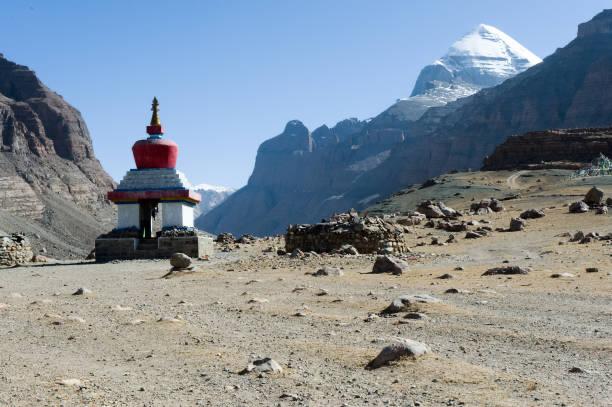
Mt Kailash Tour Tashi Delek Nepal Treks & Expeditions

First, What Exactly Is the Mt Kailash Tour?

Mount Kailash, located in remote western Tibet, is one of the most sacred mountains in the world. It’s revered by:

  • Hindus (as the home of Lord Shiva)
  • Buddhists (as the center of the universe)
  • Jains and Bon followers

Unlike Everest, you don’t climb it—you walk around it.
This 52 km trek is called the Kora, and completing it is believed to cleanse sins and bring spiritual merit.

So technically, you’re not just going on a trip.

You’re signing up for a spiritual reset… with altitude sickness as a bonus feature.

The Honest Reality (No Instagram Filters Here)

Before you get carried away by dreamy photos, here’s the reality check:

1. It’s Physically Challenging

You’ll be walking at altitudes above 5,000 meters. Even tying your shoelaces can feel like a workout.

2. Comfort Is Limited

Expect simple guesthouses, basic food, and occasional cold showers (or no showers… character building, right?).

3. The Journey Is Long

Days of driving across vast Tibetan landscapes. Beautiful? Yes. Short? Not even close.

4. Altitude Is Real

Headaches, fatigue, and slow walking are part of the experience. No one looks glamorous here—and that’s okay.

So… Why Do People Still Go?

Because despite all that…

Mt Kailash is not just a place—it’s a feeling.

1. It’s Spiritually Powerful

Even non-religious travelers often describe something they can’t explain:

  • A sense of calm
  • Emotional clarity
  • Unexpected tears (yes, it happens)

You don’t have to be spiritual—but the mountain has a way of making you feel something.

2. The Landscapes Are Unreal

From turquoise Lake Manasarovar to the stark beauty of the Tibetan plateau, this is nature at its rawest.

No crowds. No noise. Just vast, silent, jaw-dropping scenery.

3. It’s a Personal Achievement

Completing the Kora is not easy. When you finish, you don’t just take photos—you take pride.

It’s one of those rare trips where you come back thinking:
“I actually did something big.”

4. It Changes You (Slightly or Deeply)

Not in a dramatic “I found myself” movie way (unless it happens, then great).

But many travelers return with:

  • A new perspective
  • Less stress about small things
  • A stronger mental mindset

Who Is This Tour Actually For?

Let’s be honest again.

Mt Kailash tour is perfect for you if:

  • You want more than just sightseeing
  • You’re okay with physical challenges
  • You’re curious about spirituality or culture
  • You enjoy unique, off-the-beaten-path experiences

It’s NOT ideal if:

  • You need luxury and comfort
  • You dislike basic conditions
  • You want a relaxing holiday

Is It Worth the Cost?

A Mt Kailash tour isn’t cheap—and there’s a reason.

It includes:

  • Special Tibet travel permits
  • Experienced guides
  • Transportation across remote regions
  • Logistics in one of the most restricted areas in the world

What you’re paying for isn’t just a trip.

You’re paying for access to a place very few people in the world ever reach.

The Biggest Question: Will You Regret It?

Almost everyone asks this.

Here’s the honest answer:

  • You might struggle during the journey
  • You might question your decision halfway through the trek
  • You might miss hot showers desperately

But once it’s over?

Regret is extremely rare.

Most people say:

“It was hard… but I would do it again.”

Why Book Your Mt Kailash Tour With Us?

Now, this part matters.

A trip like this isn’t something you want to “figure out as you go.”

You need:

  • Reliable logistics
  • Experienced local support
  • Proper acclimatization planning
  • Guidance at every step

When you travel with us, you get:

✔ Carefully designed itineraries for altitude safety
✔ Experienced Tibetan guides who understand the terrain
✔ Small group or group joining options
✔ Support from start (Nepal) to finish
✔ Honest advice (we won’t oversell—this article proves that)

We don’t just sell tours.

We make sure you complete the journey safely—and meaningfully.

Final Verdict: Is Mt Kailash Tour Worth It?

If you’re looking for comfort → No
If you’re looking for meaning → Absolutely Yes

This is not a trip you take for luxury.

This is a journey you take when you want:

  • A challenge
  • A story
  • A deeper experience

And maybe… just maybe…
a moment that stays with you for life.

Ready to Take the Step?

If you’ve read this far, chances are—you’re already considering it.

And that’s how it starts.

Feel free to reach out to us for:

  • Detailed itineraries
  • Group joining Mt Kailash tours
  • Travel dates and pricing
  • Honest consultation (no pressure, just clarity)

Mt Kailash isn’t calling everyone.
But if it’s calling you… You already know the answer.

WhatsApp us at +9779765961909 or email us at inquiry@tibettour.travel
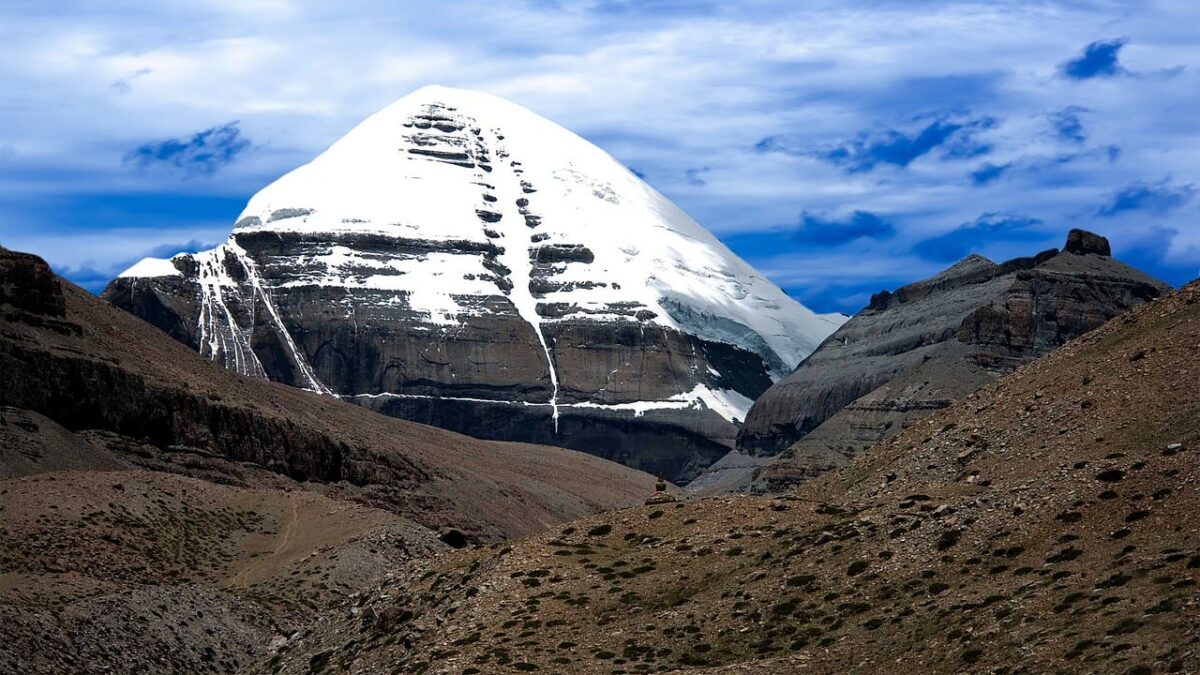
Everything You Need to Know: 30 Mount Kailash Tour Questions Answered

Mount Kailash, a mountain of profound spiritual significance for billions, presents a unique pilgrimage. This guide answers your most pressing questions, from permits and preparation to what you’ll experience on the sacred Kora path.

📋 Your Tour at a Glance

Here’s a quick summary of key details to help you plan:

AspectKey DetailImportant Note
Best Time to VisitMay to OctoberPeak season is May-June & Sept-Oct.
Standard Tour Length12 to 16 days (from Nepal/China)The 3-day Kora trek is part of the longer journey.
Main DifficultyHigh altitude (trek averages 5,000m)The highest point is Dolma La Pass (5,630m).
Can You Travel Solo?No. Independent travel is not permitted.You must book with an organized tour and guide.
Climbing the SummitStrictly forbidden due to religious sanctity.The spiritual practice is the Kora (circumambulation).

1. Planning Your Journey

Q1: When is the best time to go on a Mount Kailash tour?

The best time to travel is from May to October. The most favorable months with stable weather, clear skies, and comfortable temperatures are May, June, September, and the first half of October.

Q2: How many days do I need for a Mount Kailash tour?

A complete pilgrimage typically requires 9 to 12 days from your arrival in Kathmandu or Lhasa. This includes the 3-day Kora trek and overland travel across the Tibetan plateau.

Q3: What are the main starting points and routes?

Tours generally start from Kathmandu, Nepal, or Lhasa, Tibet. The classic route begins in Lhasa with a scenic overland journey via Everest Base Camp. From Kathmandu, you can travel overland or take a shorter helicopter-assisted tour.

Q4: Can I travel to Mount Kailash by myself?

No, you cannot. Foreign tourists must travel with a registered, organized tour group. Independent travel in the Tibet Autonomous Region is not permitted.

Q5: Is Mount Kailash open to tourists from all countries?

While generally open, the permit application process differs by nationality. Indian passport holders must apply through specific channels (the Foreign Affairs Office of TAR or the Pilgrim Center), unlike other foreign nationals.

2. Permits, Visas, and Regulations

Q6: What travel documents and permits do I need?

You need several documents:

  • A valid passport with at least six months of validity.
  • Chinese Visa: A standard visa if entering from mainland China, or a Chinese Group Visa if entering from Nepal.
  • Tibet Travel Permit (TTP): Issued by your travel agency.
  • Additional Permits for Kailash: Alien’s Travel Permit, Military Permit, and Foreign Affairs Permit.

Q7: How do I get all the necessary permits?

Your Tibetan travel agency arranges all permits (except the initial Chinese Visa for some nationalities). You provide passport copies and other documents; they handle the complex applications.

Q8: How far in advance should I apply for permits?

Apply as early as possible. While a standard Tibet Travel Permit may take 8-9 days, the full set of Kailash permits can take 15-25 days to process. Booking your tour at least 30 days before departure is strongly advised.

Q9: Why is climbing Mount Kailash forbidden?

Climbing is strictly prohibited out of respect for its profound religious significance to four faiths. The mountain is considered the abode of deities, not a conquest.

3. The Kailash Kora (Sacred Trek)

Q10: What is the Kailash Kora and why is it done?

The Kora (or Parikrama) is the ritual of circumambulating the sacred mountain. It is a central pilgrimage act for Hindus, Buddhists, Jains, and Bonpos, believed to cleanse sins and bring spiritual merit.

Q12: How long is the Kailash Kora and how many days does it take?

The Kora is approximately 52 km long. Most pilgrims complete it in 3 days, with overnight stops at Dirapuk and Zutulpuk monasteries.

Q13: How difficult is the Kailash Kora trek?

It is considered moderate to challenging, primarily due to the extreme altitude (averaging 5,000m) and the steep climb over the 5,630m Dolma La Pass.

Q14: What is a typical day-by-day itinerary for the Kora?

  • Day 1: Darchen to Dirapuk (~20 km, 5-6 hours). A moderate trek with the first close views of Kailash’s north face.
  • Day 2: Dirapuk to Zutulpuk (~18 km, 7-8 hours). The toughest day, crossing the high-altitude Dolma La Pass.
  • Day 3: Zutulpuk to Darchen (~14 km, 3-4 hours). A gentler, concluding walk.

Q15: Can I hire help like a pony or porter?

Yes. In Darchen, you can hire horses/ponies to ride or carry luggage, and porters. This is a common practice and costs extra (e.g., a horse for the 3-day Kora may cost around $600-650).

4. Fitness, Health, and Safety

Q16: What fitness level is required?

good to excellent level of physical fitness is essential. You should be able to trek 6-8 hours daily on rugged, high-altitude terrain. Months of preparatory cardio (hiking, jogging) are strongly advised.

Q17: How can I prevent altitude sickness?

Key strategies include: acclimatizing properly (spend 2-3 days in Lhasa/Saga), ascending graduallystaying extremely hydrated, and consulting a doctor about preventive medication like Diamox.

Q18: Are there age restrictions for the tour?

While not an absolute limit, most tours recommend pilgrims be between 18 and 70 years old and in excellent health. Authorities may restrict those over 60 or 65 from attempting the high-altitude Kora, subject to health checks. Success stories of older trekkers exist but require exceptional fitness.

Q19: Is travel insurance required?

Yes, absolutely. Your insurance must explicitly cover emergency high-altitude medical evacuation and helicopter rescue in remote areas of Tibet.

Q20: What if I get sick during the trek?

Reputable tour operators carry first-aid kits, emergency oxygen, and have protocols for evacuating ill pilgrims by vehicle or helicopter to the nearest medical facility.

5. Practical Information & What to Expect

Q21: What is the accommodation like?

It ranges from standard hotels in cities to very basic guesthouses or tent camps during the Kora. Expect shared rooms, pit toilets, and no shower facilities on the trek. Bring a warm sleeping bag.

Q22: What kind of food is available?

Tour groups provide simple, vegetarian meals (in keeping with the pilgrimage’s sanctity). You can request specific menus in advance. Bring high-energy snacks for the trek.

Q23: What currency should I carry?

You will need Chinese Yuan (RMB). Exchange money in Kathmandu or at the border. Carry sufficient cash, as ATMs are scarce in remote western Tibet.

Q24: Is there communication and electricity during the trek?

Mobile networks and electricity are unreliable or absent during the 3-day Kora. Inform family beforehand and carry power banks. Charging may be possible in Darchen and monastery guesthouses for a fee.

Q25: What essential items should I pack?

Must-haves include: sturdy broken-in trekking boots, layered clothing (thermal, fleece, down jacket), high-SPF sunscreen, sunglasses, a headlamp, personal medication, water purification tablets, and a warm sleeping bag.

6. Spiritual, Cultural & Other Aspects

Q26: Why is Mount Kailash considered so sacred?

It is revered as the spiritual center of the universe and the abode of deities in four religions: Hinduism (Lord Shiva), Buddhism (Demchok), Jainism (first Tirthankara), and Bon.

Q27: What is the significance of Lake Manasarovar?

This pristine lake near Kailash is also deeply sacred. Taking a holy dip in its waters is believed to cleanse sins and help attain spiritual liberation.

Q28: What is the most auspicious time for pilgrimage?

The Saga Dawa festival (usually in May or June), which commemorates Buddha’s birth, enlightenment, and parinirvana, is an especially sacred and crowded time at Kailash.

Q29: What is the total cost of a Mount Kailash tour?

Costs vary widely but generally range from $2,000 to over $5,000+ per person. It depends on your route, travel style (group vs. private), and services. Helicopter tours are more expensive.

Q30: What’s typically not included in the tour cost?

Common exclusions are: international flights, visa, travel insurance, tips for guides/drivers, personal expenses (drinks, laundry), and the cost of hiring a horse or porter.

To make your spiritual journey a reality, the most critical step is choosing a reputable, licensed tour operator with expertise in Kailash logistics. They will be your partner in navigating permits, ensuring safety, and facilitating a profound pilgrimage.
👉 Contact us today to speak with our Kailash experts or send us an inquiry to start planning your journey.

Choosing the Best Season for Your Mt Kailash Tour in 2026

Embarking on a Mt Kailash Tour is more than a trek; it’s a once-in-a-lifetime pilgrimage, a spiritual quest that draws adventurers and devotees from across the globe. Nestled in the remote reaches of Tibet, the experience is profoundly shaped by the forces of nature. For those setting their sights on 2026, planning is paramount, and it all begins with one crucial decision: when to go.

The Mt Kailash Kora (the sacred circumambulation) is primarily accessible from late April to early October. Each season—spring, summer, and autumn—paints the landscape in a different light, offering a unique blend of challenges and rewards. Let’s break down what you can expect from each to help you plan your perfect journey.

Spring (Late April – June)

Spring is the grand opening of the Mt Kailash pilgrimage season. As the long winter recedes, the region awakens in a burst of life and color.

  • Weather & Temperature: This is a transitional season. Days in late April and May can be pleasantly cool (5°C to 15°C / 41°F to 59°F), but nights remain cold, often dropping below freezing. By June, temperatures become more comfortable, with daytime highs reaching up to 20°C (68°F) in the lower valleys. However, be prepared for sudden weather changes—snow flurries are possible, especially at higher altitudes.
  • Crowd Levels: Low to Moderate. You’ll beat the main summer rush, offering a more solitary and contemplative experience on the trail.
  • Pros:
    • Vibrant Landscapes: The valleys are carpeted with fresh grass and early wildflowers, creating stunning contrasts against the snow-capped peaks.
    • Fresh Snow: The mountains, including Kailash itself, are often still adorned with a brilliant white coat of snow, making for spectacular photography.
    • Serene Atmosphere: With fewer pilgrims, the spiritual ambiance feels more intimate and personal.
  • Cons:
    • Unpredictable Conditions: The weather is the most volatile of the year. The high pass, Dolma La (5,636m), can still be treacherous with ice and snow.
    • Colder Nights: Camping or staying in basic guesthouses requires a high-quality, cold-weather sleeping bag.

Verdict for 2026 Travelers: Choose spring if you seek a pristine, less-crowded experience and are prepared with gear for variable, cold conditions. The payoff is breathtaking alpine scenery at its most dramatic.

Summer (July – August)

This is the peak season for the Mt Kailash Tour, coinciding with the Tibetan summer and key pilgrimage festivals. The weather is at its warmest, but it also brings the monsoon’s influence.

  • Weather & Temperature: This is the warmest time of year, with daytime temperatures in the lowlands a comfortable 10°C to 25°C (50°F to 77°F). However, this is also the rainy season. You can expect afternoon cloud build-up and sporadic showers, which can turn to sleet or snow at higher elevations.
  • Crowd Levels: High. This is the busiest period, especially with Indian pilgrims during July. The trails and guesthouses can be crowded.
  • Pros:
    • Most Favorable Weather: The coldest temperatures are behind you, making the trek physically less demanding due to the cold.
    • Lush Vegetation: The landscape is a vibrant green, and lakes like Manasarovar are at their most brilliant blue.
    • Festive Vibe: The energy is high, and you’ll be sharing the path with thousands of devout pilgrims, which can be a culturally enriching experience.
  • Cons:
    • Crowds: The sheer number of people can detract from the sense of solitude for some.
    • Rain & Clouds: Precipitation can obscure the majestic views of Mt Kailash, and the trails can be muddy.
    • Higher Costs: Due to peak demand, tour prices are often at their highest.

Verdict for 2026 Travelers: Opt for summer if you prioritize warmer temperatures and thrive on vibrant, communal energy. Be ready for crowds and book your tour well in advance. Don’t forget quality rain gear!

Autumn (September – Early October)

Widely regarded as the golden window for a Mt Kailash Tour, autumn strikes a perfect balance between pleasant weather, stunning scenery, and manageable crowds.

  • Weather & Temperature: The monsoon rains have passed, leaving behind crystal-clear, deep blue skies. Daytime temperatures are very pleasant (8°C to 18°C / 46°F to 64°F), while nights are crisp and cold. The air is dry, and visibility is typically exceptional.
  • Crowd Levels: Moderate. The large summer crowds have dissipated, but you won’t be alone. It’s a comfortable balance.
  • Pros:
    • Ideal Trekking Conditions: Stable weather, minimal precipitation, and comfortable temperatures make for the most reliable and enjoyable trekking conditions.
    • Unobstructed Views: The chance of seeing Mt Kailash in its full, unobscured glory is highest during this period.
    • Stunning Contrasts: The clear air provides incredible light for photography, and the autumn colors in the surrounding valleys are beautiful.
  • Cons:
    • Shorter Window: The season ends abruptly in early October as winter begins to set in, with temperatures dropping quickly.
    • Cold Nights: While days are perfect, nights are decidedly cold, requiring warm gear.

Verdict for 2026 Travelers: If your schedule allows, autumn is highly recommended. It offers the best all-around experience with superb weather, great visibility, and a peaceful yet social atmosphere on the trail.

Your 2026 Pilgrimage Awaits: Start Planning Today

The path to Mt. Kailash is not just a trek, but a story waiting to be written into your life. You’ve seen the seasons; now it’s time to choose your chapter. Will it be the fresh blossoms of spring, the vibrant energy of summer, or the golden perfection of autumn?

The journey to the roof of the world requires meticulous planning, and 2026 will be here before you know it. The first step on your kora begins not in Tibet, but right here, right now.

Ready to take that step?

Contact a reputable Tibet tour and travel specialist today! Get a personalized quote for your 2026 Mt. Kailash tour, clarify all your permit questions, and secure your spot on this transformative adventure. The mountains are calling – answer them.

Start Your Journey Now: Quick Inquiry for Mt Kailash Tour 2026

Dreaming of Mt Kailash in 2026? 5 Unbeatable Advantages of a Group Joining Tour

So, you’ve set your sights on 2026. The year you finally embark on the journey of a lifetime: the sacred Mt Kailash Tour. It’s a decision that promises profound transformation, breathtaking landscapes, and an adventure like no other. But as you start planning, a crucial question arises: should you go it alone or join a group?

While independent travel has its allure, when it comes to the remote and challenging terrain of Tibet, there’s a compelling case for a Group Joining Mt Kailash Tour. Let’s explore the five unbeatable advantages that make this the smartest choice for your pilgrimage.

1. The Ultimate Key to a Budget-friendly Mt Kailash Tour

Let’s talk about the elephant in the room: cost. A pilgrimage to Mt. Kailash involves permits, transportation, accommodation, and guides—all of which can add up quickly for a solo traveler. This is where the power of a group truly shines.

By opting for a Group Joining Mt Kailash Tour, you instantly share the significant fixed costs. Think about it: the cost of a private 4WD vehicle, a guide, and all the necessary permits is divided among the group members. This collective bargaining power is the single biggest factor in creating a genuinely Budget-friendly Mt Kailash Tour. The savings are substantial, allowing you to allocate your funds towards better gear, a longer stay, or even a future adventure.

2. Built-in Camaraderie: Your Instant Travel Family

The journey to Kailash is as much an emotional one as it is a physical one. The high altitudes and the strenuous three-day Kora (circumambulation) can be daunting. When you join a group, you’re not just sharing costs; you’re sharing the experience.

You’ll be surrounded by like-minded individuals who share your sense of wonder and determination. The friendships forged while encouraging each other up the Dolma La Pass or sharing a warm meal in a guesthouse are often as memorable as the destination itself. This built-in support system turns potential challenges into shared triumphs, making your Mt Kailash Tour richer and more enjoyable.

3. Streamlined Logistics: Your Peace of Mind is Our Priority

Organizing a Mt Kailash Tour from abroad is complex. It involves navigating Tibetan travel regulations, securing Alien Travel Permits, arranging special border permits, and booking accommodations in remote areas. This can be a logistical maze that consumes precious time and energy.

When you join a reputable group tour, all of this is handled for you. Expert operators take care of every detail, from the moment you land in Lhasa to your final farewell. Your only job is to be present and immerse yourself in the journey. For a trip of this magnitude, that peace of mind is absolutely priceless.

4. Expert Guidance Every Step of the Way

A guide on a Mt Kailash Tour is so much more than just a navigator. They are a cultural interpreter, a spiritual advisor, and a vital safety resource. Group tours provide experienced guides who are deeply knowledgeable about the region’s history, Buddhist and Bon traditions, and the nuances of the Kora.

They know the best times to trek, how to manage altitude sickness, and the hidden stories behind each sacred site. This expert insight will deepen your understanding and appreciation of the pilgrimage in a way that a guidebook simply cannot match.

5. Safety in Numbers in a Remote Environment

The Tibetan Plateau is majestic but unforgiving. High altitude, unpredictable weather, and remote locations mean that safety must be the top priority. A Group Joining Mt Kailash Tour inherently offers a safer environment.

With a guide leading the way and a group to look out for one another, you have a built-in safety net. In the rare case of a health issue or an emergency, the group structure ensures a swift and coordinated response. Traveling with a licensed tour operator also means they have established protocols and connections for assistance, providing an essential layer of security for you and your loved ones back home.

Your 2026 Adventure Awaits

Choosing a Group Joining Mt Kailash Tour isn’t just about saving money—it’s about enhancing every aspect of your journey. It’s about community, convenience, and the confidence to fully embrace this life-changing experience.

As you dream of your 2026 pilgrimage, consider the path of shared adventure. It’s the smartest, safest, and most socially enriching way to answer the call of the sacred mountain.

Ready to take the first step? Explore our specially curated 10-day spiritual journey, designed to offer an unforgettable and Budget-friendly Mt Kailash Tour.
Discover the Itinerary for Your 2026 Kailash Pilgrimage Here: https://www.tibettour.travel/kailash-spiritual-tour-10-days
The journey of a lifetime is best shared.