Tibet Travel Permit Explained: Types, Timeline, and Requirements (2027)

If you’re planning a Tibet tour, the Tibet Travel Permit is the single most important document you’ll need to sort out before you go. It’s different from a Chinese visa, it can’t be applied for on your own, and depending on your route you may actually need more than one permit stacked on top of each other.

This guide breaks down exactly what the Tibet Travel Permit is, which other permits you might need for places like Everest Base Camp or Mount Kailash, how the timeline works, and what documents you’ll need to provide.

What is the Tibet Travel Permit?

The Tibet Travel Permit (TTP) also called the Tibet Entry Permit or TTB Permit is an official document issued by the Tibet Tourism Bureau that allows non-Chinese passport holders to enter and travel within the Tibet Autonomous Region.

It functions as your entry pass into Tibet, separate from your Chinese visa. You cannot board a flight or train to Lhasa without the original physical permit in hand (for flights) or printed copies (for the train).

A few key facts about the TTP:

  • It’s required for essentially all foreign passport holders, regardless of whether you enter via Beijing, Chengdu, Xining, or from Nepal
  • It can only be arranged through an authorized Tibet travel agency there’s no way to apply for it as an independent traveler
  • It typically arrives as a two-page A4 document
  • It only covers the specific itinerary and areas you’ve registered travel outside your approved route generally requires additional permits

The Different Types of Permits You May Need

This is where a lot of first-time travelers get confused. The Tibet Travel Permit is the base requirement, but depending on where your itinerary takes you, additional permits may stack on top of it.

PermitIssued ByNeeded ForWho Applies
Tibet Travel Permit (TTP)Tibet Tourism BureauEntering Tibet at allYour travel agency, before departure
Alien’s Travel Permit (ATP)Public Security Bureau (PSB)Restricted areas outside LhasaYour guide, usually after you arrive in Lhasa
Military Area Entry PermitMilitary authoritiesSensitive border regionsYour travel agency, well in advance
Foreign Affairs PermitForeign Affairs OfficeCertain border/expedition routesYour travel agency, well in advance
Frontier Pass / Border PermitForeign Affairs Office, LhasaAreas near the Nepal borderYour travel agency, in advance

Tibet Travel Permit (TTP)

This is the permit everyone needs. It’s your baseline authorization to enter the Tibet Autonomous Region at all, whether by air, train, or overland from Nepal.

Alien’s Travel Permit (ATP)

Also known as the PSB Permit, this one is required once you leave Lhasa and head toward areas outside the “open” cities. Historically this included places like Everest Base Camp and Shigatse, though the exact list of areas requiring this permit has changed over time — some regular tourist routes to Everest Base Camp and Gyirong, for example, no longer required it as of mid-2025. Since rules like this shift, it’s worth confirming the current requirement for your specific route with your operator rather than relying on an older blog post.

Where the ATP is still required, the good news is that it’s usually processed quickly and inexpensively after you land in Lhasa — your guide handles the paperwork with the local PSB office.

Military Area Entry Permit

If your route includes genuinely sensitive or remote border regions — Mount Kailash in the Ngari Prefecture is the classic example — you’ll also need a military permit. This one can’t be picked up on arrival; it needs to be submitted well before your trip, often 20+ days in advance.

Foreign Affairs Permit

Reserved for specific border areas, research-style visits, or unusual expedition routes. Not every traveler will need this, but it’s worth asking about if your itinerary is off the beaten path.

Frontier Pass / Border Permit

If you’re heading toward the Nepal border — for a Kathmandu–Lhasa overland trip, or a Kailash/Manasarovar route that approaches the border — a separate frontier or border permit is typically required, arranged through the Foreign Affairs Office in Lhasa.

Do You Need All of These Permits?

Not necessarily. It depends entirely on your itinerary.

  • Lhasa only: Tibet Travel Permit alone is generally sufficient.
  • Lhasa + Everest Base Camp: TTP, and possibly an Alien’s Travel Permit depending on current route rules.
  • Lhasa + Mount Kailash / Lake Manasarovar: TTP, Alien’s Travel Permit, and Military Permit, since Ngari Prefecture is considered a sensitive border region.
  • Kathmandu–Lhasa overland or border-crossing routes: TTP plus a Frontier/Border Permit, in addition to whichever of the above apply to the rest of your route.

This is exactly why a fixed, confirmed itinerary matters before your agency starts the permit process — the permits are matched to your specific route, not issued as a blanket document.

Timeline: When to Start the Process

Permit processing takes time, and delays do happen, so starting early gives your agency room to troubleshoot if something doesn’t go smoothly.

A rough timeline for a standard Lhasa + Everest itinerary looks like this:

  1. 2–3 months before departure: Confirm your itinerary and book with a licensed Tibet travel agency. This is when the permit clock effectively starts.
  2. Around 20–45 days before departure: Your agency submits your documents (passport and visa copies) for the Tibet Travel Permit, and, if applicable, begins the Military Permit process for more remote routes.
  3. Roughly 30–40 days before departure: TTP is typically approved.
  4. On arrival in Lhasa: Your guide arranges the Alien’s Travel Permit, if your route requires one, usually processed within hours for a small fee.

For a Kailash or other remote western Tibet itinerary, it’s sensible to start the whole process at least three months out, given the extra permits and the possibility of delays tied to broader diplomatic or border conditions.

What Documents Do You Need to Provide?

Requirements vary slightly depending on your passport and visa type, but in general your agency will ask for:

  • A scanned copy of your passport’s photo page (valid for at least six months beyond your travel dates)
  • A copy of your Chinese visa (typically an “L” tourist visa)
  • If you hold a different visa type study (X), work (Z), or a China residence permit you may need to provide supporting documents such as a study or work certificate
  • A contact address in mainland China (often your hotel) where the physical permit can be delivered before you fly to Tibet

If you’re entering via Nepal, the process has an extra step: most travelers need a China Group Visa issued in Kathmandu rather than a visa obtained elsewhere, since visas from other cities generally aren’t valid for that entry route (visa-free travelers are the main exception). Your Tibet Travel Permit is then delivered by your operator’s local partner in Kathmandu.

Special Cases

Diplomats, journalists, and government officials cannot get a Tibet Travel Permit through a regular travel agency. Their applications must go through the Tibet Foreign Affairs Office directly.

Travelers with both a Chinese passport and Chinese ID card are treated differently using the national ID card allows travel to more areas of Tibet than a Chinese passport alone.

A Note on China’s Visa-Free Policies

China has expanded its visa-free entry policies for citizens of a growing number of countries in recent years. It’s important to understand that this doesn’t remove the need for a Tibet Travel Permit — visa-free entry into China and permission to enter Tibet are two separate questions. Even travelers who don’t need a Chinese visa at all still need the TTP to travel to Tibet.

Because visa and permit rules are updated periodically, always confirm the latest policy for your specific nationality with your travel agency before booking flights or making other non-refundable arrangements.

Frequently Asked Questions

Can I apply for a Tibet Travel Permit myself? No. It must be arranged through an authorized Tibet travel agency after you’ve confirmed a tour itinerary.

How long does it take to get a Tibet Travel Permit? Processing generally takes around 15–20 working days once your documents are submitted, though it’s best to allow more time, especially for itineraries that include additional permits.

Is there a separate fee for the Tibet Travel Permit? The TTP itself typically has no standalone official fee, since it’s bundled into your tour booking. Some agencies list associated permit costs as a separate line item.

Do I need the Alien’s Travel Permit for Everest Base Camp? It depends on your exact route and current regulations, which have changed in recent years for some standard routes. Confirm with your operator based on your specific itinerary.

Do I need a Military Permit for Mount Kailash? Yes, in addition to the Tibet Travel Permit and Alien’s Travel Permit, since the Ngari region is considered a sensitive border area.

Can I get my Tibet Travel Permit if I’m already in Nepal? Yes, but the process is slightly different — it typically involves obtaining a China Group Visa in Kathmandu, with your Tibet Travel Permit delivered through your operator’s local partner there.

What happens if my permit is delayed or denied? Delays can happen for various reasons, including diplomatic or border-related factors. An experienced agency will have contingency plans and should keep you informed rather than leaving you to find out at the airport.

Does the Tibet Travel Permit let me visit anywhere in Tibet? No. It only covers the specific itinerary you’ve registered. Traveling to additional areas, especially outside Lhasa, generally requires further permits matched to that route.

Planning Your Trip?

Because permit requirements depend on your nationality, visa type, and exact itinerary, the most useful thing you can do before booking is share these details with your travel agency early: your nationality, passport type, intended route, and travel dates. That allows the permit process to be tailored to your actual trip rather than a generic assumption.

Permit rules for Tibet change often, and getting the wrong information can mean delays or even a denied application. If you’re not sure exactly what you’ll need for your route, send us an inquiry with your nationality, passport type, and rough itinerary, and we’ll walk you through exactly which permits apply to your trip and how to time everything correctly.
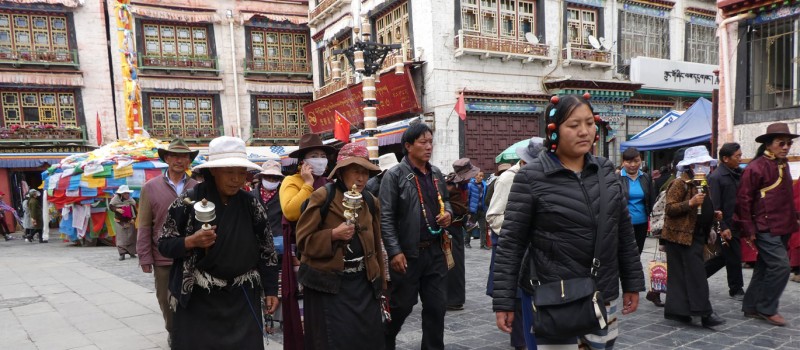
Tibet Tour: A Comprehensive Travel Guide

Tibet, often called the “Roof of the World”, is a land of breathtaking landscapes, ancient monasteries, and profound spiritual experiences. Planning a trip to this mystical region requires careful consideration, but the rewards are immense. This comprehensive guide will help you navigate the intricacies of planning your Tibet tour.

TIbet Tour
Tibet Tour

When is the best time for the Tibet tour?

Tibet experiences a harsh climate with cold winters and relatively mild summers. The best time for the Tibet tour is from May to September when the weather is pleasant, and the landscapes are in full bloom. However, this is also the peak season, so expect larger crowds and higher prices.

  • April-May: Spring brings blooming flowers and clear skies, making it ideal for photography.
  • June-August: The summer months are pleasant with warmer temperatures, perfect for exploring.
  • September-October: Autumn offers stunning fall foliage and comfortable weather.
  • November-March: Winter brings freezing temperatures and heavy snowfall, making travel challenging.

Cost of a Tibet Tour

The cost of a Tibet tour varies significantly depending on several factors:

  • Duration of the trip: Longer trips naturally cost more.
  • Group or private tour: Private tours are generally more expensive but offer greater flexibility.
  • Accommodation: Luxury hotels will increase the overall cost.
  • Transportation: Flights, trains, and overland options have different price points.
  • Activities: Optional activities like trekking or rafting add to the expense.

Expect to spend anywhere from $1,000 to $5,000 or more per person for a standard Tibet tour.

Private Tibet Tour vs. Group Tibet Tours

  • Private Tibet Tours: Offer complete flexibility, allowing you to customize your itinerary. You’ll have a dedicated guide and vehicle, providing a more personalized experience.
  • Group Joining Tibet Tours: Generally more affordable, with fixed itineraries. You’ll meet fellow travelers and share the experience.

Essential Tibet Tour Itineraries

Here are some popular itineraries to inspire your planning:

  • Classic Lhasa Tour (4-7 days): Explore the Potala Palace, Jokhang Temple, Barkhor Street, and surrounding monasteries.
  • Lhasa to Everest Base Camp (8-10 days): Combine the cultural richness of Lhasa with the breathtaking beauty of Mount Everest.
  • Mt. Kailash tour and Lake Manasarovar Pilgrimage (15-21 days): Embark on a spiritual journey to the holy mountain and lake.

Difficulty Level of Tibet tour

Tibet is a high-altitude destination, and acclimatization is crucial. While most tours stick to lower altitudes, some treks and pilgrimages require good physical fitness.

  • Lhasa: Relatively easy, suitable for most travelers.
  • Everest Base Camp: Requires moderate physical fitness due to altitude.
  • Mt. Kailash Kora: This demanding trek, is suitable for experienced hikers and pilgrims.

Essential Tips for Tibet Tour

  • Obtain necessary permits: A Chinese visa and a Tibet Travel Permit are mandatory.
  • Acclimatize gradually: Spend a few days in Lhasa before venturing to higher altitudes.
  • Pack warm clothing: Even in summer, nights can be cold.
  • Drink plenty of water: Stay hydrated to combat altitude sickness.
  • Respect Tibetan culture and customs: Dress modestly when visiting religious sites.
  • Be prepared for limited amenities: Some areas have basic infrastructure.

By carefully considering these factors and planning, you can embark on a truly unforgettable journey to Tibet.

Accommodation during the Tibet Tour

Choosing the right accommodation in Tibet is crucial for a pleasant stay. While options might be limited compared to other tourist destinations, there’s a range of choices to suit different budgets and preferences.

Types of Accommodation

  • Hotels and Guesthouses: Lhasa offers a variety of hotels, from budget-friendly options to luxury accommodations. Outside of Lhasa, guesthouses and homestays are more common.
  • Monastery Guesthouses: For a unique experience, consider staying in a monastery guesthouse. These offer simple accommodations and a chance to immerse yourself in Tibetan culture.
  • Camping: If you’re an adventurous traveler, camping is an option for some tours, particularly those involving trekking.

Factors to Consider During the Tibet Tour

  • Location: Staying near the Potala Palace or Barkhor Street in Lhasa is convenient for sightseeing.
  • Amenities: Consider your needs: Wi-Fi, hot water, and comfortable beds are essential for many travelers.
  • Budget: Set a budget for accommodation and choose options accordingly.
  • Altitude: Higher altitudes might have limited amenities, so be prepared.

Tips for Booking Accommodation

  • Book in advance: It’s advisable to book your accommodation well in advance during peak season.
  • Read reviews: Check online reviews to understand the quality of the accommodation and services.
  • Be flexible: Be open to different options, as availability can vary.

Accommodation Challenges

  • Altitude: Some accommodations might experience fluctuations in temperature and water supply due to altitude.
  • Limited choices: Outside of major cities, options might be limited.
  • Basic amenities: Don’t expect luxury standards in all places.

By carefully considering these factors, you can find comfortable accommodation that enhances your Tibet experience.

Food during the Tibet Tour

Tibetan cuisine offers a unique blend of flavors influenced by the harsh Himalayan climate and Buddhist traditions. While not as diverse as other regions, the food is hearty, nourishing, and often surprisingly delicious.

Staple Tibetan Foods

  • Tsampa: Roasted barley flour, often mixed with butter tea, is a staple food for Tibetans.
  • Yak meat: A common protein source, often served in stews or dried.
  • Butter tea: A salty tea made with yak butter, popular as a beverage and a meal accompaniment.
  • Momos: Tibetan dumplings filled with meat or vegetables, similar to Nepalese momos.

Tibetan Dining Experience

  • Simple and hearty: Tibetan food is generally simple and focused on providing warmth and energy.
  • Vegetarian options: While meat is common, vegetarian dishes are available, especially in monasteries and larger towns.
  • Dining etiquette: It’s customary to offer food to the eldest person first as a sign of respect.

Challenges and Tips

  • Limited choices: Outside of Lhasa, dining options might be limited.
  • Altitude sickness: Some travelers might find the rich, buttery nature of Tibetan food difficult to digest at high altitudes.
  • Vegetarian options: While available, they might be limited in some areas.

Food Safety

  • Hygiene: As with any travel destination, pay attention to food hygiene and choose reputable restaurants.
  • Water: Drink bottled water or boiled water to avoid waterborne illnesses.

Tibetan cuisine offers a unique culinary experience. While it might not be as diverse as other cuisines, it is undeniably authentic and satisfying.

Transportation during the Tibet Tour

Tibet offers a unique transportation experience due to its remote location and challenging terrain. While options might be limited compared to other destinations, there are several ways to explore this enchanting region.

Major Transportation Options

  • Train: The Qinghai-Tibet Railway is a modern marvel, offering stunning views of the Tibetan Plateau. It connects major cities like Beijing and Shanghai to Lhasa.
  • Plane: Lhasa Gonggar International Airport connects Tibet to major cities in China and Nepal. It’s the quickest way to reach Tibet.
  • Bus: Buses are available between major cities in Tibet, but they can be uncomfortable due to high altitudes and long distances.
  • Car: Most tourists opt for private vehicles with drivers arranged through tour operators. This allows for flexibility and comfort.

Challenges and Considerations

  • Altitude: High altitude can affect travel, especially for train and bus journeys.
  • Limited options: Outside of major cities, transportation options are limited.
  • Road conditions: Roads can be challenging, with potential landslides and road closures.
  • Travel permits: Foreigners must obtain specific permits to travel within Tibet, which can be arranged through a tour operator.

Tips for Travelers during Tibet Tour

  • Choose the right option: Consider your budget, time constraints, and desired level of comfort when choosing transportation.
  • Acclimatize: If traveling by train or bus, allow time for acclimatization to high altitude.
  • Pack accordingly: Bring necessary items for comfort during long journeys.
  • Book in advance: Especially during peak season, book train and flight tickets well in advance.

Transportation in Tibet offers a unique adventure. You can enjoy a smooth journey through this extraordinary land with careful planning and preparation.

Packing Tips for the Tibet Tour

Packing for Tibet requires careful consideration due to the high altitude, unpredictable weather, and cultural sensitivities. Here’s a comprehensive packing list:

Clothing

  • Warm layers: Down jacket, fleece, thermal underwear, sweaters, and warm hats.
  • Waterproof gear: Raincoat, waterproof pants, and gaiters for unpredictable weather.
  • Sun protection: Sunscreen, sunglasses, and a hat.
  • Comfortable footwear: Sturdy hiking boots for trekking, and comfortable walking shoes for exploring cities.
  • Modest clothing: Respectful attire for visiting monasteries and religious sites.

Essentials

  • Passport and travel documents: Ensure they are valid and accessible.
  • Medication: Any necessary prescription medication, altitude sickness pills, and general first-aid supplies.
  • Camera and accessories: Capture the breathtaking landscapes.
  • Power bank: For charging electronic devices.
  • Water bottle: Stay hydrated, especially at high altitudes.
  • Lip balm and moisturizer: Combat dry air.
  • Travel insurance: Essential for unexpected situations.

Optional Items

  • Trekking poles: If planning a hike or trek.
  • Headlamp: For early morning or evening activities.
  • Travel adapter: For charging electronic devices.
  • Books and entertainment: For downtime.

Packing Tips

  • Layer your clothing: This allows you to adjust to changing temperatures.
  • Pack light: Carry only essential items to avoid excess baggage fees.
  • Protect your gear: Use waterproof bags to protect your belongings from rain and snow.
  • Consider hand luggage: Pack essential items in your carry-on for easy access.

By following these packing tips, you can ensure you’re well-prepared for your Tibetan adventure.

Health Considerations for a Tibet Tour

Tibet’s high altitude and remote location present unique health challenges. Proper preparation and care are essential for a safe and enjoyable trip.

Common Health Concerns

  • Altitude Sickness: This is the most common health issue due to the rapid ascent. Symptoms include headache, nausea, fatigue, and shortness of breath. Gradual acclimatization is crucial.
  • Cold and Flu: The dry climate can lead to respiratory issues.
  • Digestive Problems: Changes in diet and water quality can cause upset stomachs.
  • Sunburn: High altitude increases sun exposure.

Preventive Measures

  • Gradual acclimatization: Spend a few days in Lhasa before venturing to higher altitudes.
  • Hydration: Drink plenty of water to prevent dehydration.
  • Sun protection: Use sunscreen, wear a hat, and sunglasses.
  • Proper clothing: Dress in layers to adjust to changing temperatures.
  • Hand hygiene: Practice good hand hygiene to prevent infections.
  • Consult a doctor: Discuss your travel plans with a doctor, especially if you have pre-existing health conditions.

Essential Medications

  • Altitude sickness medication: Consult your doctor for suitable options.
  • Pain relievers: For headaches and body aches.
  • Anti-diarrhea medication: For digestive issues.
  • Rehydration salts: To replenish electrolytes.

Emergency Preparedness

  • Travel insurance: Ensure it covers medical emergencies.
  • Emergency contact information: Keep important contacts readily available.
  • Know the nearest medical facilities: Research healthcare options in your itinerary.

By taking these precautions, you can minimize health risks and enjoy your Tibet trip to the fullest.

Cultural Etiquette During Tibet Tour

Tibetans are known for their warm hospitality, but understanding and respecting their customs is essential for a harmonious visit.

General Etiquette

  • Dress respectfully: Cover your shoulders and knees when visiting religious sites.
  • Right-hand rule: Use your right hand for eating, offering, and receiving items.
  • Photography: Ask for permission before taking photos of people, especially monks and nuns.
  • Bargaining: While bargaining is common in some markets, be respectful and avoid aggressive haggling.
  • Respectful behavior: Avoid loud noises, public displays of affection, and littering.

Etiquette in Monasteries

  • Dress modestly: Follow the dress code mentioned above.
  • Walk clockwise: This is the traditional direction for circumambulation.
  • Photography restrictions: Many monasteries prohibit photography inside.
  • Quiet demeanor: Maintain silence and respect the sacred atmosphere.

Etiquette When Interacting with Locals

  • Greet with respect: Use polite greetings and maintain eye contact.
  • Learn basic Tibetan phrases: A few words of Tibetan can go a long way.
  • Offer gifts: Bringing small gifts, such as tea or sweets, is appreciated.
  • Be mindful of personal space: Respect personal boundaries.
  • Be patient: Communication might be challenging due to language barriers.

By following these guidelines, you can show respect for Tibetan culture and enhance your travel experience.

Tibet, a realm of unparalleled beauty and spiritual depth, beckons adventurers and seekers alike. With careful planning and a respectful attitude, you can embark on a transformative journey through this mystical land. From the awe-inspiring Himalayas to the sacred monasteries, Tibet offers experiences that will stay with you long after you return home. So, pack your bags, open your heart, and prepare to be enchanted by the magic of the “Roof of the World.”

Are you ready to embark on a life-changing journey to the Roof of the World? Let us help you plan the perfect Tibet tour. With our expert guidance, you can immerse yourself in Tibetan culture, explore breathtaking landscapes, and create unforgettable memories. Contact us today to start planning your adventure!