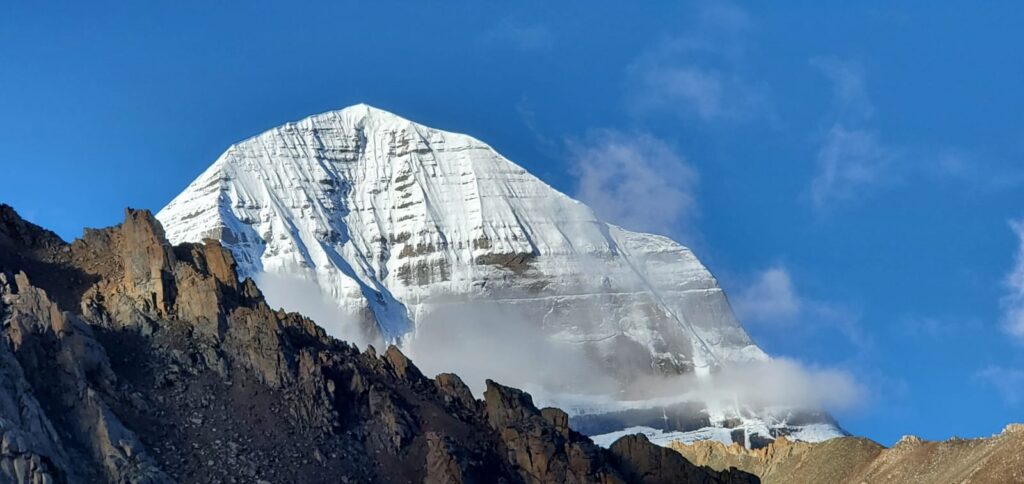
5 Unbeatable Advantages of a Group Joining Mt Kailash Tour for Your 2026 Pilgrimage

Embarking on a journey to the sacred Mt. Kailash is a dream for countless spiritual seekers and adventurers. As you start planning for your 2026 pilgrimage, one of the most crucial decisions you’ll make is how to travel: independently or as part of a structured group.

While the idea of a solo trek is enticing, the realities of traveling in a remote and high-altitude region like Tibet present significant challenges. Opting for a Group Joining Mt. Kailash Tour isn’t just a convenient choice—it’s a strategic one that enhances every aspect of your experience.

Here are 5 unbeatable advantages that make a group tour the superior way to undertake this life-changing journey.

1. Unmatched Cost-Effectiveness: Stretch Your Pilgrimage Budget Further

One of the most immediate benefits of a Mt. Kailash Group Joining Tour is the significant cost saving. Tour operators secure bulk discounts on accommodations, transportation, and permits that are simply unavailable to individual travellers.

  • Shared Expenses: The cost of a private 4WD vehicle, a dedicated guide, and a driver is split among the entire group, making it drastically more affordable.
  • Fixed Pricing: Your tour cost is locked in, protecting you from on-the-ground price inflation for services and entry fees.
  • No Hidden Costs: Independent travel is often riddled with unexpected expenses for permits, unexpected lodging changes, and transportation hiccups. With a group tour, your itinerary and costs are transparent from the start.

2. Safety in Numbers and Structure: Your Well-being is the Priority

The Kailash region is remote, and the high-altitude Kora (circumambulation) is physically demanding. A group tour provides a built-in safety net that solo travel lacks.

  • Expert Handling of Altitude Sickness: Reputable tours are designed with acclimatization days. Your expert guide knows the signs of Acute Mountain Sickness (AMS) and can act swiftly.
  • On-Ground Support: From a supporting vehicle during parts of the trek to a team that knows the route, you are never truly alone. In case of an emergency, the group structure ensures a coordinated and effective response.
  • Vetted Routes and Accommodations: Every aspect of the journey is pre-vetted for safety, giving you peace of mind to focus on your spiritual practice.

3. Logistics Handled: Your Only Job is to Be Present

The bureaucratic and logistical maze for traveling to Tibet is formidable. Permits, border crossings, and domestic travel arrangements can drain your energy before the journey even begins.

  • Permits Sorted: Your tour operator handles all necessary permits, including the Tibet Travel Permit and the Alien’s Travel Permit required for the Kailash region.
  • Seamless Travel: All internal transportation—from Lhasa to the base of Kailash—is meticulously planned. Forget the stress of haggling for taxis or finding bus stations.
  • Hassle-Free Accommodation: After a long day of trekking, knowing a pre-booked room awaits you is a blessing. All you need to do is immerse yourself in the experience.

4. Built-in Companionship: Share the Journey with Like-Minded Souls

The Mt. Kailash Kora is as much an inner journey as it is an outer one. Sharing this profound experience with a small group of fellow pilgrims creates a unique bond and enhances the spiritual atmosphere.

  • Shared Motivation: The collective energy and encouragement of the group can be a powerful motivator during the most challenging parts of the trek.
  • Cultural Exchange: You’ll meet people from all over the world, forming lasting friendships that span a lifetime.
  • Reduced Solo Travel Loneliness: Avoid the potential isolation of traveling alone in a remote area.

5. The Wisdom of Expert Local Guides: Go Beyond the Guidebook

A book or blog can tell you about Mt. Kailash, but a local guide helps you understand it. Their knowledge is an invaluable layer to your pilgrimage.

  • Cultural and Spiritual Insight: Learn about the profound significance of the landscape, the rituals at each sacred site, and the stories that bring the mountain to life.
  • Navigation and Pace-Setting: Your guide ensures the group stays on the correct path and sets a sustainable pace for all fitness levels.
  • Language Bridge: They act as a bridge for meaningful interactions with local Tibetans, enriching your cultural experience.

Why Risk the Hassle of Independent Travel?

Imagine navigating complex permits alone, dealing with unexpected transport issues in a language you don’t understand, or facing altitude sickness without immediate support. Independent travel to Mt. Kailash is a test of extreme logistics that can distract from the very purpose of your pilgrimage.

Ready for Your Transformative 2026 Journey?

Group Joining Mt. Kailash Tour isn’t about giving up freedom; it’s about gaining a framework that allows for a deeper, safer, and more meaningful connection with this sacred mountain.

For 2026, choose a journey that prioritizes your experience and well-being. Our carefully crafted 10-day spiritual tour is designed to provide all these advantages and more.

Explore our detailed itinerary and begin planning your sacred adventure here:
https://www.tibettour.travel/kailash-spiritual-tour-10-days

Don’t just dream about Mt. Kailash—experience it with confidence and a community of fellow seekers. Make an inquiry today to secure your spot for 2026 and take the first step on the path to personal growth and enlightenment.

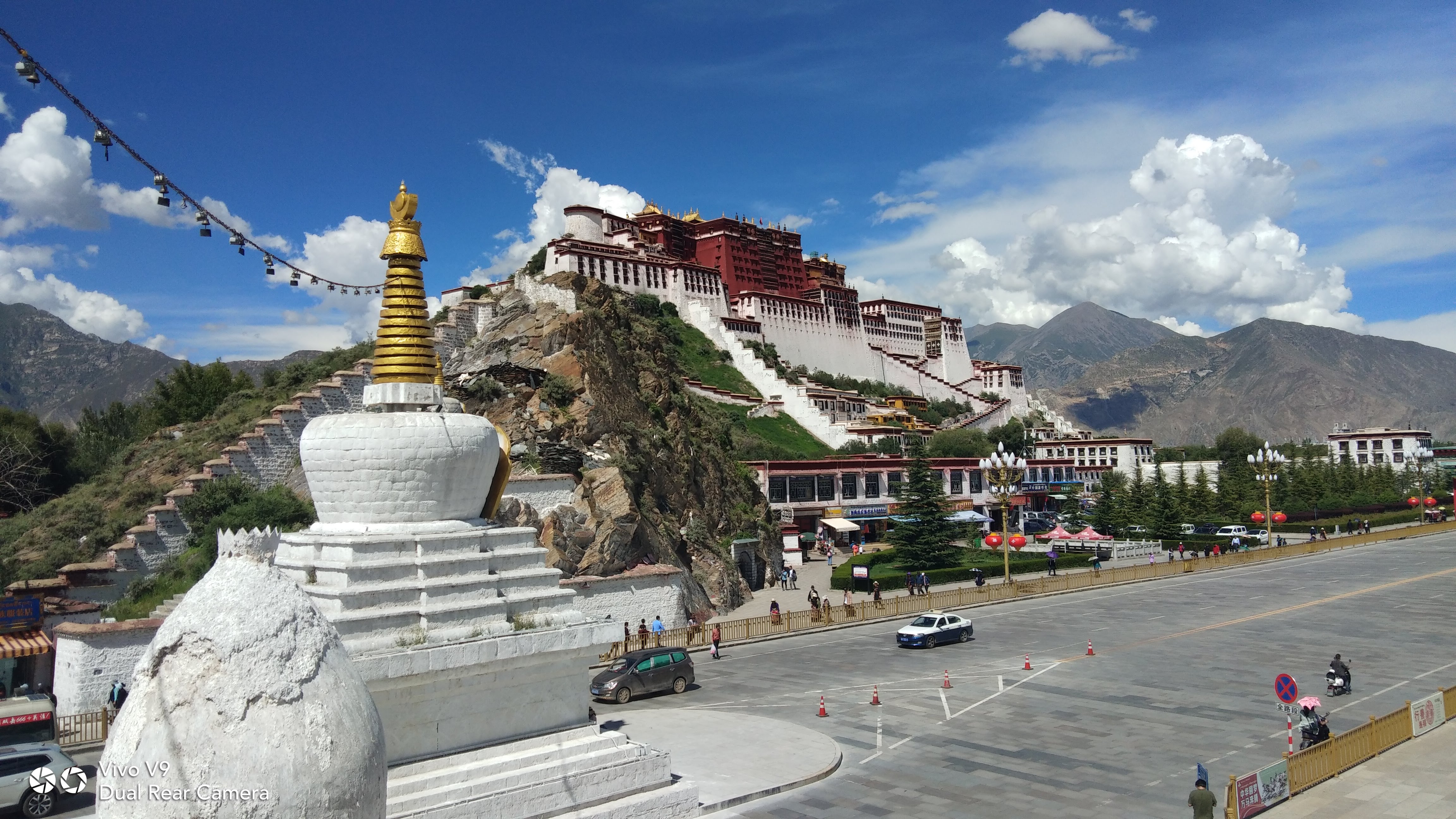
Choosing the Best Season for Your Mt Kailash Tour in 2026

Embarking on a Mt Kailash Tour is more than a trek; it’s a once-in-a-lifetime pilgrimage, a spiritual quest that draws adventurers and devotees from across the globe. Nestled in the remote reaches of Tibet, the experience is profoundly shaped by the forces of nature. For those setting their sights on 2026, planning is paramount, and it all begins with one crucial decision: when to go.

The Mt Kailash Kora (the sacred circumambulation) is primarily accessible from late April to early October. Each season—spring, summer, and autumn—paints the landscape in a different light, offering a unique blend of challenges and rewards. Let’s break down what you can expect from each to help you plan your perfect journey.

Spring (Late April – June)

Spring is the grand opening of the Mt Kailash pilgrimage season. As the long winter recedes, the region awakens in a burst of life and color.

  • Weather & Temperature: This is a transitional season. Days in late April and May can be pleasantly cool (5°C to 15°C / 41°F to 59°F), but nights remain cold, often dropping below freezing. By June, temperatures become more comfortable, with daytime highs reaching up to 20°C (68°F) in the lower valleys. However, be prepared for sudden weather changes—snow flurries are possible, especially at higher altitudes.
  • Crowd Levels: Low to Moderate. You’ll beat the main summer rush, offering a more solitary and contemplative experience on the trail.
  • Pros:
    • Vibrant Landscapes: The valleys are carpeted with fresh grass and early wildflowers, creating stunning contrasts against the snow-capped peaks.
    • Fresh Snow: The mountains, including Kailash itself, are often still adorned with a brilliant white coat of snow, making for spectacular photography.
    • Serene Atmosphere: With fewer pilgrims, the spiritual ambiance feels more intimate and personal.
  • Cons:
    • Unpredictable Conditions: The weather is the most volatile of the year. The high pass, Dolma La (5,636m), can still be treacherous with ice and snow.
    • Colder Nights: Camping or staying in basic guesthouses requires a high-quality, cold-weather sleeping bag.

Verdict for 2026 Travelers: Choose spring if you seek a pristine, less-crowded experience and are prepared with gear for variable, cold conditions. The payoff is breathtaking alpine scenery at its most dramatic.

Summer (July – August)

This is the peak season for the Mt Kailash Tour, coinciding with the Tibetan summer and key pilgrimage festivals. The weather is at its warmest, but it also brings the monsoon’s influence.

  • Weather & Temperature: This is the warmest time of year, with daytime temperatures in the lowlands a comfortable 10°C to 25°C (50°F to 77°F). However, this is also the rainy season. You can expect afternoon cloud build-up and sporadic showers, which can turn to sleet or snow at higher elevations.
  • Crowd Levels: High. This is the busiest period, especially with Indian pilgrims during July. The trails and guesthouses can be crowded.
  • Pros:
    • Most Favorable Weather: The coldest temperatures are behind you, making the trek physically less demanding due to the cold.
    • Lush Vegetation: The landscape is a vibrant green, and lakes like Manasarovar are at their most brilliant blue.
    • Festive Vibe: The energy is high, and you’ll be sharing the path with thousands of devout pilgrims, which can be a culturally enriching experience.
  • Cons:
    • Crowds: The sheer number of people can detract from the sense of solitude for some.
    • Rain & Clouds: Precipitation can obscure the majestic views of Mt Kailash, and the trails can be muddy.
    • Higher Costs: Due to peak demand, tour prices are often at their highest.

Verdict for 2026 Travelers: Opt for summer if you prioritize warmer temperatures and thrive on vibrant, communal energy. Be ready for crowds and book your tour well in advance. Don’t forget quality rain gear!

Autumn (September – Early October)

Widely regarded as the golden window for a Mt Kailash Tour, autumn strikes a perfect balance between pleasant weather, stunning scenery, and manageable crowds.

  • Weather & Temperature: The monsoon rains have passed, leaving behind crystal-clear, deep blue skies. Daytime temperatures are very pleasant (8°C to 18°C / 46°F to 64°F), while nights are crisp and cold. The air is dry, and visibility is typically exceptional.
  • Crowd Levels: Moderate. The large summer crowds have dissipated, but you won’t be alone. It’s a comfortable balance.
  • Pros:
    • Ideal Trekking Conditions: Stable weather, minimal precipitation, and comfortable temperatures make for the most reliable and enjoyable trekking conditions.
    • Unobstructed Views: The chance of seeing Mt Kailash in its full, unobscured glory is highest during this period.
    • Stunning Contrasts: The clear air provides incredible light for photography, and the autumn colors in the surrounding valleys are beautiful.
  • Cons:
    • Shorter Window: The season ends abruptly in early October as winter begins to set in, with temperatures dropping quickly.
    • Cold Nights: While days are perfect, nights are decidedly cold, requiring warm gear.

Verdict for 2026 Travelers: If your schedule allows, autumn is highly recommended. It offers the best all-around experience with superb weather, great visibility, and a peaceful yet social atmosphere on the trail.

Your 2026 Pilgrimage Awaits: Start Planning Today

The path to Mt. Kailash is not just a trek, but a story waiting to be written into your life. You’ve seen the seasons; now it’s time to choose your chapter. Will it be the fresh blossoms of spring, the vibrant energy of summer, or the golden perfection of autumn?

The journey to the roof of the world requires meticulous planning, and 2026 will be here before you know it. The first step on your kora begins not in Tibet, but right here, right now.

Ready to take that step?

Contact a reputable Tibet tour and travel specialist today! Get a personalized quote for your 2026 Mt. Kailash tour, clarify all your permit questions, and secure your spot on this transformative adventure. The mountains are calling – answer them.

Start Your Journey Now: Quick Inquiry for Mt Kailash Tour 2026

Dreaming of Mt Kailash in 2026? 5 Unbeatable Advantages of a Group Joining Tour

So, you’ve set your sights on 2026. The year you finally embark on the journey of a lifetime: the sacred Mt Kailash Tour. It’s a decision that promises profound transformation, breathtaking landscapes, and an adventure like no other. But as you start planning, a crucial question arises: should you go it alone or join a group?

While independent travel has its allure, when it comes to the remote and challenging terrain of Tibet, there’s a compelling case for a Group Joining Mt Kailash Tour. Let’s explore the five unbeatable advantages that make this the smartest choice for your pilgrimage.

1. The Ultimate Key to a Budget-friendly Mt Kailash Tour

Let’s talk about the elephant in the room: cost. A pilgrimage to Mt. Kailash involves permits, transportation, accommodation, and guides—all of which can add up quickly for a solo traveler. This is where the power of a group truly shines.

By opting for a Group Joining Mt Kailash Tour, you instantly share the significant fixed costs. Think about it: the cost of a private 4WD vehicle, a guide, and all the necessary permits is divided among the group members. This collective bargaining power is the single biggest factor in creating a genuinely Budget-friendly Mt Kailash Tour. The savings are substantial, allowing you to allocate your funds towards better gear, a longer stay, or even a future adventure.

2. Built-in Camaraderie: Your Instant Travel Family

The journey to Kailash is as much an emotional one as it is a physical one. The high altitudes and the strenuous three-day Kora (circumambulation) can be daunting. When you join a group, you’re not just sharing costs; you’re sharing the experience.

You’ll be surrounded by like-minded individuals who share your sense of wonder and determination. The friendships forged while encouraging each other up the Dolma La Pass or sharing a warm meal in a guesthouse are often as memorable as the destination itself. This built-in support system turns potential challenges into shared triumphs, making your Mt Kailash Tour richer and more enjoyable.

3. Streamlined Logistics: Your Peace of Mind is Our Priority

Organizing a Mt Kailash Tour from abroad is complex. It involves navigating Tibetan travel regulations, securing Alien Travel Permits, arranging special border permits, and booking accommodations in remote areas. This can be a logistical maze that consumes precious time and energy.

When you join a reputable group tour, all of this is handled for you. Expert operators take care of every detail, from the moment you land in Lhasa to your final farewell. Your only job is to be present and immerse yourself in the journey. For a trip of this magnitude, that peace of mind is absolutely priceless.

4. Expert Guidance Every Step of the Way

A guide on a Mt Kailash Tour is so much more than just a navigator. They are a cultural interpreter, a spiritual advisor, and a vital safety resource. Group tours provide experienced guides who are deeply knowledgeable about the region’s history, Buddhist and Bon traditions, and the nuances of the Kora.

They know the best times to trek, how to manage altitude sickness, and the hidden stories behind each sacred site. This expert insight will deepen your understanding and appreciation of the pilgrimage in a way that a guidebook simply cannot match.

5. Safety in Numbers in a Remote Environment

The Tibetan Plateau is majestic but unforgiving. High altitude, unpredictable weather, and remote locations mean that safety must be the top priority. A Group Joining Mt Kailash Tour inherently offers a safer environment.

With a guide leading the way and a group to look out for one another, you have a built-in safety net. In the rare case of a health issue or an emergency, the group structure ensures a swift and coordinated response. Traveling with a licensed tour operator also means they have established protocols and connections for assistance, providing an essential layer of security for you and your loved ones back home.

Your 2026 Adventure Awaits

Choosing a Group Joining Mt Kailash Tour isn’t just about saving money—it’s about enhancing every aspect of your journey. It’s about community, convenience, and the confidence to fully embrace this life-changing experience.

As you dream of your 2026 pilgrimage, consider the path of shared adventure. It’s the smartest, safest, and most socially enriching way to answer the call of the sacred mountain.

Ready to take the first step? Explore our specially curated 10-day spiritual journey, designed to offer an unforgettable and Budget-friendly Mt Kailash Tour.
Discover the Itinerary for Your 2026 Kailash Pilgrimage Here: https://www.tibettour.travel/kailash-spiritual-tour-10-days
The journey of a lifetime is best shared.

Can Senior Citizens Do the Mt. Kailash Kora? An Honest Guide for Seasoned Travelers

The call of Mount Kailash is timeless. Revered as the spiritual center of the universe by billions of Hindus, Buddhists, Jains, and Bonpos, this majestic peak in remote Tibet draws pilgrims and adventurers from across the globe. The primary act of devotion is the Mt. Kailash Kora (or Parikrama), a 52-kilometer (32-mile) high-altitude trek that circumambulates the sacred mountain.

For senior citizens with a lifetime of experience and a deep well of spiritual curiosity, the question isn’t “Why go?” but “Can I actually do it?”

The answer is a resounding “Yes, but…”

With realistic preparation, the right support, and managed expectations, many healthy seniors complete this profound journey. It is not a race; it’s a pilgrimage. Here’s what you need to know to assess your own journey.

The Realities: Altitude and Terrain

Before dreaming of the vistas, it’s crucial to understand the challenges:

  1. High Altitude: The Mt Kailash tour starts high and goes higher. The trek begins at around 4,600 meters (15,100 ft) at Darchen and crosses the Dolma La Pass at a breathtaking 5,636 meters (18,500 ft). Altitude Sickness (AMS) is the most significant risk, regardless of age. Symptoms include headache, nausea, dizziness, and severe fatigue.
  2. The Trail: The Kora is rugged. You will encounter rocky paths, long ascents and descents, and some uneven terrain. The pass itself can have snow, even in summer. It is not a gentle walk in the park.

Essential Tips for a Successful Senior Pilgrimage

If you are a senior citizen considering this trip, your success hinges on intelligent planning.

1. Medical Clearance is Non-Negotiable
Consult your doctor, specifically about high-altitude travel. Be honest about your cardiovascular health, joint strength (especially knees for the descents), and overall stamina. This is the first and most important step.

2. Choose the Right Time and Tour Operator
Your choice of a Mt. Kailash tour operator is one of the most critical decisions you will make. Do not cut corners here.

  • Look for Specialized Operators: Seek companies with proven experience guiding senior travelers. They will have protocols for slower pacing, oxygen support, and emergency contingency plans.
  • Longer Itineraries are Better: Opt for a tour that includes at least 2-3 nights for acclimatization in places like Lhasa (3,650m) before even heading to Kailash. A rushed itinerary is the fastest way to get AMS.
  • Horse or Porter Support: This is not a sign of weakness; it’s a sign of wisdom. For the high pass day, seriously consider hiring a horse or a porter to carry your daypack. You can even ride the horse for parts of the strenuous ascent if needed. A good tour operator will arrange this.

3. Train Realistically
You need to be in good hiking shape.

  • Focus on Cardio: Build endurance with regular walking, swimming, or cycling months in advance.
  • Practice with a Pack: Train on local trails with a daypack loaded as it will be on the trek.
  • Stair Master is Your Friend: The ascent to Dolma La is long and steady. Training on stairs or hills is perfect preparation.

4. Acclimatize Religiously
Follow the “climb high, sleep low” principle. Drink vast amounts of water (3-4 liters per day) to combat the dry air and aid acclimatization. Listen to your guide and communicate any symptoms of AMS immediately.

5. Pack with Precision

  • Footwear: Well-broken-in, waterproof, ankle-supporting hiking boots are essential.
  • Layers: Weather changes instantly. Pack thermal layers, a quality fleece, a down jacket, and a waterproof and windproof outer shell.
  • Trekking Poles: These are invaluable for saving your knees on descents and providing stability on rocky paths.
  • Medications: Bring a comprehensive personal first-aid kit, including any prescription meds and remedies for headaches and stomach issues.

A Realistic Itinerary for Seniors

A senior-friendly Mt. Kailash Kora itinerary typically spans 4 days for the trek itself, rather than the standard 3, and is part of a longer 15- to 18-day tour from Lhasa.

  • Day 1 (Trek): Darchen to Dirapuk Monastery (~20km). A long, relatively flat day to start. Take it slowly.
  • Day 2 (Trek): Dirapuk to Zutrulphuk via Dolma La Pass (~18km). The toughest day. Start before dawn, go at your own pace, and use a horse if arranged.
  • Day 3 (Trek): Zutrulphuk to Darchen (~14km). An easier, mostly flat day to complete the circuit, often with a great sense of accomplishment and relief.
  • Rest Day: A good itinerary will build in a rest day in Darchen before or after the trek.

Is This Journey Right for You?

You are an ideal candidate if:

  • You are in good health with no uncontrolled heart or lung conditions.
  • You have a positive, resilient mindset and understand this is a challenge.
  • You are willing to invest in a reputable tour operator and the necessary support (horses, porters).

You should reconsider if:

  • You have severe knee, hip, or back problems.
  • You have a history of cardiovascular or respiratory issues.
  • You are unwilling to undergo the necessary physical training.

Your Journey to Kailash Begins with a Conversation

The Mt. Kailash Kora is a life-changing achievement at any age. For seniors, it represents the pinnacle of adventure and spiritual discovery. The key to a safe and successful journey lies in expert planning and honest self-assessment.

This article provides a foundation, but individual needs vary. The most important step you can take is to speak with a specialist Mt Kailash tour operator.

Ready to explore your potential journey? Contact a reputable tour company today. Ask them the hard questions about their experience with senior travelers, their safety protocols, and how they can customize an itinerary to match your pace. A credible operator will be happy to provide detailed advice and realistic guidance to help you decide if this sacred pilgrimage is your next great adventure.

Make an informed inquiry—your spiritual adventure awaits.

Your Guide to Altitude Sickness on a Tibet Tour

Embarking on a Tibet tour is a dream for many adventurers. The allure of ancient monasteries, breathtaking Himalayan vistas, and the unique Tibetan culture is undeniable. However, traveling to the “Roof of the World” comes with a significant physical challenge: high altitude. Lhasa itself sits at a dizzying 3,656 meters (11,990 ft), and many popular destinations are even higher.

Proper preparation is not just recommended; it’s essential for a safe and enjoyable journey. This guide will walk you through everything you need to know about Acute Mountain Sickness (AMS) to ensure your adventure is memorable for all the right reasons.

Understanding Altitude Sickness (Acute Mountain Sickness – AMS)

Altitude sickness occurs when you cannot get enough oxygen from the air at high elevations. Your body needs time to adapt to the lower oxygen levels, a process known as acclimatization. Symptoms can range from mild to severe and typically appear 6-24 hours after ascent.

Common Mild Symptoms:

  • Headache (the most common symptom)
  • Dizziness or light-headedness
  • Nausea or loss of appetite
  • Fatigue or weakness
  • Shortness of breath
  • Disturbed sleep

Severe Symptoms (requiring immediate medical attention):

  • Severe headache that doesn’t respond to painkillers
  • Confusion, loss of coordination, or clumsiness
  • Vomiting
  • Tightness in the chest or a bubbling cough (signs of High Altitude Pulmonary Edema – HAPE)
  • Extreme fatigue and drowsiness (signs of High Altitude Cerebral Edema – HACE)

How to Prepare Before Your Tibet Tour

The key to preventing AMS is a combination of physical preparation and strategic planning.

  1. Get a Health Check-Up: Before booking your trip, consult your doctor, especially if you have pre-existing heart or lung conditions. Discuss the possibility of obtaining a prescription for Acetazolamide (Diamox), a medication that can help accelerate acclimatization.
  2. Choose Your Itinerary Wisely: The rate of your ascent is the single most important factor. This is where selecting the right tour type is crucial.
    • Fly-in Drive-out Tibet Tour: This is often considered the safest and most recommended option for acclimatization. You fly into Lhasa, which is a sudden gain in altitude, but then you spend 2-3 full days in Lhasa resting and acclimatizing before driving out to even higher areas like Everest Base Camp. This gives your body the critical time it needs to adjust in a city with good medical facilities.
    • Drive-in in Drive-out Group Joining Tibet Tour: Opting for a drive-in, drive-out group joining a Tibet tour is one of the best ways to manage acclimatization. This overland journey allows for a much more gradual ascent compared to flying, significantly reducing the risk of AMS. Reputable tour operators are experts in pacing these road itineraries for proper acclimatization, scheduling stops at optimal altitudes. They handle all the complex logistics of land travel permits and transportation, their guides are trained to recognize the symptoms of AMS, and they have clear protocols in place to ensure everyone’s safety. Furthermore, you benefit from the shared experience and camaraderie of fellow travelers throughout the scenic road trip.
  3. Physical Fitness: While being fit is beneficial, it does not make you immune to AMS. Focus on cardiovascular exercises (like swimming, cycling, or running) in the months leading up to your trip. However, avoid strenuous workouts immediately before you travel.
  4. Pack Smart:
    • Medication: Bring painkillers (Ibuprofen) for headaches, anti-nausea medication, and any prescriptions from your doctor.
    • Hydration: A reusable water bottle is essential.
    • Sun Protection: The sun is extremely strong at high altitudes. Pack high-SPF sunscreen, lip balm, a wide-brimmed hat, and sunglasses.
    • Layered Clothing: Temperatures can fluctuate dramatically.

How to Stay Safe and Acclimatize During Your Tour

Once you’re in Tibet, your actions will determine how well you adapt.

  1. Ascend Slowly: This is the golden rule. Whether you’re on a group tour to Tibet or a private one, never rush. The recommended safe ascent rate is no more than 300-500 meters (1,000-1,640 ft) of gain per day once you are above 3,000 meters.
  2. Hydrate Relentlessly: Drink plenty of fluids (3-4 liters per day). Water, herbal teas, and electrolyte-replacement drinks are best. Avoid alcohol and caffeine for at least the first few days, as they can contribute to dehydration.
  3. Eat Light and Carbohydrate-Rich: Your body may not handle heavy, rich foods well. Opt for easy-to-digest carbs like noodles, rice, and soups.
  4. Take It Easy (The Tibet Pace): For the first 48 hours, avoid any strenuous activity. Walk slowly, take lots of breaks, and don’t overexert yourself. Relax and enjoy the mesmerizing atmosphere of Lhasa.
  5. Listen to Your Body: Be aware of your symptoms. A mild headache is common, but if symptoms worsen, do not ascend further. The best treatment for AMS is descent. Inform your tour guide immediately—they are trained to handle these situations.
  6. Consider Oxygen: Many hotels in Lhasa and Shigatse have oxygenated rooms or offer portable oxygen cans for rent. For a fly-in, drive-out Tibet tour that goes to Everest Base Camp, your tour vehicle will carry a medical oxygen cylinder for emergencies. Using supplemental oxygen can be a great help for sleeping better in the first few nights.

Tibet tour is a profound and life-changing experience. While altitude sickness is a real concern, it is largely manageable with the right knowledge and preparation. By choosing a well-paced itinerary like a fly-in, drive-out Tibet tour and joining a reputable group tour, you significantly stack the odds in your favor for a safe and successful adventure on the majestic Plateau of Tibet.

Prepare well, ascend slowly, and get ready to be awed by the breathtaking beauty and spiritual depth of Tibet.

Cycling Tibet Tour: The Ultimate 18-Day High-Altitude Adventure

Have you ever dreamed of a cycling adventure that transcends the ordinary? One where every pedal stroke is against a backdrop of prayer-flag-adorned passes, ancient monasteries, and the roof of the world? A Cycling Tibet Tour is not just a trip; it’s a pilgrimage on two wheels, a test of endurance, and a journey into the heart of the Himalayas.

If you’re seeking the adventure of a lifetime, our meticulously crafted 18-Day Mountain Bike Cycling Tibet Tour is designed to deliver an unparalleled experience. This isn’t just a Tibet tour in cycling; it’s a deep immersion into the soul-stirring landscapes and profound culture of the world’s highest plateau.

Why Choose a Cycling Tour to Tibet?

Cycling is, without a doubt, the most immersive way to experience Tibet. Unlike being confined to a vehicle, on a bike, you are part of the environment. You feel the crisp, thin air, smell the burning juniper incense, and have the freedom to stop and connect with the breathtaking scenery and friendly locals at your own pace. It’s a challenging yet incredibly rewarding way to earn those majestic views.

Your 18-Day Cycling Tibet Tour Itinerary: A Day-by-Day Breakdown

This journey is carefully planned for acclimatization, cultural immersion, and, of course, epic cycling.

Part 1: Acclimatization & Culture in Lhasa (Days 1-4)

Your adventure begins in Lhasa (3,650m). The first few days are crucial for acclimatizing to the high altitude. We explore the city’s iconic sites, including the majestic Potala Palace, the spiritual heart of Jokhang Temple, and the debating monks at Sera Monastery. This cultural foundation makes the cycling ahead even more meaningful.

Part 2: The Cycling Begins – Lhasa to Gyantse (Days 5-7)

  • Day 5: We drive to the trailhead and begin our first cycling stretch to Yamdrok Lake, one of Tibet’s most sacred lakes, its turquoise waters a stunning contrast to the barren mountains.
  • Day 6: A major highlight – cycling over the Karo La Pass (5,010m) with incredible views of the glacier tumbling down towards the road. We then continue to Gyantse.
  • Day 7: Explore Gyantse’s historic Pelkor Monastery and the magnificent Kumbum Stupa before a pleasant afternoon cycle to the traditional town of Shigatse.

Part 3: The Road to Everest (Days 8-12)

  • Day 8: Cycle from Shigatse towards Lhatse, a ride that gets you deeper into the raw, high-altitude landscape of Tibet.
  • Day 9: Conquer the Gyatsola Pass (5,248m) before a thrilling descent. We then transfer to the remote Old Tingri, our gateway to Everest.
  • Day 10: The ultimate challenge and reward. We cycle from Tingri towards Rongphu Monastery, with the north face of Mt. Everest (8,848m) gradually revealing itself in all its glory. The sight of the world’s highest peak from your bicycle is a moment you will never forget.
  • Day 11: Witness the sunrise over Everest—a truly magical experience. After exploring, we transfer back to Shigatse.

Part 4: Return to Lhasa & Departure (Days 12-18)

The journey back to Lhasa allows for reflection on the incredible feat you’ve accomplished. We have a final day in Lhasa to relax, explore, or do some last-minute souvenir shopping before departing Tibet.

What’s Included in Your Adventure?

We handle the logistics so you can focus on the ride. Our Cycling Tibet Tour package includes:

  • All Tibet Travel Permits: Including the Tibet Travel Permit, Alien’s Travel Permit, and Frontier Pass.
  • Expert Guidance: English-speaking Tibetan tour guide and experienced support driver.
  • Comfortable Transportation: Support vehicle for you, your luggage, and your bike throughout the tour.
  • Quality Accommodation: Twin-sharing hotel accommodation (3-4 star) and guesthouses where necessary.
  • Meals: Daily breakfasts and some dinners.
  • Mountain Bike: Well-maintained mountain bike for the duration of the cycling tour.
  • All Entrance Fees: To all monasteries, palaces, and parks listed in the itinerary.

Is This Cycling Tour to Tibet For You?

This is a challenging trip designed for experienced cyclists with a good level of fitness. You should be comfortable with:

  • High Altitude: Riding at elevations between 3,600m and 5,200m.
  • Long Distances: Cycling an average of 50-80km per riding day.
  • Variable Conditions: Be prepared for sun, wind, and potentially cold temperatures.

Proper acclimatization is built into the itinerary, but training beforehand is essential.

Ready to Embark on Your Tibet Tour by Cycling?

Cycling Tibet Tour is more than a vacation; it’s a story you will tell for the rest of your life. It’s about the burn in your legs as you climb a 5,000-meter pass, the silence of the Tibetan plateau broken only by the sound of your wheels, and the profound sense of achievement as you gaze upon Mount Everest from the saddle of your bike.

Are you ready to take on the ultimate high-altitude adventure?

👉 Click here to explore the full detailed itinerary and book your 18-Day Mountain Bike Cycling Tibet Tour today!

Budgeting for the Ultimate Pilgrimage: Your 2026 Mt. Kailash Tour Cost Explained for Indians

For countless Indians, the journey to Mount Kailash and Lake Manasarovar is the ultimate pilgrimage. It’s a sacred dream, a calling to walk in the footsteps of gods and sages. This abode of Lord Shiva is not just a mountain; it’s the spiritual axis of the world for Hindus, Jains, Buddhists, and Bonpos. However, planning this journey can often feel daunting, especially when it comes to understanding the cost.

This guide is designed to bring clarity and transparency. We break down the expenses involved in a Budget Mt Kailash tour for Indian passport holders, showing you how a group joining a Mt Kailash tour for Indian citizen makes this divine yatra not only possible but also profoundly fulfilling.

A Transparent Cost Breakdown: What You Pay For

Understanding what is included in your tour price is the first step to smart budgeting. A reputable tour package should be comprehensive, leaving no room for unexpected surprises. Here’s a typical breakdown:

What’s INCLUDED in Your Tour Cost:

  • Permits: This is the most critical part. The package includes the entire facilitation of the Chinese Group Visa (mandatory for Indians traveling via Nepal) and all required Tibet Travel Permits (TTP & ATP). We handle the complex paperwork so you don’t have to.
  • Accommodation: Twin-sharing accommodation in hotels/guesthouses throughout the tour, including in Kathmandu, Nyalam, Saga, and Darchen. (Note: Accommodation during the 3-day Kora is in basic guesthouses or tent camps).
  • Transportation: All land transportation in Nepal and Tibet. This includes a comfortable private vehicle for the long drives across the Tibetan plateau and support vehicles or yaks/porters for carrying gear during the Kora trek.
  • Meals: All meals as per the itinerary (typically breakfast, lunch, and dinner) from the day you join the group in Kathmandu.
  • Guide & Support: Services of an experienced English/Hindi speaking Tibetan guide and a Nepali tour manager, ensuring smooth communication and cultural insights.
  • Fees: All entrance fees to monasteries and sites as per the itinerary.

What’s typically EXCLUDED (Plan for these separately):

  • Airfare: Your flights to and from Kathmandu, India.
  • Nepal Visa: The cost of the visa-upon-arrival for Indian citizens in Nepal (usually nominal).
  • Personal Expenses: Expenses for bottled water, beverages, phone calls, laundry, and souvenirs.
  • Tips: Tips for guides and drivers (always optional but appreciated).
  • Travel Insurance: Comprehensive travel insurance that covers high-altitude trekking is highly recommended.
  • Meals in Kathmandu: Some packages may exclude meals in Kathmandu if you arrive early.

Why a Group Tour is the Most Cost-Effective Choice

The single biggest factor that makes a Kailash Mansarovar Yatra affordable for the middle-class Indian traveler is the power of a group. Here’s how a group joining tour significantly reduces costs:

  • Shared Costs: The major expenses—like the private vehicle for the long journey, the guide fees, and the cost of organizing permits—are split among all group members. This brings the per-person cost down dramatically compared to arranging a private tour.
  • Bulk Agreements: Tour operators have fixed rates with hotels and transport providers based on group volume, securing better prices than an individual traveler ever could.
  • Efficient Logistics: Managing permits and logistics for a single group is far more efficient than doing it for individuals, and these savings are passed on to you.

Beyond Price: The Value of Hassle-Free Logistics

When you budget for this pilgrimage, you are not just paying for hotels and buses. You are investing in peace of mind.

The permit process for Indian citizens is unique and complex. By choosing an expert-led group tour, you are paying for:

  • Expertise: We navigate the intricate permit system on your behalf.
  • Safety: Experienced guides manage acclimatization, health checks, and any unforeseen challenges on the high-altitude trek.
  • Focus: With all logistics handled, you are free to devote your entire energy to the spiritual experience—to pray, meditate, and absorb the divine energy of Kailash without a single worldly worry.

This seamless experience is the true value of your investment.

Embark on Your Spiritual Journey with Us

A journey to Mt. Kailash is a once-in-a-lifetime experience, and understanding the cost shouldn’t be a barrier. Choosing a group joining Mt Kailash tour for Indian citizen is the smartest way to make this sacred dream a reality—offering both financial accessibility and invaluable logistical support.

Ready to take the first step? For the most accurate and detailed 2026 itinerary and pricing, visit our dedicated page for Indian pilgrims here: Mt. Kailash Tour for Indian Citizens – Group Joining.

Let us handle the details. You focus on the devotion.

The Overland Journey from Lhasa to Kathmandu: A Road Trip of a Lifetime

Ever dreamed of a journey that’s more about the feeling of the road under your wheels than just the destinations? A trip where ancient monasteries, towering Himalayas, and the warm smiles of locals are your daily highlights? That’s exactly what the overland adventure from Lhasa to Kathmandu promises.

If you’re a traveler craving a real, raw adventure without a luxury price tag, a Budget-Friendly Tibet tour like this might be the most incredible experience you’ve ever treated yourself to. I recently did my research and found this perfect Lhasa group joining tour—a classic 8-day Tibet overland tour that seems to check every box for an unforgettable expedition.

Here’s what I, as a fellow traveler, am most looking forward to on this epic road trip.

First, Let’s Talk About the “Group Joining” Vibe

The idea of a Lhasa group joining tour is instantly appealing. You start alone but journey with a small group of like-minded explorers from all over the world. It’s a chance to share gasps of awe at the same breathtaking views, swap stories over steaming cups of butter tea, and make new friends. For a solo traveler, it’s the perfect blend of independence and camaraderie, all while making the trip more affordable. There’s a special kind of bond that forms when you’re sharing such a powerful experience with others. The conversations during those long, beautiful drives, the encouragement during steep climbs at high altitude, and the collective wonder at a clear view of Everest—these are the moments that transform a group of strangers into a band of adventurers.

The Itinerary: A Slow Ascent into Wonder

This isn’t a rushed tour. It wisely spends time acclimatizing in Lhasa, which is crucial for enjoying the rest of the journey. Here’s what the journey looks like:

  • Days 1-3: Falling in Love with Lhasa. The adventure begins by soaking in the spiritual heart of Tibet. I look forward to getting lost in the maze of the Potala Palace, feeling the devout energy of pilgrims at the Jokhang Temple, and debating Buddhist philosophy with monks in the ancient halls of Sera and Drepung Monasteries. This slow start is key to connecting with Tibet’s soul before hitting the road. Beyond the major sites, I’m eager to wander the Barkhor Street circuit, circling the Jokhang Temple alongside Tibetan pilgrims. It’s a moving, living ritual of spinning prayer wheels and murmured mantras—a truly immersive cultural experience.
  • Days 4-5: The Open Road & Turquoise Lakes. This is where the Tibet overland tour truly begins! The drive from Lhasa to Shigatse and then to Shegar is where the picture-postcard views start rolling in. I’m most excited about Lake Yamdrok-tso—that stunning, turquoise-blue lake nestled between mountain peaks. Passing through the towering Karo-la Glacier (over 5,000 meters!) is a moment I can already picture. The journey itself is the destination on these days. I’m looking forward to the ever-changing scenery outside the window, the occasional sight of wild yaks grazing, and stopping in small towns for a simple lunch of thukpa (noodle soup), feeling a world away from everything.
  • Day 6: The Everest Base Camp Moment. The pinnacle of any Tibet adventure. The tour includes a stay at the Rongphu Monastery Guesthouse or a tent camp, right under the gaze of the north face of Mount Everest. The thought of seeing the sun set and rise on the summit of the world is the kind of moment you carry with you forever. It’s not just about the photo op; it’s about the profound silence and awe that comes with being in the presence of such raw, powerful nature. The air is thin, the temperatures drop, but the experience is incredibly humbling and uplifting all at once.
  • Day 7-8: The Descent into Nepal. The adventure continues as we cross from the high, dry Tibetan plateau into the lush, green valleys of Nepal. The drive from Tingri to the border town of Zhangmu is said to be one of the most dramatic landscape transitions on earth. After saying goodbye to our Tibetan guide, we complete the final leg to Kathmandu, a city bursting with a completely different, yet equally fascinating, energy. Arriving in Kathmandu after the spiritual serenity of Tibet is a sensory explosion—a vibrant chaos of colors, sounds, and smells that marks the perfect end to this transformative journey.

Beyond the Sights: The Feel of the Journey

A trip like this leaves its mark on you. It’s in the taste of salty butter tea, an acquired taste that becomes a fond memory. It’s in the sound of monks chanting and the flutter of prayer flags in the wind—the constant soundtrack of Tibet. It’s the feeling of the sun on your face at 5,000 meters and the crisp, thin air filling your lungs. This Tibet overland tour is as much about an internal journey as it is an external one. It offers a chance to disconnect from the busyness of daily life and reconnect with something much older and simpler.

What Makes This a “Trip of a Lifetime”?

  • The Changing Landscapes: From arid plateaus and glacial passes to the deepest gorges and finally, subtropical forests, all from a vehicle window.
  • The Cultural Whiplash: Experiencing the profound Buddhist serenity of Tibet and then diving into the chaotic, vibrant Hindu buzz of Kathmandu in one seamless trip.
  • It’s Achievable: As a Budget Tibet tour, it makes this incredible journey accessible. It covers the essentials—comfortable transport, knowledgeable guides, permits, and accommodation—without the frills, allowing you to invest purely in the experience.

A Few Things I’m Keeping in Mind (The Real Talk)

This isn’t a five-star resort vacation, and that’s the point! It’s an expedition. I’m preparing for basic guesthouses, especially at Everest Base Camp, and long but incredibly scenic driving days. The altitude is no joke, so I’ll take the acclimatization days in Lhasa seriously. Most importantly, I’m going with an open mind and a flexible spirit—ready for adventure, unexpected delays, and the magic that comes with it. The key is to pack patience, a sense of humor, and layers of warm clothing! Remember, the challenge is part of what makes the rewards so sweet.

If you’re looking for a genuine adventure that challenges and rewards you in equal measure, this overland journey from Lhasa to Kathmandu is it. It’s more than a tour; it’s a story waiting to be lived.

Ready to write your own story? This specific 8-day Lhasa to Kathmandu Lhasa group joining tour itinerary can be found here: https://www.tibettour.travel/tibet-group-joining-tour-8-days

Why Mt. Kailash is the Most Sacred Pilgrimage in the World?

Nestled in the remote reaches of the Tibetan Plateau, Mt. Kailash stands as a beacon of spiritual enlightenment and cultural reverence. Known as the “Axis Mundi” or the center of the universe, this majestic peak is considered the most sacred pilgrimage site in the world. For millennia, it has drawn millions of pilgrims, adventurers, and seekers of truth from diverse religious backgrounds. But what makes Mt. Kailash so profoundly significant? Let’s explore the spiritual and cultural importance of this enigmatic mountain.

The Spiritual Significance of Mt. Kailash

Mt. Kailash
Mt Kailash

Mt. Kailash is revered as a sacred site in four major religions: Hinduism, Buddhism, Jainism, and Bon. Each tradition attributes its unique spiritual significance to the mountain, yet all agree on its divine nature.

  1. In Hinduism:
    For Hindus, Mt. Kailash is the abode of Lord Shiva, the destroyer and transformer within the Holy Trinity. It is believed that Shiva resides atop the mountain in a state of eternal meditation, alongside his consort, Goddess Parvati. The sacred texts, including the Vedas and Puranas, describe Kailash as a place of ultimate peace and liberation (moksha). Pilgrims undertake the arduous Kailash Parikrama (circumambulation) to seek blessings and cleanse their sins.
  2. In Buddhism:
    Buddhists regard Mt. Kailash as the home of Demchok (or Chakrasamvara), a deity representing supreme bliss. The mountain is also associated with the legendary Mount Meru, the cosmic center of the universe. The Kora (circumambulation) around Kailash is believed to bring good fortune and spiritual merit, with one full circuit said to erase the sins of a lifetime.
  3. In Jainism:
    For Jains, Mt. Kailash is known as Ashtapada, the site where their first Tirthankara, Rishabhadeva, attained enlightenment. The mountain holds immense historical and spiritual importance, symbolizing the path to liberation and purity.
  4. In Bon Tradition:
    The ancient Bon religion, which predates Buddhism in Tibet, considers Mt. Kailash the seat of all spiritual power. It is believed to be the location where the founder of Bon, Tonpa Shenrab, descended from heaven. The mountain is central to Bon rituals and practices.

The Cultural Importance of Mt. Kailash

Beyond its spiritual significance, Mt. Kailash is a cultural treasure trove. Its remote location and untouched beauty have preserved its sanctity over centuries. The mountain is surrounded by pristine lakes, including the sacred Lake Mansarovar, which is believed to cleanse the soul upon bathing in its waters.

The annual Saga Dawa festival, celebrated by Buddhists, marks the enlightenment of Buddha and attracts thousands of pilgrims who gather to perform rituals and prayers. The cultural practices and traditions associated with Mt. Kailash have been passed down through generations, making it a living testament to humanity’s spiritual heritage.

The Mystique of Mt. Kailash

Mt. Kailash is shrouded in mystery and wonder. Unlike other peaks, it has never been climbed, as it is considered sacrilegious to attempt to summit this sacred mountain. Its unique pyramid-like shape, with a vertical gash on its south face, adds to its mystique. The mountain’s four faces are said to be made of crystal, ruby, gold, and lapis lazuli, symbolizing purity, power, and divinity.

The circumambulation of Mt. Kailash, known as the Kora, is a 52-kilometer journey that tests the physical and mental endurance of pilgrims. The trek takes place at an altitude of over 15,000 feet, with the highest point being the Dolma La Pass (18,500 feet). Despite the challenges, the Kora is a transformative experience, offering breathtaking views and a deep sense of connection to the divine.

Why Mt. Kailash is the Ultimate Pilgrimage?

Mt. Kailash is more than just a mountain; it is a symbol of unity, faith, and transcendence. Its universal appeal across religions and cultures makes it a unique pilgrimage site. Here’s why it stands out:

  • A Place of Unity: Mt. Kailash transcends religious boundaries, bringing together people of different faiths in a shared quest for spiritual enlightenment.
  • A Test of Devotion: The challenging journey to and around the mountain is a testament to the pilgrim’s dedication and faith.
  • A Source of Inner Peace: The serene environment and spiritual energy of Mt. Kailash offer a rare opportunity for introspection and self-discovery.

Mt. Kailash is not just a geographical wonder but a spiritual phenomenon. Its unparalleled significance in Hinduism, Buddhism, Jainism, and Bon, combined with its cultural richness and natural beauty, makes it the most sacred pilgrimage in the world. For those who seek to connect with the divine, Mt. Kailash offers a journey like no other—a journey that transcends the physical and touches the soul.

Whether you are a spiritual seeker, a cultural enthusiast, or an adventurer at heart, a Mt. Kailash tour offers the ultimate journey to experience its timeless allure. Embark on this sacred pilgrimage, and you may just find the answers you’ve been searching for.

Your Tibet Tour: A Guide for the Solo Traveller (Spoiler: You Can’t Go Truly Alone)

Have you ever dreamt of standing in the shadow of the Potala Palace, feeling the thin, crisp air of the Himalayas, or witnessing the devout pilgrims circling sacred Mount Kailash? For the intrepid solo traveller, Tibet represents the ultimate frontier—a land of profound spirituality and breathtaking landscapes.

But here’s the crucial question every independent explorer must ask: Is solo travel in Tibet even possible? And more importantly, is it safe?

The answer is a fascinating mix of yes and no. While you cannot backpack through Tibet independently as you might in Southeast Asia or Europe, it is absolutely possible—and highly rewarding—for a solo traveller to experience this majestic region. The secret? Group joining Tibet tours.

The Reality of Travel in Tibet: Why You Can’t Go It Alone

First, let’s address the most important rule. The Tibetan Autonomous Region has specific regulations designed to protect its unique cultural and political environment. This means that the classic image of a lone wanderer with a backpack is not a legal option here.

There are two non-negotiable requirements for any foreign traveller:

  1. You Must Have a Tibet Travel Permit: This is the golden ticket. Unlike a Chinese visa, this permit can only be applied for by an authorised Tibetan travel agency on your behalf. You cannot obtain it yourself.
  2. You Must Be Part of an Organised Tour: Independent travel is not permitted. You must be part of a tour, which, at a minimum, consists of a private driver and a guide. However, the most common and accessible way to meet this requirement is by joining a small group tour.

This means that even if you are travelling alone, you will be placed into a small group of other like-minded travellers. Regulations typically require a minimum of 2 to 4 persons to form a group and apply for the necessary permits. So, while you arrive solo, you travel as part of a team.

The Key to Unlocking Tibet: The Group Joining Tour

This is where the magic happens for the solo traveller. A group joining Tibet tour is specifically designed for individuals, couples, or small parties who want to experience Tibet without the high cost of a private tour.

Think of it as a pre-organised small group adventure where you are the participant. It’s the perfect solution that satisfies government regulations while providing a social, budget-friendly, and incredibly enriching travel experience.

Why a Lhasa Group Joining Tour is Perfect for You:

  • Budget-Friendly: This is the biggest advantage. By sharing the costs of the guide, vehicle, and permits with other travellers, you can experience Tibet for a fraction of the price of a private tour. Your dream trip becomes financially achievable.
  • Built-In Travel Companions: You immediately have a small community to share the awe-inspiring moments with. It’s a fantastic way to meet people from around the world who share your passion for adventure and culture.
  • Logistical Ease: All the complex logistics—permits, transportation, accommodation, guides—are handled by the expert local agency. You just need to show up and immerse yourself in the experience.
  • Safety in Numbers: Travelling with a group and a knowledgeable local guide provides an added layer of security, especially when dealing with high altitudes and remote regions.

The Essential Process: Permits and Your Tibetan Guide

Once you book your spot on a group joining Tibet tour, the agency swings into action.

  • The Permit Process: Using your passport and Chinese visa information, the agency will apply for your Tibet Travel Permit. This process normally takes between 15 to 30 days, depending on the tour itinerary. More remote destinations like Mount Kailash require additional permits, which the agency will also secure. This is why planning and booking well in advance is critical.
  • Your Mandatory Tibetan Guide: Your group will be accompanied by a professional Tibetan guide for the entire journey. This isn’t just a formality; it’s a highlight. Your guide is your cultural interpreter, your history book, your navigator, and your guardian. They provide invaluable context to the monasteries you visit, help you interact with locals, ensure you respect customs, and monitor your health in the high-altitude environment.

From Lhasa to Kailash: Types of Group Tours

The most popular starting point is a Lhasa group joining tour. This typically includes exploring the capital city’s iconic sites, such as the Potala Palace, Jokhang Temple, and Sera Monastery, allowing you time to acclimatise to the altitude.

For the truly adventurous, a Mt. Kailash group joining tour is the ultimate pilgrimage. This multi-day trek around the sacred mountain is a challenging but life-changing experience, made logistically possible and safe through an organized group.

Conclusion: Your Solo Adventure, Our Group

So, is solo travel in Tibet possible? Yes—but it’s brilliantly rebranded as group travel.

Embrace the concept of the group joining tour. It’s not a limitation; it’s your access pass. It’s an affordable, safe, and socially enriching way to fulfil your dream of witnessing the roof of the world. You arrive alone, but you leave with unforgettable memories and often, new friends from across the globe.

Ready to turn your solo dream into a planned reality? Start looking for a reputable travel agency specialising in group joining Tibet tours and begin your application process. Your adventure of a lifetime awaits