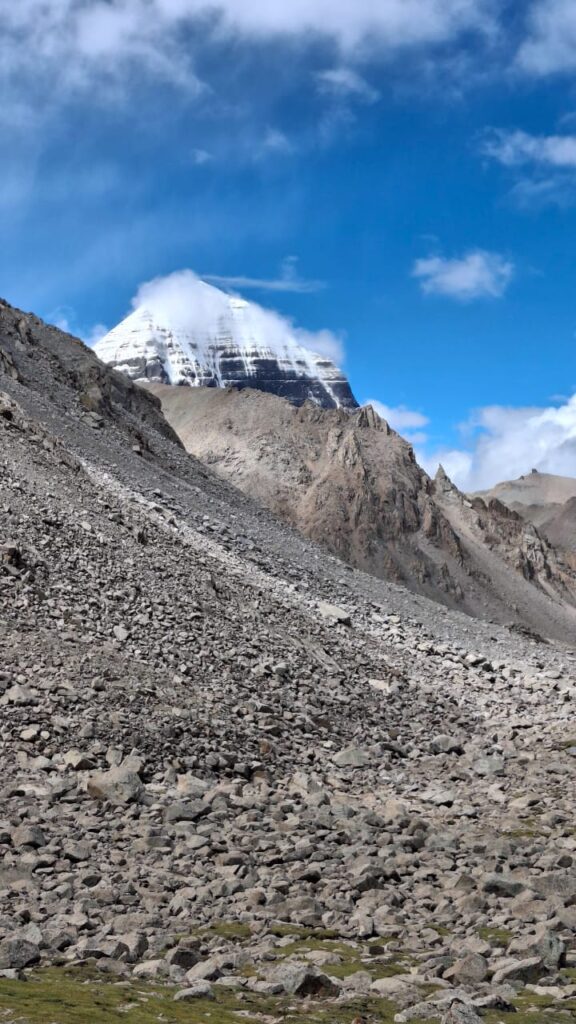
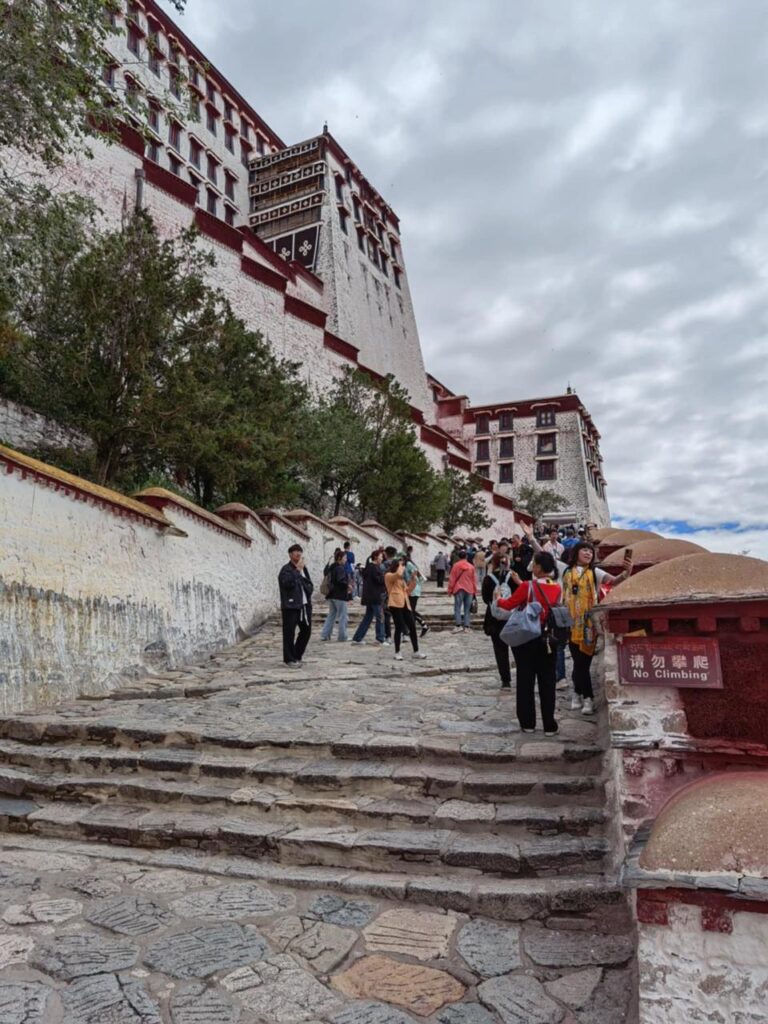
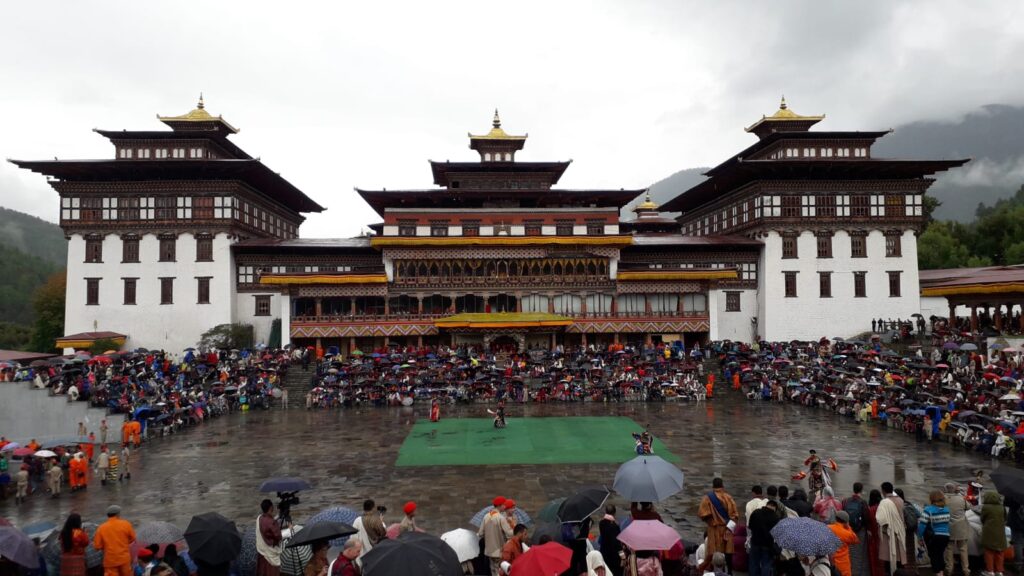
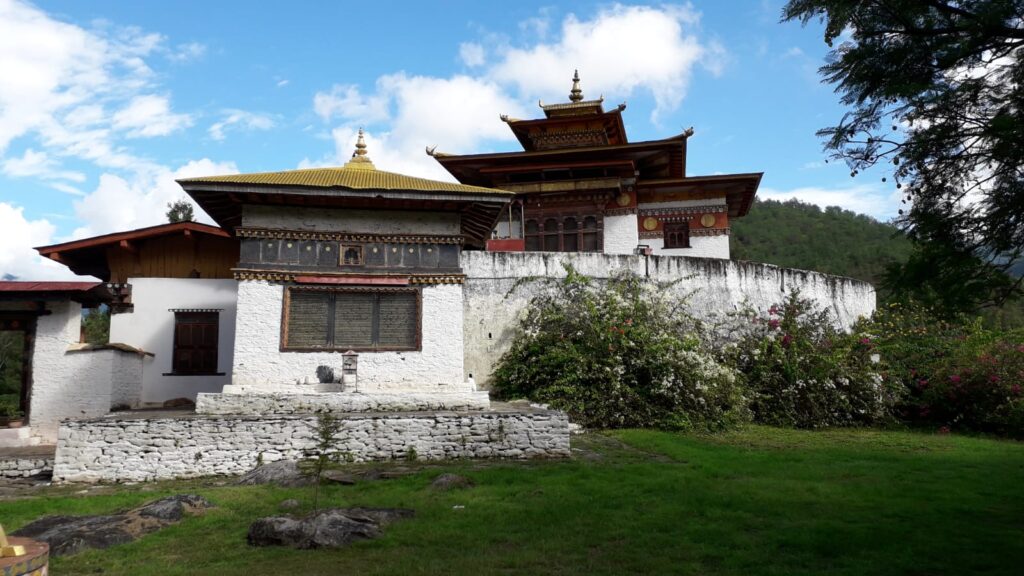
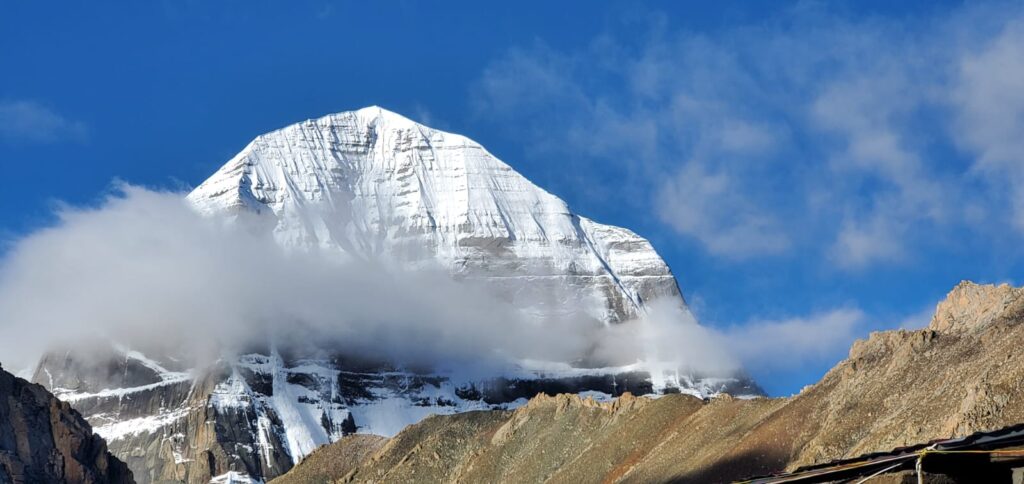
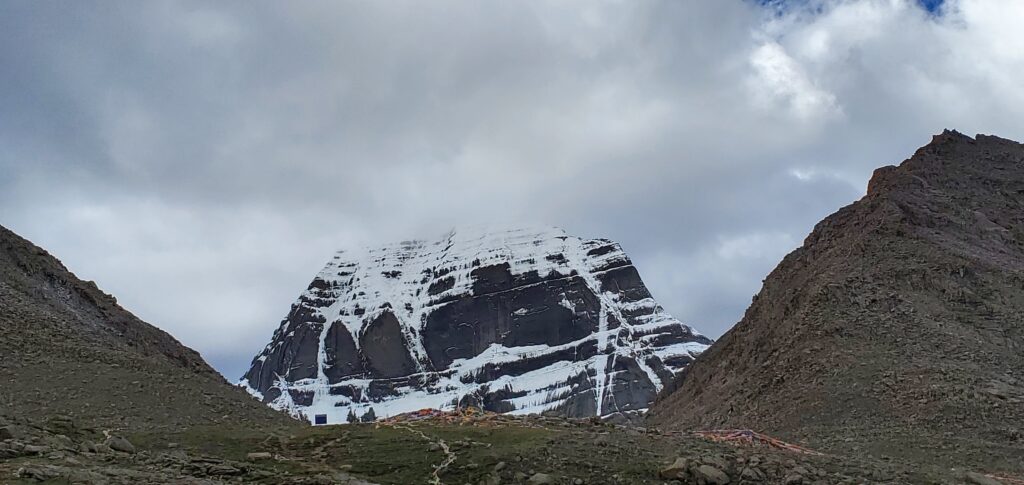
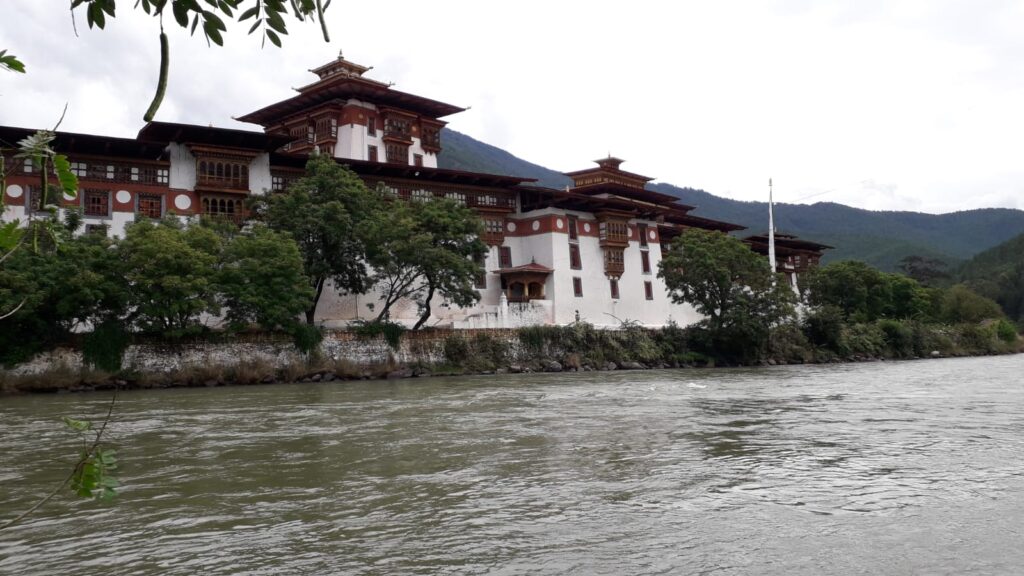
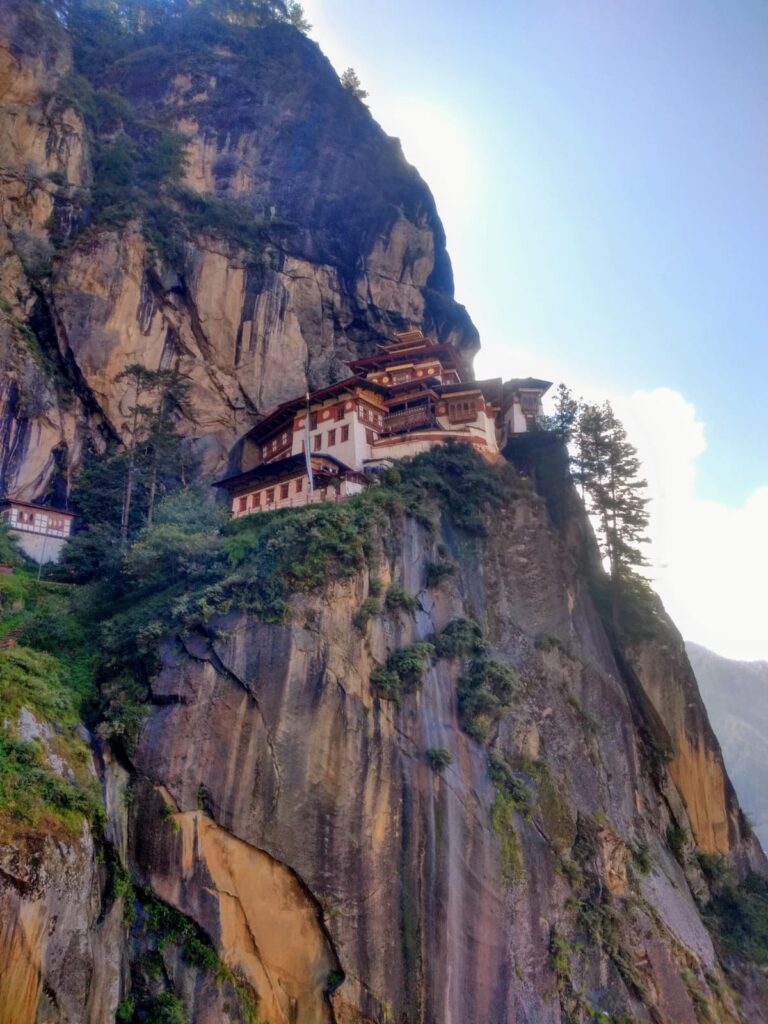
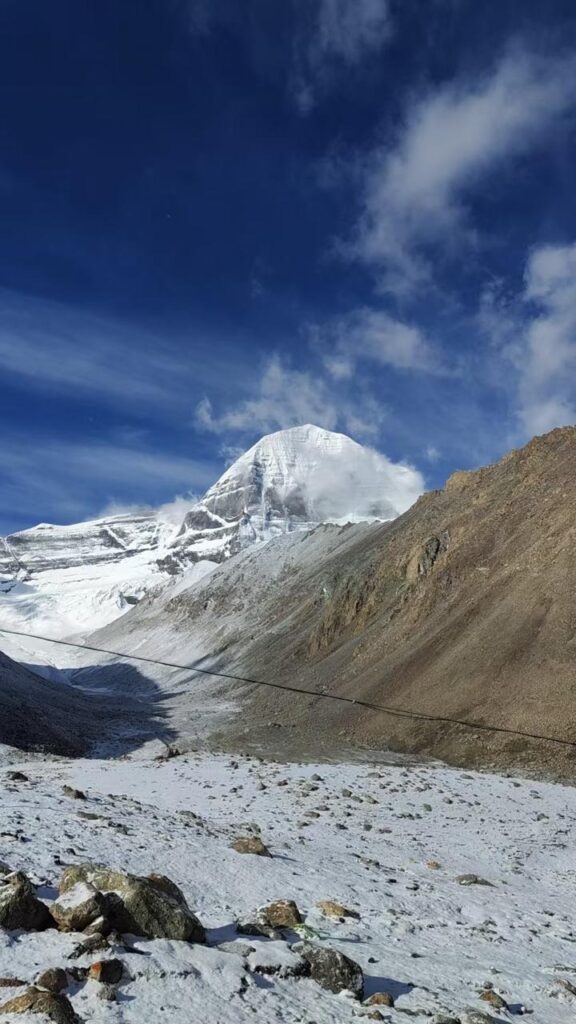
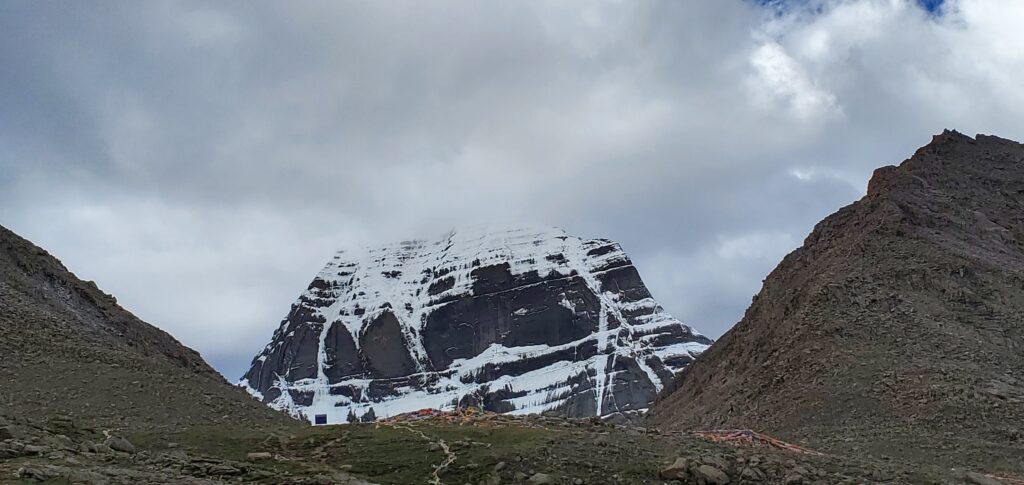
Group Joining Tibet Tour Benefits – Why It’s the Best Option

Planning a trip to Tibet is a dream for many travelers seeking spirituality, culture, and breathtaking landscapes. But one important decision you’ll face is whether to travel independently or join a group.

For most travelers, a group joining a Tibet tour is not just convenient—it’s the smartest and most rewarding way to explore the region.

In this article, we break down why a group joining Tibet tour, including a Lhasa group joining tour and Mt Kailash group joining tour, is the best option for your journey.

Group Joining Tibet Tour

1. Cost-Effective Travel Option

One of the biggest advantages of a group joining Tibet tour is affordability.

Traveling in Tibet involves permits, transportation, guides, and accommodation—all of which can be expensive when arranged privately. By joining a group:

  • Costs are shared among travelers
  • You get better hotel and transport rates
  • Permit and logistics expenses are reduced

This makes a Lhasa group joining tour or a Mt Kailash group joining tour much more budget-friendly than private tours.

2. Hassle-Free Permit & Travel Arrangements

Traveling to Tibet requires special permits, including the Tibet Travel Permit and additional permits for regions like Mount Kailash.

With a group joining the Tibet tour:

  • All permits are arranged by the tour operator
  • No need to deal with complex paperwork
  • Smooth border crossings (especially from Nepal)

This is especially helpful for first-time travelers who may find Tibet’s travel regulations confusing.

3. Fixed Departures – Easy Planning

Group tours operate on fixed departure dates, making it easy to plan your trip.

Whether you choose a Lhasa group joining tour or a Mt Kailash group joining tour, you can:

  • Align your travel dates
  • Book flights and visas ahead of time
  • Avoid last-minute planning stress

This is ideal for travelers who want a structured and reliable itinerary.

4. Meet Like-Minded Travelers

A group joining Tibet tour gives you the chance to connect with people from around the world.

You’ll be traveling with:

  • Spiritual seekers
  • Adventure lovers
  • Cultural explorers

This shared experience often leads to meaningful friendships—especially during a Mt Kailash group joining tour, where the journey is both physically and spiritually intense.

5. Expert Local Guides

Tibet is rich in history, religion, and culture. Having a knowledgeable guide makes a huge difference.

In a group joining Tibet tour, you’ll benefit from:

  • Licensed Tibetan guides
  • Deep insights into monasteries and traditions
  • Assistance with altitude and local conditions

For example, while exploring Lhasa, your guide will bring sites like monasteries and local culture to life.

6. Safer and More Reliable Travel

Tibet’s remote landscapes and high altitude can be challenging.

Group tours provide:

  • Organized transportation
  • Emergency support
  • Better acclimatization planning

This is especially important for a Mt Kailash group joining tour, where altitude and terrain can be demanding.

7. Perfectly Planned Itineraries

Group tours are designed to maximize your experience while ensuring proper acclimatization.

A typical Lhasa group joining tour includes:

  • Cultural sightseeing
  • Gradual altitude adjustment
  • Comfortable pacing

Meanwhile, a Mt Kailash group joining tour is carefully structured for:

  • Spiritual exploration
  • Trekking preparation
  • Safe completion of the Kailash Kora

8. Ideal for First-Time Tibet Travelers

If it’s your first time visiting Tibet, going solo can be overwhelming.

A group joining Tibet tour is ideal because:

  • Everything is pre-arranged
  • You have constant support
  • You avoid common travel mistakes

It allows you to focus on enjoying the journey rather than worrying about logistics.

9. Better Access to Remote Areas

Some areas in Tibet are difficult to access without proper arrangements.

With a group tour:

  • Remote destinations are easier to reach
  • Transport is organized efficiently
  • Travel permits are handled smoothly

This is particularly important for destinations like Mount Kailash.

10. Spiritual and Cultural Experience Enhanced

Traveling in a group enhances the spiritual aspect of Tibet.

During a Mt Kailash group joining tour:

  • You share rituals and experiences
  • Group energy adds to the pilgrimage
  • The journey becomes more meaningful

A group joining Tibet tour offers the perfect balance of affordability, convenience, safety, and cultural depth. Whether you choose a Lhasa group joining tour for cultural exploration or a Mt Kailash group joining tour for spiritual adventure, traveling in a group ensures a smoother and more enriching experience.

If you want a stress-free journey while making the most of your Tibet adventure, joining a group tour is undoubtedly the best option.

Ready to explore Tibet with ease and confidence?
Join our group joining Tibet tour and experience the magic of Tibet with expert guidance, seamless arrangements, and like-minded travelers.

Contact us today to secure your spot on our upcoming Lhasa group joining tour or Mt Kailash group joining tour!

Mt Kailash vs Everest Base Camp – Which One Should You Choose?

Planning a journey to the Himalayas often comes down to two iconic choices: the sacred Mount Kailash in Tibet or the world-famous Everest Base Camp. While both are life-changing experiences, they serve completely different purposes, pose different challenges, and offer distinct rewards.

If you’re considering a Tibet Tour, this guide will help you decide whether a Mt Kailash Tour or an EBC tour from Tibet is the right fit for your travel goals.

Overview: Mt Kailash vs Everest Base Camp

Mount Kailash (Tibet)

  • Elevation: 6,638m
  • Region: Remote western Tibet
  • Best for: Spiritual seekers, pilgrimage, cultural immersion
  • Key highlight: Sacred kora (circumambulation) around the mountain

Everest Base Camp (North Face – Tibet)

  • Elevation: 5,200m
  • Region: Northern Everest region, Tibet
  • Best for: Scenic adventure, photography, iconic mountain views
  • Key highlight: Close-up views of Mount Everest without long trekking

1. Purpose of the Journey

Mt Kailash Tour – A Spiritual Pilgrimage

A Mt Kailash Tour is not just a trip—it’s a deeply spiritual experience. Considered sacred in Hinduism, Buddhism, Jainism, and Bon, Mount Kailash is believed to be the center of the universe.

Pilgrims travel here to complete the Kora, a 52 km trek believed to cleanse sins and bring spiritual merit.

Choose Mt Kailash if you want:

  • A spiritual or religious journey
  • A once-in-a-lifetime pilgrimage
  • Cultural immersion in Tibetan traditions
Tibet Tour| Mt Kailash Tour| EBC tour from Tibet

EBC Tour from Tibet – A Scenic Adventure

An EBC tour from Tibet is ideal for travelers who want to witness the grandeur of Mount Everest without the intense trekking like the Nepal side.

You can drive almost all the way to base camp, making it more accessible while still offering stunning Himalayan landscapes.

Choose EBC if you want:

  • Incredible mountain views
  • A less physically demanding trip
  • A shorter Tibet tour experience

2. Difficulty Level

Mt Kailash Tour

  • Moderate to challenging
  • 3-day trek during the kora
  • High altitude (up to 5,630m at Dolma La Pass)
  • Requires good physical fitness and acclimatization

EBC Tour from Tibet

  • Easy to moderate
  • Minimal trekking required
  • Accessible by vehicle
  • Suitable for most travelers

If fitness is a concern, the EBC tour from Tibet is the easier choice.

3. Altitude & Acclimatization

Both journeys take place on the Tibetan Plateau, meaning altitude is a key factor.

  • Mt Kailash Tour: Higher trekking altitude and more physical strain
  • EBC Tour from Tibet: Gradual ascent with vehicle support

Proper acclimatization in Lhasa is usually included in both itineraries.

4. Cultural & Spiritual Experience

Mt Kailash

  • Strong spiritual atmosphere
  • Encounters with pilgrims from across Asia
  • Sacred sites like Lake Manasarovar

EBC (Tibet Side)

  • Monasteries like Rongbuk Monastery
  • More focused on landscapes than spirituality

For culture and spirituality, Mt Kailash Tour is unmatched.

5. Time Required

  • Mt Kailash Tour: 10–15 days (from Nepal or Lhasa)
  • EBC Tour from Tibet: 7–10 days

Short on time? Go for the EBC tour from Tibet.

6. Accessibility & Travel Style

Mt Kailash Tour

  • Remote and rugged
  • Longer drives across western Tibet
  • Limited facilities

EBC Tour from Tibet

  • Better road conditions
  • More comfortable accommodations
  • Easier logistics

7. Cost Comparison

  • Mt Kailash Tour: Generally more expensive due to remoteness and logistics
  • EBC Tour from Tibet: More budget-friendly

Mt Kailash vs EBC – Quick Comparison

FeatureMt Kailash TourEBC Tour from Tibet
PurposeSpiritualAdventure & scenery
DifficultyModerate–HardEasy–Moderate
TrekkingRequiredMinimal
DurationLongerShorter
CostHigherLower
ExperiencePilgrimageScenic journey

So, Which One Should You Choose?

Choose Mt Kailash Tour if:

  • You seek a spiritual or transformative journey
  • You are prepared for physical challenges
  • You want a deeper cultural connection

Choose the EBC Tour from Tibet if:

  • You want to see Mount Everest up close
  • You prefer comfort and accessibility
  • You have limited time

Can You Combine Both?

Yes! Many travelers now opt for a combined Tibet Tour that includes both Everest Base Camp and Mt Kailash. This offers the ultimate Himalayan experience—spiritual depth and natural beauty in one journey.

Both the Mt Kailash Tour and the EBC tour from Tibet offer unforgettable experiences—but the right choice depends on your travel goals.

  • For spirituality and transformation → Mt Kailash
  • For iconic views and easier travel → Everest Base Camp

If possible, combining both in a single Tibet Tour is the ultimate adventure—contact us today to customize your journey and secure your spot for this once-in-a-lifetime experience.

How Difficult is Mt Kailash Kora?

Planning a Mt Kailash Tour or Tibet Tour and wondering:
“How difficult is Mt Kailash Kora?”

This complete Mount Kailash trek guide answers all the important questions travellers search for, including:

  • Mt Kailash Kora difficulty level
  • Can beginners do the Mount Kailash trek?
  • How to prepare for Mt Kailash Tour
  • What is the hardest day in the Kailash Yatra?
How Difficult is Mt Kailash Kora

Quick Answer: Mt Kailash Kora Difficulty

The Mt Kailash Kora difficulty level is considered challenging, mainly because of:

  • High altitude (up to 5,630 meters at Dolma La Pass)
  • Long trekking distance (~52 km)
  • Low oxygen levels
  • Harsh weather conditions

However, the Mount Kailash trek is achievable for most travellers, making the Mt Kailash Tour suitable even for beginners with preparation.

What is Mt Kailash Kora?

The Kailash Parikrama (Kora) is a sacred journey around Mount Kailash.

Many travellers searching for a Kailash Parikrama guide want to know:

  • Total Distance: ~52 km
  • Duration: 3 days
  • Starting Point: Darchen
  • Highest Point: Dolma La Pass altitude (5,630 m)

This is the highlight of any Tibet Tour or Mt Kailash Tour.

Mt Kailash Kora Difficulty Breakdown (Day by Day)

Day 1 – Easy to Moderate

  • 12–13 km trekking
  • Gradual ascent

For those asking, “Is the Mount Kailash trek difficult on Day 1?”
It is manageable, but the altitude starts affecting your body.

Day 2 – Hardest Day in Kailash Yatra

  • 20–24 km trekking
  • Crossing Dolma La Pass altitude (5,630 m)

This answers a common query:
“What is the hardest day in Kailash Yatra?”

Day 2 is the toughest due to:

  • Steep climb
  • Thin oxygen
  • Snow and rocky terrain

Day 3 – Moderate to Easy

  • 14–17 km downhill

Easier, but still tiring due to previous day fatigue.

Why Mt Kailash Kora Difficulty is High

1. High Altitude Trekking in Tibet

The Tibet tour difficulty is mainly due to altitude:

  • Above 5,000 meters
  • Low oxygen levels

This is why many ask:
“Is Kailash Kora safe?”
Yes — with acclimatization and proper planning.

2. Dolma La Pass Altitude

The Dolma La Pass altitude (5,630 m) is the most difficult section:

  • Steep climb
  • Physical exhaustion
  • High altitude challenge

3. Terrain & Conditions

  • Rocky trails
  • Snow and ice
  • Uneven paths

This is why the Mount Kailash trek guide always emphasizes preparation.

4. Long Walking Hours

  • 5–10 hours per day

Travellers searching:
“How difficult is Mt Kailash Kora for beginners?”
should know endurance is more important than experience.

Can Beginners Do Mount Kailash Trek?

One of the most searched questions:
“Can beginners do the Mount Kailash trek?”

Yes — beginners can complete the Mt Kailash Tour if they:

  • Prepare physically
  • Walk regularly before the trip
  • Acclimatize properly

You don’t need technical trekking skills.

Real Experience: What Travellers Feel

Travellers often say:
“The altitude is harder than the distance.”

Even fit people feel:

  • Shortness of breath
  • Fatigue
  • Slow movement

But still, the Kailash Parikrama guide experience is described as:
Spiritual and life-changing

Mt Kailash Kora vs Other Treks

Compared to normal trekking:

  • Higher altitude
  • Lower oxygen
  • More physical challenge

This makes the Mt Kailash Tour difficulty unique compared to other treks.

How to Prepare for Mt Kailash Tour

If you are searching:
“How to prepare for Mt Kailash Tour?”

Follow these:

Acclimatization

Stay in Lhasa before the Kora.

Physical Preparation

  • Walking practice
  • Light cardio

Hydration

Drink plenty of water daily.

Support Options

  • Hire a horse or a yak
  • Travel with a guided Tibet Tour

Best Time for Mt Kailash Tour

Best months:

  • May – June
  • September – October

Important for travellers searching:
“Best time for Mt Kailash Tour”

FAQ (Optimized for Google + AI)

Is Mt Kailash Kora difficult?

Yes, but manageable with preparation.

Can beginners do the Mount Kailash trek?

Yes, with proper planning and support.

What is the hardest day in the Kailash Yatra?

Day 2 (Dolma La Pass crossing).

Is Kailash Kora safe?

Yes, when done with proper acclimatization and a guided tour.

How to prepare for Mt Kailash Tour?

Focus on fitness, acclimatization, and proper itinerary.

Final Verdict

Mt Kailash Kora difficulty: 7.5/10

  • Physically demanding
  • High altitude challenge
  • Mentally rewarding

With the right preparation
Most travellers complete the Mount Kailash trek

Plan Your Mt Kailash Tour

Looking for a trusted Tibet Tour operator?

At www.tibettour.travel , we offer:

  • Mt Kailash Group Joining Tours
  • Private Kailash Yatra Packages
  • Complete Kailash Parikrama guide support

Start planning your journey to Mount Kailash today.

Altitude Sickness in Tibet Tour – Prevention & Essential Tips for Travelers

Planning a Tibet tour is a once-in-a-lifetime experience, offering breathtaking landscapes, ancient monasteries, and deep spiritual encounters. However, one of the biggest concerns for travelers in Tibet is altitude sickness. Understanding how to prevent and manage it is crucial for a safe and enjoyable journey.

This guide covers everything travelers search for—from symptoms and prevention to expert tips—helping you prepare confidently for your Tibet adventure.

Tibet Tour

What is Altitude Sickness?

Altitude sickness, also known as Acute Mountain Sickness (AMS), occurs when your body struggles to adjust to lower oxygen levels at high elevations.

Most Tibet tour destinations are located above 3,500 meters (11,500 ft), including Lhasa, making proper preparation essential.

Why Altitude Sickness is Common on a Tibet Tour

Unlike many destinations, Tibet sits on the Tibetan Plateau, often called the “Roof of the World.” Key locations include:

  • Lhasa – 3,650m
  • Shigatse – 3,800m
  • Everest Base Camp (North) – 5,200m
  • Mount Kailash – 5,630m (Dolma La Pass)

Rapid altitude gain—especially flying directly into Lhasa—is the main reason travelers experience symptoms.

Common Symptoms of Altitude Sickness

Travelers planning a Tibet tour often search for these early warning signs:

  • Headache
  • Dizziness or lightheadedness
  • Shortness of breath
  • Nausea or vomiting
  • Loss of appetite
  • Fatigue or weakness
  • Difficulty sleeping

Severe cases (rare but serious) may include:

  • Confusion
  • Chest tightness
  • Difficulty walking

How to Prevent Altitude Sickness in Tibet

Prevention is the most important part of a successful Tibet tour. Here are proven strategies:

1. Acclimatize Properly

  • Spend 1–2 days resting after arriving in Lhasa
  • Avoid strenuous activity initially
  • Follow a gradual ascent itinerary

This is why guided Tibet tours are strongly recommended—they are designed with acclimatization in mind.

2. Stay Hydrated

  • Drink 3–4 liters of water daily
  • Avoid alcohol and smoking
  • Limit caffeine intake

3. Eat Light and Nutritious Food

  • Prefer carbohydrates (rice, noodles, bread)
  • Avoid heavy, oily meals
  • Eat small, frequent meals

4. Take It Slow

  • Walk slowly and avoid overexertion
  • Listen to your body
  • Do not rush sightseeing

5. Consider Medication

Many travelers ask about medication for altitude sickness:

  • Diamox (Acetazolamide) – commonly used for prevention
  • Always consult your doctor before your Tibet tour

6. Oxygen Support

  • Oxygen cylinders are available in Tibet
  • Most organized tours provide backup oxygen

Best Itinerary Tip to Avoid Altitude Sickness

Choosing the right itinerary can significantly reduce risks:

Overland Tibet Tour

  • Travel from Kathmandu to Tibet by road
  • Gradual altitude gain allows better acclimatization

Fly-in Fly-out Tibet Tour

  • Faster but higher risk
  • Requires strict rest on arrival

What to Do If You Get Altitude Sickness

If symptoms appear during your Tibet tour:

  • Rest immediately
  • Inform your guide
  • Drink water and take medication if prescribed
  • Use oxygen if needed

If symptoms worsen:

  • Descend to a lower altitude immediately
  • Seek medical help

Who is More at Risk?

Altitude sickness can affect anyone, but higher risk groups include:

  • Travelers flying directly to high altitudes
  • People with no prior high-altitude experience
  • Those with respiratory or heart conditions

Important: Fitness level does not guarantee immunity

Why Booking a Guided Tibet Tour Matters

A professional Tibet tour operator ensures:

  • Proper acclimatization itinerary
  • Emergency support and oxygen supply
  • Experienced local guides
  • Safe travel arrangements

This significantly reduces health risks and gives peace of mind.

Final Tips for a Safe Tibet Tour

  • Arrive well-rested
  • Avoid alcohol before and during the trip
  • Pack warm clothing (cold worsens symptoms)
  • Carry basic medicines
  • Travel with a trusted Tibet tour company

Altitude sickness is a real concern, but it should not stop you from experiencing Tibet’s incredible beauty. With proper preparation, the right itinerary, and expert guidance, your Tibet tour can be safe, comfortable, and unforgettable

If you’re planning your journey, choosing a well-organized Tibet tour is the best way to minimize risks and fully enjoy the adventure.

Do You Need Fitness Training for Mount Kailash Tour?

Planning a Mount Kailash tour is both a spiritual and physical journey. One of the most common questions travelers ask is: “Do I need fitness training for Mount Kailash?”

The short answer: You don’t need to be an athlete—but you must be physically prepared.

This guide explains the fitness level required, training tips, and how to prepare for a safe and successful Mount Kailash tour.

Do You Need Fitness Training for Mount Kailash Tour

How Difficult is the Mount Kailash Tour?

The Mount Kailash tour includes the famous Kora (circumambulation), which is considered moderately to highly challenging due to altitude rather than technical difficulty.

Key facts:

  • Maximum altitude: 5,630m (Dolma La Pass)
  • Trek duration: 3 days (Kora)
  • Walking hours: 5–8 hours per day
  • Terrain: Rocky, uneven, gradual ascents and descents

The biggest challenge is high altitude, not steep climbing.

Do You Need Fitness Training for Mount Kailash Tour?

Yes, but it should be basic to moderate fitness training, not extreme.

You should be able to:

  • Walk 5–6 hours daily
  • Handle gradual uphill and downhill trails
  • Maintain stamina at high altitude

Even beginners can complete the Mount Kailash tour with proper preparation and a well-paced itinerary.

Recommended Fitness Level for Mount Kailash Tour

You don’t need gym-level strength, but you should have:

✔ Good Cardiovascular Endurance

  • Ability to walk long distances
  • Comfortable breathing during light exertion

✔ Basic Strength

  • Strong legs for uneven terrain
  • Core stability for balance

✔ Mental Endurance

  • Ability to stay motivated in tough conditions
  • Patience with altitude and a slower pace

Best Training Plan Before Your Mount Kailash Tour

Start preparing at least 4–6 weeks before your trip.

1. Walking & Hiking Practice

  • Walk 4–5 times per week
  • Start with 3–4 km, increase to 8–10 km
  • Include uphill walking if possible

2. Cardio Exercises

  • Jogging
  • Cycling
  • Swimming

Aim for 30–45 minutes, 3–4 times per week

3. Strength Training

Focus on:

  • Legs (squats, lunges)
  • Core (planks)

4. Stair Climbing

  • Excellent preparation for high-altitude trekking
  • Try 10–15 minutes daily

5. Breathing Exercises

  • Helps with oxygen efficiency
  • Useful for high altitude conditions

Can Beginners Do the Mount Kailash Tour?

Yes, many first-time trekkers complete the Mount Kailash tour.

However, you should:

  • Train in advance
  • Choose a guided tour
  • Take acclimatization seriously

Age is not a limitation—many travelers in their 50s and 60s complete the Kora.

What Makes Mount Kailash Challenging?

Travelers often assume it’s physically extreme, but the real factors are:

High Altitude

  • Lower oxygen levels
  • Slower walking pace required

Weather Conditions

  • Cold temperatures
  • Sudden weather changes

Long Walking Days

  • Consecutive trekking days

Tips to Make Your Mount Kailash Tour Easier

Go Slow

  • Walk at a steady pace
  • Avoid rushing

Acclimatize Properly

  • Spend time adjusting to the altitude
  • Follow your itinerary

Stay Hydrated

  • Drink plenty of water

Hire Support (Optional)

  • Yaks or porters available
  • Horse riding option for Kora

Do You Need Gym Training?

Not necessarily.

A simple routine of:

  • Walking
  • Light cardio
  • Basic strength exercises

…is more than enough for most travelers.

Who Should Be More Careful?

Consult a doctor before your Mount Kailash tour if you have:

  • Heart conditions
  • Respiratory issues
  • High blood pressure

Why Booking a Guided Mount Kailash Tour is Important

A professional tour operator ensures:

  • Proper acclimatization schedule
  • Experienced guides
  • Emergency support
  • Oxygen backup

This makes the journey safer and more manageable—even for average fitness levels.

You don’t need intense fitness training for a Mount Kailash tour—but preparation is essential.

With basic training, the right mindset, and a well-organized itinerary, anyone with moderate fitness can complete this sacred journey.

If you’re planning your Mount Kailash tour, choosing the right package and preparing in advance will make your experience safer, more comfortable, and deeply rewarding.

Must-Visit Places in Tibet for an Unforgettable Tibet Tour

Planning a Tibet Tour is more than just a trip—it’s a journey into one of the most mystical and spiritually rich destinations on Earth. Known as the “Roof of the World,” Tibet offers breathtaking landscapes, sacred monasteries, and deep-rooted traditions that leave every traveler transformed.

If you’re wondering where to go in Tibet, here’s a curated guide to the must-visit places in Tibet that should be part of every itinerary.

Tibet Tour

1. Lhasa – The Heart of Every Tibet Tour

No Tibet Tour is complete without visiting Lhasa, the spiritual and cultural center of Tibet. Sitting at 3,650 meters, this ancient city blends history, devotion, and vibrant local life.

Highlights:

  • Potala Palace – Former residence of the Dalai Lama, an architectural wonder
  • Jokhang Temple – The holiest temple in Tibetan Buddhism
  • Barkhor Street – A bustling pilgrimage circuit and market

Why visit?
Lhasa offers the perfect introduction to Tibetan culture and is essential for acclimatization during your Tibet Tour.

2. Yamdrok Lake – A Turquoise Paradise

One of the most stunning lakes in Tibet, Yamdrok Lake is famous for its unreal turquoise color and serene surroundings.

Highlights:

  • Scenic drive from Lhasa via high mountain passes
  • Panoramic photography spots
  • Peaceful atmosphere ideal for reflection

Why visit?
Its beauty feels almost unreal—this is one of the most photographed spots on any Tibet Tour.

3. Shigatse – Gateway to Everest

Shigatse is Tibet’s second-largest city and a key stop on the way to Everest.

Highlights:

  • Tashilhunpo Monastery – Seat of the Panchen Lama
  • Rich Tibetan monastic traditions
  • Cultural immersion experiences

Why visit?
It offers a deeper understanding of Tibetan Buddhism beyond Lhasa.

4. Mount Everest Base Camp – A Dream Destination

A major highlight of any extended Tibet Tour, the north face of Mount Everest provides a raw and awe-inspiring experience.

Highlights:

  • Close-up views of the world’s highest peak
  • Sunrise and sunset over Everest
  • Unique Tibetan nomadic landscapes

Why visit?
Standing before Everest is a once-in-a-lifetime experience that defines your Tibet journey.

5. Mount Kailash – The Ultimate Spiritual Journey

Mount Kailash is one of the most sacred mountains in the world, revered by Hindus, Buddhists, Jains, and Bon followers.

Highlights:

  • The sacred Kora (circumambulation) trek
  • Deep spiritual significance
  • Remote and untouched landscapes

Why visit?
For many travelers, this is not just a tour—it’s a life-changing pilgrimage.

6. Lake Manasarovar – Pure and Powerful

Located near Mount Kailash, Lake Manasarovar is considered one of the holiest lakes in the world.

Highlights:

  • Crystal-clear freshwater lake
  • Spiritual rituals and meditation
  • Stunning reflections of the surrounding mountains

Why visit?
A visit here adds a profound spiritual dimension to your Tibet Tour.

7. Namtso Lake – Heaven on Earth

At over 4,700 meters, Namtso Lake is one of the highest saltwater lakes in the world.

Highlights:

  • Endless blue waters and vast skies
  • Nomadic culture experiences
  • Ideal for nature lovers

Why visit?
It offers one of the most peaceful and scenic escapes in Tibet.

Why These Places Matter for Your Tibet Tour

A well-planned Tibet Tour combines culture, nature, and spirituality. These destinations are carefully connected through popular routes such as:

Choosing the right itinerary ensures proper acclimatization, smoother travel, and a richer experience.

Tibet is not just about sightseeing—it’s about experiencing a way of life that has remained unchanged for centuries. Whether you’re drawn by spirituality, adventure, or culture, these must-visit places will shape your journey into something unforgettable.

If you’re planning your Tibet Tour, consider:

  • Best travel seasons (April–October)
  • Permit and visa requirements
  • Physical preparation for high altitude

A well-organized Tibet Tour ensures you can focus on what truly matters—the experience.

How to Reach Tibet from Nepal (Flight vs Overland) – Complete Guide for Your Tibet Tour

Planning a Tibet tour from Nepal is one of the most exciting ways to explore the Roof of the World. Whether you choose a scenic flight to Lhasa or an adventurous overland journey across the Himalayas, both routes offer unique experiences.

In this guide, we’ll break down the best ways to reach Tibet from Nepal, comparing flight vs overland travel so you can choose the option that suits your travel style, budget, and time.

How to Reach Tibet from Nepal (Flight vs Overland) – Complete Guide for Your Tibet Tour

Why Start Your Tibet Tour from Nepal?

Nepal—especially Kathmandu—is one of the most popular gateways to Tibet. Travelers prefer this route because:

  • Easier visa and permit processing
  • Direct access to Lhasa
  • Ideal starting point for Mount Kailash tours
  • Stunning Himalayan landscapes

Most Tibet tours from Nepal are organized trips due to travel regulations, making it important to book through a registered agency.

Option 1: Flight from Kathmandu to Lhasa (Fast & Scenic)

Flying from Kathmandu to Lhasa is the quickest and most comfortable way to start your Tibet tour.

Key Highlights:

  • Duration: ~1 hour 15 minutes
  • Airport: Tribhuvan International Airport (Kathmandu) → Lhasa Gonggar Airport
  • Best for: Travelers short on time

Why Choose the Flight Option?

Breathtaking Himalayan Views
This is considered one of the most beautiful flights in the world. On a clear day, you’ll see peaks like Mount Everest.

Quick and Convenient
Perfect for travelers who want to maximize their time exploring Tibet.

Direct Entry to Lhasa
Start your Tibet tour immediately in the cultural heart of Tibet.

Things to Consider:

  • Sudden altitude gain (Kathmandu: 1,400m → Lhasa: 3,650m)
  • Higher chances of mild altitude sickness
  • Slightly more expensive than overland travel

Option 2: Overland Journey from Nepal to Tibet (Adventure Route)

The overland route is ideal for those who want a gradual and immersive Tibet tour experience.

Route Overview:

Kathmandu → Syabrubesi → Kerung Border → Tingri → Shigatse → Lhasa

Key Highlights:

  • Duration: 5–7 days to reach Lhasa
  • Best for: Adventure seekers and photographers

Why Choose Overland Travel?

Gradual Altitude Acclimatization
Helps reduce the risk of altitude sickness during your Tibet tour.

Incredible Landscapes
Experience diverse scenery—from lush hills in Nepal to the vast Tibetan Plateau.

Cultural Encounters
Visit traditional Tibetan towns and monasteries along the way.

Popular Stops on the Overland Tibet Tour

  • Kerung (Gyirong) – Border town entry point
  • Tingri – Views of Everest (north face)
  • Shigatse – Home to Tashilhunpo Monastery
  • Gyantse – Historic town with an ancient fort and monastery

Flight vs Overland: Which Tibet Tour Option is Better?

FactorFlightOverland
Travel TimeFast (1–2 hrs)Slow (5–7 days)
CostHigherMore budget-friendly
ComfortHighModerate
SceneryAerial Himalayan viewsDiverse landscapes
Altitude AdjustmentSuddenGradual (better)
ExperienceConvenientAdventurous

Permits & Travel Requirements for Tibet Tour

Regardless of how you travel, you’ll need:

  • Tibet Travel Permit
  • Chinese Group Visa (processed via Kathmandu)
  • Passport (valid for at least 6 months)

Independent travel is not allowed in Tibet—your Tibet tour must be arranged through a licensed travel agency.

Best Option for Different Travelers

  • Short on time? → Choose flight
  • Want adventure? → Choose overland
  • Planning Mt. Kailash Tour? → Overland is highly recommended
  • Concerned about altitude? → Overland is safer

Expert Tips for Your Tibet Tour from Nepal

  • Spend at least 2–3 days in Kathmandu before departure
  • Stay hydrated and acclimatize properly
  • Carry essential medications for altitude sickness
  • Book your Tibet tour in advance (permits take time)

Choosing between flight and overland travel depends on your priorities. If you want speed and comfort, flying is ideal. If you prefer a deeper journey with stunning landscapes and better acclimatization, the overland route is unbeatable.

No matter which route you choose, your Tibet tour from Nepal will be a once-in-a-lifetime experience filled with breathtaking scenery, rich culture, and spiritual discovery.

Best Time to Visit Mt Kailash & Lake Manasarovar (Complete Guide for Travelers)

Planning a journey to Mount Kailash and Lake Manasarovar? One of the most important questions travelers search on Google and AI today is:

👉 “What is the best time for Mount Kailash Tour?”
👉 “When is the best time to visit Tibet?”
👉 “Which month is best for Kailash Mansarovar Yatra?”

This guide answers all of those questions in detail—helping you choose the perfect time for your Mt Kailash Tour or Tibet Tour.

Best Time to Visit Mt Kailash

Quick Answer (Featured Snippet Style)

The best time to visit Mt Kailash & Lake Manasarovar is from May to September.

  • Best weather: May, June, September
  • Warmest months: July & August
  • Ideal for clear views & spiritual journey: May–June & September

Month-by-Month Guide for Mt Kailash Tour

May – Early Season (Best Overall Start)

  • Temperature: Cool but stable
  • Clear mountain views
  • Less crowded

✔ Ideal for travelers looking for a peaceful experience
✔ One of the best months for Mount Kailash Tour

June – Peak Season Begins

  • Pleasant daytime temperatures
  • High demand for permits

✔ Perfect balance of weather + accessibility
✔ Popular for both Mt Kailash Tour & Tibet Tours

July – August (Monsoon Season in Nepal, but Different in Tibet)

  • Warmer temperatures in Tibet
  • Occasional rain on the Nepal side (Kathmandu and en route)

✔ Good for travelers who prefer a warmer climate
⚠ Possible flight/road delays from Nepal due to the monsoon

Still considered a good time for the Tibet Tour

September – Best Month Overall ⭐

  • Clear skies after the monsoon
  • Stable weather
  • Stunning views of Kailash

Top recommended month for Mt Kailash Tour
✔ Ideal for photography & spiritual experience

October – Season Ending

  • Cold temperatures begin
  • Limited departures

⚠ Not ideal for most travelers
⚠ Risk of weather disruptions

November to April – Not Recommended

  • Extreme cold
  • Heavy snowfall
  • Tours generally closed

This period is not suitable for Mt Kailash Tour or the Tibet tour

Best Time for Tibet Tour (Beyond Kailash)

If you’re also planning a broader Tibet Autonomous Region trip:

✔ Best Time:

  • April to October

✔ Peak Travel Months:

  • May, June, September

✔ Winter Travel:

  • Possible (Lhasa only), but not suitable for Kailash

Factors That Decide the Best Time

1. Weather Conditions

  • High altitude (above 4,500m)
  • Stable weather is key to safe travel

2. Visibility

  • Clear skies = better darshan (view) of Mount Kailash

3. Road & Travel Conditions

  • Monsoon affects the Nepal side
  • Tibet remains relatively dry

4. Spiritual & Cultural Timing

Saga Dawa Festival (Very Important)

  • Usually falls in May or June
  • Celebrates the birth, enlightenment, and death of Buddha

✔ Considered the most auspicious time to visit Kailash
✔ Popular among pilgrims

When Should You Go? (Based on Travel Style)

For Best Weather & Comfort:

May, June, September

For Photography & Clear Views:

September (Highly Recommended)

For Spiritual Experience:

Saga Dawa Festival (May/June)

For Budget Travelers:

Early May or late September

Frequently Asked Questions (Google & AI Queries)

What is the best time for the Mount Kailash Tour?

May to September, with May, June, and September being the best months.

Can I visit Mt Kailash during the monsoon?

Yes, but expect delays in Nepal. The Tibetan side remains relatively dry.

Is winter a good time for the Tibet Tour?

Only for cities like Lhasa—not for Kailash.

Which is the best month for the Kailash Mansarovar Yatra?

September is the best overall, followed by May and June.

Pro Travel Tips

✔ Book your Mt Kailash Tour at least 1–2 months in advance
✔ Secure permits early (limited slots)
✔ Prepare for high altitude conditions
✔ Choose experienced Tibet tour operators

A journey to Mount Kailash and Lake Manasarovar is deeply spiritual and physically rewarding.

Choosing the right time can make all the difference—ensuring:

  • Clear views
  • Safe travel
  • A truly unforgettable experience

For most travelers, May, June, and September are the best times for Mount Kailash Tour and Tibet Tours.

Ready to Plan Your Mt Kailash Tour?

If you’re planning your Mt Kailash Tour or exploring Tibet Tours, now is the perfect time to secure your seat for the upcoming season.

✔ Limited departures
✔ Restricted permits
✔ High demand during peak months

  • Best available dates
  • Group & private tour options
  • Complete booking assistance

How to Book a Mt Kailash Tour from Nepal (Step-by-Step Guide)

Planning a journey to Mount Kailash is more than just booking a trip—it’s preparing for one of the most spiritual and life-changing experiences on Earth. Every year, thousands of pilgrims and travelers begin their journey from Kathmandu, the main gateway to Tibet tours.

If you’re searching on Google for “How to book Mt Kailash Tour from Nepal”, “Kailash permit process”, or “Tibet visa from Kathmandu”, this complete guide will walk you through everything—step by step.

Step 1: Choose the Right Tour Type

Before booking, decide which tour suits you best:

1. Group Joining Tour

  • Fixed departure dates
  • Cost-effective
  • Ideal for solo travelers or small groups

2. Private Tour

  • Flexible itinerary
  • Personalized services
  • Best for families or spiritual groups

Most travelers searching online prefer group joining tours due to affordability and ease.

Step 2: Select a Licensed Tibet Tour Operator

Travel to the Tibet Autonomous Region is strictly regulated. Independent travel is not allowed.

You must book through a licensed tour operator based in Nepal or Tibet who will:

  • Arrange all permits
  • Handle visa processing
  • Organize transport, accommodation, and guide

This is a mandatory step—you cannot apply for permits yourself.

Step 3: Submit Documents for Permit Processing

Once you confirm your booking, the next step is permit processing, which is essential for entering Tibet and visiting Mt Kailash.

Required Documents:

  • Scanned passport copies of all travelers

Processing Timeline:

  • Mt Kailash Tour: Submit documents 30 days before the tour date
  • Lhasa Tour: Submit documents 1 week before the tour

For Bike Tours (Special Requirements):

If you’re planning a motorbike tour to Kailash, you must submit:

  • Clear photos of all bikes (4 sides)
  • Copy of bike registration papers
  • International driving license of all riders
  • One group photo of all participants

These must be submitted at least 1 month before the tour.

What Happens Next?

Your tour operator will:

  • Apply for the Tibet Travel Permit
  • Arrange additional permits required for restricted areas like Kailash

You don’t need to visit any embassy for this—everything is handled on your behalf.

Step 4: Arrive in Kathmandu for Visa Processing

All travelers must be physically present in Kathmandu for Tibet visa processing.

When to Arrive:

  • At least 5 days before your tour departure

Tibet Visa Requirements:

  • Original passport (valid for a minimum 6 months)
  • At least 2 blank pages
  • One white background photo (35mm x 45mm)
    • No glasses
    • No accessories
    • No heavy makeup

Visa Process:

  1. Visit your tour operator’s office
  2. Fill out the visa application form
  3. Submit documents and a photo
  4. Make full payment for:
    • Tour package
    • Visa fee

The visa process takes a minimum of 4 working days in Kathmandu.

Important Notes:

  • Not all nationalities require a Tibet visa, but most do
  • Visa fees vary depending on nationality
  • All travelers must have a valid Nepal visa to stay in Nepal during processing

Step 5: Final Confirmation & Trip Preparation

Once your visa and permits are approved:

✔ You will receive:

  • Tibet Group Visa
  • Final travel documents
  • Tour briefing from your operator

✔ Start preparing:

  • Pack for high altitude (up to 5,600m at Kailash Kora)
  • Get travel insurance (highly recommended)
  • Consult your doctor if needed

Step 6: Start Your Journey to Mt Kailash

Your journey typically begins from Kathmandu and continues via:

  • Overland drive through the Kerung border
    or
  • Flight to Lhasa and onward journey

The highlight of your trip will be:

  • Sacred Lake Manasarovar
  • The spiritual Kailash Kora (circumambulation)

Common Questions Travelers Search (Answered)

Can I travel to Mt Kailash without a tour?

No. Travel to Tibet is restricted—you must book through an authorized operator.

How long does the booking process take?

  • Permit: ~30 days
  • Visa: ~4–5 days in Kathmandu

When should I book my tour?

Ideally, 1–2 months in advance

Final Tips Before Booking

  • Book early during peak season (May–September)
  • Double-check passport validity
  • Be prepared for high-altitude conditions
  • Choose an experienced Kailash operator

Ready to Book Your Mt Kailash Tour?

Your journey to Mount Kailash and Lake Manasarovar starts with a simple step.

Whether you are looking for a Group Joining Tour or a Private Spiritual Journey, we make the entire process smooth, secure, and hassle-free—from permits to visa and beyond.

Why Book With Us?

✔ Authorized Tibet tour operator
✔ 100% permit & visa handling
✔ Experienced Kailash tour team
✔ Best price guaranteed for Nepalese & international travelers
✔ Personalized support from Kathmandu

Start Your Booking in 3 Simple Steps:

  1. Send us your travel dates
  2. Submit passport copies
  3. Confirm your seat with a small deposit

We’ll take care of the rest—permits, visa, hotels, transport & guided tour.

Limited Group Departures – Secure Your Seat Now!

Mt Kailash tours have limited departures and restricted permits, especially during peak season.

📩 Contact us today to check availability & get your customized quote.
📲 WhatsApp / Call: +9779765961909
🌐 Website: https://www.tibettour.travel/

Begin Your Spiritual Journey Today

A pilgrimage to Mount Kailash is not just a trip—it’s a once-in-a-lifetime experience.

Let us handle the logistics, while you focus on the journey within.

Mt Kailash Group Joining Tour vs Private Tour – Which is Better?

Planning a journey to Mount Kailash is not just another holiday—it’s a once-in-a-lifetime spiritual and adventure experience. Whether you’re drawn by the sacred Kora (circumambulation), the serene beauty of Lake Mansarovar, or the mystique of Tibet, choosing the right tour type is crucial.

One of the most common questions travelers ask is:
👉 Should I choose a Mt Kailash Group Joining Tour or a Private Tour?

In this guide, we break down everything you need to know so you can choose the best option based on your budget, comfort, and travel goals.

What is a Mt Kailash Group Joining Tour?

A Mt Kailash Group Joining Tour is a fixed-departure trip where you join other travelers from different countries on the same itinerary.

Key Features:

  • Fixed travel dates
  • Shared transportation and a guide
  • Group size (usually 10–25 people)
  • Pre-planned itinerary
Mt Kailash Group Joining Tour

Why Travelers Choose Group Tours

1. Cost-Effective Option
Group tours are significantly cheaper because costs like transport, permits, and guides are shared.

2. Social Experience
You meet like-minded pilgrims and travelers, which adds a unique cultural and spiritual connection.

3. Hassle-Free Planning
Everything is pre-arranged—permits, accommodation, meals, and logistics.

Downsides of Group Tours

  • Less flexibility in the itinerary
  • Fixed pace (may feel rushed or slow)
  • Limited personalization

What is a Mt Kailash Private Tour?

A Mt Kailash Private Tour is a fully customized trip designed specifically for you or your group (family, friends, or corporate travelers).

Key Features:

  • Flexible travel dates
  • Personalized itinerary
  • Private vehicle and guide
  • More control over accommodation and pace

Why Travelers Choose Private Tours

1. Flexibility & Customization
You can adjust the itinerary, add extra acclimatization days, or include places like Lhasa.

2. Comfort & Privacy
Ideal for families, elderly travelers, or those seeking a more relaxed journey.

3. Better Acclimatization
You can travel at your own pace, which is crucial at high altitudes like Mt Kailash (5,630m).

Downsides of Private Tours

  • Higher cost
  • Requires more planning (though a good agency handles this)

Mt Kailash Group Joining Tour vs Private Tour – Quick Comparison

FeatureGroup Joining TourPrivate Tour
CostBudget-friendlyPremium
FlexibilityFixed itineraryFully customizable
Travel DatesFixed departuresFlexible
ExperienceSocial & sharedPersonal & exclusive
ComfortStandardHigher comfort
PaceGroup paceYour own pace

Which Option is Better for You?

Choose a Mt Kailash Group Joining Tour if:

  • You are looking for an affordable Tibet Tour package
  • You enjoy meeting new people
  • You are okay with fixed schedules
  • You are traveling solo or in a small group

👉 Best for budget-conscious travelers and first-time visitors.

Choose a Mt Kailash Private Tour if:

  • You want flexibility in the itinerary and dates
  • You are traveling with family or elderly members
  • You prefer comfort and privacy
  • You want to combine Kailash with a Lhasa Tour

👉 Best for families, VIP travelers, and those seeking a deeper experience.

Important Factors to Consider Before Booking

1. Permits & Visa for Tibet

All travelers require:

  • Tibet Travel Permit
  • Chinese Visa (or Group Visa via Nepal)

A reliable tour operator will handle all permits for you.

2. Altitude & Acclimatization

Mt Kailash is located at an extreme altitude. Proper acclimatization is essential.

  • Group tours follow fixed acclimatization schedules
  • Private tours allow flexibility for extra rest days

3. Duration of the Tour

Most Mt Kailash Tours range from:

  • 9 to 15 days (starting from Kathmandu)

4. Best Time to Travel

The ideal months are:

  • May to September

These months offer better weather and accessibility.

Cost Difference – What to Expect?

Tip: If you’re traveling with 4–6 people, a private tour can become cost-effective per person.

Why Choose the Right Tour Operator Matters

Regardless of your choice, the success of your journey depends heavily on the tour operator.

A trusted agency will provide:

  • Experienced Tibetan guides
  • Proper acclimatization planning
  • Emergency support
  • Transparent pricing (no hidden costs)

Final Verdict: Group vs Private Tour

There is no one-size-fits-all answer.

  • 👉 Want affordability and shared experience? Go for a Mt Kailash Group Joining Tour
  • 👉 Want comfort, flexibility, and personalization? Choose a Mt Kailash Private Tour

Both options offer the same spiritual reward—the chance to experience one of the most sacred places on Earth.

Ready to Plan Your Mt Kailash Tour?

Whether you’re looking for a budget-friendly group joining tour or a fully customized private Tibet tour package, we are here to help you every step of the way.

👉 Contact us today to get detailed itineraries, departure dates, and the best prices for your Mt Kailash Tour.