The Overland Journey from Lhasa to Kathmandu: A Road Trip of a Lifetime

Ever dreamed of a journey that’s more about the feeling of the road under your wheels than just the destinations? A trip where ancient monasteries, towering Himalayas, and the warm smiles of locals are your daily highlights? That’s exactly what the overland adventure from Lhasa to Kathmandu promises.

If you’re a traveler craving a real, raw adventure without a luxury price tag, a Budget-Friendly Tibet tour like this might be the most incredible experience you’ve ever treated yourself to. I recently did my research and found this perfect Lhasa group joining tour—a classic 8-day Tibet overland tour that seems to check every box for an unforgettable expedition.

Here’s what I, as a fellow traveler, am most looking forward to on this epic road trip.

First, Let’s Talk About the “Group Joining” Vibe

The idea of a Lhasa group joining tour is instantly appealing. You start alone but journey with a small group of like-minded explorers from all over the world. It’s a chance to share gasps of awe at the same breathtaking views, swap stories over steaming cups of butter tea, and make new friends. For a solo traveler, it’s the perfect blend of independence and camaraderie, all while making the trip more affordable. There’s a special kind of bond that forms when you’re sharing such a powerful experience with others. The conversations during those long, beautiful drives, the encouragement during steep climbs at high altitude, and the collective wonder at a clear view of Everest—these are the moments that transform a group of strangers into a band of adventurers.

The Itinerary: A Slow Ascent into Wonder

This isn’t a rushed tour. It wisely spends time acclimatizing in Lhasa, which is crucial for enjoying the rest of the journey. Here’s what the journey looks like:

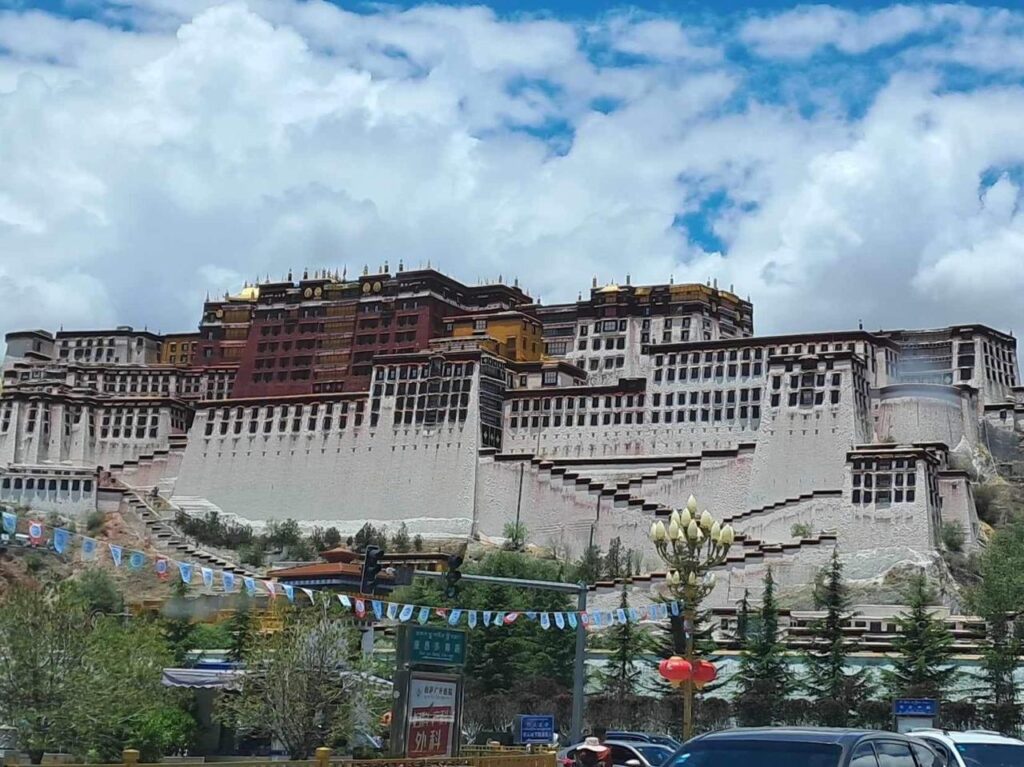
  • Days 1-3: Falling in Love with Lhasa. The adventure begins by soaking in the spiritual heart of Tibet. I look forward to getting lost in the maze of the Potala Palace, feeling the devout energy of pilgrims at the Jokhang Temple, and debating Buddhist philosophy with monks in the ancient halls of Sera and Drepung Monasteries. This slow start is key to connecting with Tibet’s soul before hitting the road. Beyond the major sites, I’m eager to wander the Barkhor Street circuit, circling the Jokhang Temple alongside Tibetan pilgrims. It’s a moving, living ritual of spinning prayer wheels and murmured mantras—a truly immersive cultural experience.
  • Days 4-5: The Open Road & Turquoise Lakes. This is where the Tibet overland tour truly begins! The drive from Lhasa to Shigatse and then to Shegar is where the picture-postcard views start rolling in. I’m most excited about Lake Yamdrok-tso—that stunning, turquoise-blue lake nestled between mountain peaks. Passing through the towering Karo-la Glacier (over 5,000 meters!) is a moment I can already picture. The journey itself is the destination on these days. I’m looking forward to the ever-changing scenery outside the window, the occasional sight of wild yaks grazing, and stopping in small towns for a simple lunch of thukpa (noodle soup), feeling a world away from everything.
  • Day 6: The Everest Base Camp Moment. The pinnacle of any Tibet adventure. The tour includes a stay at the Rongphu Monastery Guesthouse or a tent camp, right under the gaze of the north face of Mount Everest. The thought of seeing the sun set and rise on the summit of the world is the kind of moment you carry with you forever. It’s not just about the photo op; it’s about the profound silence and awe that comes with being in the presence of such raw, powerful nature. The air is thin, the temperatures drop, but the experience is incredibly humbling and uplifting all at once.
  • Day 7-8: The Descent into Nepal. The adventure continues as we cross from the high, dry Tibetan plateau into the lush, green valleys of Nepal. The drive from Tingri to the border town of Zhangmu is said to be one of the most dramatic landscape transitions on earth. After saying goodbye to our Tibetan guide, we complete the final leg to Kathmandu, a city bursting with a completely different, yet equally fascinating, energy. Arriving in Kathmandu after the spiritual serenity of Tibet is a sensory explosion—a vibrant chaos of colors, sounds, and smells that marks the perfect end to this transformative journey.

Beyond the Sights: The Feel of the Journey

A trip like this leaves its mark on you. It’s in the taste of salty butter tea, an acquired taste that becomes a fond memory. It’s in the sound of monks chanting and the flutter of prayer flags in the wind—the constant soundtrack of Tibet. It’s the feeling of the sun on your face at 5,000 meters and the crisp, thin air filling your lungs. This Tibet overland tour is as much about an internal journey as it is an external one. It offers a chance to disconnect from the busyness of daily life and reconnect with something much older and simpler.

What Makes This a “Trip of a Lifetime”?

  • The Changing Landscapes: From arid plateaus and glacial passes to the deepest gorges and finally, subtropical forests, all from a vehicle window.
  • The Cultural Whiplash: Experiencing the profound Buddhist serenity of Tibet and then diving into the chaotic, vibrant Hindu buzz of Kathmandu in one seamless trip.
  • It’s Achievable: As a Budget Tibet tour, it makes this incredible journey accessible. It covers the essentials—comfortable transport, knowledgeable guides, permits, and accommodation—without the frills, allowing you to invest purely in the experience.

A Few Things I’m Keeping in Mind (The Real Talk)

This isn’t a five-star resort vacation, and that’s the point! It’s an expedition. I’m preparing for basic guesthouses, especially at Everest Base Camp, and long but incredibly scenic driving days. The altitude is no joke, so I’ll take the acclimatization days in Lhasa seriously. Most importantly, I’m going with an open mind and a flexible spirit—ready for adventure, unexpected delays, and the magic that comes with it. The key is to pack patience, a sense of humor, and layers of warm clothing! Remember, the challenge is part of what makes the rewards so sweet.

If you’re looking for a genuine adventure that challenges and rewards you in equal measure, this overland journey from Lhasa to Kathmandu is it. It’s more than a tour; it’s a story waiting to be lived.

Ready to write your own story? This specific 8-day Lhasa to Kathmandu Lhasa group joining tour itinerary can be found here: https://www.tibettour.travel/tibet-group-joining-tour-8-days

Why Mt. Kailash is the Most Sacred Pilgrimage in the World?

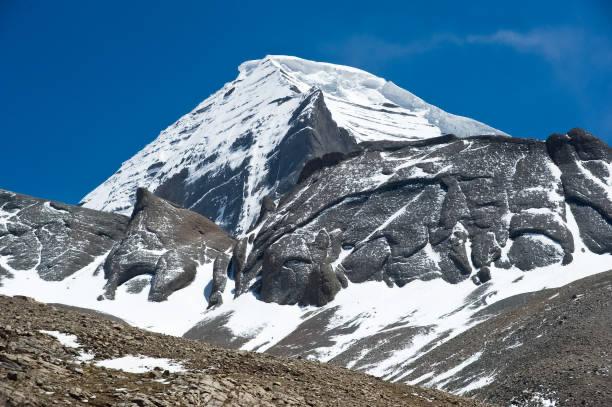
Nestled in the remote reaches of the Tibetan Plateau, Mt. Kailash stands as a beacon of spiritual enlightenment and cultural reverence. Known as the “Axis Mundi” or the center of the universe, this majestic peak is considered the most sacred pilgrimage site in the world. For millennia, it has drawn millions of pilgrims, adventurers, and seekers of truth from diverse religious backgrounds. But what makes Mt. Kailash so profoundly significant? Let’s explore the spiritual and cultural importance of this enigmatic mountain.

The Spiritual Significance of Mt. Kailash

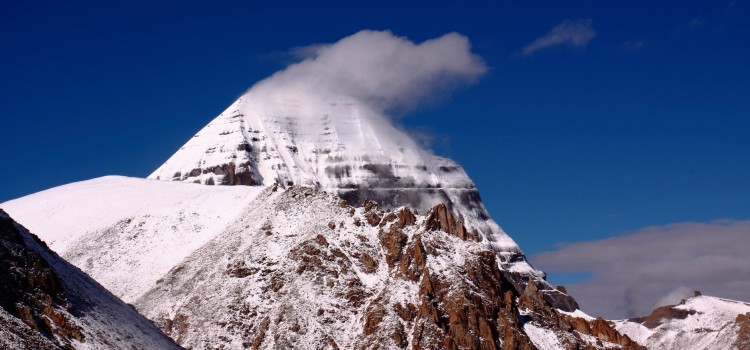
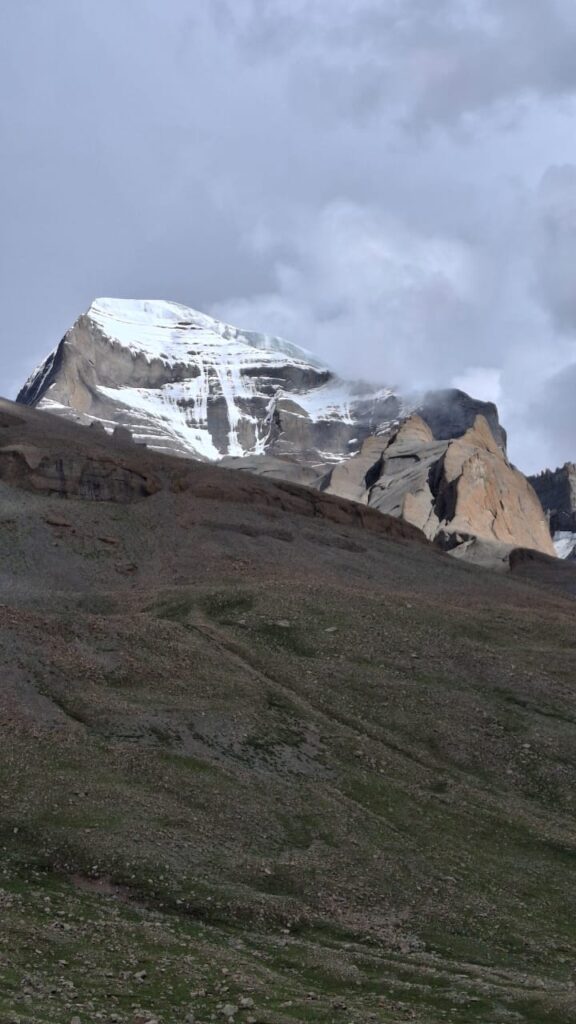
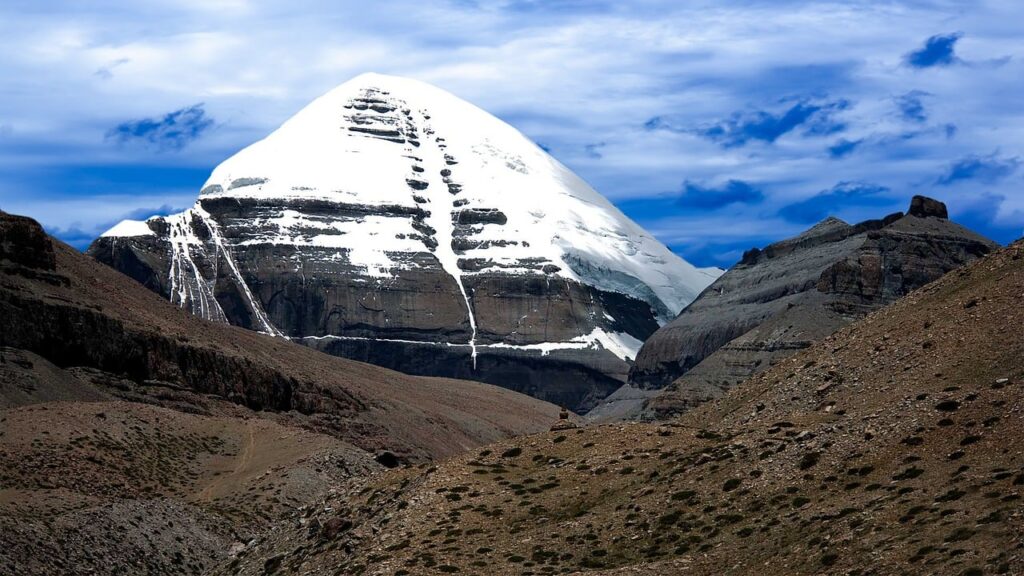
Mt. Kailash
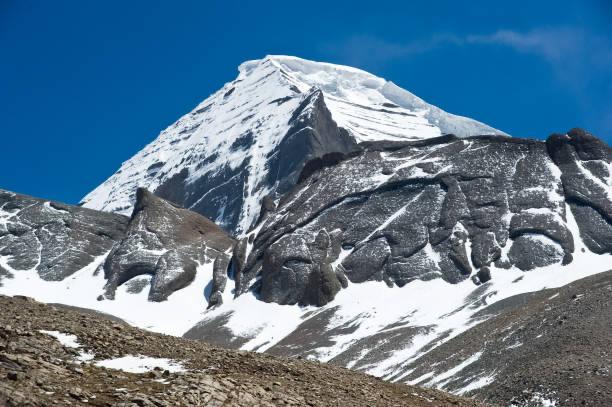
Mt Kailash

Mt. Kailash is revered as a sacred site in four major religions: Hinduism, Buddhism, Jainism, and Bon. Each tradition attributes its unique spiritual significance to the mountain, yet all agree on its divine nature.

  1. In Hinduism:
    For Hindus, Mt. Kailash is the abode of Lord Shiva, the destroyer and transformer within the Holy Trinity. It is believed that Shiva resides atop the mountain in a state of eternal meditation, alongside his consort, Goddess Parvati. The sacred texts, including the Vedas and Puranas, describe Kailash as a place of ultimate peace and liberation (moksha). Pilgrims undertake the arduous Kailash Parikrama (circumambulation) to seek blessings and cleanse their sins.
  2. In Buddhism:
    Buddhists regard Mt. Kailash as the home of Demchok (or Chakrasamvara), a deity representing supreme bliss. The mountain is also associated with the legendary Mount Meru, the cosmic center of the universe. The Kora (circumambulation) around Kailash is believed to bring good fortune and spiritual merit, with one full circuit said to erase the sins of a lifetime.
  3. In Jainism:
    For Jains, Mt. Kailash is known as Ashtapada, the site where their first Tirthankara, Rishabhadeva, attained enlightenment. The mountain holds immense historical and spiritual importance, symbolizing the path to liberation and purity.
  4. In Bon Tradition:
    The ancient Bon religion, which predates Buddhism in Tibet, considers Mt. Kailash the seat of all spiritual power. It is believed to be the location where the founder of Bon, Tonpa Shenrab, descended from heaven. The mountain is central to Bon rituals and practices.

The Cultural Importance of Mt. Kailash

Beyond its spiritual significance, Mt. Kailash is a cultural treasure trove. Its remote location and untouched beauty have preserved its sanctity over centuries. The mountain is surrounded by pristine lakes, including the sacred Lake Mansarovar, which is believed to cleanse the soul upon bathing in its waters.

The annual Saga Dawa festival, celebrated by Buddhists, marks the enlightenment of Buddha and attracts thousands of pilgrims who gather to perform rituals and prayers. The cultural practices and traditions associated with Mt. Kailash have been passed down through generations, making it a living testament to humanity’s spiritual heritage.

The Mystique of Mt. Kailash

Mt. Kailash is shrouded in mystery and wonder. Unlike other peaks, it has never been climbed, as it is considered sacrilegious to attempt to summit this sacred mountain. Its unique pyramid-like shape, with a vertical gash on its south face, adds to its mystique. The mountain’s four faces are said to be made of crystal, ruby, gold, and lapis lazuli, symbolizing purity, power, and divinity.

The circumambulation of Mt. Kailash, known as the Kora, is a 52-kilometer journey that tests the physical and mental endurance of pilgrims. The trek takes place at an altitude of over 15,000 feet, with the highest point being the Dolma La Pass (18,500 feet). Despite the challenges, the Kora is a transformative experience, offering breathtaking views and a deep sense of connection to the divine.

Why Mt. Kailash is the Ultimate Pilgrimage?

Mt. Kailash is more than just a mountain; it is a symbol of unity, faith, and transcendence. Its universal appeal across religions and cultures makes it a unique pilgrimage site. Here’s why it stands out:

  • A Place of Unity: Mt. Kailash transcends religious boundaries, bringing together people of different faiths in a shared quest for spiritual enlightenment.
  • A Test of Devotion: The challenging journey to and around the mountain is a testament to the pilgrim’s dedication and faith.
  • A Source of Inner Peace: The serene environment and spiritual energy of Mt. Kailash offer a rare opportunity for introspection and self-discovery.

Mt. Kailash is not just a geographical wonder but a spiritual phenomenon. Its unparalleled significance in Hinduism, Buddhism, Jainism, and Bon, combined with its cultural richness and natural beauty, makes it the most sacred pilgrimage in the world. For those who seek to connect with the divine, Mt. Kailash offers a journey like no other—a journey that transcends the physical and touches the soul.

Whether you are a spiritual seeker, a cultural enthusiast, or an adventurer at heart, a Mt. Kailash tour offers the ultimate journey to experience its timeless allure. Embark on this sacred pilgrimage, and you may just find the answers you’ve been searching for.

Your Tibet Tour: A Guide for the Solo Traveller (Spoiler: You Can’t Go Truly Alone)

Have you ever dreamt of standing in the shadow of the Potala Palace, feeling the thin, crisp air of the Himalayas, or witnessing the devout pilgrims circling sacred Mount Kailash? For the intrepid solo traveller, Tibet represents the ultimate frontier—a land of profound spirituality and breathtaking landscapes.

But here’s the crucial question every independent explorer must ask: Is solo travel in Tibet even possible? And more importantly, is it safe?

The answer is a fascinating mix of yes and no. While you cannot backpack through Tibet independently as you might in Southeast Asia or Europe, it is absolutely possible—and highly rewarding—for a solo traveller to experience this majestic region. The secret? Group joining Tibet tours.

The Reality of Travel in Tibet: Why You Can’t Go It Alone

First, let’s address the most important rule. The Tibetan Autonomous Region has specific regulations designed to protect its unique cultural and political environment. This means that the classic image of a lone wanderer with a backpack is not a legal option here.

There are two non-negotiable requirements for any foreign traveller:

  1. You Must Have a Tibet Travel Permit: This is the golden ticket. Unlike a Chinese visa, this permit can only be applied for by an authorised Tibetan travel agency on your behalf. You cannot obtain it yourself.
  2. You Must Be Part of an Organised Tour: Independent travel is not permitted. You must be part of a tour, which, at a minimum, consists of a private driver and a guide. However, the most common and accessible way to meet this requirement is by joining a small group tour.

This means that even if you are travelling alone, you will be placed into a small group of other like-minded travellers. Regulations typically require a minimum of 2 to 4 persons to form a group and apply for the necessary permits. So, while you arrive solo, you travel as part of a team.

The Key to Unlocking Tibet: The Group Joining Tour

This is where the magic happens for the solo traveller. A group joining Tibet tour is specifically designed for individuals, couples, or small parties who want to experience Tibet without the high cost of a private tour.

Think of it as a pre-organised small group adventure where you are the participant. It’s the perfect solution that satisfies government regulations while providing a social, budget-friendly, and incredibly enriching travel experience.

Why a Lhasa Group Joining Tour is Perfect for You:

  • Budget-Friendly: This is the biggest advantage. By sharing the costs of the guide, vehicle, and permits with other travellers, you can experience Tibet for a fraction of the price of a private tour. Your dream trip becomes financially achievable.
  • Built-In Travel Companions: You immediately have a small community to share the awe-inspiring moments with. It’s a fantastic way to meet people from around the world who share your passion for adventure and culture.
  • Logistical Ease: All the complex logistics—permits, transportation, accommodation, guides—are handled by the expert local agency. You just need to show up and immerse yourself in the experience.
  • Safety in Numbers: Travelling with a group and a knowledgeable local guide provides an added layer of security, especially when dealing with high altitudes and remote regions.

The Essential Process: Permits and Your Tibetan Guide

Once you book your spot on a group joining Tibet tour, the agency swings into action.

  • The Permit Process: Using your passport and Chinese visa information, the agency will apply for your Tibet Travel Permit. This process normally takes between 15 to 30 days, depending on the tour itinerary. More remote destinations like Mount Kailash require additional permits, which the agency will also secure. This is why planning and booking well in advance is critical.
  • Your Mandatory Tibetan Guide: Your group will be accompanied by a professional Tibetan guide for the entire journey. This isn’t just a formality; it’s a highlight. Your guide is your cultural interpreter, your history book, your navigator, and your guardian. They provide invaluable context to the monasteries you visit, help you interact with locals, ensure you respect customs, and monitor your health in the high-altitude environment.

From Lhasa to Kailash: Types of Group Tours

The most popular starting point is a Lhasa group joining tour. This typically includes exploring the capital city’s iconic sites, such as the Potala Palace, Jokhang Temple, and Sera Monastery, allowing you time to acclimatise to the altitude.

For the truly adventurous, a Mt. Kailash group joining tour is the ultimate pilgrimage. This multi-day trek around the sacred mountain is a challenging but life-changing experience, made logistically possible and safe through an organized group.

Conclusion: Your Solo Adventure, Our Group

So, is solo travel in Tibet possible? Yes—but it’s brilliantly rebranded as group travel.

Embrace the concept of the group joining tour. It’s not a limitation; it’s your access pass. It’s an affordable, safe, and socially enriching way to fulfil your dream of witnessing the roof of the world. You arrive alone, but you leave with unforgettable memories and often, new friends from across the globe.

Ready to turn your solo dream into a planned reality? Start looking for a reputable travel agency specialising in group joining Tibet tours and begin your application process. Your adventure of a lifetime awaits

Your Ultimate Guide to an Everest Base Camp Tour via Lhasa from Kathmandu

Dreaming of an overland adventure to the roof of the world and a sunrise over the highest peak on Earth? An Everest Base Camp Tour via Lhasa that starts and ends in Kathmandu is an incredible journey. This guide covers everything you need to know about this epic drive-in, drive-out adventure, including the essential EBC detour, cost, and the best time to travel.

Why Choose a Group Joining the Everest Base Camp Tour via Lhasa?

Traveling to Tibet requires special permits and a licensed guide. Opting for a Group Joining the Everest Base Camp Tour via Lhasa is the perfect solution. It’s cost-effective, socially rewarding, and takes the hassle out of complex logistics. You’ll journey with like-minded travelers on an unforgettable overland trip, with all the details handled for you from Kathmandu.

A Complete 8-Day Drive-In, Drive-Out Tibet Tour Itinerary (Including EBC!)

This unique Tibet tour offers a spectacular overland experience from Nepal into Tibet, including the highlight: Everest Base Camp. Here’s the simple breakdown:

  • Day 1: Kathmandu (1,300m) – Kerung (2,200m)
    Your adventure begins with a scenic drive from Kathmandu to the Nepal-China border. After immigration, you’ll enter Tibet and drive to the border town of Kerung (Gyirong) for your first night, allowing for initial acclimatization.
  • Day 2: Kerung – Shigatse (3,900m)
    You continue your drive onto the Tibetan Plateau. The landscapes become more arid and dramatic as you make your way to Shigatse, Tibet’s second-largest city.
  • Day 3: Shigatse – Gyantse (3,860m) – Lhasa (3,650m)
    Visit the impressive Tashilhunpo Monastery in Shigatse. Then drive to Gyantse to see the Pelkor Monastery and the unique Gyantse Kumbum stupa. After sightseeing, begin the drive to Lhasa.
  • Day 4 & 5: Sightseeing in Lhasa
    These two full days are dedicated to exploring Lhasa’s wonders. You’ll explore the magnificent Potala Palace, the spiritual Jokhang Temple, and witness monks debate at Sera Monastery. Wandering Barkhor Street is a cultural experience in itself.
  • Day 6: Lhasa – Shigatse / Tingri
    You begin your return journey, driving back along the Friendship Highway. You will stop for the night in Shigatse or continue to Tingri to better position yourself for the Everest Base Camp visit the next morning.
  • Day 7: Shigatse/Tingri – Everest Base Camp (5,200m) – Kerung
    This is the highlight! An early morning drive takes you to Rongbuk Monastery, the highest in the world. From there, you will visit Everest Base Camp itself for those unforgettable, awe-inspiring views of Mt. Everest (Qomolangma). Please note that overnight stays at the base camp itself are restricted. You will spend time there before beginning the long drive back to the border town of Kerung for the night.
  • Day 8: Kerung – Kathmandu
    After completing border formalities, you drive back from Kerung to Kathmandu, marking the end of your incredible Everest Base Camp Tour via Lhasa.

Cost Breakdown for Your Tibet Tour with EBC

Group Joining the Everest Base Camp Tour via Lhasa on this route is an affordable overland adventure. The base cost for the 8-day tour is typically USD $900 per person. Please note that adding the Everest Base Camp excursion incurs an additional USD $250, bringing the total to approximately $1,150 per person. This usually includes:

  • All Tibet travel permits and border fees (including EBC permit).
  • Comfortable, licensed tourist vehicles for the entire journey (including the EBC detour).
  • An experienced English-speaking guide.
  • All accommodation.
  • Entrance fees to all listed attractions.

Note: Meals and tips are usually extra.

Best Time and Weather for Your Tour

The best time for this Tibet tour is from April to early June and from September to October. During these windows, the weather is stable with clear skies, offering the best chance of a stunning, unobstructed view of Mount Everest.

  • Spring (Apr-Jun): Pleasant temperatures and clear skies. Ideal for driving and photography.
  • Autumn (Sep-Oct): Considered the prime season with minimal rainfall and excellent visibility.
  • Winter (Nov-Mar): Very cold, and the border pass can sometimes close due to snow.
  • Summer (Jul-Aug): Monsoon season; clouds often obscure the mountain views.

How Difficult is This Everest Base Camp Tour?

This is primarily a driving tour. The physical difficulty is low, but the primary challenges include the long drive days on winding mountain roads and the high altitude, especially during the rapid ascent to 5,200m at the EBC. While acclimatization is built in, it’s essential to be prepared for potential symptoms of Acute Mountain Sickness (AMS). Being in good health and staying hydrated are key.

Ready for the Adventure?

This Everest Base Camp Tour via Lhasa from Kathmandu is a classic Himalayan road trip that delivers the ultimate prize: a breathtaking visit to the base of the world’s tallest mountain. By joining a group tour, you ensure a smooth, safe, and unforgettable overland experience. Start planning your Tibetan adventure today

Your In-Depth Guide to an 8-Day Tibet Tour: Unpacking the Magic of Lhasa & Yamdrok Lake

An 8-day Tibet tour is the classic journey for a reason. It gives you enough time to truly connect with the heart of Tibetan culture in Lhasa and then witness the breathtaking natural beauty that lies beyond the city. This isn’t just a sightseeing trip; it’s a deep dive into a way of life.

Joining a 8-day group joining Tibet tour is a fantastic way to experience this. You travel with a small group of like-minded explorers, share experiences, and often make lifelong friends, all while keeping costs down. This makes for a truly memorable and Budget 8 Days Tibet tour experience.

Let’s break down exactly what you’ll see and do on each day of this incredible adventure.

Day 1: Arrival in Lhasa (3,650m) – The Start of Your Journey

Your adventure begins the moment you land. The first thing you’ll notice is the incredible clarity of the light and the vastness of the sky. Your guide will be waiting for you, offering a traditional white silk scarf known as a Khata. This is a warm Tibetan welcome, a sign of respect and good luck.

  • The Main Event: Acclimatization. This is the most important part of your first day. Lhasa is over two miles above sea level. Your body needs time to adjust.
  • What to Do: Take it slow. Drink plenty of water. Relax at your hotel. Maybe take a short, gentle walk around the neighborhood if you’re feeling up to it, but listen to your body. The excitement is building, and a good rest ensures you’re ready for the days ahead.

Day 2: Lhasa’s Crown Jewels – The Potala Palace and Jokhang Temple

Today, you step into the pages of history.

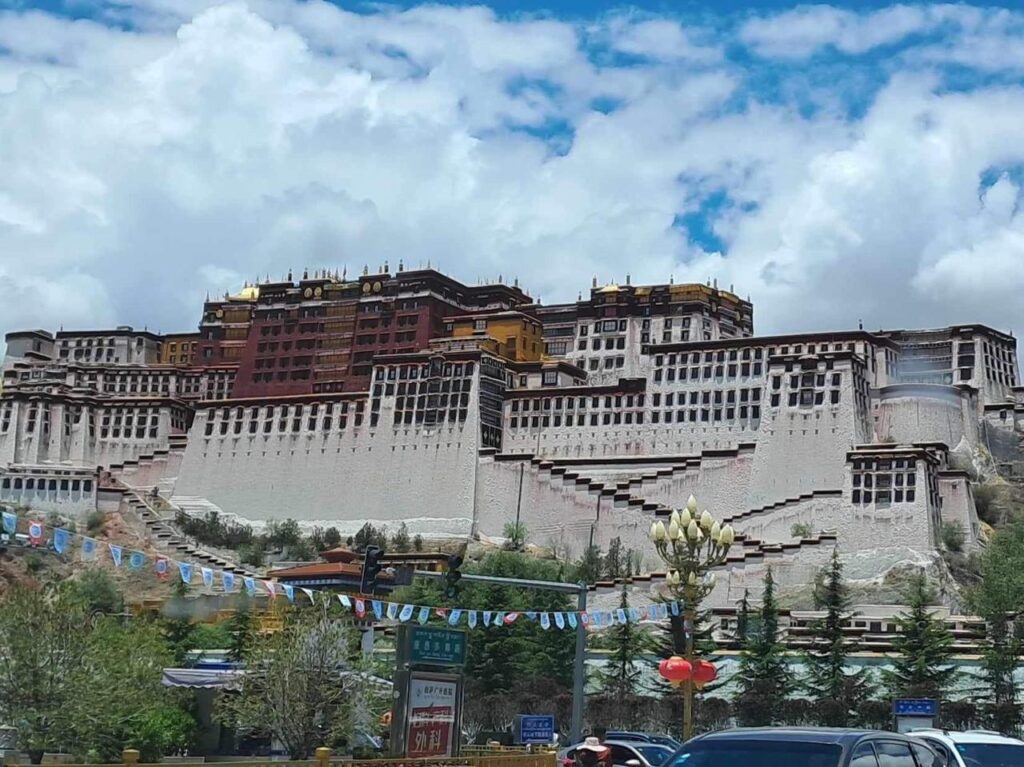
  • The Potala Palace: This isn’t just a palace; it’s the symbol of Tibet. As you approach, its 13 stories of towering white and red walls will leave you in awe. Originally built by King Songtsen Gampo and later expanded, it was the winter home of the Dalai Lamas for centuries.
    • What You’ll See Inside: You’ll climb ancient stone steps (take it slow!) and walk through rooms filled with history. See the intricate gold-covered stupas that hold the remains of past Dalai Lamas, incredibly detailed thangka paintings, and the private quarters where the spiritual leaders lived and studied. It feels like a living museum.
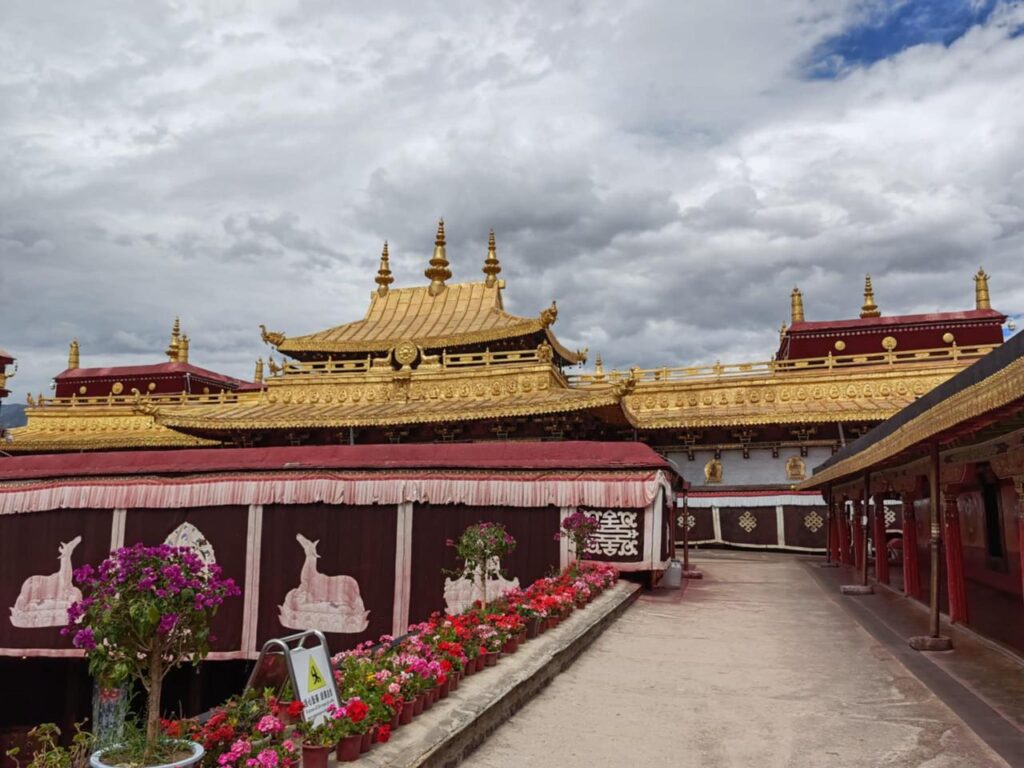
  • The Jokhang Temple: If the Potala is the political heart, the Jokhang is the spiritual heart of Tibet. Built in the 7th century, it is the most sacred temple. The atmosphere here is electric with devotion.
    • What You’ll Feel: You’ll see pilgrims from every corner of Tibet prostrating themselves in prayer outside the entrance. Inside, the air is thick with the smell of burning yak butter lamps. The central statue is a revered image of Buddha Sakyamuni as a young man. The sense of faith is palpable and deeply moving.
  • Barkhor Street: This circular pilgrim path surrounds the Jokhang Temple. It’s a bustling, vibrant marketplace and a social hub.
    • The Experience: Walk the circuit with the pilgrims. You can browse stalls selling everything from prayer wheels and turquoise jewelry to traditional Tibetan boots. It’s the perfect place to feel the pulse of everyday Lhasa life.

Day 3: The Great Monasteries – Sera and Drepung

Today, you explore two of Tibet’s “great three” monasteries, centers of Buddhist learning and practice.

  • Drepung Monastery: Once the largest monastery in the world, housing over 10,000 monks, it sits like a white city nestled in the hillside.
    • What to Explore: Wandering through its narrow pathways between white-walled buildings is an adventure. You’ll visit large assembly halls with towering statues and see the monks’ living quarters. The view from the top, looking out over the entire Lhasa valley, is absolutely worth the climb.
  • Sera Monastery: While Drepung is vast, Sera is famous for one thing: the Monk Debates.
    • A Unique Spectacle: Every afternoon (except Sundays), monks gather in a shaded courtyard. The debating is a core part of their education. One monk sits, while another stands and asks philosophical questions. The standing monk claps his hands loudly with each point to emphasize his argument. It’s a lively, captivating event. Watching their intense expressions and gestures is a highlight, offering a real glimpse into monastic training.

Day 4: The Scenic Drive to Shigatse & The Gem of Yamdrok Lake

We leave Lhasa and embark on one of the world’s most beautiful drives.

  • Gampa La Pass (4,790m): The drive itself is an event. As you wind up the mountains, you’ll reach the summit of this high pass. And then you see it…
  • Yamdrok Lake: The view is simply unforgettable. Below you lies one of Tibet’s three most sacred lakes. Its water is a shade of turquoise blue that seems almost unreal, shaped like a giant scorpion and surrounded by snow-capped mountains. According to local belief, simply seeing the lake brings good fortune. You’ll have plenty of time to walk along its shores, take photos, and soak in the incredible peace of this place.

After saying goodbye to the lake, we continue the drive, enjoying stark, beautiful landscapes all the way to Shigatse, Tibet’s second-largest city.

Day 5: Gyantse’s Historic Treasures & Return to Lhasa

On our loop back to Lhasa, we stop in the historic town of Gyantse.

  • Pelkor Monastery and the Gyantse Kumbum: This is a unique site. Unlike other monasteries, Pelkor is known for its Kumbum (meaning “100,000 images”). This is a giant stupa (Buddhist shrine).
    • Why It’s Special: You can go inside the Kumbum. It has nine levels, with chapel after chapel (108 in total!) spiraling up to the top. Each chapel is filled with incredibly well-preserved ancient murals and statues. Climbing through it feels like exploring a sacred maze and is a true hidden gem of Tibetan art and architecture.

The drive back to Lhasa follows the friendly Brahmaputra River, offering more stunning views of the Tibetan countryside.

Day 6: Your Free Day – Explore Lhasa Your Way

This day has no schedule. It’s your chance to personalize your trip.

  • Ideas: Revisit the Barkhor Market for souvenirs. Find that little tea house you spotted earlier and spend an hour people-watching. Go back to a part of the Potala Palace to sit and sketch or just reflect. Or, you could visit a lesser-known temple like the Ramoche Temple. This day allows you to follow your own curiosity.

Day 7: Connecting the Dots at the Tibet Museum

Before you leave, we visit the Tibet Museum.

  • Why It Matters: After days of seeing incredible sites, the museum helps you put it all together. Its modern exhibits tell the full story of Tibet’s history, culture, and art. Seeing the artifacts, traditional costumes, and historical context will deepen your understanding of everything you’ve witnessed. It’s the perfect way to reflect on your journey.

The rest of the day is yours for last-minute adventures or relaxation.

Day 8: Departure from Lhasa

Your 8-day Tibet tour concludes after breakfast. Your guide will transfer you to the airport or train station. You’ll be heading home not just with photos, but with a real sense of Tibet’s profound spirit, its resilient people, and its stunning landscapes. It’s an experience that stays with you long after you’ve returned home.

Budget Travel in Tibet: How to Explore Affordably with a Group Joining Tibet Tour

Tibet, the “Roof of the World,” is a dream destination for many travelers. With its breathtaking landscapes, rich culture, and spiritual heritage, it offers an unforgettable experience. However, many assume that traveling to Tibet is expensive. The good news? With smart planning, you can enjoy a budget-friendly Tibet tour without compromising on the experience. One of the best ways to cut costs is by opting for a group joining a Tibet tour, where you share expenses with fellow travelers.

Why Choose a Budget-Friendly Tibet Tour?

Traveling on a budget doesn’t mean missing out on Tibet’s wonders. Here’s why a budget-friendly Tibet tour is a great choice:

  • Lower Costs: Shared accommodations, transportation, and guide fees reduce expenses.
  • Group Discounts: Many tour operators offer discounts for group bookings.
  • Social Experience: Traveling with like-minded explorers enhances the journey.
  • Fixed Itineraries: Pre-planned tours save time and money on logistics.

Tips for an Affordable Tibet Tour

1. Join a Group Tour

group joining a Tibet tour is the most economical way to explore Tibet. Since costs like permits, guides, and vehicles are split among participants, you save significantly compared to private tours.

2. Travel in the Off-Season

Peak seasons (May to October) see higher prices. Visiting during the shoulder seasons (April or November) means lower costs on flights, hotels, and tours.

3. Book Budget Accommodations

Opt for guesthouses or budget hotels instead of luxury stays. Many budget-friendly Tibet tours include simple but clean lodging.

4. Eat Local

Tibetan food like thukpa (noodle soup) and momos (dumplings) is delicious and affordable. Avoid touristy restaurants for better prices.

5. Combine Tours

Some operators offer combo packages (e.g., Lhasa + Everest Base Camp) at discounted rates when booked as a group.

Best Budget-Friendly Group Tours in Tibet

Here are some of the best group joining Tibet tours that offer great value:

1. 8-Day Tibet Group Joining Tour (Lhasa to Everest)

  • Highlights: Potala Palace, Yamdrok Lake, Tashilhunpo Monastery, Everest Base Camp.
  • Why Choose It? Perfect for first-time visitors, covering Tibet’s top attractions at an affordable group rate.

2. 10-Day Kailash Spiritual Tour

  • Highlights: Mount Kailash pilgrimage, Lake Manasarovar, ancient monasteries.
  • Why Choose It? A deeply spiritual journey at a budget-friendly group price.

3. 8-Day Tibet Overland Tour (Lhasa to Kathmandu)

  • Highlights: Gyantse, Shigatse, Everest, and a scenic drive to Nepal.
  • Why Choose It? Ideal for adventure seekers looking for an affordable overland experience.

Exploring Tibet doesn’t have to break the bank. By choosing a budget-friendly Tibet tour and joining a group tour to Tibet, you can experience the magic of Tibet at a fraction of the cost. With smart planning, off-season travel, and shared expenses, your dream Tibetan adventure is within reach, without sacrificing the experience.

Ready to embark on an affordable journey? Book a group joining Tibet tour today and discover the wonders of Tibet without overspending!

Kailash Mansarovar Yatra Cost from Nepal (2025/2026): A Detailed Budget Breakdown

The Kailash Mansarovar Yatra is a once-in-a-lifetime pilgrimage, but planning the finances can be overwhelming. With varying routes, packages, and hidden costs, pilgrims need a clear breakdown to budget effectively.

This guide provides a transparent cost analysis for 2025/2026, covering:
✔ Inclusions & exclusions in tour packages
✔ Helicopter vs. overland route costs
✔ Tips to save money without compromising safety
✔ Hidden expenses that many pilgrims overlook

Whether you’re an Indian citizen or an international traveler, this article will help you plan your sacred journey with confidence.

Kailash Mansarovar Yatra Cost

Factors Affecting Kailash Yatra Cost

1. Route Selection (Biggest Cost Factor)

RouteDurationApprox. Cost (2025/2026)Best For
Overland (Kerung/Kodari Route)12-14 days$1,800 – $2,800 (INR 1.5L – 2.3L)Budget-conscious pilgrims
Helicopter-Assisted (Simikot-Hilsa)8-10 days$3,500 – $5,500 (INR 2.9L – 4.5L)Those short on time or avoiding long treks
Lhasa-Kailash (Flight + Overland)14-16 days$3,000 – $4,500 (INR 2.5L – 3.7L)Pilgrims wanting to explore Lhasa first

2. Package Type (Standard vs. Deluxe)

  • Standard: Basic guesthouses, shared transport (~$1,800-$2,500)
  • Deluxe: Better hotels (3-4 star), private vehicles (~$2,800-$4,000)
  • VIP: Luxury stays, helicopter options (~$4,500+)

3. Group Size

  • Larger groups (15+ pax) get discounts.
  • Small private groups cost more but offer flexibility.

4. Season (Peak vs. Off-Peak)

  • Peak (May-June, Sept-Oct): 10-20% higher due to demand.
  • Shoulder (July-Aug, Nov): Slightly cheaper, but weather risks exist.

What’s Included in a Kailash Yatra Package?

✅ Permits & Visas

  • Tibet Travel Permit (TTP)
  • Chinese Group Visa (processed in Kathmandu)
  • Alien’s Travel Permit (ATP) for the Kailash region

✅ Transportation

  • Kathmandu to Nepal-China border (Jeep/Bus)
  • Tibet-side travel (4WD Land Cruisers or buses)
  • Helicopter transfers (if applicable)

✅ Accommodation

  • Kathmandu: 3-star hotel (pre/post-trip)
  • Tibet: Basic guesthouses/dormitories (during Kora)

✅ Meals

  • All vegetarian meals in Tibet (breakfast, lunch, dinner)
  • Nepal meals (as per itinerary)

✅ Support & Safety

  • Experienced Nepali/Indian guide + Tibetan guide
  • Porters/yaks for group luggage (limited weight)
  • Oxygen cylinders & basic first aid

Common Exclusions & Hidden Costs

❌ International/Domestic Flights (to Kathmandu)
❌ Nepal Visa (for non-Indian nationals)
❌ Travel Insurance (mandatory for high-altitude coverage)
❌ Personal Porter/Pony (~$15-$30/day for extra luggage)
❌ Tips for Guides & Drivers (~$50-$100 per pilgrim)
❌ Emergency Evacuation (covered by insurance, not tour operators)
❌ Unforeseen Delays (weather, landslides, permit issues)

Estimated Costs for Indian Citizens (2025/2026)

Package TypeDurationApprox. Cost (INR)
Standard Overland (Group)12-14 days₹1,55,000 – ₹1,85,000
Deluxe Overland (Small Group)12-14 days₹2,10,000 – ₹2,50,000
Helicopter-Assisted (Simikot-Hilsa)8-10 days₹3,20,000 – ₹4,50,000

Prices vary based on group size, season, and inclusions. Get a personalized quote for exact figures.

5 Money-Saving Tips for Kailash Yatra

1️⃣ Book Early – Permits are limited; early birds get better rates.
2️⃣ Travel in a Group – Larger groups = lower per-person cost.
3️⃣ Choose Overland Route – Saves 30-50% vs. helicopter.
4️⃣ Pack Light – Avoid extra porter fees.
5️⃣ Avoid Peak Season – May-June & Sept-Oct are pricier.

Why Choose Us for Your Kailash Yatra?

At Tashi Delek Nepal Treks & Expedition, we offer:
✔ All-inclusive packages (no hidden costs)
✔ Govt.-approved permits & visas
✔ Experienced guides & medical support
✔ Flexible payment options

Mount Kailash Yatra 2025/2026: Latest Updates on Visa, Permits & Routes from Nepal

The sacred Mount Kailash and Lake Manasarovar Yatra is a dream pilgrimage for Hindus, Buddhists, Jains, and Bonpos. After a five-year hiatus due to geopolitical and pandemic-related restrictions, the Kailash Mansarovar Yatra has officially resumed in 2025, with Indian pilgrims once again being permitted to undertake this spiritual journey.

Recent updates (as of July 11, 2025) confirm that the Kodari border (Nepal-China Friendship Highway) is now operational as an alternative entry/exit point, easing travel for pilgrims. However, navigating the visa and permit process remains complex, requiring pilgrims to travel through authorized tour operators.

This article provides the latest 2025/2026 updates on visa requirements, permits, routes from Nepal, and essential travel tips to help you plan a seamless pilgrimage.

Key Updates for Kailash Yatra 2025/2026

1. Resumption of Yatra & Kodari Border Reopening

  • The Kailash Mansarovar Yatra has officially reopened for Indian and international pilgrims after a long suspension.
  • The Kodari border (Sino-Nepal border) is now being used as an emergency entry/exit point, providing an alternative to the Kerung (Rasuwagadhi) route.
  • This is particularly beneficial for pilgrims who faced difficulties with the Rasuwagadhi route in previous years.

2. Special Permission for Indian Pilgrims

  • Due to diplomatic efforts, Indian citizens are now permitted to undertake the Yatra via Nepal.
  • However, individual travel is still not allowed—all pilgrims must join government-approved group tours operated by licensed agencies.

Visa & Permit Requirements for Kailash Yatra 2025/2026

1. Chinese Group Visa (Mandatory)

  • Individual visas are NOT accepted for the Kailash Yatra.
  • All pilgrims must obtain a Chinese Group Visa, processed collectively by tour operators through the Chinese Embassy in Kathmandu.
  • Documents Required:
    • Original passport (valid for at least 6 months)
    • 2 passport-sized photos
    • Completed visa application form
    • Proof of your tour booking with a licensed operator

2. Tibet Travel Permit (TTP)

  • Issued by the Tibet Tourism Bureau, this permit is required for entry into Tibet.
  • Only authorized tour operators can apply for this on behalf of pilgrims.

3. Alien’s Travel Permit (ATP)

  • Required for travel beyond Lhasa, including Mount Kailash and Lake Manasarovar.
  • Arranged by your tour operator as part of the package.

Processing Time & Advance Booking

  • Group Visa: 3-5 working days (subject to embassy processing times).
  • Tibet Travel Permit: Additional 5-7 days.
  • Book Early: Due to high demand and limited permits, pilgrims are advised to book at least 1-2 months in advance.

Popular Routes from Nepal to Mount Kailash

1. Overland Route via Kerung (Rasuwagadhi) & Kodari

  • Kathmandu → Syabrubesi → Kerung (Rasuwagadhi border) → Tibet
  • Alternative Option: Kodari border (now operational as an emergency route).
  • Includes acclimatization stops in Gyirong (Kyirong) before proceeding to Kailash.
  • Best suited for: Pilgrims seeking a traditional overland journey.

2. Helicopter-Assisted Route (Nepalgunj/Simikot/Hilsa)

  • Kathmandu → Nepalgunj → Simikot → Hilsa (by helicopter) → Purang → Kailash
  • Faster but more expensive (reduces trekking time).
  • Best for: Those with limited time or health concerns.

3. Kathmandu-Lhasa-Kailash Route

  • Kathmandu → Lhasa (flight) → Overland to Kailash
  • Includes sightseeing in Lhasa (Potala Palace, Jokhang Temple) before heading to Kailash.
  • Best for: Pilgrims who want to explore Tibetan culture before the Yatra.

Why Choose a Licensed Tour Operator?

  • Mandatory Requirement: Chinese and Tibetan authorities do not permit independent travel to Kailash.
  • Hassle-Free Processing: Licensed operators handle visas, permits, logistics, and emergency support.
  • Expert Guidance: Experienced guides ensure safe acclimatization, proper rituals, and a smooth pilgrimage.

Plan Your Kailash Yatra 2025/2026 with Us!

At Tashi Delek Nepal Treks & Expeditions, we specialize in government-approved Kailash Mansarovar Yatra packages from Nepal. Our services include:
✅ Group visa & permit processing
✅ Expert guides & well-planned itineraries
✅ Comfortable accommodations & transportation
✅ Emergency support & medical assistance

📞 Contact us today to secure your spot for the 2025/2026 Kailash Yatra and embark on this divine journey with confidence!

“Om Namah Shivaya!” 🙏

Best Time for Tibet Tours: Weather, Festivals, and Travel Seasons

Planning your Tibet tours requires careful consideration of weather, festivals, and travel seasons to ensure the best experience. Tibet’s high altitude and unique climate make some months more favorable for travel than others. Whether you’re drawn to its breathtaking landscapes, rich culture, or vibrant festivals, selecting the best time for your Tibet tour will enhance your journey.

Tibet Tours

Best Travel Seasons for Tibet Tours

1. Spring (April to May) – Mild Weather and Fewer Crowds

Spring is one of the best times for Tibet tours as temperatures begin to warm up after winter. The weather is pleasant, with daytime temperatures ranging from 10°C to 15°C (50°F to 59°F), making it ideal for sightseeing.

  • Pros:
    • Comfortable weather for trekking and outdoor activities.
    • Fewer tourists compared to peak summer months.
    • Blooming flowers and clearer mountain views.
  • Cons:
    • Nights can still be chilly.
    • Some high passes may remain snow-covered early in the season.

2. Summer (June to August) – Peak Travel Season

Summer is the most popular time for Tibet tours due to warm temperatures and the famous Saga Dawa Festival. Daytime highs reach 20°C (68°F), while nights remain cool.

  • Pros:
    • Ideal for visiting Everest Base Camp and remote regions.
    • Vibrant festivals like Saga Dawa (celebrating Buddha’s enlightenment).
    • Lush green landscapes and clear skies.
  • Cons:
    • Crowded tourist sites and higher travel costs.
    • Occasional rain showers, especially in July and August.

3. Autumn (September to October) – Perfect Weather and Stunning Views

Many travelers consider autumn the absolute best time for Tibet tours due to stable weather, clear skies, and breathtaking scenery.

  • Pros:
    • Mild temperatures (10°C–20°C / 50°F–68°F).
    • Excellent visibility for mountain views, including Mount Everest.
    • Key festivals like the Shoton Festival (Tibetan Opera performances).
  • Cons:
    • Popular travel period, so early booking is recommended.
    • Nights start getting colder by late October.

4. Winter (November to March) – Off-Season with Unique Charm

Winter is the least crowded time for Tibet tours, offering a serene experience for those who don’t mind the cold.

  • Pros:
    • Fewer tourists and lower travel costs.
    • Stunning snow-covered landscapes.
    • Unique winter festivals like Losar (Tibetan New Year in February/March).
  • Cons:
    • Harsh temperatures (-10°C to 10°C / 14°F–50°F).
    • Some roads and attractions may be closed due to snow.

Best Time for Tibet Tours Based on Festivals

Tibet’s vibrant festivals add cultural depth to any Tibet tour. Key events include:

  • Losar (Tibetan New Year, Feb/Mar) – Celebrations with prayers, dances, and family gatherings.
  • Saga Dawa Festival (May/June) – Pilgrimages to Mount Kailash and grand ceremonies.
  • Shoton Festival (August) – Yogurt festival with Tibetan opera and giant thangka displays.

When to Plan Your Tibet Tour

The best time for Tibet tours depends on your priorities:

  • For ideal weather: April–May or September–October.
  • For festivals, consider the summer (June–August) or winter (Losar in February/March).
  • For budget travelers: November–March (off-season discounts).

No matter when you visit, a Tibet tour promises unforgettable adventures amidst stunning landscapes and deep cultural heritage. Plan wisely to make the most of your journey to the “Roof of the World”!

Would you like recommendations for specific Tibet tour itineraries based on the best travel season? Let us help you craft your perfect trip!

Mount Kailash Tour for Indian Citizens in 2025 from Nepal: Your Comprehensive Guide

For Indian citizens seeking to undertake the sacred Kailash Mansarovar Yatra, Nepal has long served as a popular and often more accessible gateway than India’s direct routes. With the overall reopening of the Yatra in 2025 after a five-year hiatus, pilgrims are eagerly looking to plan their journey through this spiritual hub.

While the Indian Ministry of External Affairs (MEA) organizes its own Kailash Mansarovar Yatra via Lipulekh and Nathu La passes, many Indian pilgrims opt for a Mt Kailash Group Joining Tour for Indian Citizens 13 Days starting from Kathmandu, Nepal, due to the flexibility, varied options, and often perceived ease of logistics offered by Nepalese and Indian private tour operators. Here’s what Indian citizens need to know about undertaking the Mt. Kailash tour from Nepal in 2025:

Why Choose the Nepal Route?

  • Accessibility: Kathmandu is a major international hub with direct flights from various Indian cities, making it a convenient starting point.
  • Variety of Packages: Private tour operators in Nepal offer a range of packages, including overland (bus/jeep), helicopter-to-Hilsa, and even flights to Lhasa before continuing overland to Kailash, catering to different budgets and physical capabilities.
  • Visa Process (Group Visa): While a Chinese visa and Tibet Travel Permit are still required, tour operators in Nepal specialize in facilitating the group visa process for Indian pilgrims through the Chinese Embassy in Kathmandu. This can sometimes be less cumbersome than applying individually from India.
  • Cultural Familiarity: Nepal shares deep cultural and religious ties with India, and many tour operators have experience catering to Indian pilgrims, offering vegetarian meals, Hindi-speaking guides, and arrangements for pujas.
  • Flexible Departures: Unlike the fixed, government-allocated batches, private operators often have more flexible departure dates, allowing pilgrims to choose dates that suit them, including full moon dates, which are considered auspicious.
Mount Kailash Tour for Indian Citizens in 2025 from Nepal

Key Routes from Nepal for Mount Kailash Tour for Indian Citizens:

  1. Overland Journey via Rasuwagadhi/Kerung Border:
    • Duration: Typically 10-16 days.
    • Route: Kathmandu – Syabrubesi/Timure (Nepal) – Rasuwagadhi/Kerung (border crossing) – Gyirong/Kerung – Saga – Mansarovar Lake – Darchen (Kailash base camp) – Kailash Parikrama (Kora) – Return journey.
    • Highlights: This is the most common and relatively economical option. It involves long drives through scenic, albeit sometimes challenging, Tibetan plateau landscapes, and pilgrims experience the gradual acclimatization process.
  2. Helicopter to Hilsa (Nepal) + Overland:
    • Duration: Shorter, usually 9-11 days.
    • Route: Kathmandu – Flight to Nepalgunj – Flight to Simikot (Humla district, Nepal) – Helicopter to Hilsa (Nepal-China border) – Cross border to Purang (Tibet) – Overland to Mansarovar Lake – Darchen – Kailash Parikrama (Kora) – Return journey.
    • Highlights: Significantly cuts down travel time compared to the full overland journey. It’s ideal for those with limited time or who prefer to avoid very long road journeys, though it is more expensive. The helicopter ride offers breathtaking aerial views of the Himalayas.
  3. Flight to Lhasa + Overland to Kailash:
    • Duration: Around 16-17 days.
    • Route: Kathmandu – Flight to Lhasa – Sightseeing in Lhasa (Potala Palace, Jokhang Temple, etc.) – Overland to Shigatse – Saga – Mansarovar Lake – Darchen – Kailash Parikrama (Kora) – Return journey.
    • Highlights: A more comprehensive Tibet experience, combining the spiritual pilgrimage with cultural immersion in Lhasa. This is the most luxurious and expensive option.

Visa and Permit Requirements for Mount Kailash Tour for Indian Citizens via Nepal:

For Indian passport holders, the process for the Kailash Mansarovar Yatra via Nepal generally involves:

  • Chinese Group Tourist Visa: This is a special visa issued for those traveling in groups to Tibet. It is not stamped in your passport, but is a separate group document. You cannot apply for this individually; your tour operator in Nepal will arrange it through the Chinese Embassy in Kathmandu.
  • Tibet Travel Permit (TTP): This is mandatory to enter Tibet and visit restricted areas like Mount Kailash and Lake Mansarovar. Your tour operator will secure this from the Tibet Tourism Bureau (TTB).
  • Alien’s Travel Permit: Required for travel to regions outside Lhasa, including the Kailash vicinity. This is also arranged by your tour operator.
  • Military Area Entry Permit: Some routes or areas near the border might require this. Your tour operator handles this as well.

Documents typically required by your tour operator:

  • Valid Indian Passport (with at least 6 months validity beyond your return date and ideally 2-4 blank pages).
  • Recent passport-sized photographs.
  • Visa application form (provided by the tour operator).

Estimated Costs for Mt. Kailash Tour for Indian Citizens (2025):

The cost of a Kailash Mansarovar Yatra from Nepal for Indian citizens can vary significantly based on the chosen route, duration, level of accommodation, group size, and the services included by the tour operator.

  • Overland Journey: Expect costs to range from INR 2,00,000 to INR 2,50,000 (approx. US$ 2,400 – 3,000) per person for a group joining tour.
  • Helicopter + Overland: This option is more expensive, typically costing between INR 2,70,000 to INR 3,50,000 (approx. US$ 3,200 – 4,200) per person.
  • Lhasa Flight + Overland: This can be the most premium option, potentially ranging from INR 3,75,000 to INR 4,50,000 (approx. US$ 4,500 – 5,400) or more.

These costs generally include:

  • Chinese Group Visa and Tibet Permits
  • Accommodation (standard hotels in Kathmandu, basic guesthouses/mud houses in Tibet)
  • Vegetarian meals (often prepared by Indian cooks)
  • Transportation within Nepal and Tibet
  • English and Hindi-speaking guides/leaders
  • Yaks/porters for Kailash Kora (to carry luggage/kitchen equipment)
  • Oxygen cylinders and basic first aid

Exclusions often include:

  • International airfare to and from Kathmandu
  • Travel insurance (highly recommended)
  • Nepal visa (not required for Indian citizens)
  • Tips for staff
  • Personal expenses (shopping, beverages, laundry, etc.)
  • Horse/Yak and horseman for personal riding during Kailash Kora (optional, additional cost)

Best Time to Travel (2025):

The Kailash Mansarovar Yatra season typically runs from May to October. The best time is generally considered to be:

  • May-June: Pleasant weather, though late May and early June can see increased crowds.
  • September-October: Clear skies and stable weather, often considered ideal due to fewer crowds and vibrant autumn colors.
  • July-August: Monsoon season in some parts, which can lead to road blockages and flight delays, particularly on the helicopter routes. However, it’s still a popular time for pilgrimages.

Essential Preparation for Indian Pilgrims:

  • Physical Fitness: The Yatra, especially the Kailash Kora, is physically demanding. Start a fitness regimen (brisk walking, jogging, yoga) at least 2-3 months in advance.
  • Medical Check-up: Get a thorough medical examination, especially for heart and respiratory conditions. Discuss high-altitude sickness (AMS) prevention with your doctor.
  • Acclimatization: Tour operators build in acclimatization days to help pilgrims adjust to the high altitude. It’s crucial to follow their advice and drink plenty of water.
  • Packing: Pack layers of warm clothing, waterproof and windproof jackets, comfortable trekking shoes, a sleeping bag (sometimes provided by operators), sunscreen, sunglasses, personal medication, and a basic first-aid kit.
  • Currency: Carry sufficient Chinese Yuan (CNY) for personal expenses in Tibet. Some USD might also be useful in Nepal.
  • Mental Preparedness: The Yatra is as much a spiritual journey as a physical one. Be prepared for basic accommodations, limited facilities, and challenging conditions.

Choosing a Tour Operator:

When selecting a Tibet tour operator from Nepal, consider the following:

  • Reputation and Experience: Look for operators with a long track record of organizing Kailash Yatra for Indian citizens. Check online reviews and testimonials.
  • Government Authorization: Ensure they are licensed by both Nepalese and Chinese authorities to organize tours to Tibet.
  • Inclusions and Exclusions: Carefully review the package details to understand what’s included and what additional costs you might incur.
  • Medical Support: Inquire about their arrangements for medical emergencies, including oxygen cylinders, medical staff, and evacuation plans.
  • Guide Expertise: A knowledgeable and experienced guide (especially one fluent in Hindi/English) can greatly enhance the pilgrimage experience.

The reopening of the Kailash Mansarovar Yatra in 2025 via Nepal offers a renewed opportunity for Indian citizens to embark on this profound spiritual journey. With careful planning and the assistance of reputable tour operators, pilgrims can look forward to a transformative experience at the sacred abode of Lord Shiva.