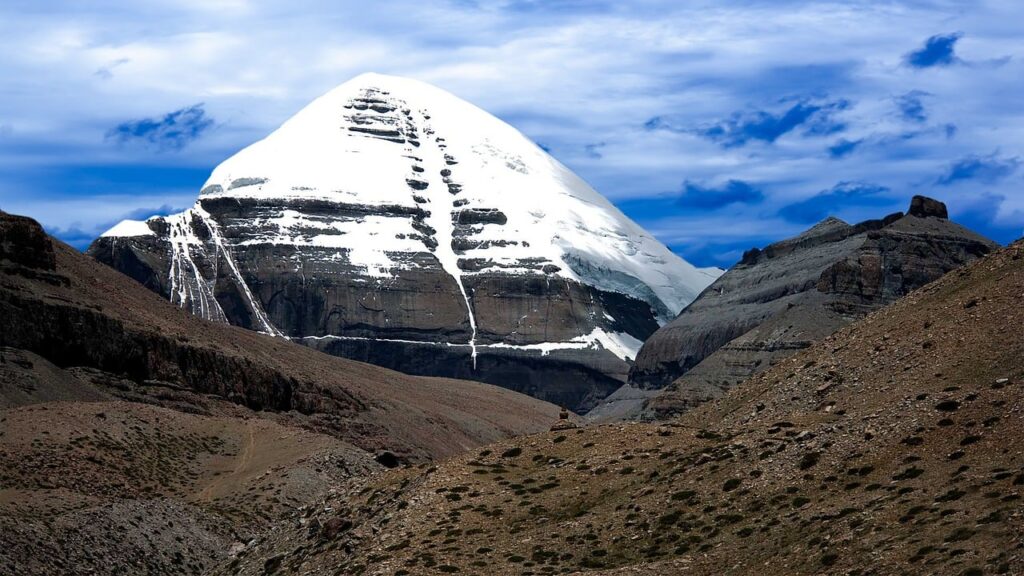
Indian Passport Guide for Mt Kailash Yatra 2027 from Kathmandu, Nepal

Complete Guide to Permits, Quota System, Documents, Group Tours, Kora, Cost, and Travel Information for Indian Passport Holders

Planning the Mt Kailash Yatra 2027 as an Indian passport holder? One of the most common questions travelers ask is whether Indians can visit Mount Kailash from Nepal, what permits are required, whether there is a quota system, and how the booking process works.

This Indian Passport Guide for Mt Kailash Yatra 2027 explains everything you need to know before booking your pilgrimage from Kathmandu, Nepal. Whether you are travelling alone, with your family, or joining a group pilgrimage, this guide covers permits, the newly introduced quota system, travel routes, documents, medical requirements, booking procedures, and practical travel advice.

Our aim is to help Indian travellers understand the complete process so they can prepare well in advance for one of the world’s most sacred pilgrimages.

Can Indian Passport Holders Visit Mount Kailash from Nepal?

Yes.

Indian passport holders can visit Mount Kailash and Lake Manasarovar through Kathmandu, Nepal. Today, this has become one of the most preferred routes because it offers:

  • Flexible departure dates
  • Professionally organized group departures
  • Comfortable accommodation throughout the journey
  • Faster permit processing than the traditional government pilgrimage
  • The opportunity to complete the sacred Mt Kailash Kora

Most pilgrims from India first arrive in Kathmandu before entering Tibet via the Rasuwagadhi–Kerung border.

Is Mt Kailash Open for Indian Passport Holders in 2027?

The 2027 pilgrimage season is expected to operate normally, subject to the annual approval of the Tibet Autonomous Region (TAR) Tourism Bureau and Chinese immigration authorities.

As with every year, travel depends on:

  • Tibet opening dates
  • Border operations
  • Permit availability
  • Annual quota allocation
  • Weather conditions

Travellers are advised to book early, especially during peak pilgrimage months from May to September.

Newly Introduced Quota System for Indian Passport Holders

One of the biggest changes affecting Indian pilgrims is the introduction of a dedicated annual quota for Indian passport holders travelling via Nepal.

Unlike previous years, Chinese authorities now allocate a specific number of permits exclusively for Indian citizens entering Tibet from Kathmandu.

This quota is completely separate from travellers holding passports from other countries.

Why Was the Quota Introduced?

The number of Indian pilgrims visiting Mount Kailash has increased significantly in recent years.

During recent pilgrimage seasons, demand exceeded the number of permits available. To better manage border operations and pilgrimage traffic, Chinese authorities introduced an annual allocation specifically for Indian passport holders.

For the 2026 season:

  • Around 24,000 permits were allocated for Indian passport holders travelling through Nepal.
  • This represented an increase from approximately 20,000 permits in the previous season.
  • Demand was reported to be much higher than the available allocation.

Although the official 2027 quota has not yet been announced, a similar quota system is expected to remain in place.

What Happens if the Quota is Filled?

Once the annual quota is exhausted:

  • No further Tibet Travel Permits may be issued for Indian passport holders.
  • Tour operators may suspend new bookings.
  • Travellers may have to wait for cancellations, additional allocations (if announced), or the following pilgrimage season.

This is one of the main reasons why early booking is strongly recommended.

Do Foreign Passport Holders Share the Same Quota?

No.

Indian passport holders have a separate allocation managed by the Chinese authorities.

Travellers holding passports from countries such as:

  • United States
  • United Kingdom
  • Australia
  • Canada
  • Singapore
  • Malaysia
  • European countries

are generally processed under different permit allocations.

Do Indian Passport Holders Need a Tibet Permit?

Yes.

Indian citizens cannot enter Tibet independently.

Every Indian traveller must obtain the required Tibet travel documents through an authorized Tibet travel agency.

Individual permit applications are not accepted.

Permit Application for Mt Kailash for Indian Passport Holders

The permit application process is handled entirely by your tour operator.

Generally, you will need:

  • Valid Indian passport (minimum six months validity)
  • Passport copy
  • Recent passport-size photograph (if requested)
  • Completed application form
  • Confirmed tour booking

The travel agency submits the application to the relevant Tibetan authorities before your departure.

How Long Does Permit Processing Take?

Permit processing usually begins several weeks before your departure.

As the Tibet Travel Permit cannot be issued instantly, travellers should complete their booking well in advance.

Submitting documents early also helps avoid delays during peak pilgrimage months.

Can Indian Passport Holders Travel Independently?

No.

Chinese regulations require all foreign visitors, including Indian passport holders entering Tibet from Nepal, to travel as part of an organized tour.

Independent travel to Mount Kailash is not permitted.

Group Joining Mt Kailash Tour for Indian Citizens

A Group Joining Tour for Indian Citizens is one of the most popular ways to complete the pilgrimage.

Instead of arranging a private expedition, travellers join a scheduled departure with other pilgrims.

Advantages include:

  • Lower overall cost
  • Shared transportation
  • Easier permit arrangements
  • Experienced Tibetan guide
  • Better logistical support
  • Opportunity to travel with fellow pilgrims

Group departures usually operate throughout the pilgrimage season.

Private Mt Kailash Tours for Indian Passport Holders

Families and friends who prefer greater flexibility may also choose private tours.

Private tours allow:

  • Flexible departure dates
  • Customized itineraries
  • Personalized pace
  • Additional sightseeing
  • Greater privacy

Permit requirements remain the same.

What Route Do Most Indian Travellers Follow?

The most popular itinerary from Kathmandu is:

Kathmandu → Syabrubesi/Timure → Rasuwagadhi Border → Kerung → Saga → Lake Manasarovar → Darchen → Mt Kailash Kora → Zuthulpuk → Saga → Kerung → Kathmandu

Some longer tours also include:

  • Lhasa
  • Shigatse
  • Gyantse
  • Yamdrok Lake
  • Everest Base Camp

Mt Kailash Kora for Indians from Kathmandu, Nepal

The sacred Mt Kailash Kora is approximately 52 kilometres and is regarded as one of the world’s most spiritually significant pilgrimages.

Most pilgrims complete the Kora over three days.

Typical itinerary:

Day 1
Darchen to Dirapuk

Day 2
Dirapuk – Dolma La Pass – Zuthulpuk

Day 3
Zuthulpuk to Darchen

Pilgrims who are unable to complete the trek can often remain in Darchen while the rest of the group performs the Kora.

Is the Mt Kailash Kora Difficult?

Yes.

The trek reaches elevations above 5,600 metres, including Dolma La Pass.

Pilgrims should prepare physically before travelling.

Training recommendations include:

  • Daily walking
  • Stair climbing
  • Cardiovascular exercise
  • Light trekking
  • Regular hydration

Medical Requirements for Indian Passport Holders

Most tour operators recommend:

  • General health examination
  • Blood pressure assessment
  • Cardiac evaluation for elderly travellers
  • Physician’s fitness certificate if required

Senior travellers should consult their doctor before booking.

Best Time for Mt Kailash Yatra 2027

The pilgrimage season generally operates between:

  • May
  • June
  • July
  • August
  • September

Each month offers different weather conditions and crowd levels.

The Saga Dawa Festival usually attracts the highest number of pilgrims.

Accommodation During the Journey

Accommodation varies throughout the route.

Travellers can generally expect:

Kathmandu:
Comfortable hotels

Kerung:
Hotels

Saga:
Hotels

Lake Manasarovar:
Guesthouses or hotels

Darchen:
Hotels

During the Kora:
Simple guesthouses with basic facilities

Accommodation standards improve each year but remain basic in remote areas.

What Should Indian Pilgrims Pack?

Recommended packing list:

  • Warm layered clothing
  • Down jacket
  • Waterproof jacket
  • Trekking shoes
  • Walking stick
  • Sunglasses
  • Sunscreen
  • Personal medicines
  • Power bank
  • Passport
  • Copies of important documents
  • Water bottle
  • Snacks

Currency During the Journey

Travellers should carry:

  • Chinese Yuan (RMB)
  • Some Nepalese Rupees while in Kathmandu

Digital payment options may be limited in remote regions.

Mobile Network and Internet

Internet access is available in many towns but may be slow or restricted.

Indian SIM cards generally do not work in Tibet.

Many travellers rely on hotel Wi-Fi where available.

Frequently Asked Questions

Can Indian passport holders visit Mount Kailash?

Yes, through an authorized tour operator from Kathmandu, Nepal, subject to Tibet permit approval and annual quota availability.

Can Indians travel independently?

No. Organized tours are mandatory.

Is there a quota?

Yes. Indian passport holders are currently subject to a separate annual permit allocation introduced by Chinese authorities.

Should I book early?

Yes. Early booking improves your chances of securing a permit before the annual quota is reached.

Can senior citizens join?

Many can, provided they meet the health requirements and are medically fit for high-altitude travel.

Is travel insurance recommended?

Yes. Comprehensive travel insurance covering high-altitude travel, medical emergencies, and trip interruptions is strongly recommended.
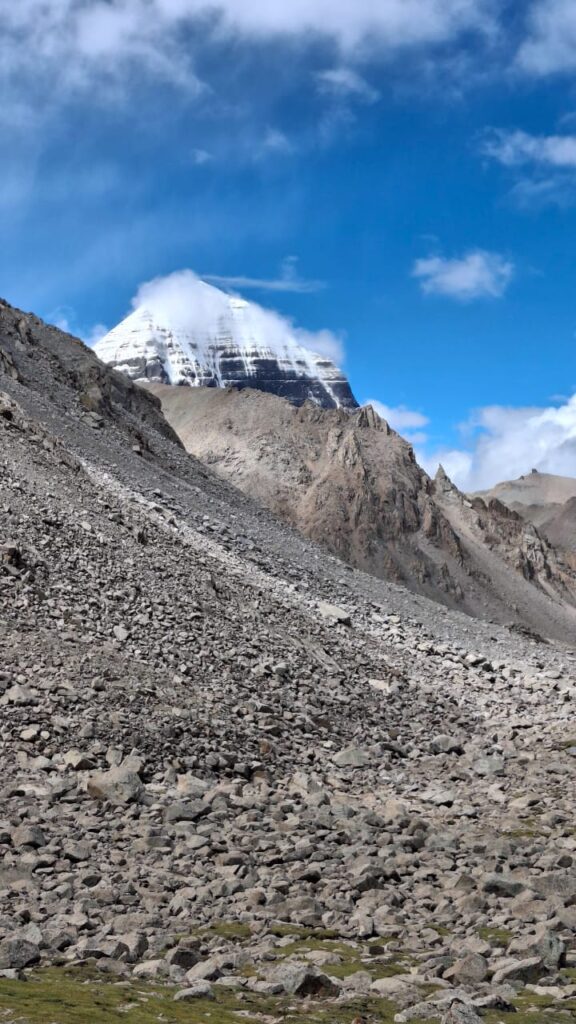
Indian Passport Guide for Mt Kailash Yatra 2027

The Mt Kailash tour for Indian passport holders is a deeply spiritual and life-changing pilgrimage. While the introduction of the annual permit quota has added an extra planning step, it has also made early preparation more important than ever.

By understanding the permit process, annual quota, documentation requirements, health considerations, and travel logistics, Indian pilgrims can plan their journey with confidence.

If you are considering the Mt Kailash Yatra 2027 from Kathmandu, booking early, preparing physically, and travelling with an experienced operator will help ensure a smooth and meaningful pilgrimage to Mount Kailash and the sacred Lake Manasarovar.

Whether you choose a Group Joining Tour for Indian Citizens or a private pilgrimage, careful planning is the key to making this once-in-a-lifetime spiritual journey a memorable and fulfilling experience.
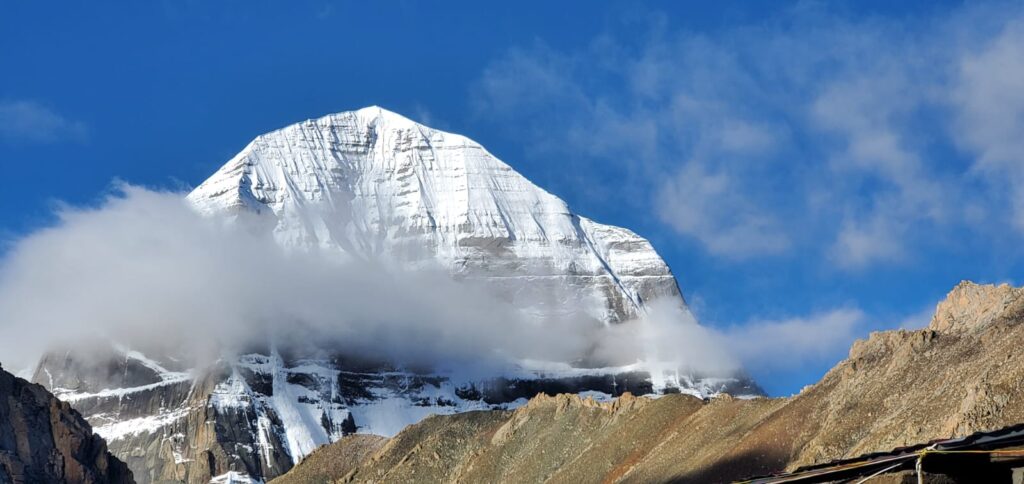
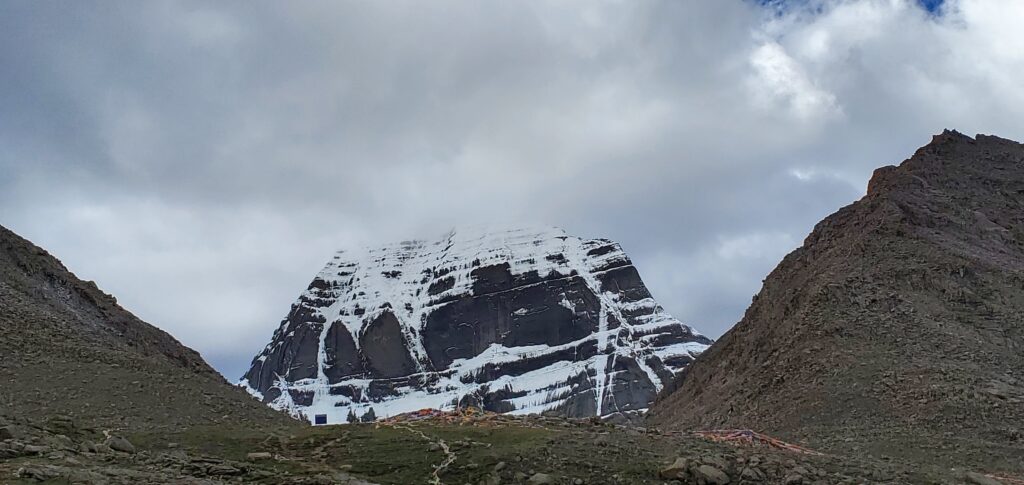
Best Route to Reach Mount Kailash from Kathmandu in 2027: Complete Mt Kailash Tour & Manasarovar Kailash Yatra Guide

Planning a Mount Kailash Yatra from Kathmandu?

One of the most common questions travelers ask before booking a Mt Kailash Tour is:

“What is the best route to reach Mount Kailash from Kathmandu?”

The second question usually follows:

“How many days does the full Mount Kailash Yatra take?”

If you are planning a Mount Kailash Yatra or Manasarovar Kailash Yatra in 2027, this guide explains the best route, travel duration, acclimatization requirements, road conditions, and why most experienced travelers now prefer the group joining route from Kathmandu.

Why Choosing the Right Route Matters

Mount Kailash is located in western Tibet at an altitude of approximately 6,638 meters (21,778 feet). The sacred mountain is surrounded by high-altitude terrain, making proper acclimatization one of the most important factors for a successful pilgrimage.

The route you choose affects:

  • Acclimatization success
  • Travel comfort
  • Permit processing
  • Transportation costs
  • Risk of altitude sickness
  • Overall pilgrimage experience

For most international travelers, the best route is not necessarily the shortest route. The safest route is usually the one that allows your body enough time to adjust to the altitude.

What Is the Best Route to Reach Mount Kailash from Kathmandu?

For 2027, the most recommended route is:

Kathmandu → Kerung Border → Saga → Lake Manasarovar → Mount Kailash

This is the route followed by most organized Mt Kailash Group Joining Tours.

Route Overview

Kathmandu → Syabrubesi/Rasuwagadhi Border → Kerung → Saga → Paryang → Lake Manasarovar → Darchen → Mount Kailash Kora (Parikrama)

This route has become the preferred option because it combines:

  • Gradual altitude gain
  • Good acclimatization
  • Scenic Tibetan landscapes
  • Visit to Lake Manasarovar
  • Comfortable transportation
  • Cost-effective group travel

For most travelers, this route offers the best balance between safety, comfort, and affordability.

Why the Kathmandu–Kerung Route Is Considered the Best

1. Better Acclimatization

Many first-time pilgrims underestimate the importance of altitude adaptation.

The journey through Kerung allows travelers to gradually ascend into the Tibetan Plateau instead of flying directly to very high elevations.

This significantly reduces the chances of severe altitude sickness.

2. Visit Lake Manasarovar Before Kailash Parikrama

Most pilgrims dream of seeing both:

  • Mount Kailash
  • Lake Manasarovar

The Kathmandu-Kerung route naturally includes both sacred sites.

Many pilgrims consider the first sight of Lake Manasarovar one of the emotional highlights of the entire journey.

3. More Affordable Than Charter Flights

Compared with helicopter-based routes, overland group tours are generally more budget-friendly while providing a richer Tibetan cultural experience.

4. Ideal for Solo Travelers

Group joining departures allow solo travelers, couples, and small groups to join a larger pilgrimage group and share transportation and operational costs.

How Many Days Does the Full Mount Kailash Yatra Take?

Depending on the route chosen, a Mount Kailash Yatra can take anywhere from 9 to 16 days. For most travelers, the Kathmandu–Kerung–Saga–Lake Manasarovar route offers the best balance of acclimatization, pilgrimage experience, and travel efficiency. Our 10-Day Mt Kailash Group Joining Tour includes all the major highlights of the journey, including Lake Manasarovar, the complete three-day Mount Kailash Parikrama, and a dedicated acclimatization day in Kerung, making it one of the most practical and cost-effective ways to experience this sacred pilgrimage.

Recommended Mount Kailash Group Joining Tour Route from Kathmandu

For travelers looking for the best balance of acclimatization, affordability, comfort, and spiritual experience, we recommend the Kathmandu – Kerung – Saga – Lake Manasarovar – Darchen – Mount Kailash Kora – Kathmandu route.

This is the route followed by our Mt Kailash Group Joining Tour, which has become one of the most popular options for pilgrims and adventure travelers visiting Mount Kailash from Nepal. The itinerary includes a dedicated acclimatization day in Kerung, a visit to sacred Lake Manasarovar, and the complete three-day Mount Kailash Parikrama.

Day 1: Kathmandu to Kerung (2,200m)

Your Mount Kailash Yatra begins with a scenic drive from Kathmandu to the Nepal–Tibet border before continuing to Kerung.

Highlights:

  • Scenic Himalayan landscapes
  • Crossing from Nepal into Tibet
  • First night on the Tibetan Plateau
  • Gradual altitude gain for better acclimatization

Overnight in Kerung.

Day 2: Acclimatization Day in Kerung

This is one of the most important days of the journey.

Rather than rushing toward Mount Kailash, travelers spend a full day acclimatizing in Kerung. This significantly improves comfort and increases the chances of successfully completing the pilgrimage.

Highlights:

  • Rest and acclimatization
  • Short walks around Kerung
  • Preparation for higher elevations ahead

Overnight in Kerung.

Day 3: Kerung to Saga (4,600m)

Drive through some of Tibet’s most spectacular landscapes.

Highlights:

  • Lalung La Pass
  • Peiku Tso Lake
  • Views of Mount Shishapangma
  • Vast Tibetan Plateau scenery

Overnight in Saga.

Day 4: Saga to Lake Manasarovar (4,560m)

This is often the most emotional day of the pilgrimage.

After a scenic drive across western Tibet, travelers are rewarded with their first views of sacred Lake Manasarovar and, weather permitting, the holy Mount Kailash.

Highlights:

  • First view of Mount Kailash
  • Holy Lake Manasarovar
  • Spiritual rituals and meditation
  • Sunset over the sacred lake

Overnight near Lake Manasarovar.

Day 5: Lake Manasarovar to Darchen

Spend the morning exploring the shores of Lake Manasarovar before driving to Darchen, the traditional starting point of the Mount Kailash Kora.

Highlights:

  • Exploration of Lake Manasarovar
  • Pilgrimage activities
  • Photography opportunities
  • Preparation for the Kailash Parikrama

Overnight in Darchen.

Day 6: Darchen to Dirapuk (4,900m) – Kailash Parikrama Begins

Today marks the beginning of the sacred Mount Kailash Kora.

The trail follows the beautiful Lha Chu Valley toward Dirapuk, offering breathtaking views of Mount Kailash’s famous North Face.

Highlights:

  • Yamdwar
  • Lha Chu Valley
  • North Face of Mount Kailash
  • Dirapuk Monastery area

Overnight in Dirapuk.

Day 7: Dirapuk to Zutulpuk via Dolma La Pass (5,630m)

This is the most challenging and spiritually rewarding day of the entire Mount Kailash Yatra.

Pilgrims cross the sacred Dolma La Pass, the highest point of the trek, before descending toward Zutulpuk.

Highlights:

  • Dolma La Pass (5,630m)
  • Gauri Kund
  • Prayer flags and sacred sites
  • Incredible Himalayan landscapes

For many pilgrims, this day represents the spiritual climax of the entire journey.

Overnight in Zutulpuk.

Day 8: Zutulpuk – Darchen – Saga

Complete the final section of the Mount Kailash Parikrama before driving back to Saga.

Highlights:

  • Completion of the sacred 52-kilometer Kora
  • Celebration with fellow pilgrims
  • Scenic drive across the Tibetan Plateau

Overnight in Saga.

Day 9: Saga – Kerung

After completing the sacred Mount Kailash Parikrama and visiting Lake Manasarovar, begin the return journey towards Kerung. Enjoy the scenic drive across the Tibetan Plateau, passing breathtaking mountain landscapes and traditional Tibetan settlements before reaching Kerung.

Day 10: Kerung- Kathmandu

Today marks the end of your Mount Kailash Yatra. After crossing the Tibet–Nepal border, continue the drive back to Kathmandu. Arrive with unforgettable memories of Mount Kailash, Lake Manasarovar, and the sacred Kailash Parikrama.

Is the 3-Day Mount Kailash Parikrama Difficult?

The Kailash Kora covers approximately 52 kilometers.

The most demanding section is:

Dolma La Pass

Altitude: Approximately 5,630 meters

Travelers should expect:

  • Long walking hours
  • Thin air
  • Steep ascent and descent
  • Rapid weather changes

However, thousands of pilgrims complete the parikrama every year with proper preparation.

For those unable to walk the entire route, horse and horseman services are available for much of the trek.

Can You Complete Mount Kailash Yatra in Less Time?

Technically yes.

Some routes use:

  • Helicopter transfers
  • Domestic flights
  • Shorter itineraries

However, these routes often:

  • Cost significantly more
  • Provide less acclimatization time
  • Increase altitude-related risks
  • Offer fewer opportunities to experience Tibet

For most travelers, a well-paced overland journey remains the preferred option.

Why Group Joining Mount Kailash Tours Are Becoming More Popular

In recent years, many travelers have chosen group joining departures because they provide:

Lower Cost

Transportation, guides, permits, and logistics are shared among participants.

Easier Permit Arrangements

Operators manage Tibet Travel Permit and other required documentation.

Safety in Numbers

Traveling with experienced guides and fellow pilgrims provides additional support at high altitude.

International Pilgrim Community

Many travelers consider meeting pilgrims from around the world one of the most memorable parts of the journey.

Our Recommended Route for Mount Kailash Yatra 2027

For travelers seeking the best combination of:

  • Acclimatization
  • Safety
  • Comfort
  • Value for money
  • Lake Manasarovar visit
  • Successful Kailash Parikrama completion

we recommend the Kathmandu → Kerung → Saga → Lake Manasarovar → Darchen → Mount Kailash Kora route.

Our Mt Kailash Group Joining Tour 2027 follows this proven itinerary and is designed specifically for international travelers who want a well-organized pilgrimage with proper altitude adjustment and experienced local support.

The route allows pilgrims to experience both the spiritual beauty of Lake Manasarovar and the unforgettable journey around Mount Kailash while traveling with fellow pilgrims from around the world.

Frequently Asked Questions

What is the fastest route to Mount Kailash?

Helicopter and flight combinations can be faster, but they are usually more expensive and offer less acclimatization time.

What is the safest route to Mount Kailash?

The Kathmandu–Kerung–Saga–Manasarovar route is widely considered one of the safest because of its gradual altitude gain.

How many days are needed for Mount Kailash Yatra?

Most travelers should plan for 14–16 days.

Is Lake Manasarovar included in the Mount Kailash Tour?

Most standard Mount Kailash Yatra itineraries include Lake Manasarovar.

Can beginners do Mount Kailash Parikrama?

Yes. With proper preparation, acclimatization, and determination, many first-time high-altitude travelers successfully complete the pilgrimage.

What is the best time for Mount Kailash Yatra 2027?

The pilgrimage season generally runs from May to September, with Saga Dawa Festival departures being especially popular among pilgrims.

Mt Kailash Tour | Best Route to Reach Mount Kailash from Kathmandu

The best route to Mount Kailash from Kathmandu is not simply the quickest route—it is the route that gives you the highest chance of completing the pilgrimage safely and comfortably.

For most travelers planning a Mt Kailash Tour, Mount Kailash Yatra, or Manasarovar Kailash Yatra in 2027, the overland route through Kerung, Saga, Lake Manasarovar, and Darchen remains the most balanced and recommended option.

With proper acclimatization, breathtaking Tibetan landscapes, the sacred waters of Lake Manasarovar, and the life-changing Mount Kailash Parikrama, this journey is much more than a tour—it is a pilgrimage that many travelers remember for the rest of their lives.

Why Mount Kailash Tour 2027 Is Different from Ordinary Pilgrimages

A Mount Kailash Tour is not just another sightseeing trip. Unlike traditional vacations, the Mount Kailash Yatra combines spirituality, adventure, culture, and personal transformation. Travelers joining a Mount Kailash Tour 2027 often spend months researching the journey because it is considered one of the most sacred pilgrimages in the world.

Many travelers who join a Mt Kailash Tour from Nepal describe the experience as a once-in-a-lifetime journey. The combination of the sacred Mount Kailash, the holy waters of Lake Manasarovar, and the challenging Kailash Parikrama creates an unforgettable travel experience.

Whether you are planning a private Mount Kailash Tour, a Mount Kailash Group Tour 2027, or a Kailash Mansarovar Yatra from Nepal, the journey offers far more than beautiful scenery. It provides an opportunity to connect with centuries of spiritual traditions while exploring the remote landscapes of Tibet.

Why Is Mount Kailash Called the Center of the Universe?

One of the most frequently asked questions about the Mount Kailash Yatra is why Mount Kailash is often referred to as the “Center of the Universe.”

According to Hindu, Buddhist, Jain, and Bon traditions, Mount Kailash represents the spiritual axis of the world. Ancient scriptures describe the mountain as the meeting point between heaven and earth.

For thousands of years, pilgrims have traveled to Mount Kailash believing that the mountain possesses unique spiritual energy. Even today, many travelers undertaking a Mount Kailash Tour 2027 report experiencing a profound sense of peace and connection when viewing the mountain for the first time.

This spiritual reputation is one of the primary reasons why Mount Kailash Yatra packages continue to attract pilgrims and travelers from around the globe.

Mount Kailash Tour from Nepal in 2027

For most international travelers, a Mount Kailash Tour from Nepal remains the most convenient option.

The journey typically begins in Kathmandu before entering Tibet via the Kerung Border or through flights to Lhasa. Travelers choosing a Mount Kailash Tour from Nepal benefit from easier logistics, experienced tour operators, and the opportunity to visit both Nepal and Tibet in a single trip.

Many pilgrims combine:

  • Mount Kailash Yatra
  • Lake Manasarovar Tour
  • Lhasa Tour
  • Everest Base Camp Tibet Tour

into one comprehensive Tibet pilgrimage journey.

Mount Kailash Tour 2027 @ Tashi Delek Nepal Treks & Expeditions

Lake Manasarovar Tour 2027 – More Than Just a Lake

The Lake Manasarovar Tour is often considered just as important as the Mount Kailash pilgrimage itself.

Located at an altitude of approximately 4,590 meters, Lake Manasarovar is regarded as one of the holiest lakes in Asia. Pilgrims undertaking the Kailash Mansarovar Yatra believe that visiting the lake brings spiritual purification and blessings.

Many travelers spend hours walking along the shores, meditating, performing religious rituals, and admiring spectacular views of Mount Kailash reflected in the lake’s crystal-clear waters.

For photographers, the Lake Manasarovar Journey 2027 offers some of the most stunning landscapes in Tibet.

Mount Kailash Parikrama – The Heart of the Journey

The Mount Kailash Parikrama, also known as the Kailash Kora, is the most important part of the Mount Kailash Yatra.

The three-day trek covers approximately 52 kilometers around the sacred mountain and is considered one of the world’s greatest pilgrimage walks.

Travelers completing the Kailash Parikrama often describe the experience as physically demanding yet spiritually rewarding.

Highlights of the Mount Kailash Parikrama include:

  • Yama Dwar
  • Dirapuk Monastery
  • North Face of Mount Kailash
  • Dolma La Pass
  • Gauri Kund
  • Zutulpuk Monastery

For many pilgrims, successfully completing the Mount Kailash Kora becomes the most meaningful achievement of the entire Mount Kailash Tour.

Is Mount Kailash Yatra Worth It?

This is one of the most searched questions by travelers planning a Mount Kailash Tour.

The answer from most visitors is a resounding yes.

A Mount Kailash Yatra offers:

  • Spiritual significance
  • Cultural immersion
  • Himalayan landscapes
  • Personal achievement
  • Sacred pilgrimage experiences
  • Encounters with Tibetan Buddhist culture

Unlike many travel destinations, Mount Kailash leaves a lasting impact on visitors long after the journey ends.

Whether your motivation is religious devotion, curiosity, adventure, or personal growth, the Mount Kailash Tour 2027 is widely regarded as one of the most rewarding travel experiences available in Asia.

Best Time to Visit Mt Kailash & Lake Manasarovar (Complete Guide for Travelers)

Planning a journey to Mount Kailash and Lake Manasarovar? One of the most important questions travelers search on Google and AI today is:

👉 “What is the best time for Mount Kailash Tour?”
👉 “When is the best time to visit Tibet?”
👉 “Which month is best for Kailash Mansarovar Yatra?”

This guide answers all of those questions in detail—helping you choose the perfect time for your Mt Kailash Tour or Tibet Tour.

Best Time to Visit Mt Kailash

Quick Answer (Featured Snippet Style)

The best time to visit Mt Kailash & Lake Manasarovar is from May to September.

  • Best weather: May, June, September
  • Warmest months: July & August
  • Ideal for clear views & spiritual journey: May–June & September

Month-by-Month Guide for Mt Kailash Tour

May – Early Season (Best Overall Start)

  • Temperature: Cool but stable
  • Clear mountain views
  • Less crowded

✔ Ideal for travelers looking for a peaceful experience
✔ One of the best months for Mount Kailash Tour

June – Peak Season Begins

  • Pleasant daytime temperatures
  • High demand for permits

✔ Perfect balance of weather + accessibility
✔ Popular for both Mt Kailash Tour & Tibet Tours

July – August (Monsoon Season in Nepal, but Different in Tibet)

  • Warmer temperatures in Tibet
  • Occasional rain on the Nepal side (Kathmandu and en route)

✔ Good for travelers who prefer a warmer climate
⚠ Possible flight/road delays from Nepal due to the monsoon

Still considered a good time for the Tibet Tour

September – Best Month Overall ⭐

  • Clear skies after the monsoon
  • Stable weather
  • Stunning views of Kailash

Top recommended month for Mt Kailash Tour
✔ Ideal for photography & spiritual experience

October – Season Ending

  • Cold temperatures begin
  • Limited departures

⚠ Not ideal for most travelers
⚠ Risk of weather disruptions

November to April – Not Recommended

  • Extreme cold
  • Heavy snowfall
  • Tours generally closed

This period is not suitable for Mt Kailash Tour or the Tibet tour

Best Time for Tibet Tour (Beyond Kailash)

If you’re also planning a broader Tibet Autonomous Region trip:

✔ Best Time:

  • April to October

✔ Peak Travel Months:

  • May, June, September

✔ Winter Travel:

  • Possible (Lhasa only), but not suitable for Kailash

Factors That Decide the Best Time

1. Weather Conditions

  • High altitude (above 4,500m)
  • Stable weather is key to safe travel

2. Visibility

  • Clear skies = better darshan (view) of Mount Kailash

3. Road & Travel Conditions

  • Monsoon affects the Nepal side
  • Tibet remains relatively dry

4. Spiritual & Cultural Timing

Saga Dawa Festival (Very Important)

  • Usually falls in May or June
  • Celebrates the birth, enlightenment, and death of Buddha

✔ Considered the most auspicious time to visit Kailash
✔ Popular among pilgrims

When Should You Go? (Based on Travel Style)

For Best Weather & Comfort:

May, June, September

For Photography & Clear Views:

September (Highly Recommended)

For Spiritual Experience:

Saga Dawa Festival (May/June)

For Budget Travelers:

Early May or late September

Frequently Asked Questions (Google & AI Queries)

What is the best time for the Mount Kailash Tour?

May to September, with May, June, and September being the best months.

Can I visit Mt Kailash during the monsoon?

Yes, but expect delays in Nepal. The Tibetan side remains relatively dry.

Is winter a good time for the Tibet Tour?

Only for cities like Lhasa—not for Kailash.

Which is the best month for the Kailash Mansarovar Yatra?

September is the best overall, followed by May and June.

Pro Travel Tips

✔ Book your Mt Kailash Tour at least 1–2 months in advance
✔ Secure permits early (limited slots)
✔ Prepare for high altitude conditions
✔ Choose experienced Tibet tour operators

A journey to Mount Kailash and Lake Manasarovar is deeply spiritual and physically rewarding.

Choosing the right time can make all the difference—ensuring:

  • Clear views
  • Safe travel
  • A truly unforgettable experience

For most travelers, May, June, and September are the best times for Mount Kailash Tour and Tibet Tours.

Ready to Plan Your Mt Kailash Tour?

If you’re planning your Mt Kailash Tour or exploring Tibet Tours, now is the perfect time to secure your seat for the upcoming season.

✔ Limited departures
✔ Restricted permits
✔ High demand during peak months

  • Best available dates
  • Group & private tour options
  • Complete booking assistance

How to Book a Mt Kailash Tour from Nepal (Step-by-Step Guide)

Planning a journey to Mount Kailash is more than just booking a trip—it’s preparing for one of the most spiritual and life-changing experiences on Earth. Every year, thousands of pilgrims and travelers begin their journey from Kathmandu, the main gateway to Tibet tours.

If you’re searching on Google for “How to book Mt Kailash Tour from Nepal”, “Kailash permit process”, or “Tibet visa from Kathmandu”, this complete guide will walk you through everything—step by step.

Step 1: Choose the Right Tour Type

Before booking, decide which tour suits you best:

1. Group Joining Tour

  • Fixed departure dates
  • Cost-effective
  • Ideal for solo travelers or small groups

2. Private Tour

  • Flexible itinerary
  • Personalized services
  • Best for families or spiritual groups

Most travelers searching online prefer group joining tours due to affordability and ease.

Step 2: Select a Licensed Tibet Tour Operator

Travel to the Tibet Autonomous Region is strictly regulated. Independent travel is not allowed.

You must book through a licensed tour operator based in Nepal or Tibet who will:

  • Arrange all permits
  • Handle visa processing
  • Organize transport, accommodation, and guide

This is a mandatory step—you cannot apply for permits yourself.

Step 3: Submit Documents for Permit Processing

Once you confirm your booking, the next step is permit processing, which is essential for entering Tibet and visiting Mt Kailash.

Required Documents:

  • Scanned passport copies of all travelers

Processing Timeline:

  • Mt Kailash Tour: Submit documents 30 days before the tour date
  • Lhasa Tour: Submit documents 1 week before the tour

For Bike Tours (Special Requirements):

If you’re planning a motorbike tour to Kailash, you must submit:

  • Clear photos of all bikes (4 sides)
  • Copy of bike registration papers
  • International driving license of all riders
  • One group photo of all participants

These must be submitted at least 1 month before the tour.

What Happens Next?

Your tour operator will:

  • Apply for the Tibet Travel Permit
  • Arrange additional permits required for restricted areas like Kailash

You don’t need to visit any embassy for this—everything is handled on your behalf.

Step 4: Arrive in Kathmandu for Visa Processing

All travelers must be physically present in Kathmandu for Tibet visa processing.

When to Arrive:

  • At least 5 days before your tour departure

Tibet Visa Requirements:

  • Original passport (valid for a minimum 6 months)
  • At least 2 blank pages
  • One white background photo (35mm x 45mm)
    • No glasses
    • No accessories
    • No heavy makeup

Visa Process:

  1. Visit your tour operator’s office
  2. Fill out the visa application form
  3. Submit documents and a photo
  4. Make full payment for:
    • Tour package
    • Visa fee

The visa process takes a minimum of 4 working days in Kathmandu.

Important Notes:

  • Not all nationalities require a Tibet visa, but most do
  • Visa fees vary depending on nationality
  • All travelers must have a valid Nepal visa to stay in Nepal during processing

Step 5: Final Confirmation & Trip Preparation

Once your visa and permits are approved:

✔ You will receive:

  • Tibet Group Visa
  • Final travel documents
  • Tour briefing from your operator

✔ Start preparing:

  • Pack for high altitude (up to 5,600m at Kailash Kora)
  • Get travel insurance (highly recommended)
  • Consult your doctor if needed

Step 6: Start Your Journey to Mt Kailash

Your journey typically begins from Kathmandu and continues via:

  • Overland drive through the Kerung border
    or
  • Flight to Lhasa and onward journey

The highlight of your trip will be:

  • Sacred Lake Manasarovar
  • The spiritual Kailash Kora (circumambulation)

Common Questions Travelers Search (Answered)

Can I travel to Mt Kailash without a tour?

No. Travel to Tibet is restricted—you must book through an authorized operator.

How long does the booking process take?

  • Permit: ~30 days
  • Visa: ~4–5 days in Kathmandu

When should I book my tour?

Ideally, 1–2 months in advance

Final Tips Before Booking

  • Book early during peak season (May–September)
  • Double-check passport validity
  • Be prepared for high-altitude conditions
  • Choose an experienced Kailash operator

Ready to Book Your Mt Kailash Tour?

Your journey to Mount Kailash and Lake Manasarovar starts with a simple step.

Whether you are looking for a Group Joining Tour or a Private Spiritual Journey, we make the entire process smooth, secure, and hassle-free—from permits to visa and beyond.

Why Book With Us?

✔ Authorized Tibet tour operator
✔ 100% permit & visa handling
✔ Experienced Kailash tour team
✔ Best price guaranteed for Nepalese & international travelers
✔ Personalized support from Kathmandu

Start Your Booking in 3 Simple Steps:

  1. Send us your travel dates
  2. Submit passport copies
  3. Confirm your seat with a small deposit

We’ll take care of the rest—permits, visa, hotels, transport & guided tour.

Limited Group Departures – Secure Your Seat Now!

Mt Kailash tours have limited departures and restricted permits, especially during peak season.

📩 Contact us today to check availability & get your customized quote.
📲 WhatsApp / Call: +9779765961909
🌐 Website: https://www.tibettour.travel/

Begin Your Spiritual Journey Today

A pilgrimage to Mount Kailash is not just a trip—it’s a once-in-a-lifetime experience.

Let us handle the logistics, while you focus on the journey within.