Everything You Need to Know Before Cycling Across the Roof of the World
Imagine riding your bicycle beneath crystal-clear blue skies while snow-capped Himalayan peaks stretch across the horizon. Prayer flags flutter in the mountain wind, ancient monasteries stand proudly on rugged hillsides, and friendly Tibetan villagers greet you as you pedal through one of the most remote landscapes on Earth.
A Mountain Bike (Cycling) Tibet Tour is far more than a cycling holiday—it’s an unforgettable journey across the “Roof of the World.” Every kilometer offers breathtaking scenery, rich Tibetan Buddhist culture, high mountain passes, turquoise alpine lakes, traditional villages, vast grasslands, and some of the highest roads accessible by bicycle.
For many adventure cyclists, Tibet is the ultimate destination. Whether your dream is cycling from Lhasa to Everest Base Camp, riding towards the Nepal border, exploring sacred lakes, or simply experiencing Tibetan culture on two wheels, Tibet offers an adventure unlike anywhere else.
This guide has been created for travelers searching for:
- Mountain Bike Tibet Tour
- Tibet Cycling Tour
- Tibet Bike Tour
- Cycling in Tibet
- Tibet Bicycle Tour
- Lhasa Cycling Tour
- Tibet Mountain Biking
- Cycling to Everest Base Camp Tibet
- Tibet Road Cycling
- Tibet Adventure Tour
- Cycling Holidays Tibet
- Tibet Bike Expedition
Our goal is simple: to answer every important question travelers ask before planning a cycling tour in Tibet. Whether you’re just beginning your research or are ready to start planning, this guide provides practical, detailed information to help you prepare.
Why Choose a Mountain Bike Tour in Tibet?
There are countless cycling destinations around the world, but Tibet is in a league of its own. It combines spectacular mountain scenery, spiritual heritage, high-altitude adventure, and peaceful landscapes into one extraordinary experience.
Unlike many cycling routes where the focus is purely on physical endurance, a Tibet cycling journey offers a deeper connection with the land. Every day introduces new scenery, centuries-old monasteries, colorful prayer wheels, nomadic communities, and sacred mountains that have inspired pilgrims for generations.
Cycling in Tibet is about more than reaching a destination—it’s about embracing the journey through one of the world’s most fascinating regions.
Some of the highlights include:
- Riding across the Tibetan Plateau
- Crossing mountain passes above 5,000 meters
- Visiting ancient Buddhist monasteries
- Cycling beside turquoise alpine lakes
- Meeting Tibetan nomads
- Watching yaks graze across endless grasslands
- Experiencing authentic Tibetan hospitality
- Reaching the legendary Everest Base Camp (North Face)
- Witnessing some of the clearest night skies on Earth
Is Tibet Good for Cycling?
Absolutely.
Tibet is considered one of Asia’s premier cycling destinations, offering a unique mix of paved highways, scenic mountain roads, remote valleys, and high-altitude landscapes.
Modern highways now connect many of Tibet’s major attractions, making long-distance cycling more accessible while still preserving the region’s rugged character. Beyond the main roads, experienced riders can also explore gravel tracks and remote mountain routes with appropriate support.
Cyclists often describe Tibet as a destination where every climb rewards them with breathtaking panoramic views, and every descent reveals another unforgettable landscape.
Unlike heavily trafficked cycling destinations, many Tibetan roads remain remarkably peaceful, allowing riders to enjoy long stretches of open road surrounded by dramatic mountain scenery.
Why Tibet Is One of the World’s Greatest Cycling Destinations
Adventure cyclists consistently rank Tibet among the world’s most memorable places to ride because it offers an unmatched combination of:
Incredible Mountain Scenery
Few places rival Tibet’s landscapes. Snow-covered Himalayan peaks, deep valleys, vast grasslands, turquoise lakes, and dramatic mountain passes create ever-changing scenery throughout the journey.
Every day brings a new visual experience.
Rich Tibetan Culture
Cycling allows travelers to experience Tibetan culture at a slower pace.
Along the route, you’ll encounter:
- Traditional villages
- Prayer wheels
- Monasteries
- Local markets
- Nomadic tents
- Yak caravans
- Tibetan festivals (season permitting)
These cultural encounters are often among the most memorable parts of the journey.
Challenging but Rewarding Climbs
Cycling in Tibet isn’t just about covering distance—it’s about conquering some of the world’s highest mountain passes.
Many routes cross elevations exceeding 5,000 meters, offering spectacular views that few travelers ever experience.
For experienced cyclists, these climbs become unforgettable achievements.
Spiritual Atmosphere
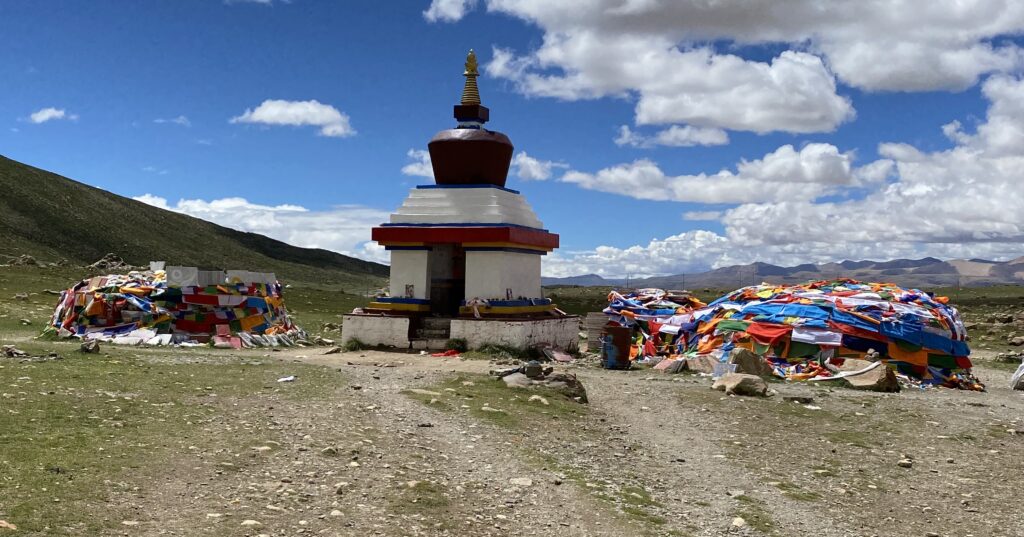
Tibet is deeply rooted in Tibetan Buddhism. Throughout the journey you’ll pass sacred mountains, monasteries, meditation caves, prayer flags, stupas, and pilgrimage routes.
Even travelers without religious interests often describe Tibet as having a peaceful and spiritual atmosphere unlike anywhere else.
Is a Tibet Cycling Tour Difficult?
This is one of the most common questions travelers ask.
The answer depends on:
- Your cycling experience
- Physical fitness
- Altitude adaptation
- Route chosen
- Daily riding distance
Some routes are suitable for recreational cyclists with moderate fitness, while others are designed for experienced endurance riders.
The biggest challenge is not necessarily the distance—it’s the altitude.
Many cycling routes remain above 3,600 meters for several days, and mountain passes often exceed 5,000 meters.
Fortunately, most organized tours include acclimatization days in Lhasa before the longer rides begin, giving your body time to adjust.
Who Can Join a Tibet Cycling Tour?
Many people assume Tibet is only for elite cyclists.
In reality, cycling tours are available for a wide range of riders.
They are ideal for:
- Adventure travelers
- Road cyclists
- Mountain bikers
- Couples
- Small private groups
- Friends
- Solo travelers joining group departures
- Photography enthusiasts
- Experienced recreational cyclists
Private tours can also be customized with shorter riding distances, additional acclimatization days, and support vehicles to suit different fitness levels.
Mountain Bike or Road Bike?
Many travelers wonder which bicycle is best.
The answer depends on the route.
Mountain Bike
Ideal for:
- Mixed terrain
- Gravel sections
- Rough roads
- Remote routes
- Greater comfort
Road Bike
Suitable for:
- Mostly paved highways
- Faster riding
- Long-distance road cycling
- Experienced road cyclists
Gravel Bike
Increasingly popular because it combines the efficiency of a road bike with the versatility needed for occasional rough surfaces.
Many experienced cyclists now prefer gravel bikes for Tibet.
Can Beginners Cycle in Tibet?
Yes—but route selection is important.
Beginners should choose:
- Shorter daily rides
- More acclimatization days
- Full support vehicle
- Flexible itinerary
- Private departures
Support vehicles allow riders to rest whenever necessary while still enjoying the overall experience.
Best Cycling Routes in Tibet
One of the greatest advantages of choosing a private Tibet cycling tour is the flexibility to customize your itinerary. Whether you want to focus on cultural exploration, mountain scenery, or high-altitude endurance, there are routes to suit different interests and abilities.
Lhasa to Everest Base Camp
This is the most iconic cycling journey in Tibet.
Highlights include:
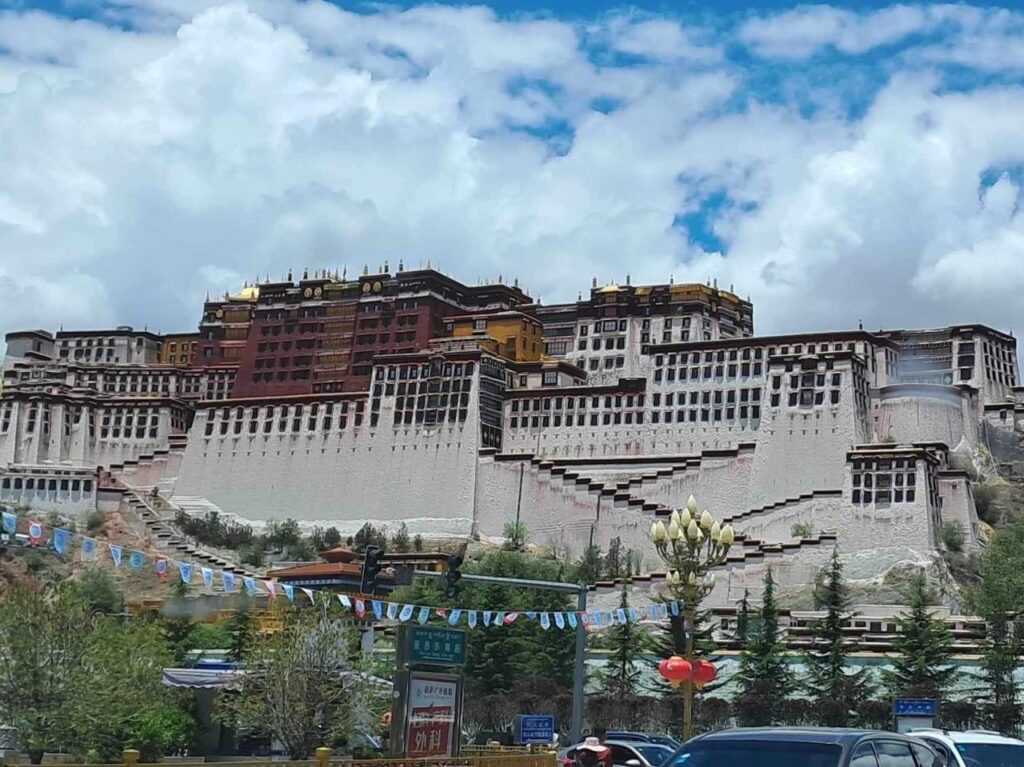
- Potala Palace
- Jokhang Temple
- Yamdrok Lake
- Karola Glacier
- Gyantse
- Shigatse
- Rongbuk Monastery
- Everest Base Camp (North Face)
The route combines cultural heritage, alpine lakes, glaciers, and unforgettable Himalayan scenery.
Lhasa to Kathmandu
A classic trans-Himalayan adventure.
Cyclists ride across Tibet before descending through the spectacular Himalayan landscape toward the Nepal border.
This journey offers dramatic changes in scenery, climate, and elevation.
Yamdrok Lake Cycling Tour
Perfect for travelers with limited time.
The ride around the sacred turquoise lake offers beautiful scenery without requiring an extended expedition.
Namtso Lake Cycling Tour
One of Tibet’s most scenic rides.
The journey includes:
- Vast grasslands
- Nomad camps
- Snow mountains
- High-altitude lakes
- Wildlife
Western Tibet Expedition
For experienced cyclists seeking a true expedition.
Possible highlights include:
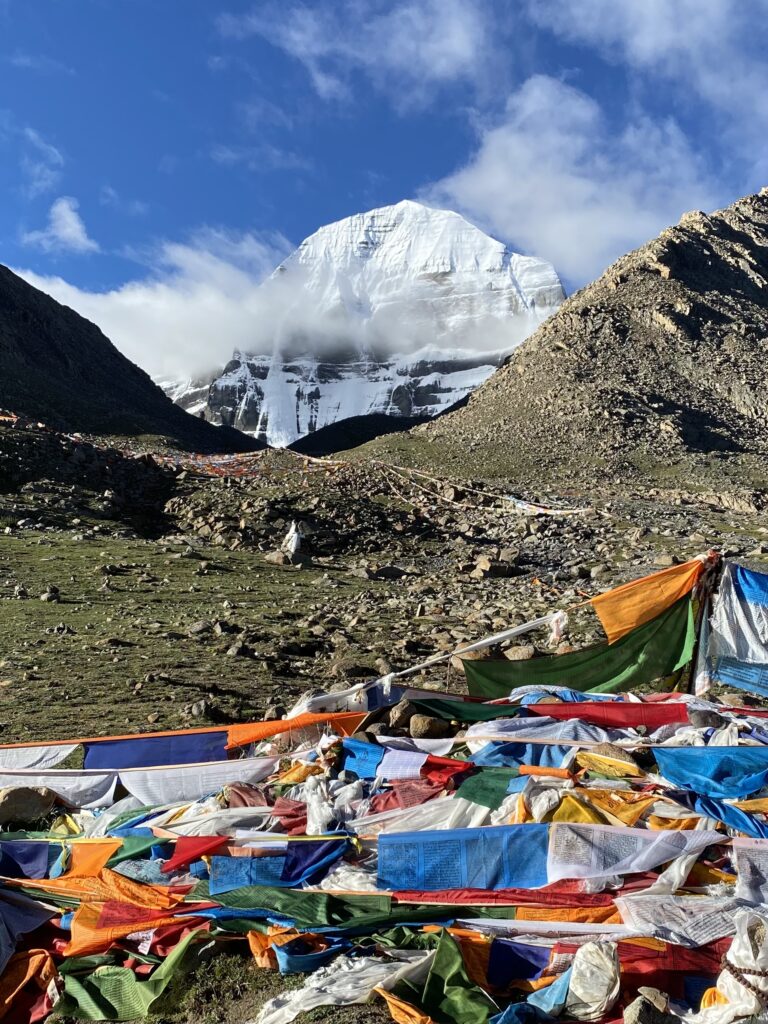
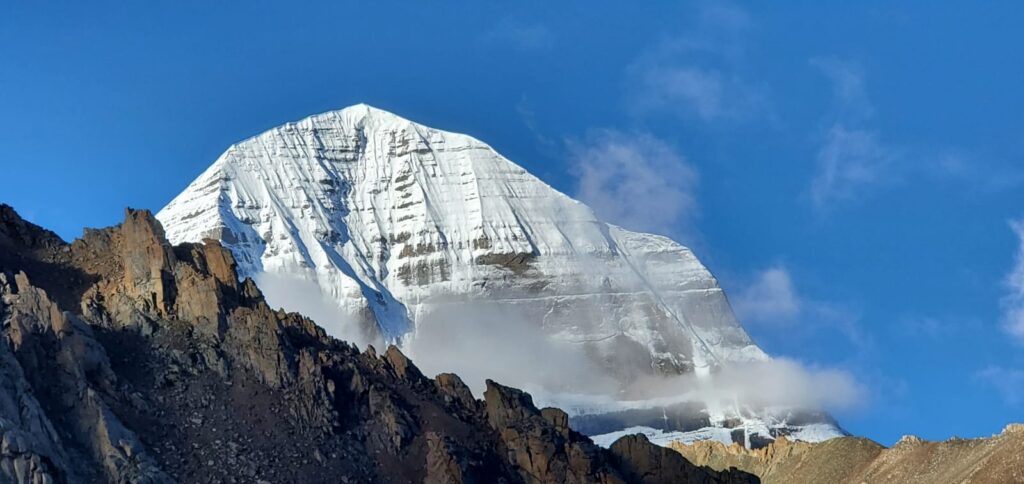
- Mount Kailash
- Lake Manasarovar
- Ancient Guge Kingdom
- Remote Tibetan villages
- Endless plateau landscapes
This is one of Asia’s greatest adventure cycling experiences.
Why Many Cyclists Choose Private Tours
While scheduled group departures are available, private cycling tours are becoming increasingly popular because they offer:
- Flexible departure dates
- Adjustable daily riding distances
- Customized itineraries
- Personal guide
- Dedicated support vehicle
- Greater flexibility for photography
- More time at attractions
- Better pace for acclimatization
Private tours are especially suitable for couples, families, cycling clubs, and groups of friends.
Can I Customize My Cycling Route?
Yes.
Many travelers use published itineraries—such as an 18-day mountain bike tour—as a starting point, then tailor the journey to match their interests, fitness level, and available time.
Common customizations include:
- More days in Lhasa for acclimatization
- Extra nights at Everest Base Camp
- Additional visits to monasteries
- Shorter or longer daily rides
- Side trips to sacred lakes
- Photography-focused schedules
- Combining cycling with trekking or cultural sightseeing
A customized itinerary allows you to create a journey that best suits your travel goals.
What Makes Tibet Different from Other Cycling Destinations?
Unlike many cycling holidays that focus solely on riding, Tibet offers a rare combination of adventure, culture, spirituality, and natural beauty.
Where else can you:
- Ride beneath Mount Everest.
- Cycle past ancient monasteries.
- Cross Himalayan passes above 5,000 meters.
- Meet Tibetan nomads.
- Spin prayer wheels in centuries-old temples.
- Watch herds of yaks grazing across the plateau.
- Camp or stay beneath some of the clearest night skies in the world.
It is this combination that makes Tibet one of the most rewarding cycling destinations on Earth.
Best Cycling Routes in Tibet – Which Route Is Right for You?
One of the first questions travelers ask is:
“Which is the best cycling route in Tibet?”
The answer depends on your experience, available time, fitness level, and what you hope to experience.
Some cyclists dream of reaching Everest Base Camp, while others want to explore Tibet’s ancient monasteries, turquoise lakes, or remote Himalayan villages. Some prefer a relaxed cultural ride around Lhasa, while experienced riders seek multi-week expeditions across the Tibetan Plateau.
The beauty of a private Tibet cycling tour is that your itinerary can be customized. Many travelers start with a classic route—such as an 18-day mountain bike tour—and then adjust the pace, riding distances, sightseeing, or overnight stops to match their goals.
Below are the most popular cycling routes in Tibet, along with who they’re best suited for.
1. Lhasa to Everest Base Camp Cycling Tour
If you ask experienced cyclists to name Tibet’s most iconic ride, the answer is almost always the Lhasa to Everest Base Camp route.
This journey combines spectacular scenery, rich Tibetan culture, and one of the greatest achievements for any adventure cyclist—reaching the North Everest Base Camp.
Unlike the busier southern approach in Nepal, the Tibetan side offers wide-open landscapes, panoramic views of the Himalayan range, and an unforgettable approach to Mount Everest.
Typical Duration
Most travelers complete this journey in 10–14 cycling days, while many tours last 14–18 days when sightseeing and acclimatization are included.
Major Highlights
- Potala Palace
- Jokhang Temple
- Yamdrok Lake
- Karola Glacier
- Gyantse Kumbum
- Tashilhunpo Monastery
- Rongbuk Monastery
- Everest Base Camp
Difficulty
Moderate to Challenging
The challenge comes primarily from the altitude rather than technical riding.
Expect:
- Long gradual climbs
- High mountain passes
- Thin air above 4,000 meters
- Well-paved highways
- Incredible descents
Who Is It Best For?
- First-time Tibet cyclists
- Adventure cyclists
- Road cyclists
- Mountain bikers
- Photographers
- Couples
- Private groups
This is the route we recommend to most travelers because it offers the perfect balance of culture, adventure, scenery, and achievement.
2. Lhasa to Kathmandu Cycling Tour
Many experienced cyclists consider this one of the greatest cross-border rides in Asia.
Instead of returning to Lhasa after Everest Base Camp, the journey continues south toward the Nepal border before descending dramatically into lush Himalayan valleys.
One of the most fascinating aspects of this route is watching the landscape transform from the dry Tibetan Plateau to the green forests of Nepal in just a few days.
Highlights
- Lhasa
- Yamdrok Lake
- Gyantse
- Shigatse
- Everest region
- Gyirong Valley
- Nepal border
- Kathmandu (if continuing)
Why Cyclists Love It
Instead of retracing the same road, every day introduces new scenery.
The gradual descent toward Nepal is especially rewarding after spending many days riding across the high plateau.
3. Lhasa to Lake Yamdrok Cycling Tour
6
If you have limited time, this may be the perfect cycling adventure.
Yamdrok Lake is one of Tibet’s three sacred lakes and is famous for its striking turquoise waters, winding shoreline, and spectacular mountain backdrop.
Ideal Duration
4–7 days
Difficulty
Moderate
The climb to Kamba La Pass is the main challenge, but the breathtaking panorama over the lake makes every pedal stroke worthwhile.
Perfect For
- Families
- Leisure cyclists
- Photography enthusiasts
- Travelers visiting Tibet for the first time
- Those with limited vacation time
4. Lhasa – Gyantse – Shigatse Cultural Cycling Tour
This route focuses on Tibet’s historic cities rather than extreme adventure.
Instead of covering long distances every day, cyclists enjoy a relaxed pace with plenty of time to explore monasteries, traditional markets, and Tibetan culture.
Cultural Highlights
- Potala Palace
- Jokhang Temple
- Sera Monastery
- Yamdrok Lake
- Gyantse Fortress
- Tashilhunpo Monastery
Difficulty
Easy to Moderate
Perfect for travelers who want to combine cycling with sightseeing.
5. Namtso Lake Cycling Adventure
Namtso Lake is one of the highest saltwater lakes in the world.
Cycling here feels like riding through another planet.
The route passes:
- Endless grasslands
- Nomadic settlements
- Snow-covered mountains
- Yak herds
- Wild birds
- Crystal-clear alpine lakes
Best For
Nature lovers.
Many photographers consider this one of Tibet’s most scenic regions.
6. Mount Kailash & Western Tibet Cycling Expedition
For serious adventure cyclists, nothing compares to western Tibet.
This expedition takes riders into some of the most remote and spiritually significant landscapes on Earth.
Possible highlights include:
- Mount Kailash
- Lake Manasarovar
- Ancient monasteries
- Nomadic camps
- Vast open plateau
- Himalayan panoramas
Difficulty
Challenging
This route involves:
- Long riding days
- High altitude
- Remote terrain
- Greater physical endurance
However, experienced cyclists often describe it as the most rewarding ride of their lives.
7. Custom Private Cycling Tours
One of the biggest advantages of booking a private Tibet cycling tour is flexibility.
Instead of following a fixed itinerary, you can customize nearly every aspect of your journey.
Popular Customizations
- More acclimatization days in Lhasa
- Shorter daily rides
- Additional nights at Everest Base Camp
- More monastery visits
- Photography-focused itinerary
- Family-friendly pace
- Support for mixed fitness levels
- Combination of cycling and sightseeing
- Extension to Nepal
- Combination with a Mount Kailash pilgrimage
Private tours are especially popular among couples, cycling clubs, groups of friends, and families because they allow the itinerary to match individual interests and fitness levels.
Road Conditions in Tibet
One of the biggest concerns for first-time visitors is the condition of the roads.
The good news is that many of Tibet’s main highways have been significantly improved in recent years.
Most Main Routes Include
- Wide paved highways
- Smooth asphalt
- Light traffic outside cities
- Spectacular mountain scenery
- Well-maintained mountain roads
However, cyclists should also expect:
- Occasional road construction
- Gravel sections on remote routes
- Strong crosswinds
- Long mountain climbs
- High-altitude weather changes
Mountain bikes and gravel bikes remain the most versatile choices for these conditions.
How Many Kilometers Will I Ride Each Day?
Daily riding distances vary depending on your itinerary, acclimatization needs, and preferred pace.
Typical daily distances are:
| Route Type | Average Daily Distance |
|---|---|
| Cultural tours | 30–60 km |
| Scenic lake tours | 40–70 km |
| Everest Base Camp expeditions | 60–100 km |
| Long-distance expeditions | 70–120 km |
Private tours can shorten or lengthen these distances based on your fitness level and travel goals.
Which Route Is Best for You?
| If You Want… | Recommended Route |
|---|---|
| First Tibet cycling experience | Lhasa → Everest Base Camp |
| Short holiday | Yamdrok Lake |
| Cultural exploration | Lhasa → Gyantse → Shigatse |
| Photography | Everest Base Camp or Namtso Lake |
| Maximum adventure | Mount Kailash Expedition |
| Cross-border journey | Lhasa → Kathmandu |
| Family or relaxed pace | Private customized tour |
Day Mountain Bike (Cycling) Tibet Tour Itinerary – Day-by-Day Guide
While many cycling tours follow a similar route, every traveler has different goals. Some want to spend more time exploring monasteries, while others prefer longer cycling days or additional time at Everest Base Camp.
The itinerary below is based on one of the most popular cycling routes in Tibet, but it should be viewed as a flexible framework. Private tours can easily be customized by adding acclimatization days, adjusting riding distances, or including extra destinations.
This itinerary combines the cultural treasures of Lhasa, the stunning lakes and mountain passes of central Tibet, and the unforgettable experience of reaching the North Everest Base Camp.
Day 1 – Arrive in Lhasa (3,650 m)
Accommodation: Lhasa
Cycling: None
Welcome to Tibet—the Roof of the World.
Whether you arrive by flight or the famous Qinghai–Tibet Railway, today is dedicated entirely to rest and acclimatization.
Many first-time visitors feel excited to start exploring immediately, but the most important advice is simple:
Take it easy.
Your body has just arrived at an altitude of 3,650 meters, and allowing it time to adapt will make the rest of your journey safer and more enjoyable.
Your guide will meet you on arrival, transfer you to your hotel, explain the upcoming adventure, and check that all permits and logistics are in place.
Why Today Matters
Good acclimatization is one of the biggest factors in enjoying a successful cycling tour in Tibet.
Day 2 – Discover Lhasa & Gentle Acclimatization
Accommodation: Lhasa
Cycling: Optional short ride (10–20 km)
Today is all about immersing yourself in Tibetan culture while continuing to acclimatize.
Highlights often include:
- Potala Palace
- Jokhang Temple
- Barkhor Street
- Local Tibetan markets
- Traditional teahouses
Some cyclists enjoy a relaxed afternoon ride around quieter areas of Lhasa to get familiar with their bicycle and make any final adjustments.
Photography Highlights
- Golden rooftops of the Potala Palace
- Pilgrims walking the Barkhor Circuit
- Colorful prayer flags
- Traditional Tibetan architecture
Day 3 – Final Acclimatization & Bike Preparation
Accommodation: Lhasa
Cycling: 20–35 km (easy)
Today gives you another opportunity to adjust to the altitude before the longer rides begin.
Activities may include:
- Bike fitting
- Brake and gear checks
- Helmet adjustments
- Safety briefing
- Practice ride
- Visiting local monasteries
This easy ride helps your body prepare without overexertion.
Why Three Nights in Lhasa?
Some itineraries allow only one or two nights, but spending three nights in Lhasa greatly improves acclimatization for many travelers, reducing fatigue on the higher mountain passes later in the journey.
Day 4 – Lhasa to Yamdrok Lake Region
Cycling: 60–75 km
Today’s ride introduces your first major climb.
The highlight is reaching Kamba La Pass, where one of Tibet’s most spectacular panoramas suddenly appears below.
The brilliant turquoise waters of Yamdrok Lake stretch across the landscape, framed by distant snow-covered mountains.
Many cyclists consider this their first “wow” moment of the expedition.
Highlights
- Kamba La Pass
- Prayer flags
- Yamdrok Lake
- Himalayan scenery
- Traditional villages
Day 5 – Yamdrok Lake to Gyantse
Cycling: 70–90 km
Today’s journey combines beautiful lakeside riding with one of Tibet’s most famous glaciers.
You’ll pass the impressive Karola Glacier before continuing toward the historic town of Gyantse.
The scenery changes constantly, with fertile valleys contrasting against snow-covered peaks.
Evening
Explore:
- Gyantse Old Town
- Gyantse Fortress
- Gyantse Kumbum
Day 6 – Gyantse to Shigatse
Cycling: 90–100 km
This section follows one of Tibet’s classic cycling roads.
The terrain becomes gentler, allowing riders to enjoy steady progress toward Tibet’s second-largest city.
After arriving in Shigatse, visit the magnificent Tashilhunpo Monastery, the traditional seat of the Panchen Lamas.
Day 7 – Shigatse to Lhatse
Cycling: 85–95 km
Today’s route crosses wide agricultural valleys before gradually climbing onto the higher Tibetan Plateau.
Expect:
- Open landscapes
- Yak herds
- Traditional villages
- Expansive skies
The scenery becomes increasingly remote, giving you a true sense of Tibet’s vastness.
Day 8 – Lhatse to Tingri
Cycling: 75–90 km
Today is one of the most exciting stages of the tour.
You’ll climb toward Gyatso La Pass, where spectacular Himalayan views begin to appear.
On clear days, you’ll catch your first glimpse of Mount Everest and several other 8,000-meter peaks.
For many riders, this is an emotional milestone—the mountain they have dreamed of seeing is finally on the horizon.
Day 9 – Tingri to Everest Base Camp
Cycling: 70–80 km
This is undoubtedly the most anticipated day of the journey.
The road winds through dramatic mountain landscapes before reaching Rongbuk Monastery, the highest monastery in the world.
A short distance beyond lies the legendary Everest Base Camp.
Standing before the immense North Face of Mount Everest is a moment many cyclists describe as unforgettable.
If weather permits, the evening light often paints Everest in shades of gold, orange, and pink—a dream for photographers.
Day 10 – Everest Base Camp Exploration
Rather than rushing away, spend time enjoying this extraordinary place.
Options include:
- Sunrise photography
- Visit Rongbuk Monastery
- Short local rides
- Relax and appreciate the Himalayan panorama
Many itineraries skip this extra day, but including it creates a richer and more memorable experience.
Days 11–18 – Flexible Return or Continue the Adventure
From this point, your itinerary can be tailored to suit your travel style.
Popular options include:
Option 1: Return to Lhasa
Ride selected sections and use the support vehicle where preferred, allowing time for additional sightseeing and rest before departure.
Option 2: Continue to Nepal
Cycle toward the Gyirong border, enjoying a spectacular descent from the Tibetan Plateau before continuing to Kathmandu.
Option 3: Extend to Western Tibet
For those seeking an even greater adventure, continue toward the sacred landscapes of Mount Kailash and Lake Manasarovar.
Private tours make these extensions easy to incorporate based on your schedule and interests.
What a Typical Riding Day Looks Like
Most days follow a comfortable rhythm designed to balance cycling, sightseeing, and acclimatization:
- 07:00–08:00: Breakfast and bike check
- 08:30: Begin cycling
- 10:30: Scenic stop with snacks and photos
- 12:30: Picnic or local lunch
- 13:30–16:00: Continue riding
- 16:30: Arrive at the day’s destination
- Evening: Explore the town, enjoy dinner, and rest
The support vehicle remains nearby throughout the day, providing water, snacks, mechanical assistance, and a place to rest if needed.
Why This Itinerary Works So Well
This route has remained popular for years because it combines everything travelers hope to experience in Tibet:
- Time to acclimatize properly
- Gradually increasing riding difficulty
- Visits to Tibet’s most significant cultural sites
- Stunning alpine lakes and glaciers
- Scenic mountain passes above 5,000 meters
- The unforgettable achievement of reaching Everest Base Camp
- Flexibility for private customization
It offers a rewarding balance of adventure, culture, and natural beauty while allowing riders to enjoy the journey at a comfortable pace.
FAQ
Is Tibet safe for cycling?
Yes. Organized cycling tours are generally safe, with experienced local guides, support vehicles, and carefully planned routes. Riders should still be prepared for high-altitude conditions and changing mountain weather.
Can foreigners cycle in Tibet?
Yes. Foreign visitors can cycle in Tibet, but independent travel is not permitted in the Tibet Autonomous Region. Travelers must arrange their journey through a registered Tibet travel agency, which handles the required permits and provides the necessary guide and transportation support.
How long should a Tibet cycling tour be?
It depends on your goals. Short tours of 5–7 days are suitable for exploring areas around Lhasa, while many cyclists choose 10–18 day itineraries that include Everest Base Camp or the Nepal border. Longer expeditions into western Tibet can last three weeks or more.
Do I need to be an experienced cyclist?
Not necessarily. Moderate fitness and regular cycling experience are helpful, but many routes can be adapted with shorter riding days and support vehicles. More challenging expeditions are better suited to experienced riders.
Is mountain biking or road cycling better in Tibet?
Both are popular. Mountain bikes and gravel bikes offer more comfort on mixed terrain, while road bikes are ideal for cyclists staying on Tibet’s paved highways.
Can I cycle independently in Tibet?
No. International travelers must join a tour arranged through a licensed Tibet travel agency, which provides the required permits, guide, and logistical support.
Is there internet and mobile coverage?
Major towns such as Lhasa, Gyantse, and Shigatse generally have mobile coverage and internet access, although speeds and availability can vary. Remote areas may have limited or no signal.
Are there bicycle repair shops in Tibet?
Basic repair services are available in larger cities, but they are limited in remote areas. This is why support vehicles typically carry essential spare parts and tools. Bringing personal spare tubes, brake pads, and other bike-specific components is also recommended.
Can I bring an e-bike to Tibet?
Electric bikes may be suitable for some itineraries, but battery transport restrictions on airlines, charging availability in remote areas, and permit logistics should be discussed with your tour operator well in advance.
Is travel insurance necessary?
Yes. Comprehensive travel insurance that includes high-altitude travel, emergency medical assistance, and adventure cycling is strongly recommended for all travelers.
Which Tibet cycling route is the most popular?
The Lhasa to Everest Base Camp route is the most popular because it combines Tibet’s cultural landmarks with spectacular Himalayan scenery and the achievement of reaching the north side of Mount Everest.
Are Tibet’s roads suitable for road bikes?
Yes. Most major highways are paved and suitable for road bikes, although gravel bikes or mountain bikes provide greater comfort and flexibility on mixed terrain or occasional rough sections.
Can I cycle to Mount Everest?
Yes. Many organized cycling tours take riders to the North Everest Base Camp in Tibet, following one of the world’s highest and most scenic road routes.
Which route is best for beginners?
A shorter itinerary around Lhasa and Yamdrok Lake, supported by a vehicle and flexible schedule, is generally the best introduction to cycling in Tibet.
Can I combine cycling with sightseeing?
Absolutely. Many itineraries include time to explore Tibet’s monasteries, lakes, historic towns, and cultural sites alongside the daily rides, creating a well-balanced adventure.
Can the itinerary be customized?
Yes. Private tours can be adjusted to include more acclimatization days, shorter riding stages, additional sightseeing, or extensions to Nepal or western Tibet.
Do I have to ride every day?
No. The support vehicle allows you to skip sections if you feel tired, need extra rest, or simply want to enjoy the scenery from the road.
Is the ride to Everest Base Camp very difficult?
The main challenge is the altitude rather than technical cycling. With proper acclimatization, a steady pace, and support, many recreational cyclists successfully complete this route.
Will there be time for sightseeing?
Absolutely. The itinerary is designed to include Tibet’s most important cultural and natural attractions, making it much more than just a cycling expedition.