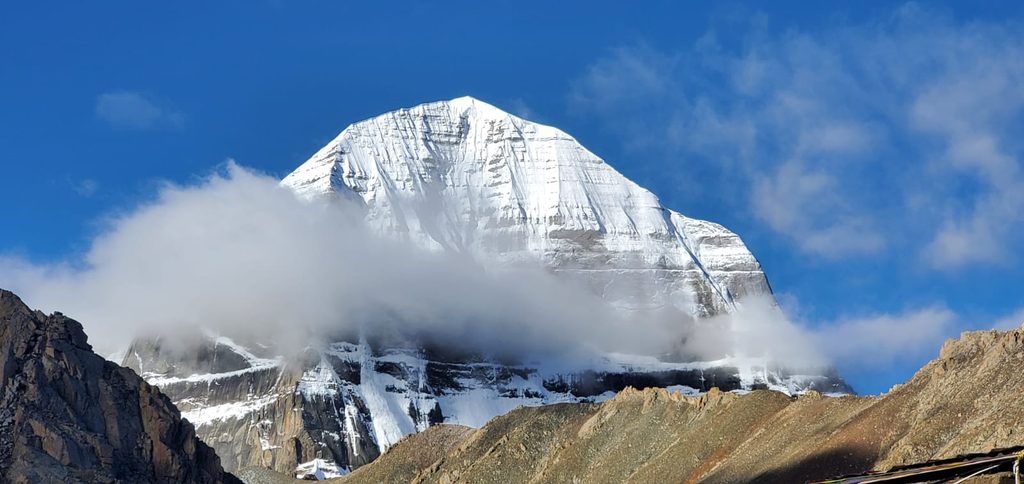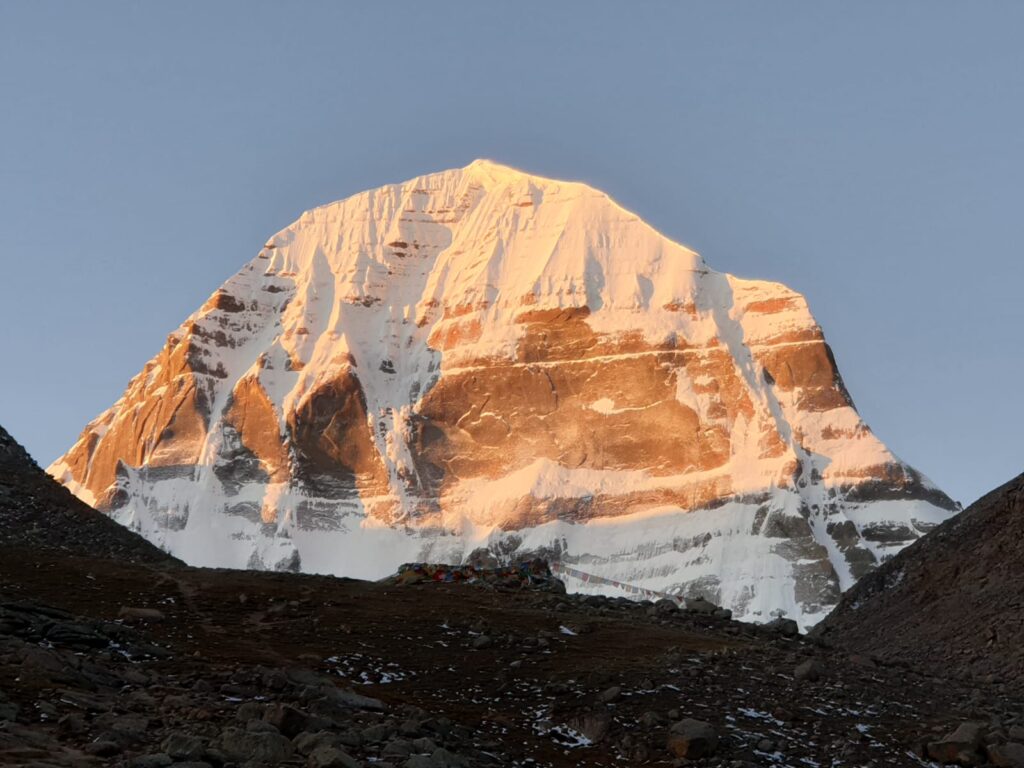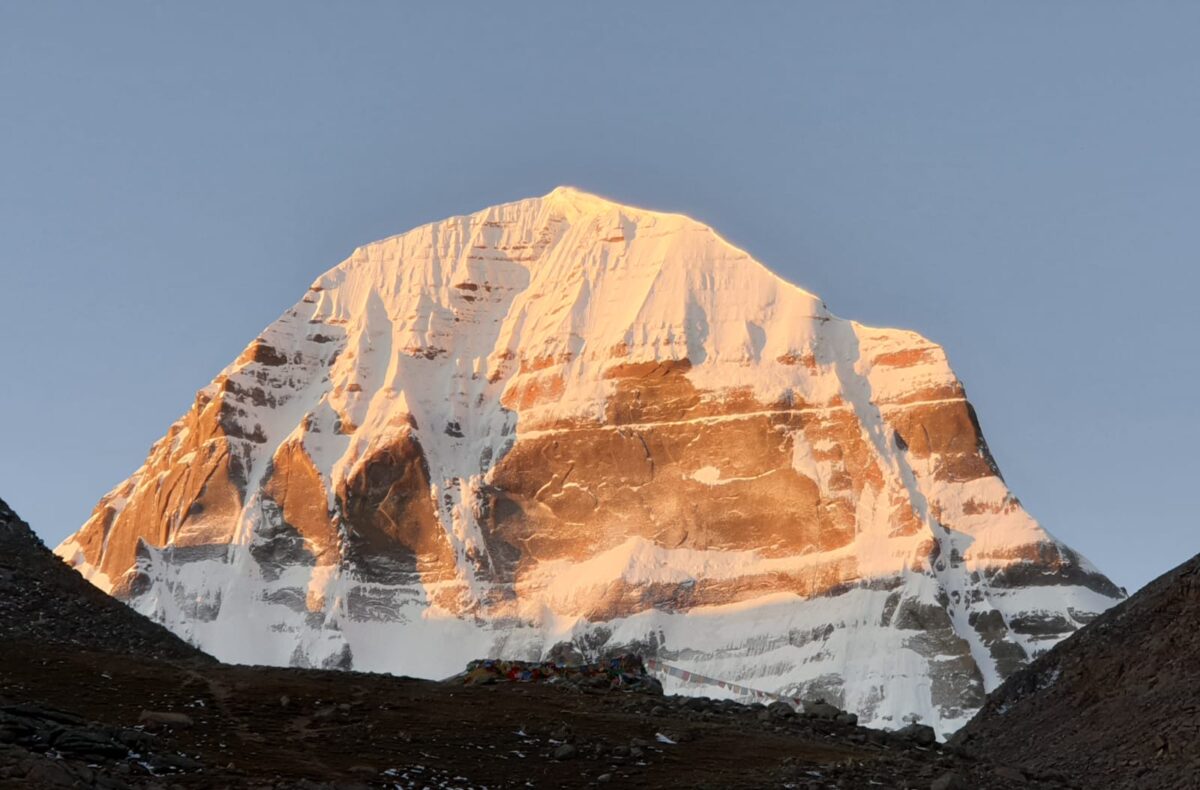
Indian Passport Guide for Mt Kailash Yatra 2027 from Kathmandu, Nepal

Complete Guide to Permits, Quota System, Documents, Group Tours, Kora, Cost, and Travel Information for Indian Passport Holders

Planning the Mt Kailash Yatra 2027 as an Indian passport holder? One of the most common questions travelers ask is whether Indians can visit Mount Kailash from Nepal, what permits are required, whether there is a quota system, and how the booking process works.

This Indian Passport Guide for Mt Kailash Yatra 2027 explains everything you need to know before booking your pilgrimage from Kathmandu, Nepal. Whether you are travelling alone, with your family, or joining a group pilgrimage, this guide covers permits, the newly introduced quota system, travel routes, documents, medical requirements, booking procedures, and practical travel advice.

Our aim is to help Indian travellers understand the complete process so they can prepare well in advance for one of the world’s most sacred pilgrimages.

Can Indian Passport Holders Visit Mount Kailash from Nepal?

Yes.

Indian passport holders can visit Mount Kailash and Lake Manasarovar through Kathmandu, Nepal. Today, this has become one of the most preferred routes because it offers:

  • Flexible departure dates
  • Professionally organized group departures
  • Comfortable accommodation throughout the journey
  • Faster permit processing than the traditional government pilgrimage
  • The opportunity to complete the sacred Mt Kailash Kora

Most pilgrims from India first arrive in Kathmandu before entering Tibet via the Rasuwagadhi–Kerung border.

Is Mt Kailash Open for Indian Passport Holders in 2027?

The 2027 pilgrimage season is expected to operate normally, subject to the annual approval of the Tibet Autonomous Region (TAR) Tourism Bureau and Chinese immigration authorities.

As with every year, travel depends on:

  • Tibet opening dates
  • Border operations
  • Permit availability
  • Annual quota allocation
  • Weather conditions

Travellers are advised to book early, especially during peak pilgrimage months from May to September.

Newly Introduced Quota System for Indian Passport Holders

One of the biggest changes affecting Indian pilgrims is the introduction of a dedicated annual quota for Indian passport holders travelling via Nepal.

Unlike previous years, Chinese authorities now allocate a specific number of permits exclusively for Indian citizens entering Tibet from Kathmandu.

This quota is completely separate from travellers holding passports from other countries.

Why Was the Quota Introduced?

The number of Indian pilgrims visiting Mount Kailash has increased significantly in recent years.

During recent pilgrimage seasons, demand exceeded the number of permits available. To better manage border operations and pilgrimage traffic, Chinese authorities introduced an annual allocation specifically for Indian passport holders.

For the 2026 season:

  • Around 24,000 permits were allocated for Indian passport holders travelling through Nepal.
  • This represented an increase from approximately 20,000 permits in the previous season.
  • Demand was reported to be much higher than the available allocation.

Although the official 2027 quota has not yet been announced, a similar quota system is expected to remain in place.

What Happens if the Quota is Filled?

Once the annual quota is exhausted:

  • No further Tibet Travel Permits may be issued for Indian passport holders.
  • Tour operators may suspend new bookings.
  • Travellers may have to wait for cancellations, additional allocations (if announced), or the following pilgrimage season.

This is one of the main reasons why early booking is strongly recommended.

Do Foreign Passport Holders Share the Same Quota?

No.

Indian passport holders have a separate allocation managed by the Chinese authorities.

Travellers holding passports from countries such as:

  • United States
  • United Kingdom
  • Australia
  • Canada
  • Singapore
  • Malaysia
  • European countries

are generally processed under different permit allocations.

Do Indian Passport Holders Need a Tibet Permit?

Yes.

Indian citizens cannot enter Tibet independently.

Every Indian traveller must obtain the required Tibet travel documents through an authorized Tibet travel agency.

Individual permit applications are not accepted.

Permit Application for Mt Kailash for Indian Passport Holders

The permit application process is handled entirely by your tour operator.

Generally, you will need:

  • Valid Indian passport (minimum six months validity)
  • Passport copy
  • Recent passport-size photograph (if requested)
  • Completed application form
  • Confirmed tour booking

The travel agency submits the application to the relevant Tibetan authorities before your departure.

How Long Does Permit Processing Take?

Permit processing usually begins several weeks before your departure.

As the Tibet Travel Permit cannot be issued instantly, travellers should complete their booking well in advance.

Submitting documents early also helps avoid delays during peak pilgrimage months.

Can Indian Passport Holders Travel Independently?

No.

Chinese regulations require all foreign visitors, including Indian passport holders entering Tibet from Nepal, to travel as part of an organized tour.

Independent travel to Mount Kailash is not permitted.

Group Joining Mt Kailash Tour for Indian Citizens

A Group Joining Tour for Indian Citizens is one of the most popular ways to complete the pilgrimage.

Instead of arranging a private expedition, travellers join a scheduled departure with other pilgrims.

Advantages include:

  • Lower overall cost
  • Shared transportation
  • Easier permit arrangements
  • Experienced Tibetan guide
  • Better logistical support
  • Opportunity to travel with fellow pilgrims

Group departures usually operate throughout the pilgrimage season.

Private Mt Kailash Tours for Indian Passport Holders

Families and friends who prefer greater flexibility may also choose private tours.

Private tours allow:

  • Flexible departure dates
  • Customized itineraries
  • Personalized pace
  • Additional sightseeing
  • Greater privacy

Permit requirements remain the same.

What Route Do Most Indian Travellers Follow?

The most popular itinerary from Kathmandu is:

Kathmandu → Syabrubesi/Timure → Rasuwagadhi Border → Kerung → Saga → Lake Manasarovar → Darchen → Mt Kailash Kora → Zuthulpuk → Saga → Kerung → Kathmandu

Some longer tours also include:

  • Lhasa
  • Shigatse
  • Gyantse
  • Yamdrok Lake
  • Everest Base Camp

Mt Kailash Kora for Indians from Kathmandu, Nepal

The sacred Mt Kailash Kora is approximately 52 kilometres and is regarded as one of the world’s most spiritually significant pilgrimages.

Most pilgrims complete the Kora over three days.

Typical itinerary:

Day 1
Darchen to Dirapuk

Day 2
Dirapuk – Dolma La Pass – Zuthulpuk

Day 3
Zuthulpuk to Darchen

Pilgrims who are unable to complete the trek can often remain in Darchen while the rest of the group performs the Kora.

Is the Mt Kailash Kora Difficult?

Yes.

The trek reaches elevations above 5,600 metres, including Dolma La Pass.

Pilgrims should prepare physically before travelling.

Training recommendations include:

  • Daily walking
  • Stair climbing
  • Cardiovascular exercise
  • Light trekking
  • Regular hydration

Medical Requirements for Indian Passport Holders

Most tour operators recommend:

  • General health examination
  • Blood pressure assessment
  • Cardiac evaluation for elderly travellers
  • Physician’s fitness certificate if required

Senior travellers should consult their doctor before booking.

Best Time for Mt Kailash Yatra 2027

The pilgrimage season generally operates between:

  • May
  • June
  • July
  • August
  • September

Each month offers different weather conditions and crowd levels.

The Saga Dawa Festival usually attracts the highest number of pilgrims.

Accommodation During the Journey

Accommodation varies throughout the route.

Travellers can generally expect:

Kathmandu:
Comfortable hotels

Kerung:
Hotels

Saga:
Hotels

Lake Manasarovar:
Guesthouses or hotels

Darchen:
Hotels

During the Kora:
Simple guesthouses with basic facilities

Accommodation standards improve each year but remain basic in remote areas.

What Should Indian Pilgrims Pack?

Recommended packing list:

  • Warm layered clothing
  • Down jacket
  • Waterproof jacket
  • Trekking shoes
  • Walking stick
  • Sunglasses
  • Sunscreen
  • Personal medicines
  • Power bank
  • Passport
  • Copies of important documents
  • Water bottle
  • Snacks

Currency During the Journey

Travellers should carry:

  • Chinese Yuan (RMB)
  • Some Nepalese Rupees while in Kathmandu

Digital payment options may be limited in remote regions.

Mobile Network and Internet

Internet access is available in many towns but may be slow or restricted.

Indian SIM cards generally do not work in Tibet.

Many travellers rely on hotel Wi-Fi where available.

Frequently Asked Questions

Can Indian passport holders visit Mount Kailash?

Yes, through an authorized tour operator from Kathmandu, Nepal, subject to Tibet permit approval and annual quota availability.

Can Indians travel independently?

No. Organized tours are mandatory.

Is there a quota?

Yes. Indian passport holders are currently subject to a separate annual permit allocation introduced by Chinese authorities.

Should I book early?

Yes. Early booking improves your chances of securing a permit before the annual quota is reached.

Can senior citizens join?

Many can, provided they meet the health requirements and are medically fit for high-altitude travel.

Is travel insurance recommended?

Yes. Comprehensive travel insurance covering high-altitude travel, medical emergencies, and trip interruptions is strongly recommended.

Indian Passport Guide for Mt Kailash Yatra 2027

The Mt Kailash tour for Indian passport holders is a deeply spiritual and life-changing pilgrimage. While the introduction of the annual permit quota has added an extra planning step, it has also made early preparation more important than ever.

By understanding the permit process, annual quota, documentation requirements, health considerations, and travel logistics, Indian pilgrims can plan their journey with confidence.

If you are considering the Mt Kailash Yatra 2027 from Kathmandu, booking early, preparing physically, and travelling with an experienced operator will help ensure a smooth and meaningful pilgrimage to Mount Kailash and the sacred Lake Manasarovar.

Whether you choose a Group Joining Tour for Indian Citizens or a private pilgrimage, careful planning is the key to making this once-in-a-lifetime spiritual journey a memorable and fulfilling experience.

Lhasa Tour Package Cost 2027 – Everything You Need to Know Before Booking

Planning a trip to Tibet in 2027?

One of the biggest questions travelers ask before booking is:

“How much does a Tibet tour cost?”

The answer depends on several factors, including:

  • Group or private tour
  • Time of year
  • Hotel category
  • Transportation
  • Number of travelers
  • Optional activities
  • Personal spending

The good news is that visiting Tibet is more affordable than many people expect.

Whether you are looking for a budget Tibet tour, an affordable Lhasa group joining tour, or a private Tibet tour, this guide explains every cost so you can plan your trip with confidence.

In this article, we’ll cover:

  • Average Tibet tour prices in 2027
  • Group tour vs private tour costs
  • What’s included
  • Hidden expenses
  • Money-saving tips
  • Frequently asked questions

Let’s begin.

How Much Does a Tibet Tour Cost in 2027?

The average Tibet Tour 2027 cost depends on the type of tour you choose.

Tour TypeEstimated Price
Budget Group TourUS$650–950
Standard Group TourUS$850–1,300
Private Tibet TourUS$1,400–3,500+
Luxury Private TourUS$3,500–7,000+

These prices vary depending on:

  • Travel season
  • Hotel quality
  • Number of travelers
  • Transportation
  • Route
  • Optional services

Generally, Lhasa group joining tours offer the best value for first-time visitors.

Why Are Tibet Tours Different from Other Destinations?

Unlike many destinations where you can travel independently, Tibet has specific travel regulations for international visitors.

Travelers need:

  • Tibet Travel Permit
  • Licensed local guide
  • Registered vehicle for travel outside Lhasa
  • Pre-arranged itinerary

These requirements are included when booking through a licensed Tibet travel agency.

Although these regulations influence the overall Tibet tour price, they also ensure a well-organized journey with experienced local support.

What Is Included in a Tibet Tour Package?

A quality Tibet tour package usually includes:

Tibet Travel Permit

This mandatory permit is arranged by your travel agency.

Airport or Train Station Transfers

Most tours include arrival and departure transfers.

Hotel Accommodation

Typically:

  • 3-star
  • 4-star
  • 5-star (optional)
Licensed English-Speaking Guide

Professional local guides provide cultural insights and manage logistics throughout your trip.

Transportation

Comfortable tourist vehicles are provided for sightseeing and travel between destinations.

Entrance Tickets

Most major attractions are included, such as:

  • Potala Palace
  • Jokhang Temple
  • Sera Monastery
  • Drepung Monastery
  • Norbulingka
  • Barkhor Street
Some Meals

Most tours include breakfast, while lunches and dinners are generally left flexible so travelers can explore local restaurants.

What Is NOT Included?

Travelers should also budget for expenses such as:

  • International flights
  • China visa (if applicable)
  • Travel insurance
  • Lunches and dinners
  • Personal shopping
  • Tips
  • Optional activities
  • Single room supplement
  • Personal expenses

Planning for these additional costs helps avoid surprises during your trip.

Budget Tibet Tour 2027 – The Most Affordable Way to Visit Tibet

If you’re looking for an affordable Tibet adventure, a Budget Tibet Tour 2027 is one of the best options.

Group tours reduce costs because travelers share:

  • Guide
  • Vehicle
  • Operating expenses

This keeps the overall Lhasa Group Joining Tour Price much lower than private tours.

Typical features include:

  • Small international groups
  • Fixed departures
  • Comfortable hotels
  • English-speaking guide
  • Shared transportation
  • Major attractions included

These tours are especially popular with solo travelers, couples, and small groups.

Why Choose a Lhasa Group Joining Tour?

Many first-time visitors prefer a Lhasa Group Joining Tour because it combines affordability with convenience.

Benefits include:

  • Lower overall cost
  • Meet travelers from around the world
  • Fixed departure dates
  • Professional local guide
  • Excellent value for money
  • Hassle-free permit arrangements

For many travelers, it is the easiest way to experience Tibet while staying within budget.

What Does a Typical 8-Day Lhasa Group Joining Tour Include?

An 8-day itinerary generally features:

  • Arrival in Lhasa
  • Time to acclimatize to the altitude
  • Guided visit to Potala Palace
  • Jokhang Temple
  • Barkhor Street
  • Sera Monastery
  • Drepung Monastery
  • Norbulingka
  • Scenic drive to Yamdrok Lake
  • Return to Lhasa
  • Departure

This itinerary provides a balanced introduction to Tibet’s culture, history, and landscapes while allowing enough time for acclimatization.

Private Tibet Tour Cost in 2027

A Private Tibet Tour offers greater flexibility and personalization.

Prices are generally higher because costs are not shared.

Private tours are ideal for:

  • Families
  • Honeymoon couples
  • Photographers
  • Senior travelers
  • Luxury travelers
  • Small groups of friends

Benefits include:

  • Flexible itinerary
  • Private guide
  • Private vehicle
  • Personalized travel pace
  • Custom hotel choices
  • Greater privacy
What Affects Private Tibet Tour Prices?

Several factors influence the total cost:

Number of Travelers

The more people sharing the tour, the lower the cost per person.

Hotel Category

Accommodation significantly affects pricing.

Options include:

  • Budget hotels
  • Standard hotels
  • Boutique hotels
  • Luxury hotels
Travel Season

Peak travel months generally cost more.

High season:

  • April
  • May
  • June
  • July
  • August
  • September
  • October

Lower prices are often available during:

  • November
  • December
  • January
  • February (weather permitting)
Length of Tour

Longer itineraries naturally increase costs.

Examples include:

  • 4-day Lhasa tour
  • 8-day Lhasa tour
  • Everest Base Camp tour
  • Mount Kailash pilgrimage
Transportation

Travel costs depend on:

  • Shared vehicle
  • Private vehicle
  • Domestic flights
  • Train tickets

Is Tibet Expensive Compared with Other Destinations?

Many travelers assume Tibet is very expensive.

In reality:

Accommodation, food, and transportation within Tibet are generally reasonable.

The primary expenses are associated with permits, guided services, and transportation required by travel regulations.

For most travelers, Tibet offers excellent value considering the unique cultural and natural experiences it provides.

Hidden Costs Travelers Should Know

When planning your budget, consider additional expenses such as:

  • Restaurant meals
  • Snacks
  • Drinks
  • Souvenirs
  • Temple donations
  • Tips for guides and drivers
  • Laundry
  • Internet services
  • Optional activities

These costs vary depending on your travel style.

Money-Saving Tips for Your Tibet Tour

If you’re planning an Affordable Tibet Tour, these practical tips can help reduce costs:

Join a Group Tour

Sharing transportation and guide services lowers the overall price.

Travel During Shoulder Seasons

Traveling outside peak months often results in better hotel rates and fewer crowds.

Book Early

Early reservations can help secure preferred departure dates and better pricing.

Choose Standard Hotels

Comfortable 3-star accommodations provide good value for most travelers.

Limit Extra Activities

Focusing on included sightseeing helps keep your budget under control.

Is a Group Tour Better Than a Private Tour?

There is no single answer—it depends on your travel style.

Group Tour

Best for:

  • Solo travelers
  • Budget travelers
  • First-time visitors
  • Students
  • Couples

Pros:

  • Lower cost
  • Social atmosphere
  • Excellent value

Cons:

  • Fixed schedule
  • Shared vehicle
Private Tour

Best for:

  • Families
  • Honeymooners
  • Seniors
  • Photographers
  • Luxury travelers

Pros:

  • Flexible itinerary
  • Private guide
  • Personalized experience

Cons:

  • Higher overall cost

Frequently Asked Questions

How much does a Tibet tour cost in 2027?

Most travelers spend between US$650 and US$3,500, depending on the type of tour, accommodation, season, and travel style.

Is a Tibet Group Joining Tour cheaper?

Yes. Group tours are generally the most affordable option because transportation and guide costs are shared among participants.

What is included in the Tibet tour price?

Most packages include the Tibet Travel Permit, accommodation, local transportation, English-speaking guide, airport or train station transfers, and entrance fees to major attractions. Meals and international airfare are usually excluded.

Are flights included?

No. International and most domestic flights are generally booked separately unless specified in the package.

Can solo travelers join a group tour?

Absolutely. Group joining tours are popular with solo travelers because they provide a cost-effective way to visit Tibet while meeting people from around the world.

Is a private Tibet tour worth the extra cost?

If you value flexibility, privacy, and a customized itinerary, a private tour can be an excellent investment, especially for families or special occasions.

When is the cheapest time to visit Tibet?

The shoulder and winter seasons often offer lower hotel rates and fewer visitors. However, weather conditions and attraction availability should be considered when planning.

Lhasa Tour Package Cost 2027

Understanding the Lhasa Tour Package Cost 2027 helps you choose the travel style that best matches your budget and expectations. Whether you’re looking for a Budget Tibet Tour 2027, an Affordable Tibet Tour, a Lhasa Group Joining Tour, or a Private Tibet Tour, knowing what is included—and what additional expenses to expect—makes planning much easier.

For most first-time visitors, a Tibet Group Joining Tour offers the best balance of value, convenience, and cultural immersion. Travelers seeking greater flexibility, customized itineraries, or a more exclusive experience may find a Private Tibet Tour well worth the additional cost.

No matter which option you choose, planning early, comparing inclusions, and selecting a reputable tour operator will help ensure a smooth and memorable journey to the Roof of the World in 2027.

Luxury Bhutan Tour vs Budget Bhutan Tour: Which One Is Right for You in 2027?

Planning a Bhutan tour but not sure whether to choose a luxury experience or travel on a budget?

You’re not alone.

One of the most common questions travelers ask before booking is whether a Luxury Bhutan Tour is worth the extra cost or if a Budget Bhutan Tour can provide an equally memorable experience.

The good news is that Bhutan is a destination where both luxury travelers and budget-conscious visitors can have an incredible journey. The difference lies in your accommodation, level of comfort, exclusive experiences, pace of travel, and overall travel style—not necessarily the beauty of the country itself.

In this guide, we’ll compare Luxury Bhutan Tour vs Budget Bhutan Tour in detail, including costs, hotels, transportation, dining, experiences, and who each option is best suited for. By the end, you’ll know exactly which type of Bhutan tour matches your travel style and budget.

Why Compare Luxury Bhutan Tour vs Budget Bhutan Tour?

Bhutan is unlike most destinations.

Unlike many countries where backpacking is easy, Bhutan regulates tourism to preserve its culture, environment, and traditions. Every international visitor (except citizens of India, Bangladesh, and the Maldives) must book their trip through a licensed Bhutanese tour operator or an international partner.

This means every traveler receives a planned itinerary, transportation, accommodation, and guide. The difference between a luxury and budget tour is the quality of those services.

What Is a Luxury Bhutan Tour?

A Luxury Bhutan Tour focuses on providing exceptional comfort, exclusive experiences, and personalized service throughout your journey.

Luxury tours typically include:

  • Five-star luxury hotels
  • Boutique luxury lodges
  • Private guide
  • Private vehicle
  • Flexible itinerary
  • Fine dining
  • Premium cultural experiences
  • Wellness and spa treatments
  • Scenic helicopter options (where available)
  • High-end photography opportunities

Luxury travel in Bhutan is peaceful, comfortable, and designed for travelers who want to experience Bhutan at its finest.

What Is a Budget Bhutan Tour?

A Budget Bhutan Tour is designed for travelers who want to experience Bhutan without spending excessively.

A budget tour generally includes:

  • Comfortable 3-star hotels
  • Shared transportation (for group tours)
  • Standard meals
  • Professional guide
  • Popular sightseeing attractions
  • Cultural experiences
  • Fixed itinerary

Although budget-friendly, these tours still provide an authentic Bhutan experience because Bhutan maintains high tourism standards across all licensed operators.

Luxury Bhutan Tour vs Budget Bhutan Tour: Quick Comparison

FeatureLuxury Bhutan TourBudget Bhutan Tour
Accommodation5-Star Luxury Hotels3-Star Hotels
TransportationPrivate SUVShared or Standard Vehicle
GuidePrivate GuideShared or Private Guide
DiningFine DiningLocal & Standard Restaurants
FlexibilityHighly FlexibleFixed Schedule
ExperiencesExclusiveStandard Sightseeing
ComfortPremiumComfortable
Best ForHoneymoon, Families, Luxury TravelersSolo Travelers, Students, Budget Travelers

Accommodation Comparison

Luxury Bhutan Tour

Luxury accommodation is one of the biggest reasons travelers choose a premium Bhutan tour.

You can stay in some of Bhutan’s most beautiful hotels featuring:

  • Mountain-view suites
  • Traditional Bhutanese architecture
  • Luxury spas
  • Heated indoor pools
  • Gourmet restaurants
  • Meditation gardens
  • Personalized service

Many luxury properties blend traditional Bhutanese design with world-class hospitality.

Perfect for:

  • Honeymoon couples
  • Luxury seekers
  • Anniversary trips
  • Family vacations
  • VIP travelers
Budget Bhutan Tour

Budget accommodations are simple but clean and comfortable.

Most include:

  • Private rooms
  • Attached bathrooms
  • Wi-Fi (where available)
  • Breakfast
  • Comfortable beds
  • Friendly service

Many travelers are surprised by how pleasant Bhutan’s standard hotels are.

If your goal is to spend most of your day exploring rather than staying in the hotel, a budget option is often more than sufficient.

Food and Dining

Luxury Bhutan Tour

Luxury tours often include:

  • Multi-course dinners
  • International cuisine
  • Gourmet Bhutanese dishes
  • Organic farm-to-table meals
  • Premium coffee
  • Wine selections (where available)

Luxury hotels often employ internationally trained chefs.

Budget Bhutan Tour

Budget tours typically include:

  • Local Bhutanese cuisine
  • Rice
  • Ema Datshi
  • Chicken dishes
  • Vegetable curries
  • Noodles
  • Soups

The food is delicious and authentic, although the dining options are generally more modest.

Transportation

Luxury Bhutan Tour

Transportation usually includes:

  • Private luxury SUV
  • Comfortable seating
  • Flexible stops
  • Scenic photography breaks
  • Personalized schedule

This makes long mountain drives much more enjoyable.

Budget Bhutan Tour

Transportation generally includes:

  • Standard tourist vehicle
  • Shared transport (group tours)
  • Fixed departure times

While less flexible, transportation remains safe and comfortable.

Tour Guide Experience

Both luxury and budget tours include licensed English-speaking guides.

However, luxury tours usually provide:

  • More personalized attention
  • Flexible pacing
  • Customized sightseeing
  • Greater cultural interaction
  • Special requests accommodated

Budget tours usually follow a fixed itinerary, especially if you’re joining a group.

Attractions You’ll Visit

The biggest surprise for many travelers is this:

Both luxury and budget travelers visit the same iconic attractions.

These include:

  • Tiger’s Nest Monastery
  • Thimphu
  • Paro
  • Punakha Dzong
  • Dochula Pass
  • Buddha Dordenma
  • Local monasteries
  • Traditional villages

The difference is not where you go—but how comfortably you experience the journey.

Luxury Experiences Only

Luxury travelers may enjoy experiences such as:

  • Private monastery blessings
  • Luxury spa treatments
  • Private cultural performances
  • Exclusive farmhouse dining
  • Personalized hiking experiences
  • Luxury picnics
  • Wellness retreats
  • Photography tours

These experiences create a more intimate and memorable journey.

Budget Bhutan Tour Advantages

Choosing a Bhutan tour in budget has many benefits.

Lower overall cost

You save significantly on accommodation while still enjoying Bhutan’s highlights.

Authentic local experience

Many budget hotels are family-owned, allowing closer interaction with Bhutanese hospitality.

Great for longer trips

Lower daily costs allow travelers to stay in Bhutan for more days.

Ideal for younger travelers

Students, backpackers, photographers, and solo travelers often prefer affordable packages.

Luxury Bhutan Tour Advantages

A Bhutan Luxury Tour offers benefits that go beyond comfort.

These include:

  • Less travel stress
  • Exceptional hospitality
  • Personalized itinerary
  • Premium accommodations
  • Greater privacy
  • Exclusive experiences
  • Flexible schedules
  • Ideal for special occasions

Many travelers celebrating honeymoons, anniversaries, or retirement consider luxury travel worth the investment.

Is Bhutan Expensive?

Bhutan has a reputation for being expensive, but this depends on your travel style.

A Budget Bhutan Tour keeps costs manageable while still offering excellent value.

A Luxury Bhutan Tour costs more because of premium hotels, private services, and exclusive experiences.

Remember that Bhutan tours usually include:

  • Accommodation
  • Guide
  • Transportation
  • Sightseeing
  • Meals (depending on package)
  • Visa processing assistance

When compared to luxury tours in many other countries, Bhutan often provides excellent overall value.

Who Should Choose a Budget Bhutan Tour?

A budget tour is ideal if you are:

  • Traveling solo
  • Visiting Bhutan for the first time
  • Looking for an affordable Bhutan tour
  • Traveling with friends
  • Comfortable with standard accommodation
  • Interested mainly in sightseeing and culture

Who Should Choose a Luxury Bhutan Tour?

Luxury travel is ideal for:

  • Honeymoon couples
  • Families
  • Senior travelers
  • Luxury holiday seekers
  • Anniversary celebrations
  • Corporate incentives
  • Photographers wanting maximum flexibility
  • Travelers seeking comfort and privacy

Can You Mix Luxury and Budget?

Absolutely.

Many travelers choose a combination of both.

For example:

  • Spend two nights in a luxury lodge in Paro.
  • Stay in comfortable 3-star hotels during the rest of the trip.
  • Upgrade only on special occasions.

This creates a balanced itinerary while keeping overall costs reasonable.

Tips to Save Money Without Sacrificing Comfort

If you’re looking for an Affordable Bhutan Tour, consider these tips:

  • Travel during the shoulder season.
  • Join a small group tour.
  • Book early for better hotel availability.
  • Choose a mix of luxury and standard hotels.
  • Extend your stay to enjoy Bhutan at a slower pace rather than rushing through attractions.

Frequently Asked Questions

Is a Budget Bhutan Tour worth it?

Yes. Budget tours still include Bhutan’s major attractions, licensed guides, and comfortable accommodations, making them excellent value for money.

Is Luxury Bhutan Tour worth the extra cost?

If you value privacy, premium hotels, personalized service, and exclusive experiences, many travelers find the additional expense worthwhile.

Can families choose a Budget Bhutan Tour?

Yes. Families can enjoy Bhutan on a budget, though those traveling with young children or elderly members may appreciate the added comfort of a luxury tour.

Are luxury hotels available throughout Bhutan?

Luxury hotels are available in major destinations such as Paro, Thimphu, Punakha, Gangtey, and Bumthang, while more remote regions may have fewer high-end options.

Which tour offers better cultural experiences?

Both tour types provide access to Bhutan’s rich culture. Luxury tours may include additional private experiences, while budget tours often offer more interaction with local communities through family-run accommodations.

Luxury Bhutan Tour vs Budget Bhutan Tour

When comparing a Luxury Bhutan Tour vs Budget Bhutan Tour, there is no single “best” choice—only the option that best matches your travel goals, comfort preferences, and budget.

If you dream of exceptional comfort, personalized service, luxury hotels, and exclusive experiences, a Luxury Bhutan Tour is an unforgettable way to discover the Kingdom of Bhutan.

If your priority is exploring Bhutan’s breathtaking landscapes, vibrant culture, ancient monasteries, and warm hospitality while keeping costs reasonable, a Budget Bhutan Tour or Affordable Bhutan Tour offers outstanding value.

No matter which option you choose, Bhutan remains one of the world’s most rewarding destinations. From the iconic Tiger’s Nest Monastery to peaceful mountain valleys, colorful festivals, and welcoming locals, every journey offers memories that last a lifetime.

Whether you choose luxury, budget, or a combination of both, the true magic of Bhutan lies in its culture, spirituality, and natural beauty—not just in where you stay.

Bhutan Tour for Couples – The Ultimate Romantic Travel Guide (2027)

Imagine standing together on a quiet mountain overlooking snow-covered Himalayan peaks, spinning colorful prayer wheels, enjoying a candlelit dinner inside a luxury lodge, and watching monks chant in centuries-old monasteries.

If that sounds like your dream holiday, then a Bhutan Tour for Couples might be exactly what you’re looking for.

Unlike crowded tourist destinations, Bhutan offers something increasingly rare—peace, privacy, breathtaking scenery, rich culture, and meaningful experiences that couples can truly enjoy together.

Whether you’re planning:

  • Your honeymoon
  • An anniversary celebration
  • A surprise proposal
  • A romantic getaway
  • A luxury vacation

Bhutan has experiences that create memories for a lifetime.

This guide explains everything couples should know before booking a Couples Tour to Bhutan.

Why Bhutan is One of the Most Romantic Destinations in Asia

Many travelers compare Bhutan to destinations like Switzerland or New Zealand because of its beautiful mountains.

But Bhutan offers something those destinations cannot.

It combines:

  • Himalayan landscapes
  • Ancient Buddhist culture
  • Luxury lodges
  • Peaceful monasteries
  • Scenic valleys
  • Warm hospitality
  • Low tourist numbers

Instead of busy cities, you’ll discover quiet valleys where time seems to slow down.

Instead of nightlife, you’ll find star-filled skies.

Instead of crowded attractions, you’ll experience peaceful temples where you can simply enjoy each other’s company.

Why Couples Love Bhutan

A Bhutan Luxury Tour for Couples is perfect because it offers balance.

One day you might:

  • Hike together to Tiger’s Nest Monastery

The next day:

  • Relax at a luxury spa

Then:

  • Enjoy a private picnic beside a river

Or:

  • Explore traditional villages

Bhutan isn’t about rushing.

It’s about slowing down and sharing experiences.

Is Bhutan Good for Honeymooners?

Absolutely.

Bhutan has quietly become one of Asia’s best honeymoon destinations.

Many newlyweds choose Bhutan because it offers:

  • Privacy
  • Luxury
  • Stunning scenery
  • Wellness retreats
  • Romantic hotels
  • Authentic culture

Unlike crowded beach destinations, Bhutan provides an intimate atmosphere where couples can truly disconnect from everyday life.

Many luxury resorts even arrange:

  • Romantic room decorations
  • Private dinners
  • Spa treatments for couples
  • Personalized celebrations
  • Anniversary surprises

Best Romantic Places to Visit During a Bhutan Tour for Couples

1. Paro

Paro is often the first destination couples visit.

It offers:

  • Tiger’s Nest Monastery
  • Traditional farmhouses
  • Beautiful valleys
  • Boutique luxury hotels
  • Peaceful walking trails

Watching sunrise over Paro Valley is one of the highlights of any Bhutan Couples Tour Package.

2. Thimphu

Bhutan’s capital combines tradition with modern comforts.

Couples can enjoy:

  • Cozy cafés
  • Local restaurants
  • Handicraft shopping
  • Weekend markets
  • Museums
  • Cultural performances

It provides a comfortable introduction to Bhutanese culture.

3. Punakha

Many couples consider Punakha the most romantic valley in Bhutan.

Why?

Because it has:

  • Green rice fields
  • Beautiful rivers
  • Suspension bridges
  • Historic monasteries
  • Warm weather
  • Luxury riverside resorts

Spring is especially beautiful when purple jacaranda trees bloom around Punakha Dzong.

4. Phobjikha Valley

If you enjoy peaceful nature, Phobjikha is unforgettable.

Highlights include:

  • Wide open valleys
  • Black-necked cranes (winter)
  • Cozy lodges
  • Scenic walks
  • Quiet evenings by the fireplace

It’s perfect for couples seeking solitude.

5. Bumthang

Often called Bhutan’s spiritual heart, Bumthang is ideal for couples wanting a deeper cultural journey.

You’ll discover:

  • Ancient monasteries
  • Charming villages
  • Apple orchards
  • Traditional cheese farms
  • Beautiful mountain landscapes

Romantic Experiences You Shouldn’t Miss

Hike to Tiger’s Nest Together

No Couples Tour to Bhutan feels complete without hiking to Tiger’s Nest.

Although the climb is challenging, reaching the monastery together becomes one of the most rewarding moments of your trip.

Many couples say this becomes the highlight of their entire vacation.

Enjoy a Traditional Hot Stone Bath

One of Bhutan’s most unique wellness experiences.

Natural river stones are heated until glowing before being placed into wooden tubs filled with fresh mountain water.

Many luxury hotels offer private hot stone baths for couples.

It’s both relaxing and culturally authentic.

Stay in Luxury Mountain Resorts

Bhutan is famous for world-class luxury hospitality.

Many resorts feature:

  • Private balconies
  • Mountain views
  • Fireplaces
  • Spa treatments
  • Fine dining
  • Yoga sessions
  • Meditation experiences

Luxury in Bhutan focuses on privacy and personalized service rather than extravagance.

Picnic by the River

Several valleys offer ideal picnic locations surrounded by forests and mountains.

Your guide can often arrange:

  • Traditional Bhutanese lunch
  • Fresh fruits
  • Tea
  • Riverside seating

Simple moments like these often become favorite memories.

Experience Bhutanese Festivals Together

If your visit coincides with a festival, you’ll witness:

  • Mask dances
  • Traditional music
  • Local celebrations
  • Colorful costumes

These festivals provide unforgettable cultural experiences.

Best Time for a Bhutan Tour for Couples

Spring (March–May)

One of the most popular seasons.

You’ll enjoy:

  • Blooming flowers
  • Pleasant temperatures
  • Rhododendron forests
  • Clear mountain views

Perfect for photography.

Autumn (September–November)

Another excellent choice.

Expect:

  • Blue skies
  • Crisp weather
  • Excellent hiking
  • Beautiful Himalayan scenery

This is considered the peak travel season.

Winter (December–February)

Ideal for couples seeking:

  • Fewer tourists
  • Snow-capped mountains
  • Cozy hotels
  • Peaceful atmosphere

Lower visitor numbers make luxury stays feel even more exclusive.

Summer (June–August)

Although it is the monsoon season, rainfall is usually concentrated in certain periods.

The countryside becomes incredibly green, and prices may be slightly lower.

How Many Days Should Couples Spend in Bhutan?

Most travelers choose between:

5 Days

Perfect for:

  • Paro
  • Thimphu
  • Tiger’s Nest

7 Days

Adds:

  • Punakha
  • Scenic drives
  • More cultural experiences

9–10 Days

Ideal for couples wanting a slower pace.

Includes:

  • Phobjikha
  • Bumthang
  • Luxury stays
  • Nature walks

Longer trips allow more time to relax rather than rushing between destinations.

Sample 7-Day Bhutan Tour for Couples

Day 1: Arrive in Paro and transfer to Thimphu

Day 2: Explore Thimphu’s cultural attractions

Day 3: Drive to Punakha via Dochula Pass

Day 4: Discover Punakha Valley and nearby villages

Day 5: Return to Paro and enjoy leisure time or a hot stone bath

Day 6: Hike to Tiger’s Nest Monastery and celebrate with a special dinner

Day 7: Departure

This itinerary balances sightseeing, relaxation, and romantic experiences.

Luxury Experiences Worth Adding

A Bhutan Luxury Tour for Couples can include:

  • Private guide and driver
  • Luxury boutique hotels
  • Spa treatments
  • Traditional hot stone baths
  • Romantic dinners
  • Riverside picnics
  • Photography sessions
  • Helicopter sightseeing (where available and permitted)
  • Private cultural performances
  • Meditation with monks

These experiences create a more personalized and memorable journey.

What Does a Bhutan Couples Tour Package Usually Include?

Most packages include:

  • Airport transfers
  • Licensed guide
  • Private vehicle
  • Accommodation
  • Meals (as specified)
  • Sightseeing
  • Entry fees
  • Sustainable Development Fee (SDF)
  • Bhutan visa arrangement

Some premium packages also include spa experiences, luxury accommodations, and personalized activities.

How Much Does a Bhutan Tour for Couples Cost?

The total cost depends on several factors, including:

  • Season of travel
  • Hotel category
  • Trip duration
  • Group size
  • Luxury level
  • Activities included

Budget-conscious travelers can choose comfortable 3-star accommodations, while those seeking a more exclusive experience may opt for luxury lodges and boutique resorts.

Keep in mind that premium accommodations, private experiences, and additional wellness activities will increase the overall price, but many couples feel the added comfort and privacy are worth it.

What Should Couples Pack?

Bring:

  • Comfortable walking shoes
  • Warm layers
  • Rain jacket (seasonal)
  • Sunscreen
  • Sunglasses
  • Camera
  • Reusable water bottle
  • Personal medications
  • Smart casual clothing for dinners

For monastery visits:

  • Wear clothing that covers shoulders and knees.
  • Remove hats when entering sacred sites.
  • Follow your guide’s instructions regarding photography.
Is Bhutan Safe for Couples?

Yes.

Bhutan is widely regarded as one of the safest destinations in Asia.

Visitors often appreciate:

  • Low crime rates
  • Friendly locals
  • Respectful culture
  • Clean environment
  • Well-organized tourism

Couples can comfortably explore towns, villages, and cultural sites with confidence.

Tips Before Booking a Bhutan Couples Tour

Before confirming your trip:

  • Decide whether you prefer a cultural, adventure, wellness, or luxury-focused itinerary.
  • Choose travel dates based on weather and festivals.
  • Book early if traveling during spring or autumn.
  • Allow time to adjust to the mountain environment.
  • Include at least one leisure day to enjoy your hotel and surroundings.
  • Discuss any special occasions—such as honeymoons, anniversaries, or proposals—with your tour operator, as many can arrange personalized touches.

Frequently Asked Questions

Is Bhutan expensive for couples?

Bhutan is generally more expensive than many neighboring destinations because of its tourism policy and emphasis on quality experiences. However, the value lies in well-organized travel, beautiful accommodations, knowledgeable guides, and a peaceful environment.

Can unmarried couples travel together in Bhutan?

Yes. Bhutan welcomes international visitors, including unmarried couples traveling together.

Is Bhutan suitable for a honeymoon?

Yes. Its combination of luxury lodges, peaceful landscapes, cultural richness, and privacy makes it an excellent honeymoon destination.

Are luxury hotels available in Bhutan?

Yes. Bhutan offers a range of luxury accommodations, from boutique hotels to internationally renowned wellness resorts, many designed with privacy and romance in mind.

Can couples customize their itinerary?

Yes. Most tour operators can tailor itineraries based on your interests, travel pace, preferred accommodation, and special occasions.

Bhutan Tour for Couples – The Ultimate Romantic Travel Guide (2027)

A Bhutan Tour for Couples is more than just a vacation—it is an opportunity to slow down, reconnect, and experience one of the world’s most peaceful Himalayan kingdoms together.

Whether you’re celebrating a honeymoon, an anniversary, a proposal, or simply looking for a meaningful escape, Bhutan offers a rare combination of natural beauty, cultural authenticity, and warm hospitality. From hiking to the iconic Tiger’s Nest Monastery and relaxing in a traditional hot stone bath to enjoying quiet evenings in luxury mountain lodges, every moment is designed to create lasting memories.

If you’re considering a Couples Tour to Bhutan, take the time to choose an itinerary that matches your travel style. Some couples prefer immersive cultural experiences, while others seek wellness retreats or a Bhutan Luxury Tour for Couples with exclusive accommodations and personalized services. Fortunately, many Bhutan Couples Tour Packages can be customized, allowing you to create a journey that feels uniquely yours.

No matter when you visit, Bhutan’s breathtaking landscapes, tranquil atmosphere, and timeless traditions provide the perfect setting for a truly romantic adventure.

Best Route to Reach Mount Kailash from Kathmandu in 2027: Complete Mt Kailash Tour & Manasarovar Kailash Yatra Guide

Planning a Mount Kailash Yatra from Kathmandu?

One of the most common questions travelers ask before booking a Mt Kailash Tour is:

“What is the best route to reach Mount Kailash from Kathmandu?”

The second question usually follows:

“How many days does the full Mount Kailash Yatra take?”

If you are planning a Mount Kailash Yatra or Manasarovar Kailash Yatra in 2027, this guide explains the best route, travel duration, acclimatization requirements, road conditions, and why most experienced travelers now prefer the group joining route from Kathmandu.

Why Choosing the Right Route Matters

Mount Kailash is located in western Tibet at an altitude of approximately 6,638 meters (21,778 feet). The sacred mountain is surrounded by high-altitude terrain, making proper acclimatization one of the most important factors for a successful pilgrimage.

The route you choose affects:

  • Acclimatization success
  • Travel comfort
  • Permit processing
  • Transportation costs
  • Risk of altitude sickness
  • Overall pilgrimage experience

For most international travelers, the best route is not necessarily the shortest route. The safest route is usually the one that allows your body enough time to adjust to the altitude.

What Is the Best Route to Reach Mount Kailash from Kathmandu?

For 2027, the most recommended route is:

Kathmandu → Kerung Border → Saga → Lake Manasarovar → Mount Kailash

This is the route followed by most organized Mt Kailash Group Joining Tours.

Route Overview

Kathmandu → Syabrubesi/Rasuwagadhi Border → Kerung → Saga → Paryang → Lake Manasarovar → Darchen → Mount Kailash Kora (Parikrama)

This route has become the preferred option because it combines:

  • Gradual altitude gain
  • Good acclimatization
  • Scenic Tibetan landscapes
  • Visit to Lake Manasarovar
  • Comfortable transportation
  • Cost-effective group travel

For most travelers, this route offers the best balance between safety, comfort, and affordability.

Why the Kathmandu–Kerung Route Is Considered the Best

1. Better Acclimatization

Many first-time pilgrims underestimate the importance of altitude adaptation.

The journey through Kerung allows travelers to gradually ascend into the Tibetan Plateau instead of flying directly to very high elevations.

This significantly reduces the chances of severe altitude sickness.

2. Visit Lake Manasarovar Before Kailash Parikrama

Most pilgrims dream of seeing both:

  • Mount Kailash
  • Lake Manasarovar

The Kathmandu-Kerung route naturally includes both sacred sites.

Many pilgrims consider the first sight of Lake Manasarovar one of the emotional highlights of the entire journey.

3. More Affordable Than Charter Flights

Compared with helicopter-based routes, overland group tours are generally more budget-friendly while providing a richer Tibetan cultural experience.

4. Ideal for Solo Travelers

Group joining departures allow solo travelers, couples, and small groups to join a larger pilgrimage group and share transportation and operational costs.

How Many Days Does the Full Mount Kailash Yatra Take?

Depending on the route chosen, a Mount Kailash Yatra can take anywhere from 9 to 16 days. For most travelers, the Kathmandu–Kerung–Saga–Lake Manasarovar route offers the best balance of acclimatization, pilgrimage experience, and travel efficiency. Our 10-Day Mt Kailash Group Joining Tour includes all the major highlights of the journey, including Lake Manasarovar, the complete three-day Mount Kailash Parikrama, and a dedicated acclimatization day in Kerung, making it one of the most practical and cost-effective ways to experience this sacred pilgrimage.

Recommended Mount Kailash Group Joining Tour Route from Kathmandu

For travelers looking for the best balance of acclimatization, affordability, comfort, and spiritual experience, we recommend the Kathmandu – Kerung – Saga – Lake Manasarovar – Darchen – Mount Kailash Kora – Kathmandu route.

This is the route followed by our Mt Kailash Group Joining Tour, which has become one of the most popular options for pilgrims and adventure travelers visiting Mount Kailash from Nepal. The itinerary includes a dedicated acclimatization day in Kerung, a visit to sacred Lake Manasarovar, and the complete three-day Mount Kailash Parikrama.

Day 1: Kathmandu to Kerung (2,200m)

Your Mount Kailash Yatra begins with a scenic drive from Kathmandu to the Nepal–Tibet border before continuing to Kerung.

Highlights:

  • Scenic Himalayan landscapes
  • Crossing from Nepal into Tibet
  • First night on the Tibetan Plateau
  • Gradual altitude gain for better acclimatization

Overnight in Kerung.

Day 2: Acclimatization Day in Kerung

This is one of the most important days of the journey.

Rather than rushing toward Mount Kailash, travelers spend a full day acclimatizing in Kerung. This significantly improves comfort and increases the chances of successfully completing the pilgrimage.

Highlights:

  • Rest and acclimatization
  • Short walks around Kerung
  • Preparation for higher elevations ahead

Overnight in Kerung.

Day 3: Kerung to Saga (4,600m)

Drive through some of Tibet’s most spectacular landscapes.

Highlights:

  • Lalung La Pass
  • Peiku Tso Lake
  • Views of Mount Shishapangma
  • Vast Tibetan Plateau scenery

Overnight in Saga.

Day 4: Saga to Lake Manasarovar (4,560m)

This is often the most emotional day of the pilgrimage.

After a scenic drive across western Tibet, travelers are rewarded with their first views of sacred Lake Manasarovar and, weather permitting, the holy Mount Kailash.

Highlights:

  • First view of Mount Kailash
  • Holy Lake Manasarovar
  • Spiritual rituals and meditation
  • Sunset over the sacred lake

Overnight near Lake Manasarovar.

Day 5: Lake Manasarovar to Darchen

Spend the morning exploring the shores of Lake Manasarovar before driving to Darchen, the traditional starting point of the Mount Kailash Kora.

Highlights:

  • Exploration of Lake Manasarovar
  • Pilgrimage activities
  • Photography opportunities
  • Preparation for the Kailash Parikrama

Overnight in Darchen.

Day 6: Darchen to Dirapuk (4,900m) – Kailash Parikrama Begins

Today marks the beginning of the sacred Mount Kailash Kora.

The trail follows the beautiful Lha Chu Valley toward Dirapuk, offering breathtaking views of Mount Kailash’s famous North Face.

Highlights:

  • Yamdwar
  • Lha Chu Valley
  • North Face of Mount Kailash
  • Dirapuk Monastery area

Overnight in Dirapuk.

Day 7: Dirapuk to Zutulpuk via Dolma La Pass (5,630m)

This is the most challenging and spiritually rewarding day of the entire Mount Kailash Yatra.

Pilgrims cross the sacred Dolma La Pass, the highest point of the trek, before descending toward Zutulpuk.

Highlights:

  • Dolma La Pass (5,630m)
  • Gauri Kund
  • Prayer flags and sacred sites
  • Incredible Himalayan landscapes

For many pilgrims, this day represents the spiritual climax of the entire journey.

Overnight in Zutulpuk.

Day 8: Zutulpuk – Darchen – Saga

Complete the final section of the Mount Kailash Parikrama before driving back to Saga.

Highlights:

  • Completion of the sacred 52-kilometer Kora
  • Celebration with fellow pilgrims
  • Scenic drive across the Tibetan Plateau

Overnight in Saga.

Day 9: Saga – Kerung

After completing the sacred Mount Kailash Parikrama and visiting Lake Manasarovar, begin the return journey towards Kerung. Enjoy the scenic drive across the Tibetan Plateau, passing breathtaking mountain landscapes and traditional Tibetan settlements before reaching Kerung.

Day 10: Kerung- Kathmandu

Today marks the end of your Mount Kailash Yatra. After crossing the Tibet–Nepal border, continue the drive back to Kathmandu. Arrive with unforgettable memories of Mount Kailash, Lake Manasarovar, and the sacred Kailash Parikrama.

Is the 3-Day Mount Kailash Parikrama Difficult?

The Kailash Kora covers approximately 52 kilometers.

The most demanding section is:

Dolma La Pass

Altitude: Approximately 5,630 meters

Travelers should expect:

  • Long walking hours
  • Thin air
  • Steep ascent and descent
  • Rapid weather changes

However, thousands of pilgrims complete the parikrama every year with proper preparation.

For those unable to walk the entire route, horse and horseman services are available for much of the trek.

Can You Complete Mount Kailash Yatra in Less Time?

Technically yes.

Some routes use:

  • Helicopter transfers
  • Domestic flights
  • Shorter itineraries

However, these routes often:

  • Cost significantly more
  • Provide less acclimatization time
  • Increase altitude-related risks
  • Offer fewer opportunities to experience Tibet

For most travelers, a well-paced overland journey remains the preferred option.

Why Group Joining Mount Kailash Tours Are Becoming More Popular

In recent years, many travelers have chosen group joining departures because they provide:

Lower Cost

Transportation, guides, permits, and logistics are shared among participants.

Easier Permit Arrangements

Operators manage Tibet Travel Permit and other required documentation.

Safety in Numbers

Traveling with experienced guides and fellow pilgrims provides additional support at high altitude.

International Pilgrim Community

Many travelers consider meeting pilgrims from around the world one of the most memorable parts of the journey.

Our Recommended Route for Mount Kailash Yatra 2027

For travelers seeking the best combination of:

  • Acclimatization
  • Safety
  • Comfort
  • Value for money
  • Lake Manasarovar visit
  • Successful Kailash Parikrama completion

we recommend the Kathmandu → Kerung → Saga → Lake Manasarovar → Darchen → Mount Kailash Kora route.

Our Mt Kailash Group Joining Tour 2027 follows this proven itinerary and is designed specifically for international travelers who want a well-organized pilgrimage with proper altitude adjustment and experienced local support.

The route allows pilgrims to experience both the spiritual beauty of Lake Manasarovar and the unforgettable journey around Mount Kailash while traveling with fellow pilgrims from around the world.

Frequently Asked Questions

What is the fastest route to Mount Kailash?

Helicopter and flight combinations can be faster, but they are usually more expensive and offer less acclimatization time.

What is the safest route to Mount Kailash?

The Kathmandu–Kerung–Saga–Manasarovar route is widely considered one of the safest because of its gradual altitude gain.

How many days are needed for Mount Kailash Yatra?

Most travelers should plan for 14–16 days.

Is Lake Manasarovar included in the Mount Kailash Tour?

Most standard Mount Kailash Yatra itineraries include Lake Manasarovar.

Can beginners do Mount Kailash Parikrama?

Yes. With proper preparation, acclimatization, and determination, many first-time high-altitude travelers successfully complete the pilgrimage.

What is the best time for Mount Kailash Yatra 2027?

The pilgrimage season generally runs from May to September, with Saga Dawa Festival departures being especially popular among pilgrims.

Mt Kailash Tour | Best Route to Reach Mount Kailash from Kathmandu

The best route to Mount Kailash from Kathmandu is not simply the quickest route—it is the route that gives you the highest chance of completing the pilgrimage safely and comfortably.

For most travelers planning a Mt Kailash Tour, Mount Kailash Yatra, or Manasarovar Kailash Yatra in 2027, the overland route through Kerung, Saga, Lake Manasarovar, and Darchen remains the most balanced and recommended option.

With proper acclimatization, breathtaking Tibetan landscapes, the sacred waters of Lake Manasarovar, and the life-changing Mount Kailash Parikrama, this journey is much more than a tour—it is a pilgrimage that many travelers remember for the rest of their lives.

Why Mount Kailash Tour 2027 Is Different from Ordinary Pilgrimages

A Mount Kailash Tour is not just another sightseeing trip. Unlike traditional vacations, the Mount Kailash Yatra combines spirituality, adventure, culture, and personal transformation. Travelers joining a Mount Kailash Tour 2027 often spend months researching the journey because it is considered one of the most sacred pilgrimages in the world.

Many travelers who join a Mt Kailash Tour from Nepal describe the experience as a once-in-a-lifetime journey. The combination of the sacred Mount Kailash, the holy waters of Lake Manasarovar, and the challenging Kailash Parikrama creates an unforgettable travel experience.

Whether you are planning a private Mount Kailash Tour, a Mount Kailash Group Tour 2027, or a Kailash Mansarovar Yatra from Nepal, the journey offers far more than beautiful scenery. It provides an opportunity to connect with centuries of spiritual traditions while exploring the remote landscapes of Tibet.

Why Is Mount Kailash Called the Center of the Universe?

One of the most frequently asked questions about the Mount Kailash Yatra is why Mount Kailash is often referred to as the “Center of the Universe.”

According to Hindu, Buddhist, Jain, and Bon traditions, Mount Kailash represents the spiritual axis of the world. Ancient scriptures describe the mountain as the meeting point between heaven and earth.

For thousands of years, pilgrims have traveled to Mount Kailash believing that the mountain possesses unique spiritual energy. Even today, many travelers undertaking a Mount Kailash Tour 2027 report experiencing a profound sense of peace and connection when viewing the mountain for the first time.

This spiritual reputation is one of the primary reasons why Mount Kailash Yatra packages continue to attract pilgrims and travelers from around the globe.

Mount Kailash Tour from Nepal in 2027

For most international travelers, a Mount Kailash Tour from Nepal remains the most convenient option.

The journey typically begins in Kathmandu before entering Tibet via the Kerung Border or through flights to Lhasa. Travelers choosing a Mount Kailash Tour from Nepal benefit from easier logistics, experienced tour operators, and the opportunity to visit both Nepal and Tibet in a single trip.

Many pilgrims combine:

  • Mount Kailash Yatra
  • Lake Manasarovar Tour
  • Lhasa Tour
  • Everest Base Camp Tibet Tour

into one comprehensive Tibet pilgrimage journey.

Mount Kailash Tour 2027 @ Tashi Delek Nepal Treks & Expeditions

Lake Manasarovar Tour 2027 – More Than Just a Lake

The Lake Manasarovar Tour is often considered just as important as the Mount Kailash pilgrimage itself.

Located at an altitude of approximately 4,590 meters, Lake Manasarovar is regarded as one of the holiest lakes in Asia. Pilgrims undertaking the Kailash Mansarovar Yatra believe that visiting the lake brings spiritual purification and blessings.

Many travelers spend hours walking along the shores, meditating, performing religious rituals, and admiring spectacular views of Mount Kailash reflected in the lake’s crystal-clear waters.

For photographers, the Lake Manasarovar Journey 2027 offers some of the most stunning landscapes in Tibet.

Mount Kailash Parikrama – The Heart of the Journey

The Mount Kailash Parikrama, also known as the Kailash Kora, is the most important part of the Mount Kailash Yatra.

The three-day trek covers approximately 52 kilometers around the sacred mountain and is considered one of the world’s greatest pilgrimage walks.

Travelers completing the Kailash Parikrama often describe the experience as physically demanding yet spiritually rewarding.

Highlights of the Mount Kailash Parikrama include:

  • Yama Dwar
  • Dirapuk Monastery
  • North Face of Mount Kailash
  • Dolma La Pass
  • Gauri Kund
  • Zutulpuk Monastery

For many pilgrims, successfully completing the Mount Kailash Kora becomes the most meaningful achievement of the entire Mount Kailash Tour.

Is Mount Kailash Yatra Worth It?

This is one of the most searched questions by travelers planning a Mount Kailash Tour.

The answer from most visitors is a resounding yes.

A Mount Kailash Yatra offers:

  • Spiritual significance
  • Cultural immersion
  • Himalayan landscapes
  • Personal achievement
  • Sacred pilgrimage experiences
  • Encounters with Tibetan Buddhist culture

Unlike many travel destinations, Mount Kailash leaves a lasting impact on visitors long after the journey ends.

Whether your motivation is religious devotion, curiosity, adventure, or personal growth, the Mount Kailash Tour 2027 is widely regarded as one of the most rewarding travel experiences available in Asia.

Things Nobody Tells You Before Visiting Bhutan: The Honest Bhutan Tour Guide Every Traveler Needs

Planning a Bhutan Tour? Here are the surprising things most travel guides forget to mention.

If you’re researching a Bhutan Tour, you’ve probably already seen the stunning photos: cliffside monasteries, colorful prayer flags, peaceful valleys, and smiling locals dressed in traditional attire.

And yes, Bhutan really is that beautiful.

But there are also plenty of things nobody tells you before visiting Bhutan.

The truth is, Bhutan is unlike almost every other destination in Asia. It doesn’t feel like Nepal, India, Thailand, or Vietnam. The country has its own pace, rules, culture, and way of doing things.

So before you book your Bhutan Tour, let’s have an honest conversation about what travelers wish they had known beforehand.

1. Bhutan Is More Expensive Than Most People Expect

One of the biggest surprises for first-time visitors is the cost.

Many travelers compare Bhutan with neighboring countries and assume it will be similarly priced. Then they start planning and realize Bhutan operates differently.

Foreign visitors are required to pay the Sustainable Development Fee (SDF), and most travelers book through licensed Bhutan tour operators who arrange transportation, accommodation, guides, and permits.

At first glance, a Bhutan Tour may seem expensive.

However, many travelers later discover that much of their trip is already included. Unlike some destinations where every activity becomes an additional expense, Bhutan packages often cover transportation, guide services, hotels, and sightseeing.

Think of it as a more organized travel experience rather than a budget backpacking destination.

2. You Can’t Just Wander Around the Country on Your Own

Many travelers arrive expecting complete freedom to travel independently.

Bhutan has become more accessible in recent years, but it remains one of the world’s most carefully managed tourism destinations.

Most visitors travel with pre-arranged itineraries, guides, and transportation.

Surprisingly, many travelers end up loving this.

Instead of worrying about directions, permits, transportation, and logistics, they focus on enjoying the experience.

Your guide often becomes one of the highlights of the entire Bhutan Tour.

3. The Altitude Can Catch You Off Guard

Bhutan isn’t just valleys and monasteries.

Many popular destinations sit at relatively high elevations.

Places such as Thimphu, Paro, Dochula Pass, and especially trekking regions can affect travelers who are not accustomed to altitude.

You don’t need to panic, but you should:

  • Drink plenty of water
  • Avoid rushing on your first day
  • Get proper rest
  • Limit alcohol initially

Many visitors only realize they’re affected when climbing stairs suddenly feels harder than expected.

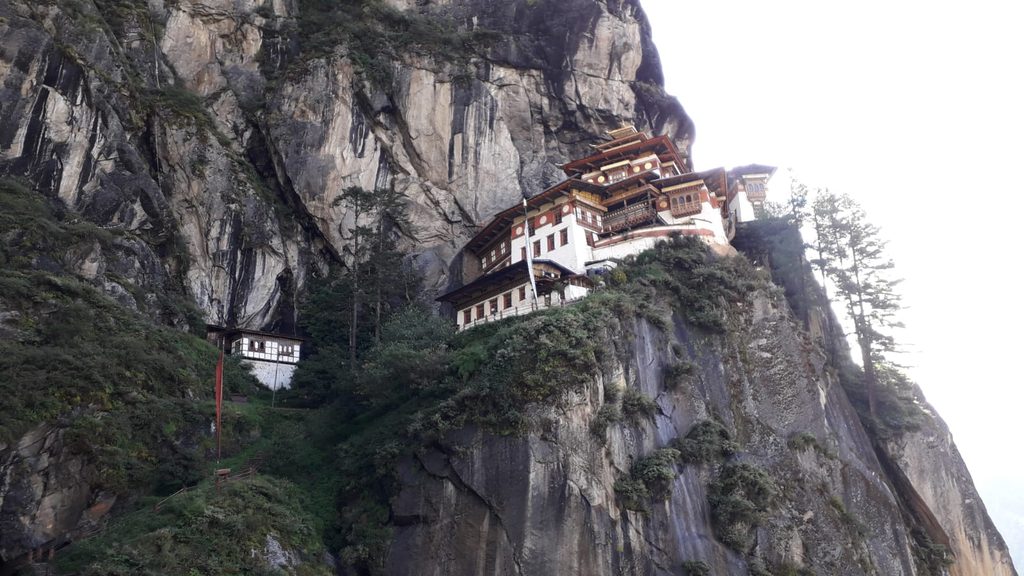
4. Tiger’s Nest Is Harder Than It Looks

You’ve seen the famous photos.

The monastery appears to be hanging from a cliff.

It looks magical.

What the photos don’t show is the uphill hike required to reach it.

The hike to Tiger’s Nest Monastery (Paro Taktsang) can take several hours depending on your fitness level.

Many travelers assume it’s a casual walk.

It isn’t.

The good news?

Almost everyone says it’s worth every step.

The views, atmosphere, and sense of achievement make it one of the most memorable experiences of any Bhutan Tour.

5. Bhutan Is Surprisingly Modern

Many people imagine Bhutan as a country frozen in time.

Then they arrive and see:

  • Modern cafes
  • Good mobile networks
  • Internet access
  • Contemporary hotels
  • Young Bhutanese using smartphones

Bhutan has managed to preserve its culture while embracing modern technology.

It’s a fascinating combination of tradition and progress.

6. The Food Is Spicier Than You Think

Here’s a warning many travelers wish someone had given them.

Bhutanese food can be seriously spicy.

The national dish, Ema Datshi, combines chili peppers and cheese.

Notice we said chili peppers.

Not chili seasoning.

Actual peppers.

And lots of them.

If you’re sensitive to spicy food, don’t be shy about asking for milder options.

Most restaurants serving international visitors can adjust the spice level.

7. You’ll Start Slowing Down Without Realizing It

This might sound strange.

But Bhutan changes your pace.

Visitors often arrive with packed schedules, dozens of photos to take, and a long checklist of attractions.

After a few days, something shifts.

You spend more time appreciating mountain views.

You notice prayer flags moving in the wind.

You enjoy conversations instead of rushing to the next stop.

Bhutan isn’t a destination that rewards speed.

It’s a destination that rewards presence.

8. You’ll Hear About Gross National Happiness Everywhere

Most travelers know Bhutan is famous for Gross National Happiness.

What surprises them is how often the philosophy appears in everyday life.

You’ll see it reflected in:

  • Environmental protection
  • Cultural preservation
  • Community values
  • Education priorities
  • Tourism policies

It’s not simply a tourism slogan.

It’s a concept that genuinely influences how the country develops.

9. The Weather Can Change Quickly

Many first-time visitors pack for one season and get caught off guard.

In a single day, you might experience:

  • Bright sunshine
  • Cool mountain winds
  • Rain showers
  • Chilly evenings

Layered clothing is your best friend during a Bhutan Tour.

Even during warmer months, mornings and evenings can be surprisingly cool.

10. Bhutan Is Much Cleaner Than Most Travelers Expect

One thing visitors consistently mention after returning home is how clean Bhutan feels.

Roads, villages, hiking trails, and towns are generally well-maintained.

Environmental conservation is taken seriously throughout the country.

For travelers used to seeing litter in heavily visited tourist destinations, Bhutan’s cleanliness can be genuinely refreshing.

11. You’ll Probably Take Fewer Photos Than Planned

This sounds impossible.

Until it happens.

Many travelers arrive ready to document every moment.

Then they find themselves simply sitting quietly at a monastery, watching clouds move across a valley, or listening to prayer chants.

Some experiences feel better lived than photographed.

Bhutan has a way of creating those moments.

12. The People Are One of Bhutan’s Greatest Attractions

Travel blogs often focus on monasteries, mountains, and landscapes.

But ask travelers what they remember most, and many will mention the people.

Bhutanese hospitality tends to feel genuine rather than commercial.

Whether it’s your guide, hotel staff, local shopkeeper, or a family you meet along the way, the warmth of the people often becomes one of the highlights of the journey.

Is Bhutan Worth Visiting?

Absolutely.

But not because it’s perfect.

Bhutan is worth visiting because it’s different.

It’s a place where cultural traditions still matter, where development is carefully managed, and where tourism focuses on quality rather than quantity.

If you’re looking for nightlife, shopping malls, and endless entertainment, Bhutan may not be the destination for you.

If you’re looking for meaningful experiences, spectacular Himalayan scenery, rich Buddhist culture, and a journey that stays with you long after you return home, a Bhutan Tour can be one of the most rewarding trips you’ll ever take.

Bhutan Tour

The best Bhutan Tour isn’t about checking attractions off a list.

It’s about experiencing a country that has chosen a different path from much of the modern world.

Come with realistic expectations.

Pack layers.

Prepare for some uphill hiking.

Don’t underestimate the chilies.

And leave a little room in your itinerary—and your mind—for surprises.

Because the things nobody tells you before visiting Bhutan are often the ones you remember most.

Bhutan Visa Process Explained for Tourists: Complete Guide for Bhutan Tours in 2027

Planning a Bhutan Tour in 2027? Here’s Everything You Need to Know About the Bhutan Visa Process

Bhutan is one of the world’s most unique travel destinations, known for its breathtaking Himalayan landscapes, ancient monasteries, vibrant culture, and commitment to sustainable tourism. Before you can experience the beauty of the Land of the Thunder Dragon, you need to understand the Bhutan visa process.

Many travelers researching a Bhutan tour often ask:

  • Do I need a visa for Bhutan?
  • How do I apply for a Bhutan visa?
  • Can I get a Bhutan visa on arrival?
  • How much does a Bhutan visa cost?
  • How long does a Bhutan visa approval take?
  • Can I travel independently in Bhutan?

This guide answers all these questions and explains the complete Bhutan visa process for tourists in a simple, step-by-step format.

Do Tourists Need a Visa to Visit Bhutan?

Yes, almost all foreign travelers require a visa to enter Bhutan.

The only exceptions are citizens of:

  • India
  • Bangladesh
  • Maldives

These travelers do not need a tourist visa but must carry valid travel documents and complete entry formalities upon arrival.

For travelers from the United States, the United Kingdom, Canada, Australia, Europe, Southeast Asia, and most other countries, obtaining a Bhutan visa before arrival is mandatory.

Can You Apply for a Bhutan Visa Yourself?

No.

Unlike many countries where travelers can directly submit visa applications to embassies, Bhutan has a unique tourism policy.

Tourists cannot independently apply for a Bhutan visa.

Instead, the visa application must be submitted through:

  • A licensed Bhutanese tour operator, or
  • An international travel partner working with a licensed Bhutanese operator

This means that before receiving your visa approval, you must first book your Bhutan tour.

How the Bhutan Visa Process Works

The Bhutan visa process is straightforward when arranged through a licensed tour operator.

Step 1: Choose Your Bhutan Tour

First, select your preferred tour package.

Popular Bhutan tours include:

  • Classic Bhutan Cultural Tour
  • Paro, Thimphu & Punakha Tour
  • Bhutan Festival Tours
  • Luxury Bhutan Tours
  • Bhutan Trekking Tours
  • Photography Tours
  • Bird Watching Tours

Your tour operator will customize the itinerary based on your interests, travel dates, and budget.

Step 2: Submit Passport Copy

Once your tour is confirmed, you will need to provide:

  • A clear color copy of your passport
  • Passport validity of at least six months from the date of entry

The passport scan should be clear and legible.

Step 3: Pay Tour Deposit

Most operators require payment before processing the visa.

The payment generally covers:

  • Tour costs
  • Sustainable Development Fee (SDF)
  • Government fees
  • Accommodation
  • Transportation
  • Guide services

Step 4: Visa Application Submission

Your Bhutan tour operator submits your visa application online through Bhutan’s official immigration system.

The application includes:

  • Personal details
  • Passport information
  • Travel itinerary
  • Arrival and departure details

Step 5: Visa Approval Letter Issued

After approval, travelers receive an official visa clearance letter.

This document serves as proof that your visa has been approved.

You should:

  • Print a copy
  • Save a digital copy on your phone

Airlines often request this document before allowing boarding to Bhutan.

Step 6: Visa Stamp Upon Arrival

When you arrive in Bhutan through:

  • Paro International Airport
  • Approved land border crossings

Immigration officers verify your visa clearance and stamp the visa into your passport.

Bhutan visa process

How Long Does a Bhutan Visa Approval Take?

In most cases, visa approval takes:

3 to 7 working days

However, during peak travel seasons, processing may take longer.

Popular travel periods include:

  • March to May
  • September to November
  • Major festival seasons

Travelers are advised to finalize their Bhutan tour at least a few weeks before departure.

Bhutan Visa Requirements

To apply for a Bhutan tourist visa, you generally need:

Valid Passport

  • Minimum six months validity
  • At least one blank page

Passport Copy

A clear scanned copy of the passport information page.

Passport Photo

Some operators may request a recent passport-sized photograph.

Confirmed Tour Booking

Visa applications must be linked to a licensed Bhutan tour.

Travel Information

Including:

  • Flight details
  • Arrival date
  • Departure date

Bhutan Visa Cost in 2027

The Bhutan tourist visa typically includes:

Visa Application Fee

A government visa processing fee.

Sustainable Development Fee (SDF)

The Sustainable Development Fee supports:

  • Environmental conservation
  • Cultural preservation
  • Infrastructure development
  • Sustainable tourism initiatives

The SDF policy may change from time to time, so travelers should verify current rates with their tour operator before booking.

What is the Sustainable Development Fee (SDF)?

One of the most common questions about Bhutan Tours concerns the Sustainable Development Fee.

Bhutan follows a “High Value, Low Volume” tourism strategy.

The SDF helps Bhutan:

  • Protect its natural environment
  • Maintain cultural heritage
  • Improve tourism infrastructure
  • Manage visitor numbers sustainably

This approach has helped Bhutan remain one of the world’s most pristine travel destinations.

Can You Get a Bhutan Visa on Arrival?

No.

Travelers cannot simply arrive in Bhutan and obtain a tourist visa at the airport.

You must obtain visa approval before traveling.

Without a valid visa clearance letter, airlines may deny boarding.

Can You Travel Independently in Bhutan?

For most international tourists, travel arrangements must be made through a licensed tour operator.

However, Bhutan has gradually introduced more flexibility compared to previous tourism policies.

Most travelers still choose organized Bhutan Tours because they provide:

  • Visa processing
  • Transportation
  • Accommodation
  • Local guides
  • Logistics support

This makes travel much easier and more enjoyable.

Entry Points to Bhutan

Tourists can enter Bhutan through:

By Air

The most popular route is:

Paro International Airport (PBH)

Direct flights are available from:

  • Kathmandu
  • Delhi
  • Bangkok
  • Singapore
  • Dhaka
By Land

Visitors may also enter Bhutan through designated border crossings connecting India and Bhutan.

Your tour operator can advise which route best suits your itinerary.

Common Reasons for Bhutan Visa Delays

While visa approval is generally smooth, delays may occur due to:

  • Incomplete passport copy
  • Passport validity issues
  • Incorrect personal information
  • Peak-season processing volume
  • Last-minute applications

Submitting accurate documents early helps avoid delays.

Frequently Asked Questions About the Bhutan Visa Process

Is Bhutan visa approval guaranteed?

No. Approval is subject to Bhutan immigration regulations. However, most genuine tourist applications submitted through licensed operators are approved without issues.

How early should I apply for a Bhutan visa?

Ideally, finalize your Bhutan Tour several weeks before departure, especially during spring and autumn travel seasons.

Can I extend my Bhutan visa?

Yes, visa extensions may be possible under certain circumstances through authorized channels within Bhutan.

Do children need a Bhutan visa?

Yes. Children generally require travel authorization and visa processing similar to adult travelers.

Can I visit Bhutan from Nepal?

Yes. Many travelers combine Nepal and Bhutan trips. Direct flights between Kathmandu and Paro make Bhutan easily accessible from Nepal.

Can I enter Bhutan multiple times?

Multiple-entry arrangements depend on your itinerary and travel plans. Consult your tour operator if your itinerary includes exiting and re-entering Bhutan.

Why Book Your Bhutan Tour Through a Reliable Operator?

A professional Bhutan tour operator simplifies the entire process by handling:

  • Visa application
  • Tour planning
  • Accommodation booking
  • Transportation
  • Local guides
  • Government requirements

This allows travelers to focus on enjoying Bhutan rather than dealing with paperwork and logistics.

Final Thoughts

The Bhutan visa process is much simpler than many travelers expect. While independent visa applications are not permitted, licensed tour operators handle the entire process on your behalf.

To summarize:

✓ Most travelers require a Bhutan visa.

✓ The visa must be arranged through a licensed tour operator.

✓ A passport copy and confirmed tour booking are required.

✓ Visa approval is usually issued within a few working days.

✓ Travelers receive a visa clearance letter before departure.

✓ The visa is stamped into the passport upon arrival in Bhutan.

If you’re planning a Bhutan Tour in 2027, understanding the visa process early will help ensure a smooth and stress-free travel experience, allowing you to focus on exploring one of the most fascinating destinations in the Himalayas.

Mt Kailash Group Joining Tour vs Private Tour: Which One Is Right for You?

Planning a journey to Mount Kailash is a dream for many travelers, pilgrims, trekkers, and spiritual seekers. Whether you are visiting for religious reasons, adventure, photography, or personal transformation, one of the most important decisions you will make is choosing between a Mt Kailash Group Joining Tour and a Mt Kailash Private Tour.

Both options allow you to visit the sacred Mount Kailash and Lake Manasarovar, but they offer very different experiences in cost, flexibility, comfort, logistics, and overall travel style.

This comprehensive guide compares Mount Kailash Group Tours and Private Tours in detail to help you choose the best option for your travel goals, budget, and expectations.

What Is a Mt Kailash Group Joining Tour?

A Mt Kailash Group Joining Tour is a scheduled departure where individual travelers, couples, families, or small groups join other travelers to form a larger tour group.

Participants share transportation, guides, permits, accommodation arrangements, and sightseeing throughout the journey.

Group tours typically follow fixed departure dates and predetermined itineraries.

Ideal For

  • Solo travelers
  • Budget-conscious travelers
  • First-time Tibet visitors
  • Pilgrims seeking companionship
  • Travelers are comfortable with fixed schedules

What Is a Mt Kailash Private Tour?

A Mt Kailash Private Tour is customized exclusively for you and your travel companions.

You have your own vehicle, guide, flexible itinerary, and personalized services throughout the journey.

Private tours offer greater freedom, comfort, and customization but generally cost more than joining a group.

Ideal For

  • Families
  • Friends traveling together
  • Senior travelers
  • Luxury travelers
  • Photographers
  • Pilgrims requiring special arrangements
  • Travelers with limited vacation time
Mt Kailash Group Joining Tour vs Private Tour

Quick Comparison: Mt Kailash Group Tour vs Private Tour

FeatureGroup Joining TourPrivate Tour
CostLowerHigher
FlexibilityLimitedHigh
Departure DatesFixedFlexible
Guide AttentionSharedExclusive
VehicleSharedPrivate
Pace of TravelGroup PaceYour Pace
Photography StopsLimitedFlexible
Family-FriendlyModerateExcellent
PrivacyLowHigh
Cultural InteractionHighModerate

Cost Comparison

One of the biggest reasons travelers choose a Mt Kailash Group Joining Tour is affordability.

Group Joining Tour Cost

The cost is shared among participants, making it significantly more economical.

Typical inclusions:

  • Tibet Travel Permit
  • Alien Travel Permit
  • Special border area permit (permission to visit restricted areas near the border)
  • Guide services
  • Shared transportation
  • Accommodation
  • Sightseeing
Private Tour Cost

Private tours involve dedicated resources:

  • Private vehicle
  • Personal guide
  • Customized itinerary
  • Flexible arrangements

As a result, private tours generally cost substantially more than group tours.

Which Is Better?

If budget is your primary concern, a Mt Kailash Group Joining Tour provides excellent value.

If comfort and flexibility matter more, a Private Tour is worth the additional investment.

This is where private tours have a significant advantage.

Flexibility and Freedom
Group Tour Limitations

Group tours follow:

  • Fixed departure dates
  • Fixed hotels
  • Fixed sightseeing schedules
  • Fixed meal stops
  • Fixed driving hours

You must stay with the group throughout the journey.

Private Tour Advantages

With a private tour, you can:

  • Choose travel dates
  • Add extra nights
  • Spend more time at attractions
  • Modify sightseeing plans
  • Stop for photography whenever possible
  • Travel at your preferred pace

For many travelers, this flexibility alone justifies the higher cost.

Which Tour Is Better for Mount Kailash Parikrama?

The Mount Kailash Parikrama (Kora) is the highlight of any Kailash journey.

The 52-kilometer pilgrimage takes three days and crosses the challenging Dolma La Pass at approximately 5,630 meters.

Group Tour During Parikrama

Benefits:

  • Fellow pilgrims provide motivation
  • Shared experience
  • Lower overall cost

Challenges:

  • Group pace may not suit everyone
  • Less flexibility during trekking days
Private Tour During Parikrama

Benefits:

  • Flexible walking pace
  • Personalized support
  • Easier logistics for families and seniors

Challenges:

  • Higher cost

Horse and Yak Arrangements During the Parikrama

Many travelers underestimate this important aspect.

Whether you join a group or book a private tour, hiring support during the three-day Kailash Parikrama is usually an additional cost.

Horse and Horseman

Suitable for:

  • Elderly pilgrims
  • Travelers with knee issues
  • Those concerned about high-altitude trekking
Yak and Yak Man

Suitable for:

  • Carrying duffel bags
  • Carrying personal equipment
  • Reducing physical strain

These services are generally arranged locally and are not included in most standard tour packages.

Travelers should budget separately for:

  • Horse rental
  • Horseman fees
  • Yak rental
  • Yak man fees
  • Tips

Understanding these hidden costs helps avoid surprises during the pilgrimage.

Which Tour Is Better for First-Time Travelers?

For first-time visitors to Tibet and Mount Kailash, group tours often provide a smoother introduction.

Benefits include:

  • Meeting experienced pilgrims
  • Shared support system
  • Lower financial commitment
  • Organized logistics

However, travelers who value comfort and personal attention may still prefer a private tour.

Which Tour Is Better for Families?

Families often find private tours more convenient.

Advantages include:

  • Flexible schedules
  • Child-friendly pacing
  • Customized accommodations
  • Greater privacy
  • Easier meal arrangements

For families with elderly members, private tours are especially recommended.

Which Tour Is Better for Senior Travelers?

Senior travelers frequently choose private tours because they offer:

  • More rest stops
  • Flexible pacing
  • Personalized assistance
  • Easier altitude management

That said, many healthy seniors complete Mount Kailash Group Joining Tours every year.

Which Tour Is Better for Photography?

Mount Kailash and Lake Manasarovar are among the most photogenic destinations in Tibet.

Photographers often prefer private tours because they can:

  • Stop at scenic viewpoints
  • Wait for ideal lighting conditions
  • Spend extra time at key locations
  • Capture sunrise and sunset moments

Group tours may not allow extended photography stops due to schedule constraints.

Safety Considerations

Both group and private tours are generally safe when operated by experienced Tibet travel agencies.

Important safety factors include:

  • Proper acclimatization
  • Licensed Tibetan guides
  • Reliable transportation
  • Emergency support
  • Oxygen availability when necessary

The choice between group and private tours has little impact on safety when the tour is organized professionally.

Frequently Asked Questions

Is a Mt Kailash Group Joining Tour cheaper?

Yes. Shared transportation, guides, and logistics significantly reduce costs.

Can solo travelers join a Mount Kailash Group Tour?

Absolutely. Many participants are solo travelers.

Is a Private Tour worth the extra cost?

For travelers seeking flexibility, comfort, privacy, and personalized service, the additional cost is often worthwhile.

Can I customize a Mt Kailash Private Tour?

Yes. Private tours can often be tailored to your interests, schedule, and travel style.

Which option is best for elderly pilgrims?

Private tours generally offer more comfort and flexibility, making them a popular choice for senior travelers.

Final Verdict: Mt Kailash Group Joining Tour or Private Tour?

There is no single best choice—only the option that best matches your travel style.

Choose a Mt Kailash Group Joining Tour if:

  • You want to save money.
  • You enjoy meeting fellow travelers.
  • You are comfortable with fixed schedules.
  • You are traveling alone.

Choose a Mt Kailash Private Tour if:

  • You value flexibility.
  • You want personalized service.
  • You are traveling with family or friends.
  • You prefer privacy and comfort.
  • You want greater control over your itinerary.

Both options provide an unforgettable opportunity to experience the spiritual power of Mount Kailash, the beauty of Lake Manasarovar, and one of the world’s most extraordinary pilgrimage journeys.

The most important step is choosing a reliable Tibet travel agency that handles permits, transportation, accommodations, guides, and local arrangements efficiently, allowing you to focus entirely on the experience of a lifetime.

How Physically Fit Do You Need to Be to Complete the Mount Kailash Parikrama? Recommended Training for the Mt Kailash Yatra

The Mount Kailash Parikrama is one of the world’s most remarkable pilgrimage and trekking experiences. For Hindus, Buddhists, Jains, and Bon followers, circling the sacred mountain is a spiritual journey of immense significance. For adventure travelers, it is a unique opportunity to trek through one of the most remote and breathtaking regions of Tibet.

One of the most common questions asked by travelers planning a Mt Kailash Tour is:

“How physically fit do I need to be to complete the Mount Kailash Parikrama?”

The good news is that you do not need to be a marathon runner, mountaineer, or elite athlete. However, you do need a reasonable level of fitness, preparation, and determination to complete the trek safely and comfortably.

This guide explains the difficulty of the Mount Kailash Parikrama, the physical challenges you can expect, and the best training plan to prepare for your Mt Kailash Yatra.

Understanding the Mount Kailash Parikrama

The Mount Kailash Parikrama (also known as the Kora) is a three-day trek around the sacred mountain.

The complete route covers approximately:

  • 52 kilometers (32 miles)
  • Altitudes ranging from 4,675m to 5,645m
  • Highest point: Dolma La Pass (5,645m)

Unlike technical mountain climbing, the parikrama does not require:

  • Mountaineering experience
  • Ropes or climbing equipment
  • Technical trekking skills

However, the challenge comes from:

  • High altitude
  • Long walking distances
  • Steep ascents and descents
  • Thin air and lower oxygen levels
  • Unpredictable weather conditions

For most travelers, altitude is significantly more difficult than the walking itself.

How Difficult Is the Mt Kailash Tour?

Physical Difficulty: Moderate to Challenging

The Mt Kailash Tour difficulty is often underestimated because the trekking distances appear manageable.

The reality is that trekking at 5,000+ meters feels very different from hiking at sea level.

Many travelers who comfortably walk 15–20 km at home find themselves moving much more slowly due to the effects of altitude.

The most demanding day is Day 2 of the parikrama, when travelers cross Dolma La Pass.

This day involves:

  • A steep uphill climb
  • High altitude exposure
  • Rocky terrain
  • A long descent afterward

For many pilgrims, this is the most physically and mentally demanding day of the entire journey.

Can Beginners Complete the Mount Kailash Parikrama?

Yes.

Every year, many first-time trekkers complete the Mount Kailash Yatra.

You do not need previous trekking experience if you:

  • Prepare properly
  • Train in advance
  • Acclimatize correctly
  • Walk at a steady pace
  • Follow your guide’s instructions

Many participants are in their 50s, 60s, and even 70s.

In fact, determination and patience are often more important than athletic ability.

What Level of Fitness Is Recommended?

A good benchmark is that you should comfortably be able to:

  • Walk 10–15 km in a day
  • Climb several flights of stairs without excessive exhaustion
  • Walk continuously for 4–6 hours
  • Handle uneven terrain
  • Carry a small daypack

If you can achieve these goals before departure, you are generally fit enough for the Mount Kailash Tour.

The Biggest Challenge: High Altitude

Many travelers assume fitness alone guarantees success.

Unfortunately, altitude does not work that way.

Even very fit athletes can experience altitude-related symptoms.

During the Mt Kailash Parikrama, you will spend several days above:

  • 4,500 meters
  • 5,000 meters
  • 5,645 meters at Dolma La Pass

At these elevations:

  • Oxygen levels are significantly lower
  • Breathing becomes more difficult
  • Walking pace slows down
  • Recovery takes longer

This is why proper acclimatization is included in most Mount Kailash Tour itineraries.

Who Should Consult a Doctor Before the Mt Kailash Yatra?

Travelers with the following conditions should seek medical advice before booking:

  • Heart disease
  • Severe asthma
  • Chronic lung conditions
  • Uncontrolled high blood pressure
  • Recent major surgery
  • Serious mobility limitations

Many people with controlled medical conditions complete the journey, but professional medical guidance is recommended.

How to Train for the Mt Kailash Tour

The ideal preparation begins 8–12 weeks before departure.

The goal is not speed.

The goal is endurance.

Recommended Training Plan

Walking Training

Walking is the single best preparation for Mount Kailash.

Aim for:

Weeks 1–4:

  • 4–5 km walks
  • 4 days per week

Weeks 5–8:

  • 8–10 km walks
  • 4–5 days per week

Weeks 9–12:

  • 10–15 km walks
  • Include hills whenever possible

Consistency matters more than intensity.

Stair Climbing

Dolma La Pass involves a sustained uphill climb.

To prepare:

  • Climb stairs 2–3 times per week
  • Start with 10–15 minutes
  • Gradually increase to 30–45 minutes

This strengthens the muscles used during the ascent.

Hill Hiking

If you live near hills or mountains, include regular hikes.

Benefits include:

  • Improved endurance
  • Stronger leg muscles
  • Better balance
  • Mental preparation for long trekking days

Even short local hikes can make a significant difference.

Strength Training

Strong legs and core muscles help reduce fatigue.

Focus on:

  • Squats
  • Lunges
  • Step-ups
  • Calf raises
  • Core exercises

Two sessions per week are usually sufficient.

Cardiovascular Training

Cardio improves your body’s ability to use oxygen efficiently.

Good options include:

  • Brisk walking
  • Cycling
  • Swimming
  • Jogging
  • Elliptical training

Aim for 30–45 minutes, three to four times per week.

Mental Preparation Is Important Too

Many experienced Mount Kailash pilgrims say that mental strength is just as important as physical fitness.

The trek can involve:

  • Cold mornings
  • Strong winds
  • Basic accommodations
  • Long travel days
  • Physical discomfort

A positive mindset often makes the difference between struggling and succeeding.

Can You Use a Horse During the Kailash Parikrama?

Yes.

Travelers who are concerned about their fitness level may hire a horse for parts of the parikrama.

A horse can help reduce physical strain during the trek.

However:

  • The steep section near Dolma La Pass may still require walking.
  • Horse services are subject to local availability.
  • Advance arrangements are recommended during peak season.

Porters are also available to carry personal belongings.

Common Mistakes Travelers Make

Underestimating the Altitude

Altitude affects everyone differently.

Being physically fit does not eliminate altitude risk.

Not Training Before the Tour

Many travelers assume they can “get through it.”

Those who train beforehand generally enjoy the experience much more.

Walking Too Fast

A slow, steady pace is the secret to success at high altitude.

Not Drinking Enough Water

Hydration is essential for both trekking performance and acclimatization.

Tips for Successfully Completing the Mt Kailash Parikrama

  • Start training at least 2–3 months before departure.
  • Focus on endurance rather than speed.
  • Walk regularly.
  • Practice hiking on hills if possible.
  • Stay hydrated.
  • Listen to your guide.
  • Allow proper acclimatization time.
  • Maintain a positive attitude.
  • Travel with appropriate gear and clothing.

Frequently Asked Questions

Is the Mount Kailash Parikrama harder than the Everest Base Camp Trek?

The trekking distance is shorter, but the altitude is significantly higher.

Many travelers find the altitude at Mount Kailash more challenging than the walking itself.

Can senior citizens complete the Mt Kailash Yatra?

Yes.

Many travelers in their 60s and 70s complete the pilgrimage each year with proper preparation and medical clearance.

Do I need trekking experience

No.

Previous trekking experience is helpful but not mandatory.

Good fitness and preparation are more important.

How many hours do you walk each day?

During the parikrama, most travelers walk approximately:

  • Day 1: 5–7 hours
  • Day 2: 8–12 hours
  • Day 3: 3–4 hours

Walking times vary according to fitness and weather conditions.

How Physically Fit Do You Need to Be to Complete the Mount Kailash Parikrama?

Final Thoughts: Are You Fit Enough for Mount Kailash?

If you can comfortably walk long distances, maintain a moderate level of fitness, and dedicate a few months to preparation, there is a good chance you can complete the Mount Kailash Parikrama.

The journey is undoubtedly challenging, but it is achievable for many travelers of different ages and fitness levels.

The key factors are preparation, acclimatization, pacing, and determination.

For most pilgrims, the reward of completing the sacred Mt Kailash Yatra far outweighs the physical effort required.

If Mount Kailash has been on your bucket list, start preparing early, train consistently, and plan your journey well in advance to secure permits and visas and book your preferred travel dates.